SPONSORED CONTENT: Get cozy with the reality star-turned-lifestyle expert at the Fairgrounds Southern Ideal Home Show Sept. 15 & 16 at the North Carolina State Fairgrounds.
Craig Conover—a fan favorite on the hit Bravo series Southern Charm—certainly isn’t taking the path well-trodden by so many of his reality TV predecessors. While many go the way of cameos and club appearances, Conover is stitching his own path one pillow at a time, turning his passion for textile arts into a thriving company—and he’s aiming high as he aspires to be the next Martha Stewart.
On Sept. 15 and 16, Southern Charm fans can grab a seat and get cozy as Conover spills the tea to fans at the upcoming Fairgrounds Southern Ideal Home Show at the NC State Fairgrounds. He’ll be sharing and answering questions about the show; his home; his lifestyle brand, Sewing Down South; and beyond. Heappears at the show on Friday at 3pm and Saturday at 1pm.
A Fenwick Island, Delaware native, Conover’s domestic skills (oft mocked by his Southern Charm castmates) were further honed after a thyroid cancer diagnosis for his mother drew him home to help care for her. His mother’s health scare inspired him to create a collection of all iodine-free meals to aid her recovery.
His sewing success led to the founding of Charleston-based home and lifestyle brand Sewing Down South, online purveyors of pillows, blankets, aprons and many additional soft textile items, with a brick-and-mortar flagship showroom on King Street in the heart of historic downtown Charleston.
In addition to being a reality TV staple (Conover also appears on Bravo’s seasonal sister shows Summer House and Winter House alongside his New York City-based girlfriend Paige DeSorbo), and pillow magnate, he’s an avid DIYer who recently completed a massive overhaul of his own outdoor space with chic TV space, conversation pit, outdoor fireplace, hot tub, grill area and more.
A board-certified attorney, Conover is a graduate of College of Charleston and Charleston Law School. He also hosts the popular podcast Pillows & Beer and is the author of a top-rated memoir Pillow Talk: What’s Wrong With My Sewing?
Come chat with Conover at the Fairgrounds Southern Ideal Home Show. Other show features include Chef Vivian Howard, The Design Studio with Home Revision, and plant workshops, to name but a few.
The views expressed in this rant are those of the author and do not purport or reflect the opinions of Raleigh Magazine.
Stop running red lights. Please. Before it gets any worse. … It seems during the dark days of the pandemic—with fewer people on the road—everyone got more gutsy. Now, it’s as if it’s the rule rather than the exception to run a red light—like it doesn’t mean stop anymore, but, instead, HURRY UP! YOU CAN MAKE IT!
You see, when you run a red light, you aren’t just “running a red light.” You’re flying through that light at a high speed. Just think of a speeding projectile colliding with a slow moving or stationary object. Impact is quite forceful. I seem to remember a formula from high school physics—force equals mass times acceleration. Do you?
It’s no wonder red light cameras have been installed at many busy intersections. Twenty years ago or less, people could wait. If you’re in that much of a hurry, I’m sorry. What’s the rush? Is your boss such a jerk that you’re worried about being late to work? Is the day care or the ABC store getting ready to close? Think how much more time you’ll spend at that intersection after the crash. And in the hospital recovering—if you survive. Think, think, think—and just press the brake pedal. It’s the one to the left of the accelerator.
I’m waiting for the day when I witness a huge crash because someone ran a red light that I just slowed down for and stopped. I see it happening in my mind. I hear the sound of metal on metal. I smell the burn of tire tracks. I see blood on the pavement. I feel tears dripping down my cheeks. I beg of you, just wait for the light to turn green.
It’s as if drivers think by hurrying through the already red light, it will somehow not matter that other drivers have a green light. I now find myself waiting a few moments before proceeding through an intersection in case some crazy lawless lunatic with no regard for their fellow humans comes barreling through. It’s not like you’re going to save that much time. You’ll probably get stopped at the next intersection anyway.
Instead, chill out and enjoy your time behind the wheel. Listen to some music or a podcast. Talk to your kids. Practice conjugating irregular Latin verbs. Just stay off your phone. But, that’s another rant.
—A friend who cares
Got a Rant or Rave? Email it to [email protected] for consideration.
SPONSORED CONTENT: Inflation impacts everyone, but it can be challenging if your income is not increasing at the same rate as your expenses. Inflation increases the cost of goods and services, making your money work even harder than in previous years. The good news is there are steps you can take to ease the inflation burden.
KNOW WHERE YOUR MONEY IS GOING
Understanding exactly where your money is going is one of the most important things you can do to help fight inflation. If you don’t know how much your bills are or what you’re spending money on, it’s difficult to see inflation’s impact on you. If you don’t have a spending plan, now is the time to make one. If you already have one, it’s time to update it. Once you have a spending plan, do your best to stick to it to keep your costs under control.
IF YOU NEED TO CHANGE YOUR SPENDING HABITS…
You are not alone! When reviewing your spending, look for the categories of expenses that have increased the most. Then determine your spending priorities and where you need to make adjustments. Sometimes there is an easy solution, such as lowering your spending in increased categories. For example, some simple strategies for reducing food costs include:
Make a list for grocery shopping.
Prepack lunches and coffee for work and school.
Become a savvy shopper and look for deals and coupons before shopping for items you use or need.
Depending on your situation, you may need to make bigger changes to your spending plan. You may need to reduce or delay large purchases like furniture, home goods, expensive vacations, etc., or you may need to downsize wherever possible.
The best way to deal with inflation is to be proactive and have a solid financial foundation and plan. This approach will allow you to weather bumps like inflation along the way.
SECU is here to help our members achieve their financial goals! Please call our 24/7 Member Services at 888.732.8562, or visit your local branch Monday through Friday, 8:30am to 5:30pm if you have any questions.
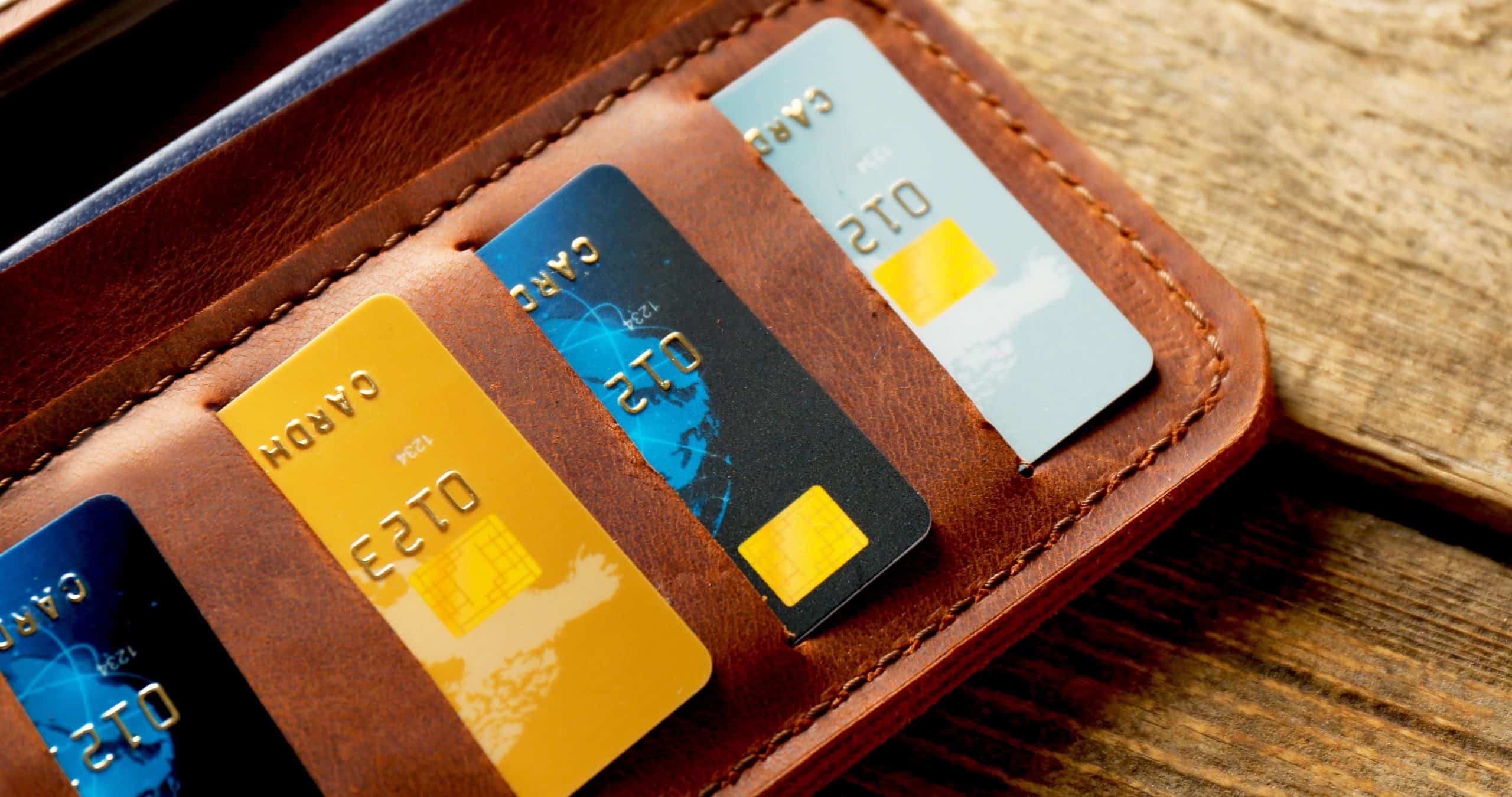
SPONSORED CONTENT: The next time you purchase things like groceries, movie tickets or gas, you will likely have several different payment options. Using your credit card can have several benefits as long as you use it responsibly.
FRAUD/UNAUTHORIZED USE PROTECTION
Most major credit companies, including SECU, provide zero-liability coverage when your account is used fraudulently for unauthorized purchases. In addition, SECU and many companies also monitor for potentially fraudulent purchases and will decline a transaction they suspect is not legitimate. This protection means it is safer to carry cards than cash that is easily lost, stolen or misplaced.
Even debit cards pose some risks over credit cards, as money is taken directly from your checking account. Many banks and credit unions will work with you to replace the stolen funds, but that process can take time, leaving you without access to that cash.
BUILD CREDIT
Using your credit card may help you build additional credit, especially if you have limited history or a low credit score. Keep in mind you don’t have to spend a lot or go into deep debt on your cards to raise your credit score. Make small purchases for which you normally would use cash or debit, and then pay the total bill when your statement arrives. Making timely payments on any credit account is one of the most important elements of your credit score.
TIPS FOR USING YOUR CREDIT RESPONSIBLY
Don’t spend more than you can afford to pay back in cash. Carrying a balance on credit accounts accrues interest, which adds to the amount you owe. If you pay your account in full each month, you avoid paying any interest while reaping the benefits of using credit.
Do make your payments on time. As mentioned above, the credit bureaus consider this one of the most important factors impacting your credit score.
Don’t use a credit card if you are already carrying a balance or struggling to manage your payments. Adding more debt on top of what you already owe just makes it worse. Stick to paying with cash to avoid overspending and focus on paying down your debt first.
Watch out for hidden “convenience” fees. Sometimes using a credit card to pay for things like utilities and other services can accrue an extra fee. Make sure to read and understand the fine print before you use your credit card in these instances.
SECU Visa® Credit Cards offer a low rate and more additional benefits and options are on the way for SECU credit card holders. State Employees’ Credit Union – Visa Credit Cards (ncsecu.org)
If you have questions about your credit and using it wisely, please visit your local SECU branch or contact our 24/7 Member Services at 888.732.8562.
SPONSORED CONTENT: You have probably heard of a budget, but you may be thinking, “What is a spending plan?”
Traditional budgets are slightly different from spending plans. Traditional budgeting is based on cutting expenditures and setting spending limitations, and may create a mindset of sacrifice and restriction. On the other hand, a spending plan is based on prioritizing spending and fostering a sense of responsible, purposeful spending. By following a few simple steps, you can be on your way to creating your own spending plan.
STEP 1: DETERMINE YOUR INCOME
Income is money you regularly receive from an ongoing source, such as a paycheck, alimony, government assistance or dividends. Having a clear picture of your income is ideal. Start by gathering your pay stubs and other documents showing how much money you earn from other sources.
STEP 2: EVALUATE YOUR EXPENSES
Locate your most recent checking account and credit card statements to see what you typically spend monthly. Include rent, loan payments, insurance, groceries, small purchases such as coffee or snacks, bank or credit card fees, and other purchases.
One by one, look at every item that took money out of your account and put it in one of these three columns: fixed, variable or periodic.
FIXED Monthly Recurring and Expected to Stay the Same for a Year or More
VARIABLE Monthly Recurring but Amount Changes
PERIODIC Occurs Less Often than Monthly
Rent/Housing
Utility Bills (Heat, Water, Cable, etc.)
Car Repairs/Maintenance
Loan Payments (Car, Student & Credit Card)
Groceries and Eating Out
Birthdays
Insurance (Homeowners and Renters)
Gas for Your Vehicle
Holiday Spending
Childcare
Clothing
Personal Upkeep
Savings (Emergency & Retirement)
Entertainment
Travel
STEP 3: FIND THE DIFFERENCE
Once you have your total monthly income and expenses, subtract your expenses from your income. You might find you have more money left over each month than you thought or are spending more than you realized.
If income is higher than expenses, consider applying the excess income to an emergency fund, paying down debt, saving for retirement or saving for education expenses.
If expenses are greater than income, review expenses to see what you can reduce and what you can eliminate completely.
STEP 4: ANALYZE THE RESULTS
Now that you know how much you have left at the end of the month (or don’t), you can make informed decisions on managing your money.
Excess income can be used to create or contribute more to an emergency/rainy day fund or to increase retirement savings, vacation savings or savings for home improvement projects, to name a few. It’s ideal to have three to six months’ worth of expenses saved for an emergency.
If you are spending more than you’re earning, you will need to review your spending habits and determine what is a priority and what is not. Remember you should give yourself permission to spend money on things you want while pursuing the goals that matter to you.
STEP 5: CREATE YOUR SPENDING PLAN
Make a plan for every dollar. You determine where your money will go before it gets spent.
When prioritizing goals, keep the following in mind:
Think of your savings account as an important bill. Pay yourself first! Your financial institution can automatically transfer a specified amount from your checking account to your savings account every pay period. You can start small and increase as your ability to save increases.
Stay positive. This spending plan is a tool to help you reach your goals.
Your spending plan should be flexible. If you don’t reach your monthly target one month, modifying is okay.
Don’t get overwhelmed.
Once you’ve developed a spending plan that works best for you, make it a habit.
SECU believes in helping our members to achieve their financial goals! Please call our 24/7 Member Services at 888.732.8562 or visit your local branch Monday through Friday, 8:30am to 5:30pm if you have any questions.