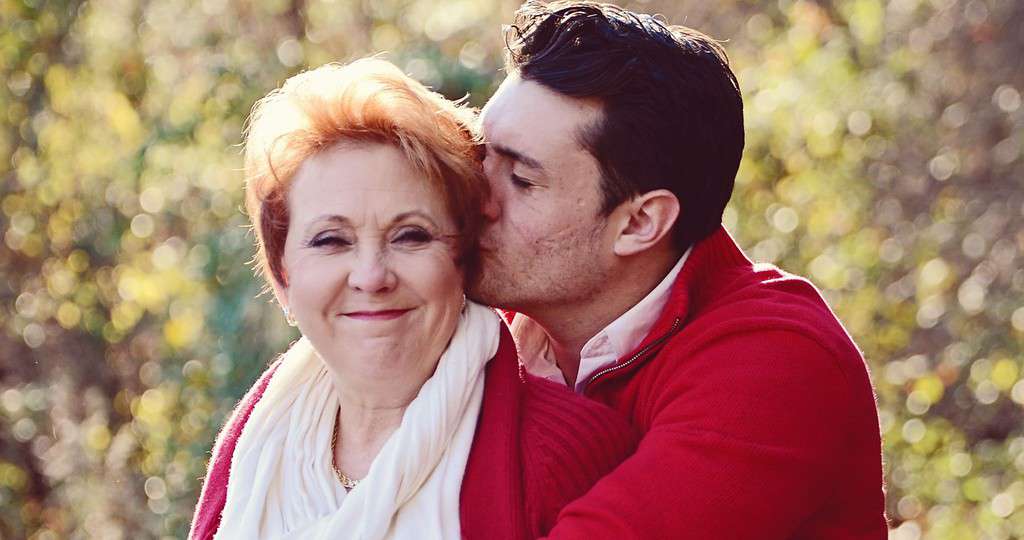
After losing her son to substance use disorder, a local mother and retired professor is making her voice heard with a new memoir exposing our health care system’s shortcomings and stigmas in combating the disease.
In her gripping new memoir, Slow Dancing With the Devil, set to release Feb. 4, 2024, Bartz Herrick details the heartbreaking experiences she and her son, Luke, faced throughout his decadeslong battle with SUD. But Luke never stopped fighting to get well. “I’ve never seen somebody fight back so many times,” Bartz Herrick says with admiration—but he ultimately passed away at the tender age of 30 after a relapse led him to unknowingly take an anxiety medication laced with fentanyl.
Bartz Herrick says she felt compelled to write something in the wake of Luke’s death. So, she “made the shift from the grieving mother to an academic” and began to craft a memoir. “What ended up happening was so much of the information Luke and I experienced—and then what I found out through my research—turned out to be a guide for other parents on what to do and what not to do and also exposing some of the challenges,” she shares.
Case in point: According to the American Society of Addiction Medicine, an estimated 41 million Americans are at risk of dying from SUD, yet there are roughly only 7,000 specially trained physicians available to treat them nationwide. “So the disparity, and, I discovered, so much of the stigma, is what’s really driving this,” reveals Bartz Herrick.
A handsome Ivy League student with an emerging career as a Hollywood actor, Luke certainly didn’t fit the typical addict stereotype. “I want to enlighten people to show them what an average person who struggles with SUD really looks like,” Bartz Herrick continues. “Often when we hear about the fentanyl crisis, it’s focused on the drugs coming over the border. And, yes, we need to stop that… but they don’t take a look at who these people really are.”
Though Bartz Herrick is the first to admit our society must do more to care for the millions already afflicted with SUD, recent moves—such as the rollout of over-the-counter Narcan, an opioid overdose-reversing treatment—give her encouragement for the future. “I have seen quite the strong push these past two to three years. It is getting attention,” she says. “The fact [Narcan] is on the shelf now can be life-saving. I really do encourage any and everyone to just go get it.”
In addition to helping readers develop a nonstigmatized view of what SUD really is, one of Bartz Herrick’s greatest hopes for her book is it will educate parents about the different precursors for addiction. “Many parents, even those whose children have died because of this, still say, ‘What could I have done?’ or ‘No, they were just an addict,’” shares the author. “They had a disease no one knows how to treat. It is a downward spiral without somebody saying, ‘Here, let me help you; let me show you the way.’”
Indeed, people must become advocates if they want to create real, lasting change. “I want us to wake up, to challenge our ideals and to not be afraid,” Bartz Herrick declares. “I know my son would not have made it as far as he did had I not just been there fighting and pushing and pushing.” … And continue to push and fight for change she does.
Prepare for an e-bike boom this fall as the city sets an incentive program in motion.
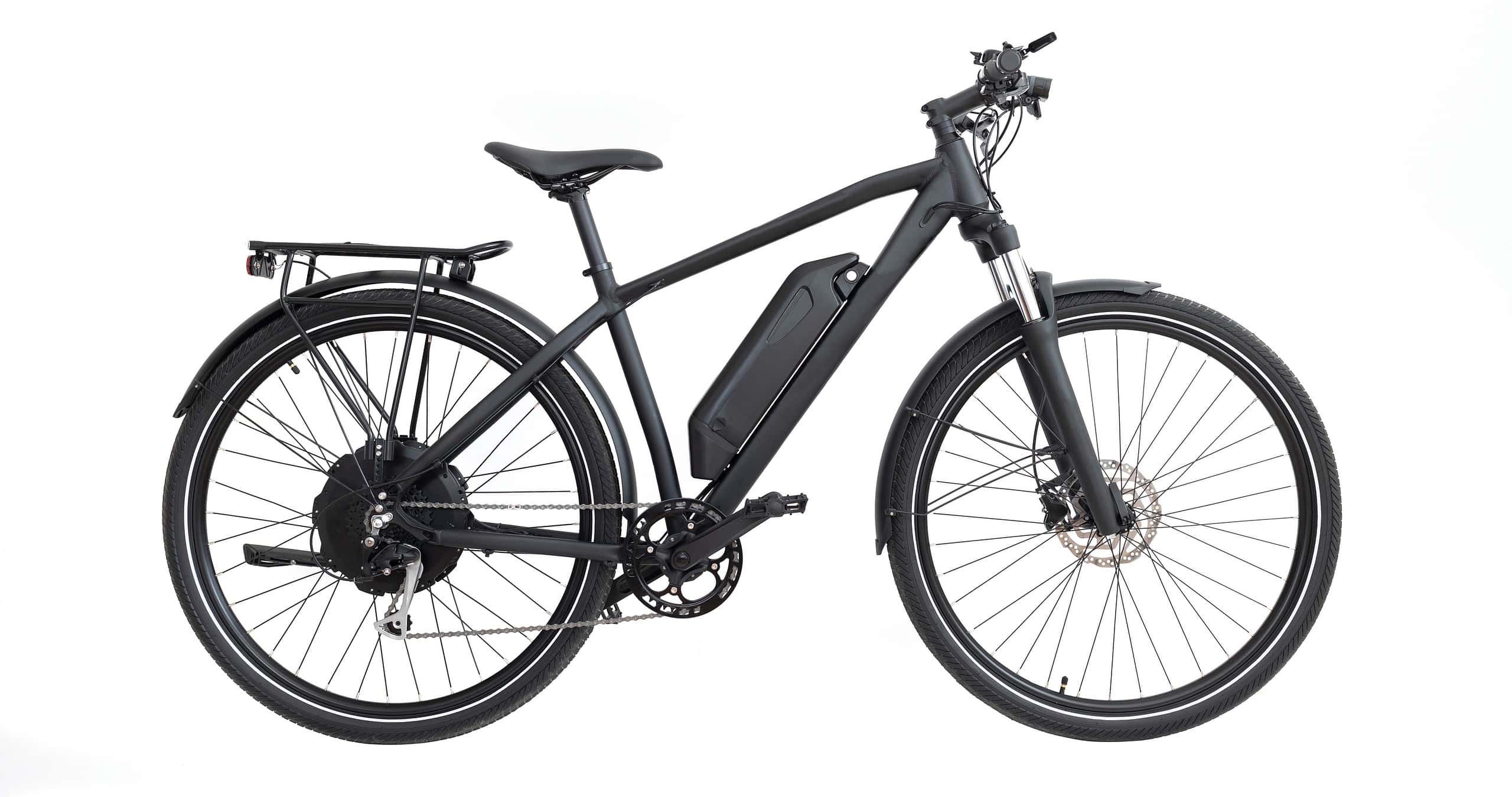
Raleigh really wants you to give battery-powered biking a go. This fall, the city will roll out a pilot program dubbed Ral-E-Bike that incentivizes the purchase of electric bicycles (aka e-bikes). The goal? To encourage more residents to adopt this innovative form of transportation in their day-to-day lives.
“There are some other cities that have already done this; I think the most prominent example is Denver,” City Council member Jonathan Melton says of the program, which is funded through a federal grant. “It’s something I’ve been wanting to replicate in Raleigh for a long time.”
It’s no secret electric rides—including e-bikes—have exploded in popularity recently, a trend that’s proving to be a game-changer for urban transit. The Department of Energy estimates e-bikes can replace most car trips, given that 75% of U.S. car trips are less than 10 miles.
“We know e-bikes are better for the environment,” explains Melton. “We know if we can give folks options it’s going to reduce traffic so the people who want to drive cars or need to drive cars have a more enjoyable experience… and it also increases equity and mobility for people who can’t afford a car or don’t want to have a car.”
Through the program, Raleighites 18 and older can apply for $500 vouchers to use toward e-bike purchases from participating retailers; those with lower incomes can qualify for $1,500 vouchers. The initial pilot will allow for 75 income-qualified vouchers and 75 standard vouchers to be made available, and recipients will be asked to participate in regular surveys about their e-bike use.
“I’m hoping this pilot is a great success [and] we can use some of the information we gather to implement a long-term permanent program,” Melton shares. “Overall, I just want to see a mode shift in Raleigh. I think we’re very car-dependent right now, [but] we have a lot of exciting stuff on the horizon.” E-bike to the future? Count us in. raleighnc.gov
Shaw University preps for a new district—and with it, a new era for Downtown Raleigh.
is a type of symbiotic relationship where all species involved benefit from their interactions. The term also perfectly encapsulates the vision Shaw University President and CEO Dr. Paulette R. Dillard has for the forthcoming The ShawU District after the school’s rezoning was approved by the Raleigh City Council in June.
Dr. Paulette R. Dillard (Jennifer Robertson Photorpahy)
“It’s a district within Downtown Raleigh that gives the opportunity for separate entities to interact, support [and] make each other better,” she says of the project. “It gives the city the opportunity to experience African-American culture at its finest, while our students get an opportunity to participate in a diverse community that is a top city.” … Translation: It’s a win-win.
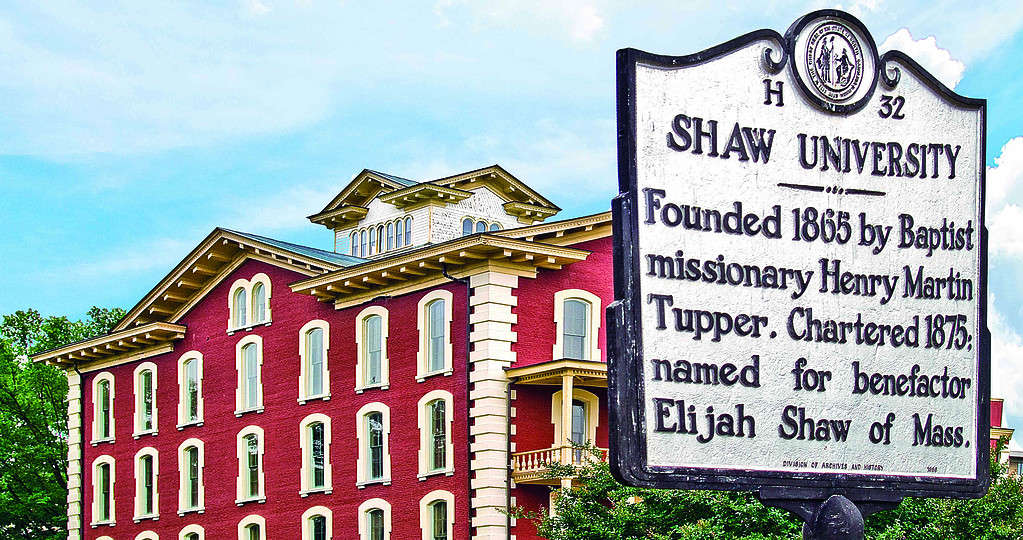
For Shaw, founded in 1865 and boasting the distinction of being the first historically Black institution of higher education in the South, location is everything. Its main campus occupies 26 acres on the southern border of Raleigh’s Downtown boundary—and the acquisition of this property is undeniably the school’s greatest endowment.
A desire among university leaders to leverage their real estate for long-term sustainability—one of the priorities agreed upon in their 2025 strategic plan—spurred talks of rezoning. And, so, the school engaged the Urban Land Institute in a land-use study in 2019 to begin exploring options for driving revenue and growth.
Shaw University
The university got the report back in February 2020, and a month later, the world shut down. But sheltering in place had its silver linings. “[It] gave me a little bit of time to actually think about what this really means when you think about the university, its value proposition and what is the ‘why’ for Shaw,” reveals Dillard, who, as the school’s 18th president, constantly walks a tightrope between progress and preservation. And she kept coming back to the same solution: location, location, location—“where you can walk to internships, you can walk to museums, you can eat anywhere,” she says. “You’ve got everything.”
That vision for student-community engagement echoes one we’ve seen play out with Campbell Law School’s move to open a DTR campus. Shaw students would likewise benefit from bridging that gap between campus and community. Proximity to the developing world-class Dix Park alone would benefit a wide swath of studies for such Shaw programs as computer science, accounting, recreation management, political science, marketing, communications and others, says Dillard.
So too would “spending time in internships or shadowing individuals in companies such as Red Hat, Cisco Banking, Raleigh Magazine, News & Observer and state government agencies,” she adds. “I refer to these arrangements as affording us expanded classrooms focused on practical applications,” she says, adding the intention to have young Shaw scholars pay it forward as well. “We also want students to work with public and private K-12 schools to tutor and mentor, and to engage in volunteerism to advance community engagement.”
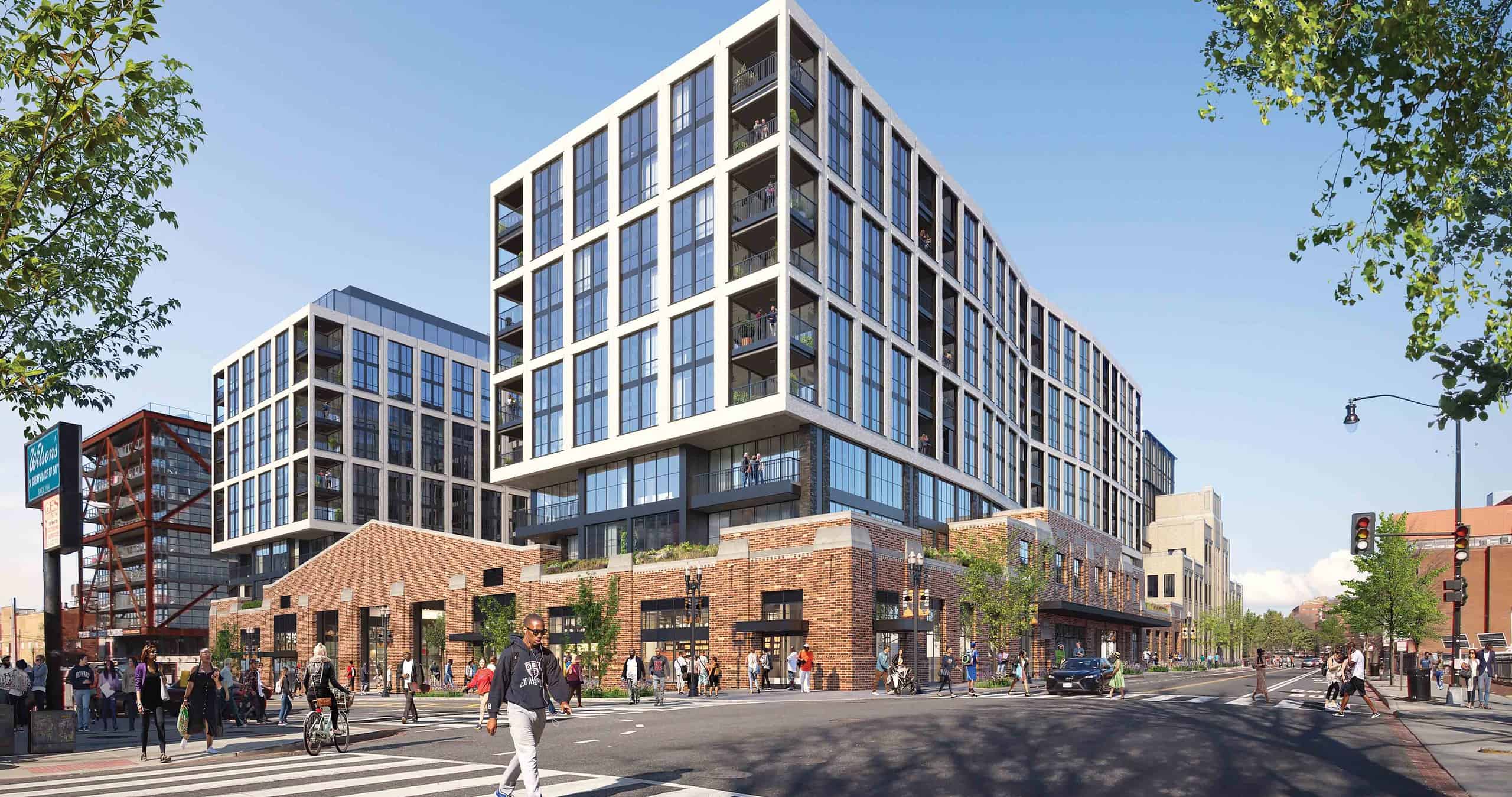
Since the Urban Land Institute report recommended increasing density on campus via taller buildings to boost property value, Dillard and her team looked to other historically black colleges or universities (HBCUs) for inspiration, namely Howard University in DC, as they began to navigate the changes. Shaw’s real estate advisory firm, Hayat Brown, had also worked with Howard on 10 mixed-use commercial development projects on previously underutilized land, resulting in more than $1.4 billion in development and $200+ million to improve the university’s student housing portfolio.
If Dillard were to dream up a wish list of the kinds of mixed-use spaces Shaw might include: “I love The Dillon, and I would love to have a residential and retail complex—coffee shop, bookstore and sandwich shop.”
“Is it risky? Yes,” Dillard admits. “But the fact that Shaw is here was a risk.” Case in point: When the university broke barriers in 1882 by becoming the home of the first medical school in the U.S. to offer a four-year curriculum. And Dillard is confident Shaw can do it again. “Here is another whole new opportunity for Shaw as we rethink the higher education landscape,” she says. “We’ve got to do things differently.”
A lot of the angst around the rezoning, she says, “was many of our alumni and the community thought the vision was to make Shaw indistinguishable from the city and just have everybody over here and it’s no longer Shaw—but that is counter to the vision. If we don’t do what students need who actually use it, we’ll end up just being a placard on the pavement.”
Moving beyond the classroom doesn’t mean completely erasing the boundaries between college and city. Rather, Dillard hopes The ShawU District will reposition the two as neighbors who get along, collaborate and help each other thrive.
Shaw’s next step is to prepare the campus master plan, a guide that will “define the physical features of The ShawU District to support the university’s vision for a reimagined core campus with a physical, social and professional connection to Downtown Raleigh, but with its own distinct and recognizable The ShawU District identity,” explains Jay Brown, chairman and managing director of Hayat Brown.
To address that master plan, Dillard imagines what can go within that footprint and how it addresses lifelong learning and workforce development, in addition to how it meets the needs of the 21st century student who still wants to have a college experience. “How do you take the amazing resources that are already here—the performing arts center, the museum—and create this unique experience that can only be achieved at a small, private, flexible institution?”
Looking ahead, Dillard sees The ShawU District as an unparalleled destination for cultural enrichment and social acceptance. “I think about it especially around the polarizing issue of race and diversity,” she says. “I think having an HBCU is an opportunity to interact in this environment where it’s not political. I’m not doing DEI training; I’m just being your neighbor. … It’s an opportunity to experience it not in a combative way, and our students at the same time get to experience a diverse city.”
Dillard hopes Raleighites can begin to view The ShawU District as the first step toward reaching that mutualistic sweet spot. She paints a picture of an area where parents push their babies in strollers while music played by the Platinum Sound marching band drifts through the air. “We want to be an environment that shows that kind of thing can happen naturally,” she says. “You come, you feel comfortable; we go, we feel comfortable—because we’ve gotten to know each other. Because Raleigh has The ShawU District.”theshawudistrict.com
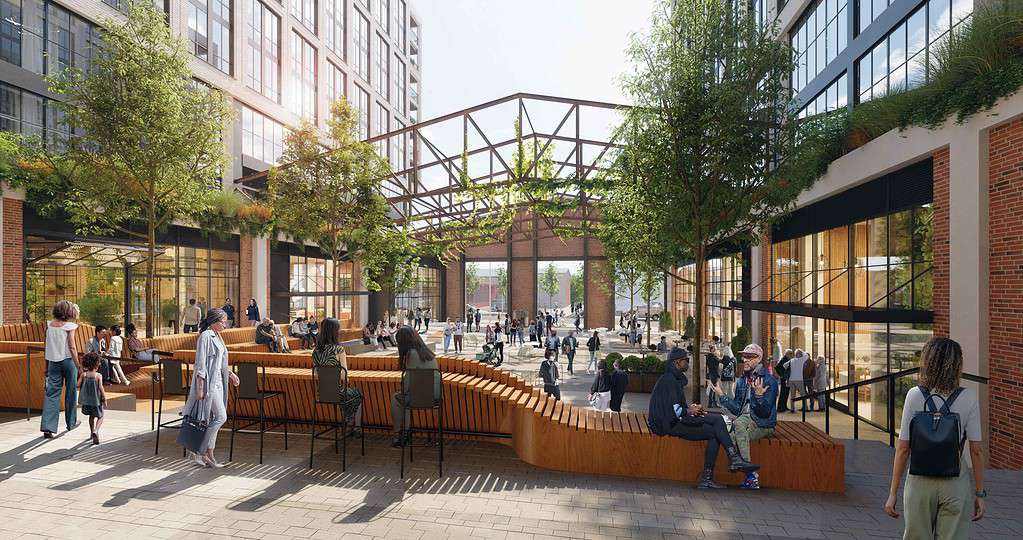
Howard University Bond Bread redevelopment, courtesy of Studios Architecture
Whether you’re a car connoisseur or couldn’t care less—car culture is fueling up. And we have the intel on everything automobile, from emerging car clubs to “Airbnb for cars” to the latest tech gadgets coming down the line this fall. Ready, Raleigh? … Fasten your seat belts.
For more than half a century, the car has been a centerpiece of American culture—a symbol of status, of ambition, of personal freedom. But a lot has changed in the time between boomers and zoomers. Today, a large number of Gen Zers are delaying getting their driver’s licenses and even turning their backs on car ownership entirely, citing financial and environmental concerns. In general, our modern relationship with the automobile has become complicated—think less “Runnin’ Down a Dream,” more flaggin’ down an Uber.
This shift in preference from ownership to access has led to an explosion of peer-to-peer car-sharing businesses (essentially, Airbnb for autos). Take Turo, for example, which “affords everyone the opportunity to find the transportation they need, plus turn an expensive asset—their vehicle—into an earnings engine,” explains Catherine Mejia, who works in public affairs and communications for the brand. As of Dec. 31, 2022, Turo had more than 160,000 active hosts, 320,000 active vehicles and 2.9 million active guests from around the world participating in its marketplace.
Despite these emerging trends, car demand remains high—as evidenced by the scarcity of popular vehicles on sales lots and often monthslong waitlists for new cars (especially hybrid and electric models). At the same time, new niche groups celebrating everything from antiques to exotics are gaining ground. Just ask Melvin Williams, the marketing director for Car Space—a buzzy new private coworking space and social club designed for car lovers—if interest in cars is waning, and he’ll assure you: This is one movement showing no signs of a slowdown.
“The current culture surrounding cars in Raleigh is vibrant and dynamic,” Williams explains. “The city has witnessed a remarkable growth in the car scene, with enthusiasts from all walks of life coming together to celebrate their shared passion.” He points to the renowned Cars & Coffee Morrisville, the largest monthly free car show in the Southeast that attracts more than 3,000 cars each month, as a testament to this thriving community. “You have everybody moving here because of the jobs and opportunities,” says Cars & Coffee Morrisville founder Rob Ayers, “and all the growth in the area promotes growth within the car community.”
Whether or not Gen Z continues to eschew driving, Williams maintains confidence that Americans’ fascination with the automobile will endure. “Today’s youth exhibit an impressive knowledge and appreciation for automobiles,” he declares. “This is fueled by a multitude of factors, including the growth of Formula 1, video games and a strong sense of nostalgia.” Although it may seem as if that iconic image of fun-loving drivers cruising Route 66 has disappeared into our society’s collective rearview, perhaps a revival of car culture—and a renewed gratitude for the automobile’s integral role in connecting people and communities—is closer than it appears.
Cars & Coffee
Fueled Up
It’s probably a good rule of thumb that you should never make plans with a Raleigh auto buff on the first Saturday of the month. That person is likely headed to Cars & Coffee Morrisville, the largest free car show in the Southeast and a cornerstone of the local car enthusiast experience.
Founder Rob Ayers, whose day job is in landscape architecture, rediscovered his passion for cars following the loss of his mother and decided to launch the event in December 2015. “It totally brought me out of that low point in my life, meeting new people and making new friends,” he says. “I credit all that happening for a reason.”
As Cars & Coffee Morrisville has grown—the first meetups only had ~30 cars in attendance—that tight-knit community feeling has remained. “I try to make it more of a community event than just a car show,” Ayers explains—which he achieves by regularly teaming up with Triangle charities and schools to find ways to give back, plus getting involved with community health initiatives (from offering COVID vaccines to inviting a blood bus for donations). And car lovers can’t get enough: With ~200 sponsors and a large social media following—think 12.2K Instagram followers alone—the support behind the event is staggering.
The vehicles are certainly a main attraction; however, Ayers says that attendees can typically expect between 50 and 75 exotic cars to show up at each event. “And we do a different theme every month,” he shares. In June, for instance, the focus was British cars, while May highlighted Lamborghinis and April featured Ferraris. “I’m a little biased to Ferrari because I have one,” Ayers says with a laugh.
But you don’t have to own a specialty car to join the Cars & Coffee craze—all makes, models and years are welcome. In fact, you don’t have to own a car at all. “We strive for everything being inclusive,” says Ayers—“not just the exotics, not just the classic cars, but everybody.” carsandcoffeemorrisville.com
Driving Force
The story of Car Space—Raleigh’s newest private coworking and social club—began with a group of locals, each at pivotal moments in their professional journeys, who bonded over a shared love of all things automotive. “The founders recognized that cars possess a unique power to break down barriers and foster connections. Engaging in conversations about cars creates an instant rapport, paving the way to build professional relationships, personal friendships and more,” reveals Marketing Director Melvin Williams. “Car Space became the natural extension of this.”
That isn’t to say only devoted car enthusiasts can join this exclusive new club. Car Space is a haven for entrepreneurs, innovators and anyone seeking a vibrant community of like-minded professionals. The upscale coworking space aims to seamlessly bridge the gap between work and play, offering its members a creative escape from the monotony of traditional office environments. Picture sleek, state-of-the-art facilities and a plethora of social amenities ranging from an exclusive cocktail bar and cigar lounge (!) to golfing and racing simulators. And let’s not forget the exotic car gallery, which will exhibit an awe-inspiring and constantly evolving collection of rare vehicles never before showcased in NC. “The atmosphere at Car Space is electric—alive with the hum of conversations that transcend mere networking,” says Williams. “Relationships sparked by a simple question—‘Have you ever seen a car like this?’—can blossom into partnerships, collaborations and lifelong connections.”
With an array of captivating events on the horizon—think a TED-style talk series, chef-prepared dinners and wine tastings—Car Space is revved and ready to serve as a launchpad for its members’ success. (In fact, as of press time the club has already attracted more than 200 members.) “As the doors swing open, we’re brimming with excitement to welcome the Triangle into a space where extraordinary cars become the backdrop to extraordinary lives,” Williams shares. Look for a second Car Space to debut in Charlotte in 2024, with a Charleston club also on the way. carspaceinc.com
Sharing Is Caring
Turo has a simple mission: to put the world’s 1.5 billion cars to better use. “Cars are underutilized assets that sit idle 95% of the time, and vehicle ownership is getting more expensive every year,” explains Catherine Mejia, a public affairs and communications rep for the innovative company, which now boasts the world’s largest peer-to-peer car sharing marketplace.
Since launching in 2009, the booming biz has aimed to solve these problems via an app-based platform that allows anyone to arrange transportation in a pinch, or transform their vehicle into a lucrative side hustle. By empowering private car owners in 11,000+ cities worldwide to connect with drivers seeking a fun, customizable car sharing experience, Turo has shaken up the car rental industry in a major way.
Indeed, Turo is a game-changer for cities like Raleigh and truly offers something for everyone. Are you an experience-seeker looking to splurge on a swanky ride so that you can turn heads on the highway a la Christie Brinkley? Mejia recommends applying the “Deluxe” and “Super Deluxe” filters in your rental search, which highlight models valued at $55,000 or higher. Want to pay off an expensive car by renting it out? Give hosting a go—the company prides itself on having several teams dedicated to supporting these users, equipping them with pricing insights, robust trust and safety policies, and a tiered selection of protection plans, among other helpful services.
Ultimately, no matter how you choose to use the app, it’s time to embrace the fact that we’ve officially entered our car sharing era—and many see it as the wave of the future. turo.com
Classics Rock
Who doesn’t love a good comeback? Just as decades-old fashion trends resurface time and time again, several retro cars are making a return to the spotlight in 2023.
Trending Now “At present there is a demand for restored pickup trucks from the ’50s through the ’70s,” shares Denny Oestreich, an avid restorer of vintage cars and former president of the Triangle chapter of the Antique Automobile Club of America. “Ford Broncos are very popular and sought after.” (S/O to Sydney Sweeney!) Additionally, “Dodge and Plymouth muscle cars from the ’60s and ’70s maintain popularity today,” he says, while “interest in Ford Model T’s and Model A’s has diminished, and prices have dropped significantly.”
Driving the Change “The car trends follow the age of buyers who accumulate the means to purchase and restore a vehicle they admired and desired in their youth,” explains Oestreich, who owns three 1957 Chevrolets—all of which he restored himself. Most modern buyers tend to look for “a restored original vehicle or a drivable vehicle that can be restored,” he adds. “Vintage cars and trucks are best if they are all there because looking for replacement parts can be very expensive.”
Forward Thinking Looking to the future, Oestreich predicts that performance vehicles and restomods—aka cars that look original but have been restored with modern improvements—feat. high-quality workmanship will remain most coveted among vintage collectors.
Insider Tip “Restoration is not inexpensive,” the car buff maintains—in fact, a good repaint of a vintage vehicle can cost $10,000 or more. “You have to be able to do some work yourself to save costs.”
Summertime & the Drivin’ Is Easy
With summer road trips in full swing, Turo renters are jumping on the EV bandwagon. “The Lucid Air, Mercedes-AMG G63, and Rivian R1T are among the models with the largest increase in searches in the first quarter of 2023 on Turo,” reveals Mejia. “Interest in electric vehicles hit a record high last year, and Turo expects that interest to continue to grow—there’s already a 139% increase in the use of the ‘electric’ filter for 2023 summer trips.”
As for the hottest luxury cars this season? “Of the desirable ‘Super Deluxe’ models guests are looking at the most this summer, the opulent Rolls-Royce Ghost captures the most attention, followed by the BMW 7 Series and the Cadillac Escalade,” Mejia shares.
Down the Road
What fascinating new features will define our future cars? Here, Steffany Stanic, executive director of the Wake County New Vehicle Dealers Association—and a driving force behind the NC International Auto Expo coming Sept. 8–10 to the Raleigh Convention Center—explores emerging trends for 2024 models and beyond.
What is the car world buzzing about at the moment? The ‘buzz’ in automotive is all things electric and how EVs will continue to reshape the future of the car world. EVs are here to stay, and Wake County auto dealers are committed to continuing to provide a first-class buying experience for our customers, whether online or in our state-of-the-art showrooms.
What cutting-edge tech can we expect to start seeing? Expect surround vision technology, which is a bird’s-eye view from different angles when parking, plus built-in Wi-Fi. And vehicle manufacturers are getting into the auto-pilot game. Chevrolet will be offering super cruise (self-driving) technology in many of its fully equipped EVs and SUVs moving forward. We will also be seeing new in-vehicle software developed by the manufacturers for a more efficient, enhanced experience with different subscription models that will get you more access to more features.
Tell us more about the upcoming auto show. Will any of these innovations be on view? Many of the vehicles on display will be equipped with these features, and we will also be offering ride-and-drives where showgoers can get an up-close-and-personal look at some of this exciting new technology.
Wake County New Dealers Association is committed to not only bringing a variety of makes and models to Raleigh at the auto show so people can experience the newest developments in the car world, but is also committed to giving back to charities and organizations through this event, including Wake Tech’s Hendrick Center for Automotive. … We are making this auto show bigger and better than ever.
You Are What You… Drive?
Comedian and Raleigh native Spencer Bland reveals what your ride says about you.
Audi “You’re classy, but not fake classy. You like a good night out, but you’re home before the bars close. A sensible classy. You work in RTP.”
BMW “You think cars are a status symbol, you are better than everyone else (that’s what you tell yourself)—but no one knows you got this car for like $7K off Craigslist because it’s constantly in the shop.”
Ford F-150 “Your car—excuse me, truck—is your entire personality. You say you don’t care, but secretly you care a lot.”
Chevy Tahoe“You have a lot of kids, but would rather die than get a minivan. You are not a minivan person. You’re a cool mom!”
Tesla“You think you’re saving the planet with your space car, but you’ve never recycled a day in your life. You try to forget your car is a rolling ad for the guy who ruined Twitter.”
Porsche “You saw James Bond one time and made it your life goal to be that cool. Now you are that cool. Or you’re a dad (and maybe still cool).”
Jeep Wrangler “You went muddin’ one time in high school and haven’t stopped thinking about it since. You don’t want to become a ‘Jeep person’ but you really want to put a ‘It’s a Jeep thing, you wouldn’t get it’ sticker on the back.”
Range Rover “You have money or you want people to think you have money (and are very in debt). You have an emotional connection to the music of Dave Matthews Band.”
Honda Odyssey“You have children, multiple. Sometimes you put the pedal to the metal and pretend you’re in a Porsche, but then you notice the stick figure family sticker on the back of your car and slow down.”
Mini Cooper “Congrats, you’re one of six people who own a Mini Cooper. You are unique, a little fun and wish you lived in Italy.”
Honda Civic “You are average. Middle of the road. The B- of humans. But that’s not a bad thing; while everyone is worrying about gas prices, you’re laughing as you get 38 MPG and have 472,000 miles on your car.”
Toyota Prius “You either really care about the environment or you really care about not paying a ton for gas. Regardless, you’re probably a very interesting person, but no one knows that because you drive a Prius and don’t have friends.”
Subaru “You moved here from the PNW or Colorado or you’re about to move to the PNW or Colorado. You really like hiking—like, Patagonia’d-out-to-go-to-the-bar like hiking.”
Mercedes-Benz “No one who drives a Mercedes is reading this article. You’re on a yacht in the Maldives somewhere while your monthly car wash service waxes and shines your mansion-mobile in your driveway. You don’t tip well.”
Chevy Corvette“You’re still not over the death of Dale Earnhardt. To honor him you tailgate everyone, even in school zones.”
Hummer “Really? A Hummer? In 2023? OK. You’re really into Army Surplus and the idea of supporting the troops, but you’d never enlist. You think ketchup is spicy.”
Toyota Camry “Your parents gave you this car in high school and you’re shocked it’s still running. You’re fun at parties and lost a sock in your car seven years ago and have no idea where it went. You have a name for your car.”
Pontiac “They still make Pontiacs? Wow. Umm. Honestly, no notes—congrats on owning a Pontiac. You are unique or you got this car as a hand-me-down.”
First things first: No, hypnosis is not some kind of woo-woo mind control—and, no, it doesn’t involve a swinging pocket watch. And it’s high time we shed those silly Hollywood stereotypes. “There’s a lot of misunderstandings, which is unfortunate because hypnotherapy is such a simple and effective way to make meaningful change for yourself,” says Susanne Morais, owner of Raleigh’s Journeys Hypnosis. “Many people feel stuck in life and want an alternative that will allow them to feel better.”
So then what is hypnosis, really? “Believe it or not, the state of hypnosis is something we all experience frequently,” Morais explains. “Watching a movie is a hypnotic state—while staring at the screen, you are awake and aware, but just deeply focused on the movie itself and everything going on around you kind of fades away.” Who would’ve thought?!
As a certified hypnotherapist, Morais facilitates this deep state of focus and relaxation in both her online and in-person sessions, helping clients quiet the analytical mind and connect with the subconscious to create change. Whether it’s moving on from past traumas, breaking habits or conquering fears, hypnotherapy is a natural approach to overcoming barriers so that people can begin to live a more confident and purpose-filled life. “The client’s subconscious is ultimately leading the session,” Morais continues. “Like a personal trainer during a workout, I’m there to coach the client on how best to deal with events or emotions that come up within the subconscious.”
Not only is hypnotherapy a total game-changer when it comes to determining the root cause of an issue and addressing it, but it works fast. In fact, Morais says that many of her clients experience some sort of shift after just one session. And the process of hypnosis can be so subtle that sometimes clients don’t realize a change has occurred until they are faced with a real-life situation.
“I worked with a client who was extremely fearful of dogs. She had a very difficult time even talking about them,” Morais shares. During the session, the hypnotherapist picked up on slight changes in the client’s language pattern that indicated the phobia was no longer an issue, although the client remained skeptical. “Two days later, she emailed me a thank-you, along with a photo of herself with a dog in her lap,” says Morais. “She adopted a dog!”
As we normalize convos about mental health, more people are seeking support—and hypnotherapy may be the answer for those seeking a more holistic form of healing. “Just as we are capable of making ourselves sick due to worry or stress,” says Morais, “we also have the power within to make ourselves well.” Healing through hypnosis? Worth a try. journeyshypnosis.com
Deep Dive
Past Life Regression
While Morais mostly facilitates clinical hypnotherapy sessions for emotional issues, her specialty is transpersonal and spiritual hypnotherapy—in fact, it was the Past Lives Podcast hosted by Simon Brown that attracted her to hypnosis in the first place. “These are fascinating,” Morais says of past life regressions, which are typically three-hour sessions. “This is where a client can regress to a previous lifetime (or what is perceived to be a previous lifetime) to address an issue impacting their current life.” For example, are you someone who has trouble with relationships? “It’s possible you made a promise in another lifetime to never love again,” she explains. “You can clear that promise during a past life regression.”
Law of Attraction/Manifesting Coaching
“This is incredibly powerful as my clients learn how to manifest the ideal relationship, career or income for themselves,” Morais explains. Combined with hypnotherapy, these sessions teach clients how to adopt a mindset where they can push past fears and limiting beliefs in order to set their intentions on whatever outcome it is they desire. “You should see what people can do for themselves!” says Morais. “You believe it, you trust it, you know it, you attract it. It’s so cool.”
Custom Group Hypnotherapy
What’s better than hypnosis? Hypnosis with friends. Morais can design sessions for organizations—or women’s retreats, triathlon training groups, or just about any group at all—looking to address struggles, realize strengths or set goals as a team. “It allows a company to be able to push through some of the mundane stuff,” she says. “And then you can come together after that visioning happens to create meaningful conversations.”