WEB EXCLUSIVE As the weeks of this in-between state of isolation and partial reopening drag on, businesses that have not been able to reopen yet—or can only open at limited capacity—are feeling severe effects of the loss of a steady income.
One of the most affected sectors of the COVID pandemic in Raleigh is its once vibrant arts scene. Concerts were postponed to 2021 or delayed indefinitely, local theaters had to cancel the remainder of their 2020 season and museums are still up in the air about when they’ll be able to open up again.
David Casteel, owner of Mitchell•Casteel, the Triangle’s oldest locally owned caterer, wants to help out these local arts organizations that have been hit hard by the coronavirus shutdown. With the company’s A La Carte for the Arts menu series, for the rest of the summer, for every order placed Mitchell•Casteel will be donate $10 to a different art group each week, including the NC Opera, Raleigh Little Theater, Theatre Raleigh, NC Symphony and more.
Mitchell•Casteel is a big supporter of the local arts and the company frequently partners with the NC Opera, Carolina Ballet and Raleigh Little Theatre, collaborating on events and opening the company’s event space to the groups for functions.
“The arts are sinking to the bottom of the ocean and they need our help,” Casteel says. “Every little bit helps.”
“Our hope is to spread the word about what we’re doing so that we can raise some serious money for these awesome people while also encouraging people to eat local,” adds Nathan McDaniel, who is in charge of Mitchell•Casteel’s marketing. “We have been in this community for quite a while and we want to help give back to those we love.”
During the pandemic, Mitchell•Casteel shifted operations to focus primarily on takeout and delivery of upscale and locally sourced cuisine as the company waits for events to be allowed again. Meals offered rotate every two weeks and dishes are largely based on what can be sourced locally and what’s in season.
This week’s menu benefitting the Carolina Ballet will be available until August 22 and features dishes such as chilled heirloom tomato gazpacho, miso-honey glazed North Atlantic Salmon and Mongolian BBQ beef tri-tip, along with various sides and desserts. All menu items serve four people and must be placed at least 48 hours in advance either online or by phone.
WEB EXCLUSIVE When COVID-19 initially shut down restaurants in March, most either closed temporarily—or, in some cases, permanently–switched to to-go or delivery, or started selling grocery items rather than meals. Nunizo Scordo, on the other hand, decided to flip his restaurant concept completely, changing Driftwood Southern Kitchen + Bar to Driftwood Cantina, a Mexican-inspired restaurant and bar.
Scordo says that, had it not been for a PPP loan and the meals his team was preparing for the Inter-Faith Food Shuttle, Driftwood would most likely have had to close permanently due to lack of income. When phase 2 came around and Driftwood was gearing up to reopen, Scordo talked to his managers about relaunching as something different. “I was like, ‘If we’re going to do this, let’s just start from scratch,'” Scordo says. “Let’s do something that we really think is going to work, something that’s fun, affordable and packages well.”
Scordo had been contemplating the idea for a Mexican concept for a little over a year now. He says Southern food became overplayed here in Raleigh and he didn’t find it interesting anymore; every Southern restaurant had the same menu of fried chicken and Southern-inspired brunches.
With Driftwood closed due to coronavirus, Scordo saw the perfect opportunity to see out his idea for a Mexican restaurant. He thought a new kind of restaurant would reinvigorate his employees after they’d been out of work for so long, and that Mexican food would attract customers already trekking to Lafayette Village for burgers and Italian.
Scordo revamped the originally neutral-toned space into a colorful, tropical-themed restaurant complete with fun murals by local artist Sean Kernick. He also closed off the open kitchen and added a huge pergola outside that increased seating from 30 seats to 70.
The bright colors and renewed energy set the tone for excellent Mexican food, which Scordo says is unlike offerings at any other Mexican restaurant in Raleigh. Think yucca fries, esquites and tacos loaded with braised lamb barbacoa, pulled confit duck leg, grilled chipotle adobo marinated shrimp and more. “We’re doing things the way they’re done in Mexico and give it our own stamp,” says Scordo.
The main thing that sets Driftwood Cantina apart from the rest, however, are the house made tortillas, which Scordo and his team prepare everyday at exactly 4 p.m. Soon, the restaurant will have a wet stone grinder—they’re currently having it made in Mexico—that will allow them to carry out the nixtamlization process of grinding corn down to masa for tortilla making. “What you’re going to get is a tortilla like you’ve never had before because it tastes like you’re eating fresh corn,” Scordo explains. “Our tortillas right now are really good because we make them and we’ve got it down to an exact science, but once we starting doing [nixtamalization], it’s a whole different ball game.”
Scordo will source five different varieties of heirloom corn from Oaxaca. Additionally, he shops at local Latino grocery stores in Raleigh and Durham for many of the specialty ingredients used in dishes that comprise the rest of the menu.
Scordo has made the most out of an unfortunate situation, creating a refreshing concept highlighting Mexican food and culture in a significant way within a fun, energetic environment. “In history when things like this happen, people either roll over or they reinvent themselves,” says Scordo. “For me, I took what I knew and flipped it on its head. This was a time for reinvention.”
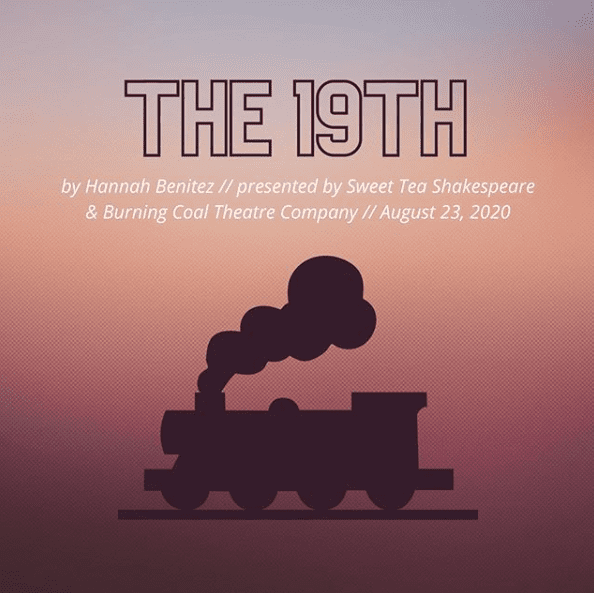
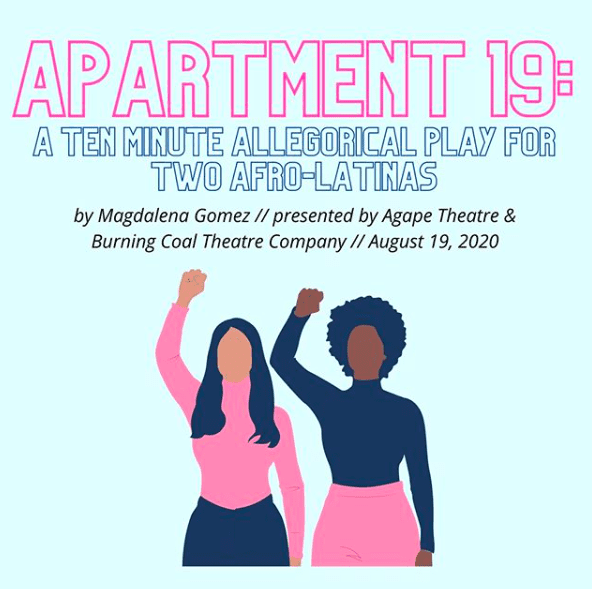
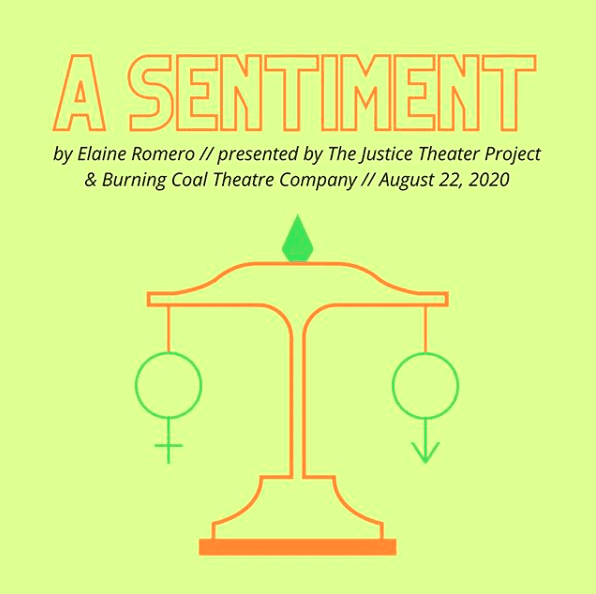
WEB EXCLUSIVE In celebration of the 100-year-anniversary of the 19th Amendment that gave woman the right to vote, Burning Coal Theatre Company is launching The 19th Amendment Project, a collection of short plays written by accomplished women and/or non-binary playwrights. The 14 plays, which will be released over the course of 14 days, will focus on the passage of the 19th Amendment, which was ratified on August 18, 1920, and the impacts it continues to have on society today.
Featured plays include Deb Margolin’s “Inalienable Rights,” a story about a woman who goes to the local precinct to vote when something strange happens in the voting booth; Clare Bayley’s “The Tender Hearted” which focuses on a woman going to march at a women’s rally; Elaine Romero’s “A Sentiment,” set in 1848, the night before the signing of the Declaration of Sentiments at Seneca Falls; and MJ Perrin’s “Behold: Colored and Women, Inconceivable,” a story about a college student who is determined to write a paper on Black women suffragists.
A collection of posters promoting Burning Coal Theatre’s The 19th Amendment Project.
Additional plays cover topics surrounding the suffrage movement, registering to vote, feminism and other themes of social reform. “Feminism is a family value; women’s rights are family assets,” said playwright Ruth Margaff, who will be debuting her play “Lost Music From the Heart of Everything” as part of the series on August 20.
Each of the 10-minute plays will be released virtually between August 17 and August 30. Tickets will be $2—or you can buy the whole series for $25—and each play will be available to watch from the day it’s released through the end of September.
WEB EXCLUSIVE From August 10 through September 18, Raleigh Arts will showcase work from four Black artists—Clarence Heyward, JP Jermaine Powell, William Paul Thomas and Telvin Wallace—in a new exhibition titled Breathe: Life After Death in the Block Gallery located inside the Raleigh Municipal Building. The exhibition is an exploration of American life during and after the pandemic, the recent worldwide protests for justice and racial equality and how social distancing has affected each of the artists’ personal lives.
City of Raleigh curator Stacy Bloom-Rexrode says that after another artist cancelled a show at the Block Gallery, she reached out to Mike Williams of the Black on Black Project, who told her about the Breathe: Life After Death concept the four artists already had in the works. Bloom-Rexrode says that it was important for her to be able to offer the artists a place to showcase their work, as Black artists are often underrepresented in museums, galleries and other cultural institutions all over the country.
“I can’t claim to share their experiences but I can definitely help get their voices out there,” Bloom-Rexrode says. “Hopefully, the exhibition will start some much needed conversations.”
Artist Powell says that Breathe: Life After Death “exists as a source for creative, individualized problem solving during times of unrest and instability.” He says he hopes the collection will encourage authentic conversations, both during and after the COVID-19 crisis, and around the fight for social justice and racial equality. “The artworks featured in [the exhibition] serve as visual examples for the continued enrichment of the quality of relations of both Triangle individuals and local communities,” he adds.
“Same Old, Samo” by Clarence Heyward depicts a young Black girl holding artist Jean-Michel Basquiat’s painting “Defacement” which details the 1983 murder of Michael Stewart, a twenty-five-year-old art student who was killed by police.
JP Jermaine Powell’s portrait of Telvin Wallace
William Paul Thomas’ “Cyanosis” project is a metaphor for the disenfranchisement that people of color have experienced by way of white supremacist ideologies.
“Who Will Survive in America” by Telvin Wallace represents the struggles of a black man trying to have equal footing in an America that’s supposed to be equal for all.
Each of the four artists featured created three pieces for the show. Two of the works are personal reactions to, and interpretations of, the COVID-19 pandemic and the theme of racial inequality.
Wallace’s paintings are unfinished works in progress, tying back to the feelings of isolation he experienced while living alone during the pandemic and his creative struggles during such a tough time.
Meanwhile, Clarence’s work addresses the outcry over racial inequality following Geroge Floyd’s murder and how, even after so many decades, Black people and other people of color are still facing injustices such as police brutality.
Additionally, Heyward, Powell, Thomas and Wallace each painted a portrait of one of their fellow artists to reflect the ways they personally see one another and to speak to the topic of being seen, another important message of the exhibtion. “One of the themes that’s really prominent throughout this body of work is about Black men not being seen as a threat or vicious, but to be seen and recognized as fellow human beings,” Bloom-Rexrode says.
Bloom-Rexrode and the contributing artists say they hope that Breathe: Life After Death will encourage people to listen to the stories of injustice Black people are sharing and documenting, both within the exhibiton and across the globe, and spark conversations around change.
The Breathe: Life After Death exhibition will also be available to view online through Raleigh Arts’ website; keep an eye on the Instagram, Twitter and Facebook acounts for information about related virtual events.
WEB EXCLUSIVE After much debate, the Wake County Public School System (WCPSS) has decided to delay students’ return to campuses and begin the school year through online instruction.
Back in April, when Wake County Public Schools initially closed and switched to remote learning, education officials were made aware that many students did not have access to the internet or proper technology necessary to continue their classes. In order to provide for those students, WCPSS partnered with Activate Good, a nonprofit organization that mobilizes volunteers to improve the community, to help configure over 10,000 hotspots for families without internet access.
Now, WCPSS has called on Activate Good again to help distribute over 40,000 laptops and 10,000 more hotspots for the upcoming school year. They are committed to getting the necessary technology to students as quickly as possible in order to make the start of the new school year as seamless as possible. Marlo Gaddis, Chief Technology Officer for WCPSS, says that their partnership with Activate Good has been critical during this time.
“The need for volunteer support in our community has increased overall during the pandemic,” says Amber Smith, executive director of Activate Good. “We especially hope the community will rally around kids and families as they return to school this month. Volunteers can really make a huge difference here to make sure thousands of kids will have access to the same learning opportunities as their peers this year.”
Activate Good hopes to recruit hundreds of volunteers to support this effort in safety distributing laptops to an estimated 40,000 families over the next couple weeks. Volunteers will help guide families when they arrive to pick up their devices at one of five school pick-up locations across Wake County. Social distancing, mask requirements, regular cleaning and other safety measures will be taken to ensure volunteers feel safe. Shifts begin Monday, August 17.