Downtown South: Where It’s at & What’s to Come
DTR’s highly anticipated development on the southern edge is making moves.
Part construction zone, part idea, part promise, Downtown South is finally back in the headlines—moving forward again following a pandemic-era pause.
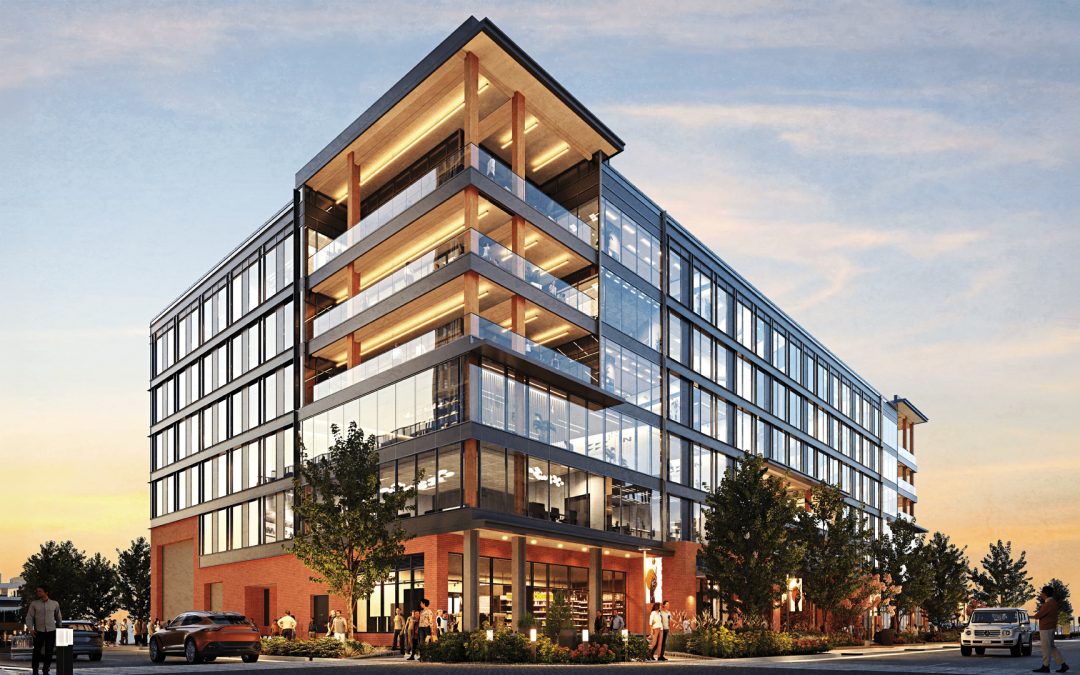
Kane Realty Corporation has officially filed plans for the first phase of the long-discussed project, calling for 350 garden-style apartment units spread across eight three- to four-story residential buildings on 11 acres of South Saunders Street—complete with such high-end amenities as a clubhouse, pool, courtyards and surface parking. While the filing represents only a small portion of the project’s overall vision—see: a 20,000-seat stadium—it signals meaningful momentum for one of Raleigh’s most ambitious redevelopment efforts.
Originally unveiled in 2019, the $2+ billion mixed-use development spearheaded by Kane Realty founder John Kane and North Carolina FC and North Carolina Courage owner Steve Malik encompasses roughly 140 acres along the southern edge of DTR. The goal: transforming a largely industrial corridor into a dense, walkable urban district blending residential, office, retail, hospitality, entertainment and public green space.
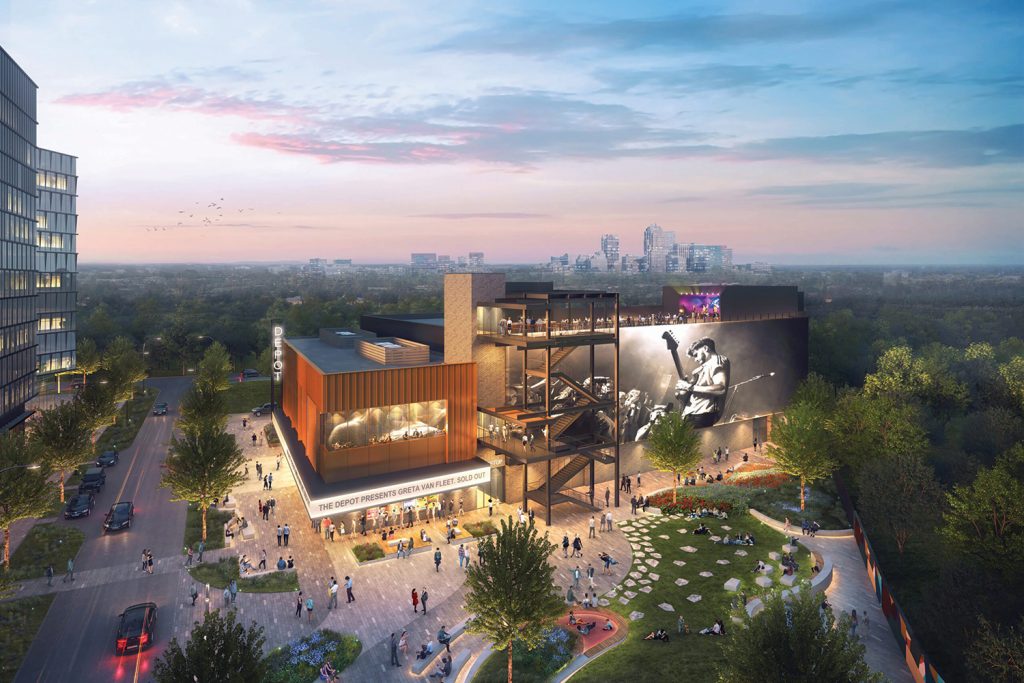
Ultimately, the long-term vision for Downtown South is to function as a southern gateway into Raleigh’s urban core—a destination where people can live, work, gather and connect. Additional plans for Phase 1 include 535,000 square feet of office space, 60,000 square feet of retail, ~1,000 multifamily units, a 3,500-seat concert venue and a 180-room hotel.
“As Raleigh continues to grow, we welcome additional locations of activity and density that expand the city’s urban footprint and create new opportunities for residents, visitors and businesses,” Downtown Raleigh Alliance President and CEO Bill King tells RM. “We’re encouraged by the ongoing conversations about Downtown South and believe that an entertainment district can be a valuable addition to Raleigh’s growing collection of urban destinations.”
For decades, the area surrounding South Saunders Street served as a working edge of Downtown, characterized by warehouses, industrial buildings, auto shops and commercial uses that supported the city’s growth behind the scenes. Today, longtime businesses continue operating alongside newer arrivals drawn by relatively affordable real estate and proximity to Downtown, while development interest continues creeping farther south.
But the transformation has not come without questions—and pushback. Residents in nearby Rochester Heights, one of Raleigh’s historically significant African American neighborhoods, have raised concerns over environmental impacts, displacement pressures, and the potential effects of large-scale redevelopment on surrounding communities. Those conversations remain part of the broader discussion as plans continue to evolve.
For now, much of the site still exists somewhere between blueprint and reality. Open parcels of land, active businesses, and future development footprints share the same landscape. Yet the latest filing suggests that after years of anticipation, Downtown South may finally be entering its next chapter.
“What’s most important is that Downtown South is well-connected to Downtown Raleigh and that the amenities in these neighborhoods complement each other,” stresses King. “That will help to create a more vibrant, accessible and economically resilient urban center that benefits the entire city.”
What remains clear is that Downtown South is being negotiated in real time—and will shape more than Raleigh’s skyline. As plans move forward, residents, business owners and developers alike will help redefine both the physical boundaries and cultural meaning of what Downtown can be.