Murder, She Wrote
WRAL true crime journalist Amanda Lamb relives a haunting case from her youth in her latest podcast.
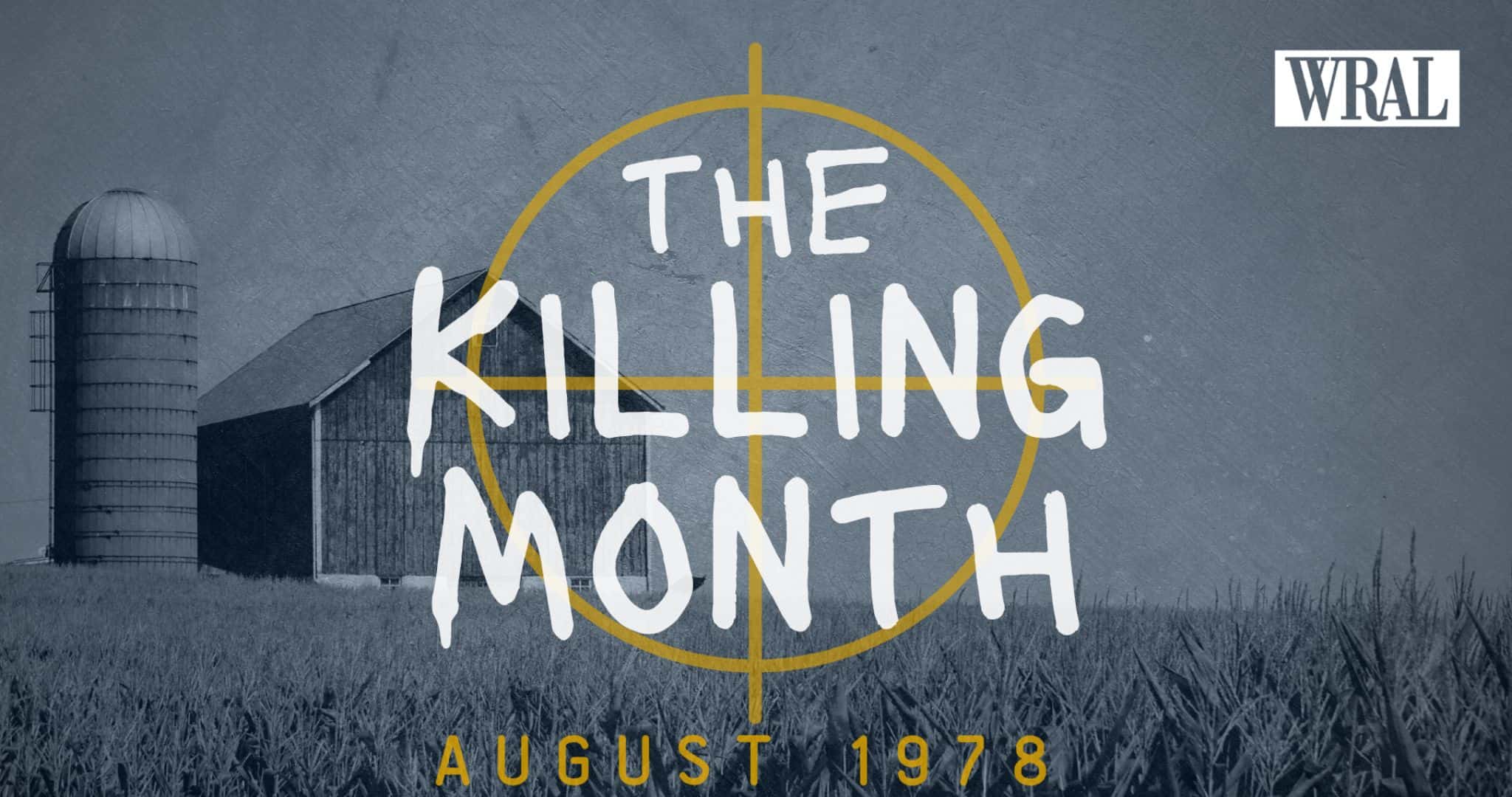
Just in time for cozy season, WRAL has released the perfect true crime podcast to pair with a glass of red wine and your favorite chunky knit throw. Written and hosted by veteran true crime journalist Amanda Lamb, The Killing Month August 1978 is a new documentary-style podcast detailing the grisly story of The Johnston Gang murders that took place in Chester County, Pennsylvania, in August 1978.
“I think I always knew someday I would write about it in some form,” says Lamb of the case, which she watched unfold as an adolescent in a very intimate way, given her father was the lead prosecutor who helped bring the family of killers to justice. This personal connection makes for a captivating listen as Lamb revisits the shocking events that ultimately shaped her future career path.
“Not only am I telling you the story from the perspective of all the people who were there—including attorneys, investigators, witnesses and victims’ family members—but I’m telling you my story, the story of how I viewed this as a child and how I view it now,” she reveals. “My dad did not sugarcoat or hide anything from me at the time. He answered my questions and allowed me to come to the trials. There’s no doubt this was what piqued my interest in journalism and covering the crime beat.”
“And there’s really a backstory here about what I learned through this process about my father,” Lamb adds. “It’s been an incredible journey.”
Now available on all podcast apps, the eight-episode series is suspenseful, spine-chilling (brace yourself for episode four) and completely addictive—all the elements of a bingeworthy true crime podcast.
“There’s obviously something so gut-wrenching, so raw and so devastating about all of these stories, but I also see the passion of the investigators to solve the cases and the resilience of the victims’ families as something very hopeful,” Lamb shares. “I am always humbled when people agree to talk to me about such intense stories. But I truly believe there is a way to tell them with humanity.” Available wherever you stream your podcasts