Reading Rainbow
No dream is deferred at Liberation Station Bookstore—bowing Downtown this month.
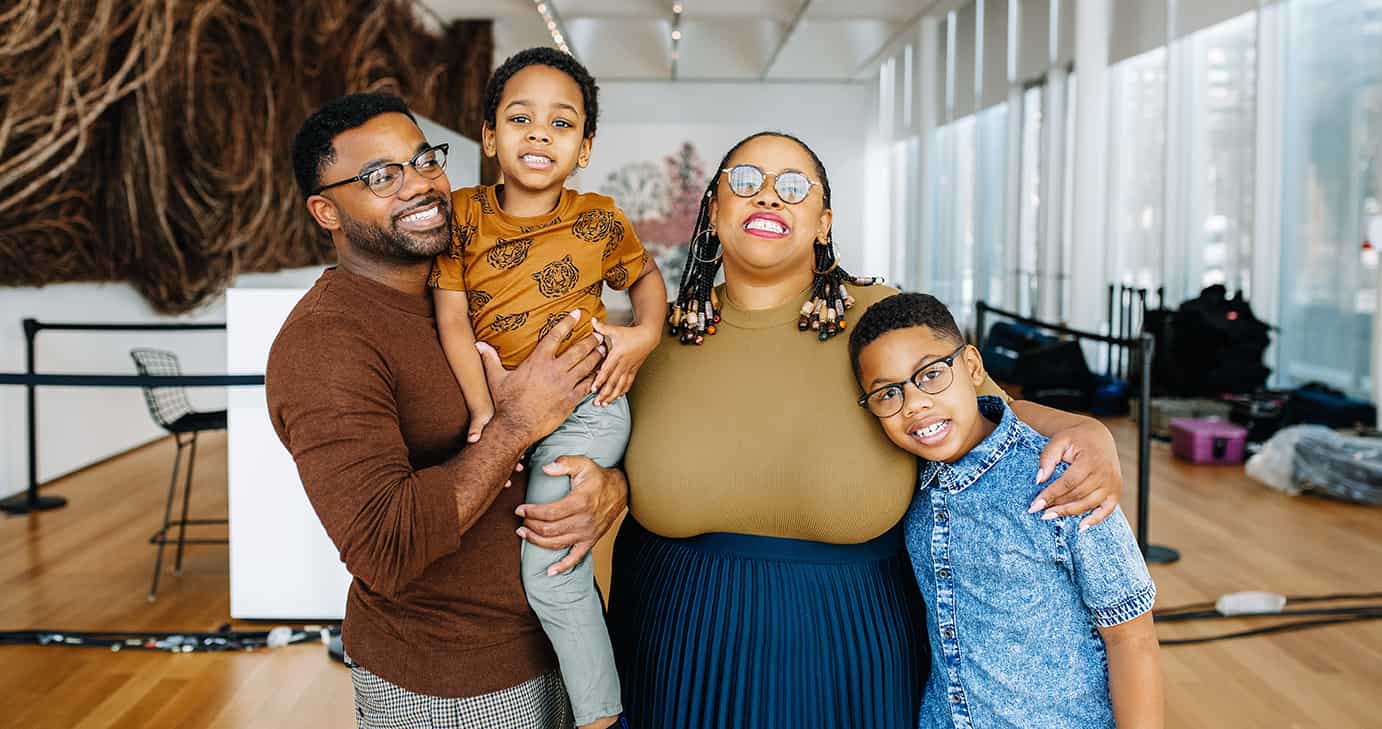
“I feel like I’ve always been a practitioner of possibilities,” says Victoria Scott-Miller, who made waves nationally in 2019 when a quest to find children’s books with characters of color for her two young sons proved unsuccessful. As the story goes, she and husband Duane Miller decided to take matters into their own hands and launched Liberation Station Bookstore—the Triangle’s first Black-owned children’s bookstore—out of the trunk of their 2011 Chevy Cruze.
“That’s how it got started—just us trying to be good parents and not only raising our children, but also allowing our children to raise us,” says Scott-Miller, who is also an award-winning entrepreneur, documentary filmmaker and author. “Listening to their needs, listening to their hopes and their dreams, and really just meeting them with action.”
After four years of operating as a pop-up, the pioneering business will open the doors to its first brick-and-mortar location at 208 Fayetteville St. over Juneteenth weekend, inviting kids and parents to step inside and discover an abundance of books that embrace the full spectrum of the Black experience. “They’ll get to see Black children laughing—and not just in the news,” Scott-Miller maintains. “They’ll get to see them being scientists and artists.”
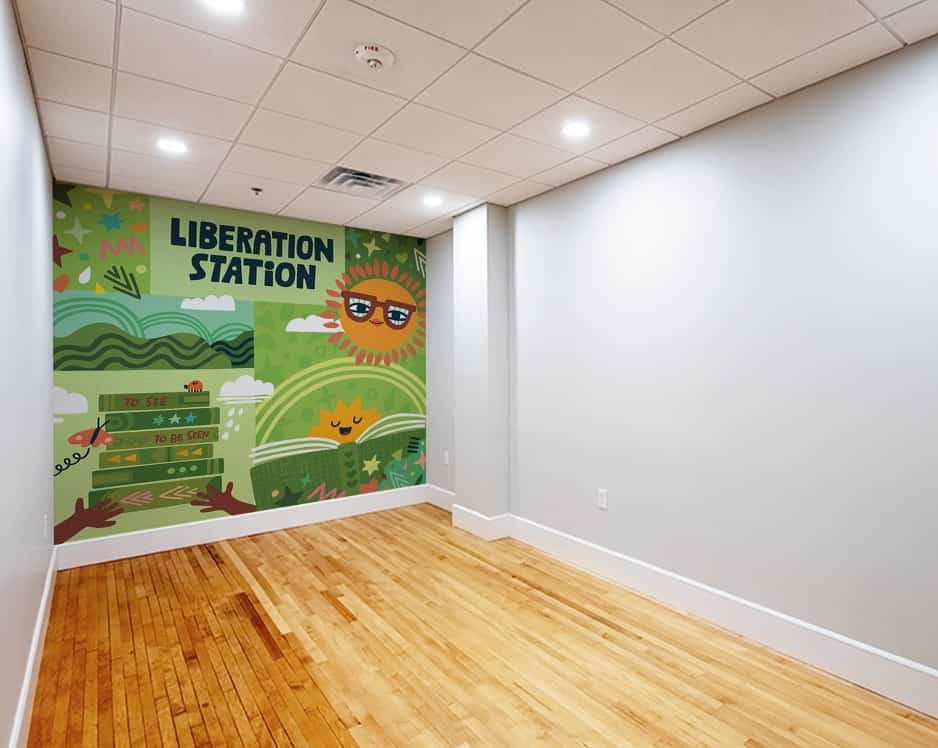
The community has rallied to bring Liberation Station to this watershed moment, raising over $12,000 (as of press time) to equip the new space with everything from shelving to seating. “We said if we ever asked the community for anything, then it would be because we were getting a physical space,” explains Scott-Miller. “So to know they were ready and they waited on us, it’s just amazing.”
In addition to carrying a wide array of banned books—“children deserve to see a full picture,” says Scott-Miller—Liberation Station will offer “Dope and Abled,” a collection of titles highlighting children of all abilities.
“We’ll have books in Braille; we’ll have books that talk about seeing kids being empowered by being on the spectrum. And we’ve connected with the Black ASL group here in Raleigh, and we’ll be offering storytime for deaf parents and deaf children to be able to interact with their community members,” reveals Scott-Miller, whose youngest son was diagnosed with autism two years ago. “We’ve tried to think about, ‘What does inclusion mean to us?’ We’ve thought about some of the discomforts we have felt as parents having a child with autism and really creating a space where they can feel welcome.”
The rest is still unwritten, but, for now, Scott-Miller says she simply feels grateful for the unique opportunity her family has been given to “make history in real time.”
“I’m excited to see indecisiveness,” she shares. “I’m excited to see little kids not knowing what to choose because there’s so many choices. ‘I don’t know what to pick because everything is for me.’ … I just cannot wait.”
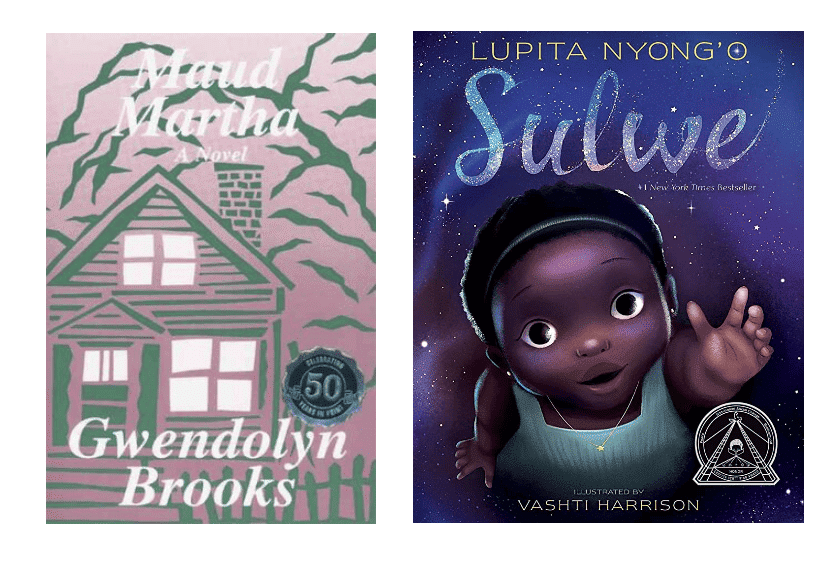
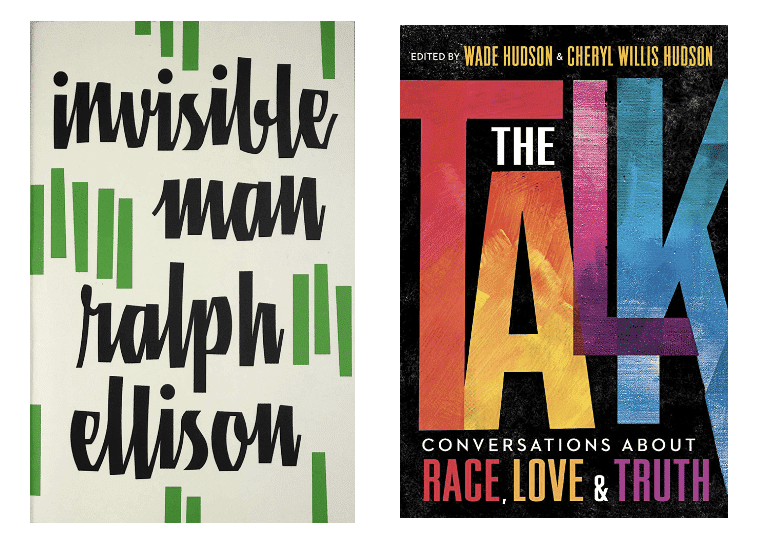
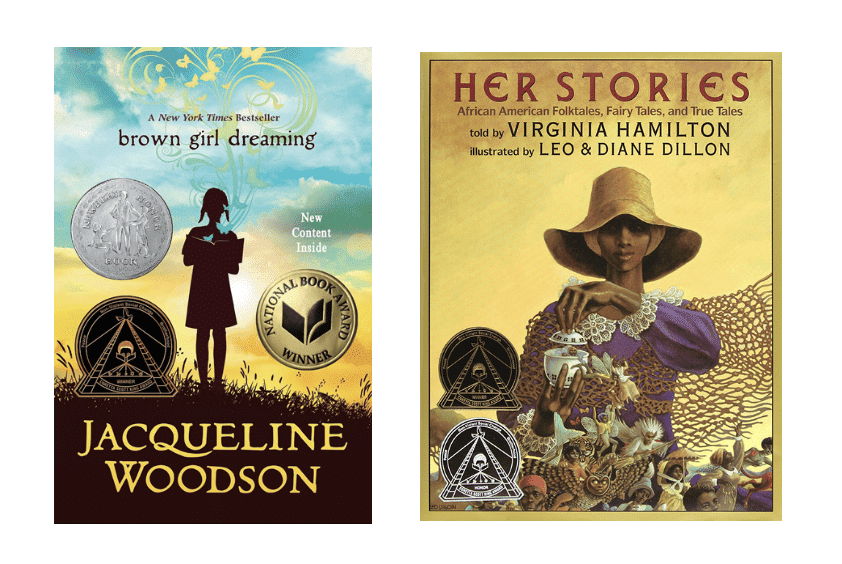
Liberation Station’s Anchor section introduces a curation of adult titles lovingly paired with children’s titles to spark intergenerational discussion. For Scott-Miller’s curated pairings, click here.