From Movie to Movement
Film director Joanna James premiering A Fine Line documentary in Raleigh
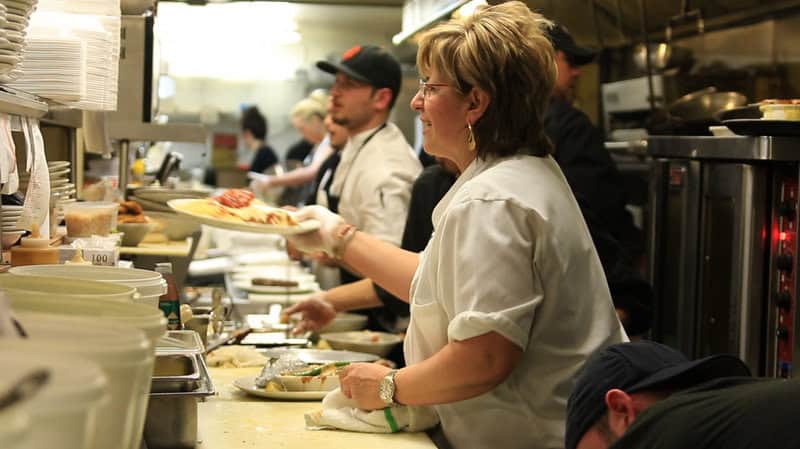
Food not only has the power to connect us, but it fosters personal goals and dreams—and can even play a part in bigger social issues like gender equality. Enter A Fine Line, a doc by film director, producer and writer Joanna James premiering at The Rialto Oct. 8.
The critically acclaimed award-winning documentary explores why less than 7% of head chefs and restaurant owners are women—a staggering statistic—with intriguing perspectives and experiences from world-renowned chefs to boot. Think Dominique Crenn, Lidia Bastianich, April Bloomfield and Barbara Lynch.
The Raleigh event is being hosted by MAPP (Mentorship, Advocacy, Purpose and the Power of Community), which James also founded, a 501(c)(3) nonprofit with the goal of empowering more women to take on leadership roles—whether in the food and beverage industry or otherwise.
Local chefs and restaurant owners Cheetie Kumar of Ajja, Caroline Morrison of Fiction Kitchen, Sara Abernethy of Wye Hill Hospitality and Morgan Teianne of Flavor Hills will get the chance to share their own insight into the F&B industry during a panel conversation and filmmaker Q&A following a VIP appetizer + wine reception and doc screening.
We chatted with James ahead of the event to talk about her inspo behind the film, where the culinary industry stands as a whole and what to expect from the upcoming evening. eventbrite.com
What prompted you to make A Fine Line?
I made A Fine Line because it was personal to me. I wanted to share my mother’s story, a small-town restaurateur who was on a mission to do what she loved while raising my brother and I—and the odds stacked against her. I soon realized that my mother’s story was universal in that many women across most industries face systemic issues when it comes to getting into leadership. But having a conversation on gender inequality with some of the greatest chefs around food makes it so much more approachable for so many people, which made the film so relevant.
Why did you choose the specific chefs featured in the documentary to include?
It is an elite club of women restaurateurs/chefs who are not only owners, but also operate their businesses. We wanted to feature women who had long track records of success, and each story complemented each other or hit a theme that felt interwoven to the central narrative. I had approached other women as well representing various backgrounds and perspectives, but for whatever reasons some chose not to be part of it, so I am truly so grateful for these incredible women who did decide to be part of this film that ultimately became a rallying call for greater gender equality and representation.
What do you feel is the biggest hurdle for women in the culinary industry?
Years prior the biggest hurdle was going up against a toxic culture of harassment and disrespect where women were simply not valued or taken seriously, and even worse were made to feel less than and to be kept in their place. Today the biggest hurdle is more connected to systemic barriers of less resources for women, whether that’s for child care or access to funding.
How do you feel those hurdles could be eradicated?
We need immediate innovation and investment prioritizing women and families. That is why from a movie came a movement leading to MAPP, a 501(c)(3) nonprofit to empower more women into leadership through mentorship and advocacy. We know that if we build a strong community uplifting each other and sharing knowledge and information, we all get ahead. Especially when it comes to advocating for affordable child care, paid family leave and access to resources from funding to key introductions.
Why partner with MAPP and host the viewing here in Raleigh?
MAPP believes the most important thing we can do is build community so people learn from each other and prevent making the same mistakes. It is also so important to spotlight women, and, in particular, diverse women who are many times sorely missed in media and awards. Representation matters, so by recognizing Raleigh as a culinary destination connected to female talent, we not only celebrate these incredible women chefs, but we also provide an opportunity for their customers and community to hear directly from them.
What do you hope comes out of the October event?
I hope A Fine Line entertains and enlightens people as to what we can all do to ensure an equal shot at making our dreams come true. We want to provide a delicious event at the iconic Rialto theater with signature bites from some favorite chefs and restaurateurs like Cheetie Kumar of Ajja, Caroline Morrison of Fiction Kitchen and Sara Abernathy of Wye Hill Hospitality. You’ll also get to hear from these community leaders after watching a film that hopefully makes you laugh, cry and open your heart to creating change for good.