Heart’s Ablaze
WEB EXCLUSIVE Go Red for Women raises awareness for cardiovascular disease in women via the Women of Impact campaign.
Did you know that cardiovascular disease (CVD)—the No.1 killer of women—claims more lives each year than all forms of cancer and chronic lower respiratory disease (CLRD) combined? Yeah—it’s a worrisome and scary statistic, but one that needs to be recognized.
Once seen as just an “old man’s disease,” recent data shows that younger women—especially Gen Z and millennial women—are experiencing more heart attacks than ever before (largely due to stress and high demand in the workspace) and these age groups are less likely to know CVD poses such a personal threat.
Since its founding in 2004, Go Red for Women (the American Heart Association‘s signature women’s initiative) has been not only raising awareness for this life-threatening disease, but also equipping and empowering women with the tools and resources needed to prevent CVD.
“Millions of women have participated in the platform in some way, shape or form—whether it’s going to an event, being forwarded an email or just hearing a talk in the Go Red for Women space,” says Laura Marek, director of development for the American Heart Association. “Ninety-five percent of those who engage with the platform have indicated that they’ve taken at least one step toward living a healthier lifestyle, so its definitely proven to be making positive change—but we also know there’s a lot of work left to be done.”
A huge part of the Go Red for Women platform is its Women of Impact and Teen of Impact campaigns. Each year, candidates are nominated by an AHA volunteer or staff person to take part in an eight-week competition to raise funds for AHA and engage their networks in creating healthy habits. “It’s definitely something that’s an honor to be a part of,” Marek says. “And it also works to create a ripple effect of help throughout the community.”
This year’s Women of Impact and Teen of Impact campaigns kicked off on Feb. 5 (National Go Red Day), and we’re happy to share that, on April 7, Brenda L. White was announced as the winner! In total, the seven nominees (teen and women) collectively raised $63,007 for the Go Red for Women movement. Meet each of this year’s nominees (and winners!) below, and hear their “whys”—why the campaign was so important to them and how they hope to serve as an inspiration to other women. Our hearts go out to all of you!
TEEN OF IMPACT
Winner: Maggie Hungate
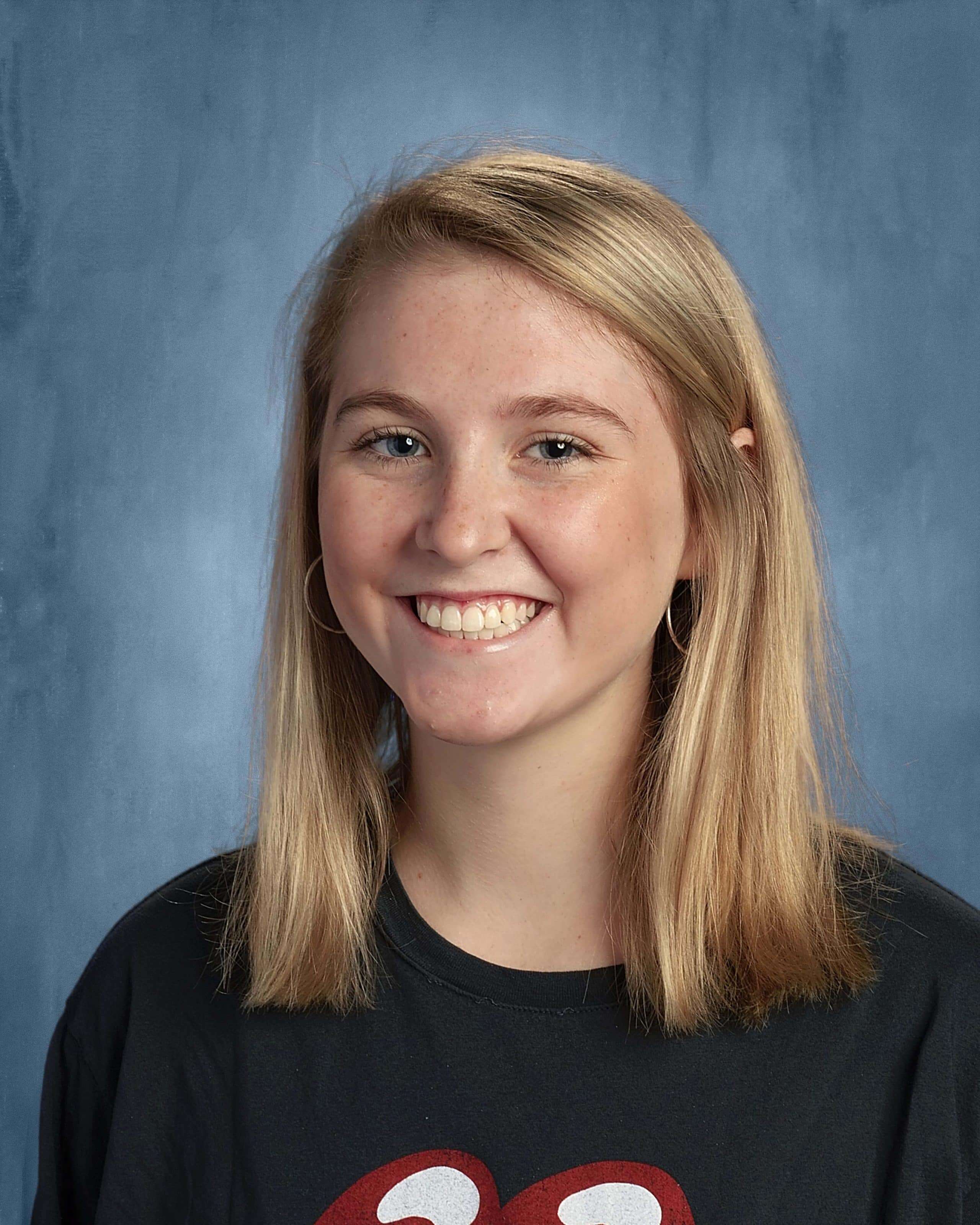
A 10th-grade student at Apex Friendship High School, Hungate plays sand volleyball, is active in DECA and fiercely loves her dog. Since the pandemic began, she also has taken up cooking to help guide her family through healthier meal choices. “Maggie was the only teen this year to participate in the campaign, and, though she didn’t have any competition, that didn’t stop her from sharing the life-saving message of Go Red, and reaching out to friends and family to raise support for the cause,” Marek says.
Hungate’s Why: “I accepted the Teen of Impact nomination because heart disease affects me and all of those around me whom I love. In September of last year, with no warning, my grandmother passed away of a heart attack. As someone who is active and tries to eat clean, I want to raise awareness of the severity of heart disease and encourage other women to look toward their health and lower their risk.”
WOMEN OF IMPACT
Winner: Brenda L. White
(campaign ran by her son, Courtney, in honor of his mother)


Courtney’s Why: “In 1997, my mother experienced various symptoms that were misinterpreted at the time. In 2006, she experienced a life-changing cardiac event that suddenly made the matters of 1997 clearer. In 2015, my brother died following the rejection of a donor organ after a heart transplant. We later found out that the organ had a defect in it that now can only be detected postmortem. We need more funding and more research for cardiovascular disease—period. Both my mother and my brother are superheroes in my life, and watching them in these battles inspired me to get more involved and manage my own awareness, education and even my health differently.”
Nominee: Angela Connor

Connor’s Why: “I often put myself, including my health, on the back burner—and I know that can come with a hefty price! With heart disease being a silent killer, I feel compelled to make sure the women in my life are aware of this enemy so that they can take action to overcome our No. 1 health threat!”
Nominee: Bailey DeBarmore

DeBarmore’s Why: “I have been connected to the AHA for seven years through my work in heart disease research. My work has shown me the tremendous need that exists to educate the community about the risks of heart disease and stroke, and I am excited to support the AHA at the community level. I am honored to be a Woman of Impact nominee and help raise critical funds to support the AHA’s mission to be a relentless force for a world of longer, healthier lives.”
Nominees: Shirley Polk & Lindsay Thomas

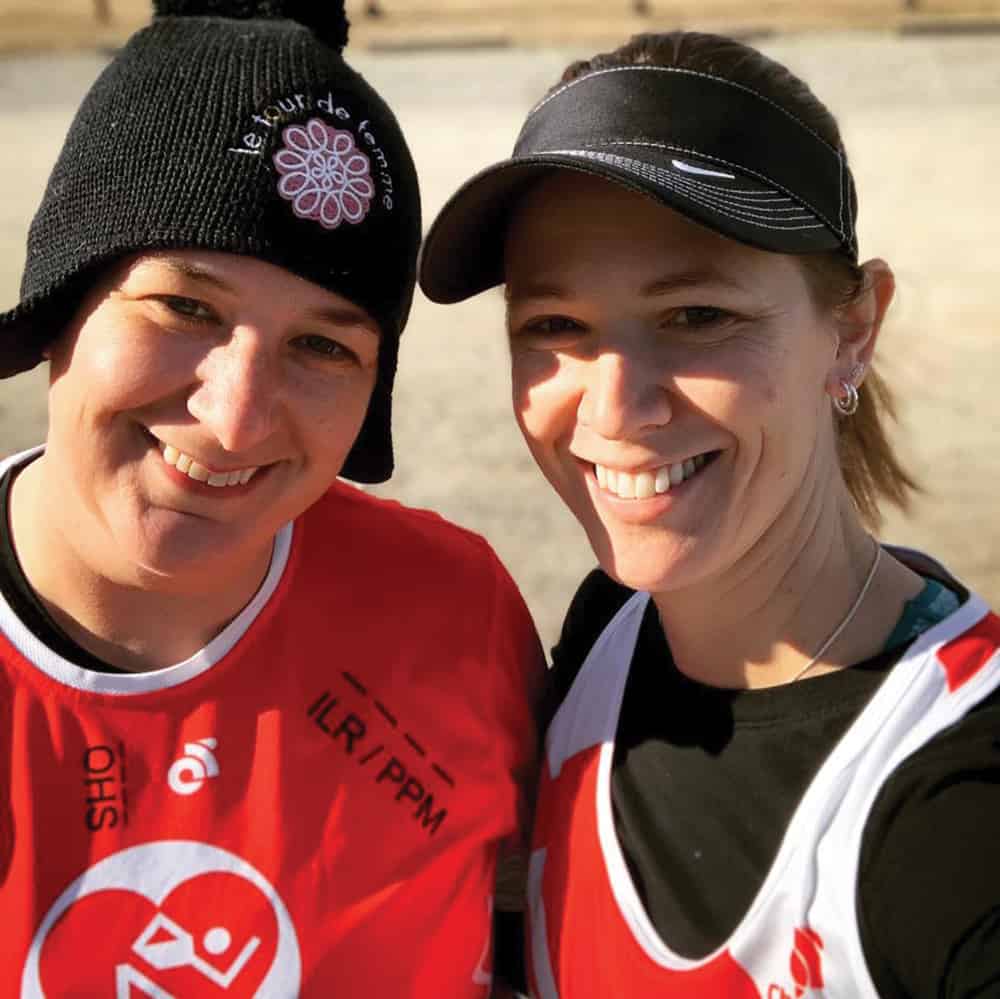
Polk & Thomas’ Why: “As survivors of PPCM (peripartum cardiomyopathy), raising awareness of one of the leading causes of maternal death—along with the ability to live an active, healthy life after a heart failure diagnosis—has become our driving force. We want to inspire other women who have suffered from PPCM to get back out there and do what they love again.”
Nominee: Anuja G. Purohit

Purohit’s Why: “My aunt was a single mom who raised three children on her own but died suddenly of a heart attack in her early 50s. Her life, like the lives of many women today, was stressful, but her untimely death was preventable. I want to be a force for longer, healthier lives of everyone in our community—with a special focus on women.”
Nominee: Kaitlyn Sanderson

Sanderson’s Why: “In 2013, my stepfather died suddenly of a heart attack at just 43 years old. I’m committed to living a healthy lifestyle and educating others on the dangers of heart disease so no one else has to suffer a similar loss.”