Brake for Art
City of Raleigh will implement asphalt art initiative in September to help save lives.
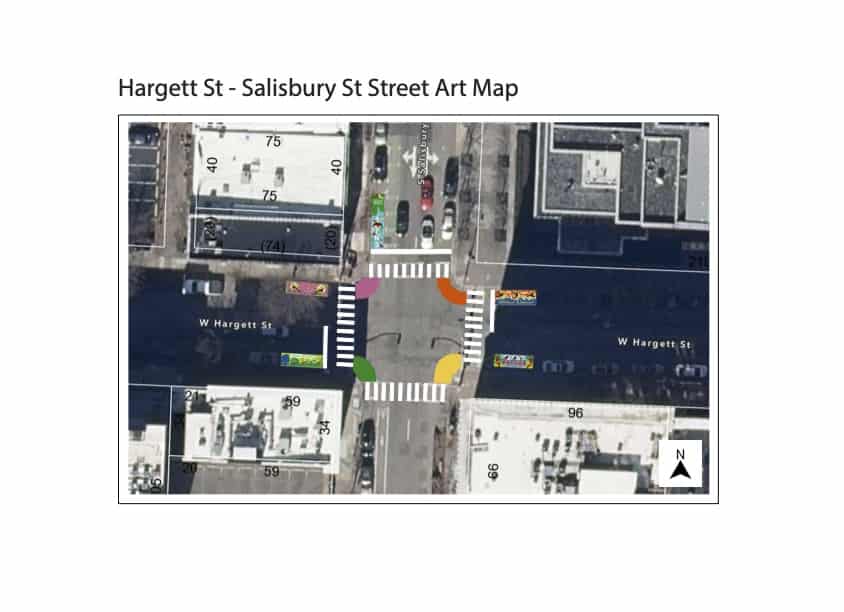
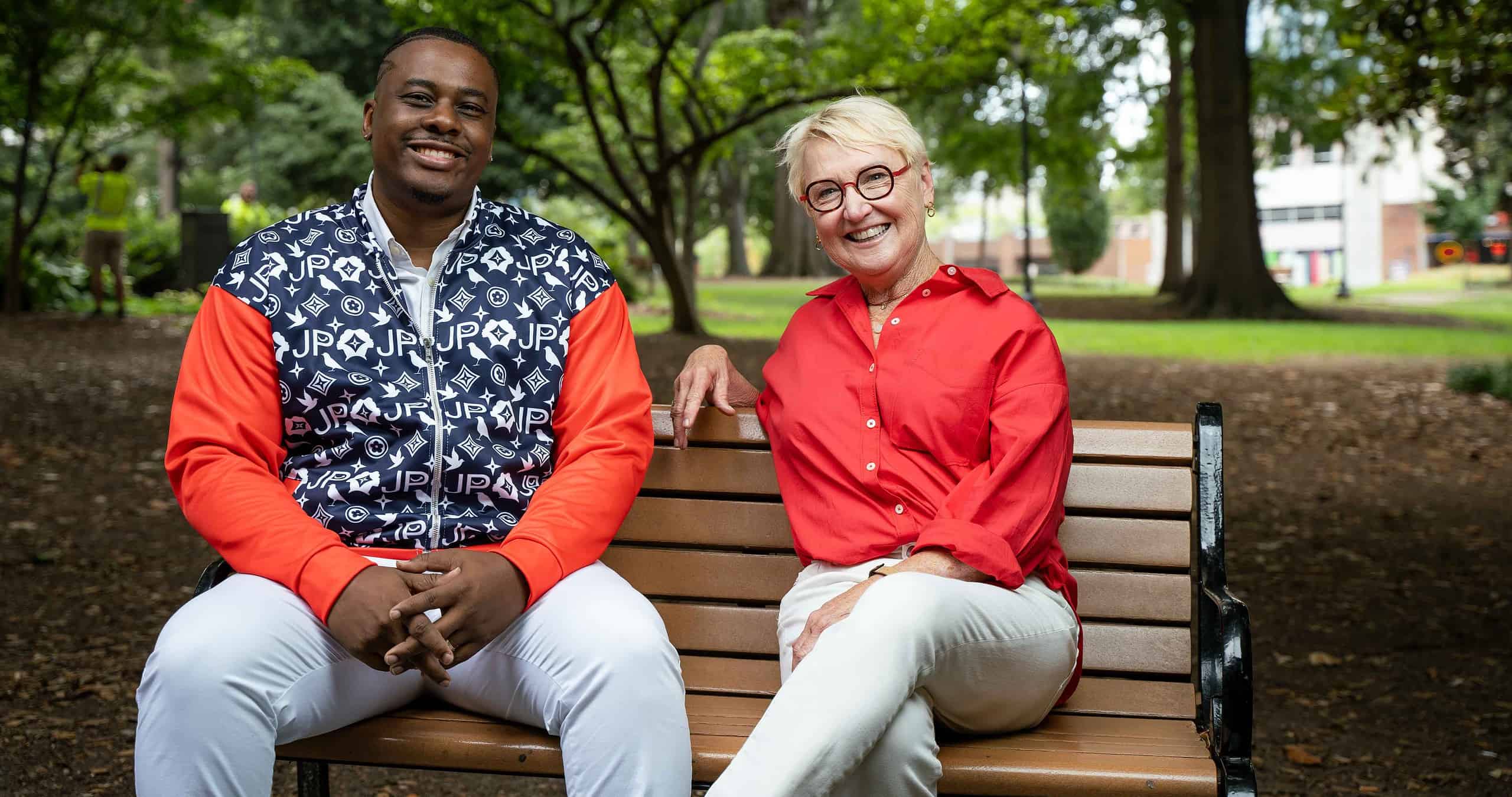
July 15, 2022, will be a day Susan Woodson will never forget. The local artist and wife of NC State Chancellor Randy Woodson was walking in Downtown Raleigh to meet with her trainer that morning when a truck turned and hit her at the intersection of Hargett and Salisbury streets, dragging her several feet before stopping directly on top of her leg.
“The minute he hit me, it all went slow motion and cartoonish,” she recalls. “Fortunately—or unfortunately, I don’t know which—I never passed out. I was in terrible pain, but for some reason, I just kept myself awake through the whole thing.”
Following her horrific accident, which resulted in almost a year of recovery, Woodson discovered Bloomberg Philanthropies’ Asphalt Art Initiative—which incorporates art at intersections, crosswalks, plazas, sidewalks, and even traffic barriers and underpasses in an effort to improve street safety while revitalizing public spaces—and thought, “That has to happen here.” The initiative now spans the U.S. and Europe, including a mural and colorful crosswalks at a Durham intersection near an elementary school.
Seeing its success, Woodson approached the City of Raleigh to implement asphalt art here and learned the Raleigh Transportation Department had already been considering it for some time. “I am a huge proponent that public art is a part of our infrastructure and a part of our creative problem-solving within the city and the community,” says City of Raleigh Parks, Recreation and Cultural Resources Department Public Art Director Kelly McChesney.
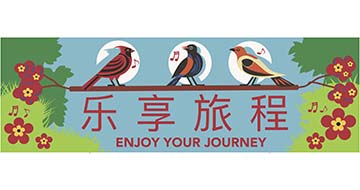
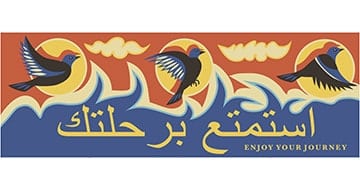
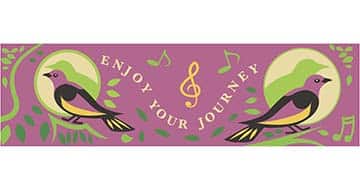
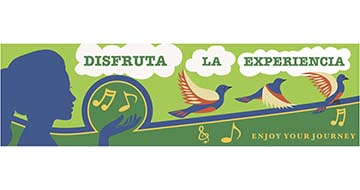
Woodson’s accident escalated the conversation, and now the project is anticipated to complete in mid- to late-September. Local artist Jermaine “JP” Powell was selected to design the asphalt art at the same cross street where Woodson was hit, with a second still-tbd location under consideration for the pilot project.
“The whole idea is to create art so, as [vehicles] approach, they realize something’s on the road and slow down. … It’s something to look at and stop you from getting in a hurry,” says Woodson, who, following her accident, heard of many people suffering from similar incidents, especially in Downtown. “It has been very successful in other cities.”
In fact, according to Bloomberg’s 2022 Asphalt Art Safety Study, asphalt art projects throughout the U.S. resulted in a 50% drop in traffic crashes involving pedestrians or cyclists and a 27% increase in drivers yielding to pedestrians with the right-of-way.
“I am hoping this brings more of a visual awareness to those turn lanes and the pedestrian sight lines, and provides more of a comfortable experience for the pedestrians,” says McChesney. “And I think by having something very bright and colorful that will make sure people have to pay attention.”