Downtown Raleigh’s Trash Troubles
Is litter around Raleigh on the rise?
Raleigh may not look like the morning after a Shameless block party—but it’s not exactly spotless.
With the 20K residents living within a mile of DTR’s center—and thousands more commuting in on the daily—the city’s growing core generates plenty of foot traffic. And, inevitably, plenty of waste. So what’s being done about the pileup?
To many Raleighites, trash troubles feel more visible than ever. In 2018, residents reported 66.3% satisfaction with Downtown’s cleanliness. But by 2024, that number had dropped to just 56%.
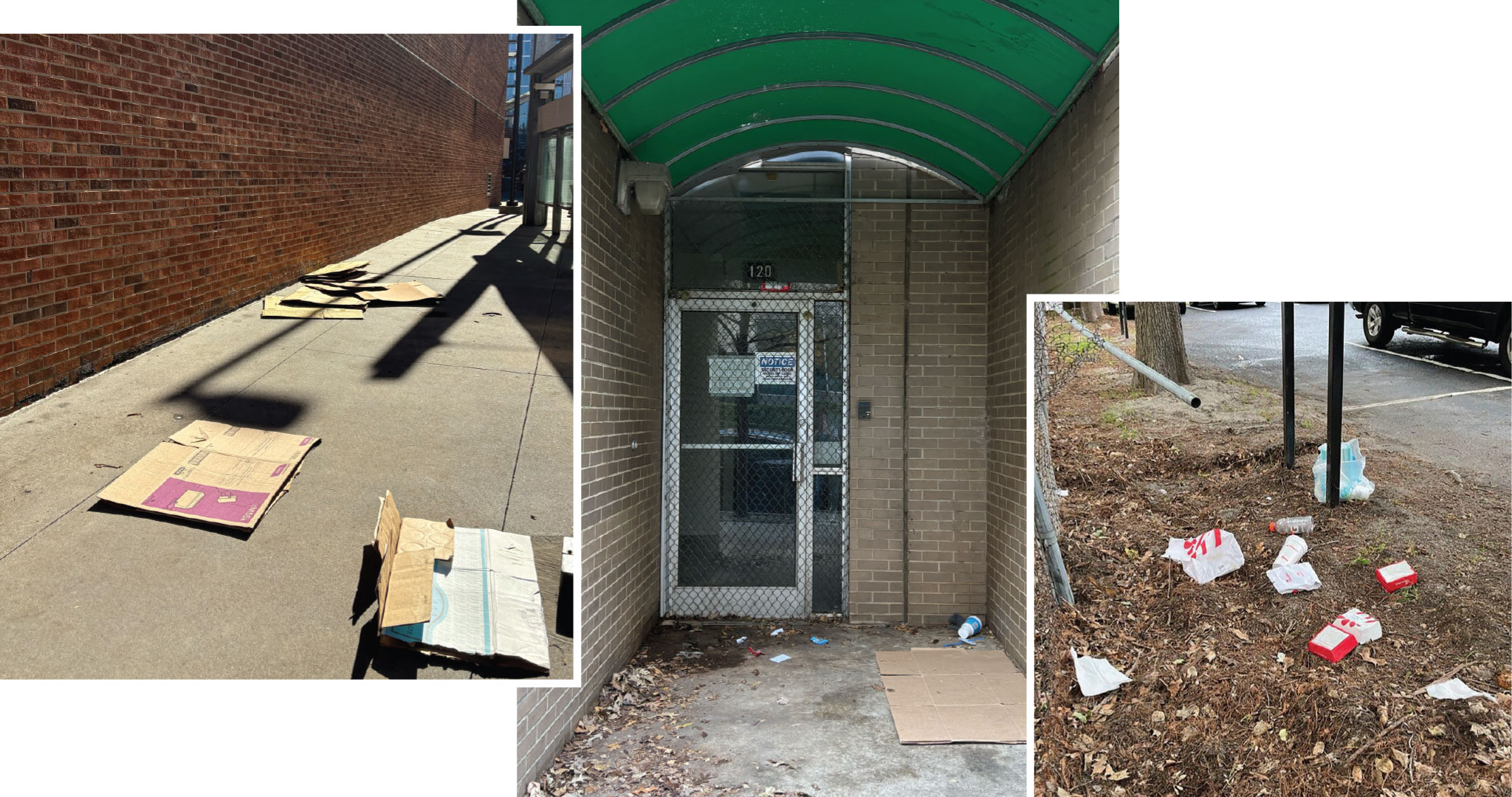
Not everyone sees a problem. One Downtown business owner says Raleigh still feels squeaky clean compared to other major cities, noting that even graffiti rarely sticks around for long. Others disagree. DTR resident Bekah Gregory says she routinely spots trash piling up at key gateways like Capital and New Bern, as well as around public transit-heavy corridors like Blount and Wilmington streets and Moore Square.
For Moore Square dweller Christian Lockamy, this reality plays out daily: He’s watched people bypass trash cans and “just kind of trash the place.” The situation grew so grimy around an abandoned business that he submitted a cleanup proposal to Downtown Raleigh Alliance.
Assistant City Manager Evan Raleigh says he’s heard the mixed reviews—especially about those high-traffic areas near the bus station—and Raleigh isn’t standing idly by. Seven days a week, Raleigh’s Downtown Clean Team is on the ground, scouring for litter, grime, graffiti and more.
Starting at 6:30am, crews sweep areas like the Capital District, Glenwood South and the Warehouse District, then circle back for a second pass halfway through the day. Their focus is primarily on public sidewalks, plazas, tree pits and trash receptacles—really anything excluding trash collection (which is up to Solid Waste Services), says Raleigh.
In 2024 alone, the Clean Team collected 5,500+ bags of litter covering ~20K miles, says Public Information Officer Julia Milstead. Still, the task isn’t just about manpower.
“You have to make sure you’re staying on top of changes in behavior, patterns and trash locations,” says Raleigh. “Our team does a great job of that.”
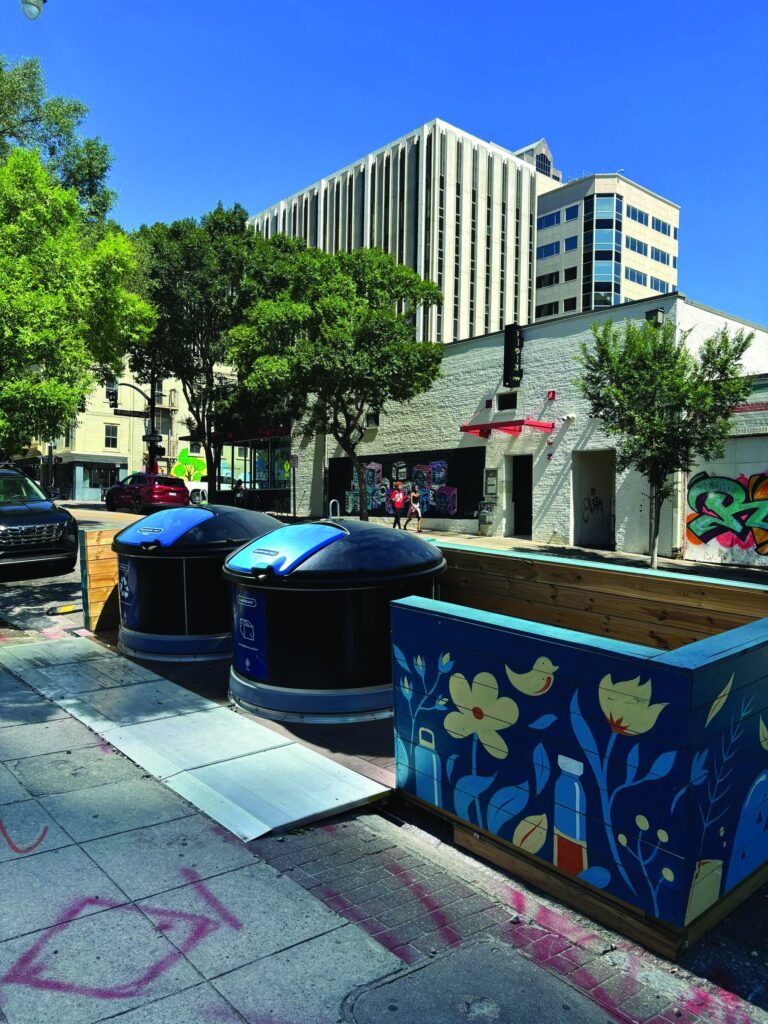
The city is also tweaking its TRAC bin pilot program. Instead of freestanding cans cluttering sidewalks, new 95-gallon bins will soon be tucked into artistic enclosures set back from the street. Other efforts—like the ongoing beautification efforts along Fayetteville Street—are also in the pipeline.
But Raleigh stresses keeping Downtown clean can’t fall to the local gov alone. Enter the Great Raleigh Cleanup—founded in 2020 by Preston Ross III, the volunteer-driven org formed after he determined the litter had escalated into a public nuisance. “I very quickly recognized that it was too big for me to do alone,” he recalls. “So we opened it up to volunteers, and it really took off.”
Adds Ross: “If you’re complaining, you better be doing something.” Whether that means reporting cleanliness concerns, joining a cleanup crew or simply picking up after yourself, keeping Raleigh clean takes everyone.