by Abigail Celoria | Feb 4, 2026 | Buzz, February 2026
Is litter around Raleigh on the rise?
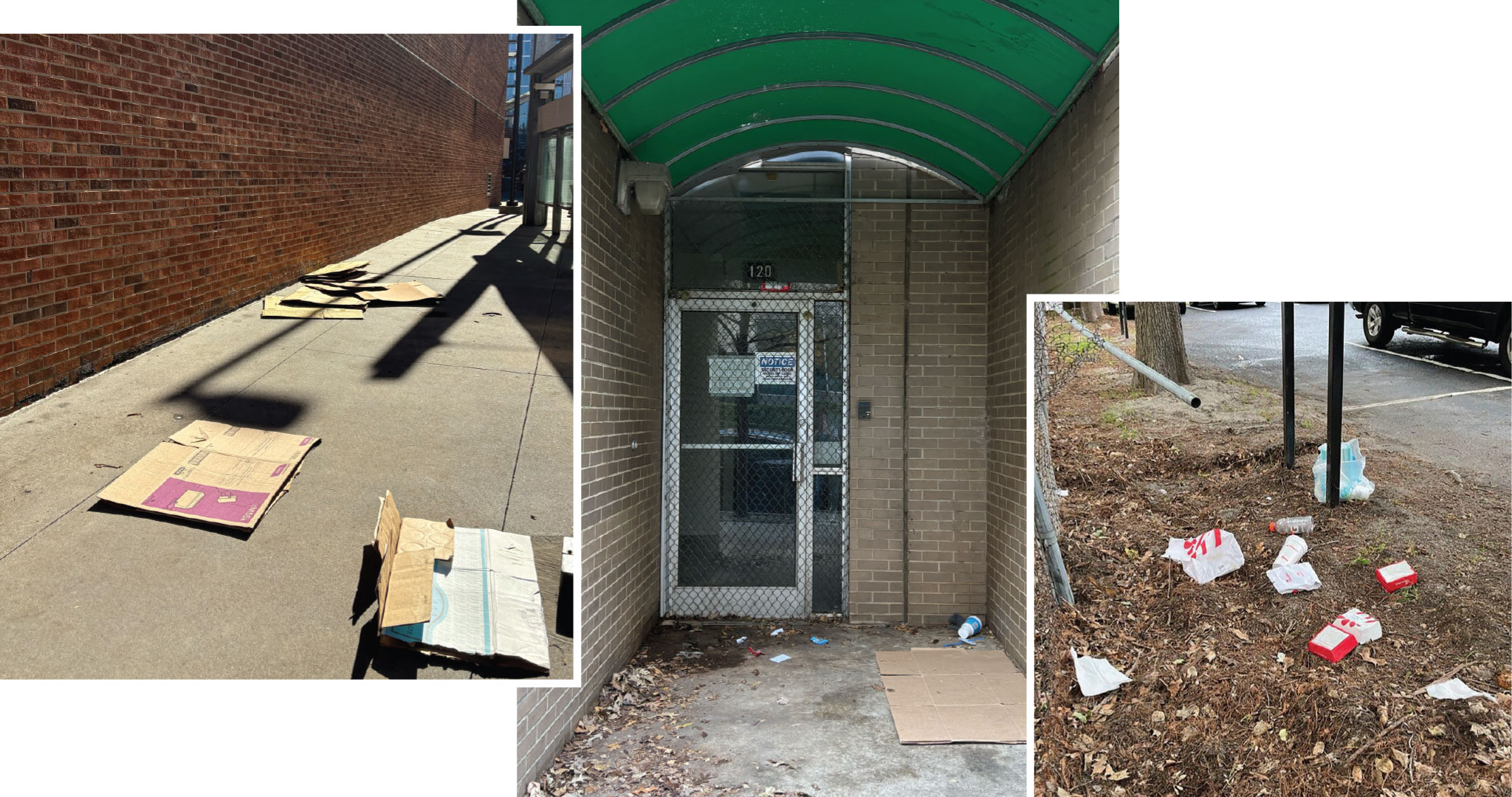
Raleigh may not look like the morning after a Shameless block party—but it’s not exactly spotless.
With the 20K residents living within a mile of DTR’s center—and thousands more commuting in on the daily—the city’s growing core generates plenty of foot traffic. And, inevitably, plenty of waste. So what’s being done about the pileup?
To many Raleighites, trash troubles feel more visible than ever. In 2018, residents reported 66.3% satisfaction with Downtown’s cleanliness. But by 2024, that number had dropped to just 56%.
Not everyone sees a problem. One Downtown business owner says Raleigh still feels squeaky clean compared to other major cities, noting that even graffiti rarely sticks around for long. Others disagree. DTR resident Bekah Gregory says she routinely spots trash piling up at key gateways like Capital and New Bern, as well as around public transit-heavy corridors like Blount and Wilmington streets and Moore Square.
For Moore Square dweller Christian Lockamy, this reality plays out daily: He’s watched people bypass trash cans and “just kind of trash the place.” The situation grew so grimy around an abandoned business that he submitted a cleanup proposal to Downtown Raleigh Alliance.
Assistant City Manager Evan Raleigh says he’s heard the mixed reviews—especially about those high-traffic areas near the bus station—and Raleigh isn’t standing idly by. Seven days a week, Raleigh’s Downtown Clean Team is on the ground, scouring for litter, grime, graffiti and more.
Starting at 6:30am, crews sweep areas like the Capital District, Glenwood South and the Warehouse District, then circle back for a second pass halfway through the day. Their focus is primarily on public sidewalks, plazas, tree pits and trash receptacles—really anything excluding trash collection (which is up to Solid Waste Services), says Raleigh.
In 2024 alone, the Clean Team collected 5,500+ bags of litter covering ~20K miles, says Public Information Officer Julia Milstead. Still, the task isn’t just about manpower.
“You have to make sure you’re staying on top of changes in behavior, patterns and trash locations,” says Raleigh. “Our team does a great job of that.”
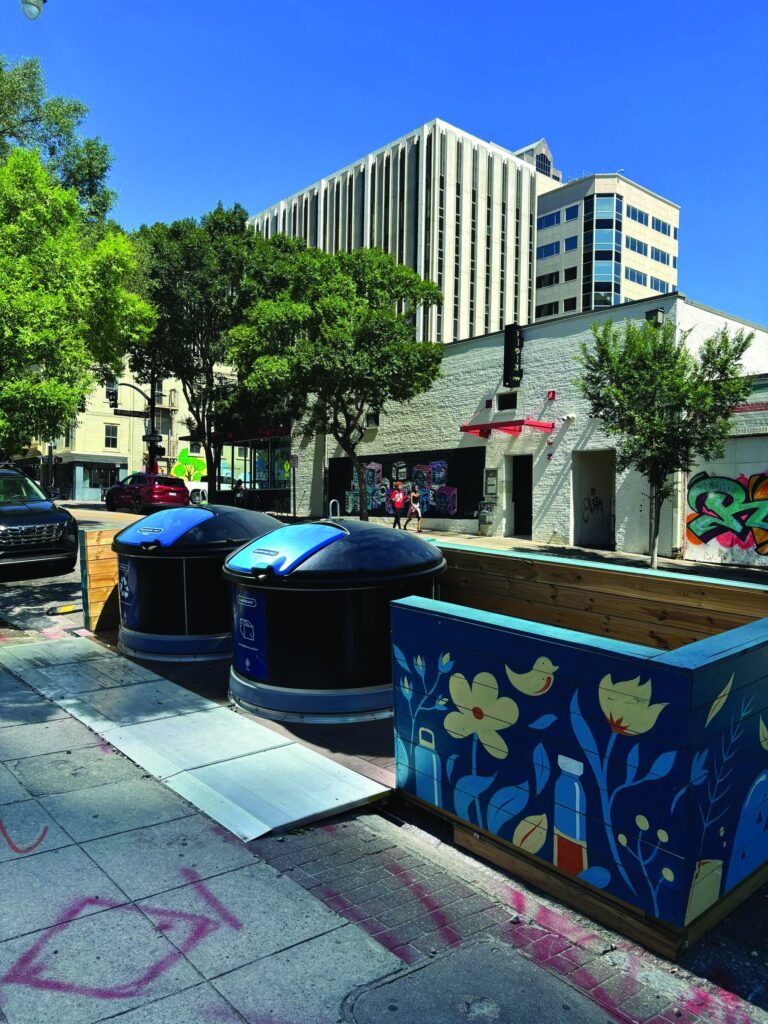
The city is also tweaking its TRAC bin pilot program. Instead of freestanding cans cluttering sidewalks, new 95-gallon bins will soon be tucked into artistic enclosures set back from the street. Other efforts—like the ongoing beautification efforts along Fayetteville Street—are also in the pipeline.
But Raleigh stresses keeping Downtown clean can’t fall to the local gov alone. Enter the Great Raleigh Cleanup—founded in 2020 by Preston Ross III, the volunteer-driven org formed after he determined the litter had escalated into a public nuisance. “I very quickly recognized that it was too big for me to do alone,” he recalls. “So we opened it up to volunteers, and it really took off.”
Adds Ross: “If you’re complaining, you better be doing something.” Whether that means reporting cleanliness concerns, joining a cleanup crew or simply picking up after yourself, keeping Raleigh clean takes everyone.

by 0-UserSubmitted | Oct 28, 2024 | Buzz, November 2024
This rant has been lightly edited for style and space and is not endorsed by Raleigh Magazine.
Dear DOT,
What is the deal with the freaking Beltline? I mean come on!
How and why does this construction project continue to take so long— and look so terrible?! It’s just an endless freaking loop. Pun intended.
Is this some kind of a sick never-ending cycle DOT gets off on torturing weary travelers with? Just go ahead and change the construction signs to “will. never. stop.”; “will close lanes during rush hour and not overnight—sorry not sorry”; “we’re working—on getting hammered.” Add a constant catcall while you’re at it.
And for as many people as are moving here on the daily, by the time construction could be complete, the roads will already be outdated again. I know some of this was built in the ’60s, but is that where your old-fashioned slow-life approach comes from too? And don’t even get me started on Wade Avenue.
Seriously. I’ve been driving this lackluster loop for what feels like six or seven years now. Terribly unsafe. Overgrown. Trash everywhere. Graffiti. Behind schedule. Drainage grates clogged. Uneven roads. Potholes. Constant wrecks caused by terrible pavement. Traffic cones still on the Western Boulevard exchange. What a shit show.
My patience is way gone with this project. Someone needs to be held accountable. I just don’t get why it has taken so long and why it is so screwed up and ugly. You had one job. Dammit all.
—Disgruntled Driver
GOT A RANT OR RAVE? Email it to [email protected] for print consideration
by Kendra Jones | Aug 1, 2022 | Buzz, July 2022/August 2022, Web Exclusive
The first hard-to-recycle pickup service launches in the Triangle.
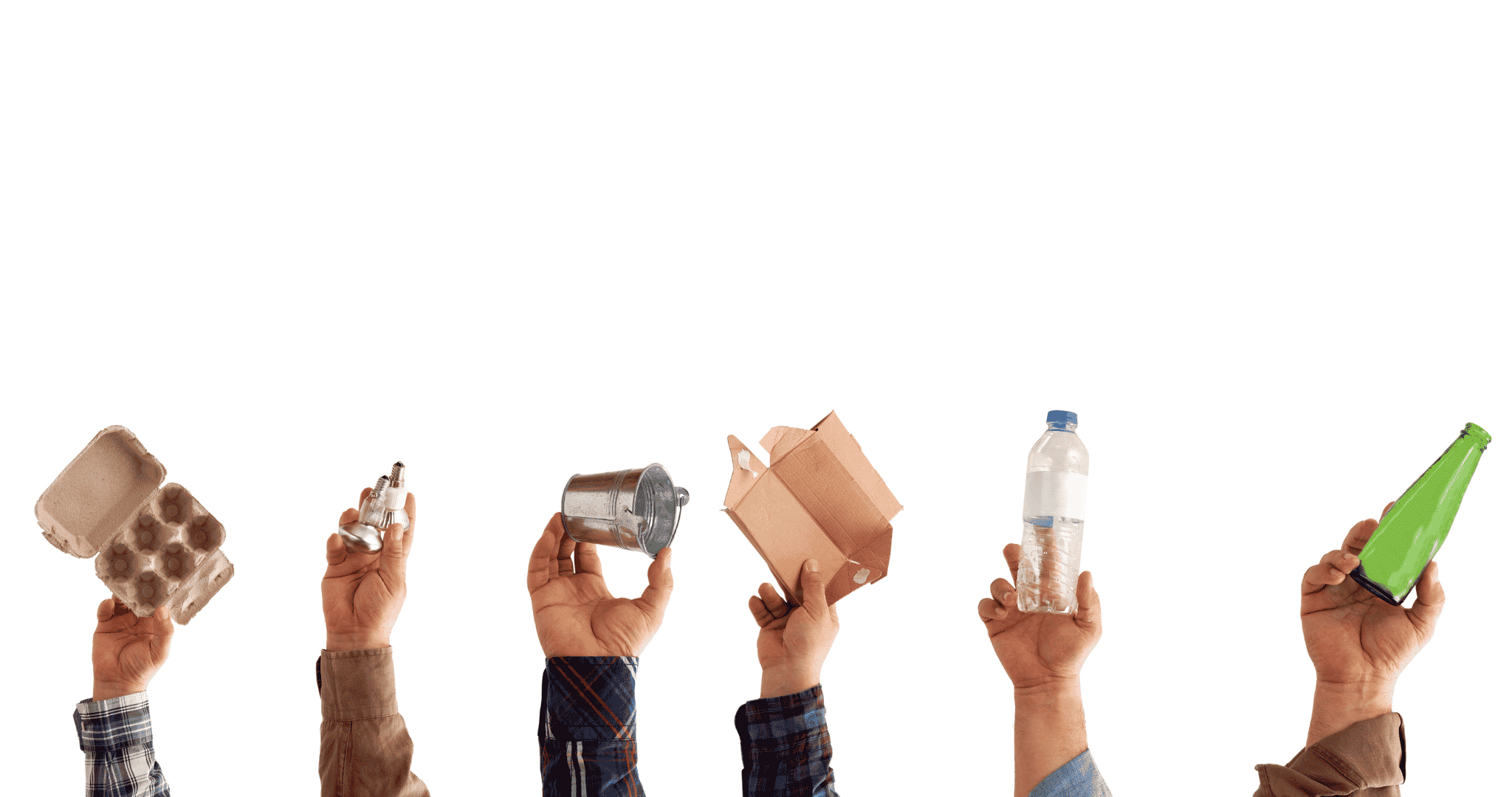
When it comes to recycling, there’s no question about whether items like paper, cardboard, plastic and the like are recyclable. But when it comes to items like plastic bags, styrofoam, clothes, batteries and lightbulbs, confusion abounds over how you should dispose of them. Enter ReCollective, the Triangle’s first hard-to-recycle pickup service (!).
Launched in July by Bryce Brooks and Kevin Younge, two eco-friendly Triangle residents with a passion of simplifying waste and reducing climate change, ReCollective makes recycling easy, accessible and transparent while taking waste off your hands and creating something new out of it.
To boot, the pickup service is super-convenient—and you don’t even have to leave your house to use it. Collection bag kits containing four labeled canvas bags, a separate plastic bag for styrofoam, and a waterproof bag are dropped off at your home before your scheduled pickup day. Simply leave the bags on your porch and a ReCollective crew member will swing by to collect them on pickup day.
Items that cannot be collected through standard recycling typically have low recycling rates and would normally end up slowly decomposing in landfills—sometimes for years. This contributes to environmental and health problems in our local communities like pollution, harsh gas releases and even contamination of our water supply.
“We are passionate about helping bring awareness to the community about the environmental challenges we face,” says Younge. Adds Brooks, “The Triangle is a special area that is so ready for circular community solutions that are affordable, accessible and have a positive impact for everyone here.”
ReCollective takes materials and passes them on to local businesses and organizations that recycle or reuse them in a creative way—think art pieces or products like deck boards. Reduce, reuse, recycle in action!
Getting rid of those nonrecyclables costs about the same price as a Netflix subscription or getting a couple drinks at a local bar. So why not put your money toward something that’ll help better the environment—and the world?! First pickups begin in September, expect collection bag kits in August. Sign-up here.

by Raleigh Magazine | Sep 30, 2019 | Buzz, October 2019
Something stinks about this Raleigh story that just won’t go away. Moloks—the underground trash receptacles installed, and then swiftly uninstalled, at the intersection of Hargett and S. Wilmington Streets after folks from the nearby Mechanics and Farmers Bank reportedly complained to city managers about their smell—cost $30,000 and were supposed to make Raleigh seem cutting edge. Raleigh was the first city in the country to install the underground trash collection system, but apparently, City officials never consulted with the bank beforehand, as it did with other businesses located nearby. As staffers work to identify potential new sites for the Moloks, John Pugh, noted Molok fan and owner of the Hargett Street-based T-shirt company House of Swank Clothing, tweeted a screenshot of a message from a communications staffer stating that there are 15,000 emails relating to the controversy after Pugh had sought correspondence as part of a public record request. 15,000 emails! Then, Pugh tweeted a photo of the Moloks that appears to show them junked with the caption “Dear @RaleighGov, when I was told by multiple city council members that the #MOLOK bins were just being relocated, I assumed they meant somewhere other than the landfill. Given that they’ve now been ripped in two, am I mistaken? Please advise.” That piqued our curiosity so we asked the question ourselves. Julia Milstead, a public information officer with the City, wrote in an email that “the embedded bins themselves were damaged during the removal process and cannot be re-used.” Oops. But “the lids, liners, support rings, surrounds, and even artwork were all successfully salvaged and will be used at new locations.” Good news but, as we saw with the Gotcha scooters, if we want nice things in Raleigh, we usually have to wait a while.

Photo from John Pugh’s tweet concerning the Molok trash bins in the landfill