Democrats Face Off

Democrats Face Off

The Wake County Board of Commissioners’ Democratic primary this month has turned into a battle of the sexes and, as is customary in politics, cash is the likely weapon of choice.

In February, a handful of local party insiders launched a PAC called Women Awake. Its goal, as explained on its website, is to get progressive women elected to office at the local level in communities across North Carolina, starting with Wake County. Though its financial disclosures weren’t available before press time (and the PAC’s board chair did not respond to questions from Raleigh Magazine), political observers anticipate the PAC launching a significant spending effort on behalf of candidates in three of the five races leading up to the primary.

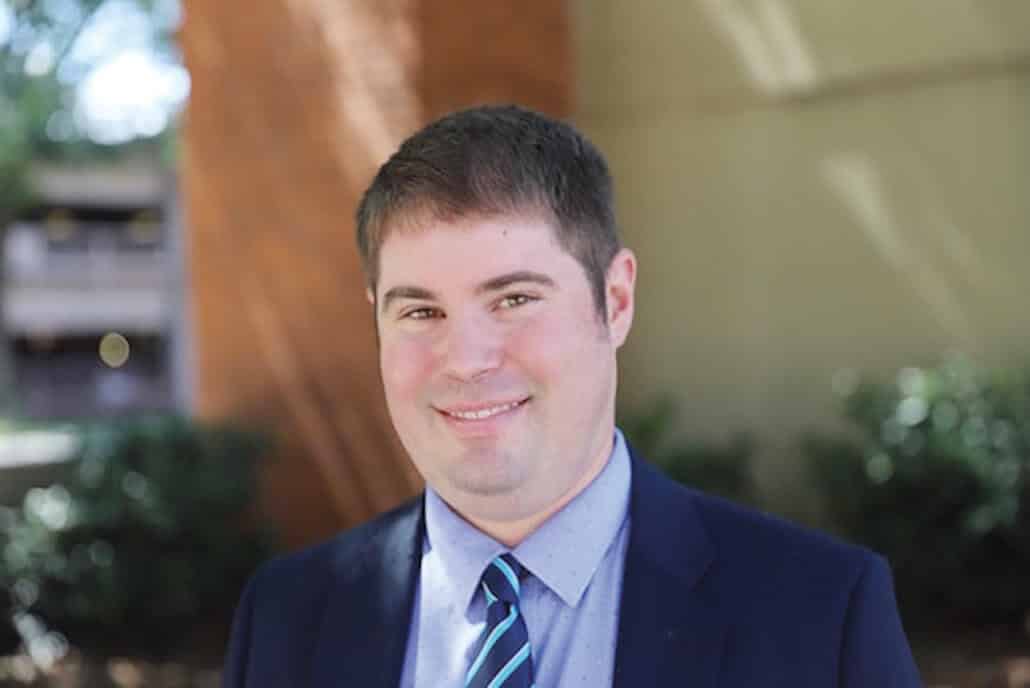
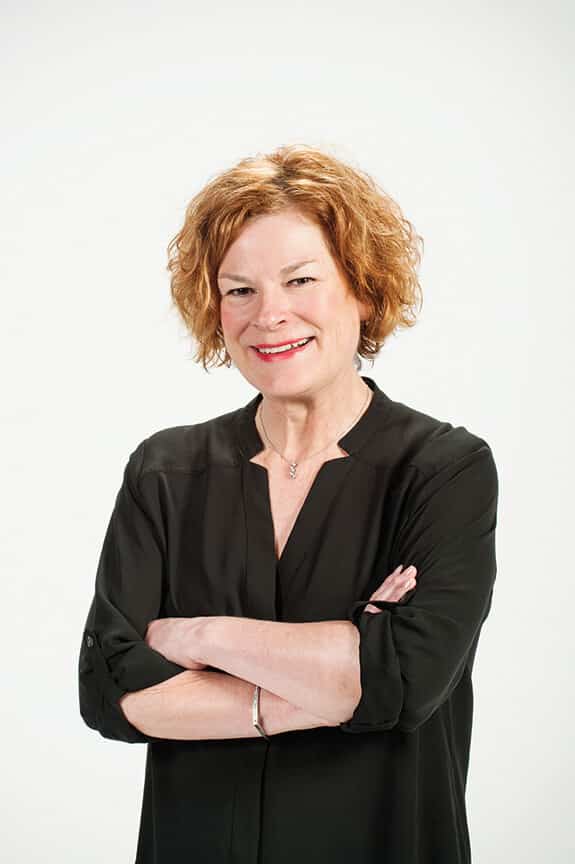
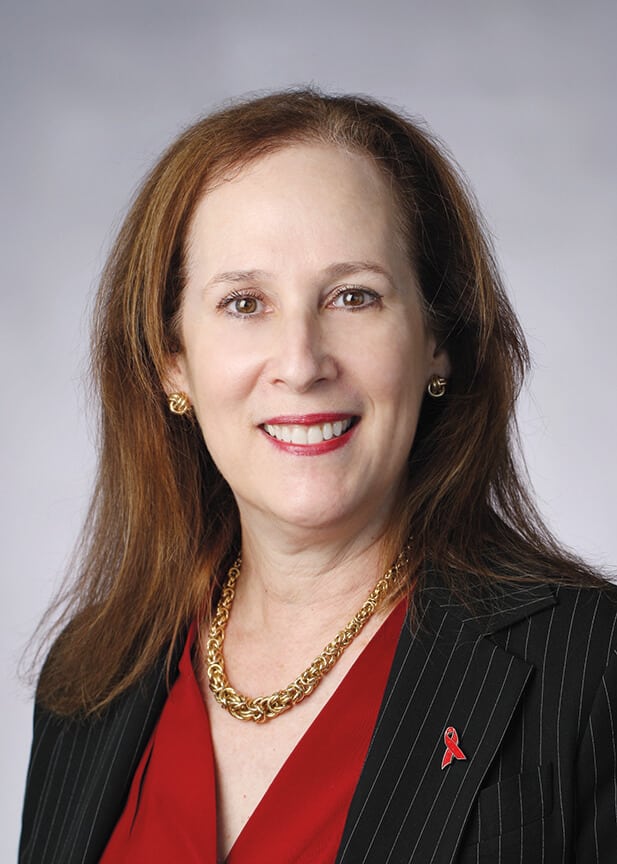
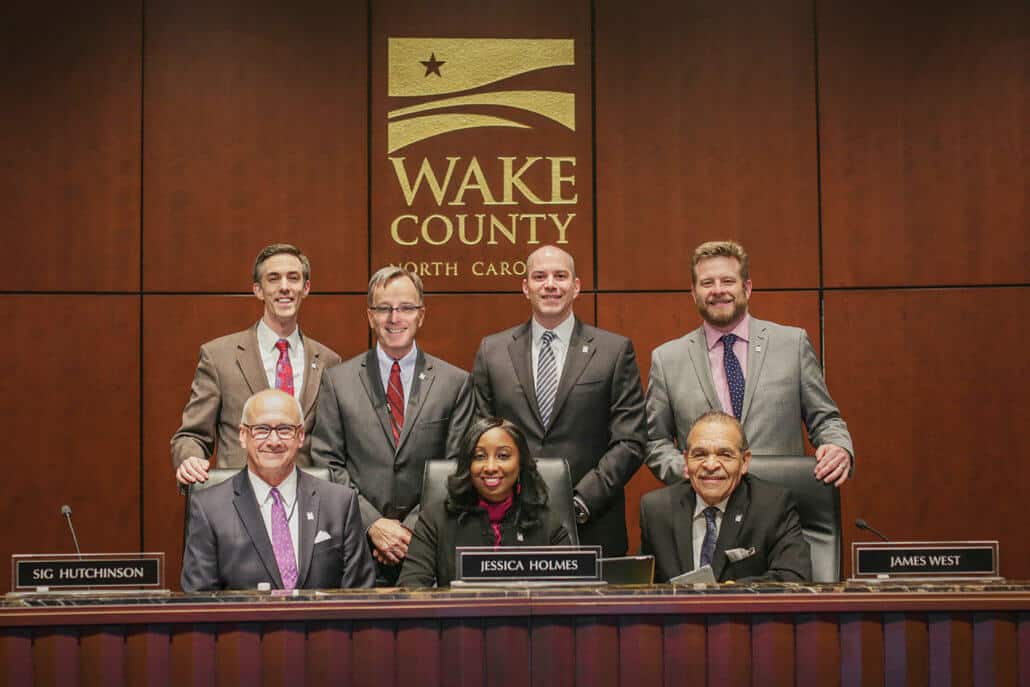
Women Awake endorsed the lone woman commissioner, chair Jessica Holmes (whose seat is uncontested this election cycle), plus three women challenging incumbent commissioners for their seats: Susan Evans, who is challenging Erv Portman in District 4; Lindy Brown, who is challenging Matt Calabria in District 2; and Vickie Adamson, challenging John Burns in District 7.

These primary contests have been cast along gender lines—the PAC’s website bluntly states “frankly, our male-dominated Board of Commissioners is holding up progress”—but the issue of school funding is at the heart of the contests. In June, the commissioners voted 5-2 to approve a $1.26 billion county budget that gave the Wake County Public School System $21 million in new funding, less than half of the $45 million the school board had requested, for a total of more than $430 million.

Holmes, an attorney for the N.C. Association of Educators, and Commissioner Greg Ford, a former Wake elementary and middle school principal and teacher, voted against the budget. They are the only two commissioners who don’t have primary challengers, though Ford faces two challengers in the fall. Commissioners James West and Sig Hutchinson face primaries against Robert Finch Sr. and Jeremiah Pierce, respectively; none have been endorsed by the Women Awake PAC.

Critics of Calabria, Burns and Portman, including the PAC, say that in voting for a budget that didn’t meet the school board’s request, the candidates didn’t fund adequate levels of guidance counselors, social workers and psychologists, living wages for bus drivers and cafeteria workers, extra duty pay for teachers and coaches and programs for both high and low achieving students.

Four-year incumbents Burns and Calabria, and Portman who has served for two years, emphasize their records of increasing the schools budget by nearly $100 million per year, raising teacher pay, passing a seven-year, $2.1 billion construction plan for schools, as well as launching the Wake transit plan and initiatives around living wages, equity, food access and affordable housing.

Here, we asked the commissioners to tell us why they should be re-elected, and we spoke to their challengers about their reasons for running.

The Wake Democratic primary takes place May 8. Democrats and unaffiliated voters can vote for a single candidate in all five races.


District 2: Lindy Brown vs. Matt Calabria
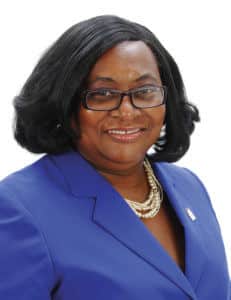
Lindy Brown

“First, the current District 2 County Commissioner was pursuing a General Assembly run, when he and I agreed to support one another. He went back on his word. I announced my candidacy in December and filed for an open seat on February 12, 2018. I’m pursuing this seat because I served this district as County Commissioner in 2006 – 2010. The current District 2 Commissioner didn’t fully fund the WCPSS’2017/18 budget. I know how important it is to invest in our WCPSS. My top three priorities are funding 1). WCPSS/Wake Tech, 2). First Responders, and 3). Workforce Affordable Housing.

Editor’s Note: Calabria was recruited to run for the state House but was gerrymandered out of his district this winter. We gave him an opportunity to respond to Brown’s statement, since she addressed him directly: “I never endorsed my opponent, and in fact I let her know I was running to retain my seat well before the candidate filing period even opened.”
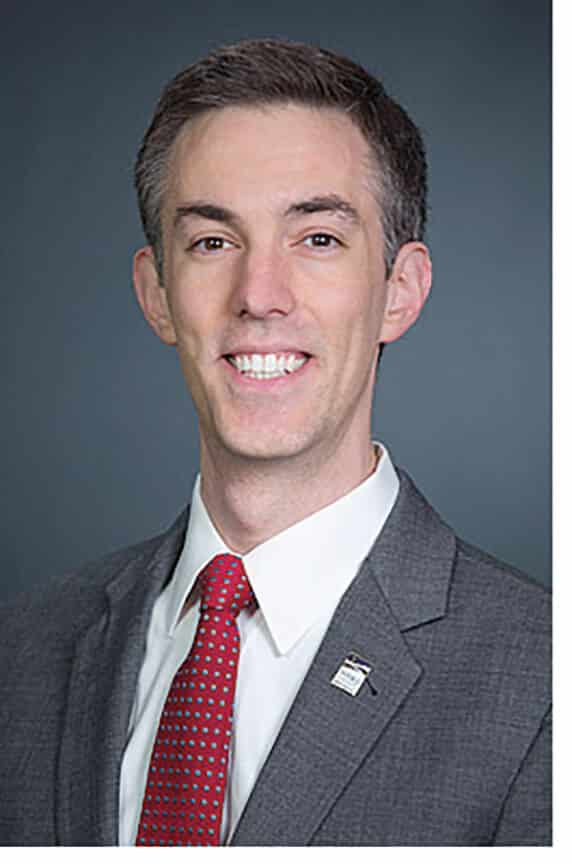
Matt Calabria

“I am an attorney, a husband, and a brand new father who believes that Wake County needs forward-thinking leadership. The son of a high school principal, I’ve worked to increase school funding by 27% and raise local teacher pay by 44%–both in just 3 years. I was the author of Wake’s first living wage ordinance, championed the county’s efforts to fight childhood hunger, and led efforts to pass a landmark transportation plan. We have more to do, and I’m running to build on this work. I ask for your support on May 8.”

District 4: Susan Evans vs. Erv Portman
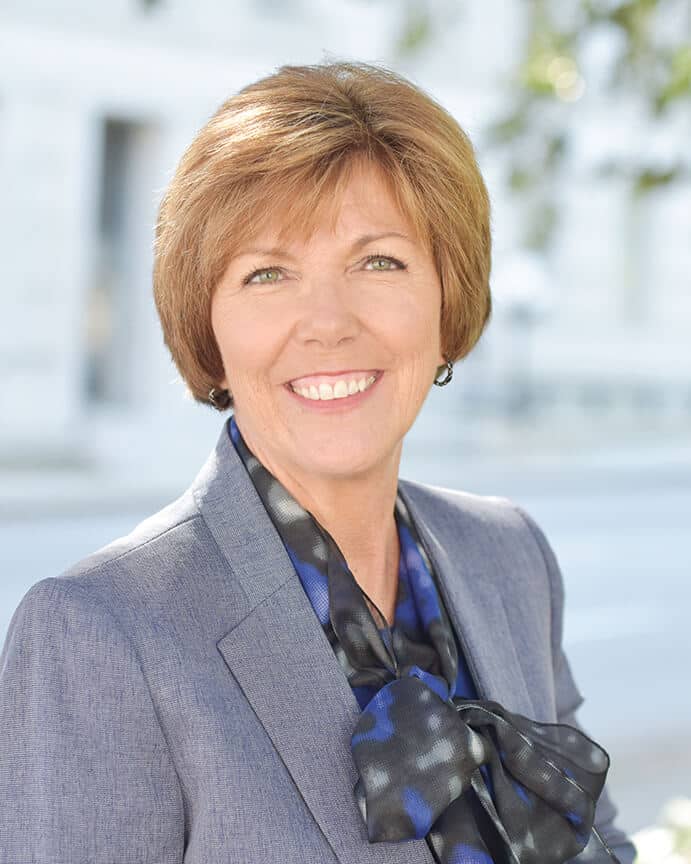
Susan Evans

“As a finance professional who recently served our community as a Wake County School Board member for five years, I’m confident that bringing that experience to the Board of Commissioners will enable a more cooperative and informed collaboration between the two Boards. Supporting a well-funded, high-quality public school system is my highest priority.

Additionally, there is a pressing need for affordable housing and county-provided health and human services and our growing traffic congestion demands the expansion of transit options. I am eager to work with my Commissioner colleagues and other community partners to expand solutions for these and other issues.”
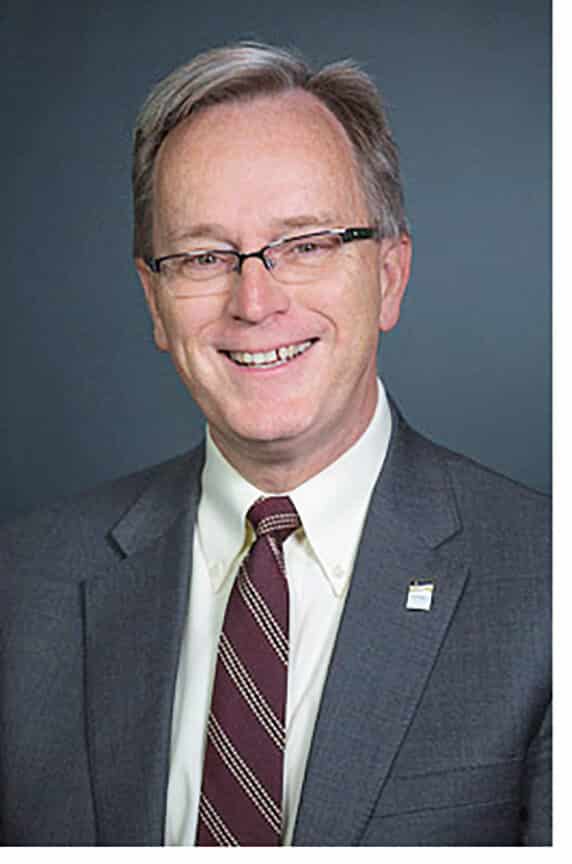
Erv Portman

“I am pleased to serve the citizens of Wake county on the board and seek a second term to continue our support for public education, support for those most in need and planning for our future. As a father of 4 daughters, three which teach school, I know how key education is to our future. We have a great county board today and now is no time to train up a new team.

As one of the fastest growing large counties in the nation we need an experienced board with a caring heart and a clear focus to protect the natural beauty of this great place. My goal is simple, leave this county better than I found it. With your vote I will.”

District 7: Vickie Adamson vs. John Burns
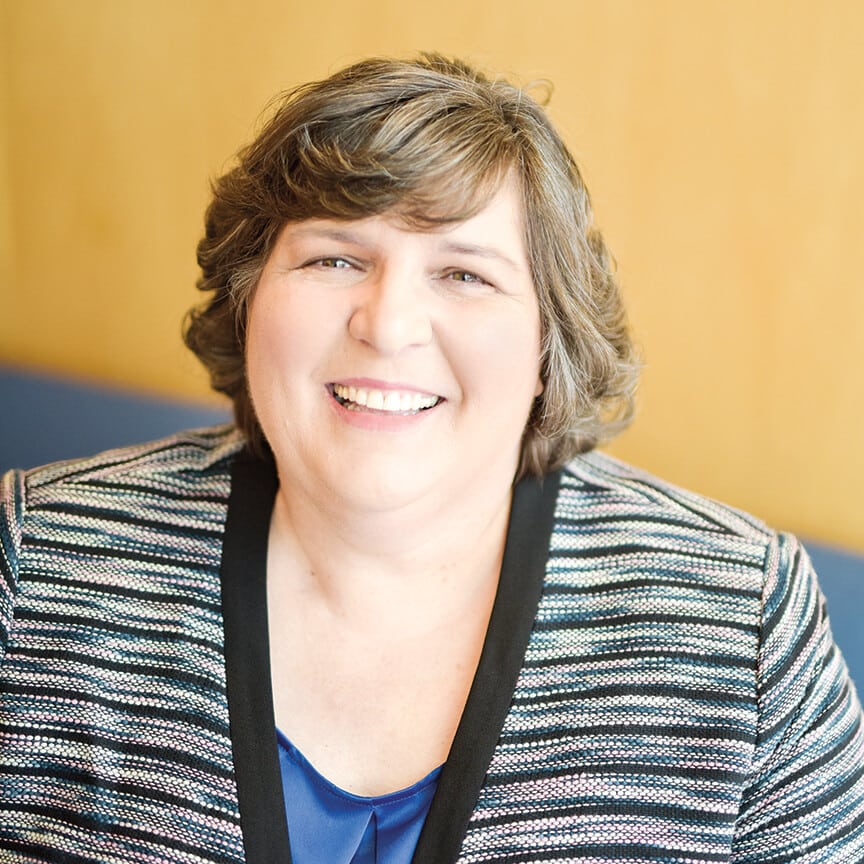
Vickie Adamson

“I am running for public office in a county of one million people, and it feels so daunting—but I’m doing it anyway, because I want to stand up for Democratic values:

• Well-funded public schools

• Affordable workforce housing

• Human Services for the vulnerable citizens from our newborns to our senior citizens.

Too many Wake County residents are not sharing in the prosperity of our County, and there are many things Wake County government can do better to listen to the needs of all its residents. I will work to increase school funding and expand affordable housing and human services for the aged.”
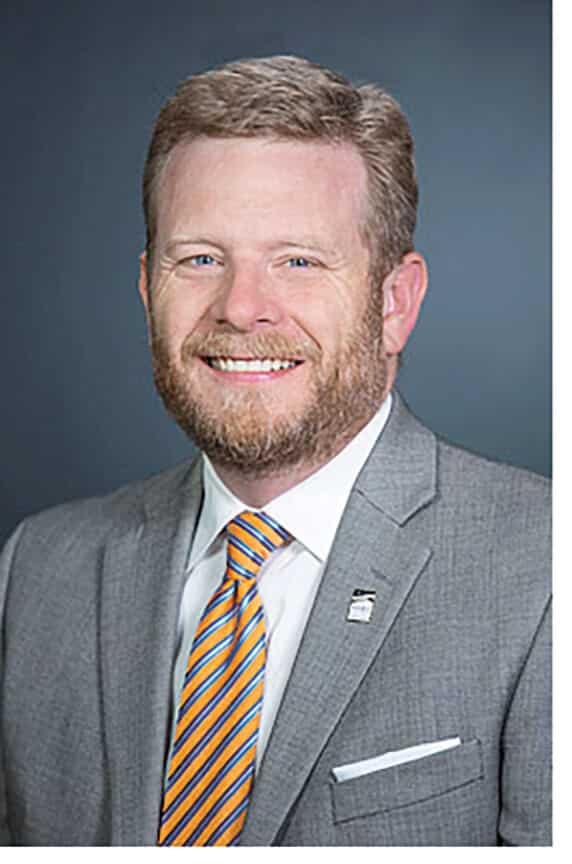
John Burns

“I am running for re-election to continue the tremendous progress we have made in Wake County since 2015. My wife and I have three children in the Wake County Public Schools, and education remains my top priority. We have improved school funding by nearly 30% in three years and raised local teacher pay by 44%. But we have also made great strides in fighting food insecurity, for clean water and open space, and public transit. All of those projects need further work, and I want to be there to see them to completion. Thank you.”

Clout In The City

Clout In The City

In the best way possible, Raleigh is in the midst of something like an existential crisis. The questions of who the city will be and what it will look like in 10 or 20 years guide every local vote residents cast, every choice made by every elected official, every developer’s decision to build, every new business that opens, every Tweet from every casual observer with a sense of civic pride.

We all know Raleigh will look different in the future from how it looks today, but different how? And who has the power to decide?

We attempt to answer that here by taking a look at the people we feel, in 2018, are driving the conversations and making the future-altering decisions. They’re not the richest Raleighites necessarily, or the titans of industries, banking or real estate—though some of them certainly fall into those categories. They’re more the folks who are using platforms they have to make a tangible difference in the community around us, whether by changing our physical environment through development and construction, by opening and running new stores and restaurants, by bringing art to our public walls, or by shaping the conversations we’re having about topics ranging from gerrymandering to immigration, sustainability to affordable housing.

In other words, these people have clout. If they don’t have the means to do something themselves, they certainly have some power to influence those who do. Right now, they hold the keys to the city and, more than anyone else, they’re shaping the answer to the overarching question on all of our minds: how will Raleigh grow?

Jennifer Martin, Director of Shop Local Raleigh

When outdoor dining was on the chopping block, Martin was the fiercest defender of the businesses that would have been affected. She helped city staff craft at an outdoor dining ordinance that, as far as compromises go, turned out to be pretty acceptable to everyone. Now, Martin has trained her sights on Amazon as it considers locating its second headquarters in Raleigh; as always, she’ll be doing her darnedest to get customers to shop at local stores, whether the e-commerce giant lands here or not. Combine that advocacy with Shop Local’s promotional events and other initiatives and there’s no one doing more to ensure the city’s locally-owned independent businesses stay afloat for the long run, and that Raleigh doesn’t drown in a sea of national chains and big box stores.

Ocracoke Observer

David Meeker, Small Business Owner

The son of former Raleigh mayor Charles Meeker, David Meeker has strong ties to the city and has built a successful business empire of bars, breweries and bottle shops with a running store thrown in for good measure; he also has a portfolio of real estate developments to his name. And, though he doesn’t much seek the spotlight, the younger Meeker has used his profile as a small business owner to speak out against gerrymandering on the basis that it’s bad for business, and therefore, bad for the state’s future. It’s proven a compelling argument; after business owners stressed the link between gerrymandered state districts and the lawmakers that brought us HB 2, Roy Cooper got elected; the bathroom bill was (mostly) repealed, and companies brought their business to the state once again.


Carolina Journal

Brent Woodcox, Legislative attorney

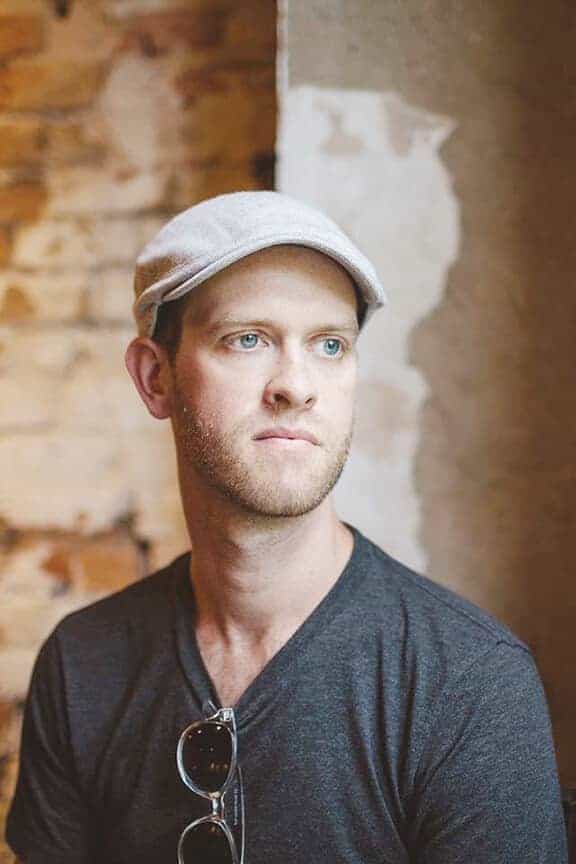
Woodcox’s blog, YIMBY Raleigh, chronicles everything from City Council decisions on rezoning, to real estate deals, to bike lanes and public art, to affordable housing ups and downs. An advocate for property rights and free market initiatives, Woodcox has been one of the most vocal proponents of legalizing Airbnb and allowing backyard cottages and he’ll occasionally drive newspaper coverage of city issues with a well-timed Tweet. His unrestrained style doesn’t endear him to everyone, but those who don’t like him, you can be sure, are paying attention to what he says.

Raleigh Philosophical Society

Jedidiah Gant, Media strategist

His now shuttered blog, New Raleigh, and associated social media presence broke news about new openings and closings all over town, driving folks out to local businesses long before there was ever anything like Offline or the 919 Blog. Since he’s stepped back from New Raleigh, Gant has helped bring dozens of murals to the city’s bare walls through the Raleigh Murals Project. While some are temporary and some are here to stay, all of the murals bring color and character to what would otherwise be humdrum or mundane. They also serve the very real purpose of reminding us that public art is beautiful, valuable, worth paying for—and something we should always strive to maintain.


f8 Photo Studios

Terrence and Tory Holt, Construction executives

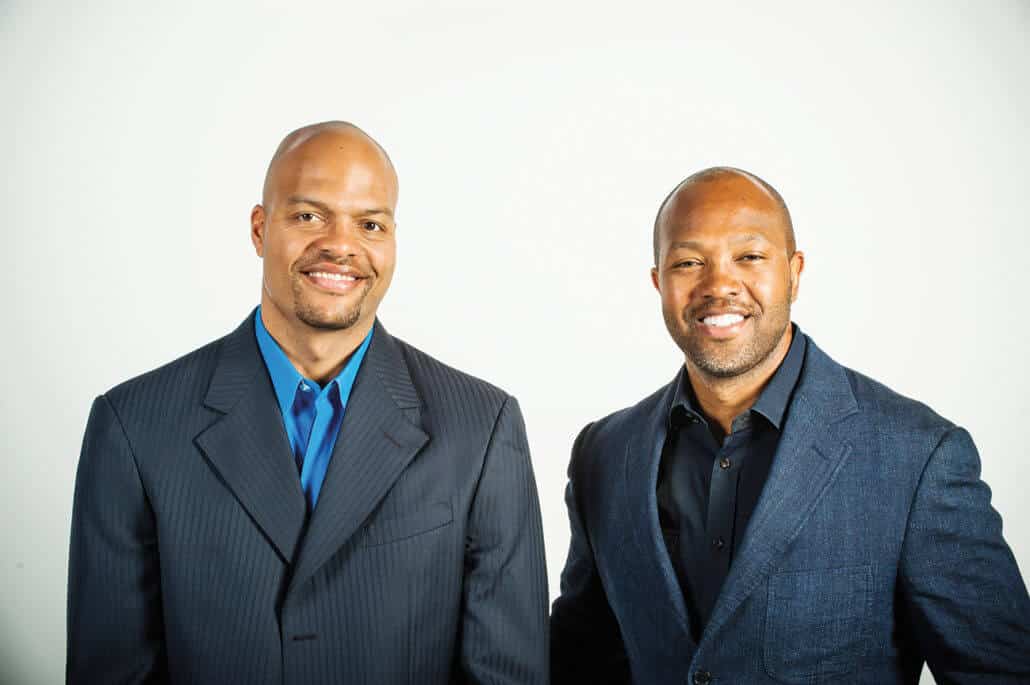
The brothers and former football players have parlayed their success on the field to success in the construction industry. The pair won contracts for major projects in Raleigh including the City of Raleigh Central Communication Center, the Innovation Center at Wake Tech’s new campus, and Raleigh Union Station. The city, especially, recruits the brothers for projects it needs taken care of, such as the recently revamped Market and Exchange Plazas. But while they’re constructing Raleigh’s newest buildings and outdoor spaces, the Holts are also using their influence to make the future brighter; they’ve underwritten scholarships for student athletes at NC State and minority students studying construction at Wake Tech and they were key in raising some of the funding that’s making the Southeast Raleigh YMCA project happen.

Mary-Ann Baldwin, Marketing executive, former City Council member

Since stepping away from the Council, Baldwin has had her fingers in lots of pots, and when it comes to speaking her mind, she doesn’t hold back. Along with advocating to bring a professional soccer team to Raleigh and making the city more welcoming for entrepreneurs and innovators (not to mention recruiting them here, too), Baldwin is working with some of Raleigh’s most civically engaged young people to bring about the changes that are important to them. Look for Baldwin’s impacts in the realms of transit, affordable housing, sustainability and politics; near-future changes are on the horizon and in them, she’s sure to have had a hand.

Stef Mendell

Russ Stephenson

The Pro-Neighborhood City Council Bloc 

David Cox

Kay Crowder

David Cox, Kay Crowder, Stef Mendell, Russ Stephenson

While many of these Council members are popular in their districts, easily winning their elections (or re-elections) to their seats, they each only have one vote on the council. Lucky for them, and the constituents who voted for them, they usually come together as a bloc to vote in favor of policies that promote smart, measured, or moderate growth, as they like to say. These council members regularly draw the ire of the YIMBY crowd for their reluctance to move on high-profile issues like short term rentals, accessory dwelling units, high density development projects and anything that could negatively impact neighborhoods. But they insist they want to get it right and truly believe Raleigh will benefit from a thoughtful, more considered approach.

The Foodie Activists

Vansana Nolintha

Angela Salamanca, Burning Coal Theatre Company

Ashley Christensen, Van Nolintha, Angela Salamanca

Ashley Christense, genconnectu.com

Van Nolintha, owner of Bida Manda and Brewery Bhavana, and Centro owner Angela Salamanca, had a novel way of getting downtown Raleigh residents to the polls in 2016. They put on a parade or two with towering puppets and a mariachi band, but the fun of the spectacle belied the seriousness of the issues at stake that election cycle, including immigration. Both Nolintha and Salamanca are immigrants and have used their prominence in the community to make Raleigh a more welcoming place; it’s hard to believe Raleigh residences and businesses would proudly display welcome signs in different languages from a local nonprofit without their good-natured advocacy. Ashley Christensen also has used her position at the helm of a restaurant empire to advocate for causes important to her. If she wants to open a new restaurant downtown, you have to believe she’ll do it, but she’ll want that restaurant’s staff paid a decent wage—and you know she’ll make sure that happens, too.

The Developers

Greg Hatem, News & Observer

Greg Hatem, John Kane, Jason Queen

John Kane

As a growing city, Raleigh is flush with real estate developers looking to put up a building and make a buck, but among the many, these three stand out—their ideas are good, they know the right people, and they do their jobs well. All are behind some of the city’s more interesting recent projects, including the Dillon, John Kane’s mixed-use landmark project in the Warehouse District, and Transfer Co., Jason Queen’s food hall and market opening in the old Stone’s Warehouse this summer. Kane is best known for redeveloping North Hills, but the Dillon and Smoky Hollow see him venturing downtown, and opening the first (and second!) downtown grocery stores. Like Queen and Monarch Property Co., Greg Hatem and Empire Properties places a premium on historic preservation and redevelopment. Historic buildings give our city character and remind of us of our culture and complexity; we’re lucky to have the Monarch-restored old homes in southeast Raleigh, as well as Empire’s redeveloped Odd Fellows and Raleigh Times buildings to enjoy for many years to come.

Jason Queen, News & Observer

Boozy Brunch

Boozy Brunch

Whether you’re starting off the weekend with a bang or easing the effects of one too many glasses of wine the night before, seeking out a boozy brunch doesn’t mean you have to compromise your palate and settle for mediocre food. For our delve into Raleigh’s greatest brunch spots, “boozy” just means there’s a deal; a bottomless mimosa special, say, or a DIY Bloody Mary Bar. Let’s face it, a meal that combines breakfast and lunch may be hard to beat, but, for some of us, a weekend drink special comes out on top as the best part of brunch.

Clouds Brewing

Famous for its do-it-yourself Bloody Mary Bar and the skewer, with a hard boiled egg, orange slice, cucumber, cheese and a big strip of perfectly crispy bacon that’s almost a meal in itself. cloudsbrewing.com, 126 N West St, Raleigh, (919) 307-8335, Saturday & Sunday 11 a.m.-3 p.m.

Coquette Brasserie

$2 Mimosa. coquetteraleigh.com, 4351 The Cir at N Hills St., (919) 789-0606, Sunday 10 a.m.-3 p.m.

La Stella Wood Fired

$2 Mimosa, $3 Bloody Mary, $2 Domestic Drafts. lastellawoodfired.com, 2420 Hillsborough St., (919) 504-1002, Saturday & Sunday 11 a.m.-3 p.m.

Pizza La Stella

$2 Mimosa, $3 Bloody Mary, $2 Domestic Drafts, $4 Mystery Craft Beer, $3 Rosé with Grapefruit pizzalastella.com, 219 Fayetteville St., (984) 200-2441, Saturday & Sunday 11 a.m.-3 p.m.

Mia Francesca

$12 Bottomless Mimosas miafrancescaraleigh.com, 4100 Main at North Hills St., (919) 278-1525, Sunday 10:30 a.m.-3 p.m.

Plates Neighborhood Kitchen

$3 Mimosa plateskitchen.com, 301 Glenwood Ave #100, (919) 828-0018, Saturday & Sunday 11 a.m.-2:30 p.m.

Tazza Kitchen

$5.50 Mimosa & Bloody Mary tazzakitchen.com, 432 Woodburn Rd., (919) 835-9463, Sunday 10:30 a.m.- 3 p.m.

Vivace

$3 Mimosa vivaceraleigh.com, 4209 Lassiter Mill Rd, (919) 787-7747, Sunday 11 a.m.-3 p.m.

Broadcast Battle

Broadcast Battle

In the race for ratings and a recent network affiliation switch, the Triangle’s local news networks position themselves for the future.

As a towering Kermit the Frog clad in a Santa hat shimmied underneath a row of traffic lights on Hillsborough Street last November, hundreds of thousands of people were watching.

But, unlike in years past, if you weren’t one of the 65,000 people lined up to see the floats roll through the streets of downtown Raleigh, you had your choice of where to watch the Greater Raleigh Merchants Association’s 73rd annual parade at home: on its longtime sponsor station, WRAL, or on the station the Merchants Association recently awarded exclusive broadcasting rights to, WTVD/ABC 11. Out of the media-stoked kerfuffle, there was, on the day, one clear winner: the Greater Raleigh Merchants Association essentially doubled its at-home viewership numbers over previous years.

The brouhaha over the Christmas parade is but one example of the myriad shakeups that local, television network-affiliated stations are experiencing in an age where the ways we consume media, including news and other programming, are changing rapidly.

Though most Americans still tune in to local TV stations to watch programs and to get their news—37 percent get news from local stations, according to a 2017 study from the Pew Research Center; higher than cable, newspapers, radio, social media and news websites—the ways in which we watch television are significantly different than they were just 15 years ago.

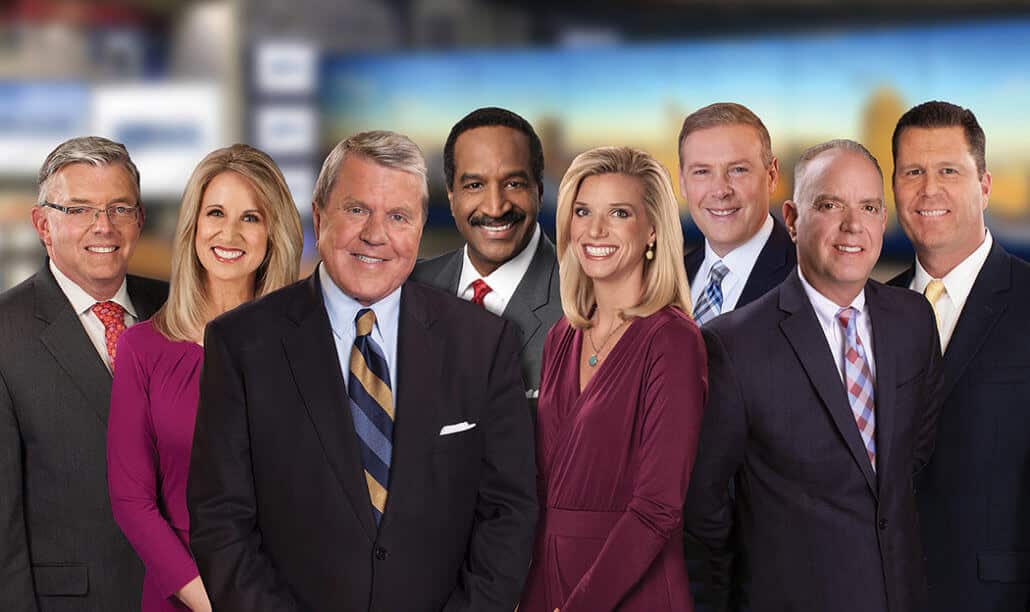
WRAL Morning News Team (L to R): Meteorologist Elizabeth Gardner, Anchor Jeff Hogan, Anchor Bill Leslie, Anchor Renee Chou, Anchor Lena Tillett, Anchor Brian Shrader

With DVR, options for streaming on cable and satellite, smartphone apps and online services like Netflix, Hulu and Youtube TV, we’ve never had more choice in how we watch what, where and when. The problem for TV news stations, as with newspapers struggling to monetize their digital content, is how to target viewers with advertising when audiences are no longer watching live.

“TV is not a growing business, and any time an industry isn’t growing, you’ve got to be concerned,” says Jim Hefner, a professor at the UNC School of Media and Journalism and 35-year veteran of the television broadcasting industry. He was vice president and general manager at WRAL for six years, until 2008. “You are going to have at least two players in local news in any given market, and, in many ways, that’s got to be the future.”

In the Triangle, the television news market traditionally has been dominated by Raleigh-based WRAL-TV, which, after more than seven decades, is still locally owned and operated by Capitol Broadcasting Company and currently is affiliated with the national network NBC. WTVD is headquartered in Durham and came on the scene around the same time as WRAL; its original owners sold the station in the 1950s, and, now Disney owns the locally operated ABC network affiliate. A third station, WNCN (now CBS affiliated CBS 17) launched in 1988, and its news operation launched in 1995. Nexstar Media Group bought WNCN in early 2016 and, shortly after the sale, the station became a CBS network affiliate, swapping its prior NBC affiliation with WRAL.

WRAL Evening News Team (L to R): Meteorologist Greg Fishel, Anchor Debra Morgan, Anchor David Crabtree, Anchor Gerald Owens, Anchor Kathryn Brown, Anchor Brad Johansen, Meteorologist Mike Maze, Sports Anchor Jeff Gravley

James Goodmon, Capitol Broadcasting Company’s CEO at the time of the switch, said the decision to switch network affiliates was a “business decision for the future.” And, though a network switch always has the potential to disrupt viewers’ habits and loyalty, the decision appears to have paid off two years in. Out of all NBC affiliate stations in the top 25 television markets, WRAL was ranked No. 2 from sign-on to sign-off last November, and several NBC programs perform especially well on the station.

“WRAL continues to be the most recognized and most trusted news brand in central North Carolina,” said Steve Hammel, the station’s vice president and general manager, in an email. “Our powerful TV ratings are just the beginning of the story.”

But that doesn’t mean WRAL hasn’t seen its share of changes recently, including turnover at the anchor desk, a retransmission dispute last fall with AT&T U-Verse, the Christmas parade debacle and losing households in the ratings for morning newscasts to ABC 11, according to ratings data from the Nielsen Company.

In December of 2016, according to Nielsen, ABC 11 started winning households in all the morning news time slots. The trend continued through 2017, and, in the last six months, data show ABC 11’s morning newscasts outperforming WRAL’s by between 3,900 households (at 6 a.m.) and 9,100 households (at 4:30 a.m.), on average. Not only is ABC 11 now winning those households in the mornings, they’re also winning key demographics in the mornings and later, including women ages 25-54, the coveted viewers most likely to be making household spending decisions.

WTVD ABC 11 Morning News Team (L to R): Anchor Kim Deaner, Anchor John Clark, Anchor Barbara Gibbs, Meteorologist Don Schwenneker

“What drives the work we do every day is serving our viewers with the best and most helpful news and information that we can,” says Caroline Welch, ABC 11’s president and general manager. “Ratings are just one measure of how well we are meeting that need. In the world of social media and new technology, we’re fortunate to have many new ways to interact with our community, meet their needs and get feedback.”

But Hammel counters that, overall, WRAL still comes out ahead, winning every newscast from noon though 11 p.m. in total households and Adults 25-54 ratings, with the exception of the of 4 p.m. slot, where ABC 11 currently has a slight advantage.

“Over the course of average weekday newscasts for the past six months, WRAL news is watched by 716,700 households, while WTVD’s news is only seen in 590,700,” Hammel said. It’s a 21 percent advantage overall, with a 10 percent advantage in Adults 25-54. “You can see the extraordinary dominance that WRAL maintains in the market.”

Part of that dominance is explained by the fact that evening newscasts, especially the 6 p.m. slot, draw the highest number of viewers overall, so there’s a much larger pool of households to compete for. Over the last six months, WRAL won an average of 105,100 households at 6 p.m. to ABC 11’s 82,300, but it’s no secret that WRAL has been contending with some recent challenges that ABC 11 hasn’t faced.

WTVD ABC 11 Evening News Team (L to R): Sports Anchor Mark Armstrong, Anchor Steve Daniels, Anchor Tisha Powell, Meteorologist Chris Hohmann

Last December, evening anchor Lynda Loveland left the station to take a job with the N.C. Farm Bureau, followed by weekend morning anchor Gina Benitez, who left in March. Both morning anchor Bill Leslie and lead anchor David Crabtree, who have worked at WRAL for 35 and 25 years respectively, plan to retire this year. Hammel, too, has announced his retirement this year, and a handful of others on staff left for new positions in 2017.

Hammel emphasized the longevity of the station’s remaining anchors, including Debra Morgan, Gerald Owens and Greg Fishel, as well as the slow phase-in of
Leslie’s and Crabtree’s replacements, Brad Johansen, who started last month, and Jeff Hogan.

“David and Bill have been a tremendous part of the WRAL family, and our viewers love them dearly,” Hammel said. “Hopefully by the end of June when Bill steps down, our audience will have spent many hours enjoying Jeff’s professional and energetic addition to the morning team.”

One could argue that CBS 17 has seen a lot of anchor turnover recently, too, with the departures of evening anchors Sharon Tazewell and Sean Maroney and meteorologist Alyssa Corfont. The anchors were replaced by Angela Taylor, who started in March, and Marius Payton, expected to begin this month; Paul Heggen and Erin Clanahan joined the weather team in November. But CBS 17 recently underwent a total rebranding effort following its sale to Nexstar, a situation where personnel shakeups are to be expected. Byron Grandy, the vice president and general manager of CBS 17 who started at the station just over a year ago, says consistency will be key going forward.

CBS17 News This Morning Team (L to R): Meteorologist Erin Clanahan, Anchor Russ Bowen, Anchor Taniya Wright, Meteorologist Paul Heggen and Anchor Felicia Bolton

“It’s important for us to get people who people can trust, that they feel comfortable with and get to know,” Grandy says. “One way to do that is to have them here for a good long period of time. Our goal is always to get the right people in the right places doing the right things for as long as we can.”

Welch agrees. “People like people they are comfortable with, that they know,” she says. “Our morning team, Barbara Gibbs and John Clark, they have been together for 17 years. It’s really comfortable watching them and they have a great relationship, as does the whole morning team. So it’s fun to be part of their morning.”

For WRAL, there was also the protracted dispute with AT&T U-Verse last fall, where WRAL and Capitol Broadcasting’s Fox-affiliated station, WRAZ, couldn’t come to a contract agreement over retransmission fees. This left an estimated 20,000-30,000 U-Verse subscribers in Wake County without access to programming, including new fall shows and NFL football. Hammel downplayed the incident, calling retransmission disputes “part of the landscape” that “have occurred with virtually every station in every market.”

In the swirl of all the changes at WRAL, and the relative stability at ABC 11, CBS 17 could prove to be something of a dark horse in the ratings game down the line.

“We are a much stronger station because of our CBS affiliation,” says Grandy. “We are a better business because of the CBS affiliation, and we have more ratings points and more audience because we are a CBS affiliated station.”

CBS17 News Anchor Angela Taylor

Indeed, though it has a ways to go before catching up with WRAL and WTVD, CBS 17 did enjoy a greater share of of TV-watching households last year, in six of 10 time slots over 2017, as well as a total increase in households, according to Nielsen data. Following the Nexstar purchase, CBS 17 not only changed its logo and identity—it’s known as CBS North Carolina no longer—but the station made a major investment in building its local news brand, hiring experienced reporters and meteorologists and creating an updated, more vibrant look or, as Grandy says, “planting a flag in the ground to say we are serious about this commitment.”

“It’s building this local news brand that matters, asking tough questions and holding public officials accountable,” Grandy says. “It’s about improving the local journalism to where we can do the kind of reporting that has an impact, that can make the community more aware and, potentially, make it a better place.”

It’s difficult to predict how the larger changes in broadcast media landscape will play out in the local market in the coming years, but Hefner, the UNC professor, says the Triangle is fortunate to have two strong stations—one that’s locally owned and operated, and one that, though owned by a large, reputable company, still operates independently—as well as one that’s strongly emerging.

“Local news revenue is the biggest single source of revenue within a well-run TV station,” Hefner says. “And local programming, like the Christmas parade, that’s the soul of a TV station, their involvement with the community. Local news is critical, but I just don’t know what local television is going to look like in 10 years.”

Hammel of WRAL believes his station will stay on top. “WRAL…will continue to lead the industry and the market in providing our audience and the community we serve news, information, and entertainment, and the innovative means to receive our product. Period.”

But the competition is out there, and it is fierce.

“We have a great team and we love it that audiences are enjoying them and valuing them as much as we do,” says ABC 11’s Welch. “We focus on doing the best job we can every day. You can always be better and we strive every day to do our best and come in the next day and ask ourselves ‘How can we do even better?’ Ours is an extremely hard working team and what matters to us most is serving our community.”

Getting Enough To Eat

Getting Enough To Eat

North Carolina is the 10th-largest state and, according to a recent study, the 8th-hungriest, with nearly 16 percent of its households experiencing food insecurity. Here in Wake County, one in seven residents struggles with hunger; that’s a total of 142,000 people, and about 56,000 students in Wake County schools, who are at risk of not knowing where their next meal is coming from. We spoke with Jessica Holmes, Chair of the Wake County Board of Commissioners, about local efforts to ensure everyone in our community is getting enough healthy food.

What are the unique challenges Wake County faces around food access and food insecurity?

Because of the high growth and excitement about all that Wake has to offer, people don’t realize that around 10 percent of the population lives in poverty, and upward mobility is a significant challenge. We tend to focus on the bright, shiny objects and the benefits and privileges of our community and don’t always talk about lesser known issues like food insecurity and affordable housing. The reality is, a lot of people in certain areas of the county don’t get to enjoy the same quality of life that other people move here for.

Last fall, the Board of Commissioners passed a comprehensive plan, “Moving Beyond Hunger,” to help address food access issues. Tell us about the plan.

The goal is to ensure that everyone has access to enough affordable food. [The plan] focuses on five strategies that are the backbone of the approach: first is ensuring food access, because we have designated food deserts in Wake where people don’t have access to healthy, fresh food. Second, the goal is to communicate and educate, including on cooking and food preparation. Third, to develop a sustainable food supply. Fourth, to build economic opportunities that relate to supporting our farmers and ensuring the availability of fresh local produce. Lastly, the goal is to create food networks with our community partners.

The plan includes continuing commitments to programs that were already in place in Wake County public schools. Tell us about those.

It includes a commitment to universal school breakfast, where students are provided with breakfast regardless of their incomes, because we realized we don’t want to distinguish between children who can pay and who cannot pay. We also have county-funded school pantries and programs like Backpack Buddies that provide food on the weekends, and a robust summer food service program. In the 2016-2017 fiscal year, 116 of our schools had a dedicated food resource.

What can individuals or groups do to help provide access to healthy food for Wake residents?

Support organizations like the Inter Faith Food Shuttle and the Food Bank of Central and Eastern North Carolina that are doing the ground work. It can be with financial donations and/or by donating food. People can contact the administrations of any of our food pantries across Wake County to figure out how they can support them, whether it’s purchasing toiletries and other items for students, in addition to donating food items. Churches, or any civic group, can sponsor pantries, or host a food drive, or connect with a pantry that’s already in place. Also, they can just talk about it. People don’t realize it’s a problem here, and one of the first steps in addressing any problem is acknowledging that we have one.

You’ve been an advocate for food access since you were first elected to the Board of Commissioners in 2014. Why is this issue so important to you?

Schools are really where it started, acknowledging children being hungry. The concept of keeping food pantries in schools came from the epiphany that, not only are children hungry but their families are hungry. We wanted to give them the opportunity to go grocery shopping in a dignified way, where we weren’t just handing them food boxes that were already prepared. Then, the realization that on weekends and holidays and summer breaks, our reach wasn’t far enough. It became a broader conversation about how do we feed our greater community. Also, it was just the realization of how many people in Wake County live in poverty. It’s not something a lot of elected officials talk about, but having grown up on free and reduced-price lunch, I was able to relate to the students that may struggle. That personal experience made it a personal platform issue for me.