Even during the COVID pandemic, local couples are set on tying the knot.
Within two weeks of Karoline Briggs’ and Kyle Eckenrode’s wedding this summer, the couple had to change ceremony and reception venues twice and the wedding date three times.
Karoline Briggs’ and Kyle Eckenrode’s wedding photos with Hamilton the Pig. | Photo by Connection Photography
The couple, Raleigh residents and parents to Carolina Hurricanes de facto mascot Hamilton the pig, had originally planned for an early May wedding on Bald Head Island. When it became clear the wedding party wouldn’t be able to ferry to the island due to the state’s social distancing rules, the couple looked to having a June wedding closer to home; then, the citywide curfew that followed a weekend of looting threw another wrench in their plans.
“We really did everything in our power to try to make it happen on Bald Head,” Karoline says. “It was a last minute decision not to.”
But her eventual wedding and reception destinations were special in their own ways. Twenty-one family members from both sides attended the ceremony at The Meadows at the Historic Yates Mill County Park followed by dinner for 15 at downtown’s Mulino. Both turned out to be perfect.
“I grew up on Yates Mill Pond, across the street from this venue, and I remember riding my bike and running down the dirt road that leads to the farm,” Karoline says. “It’s adjacent to my great-grandparents’ farmland, that we eventually sold. But that was my home, it’s where I grew up. Something was pulling my heart there.”
Social distancing, mask wearing, limits on gatherings, DIY flower arrangements, unforeseen obstacles, last-minute scrambling, changes, cancellations and postponements— such are the trappings of getting married in the time of COVID-19. But, instead of despairing of the circumstances, local couples are finding ways to embrace them and take them in stride, making for memorable wedding experiences that, couples say, have come with few regrets.
Durham residents Ellese Nickles and Blake Bartok had been planning their May 1 wedding for 100 people at Forest Hall in Pittsboro for about a year. When the virus hit, they say they waited as long as they could to see what options they still had.
Ellese Nickles’ and Blake Bartok’s socially distant backyard ceremony. | Photo by Three Region Photography
“We went from planning our big wedding to planning a smaller wedding to planning a tiny wedding, an elopement, in our backyard,” Nickles says. She arranged buckets of flowers from the local farmers market. Bartok decorated a window of their home. And they tied the knot at the original time on May 1—following a brief sprinkle of rain—in a garden that had recently reaped the benefits of a lot of stay-at-home love.
In the end, a total of five guests attended—both sets of parents and Bartok’s brother—with a longtime friend of Nickles’ family officiating. Following the ceremony, the couple Zoomed in friends and their guests enjoyed cupcakes and a champagne toast at socially distanced stations in the yard. Guests left with takeout from Luna’s Rotisserie, one of the couple’s favorite restaurants.
“The hardest part for me was having family and friends coming in from all over the world and it was sad to have missed the opportunity to gather them all together,” Nickles says. “It was sad not to be able to hug family members or walk down an aisle with my father. But in the end, it was so special and intimate and we 100 percent felt their presence, even if it was socially distant.”
As with the Eckenrodes and the citywide curfew, Nickles and Bartok ran into other logistical obstacles in reimagining their wedding plans: When they were looking to apply for their marriage license, they learned that Durham County’s computer system had been attacked by Russian ransomware.
Luckily, Wake County had implemented virtual wedding license application appointments using Google Duo back in March. Couples can now submit their information and pay for their licenses via an appointment with county staff using their smartphones. Wake Register of Deeds Charles Gilliam says the county is processing around 23 marriage licenses each day, for couples all over the state, while the vital records offices remain closed to the public.
Karoline Briggs’ and Kyle Eckenrode’s wedding photos with Hamilton the Pig. | Photo by Connection Photography
The Eckenrodes still plan to celebrate their marriage at Old Baldy, the 200-year-old lighthouse on Bald Head Island, next year, where they’ll invite their married guests to renew their marriage vows alongside them. As far as any regrets go, Karoline says she wishes she had been able to keep her original wedding date but is happy that, with next year’s gathering, she’ll have two dates to choose from to celebrate.
Both couples say they realized the most important thing to them was marrying the people they love.
“I just let go of everything and was very much like, ‘I’m not going to stress over this,’” Karoline says. “The most important thing is we are married. It wasn’t worth crying over or getting upset.”
Nickles says, looking back, her wedding “could not have been more perfect.”
“I would advise any couple to do a small, intimate wedding, COVID or not,” she says. “[The experience] brought into focus that you’re getting married to have a marriage, not to have a big party. I was excited to get to marry Blake. We made it really lovely.”
In the best case scenario, North Carolina would have been poised and prepared to enter phase three of reopening its economy just before the last weekend in June. But that best case scenario did not materialize. The state’s three key metrics—new cases of COVID-19, hospitalizations and the percentage of positive tests—kept rising and concerns about hospitals becoming overwhelmed with COVID patients emerged afresh.
Many local businesses, likely seeing the writing on the wall, began to take matters into their own hands, weighing what they considered their abilities to reopen safely with their customers’ desire to return to their businesses with guidance (or a lack thereof) from official channels. “The government mandates were not super clear,” says Brad Grossman, the vice president of marketing and development for Goodnight’s Comedy Club in Raleigh, which reopened June 26, the day targeted to kick off phase 3. “One of the biggest problems is comedy clubs are not categorized as anything and it is pretty tough to get guidance on that from anyone.
From a responsibility standpoint, we waited until now for when we felt like our team and customers were comfortable going out in a limited capacity.” Goodnight’s capped its capacity at 100 people, places its tables six feet apart and has kept its bar areas closed. Grossman says the club is operating like a restaurant to try to maintain compliance with the governor’s mandate. Other businesses, some of them explicitly ordered to stay closed such as gyms and bars, have found creative ways to get around the law.
Some gym owners point to a medical loophole in a June letter from the state’s attorney general, Josh Stein, stating that gyms could open as long as users had a medical reason for working out. Gyms can’t ask their customers about their health due to HIPAA laws but are using the medical exception directive to welcome them back at a limited capacity. And some bars have started selling beer and wine by the bottle, snack foods and household products—alongside cocktails that guests can enjoy on the premises—in an effort to be considered a retailer rather than strictly a bar under the law.
These are moves that, as long as the state remains shut in any capacity, more and more businesses seemed poised to make in order to survive. “Given the current guidance, we felt comfortable,” says Goodnight’s Grossman. “We want customers to feel comfortable and safely enjoy coming out to comedy again. People definitely need to laugh right now and if we can do that, at the very least by breaking even, that is a responsibility of ours.”
The restaurant industry as a whole needs big structural change; in Raleigh, the conversations are happening and the work is getting started.
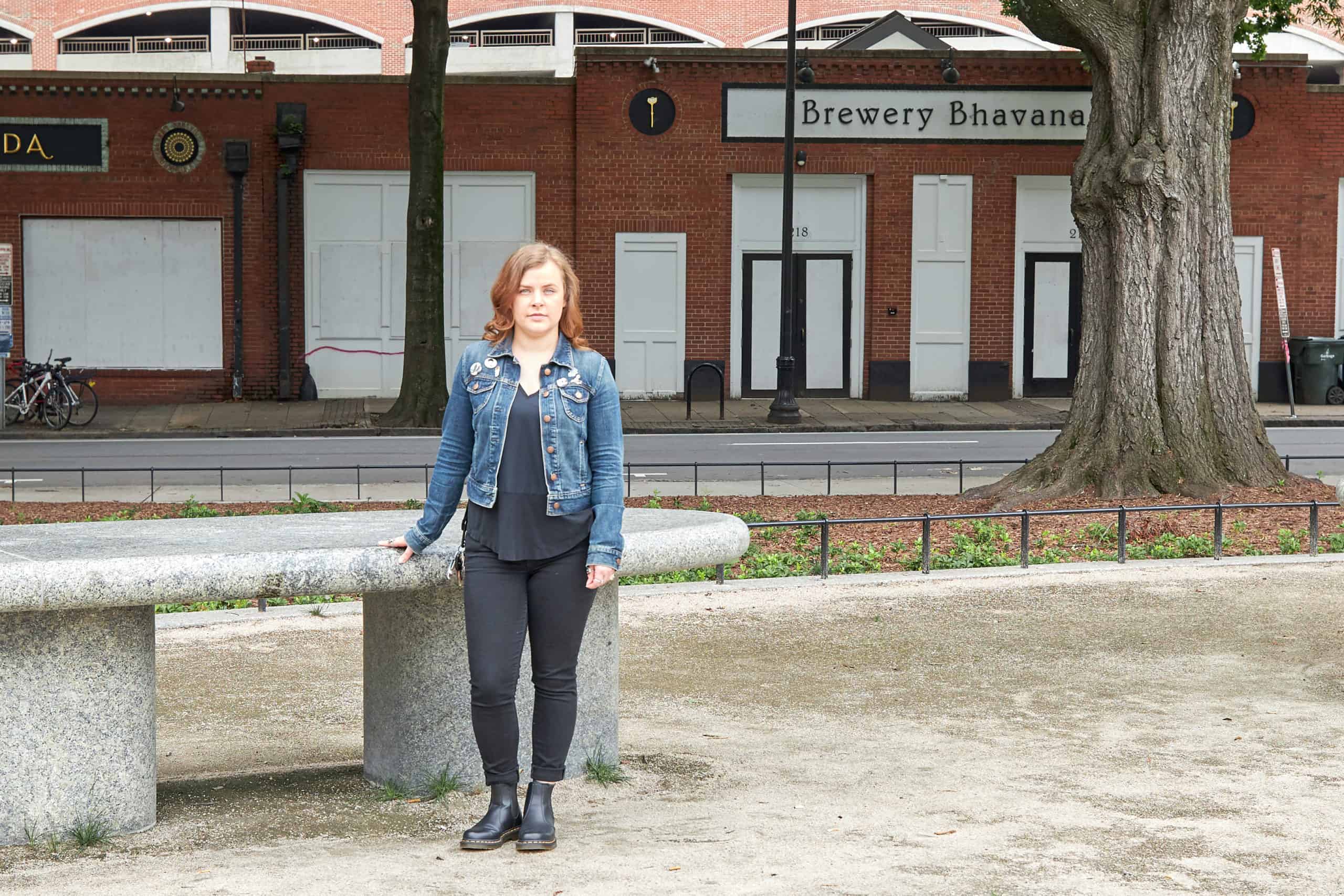
Early last month, Sara Dye, who once managed the bookstore located within Brewery Bhavana, shared a post about her former employer on her public Instagram page.
What followed was as if a snow globe containing Raleigh’s cherished downtown brewery and sister restaurant, Bida Manda, was shaken up until all of its pieces came loose. The snowflakes swirled and then settled. But the image of a seemingly socially conscious, nationally recognized company lauded for its food and beer, its alluring aesthetic, touching origin story and workforce of some 200 “bright” and “shining lights,” as employees were referred to in company social media posts, lies broken in pieces.
Dye’s June 6 post detailing a botched managerial response to her account of being groped by a drunk co-worker spurred a flurry of harassment and abuse allegations in and outside the workplace from current and former employees. These allegations implicated people in charge and included accounts of racist bullying, inappropriate comments and encounters, emotional manipulation and mishandled management of interpersonal conflicts.
To outsiders, the allegations are shocking but to many entrenched in Raleigh’s bar and restaurant scene, they were something of an open secret. Worse, they’re also likely not personally unfamiliar. Commonly cited statistics from a survey of more than 600 restaurant workers from the nonprofit Restaurant Opportunities Center United put the number of workers who experience sexual violence on the job at 60 percent; some 80 percent reported experiencing sexual harassment from co-workers and 66 percent said they experienced sexual harassment from management. Two out of every five federal sexual harassment complaints arise from the food and beverage industry.
“There was room for so much error,” says Dye in response to a question about systems in place at Brewery Bhavana that could have prevented, or effectively addressed, the issues that plagued the company. “In a place like that, and I assume it is similar in most restaurants because of all the interpersonal relationships, whether friendships or romantic … it makes it so difficult to untangle situations, to handle situations, when there should be a clear and direct course of action and there is not.”
The upheaval at Bhavana came on top of an already tough few months for the restaurant industry locally and nationally. Beginning in March, when the state closed restaurant dining rooms due to the coronavirus outbreak, thousands of hourly workers suddenly found themselves without jobs. Even as restaurants began reopening to diners again, many employees feared returning to work, getting sick and infecting compromised family members or not being able to take sick leave. Many don’t have health insurance.
Max Trujillo
“There’s definitely a lot going on to reveal a poorly structured food and beverage industry,” says Max Trujillo, an industry veteran and co-host of the NC Food and Beverage podcast. Coronavirus shone a light on these issues, but the good news is, in Raleigh at least, there are businesses working to address some of the structural problems and inequities.
Last month, the restaurant group that owns Cary’s kō•än and so•ca in Cameron Village, renamed hospitality•NOW, reopened to diners. The group donated all of its Juneteenth opening day proceeds to the NAACP and Black Lives Matter Bailfund campaign. For all of its workers, the company instituted a minimum $15-per hour wage and guaranteed paid sick leave. It will soon offer health insurance. A new, 10 percent sustainable hospitality charge helps cover costs. Tips, which are still encouraged, will be redistributed among front- and back-of-house staff.
“The coronavirus maybe exposed a bunch of weakness and we feel that a lot of these issues and crises we are seeing now are connected,” says company owner Sean Degnan. “It forced us to stop and look in the mirror for a second.”
Degnan says he is confident the new pay structure will work for his restaurants, noting that hospitality•NOW joins “a club of places that are doing this, like all over Europe, and in better, higher-end restaurants here that plan on being around a long time.”
Sean Degnan
In Raleigh’s Gateway Plaza, Union Special—a bakery and cafe that has paid its hourly workers a minimum of $15 since it opened last summer—is proof that, while there are plenty of naysayers within the food and beverage industry, a living wage model for restaurants can work. In fact, owner Andrew Ullom says, it’s a model he truly believes can be made to work in any restaurant.
“There are ways restaurants can operate that just need to be implemented so they can work more efficiently,” says Ullom. Paying workers a fair wage, he says, makes them more likely to stick around for the long haul, reducing turnover and the time and expenses involved in constantly hiring and training new staff.
“Maybe the future of restaurant dining will change, and I hope it does, because it creates disparities,” says Ullom. “It pays to pay people an extra dollar or two so that they can work one job, be able to sleep at night and you can have a small business that works for the community you serve. The one we serve includes the people who show up every day to work in hourly positions.”
David Meeker, co-owner of Trophy Brewing and the bottle shop State of Beer, says his company plans to increase the minimum wage for its hourly workers (with the exception of tipped servers) too, from $11 to $13 an hour, and will implement a sick leave policy as soon as the businesses reopen to the public.
David Meeker
“We realized who is most essential right now and that’s our dishwasher, generally the lowest paid person in our restaurants,” Meeker says. “We’re interested in moving away from a tips [system], where everyone gets paid more per hour. We haven’t seen a system that works yet, but think there might be one that comes out of this, so we’re going to pay attention. And if there’s something that works, we’re going to take a serious look at it.”
Of course, as what happened at Brewery Bhavana has shown, it’s not just low pay and no benefits or protections that leave restaurant industry workers vulnerable and open to exploitation. Restaurants, bars and small businesses in general need systems in place to ensure their workers are safe from harassment, abuse and other misconduct on the job, but for small businesses with limited means, that’s easier said than done. There’s also not a consensus on what these measures should look like.
Dye says looking back at the employee handbook from Brewery Bhavana, there were instructions on what to do when problems arose but no clear guidance on how such problems would be addressed beyond talking it over with the “president” of the company, Van Nolintha, who was also a co-owner, manager and the source of at least some of the issues within the business. There were attempts at designating a human resources consultant, both third party and from within the company, Dye says, but that didn’t prove to be a workable solution either.
“If someone goes to [the HR specialist] with a complaint, or a conflict or in the event that something happened, if they’re a third party and not employed by the company, then all they will do is take the issue to the owner,” Dye says. “So what is really resulting there?”
One thing restaurant workers and owners seem to agree on is that transparency and communication are key to preventing abuse on the job, as well as to addressing issues as they arise. And, if your voice isn’t being heard at work, workers shouldn’t be afraid to take their grievances public, as Dye did.
“Speak up,” says Trujillo. “We have our individual voices, on social media, in publications, on podcasts, friends we can talk to. So many times the ones harassed feel ashamed, like it’s their fault when it is clearly not. Clear communication, transparency … what’s happening [within a business] needs to be out there at all times.”
Union Special’s Ullom says he takes this approach at his business from the very beginning.
“In our interview process we make a point to say specifically, ‘If you do something to make someone else uncomfortable, you are fired immediately,’” he says. “There is zero tolerance for that and the fact that we talk about it immediately helps.”
Andrew Ullom
Ullom says he has only had to fire two employees. He had a conversation with his entire staff afterwards to address the reasons why. They’re the kinds of conversations, he says, that the restaurant industry needs to be having on a larger scale, especially now, especially here in Raleigh.
“We need to keep this conversation open and not let sexual assault go by the wayside, not let racial inequity go by the wayside,” Ullom says. “This has brought up hard memories and unless we deal with this now, nothing gets better. We’re social distancing, but this is a great time to talk about it, to start understanding there are a lot of people going through this, from a lot of different backgrounds. It’s time to pay attention.”
Dye, whose Instagram words caused some of the first cracks in a carefully cultivated façade, has remained a part of the dialogue. She left Brewery Bhavana at the end of 2018 but says she remains close to former co-workers.
“It’s so tough,” she says. “I look back often and wonder if things could have played out differently. Had there been a system in place, what would have happened? Would I still work there, would I not? I’ve had so many conversations since this all came to light about what bars and restaurants can do better. About how they can provide safe spaces for their employees.”
WEB EXCLUSIVECOVID or not, the Fourth of July typically means travel for many Americans. And while it may look somewhat different during a pandemic, plenty of us in North Carolina are still taking a vacation.
For this holiday weekend, leading online short term rental company Airbnb reports three destinations in the state that are trending this year: the North Carolina Coast, with searches for listings up by more than 40 percent over this time last year; the Outer Banks, with searches up by nearly 40 percent and, somewhat surprisingly, Greensboro, with searches for listings up nearly 100 percent compared to this time last year.
While the coastal and Outer Banks beaches and towns make sense to us—check out our North Carolina Beach Cheat Sheet for more on all they have to offer—Greensboro, the state’s third most populous city, seems like a bit of an outlier. The centrality of its location in the state may offer some clues.
“We cannot say for sure what is driving this uptick,” says Liz DeBold Fusco, an Airbnb spokesperson, of the rising interest in Greensboro as a destination for Fourth of July travelers this year. “Across the country, we have seen increased interest in new areas, as individuals and families are choosing to discover places within driving distance of their homes as they look to safely get outside, turning places like Greensboro into destinations.”
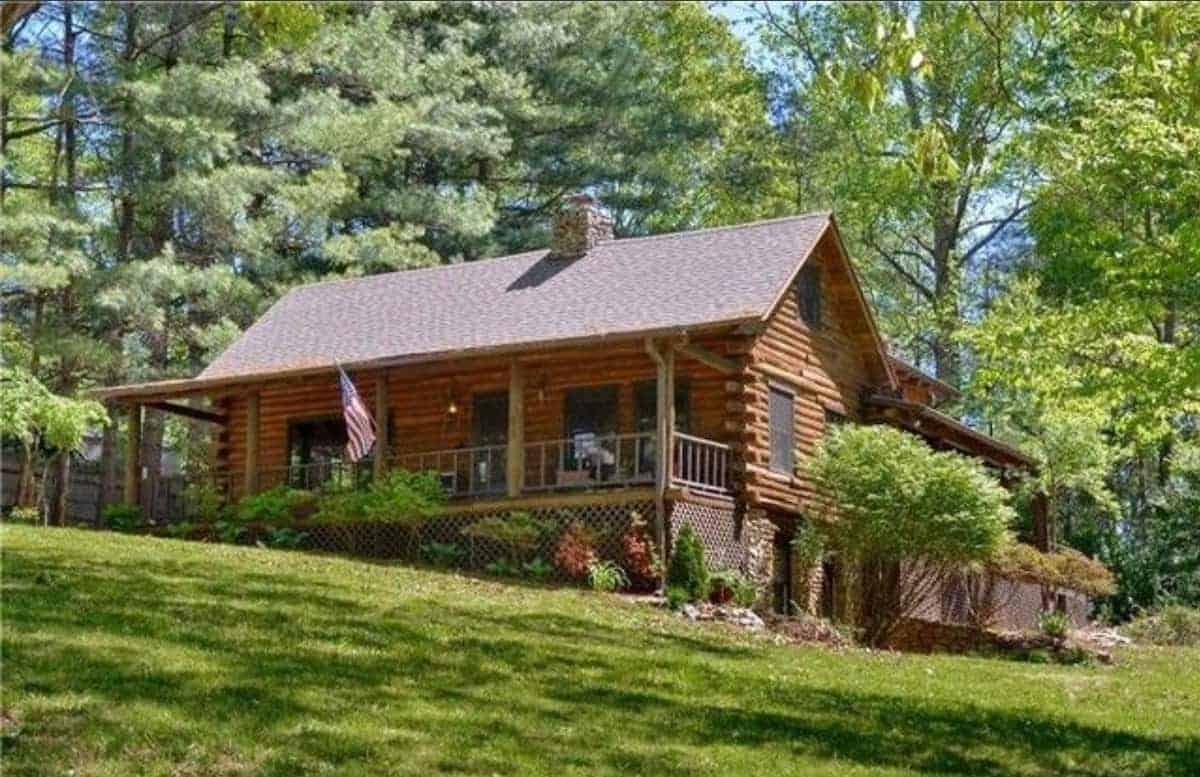
The company has also seen growing interest in travelers searching for listings in more rural parts of the state, including in in towns located in the Blue Ridge Mountains, as well as in cabin listings, the No. 2 searched-for type of listing in the U.S. in early May.
“With guests still following public health guidance and practicing social distancing, many are looking for listings in places with things to do outside, like nearby trails and other outdoor activities,” says DeBold Fusco. “[Cabins and rural areas] offer these amenities, filling travelers’ needs while providing a private and idyllic setting to get away while still remaining within driving distance of home.”
DeBold Fusco says, following the COVID outbreak, renting an Airbnb listing versus a traditional rental home, condo or hotel room has become an even more attractive option to travelers due to the company’s enhanced cleaning standards for hosts and privacy for guests. The company implemented an enhanced cleaning protocol, including a step-by-step cleaning handbook, with CDC-informed guidelines, that hosts can opt into to help them clean and prepare their homes for guests and that travelers can search as they browse listings. The company reports that, for 94 percent of all Airbnb reviews, guests score their rental homes 4 or 5 stars for cleanliness.
“In addition, roughly three out of four guests recently surveyed by Airbnb said they would be more comfortable staying with their families in a listing than in a hotel with other people—as listings provide amenities like private kitchens and laundry, along with offering guests more control over their environment and travel experience,” DeBold Fusco says.
WEB EXCLUSIVE The July/August issue of Raleigh Magazine is on stands around town and will be delivered to your doors and mailboxes very soon! Here’s a quick look at some of the stories we’re featuring in this issue.
Less Frequent Flyers
With everything from sporting events to business conferences to weddings cancelled due to coronavirus, RDU International Airport has seen a drastic reduction in the number of travelers coming through. As a result, the airport has reduced its number of flights daily from 59 to 23 and is currently serving no international destinations. Though big capital improvement projects are on hold, restaurants and retailers in the airport are opening back up and travel is picking up again slightly. Get the numbers and forecasts from tourism experts and the RDU Airport Authority on the airport’s outlook for the short and long term.
In Need of Reform
The coronavirus shutdown shone a light on ways the restaurant industry leaves workers vulnerable to exploitation. Then, allegations of harassment and abuse at the popular Brewery Bhavana in downtown Raleigh shook up the city’s local culinary scene. We spoke with restaurant owners and others about how the food and beverage industry can help make the work experience better for employees going forward, from paying them a living wage, to giving them paid time off when they’re sick to keeping them safe from abuse on the job. Learn which Raleigh restaurants are already putting new, better systems in place.
Reflections On a Movement
Sometimes it’s been peaceful, sometimes painful, sometimes beautiful and sometimes violent. But there’s no denying, the last few weeks in Raleigh and the nation have brought on a reckoning—one that looks, at this moment, to promise lasting change. In a photo essay, we share thoughts and images from those who protested racial injustice and police brutality peacefully last month as well as the faces of those impacted by looting and destruction and the beauty and creativity that emerged in colorful murals on ply board panels all over downtown.
North Carolina Beach Sheet
Before you hit the Carolina coast this summer, use our beach cheat sheet to discover which beach fits in with your idea of a perfect summer getaway. We explore 17 of our favorite North Carolina beach towns and what each has to offer, from famous doughnuts to fireworks on the boardwalk to friendly seafood-focused restaurants. Whether you’re looking for a relaxing escape or a fun-filled family vacation, there’s an ideal North Carolina beach for you.