


Now Playing…

Now Playing…

Local theaters bring creature comforts and nostalgia.

It was a bad year at the movies. You might even call it a dud.
Now Playing...

According to a CBS News poll, 2014 saw the lowest box office take for Hollywood in 19 years. More Americans, some fed up with the average $8.17 movie ticket price, were watching more movies at home with On-Demand, iTunes, Netflix, Hulu and Amazon.

Theaters responded. Last year two luxury-type theaters in Raleigh upped the ante.

• Raleigh Grande, owned by Charlotte-based Carolina Theaters, renovated its 16-theater building on Grove Barton Road, re-opening in November. Upgrades included plush leather recliners, reserved seating and a renovated refreshment and lobby area. Beer, wine, soda-refill stations, gourmet popcorn that’s popped on-site and additional food options, such as hummus and fresh bread from Raleigh’s Neomonde—not to mention fountain Cheerwine—are big draws.

“Once you have a beer with a movie, how can you not have a beer again?” Steve Scruggs, Raleigh Grande’s general manager laughs. “Honestly … [with reserved seating] there’s no rushing, pushing and shoving, especially on opening weekends. It takes the stress out of going to the movies.”

Scruggs says that, pre-renovation, Raleigh Grande’s ticket prices were the least expensive in the city. Today they’re on par with traditional theaters’ pricing, but offer non-traditional comforts. Adult prices for weekend matiness are $8 per person; evening is $11. (With the exception of 3D movies, which are $3.25 more.) Tuesday’s ticket prices are $6 all day, he adds.

• Cary’s luxury theater, CineBistro, opened in Waverly Place in September. Owned by Cobb Theaters, which has nine other CineBistro locations in the U.S., CineBistro’s edge is the dinner-and-a-movie idea coupled with oversized recliners and adults-only atmosphere for shows beginning after 6 p.m. (Those under 21 are welcome at earlier shows when accompanied by a parent or guardian.)

Raleigh resident Sarah Norris, who saw “Star Wars: The Force Awakens” with friends and her 7-year-old son, says the extra cost (ticket prices between $12 and $14.50) is worth it considering the seating and unlimited popcorn.

“I never once had the chaotic crowd feeling, which is huge when you have a child,” she says. “The stress of lines inside and out are completely taken away.”

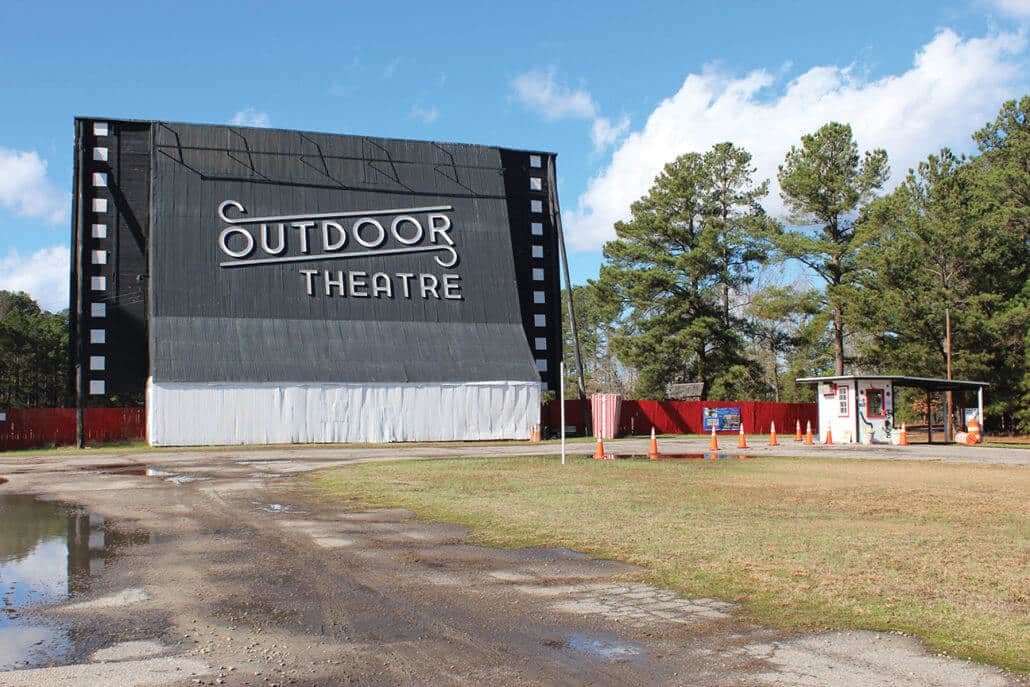
Now Playing...• Another theater, Henderson’s Raleigh Road drive-in, attracts patrons with current releases, fresh air and nostalgia. The outdoor theater is open Fridays and Saturdays from March to December and movie-goers pay per person (rather than 1960s “by the car” style.) Tickets range from $4 to $7. Perks include a pet-friendly environment, double features and a playground. You can sit in your car or outside on lawn chairs or blankets.

Menu-ology

Menu-ology

Restaurants mind their menus as much as their recipes.

Ever notice how the grocery store puts milk all the way at the back of the store, even though shoppers often duck in just for a gallon of it?

It’s no accident. Retailers know that traveling past the snack aisles (hello, cookies and crackers) on the way to dairy is pretty tempting.

Grocers aren’t the only ones. Some clothing stores have up-fitted their dressing rooms with lighting and mirrors that make us appear more, well, fit than we may actually be.

When we look better and feel better, we’re more prone to buy, shop longer or splurge on extras; in other words, to deviate from our plan.

It’s the science behind presentation. And marketing.

And it applies to restaurants, too.

“We come to a restaurant with a particular action plan and maybe a budget, but then we change our mind, and part of their goal is to change our mind,” says Dan Ariely, a leading behavioral economist at Duke University. “Once we are in their environment, it’s hard not to kind of follow their rules for what we should order. It’s easy to think that it’s appropriate to order appetizers and the main dish and dessert and maybe a bottle of wine even if we don’t necessarily think this is the right approach for us.”

Here are a few common methods:

1.) The decoy. The decoy is pricey and you may not order it, but it’s there to set a standard. People react in relative terms, according to Ariely, who holds a Ph.D in both cognitive psychology and business. “We look at the information around us and we think, relative to this, what is expensive and what is not?” he explains. “If there’s an item on the menu that’s extra expensive we might not buy that item, but the overall shift of what is reasonable and not reasonable to spend is going to change.”

2.) The menu-come-lately. Desserts may get their own, separate menu. Researchers say it’s because patrons may skip an appetizer or something else if they spot a must-have dessert on the main menu and decide to plan for it.

3.) The beautiful prompt. Words can be magic. And research tells us that rich explanations of, for example, where the tomatoes were farmed and where the chicken came from make a difference. “We become susceptible to the description of the information … we become more excited about that and are more likely to pay a high price,” says Ariely.

4.) What you don’t see: dollar signs, and food prices in a row. Studies show people spend more when the price of the entrée is noted as simply 15 rather than $15. And entrée prices listed in a row may promote price shopping.

5.) The sweet spot. Research shows that most people look first at the upper right corner of a two-page menu. Restaurants may put the item with the biggest profit margin there. Or, maybe that’s where the most-ordered item is. After all, restaurants are looking for patrons to have a big time, but they’re also looking for them to return.

Fresh Off the Farm

Fresh Off the Farm

Each Saturday Chef John Ford prepares a farm-to-table dinner — in addition to everything else on his plate.

Stroll the State Farmers Market on a Saturday morning and you may see John Ford.

Sporting a black chef’s jacket, he’s been known to catch the occasional photo request, not to mention a grimace from a Red Sox fan eyeing his navy blue Yankees cap with white, embroidered team logo.

“That’s all right,” Ford, 30, says, grinning about the rivalry and his hat. “It always stays on.”

When Raleigh Magazine caught up with him earlier this year, he was preparing for a farm-to-table dinner at Cameron Bar & Grill. Ford began the special, Saturday-night dinners in May 2015. The meal is an addition to the regular menu, which is available, too.

To many, that may just sound like more work on an already-busy day in the restaurant world. But, for Ford, it’s an opportunity to be creative and use local, in-season produce.

“It gives me something different to do,” he says. “And I have great respect for fishermen … and the farmers who work so hard to bring us the amazing produce and meats. It’s not about slapping something on a grill and calling it a day. It’s about taking something farmers have and making something really awesome for guests.”

Each weekend he hits the market, often with his wife Natasha, and selects ingredients for side dishes; he picks the protein ahead of time. Ford purchases and cooks for about 20 portions. And the meal almost always sells out, he says.

To go with NC black sea bass, Ford buys turnips. But they’ll roast to a white hue, so he picks up oriental purple potatoes to bring color to the plate. Ford has favorite farm stands, such as the one with an array of herbs like Thai basils.

Working with food has been part of his life since he was a teenager growing up in northern New Jersey. His choice to attend culinary school at the Art Institute of Raleigh-Durham was no surprise to those close to him.

“My dad always told me, ‘If you’re gonna do a job, make sure you enjoy it,’” says Ford, who has been head chef at Cameron Bar & Grill for 15 months. “I enjoy it and take a lot of pride in what I do.”

And he’s willing to make it fun for those around him. Just ask the staff, especially the guy who likes to work to constant Whitney Houston music, which is fine by Ford.

“As long as they’re happy,” Ford laughs. “Because when we’re working and we’re happy, time goes by quicker and people are more willing.”

Fresh Off the FarmIt’s Dinnertime


Chef John Ford preps a farm-to-table dinner each Saturday night. Here’s one example: North Carolina black sea bass, purple mashed potatoes with Goat Lady goat cheese, caramelized turnips sautéed with local spinach and topped with lemon-chive beurre blanch and sautéed leeks. (Beurre blanch = white butter.)

Tasty Toasty

Tasty Toasty

Carolina Ale House's Bloody Mary features smoky vodka and smoked salt

Carolina Ale House’s Bloody Mary features smoky vodka and smoked salt

At Raleigh’s Mandolin restaurant, a roasted root vegetable-watercress salad is served with roasted apples, while the bar offers a smoked maple old-fashioned. And a sampling of local spots, including Carolina Ale House, have Bloody Mary cocktails that feature a smoked element such as smoky vodka or smoked salt.

Raleigh Magazine ventured to Standard Foods and Grocery for toasty desserts. Pastry chef Krystle Swensen was inspired by her love of coffee when she created the smoked cocoa nib panna cotta. It features Escazu chocolate with floral, fruity notes and meringue, which Swensen makes in small batches throughout the day, and then pipes out and toasts with a blow torch just before serving. On top: crumbles of speculoos cookies and edible cocoa nibs, which is chocolate in its rawest form.

“It’s these silky textures along with crunchy and toasted marshmallow,” Swensen says, adding that it’s not overtly sweet but instead balances smoky and sweet. The rounded flavor combination is often enjoyed by people who don’t necessarily have a penchant for dessert.

Smoked cocoa nib ice-cream and ice-cream sandwiches in the grocery section

Smoked cocoa nib ice cream and ice cream sandwiches in the grocery section

In the grocery portion of Standard Foods, smoked cocoa nib ice cream is sold in pints and sandwiches. “I like to do similar flavors with the menu that are in retail. So, if somebody really likes something, it’s also available for them to take home,” she adds.

At home, Swensen suggests pairing the ice cream with amaretto cherries or serving it with an after-dinner drink such as sherry.

Tastemaker: Nothing to waste

Tastemaker: Nothing to waste

Chef John Childers puts corn on the menu when the farmer tells him it’s ready. He has plans for the kernels and everything else that grew out of the ground with it, too.

In the industry, that’s called 100 percent product utilization.

But, to Childers, it’s responsibility. And respect.

The cornhusk can be dried and used as a tamale wrap or to smoke pork. And corn silk? Childers may flash-fry it in grape seed oil.

“It’s like a corn-cotton-candy garnish,” he says. “As soon as you put it in your mouth it’s crunchy, but also melts away.”

A tough approach

Childers, 31, became executive chef at Midtown Grille last month after seven years at The Umstead Hotel and its Herons restaurant. He began there as an overnight cook and departed as chef de cuisine.

Born in Germany while his mother served in the U.S. Air Force, he lived in Biloxi, Mississippi and Hampton Roads, Virginia before moving to Johnston County, North Carolina in 1999. A graduate of Clayton High School and Wake Tech’s culinary program, he worked his way through college at spots such as Raleigh’s Bloomsbury Bistro.

Childers knew, even during childhood, that he wanted to be a chef. It derived from his affinity for food.

“Being a fat kid, I loved to eat,” he laughs. And while he says he didn’t grow up in a family of foodies, the oldest of four children did learn discipline from his mother, who instilled in him hard work, drive and a no-nonsense approach. And that’s carried over into the kitchen.

“For me, it boils down to applying yourself. If you’re going to do it, do it to the best of your ability,” he says.

Changes to come

As he begins to make a mark at MG, known for its contemporary, Southern-inspired American cuisine, guests may see a few changes. (For one, count on him to look for any opportunity to prepare fresh fish from the North Carolina coast.) But, as Childers notes, he’s arriving at the North Hills eatery to simply build on a 10-year tradition set in place by MG’s former chefs.

In his words, he’s “inheriting something special.”

Tastemaker all-time favorite food:

0007500400132_AChilders loves hotfogs. “People assume that I go home and fix extravagant meals for myself, but I don’t,” he laughs. “I like simple food – grilled steak, peanut butter and jelly sandwiches and hot dogs. When I tell people hot dogs are my favorite … they don’t believe it.”

He likes the red dogs: Bright Leaf or Jesse Jones southern style. A good dog is good anytime.

Want to meet Chef Childers?

In the next month, he’ll be cooking at all these events.

Go check him out!