WEB EXCLUSIVE Davidson-based Summit Coffee is coming to the Triangle.
Calling all coffee fans! Your taste buds and energy levels are in for a zing as NC-based specialty coffee retailer Summit Coffee is planning to spill into Raleigh and the Triangle by the end of next year. Better latte than never, right?
Started as a local coffee shop on historic Main Street in Davidson in 1998, Summit has developed and changed over the years to become a fast-growing, nontraditional coffee chain that roasts delicious cups of joe and champions its communities and the environment (see its partnership with 1% for the Planet, an international org whose members contribute at least 1% of their annual sales to environmental causes).
At the helm (or manning the press, if you will) is Brian Helfrich, a Davidson resident who became CEO in 2016. Prior to taking over, Helfrich ran the original cafe alongside his brother Tim (who purchased the shop in 2003) for five years.
Since Helfrich came on board, Summit has switched to importing and roasting its own coffee; opened a second location in Davidson; and—in the last four years alone—opened cafes in Charlotte, Asheville and Huntersville, with another scheduled to open in Roswell, Georgia, this spring.
“We’ve put tremendous energy into expanding our cafe footprint,” says Helfrich. And he’s not finished. Over the next five years, Helfrich plans to open at least five cafes in the Triangle. A few Raleigh neighborhoods he’s scoping out include Downtown, Five Points, Glenwood, Midtown, North Hills, North Raleigh and the Warehouse District.
To ensure new cafes stay on brand, Summit chooses neighborhoods for each franchise as carefully as it handles its coffee beans. For example, Helfrich and his team look for neighborhoods that house active, young families and prefer franchise owners to be residents of—or have a strong connection to—the same communities as their cafes. “We have found that cafes are most loved and most successful when people live in the community and know the communities where the cafes exist,” he says.
Summit Coffee’s Basecamp Location in Davidson
And when it comes to designing a new location, Summit does not use a one-size-fits-all model. “We internally hand-design all of our new cafes because we want them to be representative of the neighborhoods, of the building that they are going into—if there’s some kind of historical element, or if we are going into a really family-friendly community,” explains Helfrich. “The cafes deserve to have a little bit of their own unique feel to it.”
While each franchise location reflects its specific community, the Summit brand—and passions—always drips through. “We want Summit to have the reliability, efficiency and quality of a really high-end coffee company, but have the experience feel local and engaged,” says Helfrich.
One way Summit engages with its local communities is by giving back. Each franchise location donates 1% of its annual earnings back to the community, such as a local school or nonprofit. “I’m passionate about coffee, but more so, I’m passionate about making people’s lives better to the extent that I can,” says Helfrich. “Ultimately, I really want the world to be a happier, kinder place.” A brew-tiful thing indeed.
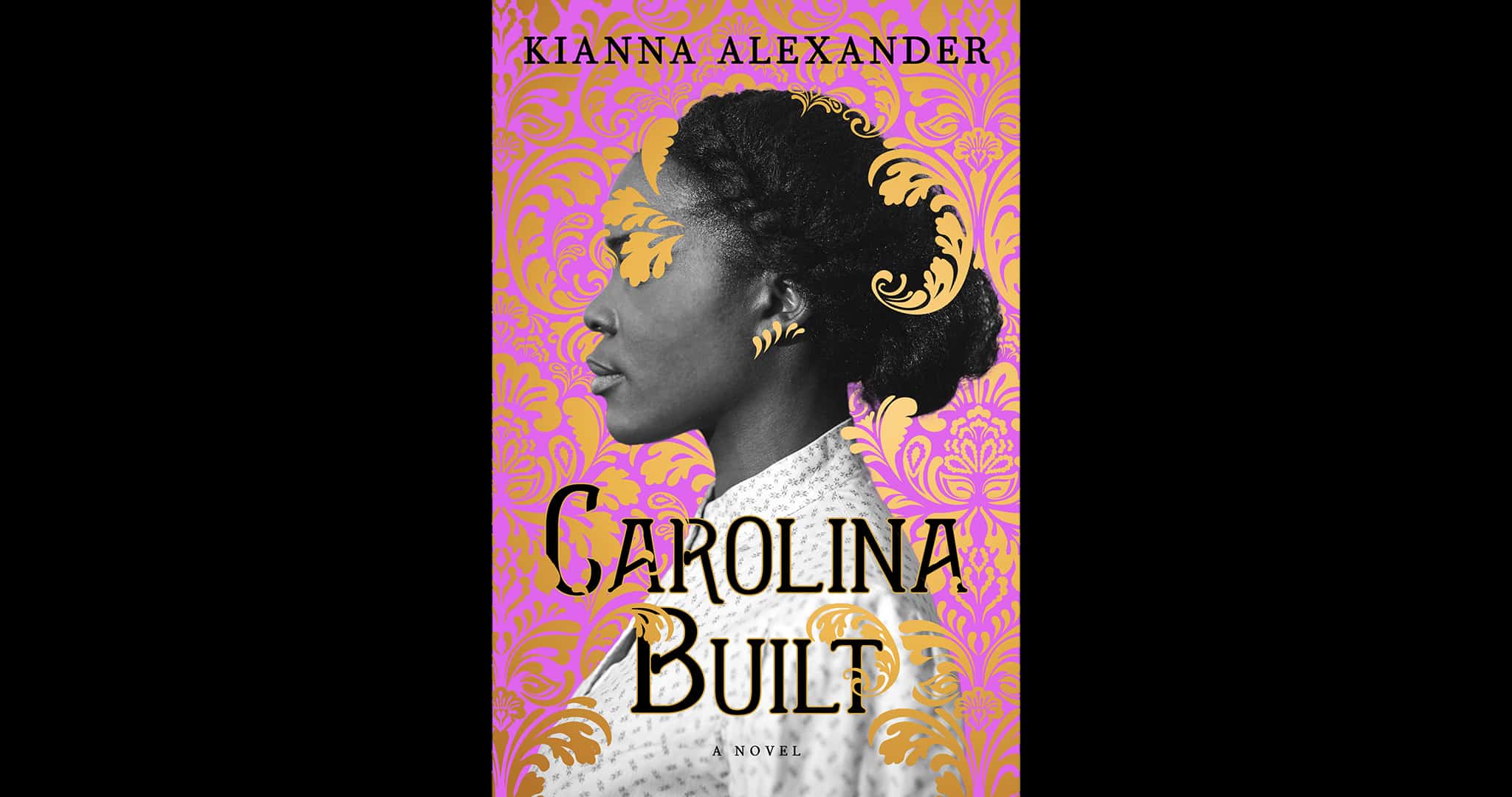
NC author Kianna Alexander reveals the untold story of former slave Josephine Leary in her just-released book.
It’s a story that touches on bondage, emancipation, aspirations, marriage, real estate, motherhood, adversity and, most importantly, perseverance. A story that author Kianna Alexander says should be told not only outside the walls of small-town Edenton, North Carolina, but written into history books alongside the narratives of Madam C.J. Walker and Mary McLeod Bethune. And… a story that just dropped in bookstores Feb. 22—meaning readers (that means you, Raleighites) can now immerse themselves in its pages.
Carolina Built recounts the life of Josephine Leary, a woman who was born into slavery, gained freedom at age 9 and, despite lacking a formal education, started a real estate empire in Edenton (developing what would today be a $10 million real estate portfolio).
“I think it’s important to highlight the way women in general—but especially Black women—have done so much in terms of either unheralded or unpaid labor that other people benefit from even generations later,” says Alexander. “And this sort of struck me as a story that highlighted that to the nth degree.”
A native North Carolinian, history buff and multipublished novelist, Alexander says Leary’s story had not always been on her radar. In fact, it sort of fell into her lap in 2019 via Twitter, when she saw a tweet from a literary agent asking for someone to write Leary’s story. Alexander volunteered, recalling how, in that moment, she felt it was her duty to tell the story, especially since Leary has no living relatives.
Before sitting down to write, Alexander conducted research for about a year. She spent hours poring over documents Leary’s grandson had donated to Rubenstein Library at Duke University and visiting Edenton, where she—in a way—walked in Leary’s footsteps, visiting things like her building and some of her properties, as well as her family’s homes and barbershop.
“As a writer, that’s what I like to do whenever it’s possible—to see things, to engage my five senses in person so I can really get a feel for the story I’m trying to tell,” says Alexander, who first thought about becoming a writer in high school when her then-drama teacher read a play she wrote and said, “You are a writer.”
And like all great writers, she had a method for turning someone else’s story into a novel. “It was gathering it all, bringing it home—the copies, the images, the notes—compiling it, building sort of a timeline of her life, narrowing it down to the 20 years that I was going to write about, and then putting all the pieces in order,” she says.
Piece by piece (actually, index card by index card), Alexander wove together the moments of Leary’s life. “It’s a mirror, and it’s a window looking into her life,” she says, noting that many of the obstacles Leary had to overcome are still relevant today.
“I hope it’s going to touch people the way it touched me just to find out everything she went through and everything she accomplished,” says Alexander. “I was really just impressed and amazed with everything she was able to do. She was really a remarkable person.” Book and audio version available online, as well as at Target, Walmart and Barnes & Noble; authorkiannaalexander.com
WEB EXCLUSIVE MENU, a user-friendly digital platform, is coming to Raleigh in March—and may soon replace QR codes at restaurants.
Whether you love ’em or hate ’em, QR codes have become the norm when it comes to going out to eat or drink—in Raleigh and pretty much everywhere. But turns out, it’s not the only touch-free way to order from a local resto.
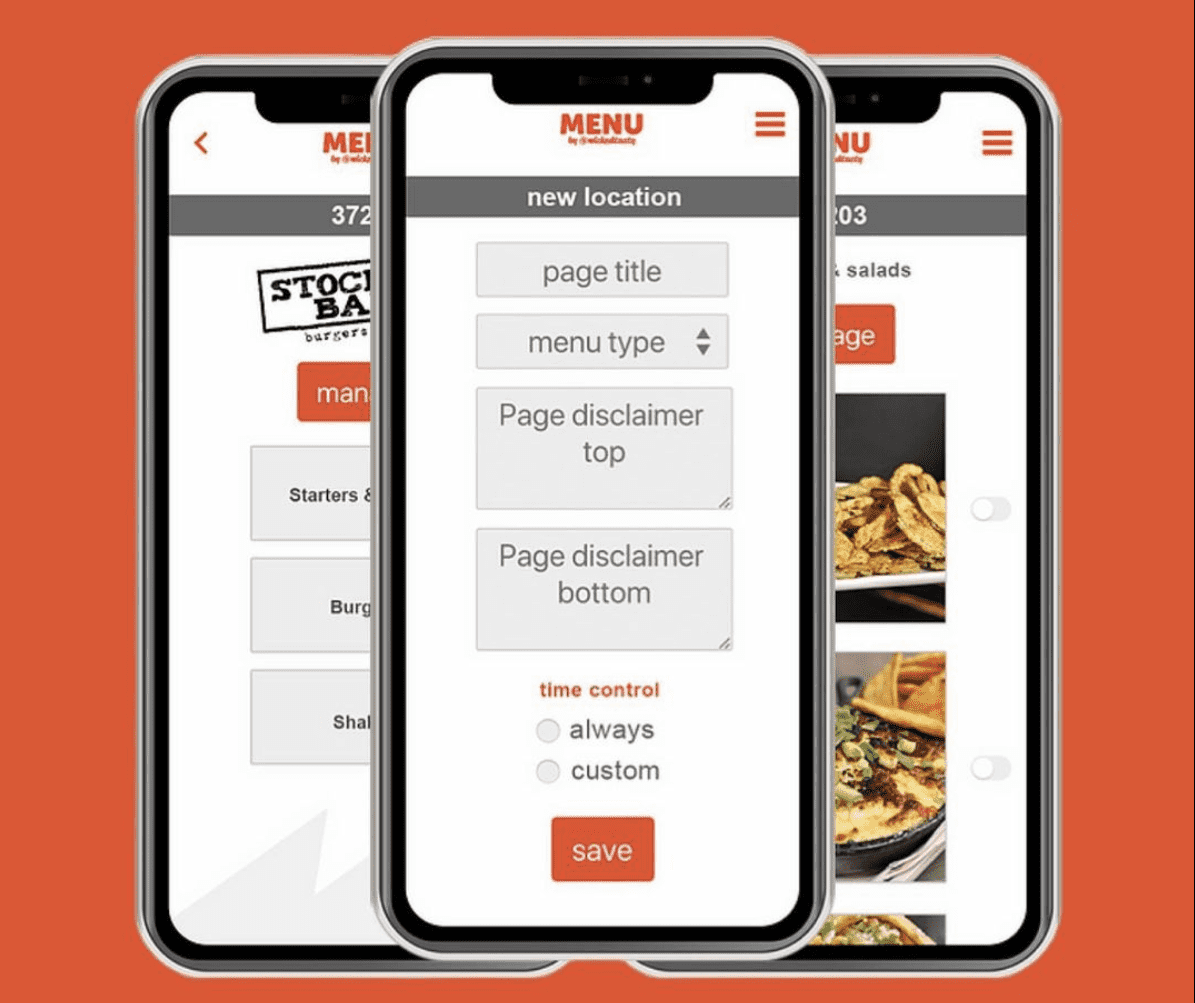
Enter MENU, a digital platform helping restaurants boost sales using photos and digital menus, while providing diners with pics of, well, menu items that are sure to make your mouth water (and help you figure out what to order!). After all, who doesn’t want to see what they’re gonna eat before they order it?
Starting in March, MENU is releasing an updated version (think significant changes to the front-end display of the platform) into primary Southeast cities among the likes of Nashville—plus our very own City of Oaks, as well as Charlotte and Asheville.
“As we release new features based on feedback from our current partners and their in-house guests, we are targeting new cities that mirror the demographic and business profile of Nashville,” says Dan Burkard, founder of MENU and co-creator of @wickedtasty. “We are choosing to invest in cities with a growing population of young professionals and a vibrant culinary and bar scene.”
Founded by Nashville resident Burkard, MENU (aka The Better MENU) was created to offer a more user-friendly model for guests while helping restaurants with menu management. The idea came to him during the spring of 2020 as restaurants were beginning to reopen during the pandemic and offering touchless options via QR Codes.
“… PDF menus weren’t designed to be viewed on a small screen, so I was like, ‘there’s got to be a better way for restaurants to be able to display their food to their guests and create a better menu experience,’” says Burkard. “… Why don’t we incorporate photography into a menu and really highlight what makes it unique for a restaurant, or their food or cocktail program.”
Burkard took his idea and ran with it, launching a beta version that he introduced to a few restaurants in the Nashville area in the summer of 2020. This allowed him to test out the display and see how guests responded to the more visually appealing menu. Then, during the summer of 2021, he rolled out the full version of the website, adding a back end to the portal that enabled his restaurant partners to manage their menus from their smartphones and other devices—among other things.
Since its inception, MENU has received great feedback from restaurant partners and their guests. Burkard notes that guests’ satisfaction with their meals increases when they see their food and drinks prior to ordering, and they spend, on average, 9% to 12% more during their visit. He further explains that restaurants can save approximately $5,200 a year on printing costs by switching to MENU, depending on how often they normally update their menu.
“People love it,” he says. “We have a mission to help digitize 10,000 restaurants by 2027.” We’ll eat to that!