As development fills in St. Albans Drive, the space between North Hills and The Exchange could become Raleigh’s next walkable entertainment corridor.
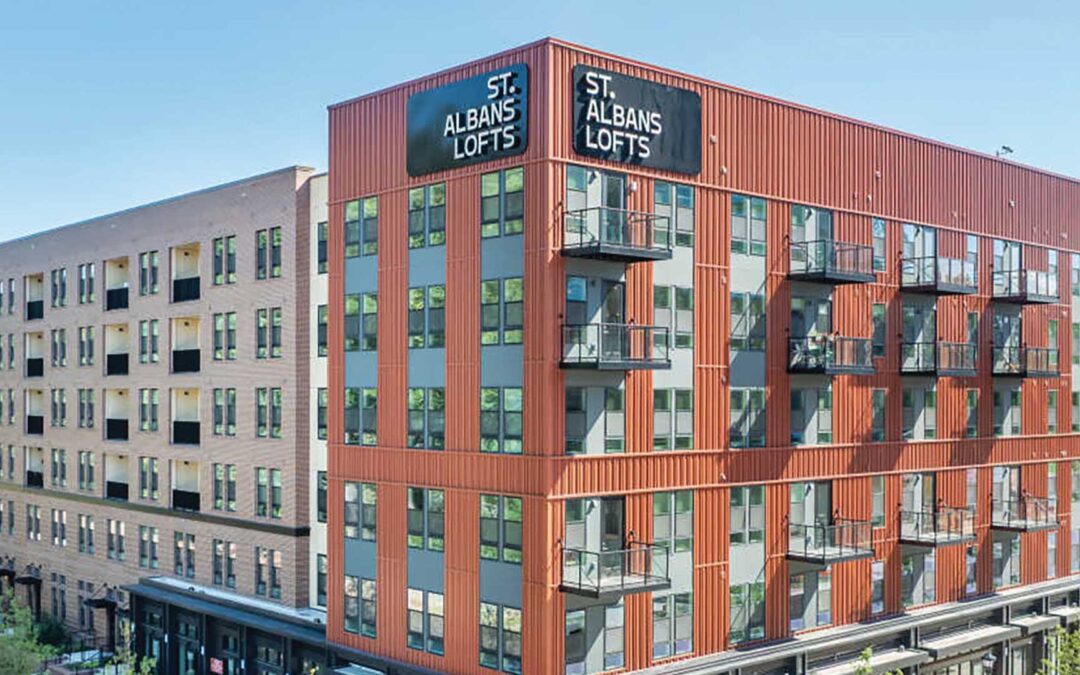
For years, the stretch of St. Albans Drive between North Hills and The Exchange has felt like more of a divide than a destination. But as cranes rise, apartments take shape and new restaurants begin filling in the gap, two of Midtown’s biggest developments are starting to grow toward each other.
And Patrick Shanahan—of Noble Experiment Hospitality fame, alongside partners Robby Opperman and Frederique Leonard—is betting big on the space between them. With Capulet, Peregrine and soon-to-bow Cafe Royale under their belt on The Exchange side, the hospitality group is putting down roots in North Hills with the district’s first dedicated cocktail bar, Little Saint.
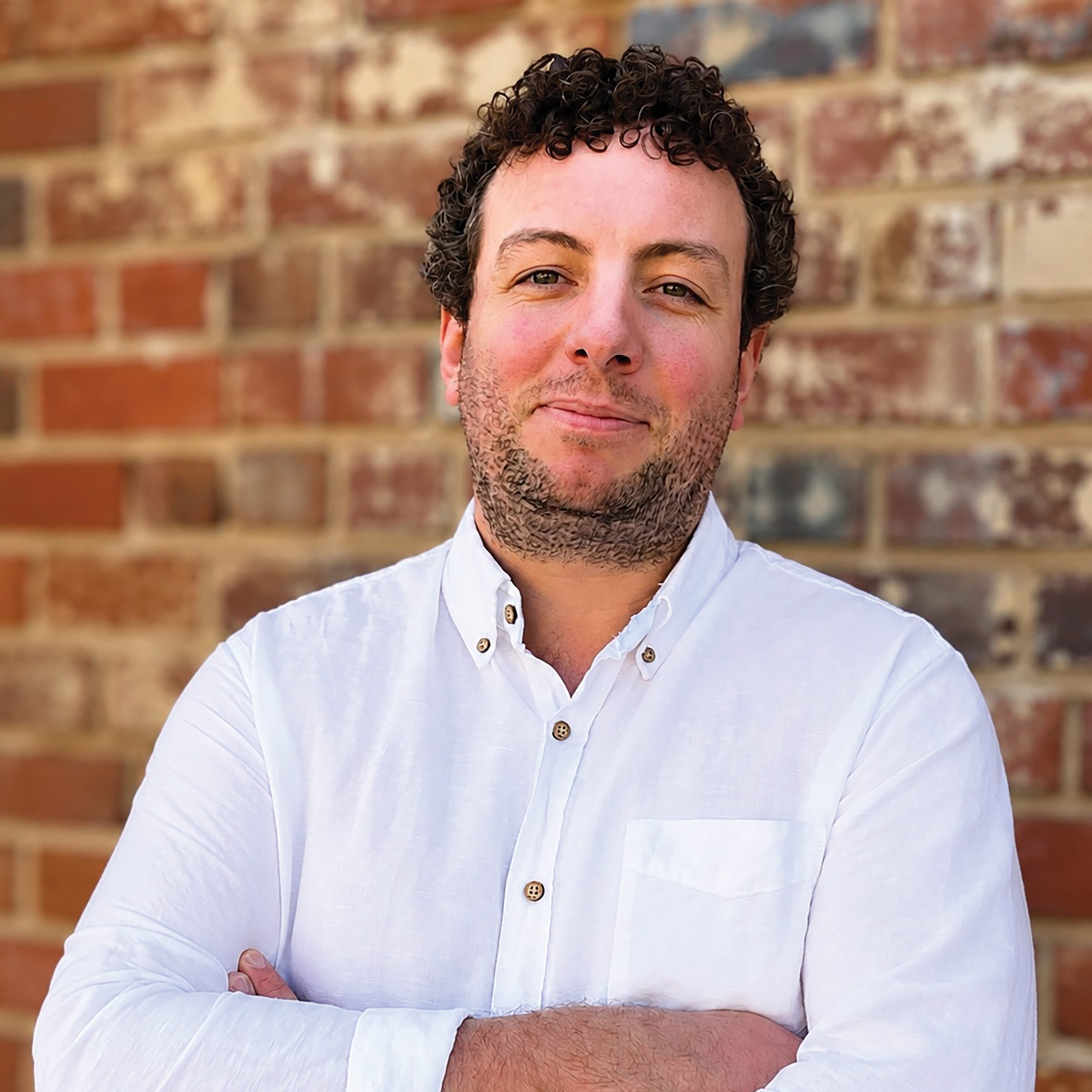
Robby Opperman and Patrick Shanahan | Photo courtesy of Capulet Cocktail Club
Joining newly opened Standard Beer + Food and Benchwarmers Bagels, Little Saint—anticipated to open next year on the ground floor of St. Albans Lofts—adds another piece to an emerging entertainment corridor that could eventually connect North Hills to The Exchange by foot, food and beverage.
“Between what Dewitt’s doing at The Exchange and what Kane’s doing at the North Hills Innovation District, it just feels like we’re in the epicenter of something,” says Shanahan.
In an effort to connect his concepts at The Exchange with ever-growing North Hills, Shanahan approached Kane about the Little Saint space with his broker Jeremy Deckelbaum at Elm Partners, immediately falling for its visibility—and the other projects growing around it.
He envisions a series of experience-driven concepts from NHID to The Exchange joining Little Saint in the future, creating a corridor of sorts with connectivity and walkability between the two destinations—where one could, say, take a class at Dose Yoga, grab lunch at Standard, walk over to The Exchange Park and then grab a drink at Capulet.
“Because I’m so invested in The Exchange, finding that home at North Hills, for me, draws this line,” emphasizes Shanahan. “I just see so much potential from here to there.”
Kane Realty Corporation Executive VP of Commercial Operations Stacey Buescher shares that vision, pointing to Shanahan’s involvement with the two developments as forming a natural connection as Midtown continues to grow. Not to mention Kane’s boardwalk-esque pedestrian bridge will further that connectivity, linking wooded trails and an on-street urban greenway that will eventually extend to the city’s planned multimodal bridge over I-440.
“We love seeing these destinations complement one another, and we think Little Saint will be another great addition to the area as a whole,” she says.
As North Hills’ first dedicated cocktail bar (read: no food, just drinks), Little Saint spearheads entry into nightlife. The concept will pay homage to Shanahan’s Irish roots, but, he maintains, it will not be a pub.
Telling the story of his family heritage via tall ceilings, cathedral arches and stained glass, Little Saint will feature two distinct bars. The first leans light and bright, transporting patrons to Ireland with stonework, living moss accents and a 30-foot bar; while the back bar—with its low ceilings, velvet curtains, tile, rich emerald greens, and dark and moody atmosphere—draws inspiration from both catacombs beneath a church and an abandoned New York City Subway station, a subtle nod to where Shanahan studied film and fell in love with cocktails.
“It’s a balance of light and dark—which is where design happens: the balance of light and shadow, color and contrast,” notes Shanahan. “I say you can be as good or as bad as you’d like to be at Little Saint.”
Spotlighting bubbles, vodka and gin in the front and darker liquors like whiskey, cognac and scotch in the back—plus Guinness on tap and NA options—Little Saint will lean into a public house nature, even opening in the early afternoon for business meetings.
“We’ve been watching NHID really come into its own, and it felt like the right time to add something a little different to the mix,” says Buescher, nodding to the—until-now—lack of a dedicated cocktail bar at North Hills. “Little Saint felt like a natural fit—it will have its own personality and feel, and it adds another option for people… to come to North Hills and stay.”
And as more pieces fall into place along St. Albans, the space between North Hills and The Exchange could soon become a destination in its own right.
Three friends turned their love of Japanese cuisine into a growing trio of restaurants.
What started as a small ramen shop in Cary has quickly grown into a budding Japanese food empire. And now, Raleigh is next.
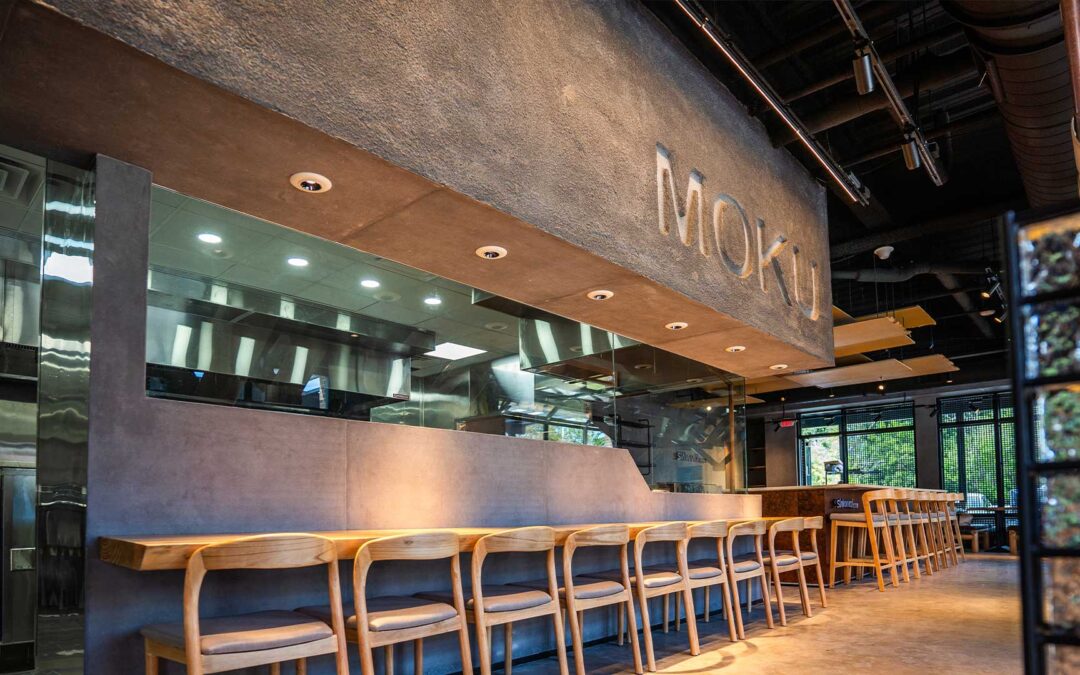
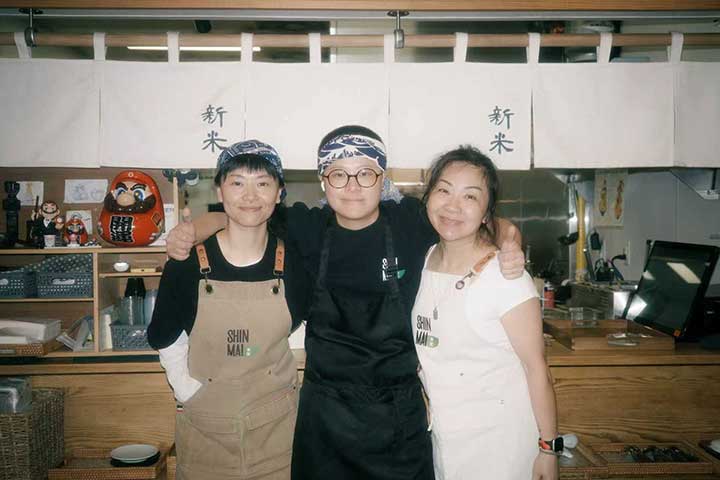
Founded by three friends who moved from the Bay Area to NC three years ago, the female-led Shinmai brand now consists of Shinmai Shokudo and Shinmai Kumo in Cary, with Shinmai Moku opening Sept. 26 in Raleigh’s Quail Corners shopping center. Moku marks the trio’s biggest and most high-end concept yet—a crowning achievement of sorts, and a bold entry into Oak City.
From left: Jayden Chen, Mingmin Jin, Stacia Zhong
Each of the three women plays a specific role: Chef Mingmin Jin is the brains behind every dish across all three locations; Stacia Zhong handles the finance/operations side of the biz; and Jayden Chen leads marketing and assists with operations. Together, their shared love of the restaurant industry—and desire to bring their own takes on Japanese cuisine to the Triangle—led them to move across the country.
Zhong was the first to explore Oak City’s Japanese offerings, and immediately clocked an opportunity: While sushi, ramen and hibachi were well represented, there’s an untapped market for less expected interpretations of Japanese cuisine. “We feel that RTP is a really good area for the business,” she says.
The team started small, opening the 32-seat, 1,500-square-foot Shokudo—which translates to “eatery”—in March 2024, leaning into Japanese homestyle comforts like ramen and bento boxes as they got familiar with local diners.
“When we first came to North Carolina, we wanted to start with something familiar and approachable,” recalls Jin. “That’s how Shokudo began—a casual neighborhood restaurant centered around something I knew very well from my previous experience.” And locals ate it up right off the bat—with customers even telling the team the food reminded them of what they had while traveling to Japan, adds Chen.
A year later came Kumo (aka “cloud”), giving Jin a canvas for Japanese-Italian fusion, which she experienced in Japan but didn’t find a whole lot of here in the States. An artist by trade who has worked in restaurants her whole life, she saw parallels between the two cuisines.
“Japanese and Italian food actually have some natural similarities… so [it] didn’t feel like two random cuisines we’re forcing together,” emphasizes Jin, pointing to both culture’s strong relationship with noodles, sauce, quality and technique. “At the same time, the Triangle was becoming more diverse and modern, and people were becoming more open to new concepts.”
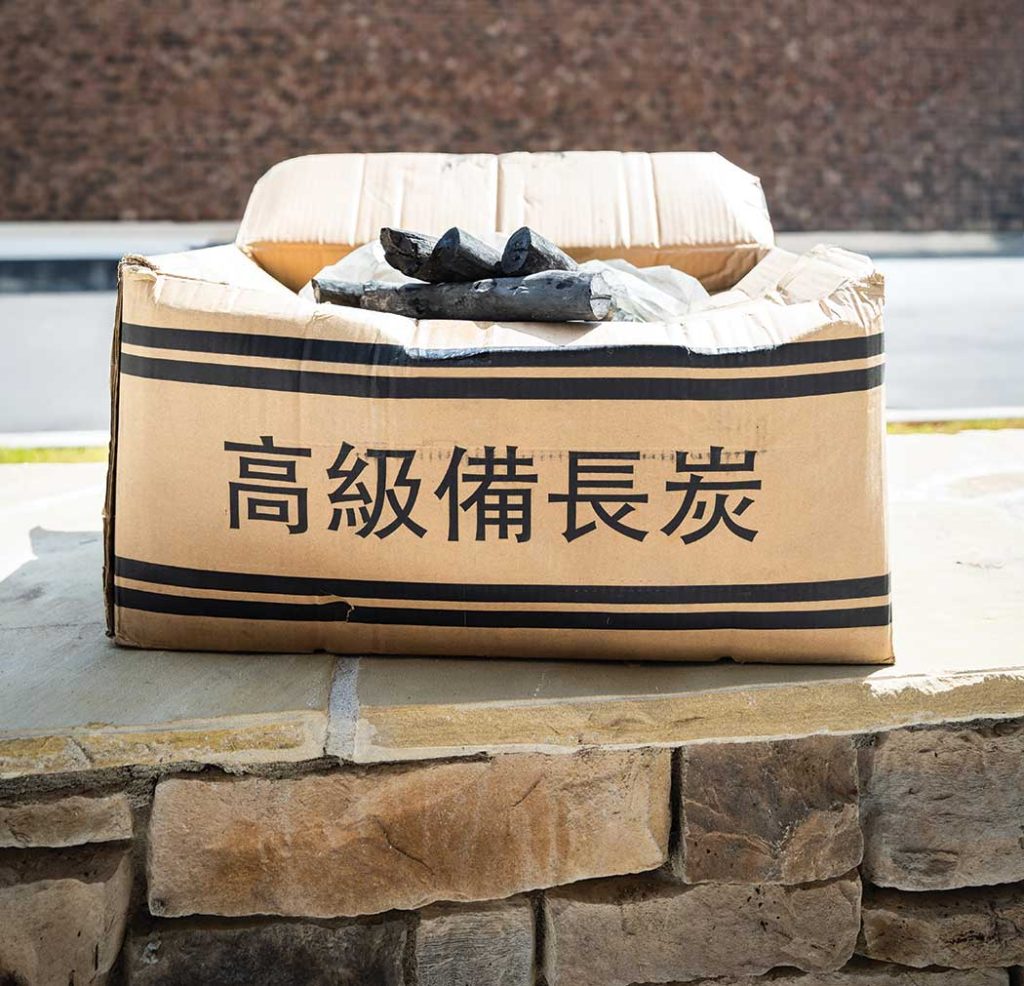
Now, Moku (meaning “wood”) marks the latest addition to the Shinmai family, an izakaya featuring grilled meat and veggie skewers cooked over charcoal (see “Burn Notice” below), shareable small plates, ramen and rice bowls—with both a yakitori bar facing the grills where Jin will cook, and the brand’s first full cocktail bar.
The third concept found its home in Raleigh—a “really good fit,” notes Chen, thanks to its location and proximity to customers already traveling from places like Wake Forest to visit their Cary restaurants.
For Jin, it’s a dream concept: an izakaya where people can come together to finish the workday or settle in over drinks, food and conversation in a warm, relaxing and intimate environment.
“Moku brings together two things I really love: cooking with fire and bringing people together,” shares Jin. “I want the food to be taken seriously, but I don’t want the experience to feel serious.”
As for what’s next, Chen says they’ll likely take a break, though franchising Shokudo and Moku is something they may consider down the line.
For now, though, the trio is focused on letting each concept stand on its own—less about growth for growth’s sake and more about building on what they’ve already created.
“Each restaurant represents a different part of our journey,” says Jin. “They’re different, but they’re connected by the same philosophy: food, service and atmosphere. We want people to eat well, feel comfortable, enjoy the people they’re with and want to come back.”
Sean Junqueira
Burn Notice The highlight of Shinmai Moku’s grilling program is binchotan, a specialized Japanese charcoal traditionally used for grilling. It burns at a very high, consistent heat with minimal smoke, adding depth to the latest restaurant’s already ~fire~ yakitori offerings. “Fire is unpredictable, and that’s what makes it fun,” says chef Jin, who says grilling over charcoal requires constant attention and adjustment. “When I’m grilling, I become completely focused. It’s almost like being in a flow state.”
I got to eat my way through LaGana’s late-summer omakase session—here’s how it went.
The hottest reservation in Raleigh happens once a month for three nights—and sells out almost immediately when tickets go on sale. Enter RM 2026 Best Restaurants winner LaGana’s monthly omakase sessions.
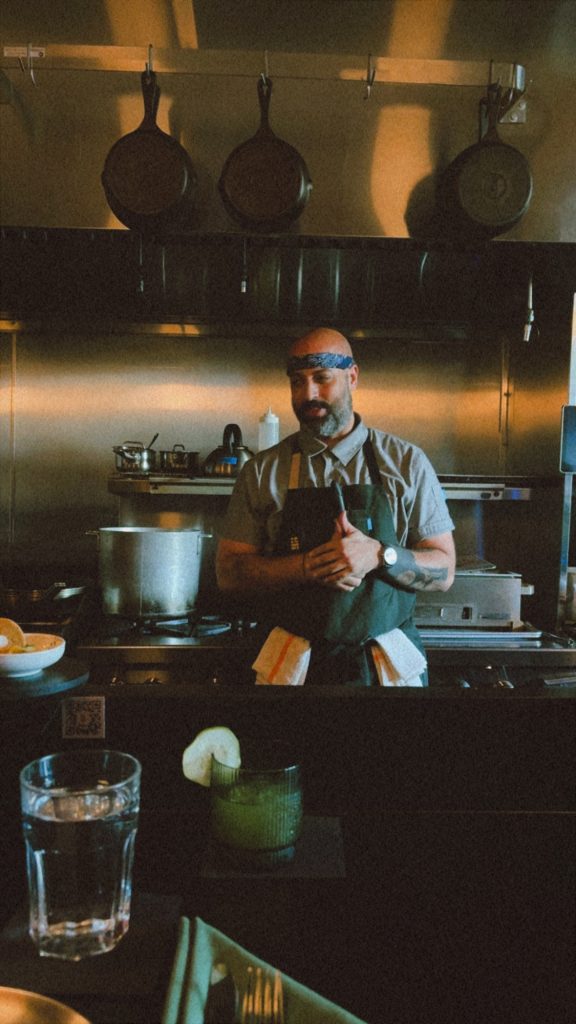
Typically centered around a unique theme and in collaboration with one or more local chefs, the highly anticipated dinner features a multicourse guided tasting experience with bevs to pair. Translating to “I’ll leave it up to you,” the series puts diners’ trust in LaGana chef-owner Luis Zouain (and whoever he’s pairing up with in the kitchen that night)—allowing him to showcase his craftsmanship beyond meat and buns. And I can confidently say your senses will not be disappointed.
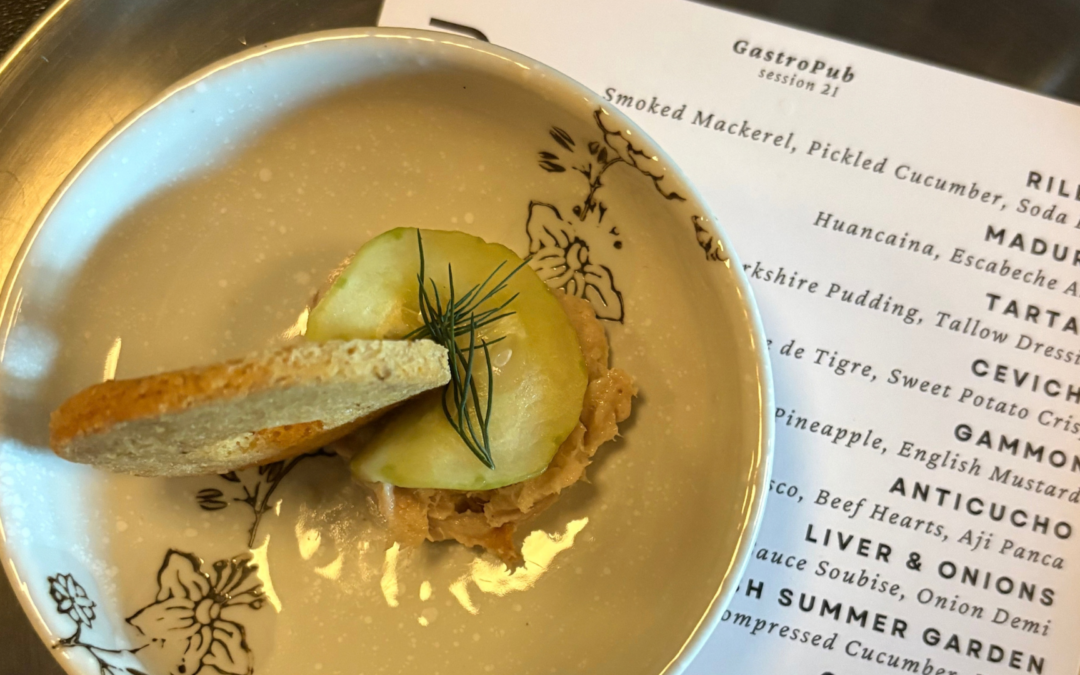
I got the lucky opportunity to attend LaGana’s gastropub-themed 21st omakase session in collaboration with chef-owner David Ellis of Figulina—and to say my expectations were exceeded is an understatement.
After almost two years of monthly dinners (the omakase series began in December 2024), the experience proved to be a well-oiled machine, with every team member functioning as if part of a well-produced play they’d rehearsed, well, over 20 times.
A horchata-inspired welcome drink immediately set the scene for what you immediately knew was going to be a special night blending British tavern vibes with Latin bar food. And for a front-row look at the magic, I—along with my fellow attendees—was seated at the bar wrapped around the kitchen.
Pulling from both Zouain’s Dominican roots and Ellis’ Stoke-on-Trent, England, homeland, the August menu boasted a tasty amalgamation of flavors, techniques and influences, with each chef taking turns executing and presenting dishes in such a way that you knew it was personal.
Take the robust beef tartare made with Yorkshire pudding and tallow dressing, liver and onions, and fish and chips—all representing Ellis’ beginnings across the pond—plus cappellacci, a steak- and onion-stuffed pasta in an ale consomme nodding to pasta-heavy Figulina. Zouain’s Dominican background shined through via maduros served with huancaína cheese sauce and escabeche ashes, leche de tigre ceviche, and a stewlike choripan topped with flauta crumbs, pomarola and chimichurri.
Cheekily-named drinks accompanied dishes throughout the evening, from the gin- and cucumber-forward Gigi to a whiskey-based Juan Collins and Yuzu L8tr—along with a midway beer flight featuring Presidente, Pacifico, Newcastle and Guinness, naturally.
And to cap it all off, three desserts: English breakfast tea and scones with clotted cream and raspberry jam, summer pudding (starring “black pudding,” aka fudge), and sticky toffee.
After stuffing myself to the absolute brim with 15 carefully constructed bites, I left very full–but with a newfound appreciation for what happens when you let a chef take the reins. Not to mention excitement for whatever Zouain dreams up next. Because following that dinner, I’d trust whatever dish he puts in front of me.
Wanna taste of the action? Sign up for omakase first-access seating and updateshere.
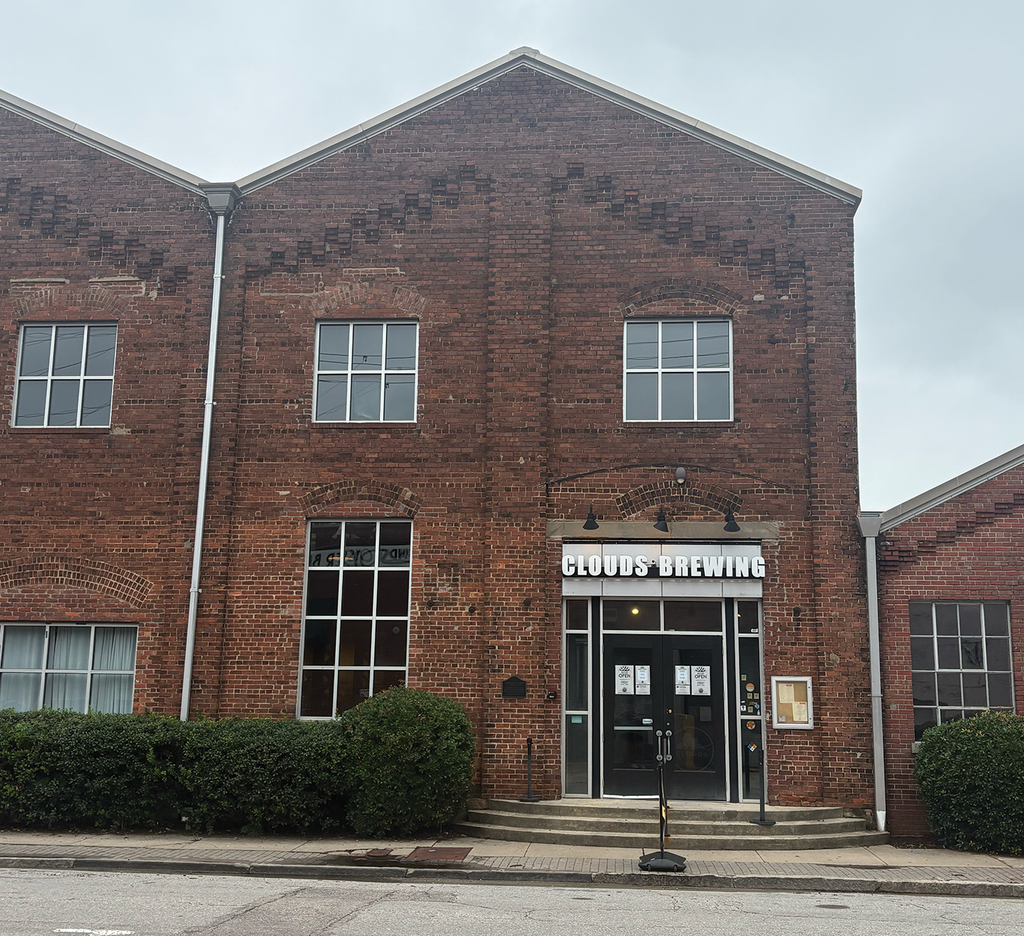
We’re on cloud nine. Clouds Brewing is officially back Downtown in its new Jones Street digs, slinging beers, bites and beer garden-meets-pub vibes.
Smoky Hollow is (finally) getting a coffee shop. Enter Madeleine, a cafe and bakery from the owners of Iris Coffee Lab, set to take over the former Tucker Street Diner space this fall.
Pour one out for Triangle Wine Company, which closed all of its locations after 10+ years of business.
Eatertainment is ~punching~ back in. Raleigh Iron Works’ former Jaguar Bolera location is getting new life as Punch Bowl Social, which plans to upfit the space with a new bar + arcade and game areas.
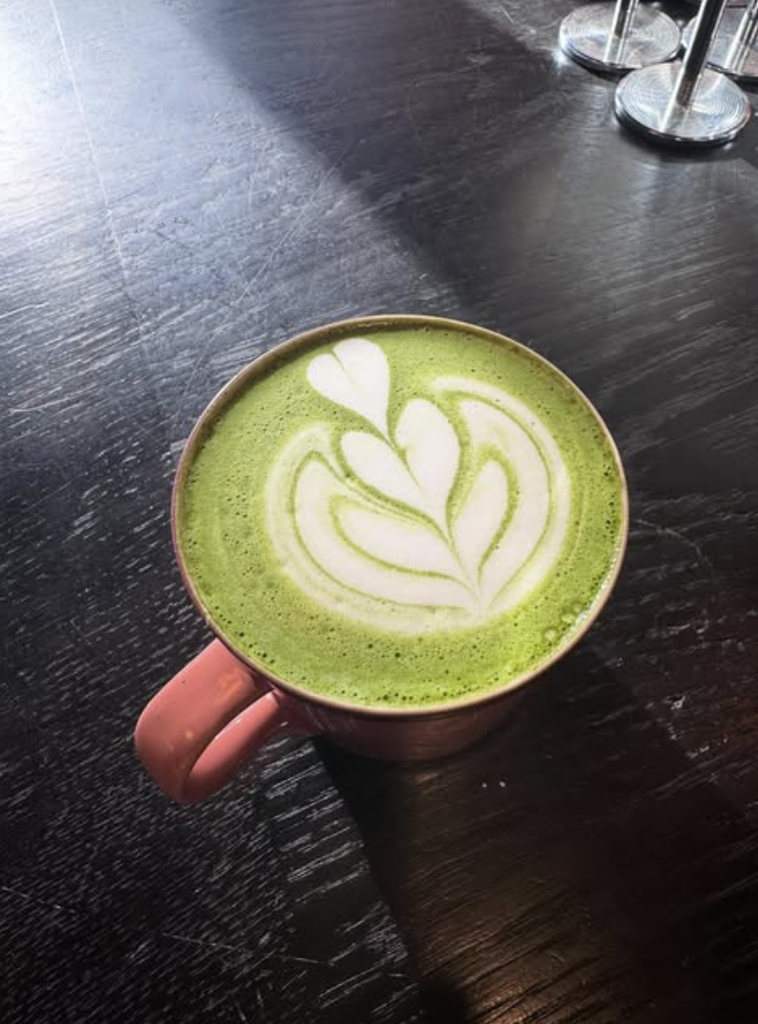
For brews that pack a punch, head to The Left Hook Coffee’s brand-new brick-and-mortar in the former Hargett Street Laundromat, where you can also find teas, egg cream, house seltzers and must-have merch.
The Shinmai empire is growing. The latest addition, Shinmai Moku at Quail Corners, leans into Japanese yakitori and izakaya influences and is built around authentic Japanese binchotan charcoal, a traditional grilling method rarely found in North Carolina.
Person Street’s former (ish) delicatessen space is entering a new chapter. Gallicchio’s Market & Eatery—from the team behind the former Pounded Pig Food Truck—is moving in this fall.
The Left Hook Coffee
Yes, chef! Peregrine’s Saif Rahman landed on the James Beard Foundation’s TasteTwenty list, a national roundup of chefs to watch.
Andia’s Ice Cream’s got big scoop. The award-winning Cary shop is expanding with a new production facility on Brookside Drive and plans for two more locations over the next two years.
Now brewing at Salvage Yard: Bond Brothers’ all-day concept NOCO Brews & Bites is slinging specialty coffee and tea by day—then flipping to craft beer, cocktails and locally sourced small bites by night.
Slice, slice, baby! Michael Longo—of Glenwood Avenue’s Vic’s Pizzeria fame—has expanded his Triangle footprint with Mikey’s Pizzeria, now dishing a distinct blend of Neapolitan- and New York-style pies in the former Pizza & Pints space in McNeill Pointe.
Warm bowls, cold drinks, happy hearts—that’s the vibe at recently bowed KOKORO Ramen & Izakaya, which took over the long-empty Royale space in City Market.
Raise a glass: Not one, not two, but 13 Raleigh spots landed on Wine Spectator’s 2026 Restaurant Awards list for standout wine programs, including Bella Monica, Cucciolo Terrazza, Second Empire and Vidrio.
(Meat)ball is life. Meet Matty’s Meatballs, a Raleigh-based pop-up dishing out cups, sliders and heroes at various locales around town.
If brunch is the question, Songbird is the answer. The recently launched weekend menu features cocktails, coffee, tea, juices and smoothies alongside food faves like avocado toast, breakfast sandos and yogurt bowls.
Twirl it up: Sushi Mon is getting into the ramen game with adjacent Monya Ramen, serving up a trio of slurpworthy noodle dishes and small plates.
Beignets & Brew
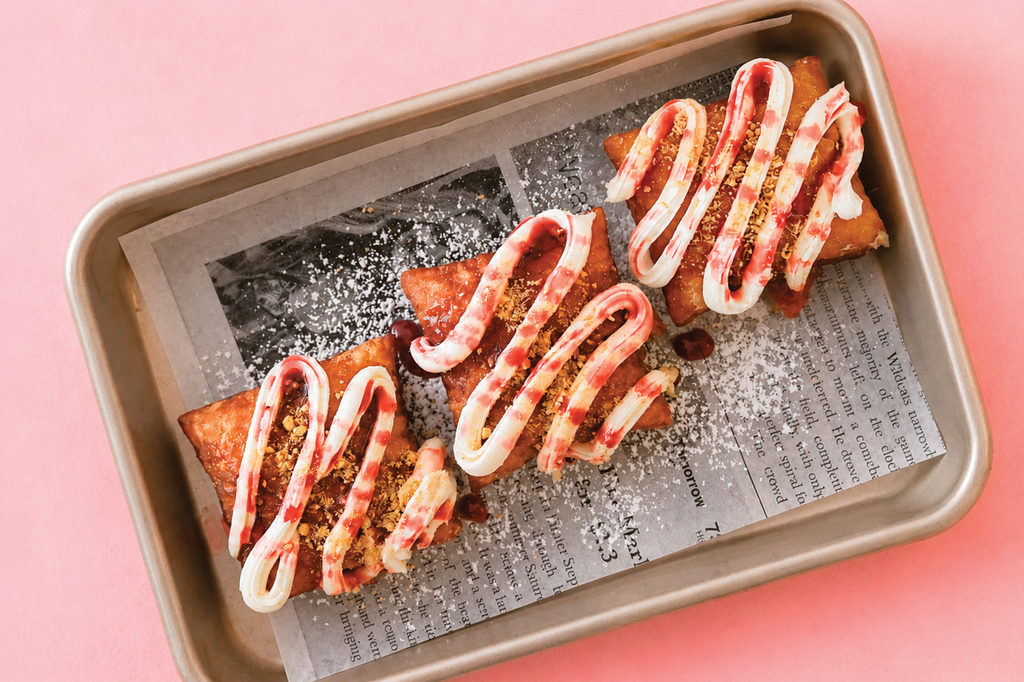
Worth the powdered sugar—and the sugar rush—Beignets & Brew has officially landed on Hillsborough Street, offering fluffy fried dough, coffee (natch), breakfast sammies and more.
NC’s ’cue flex continues. Pulling up at No. 63, Prime Barbecue joined a trio of joints across the state on Yelp’s Top 100 BBQ restaurants in the U.S. list, including Concord’s The Smoke Pit (16), Peachland’s Jon G’s Barbecue (50) and Haywood Smokehouse in Dillsboro (65).
7 Brew fans, tap in. The drive-thru coffee chain is inching closer and closer to Raleigh with the opening of its latest NC outpost in Smithfield. Will the City of Oaks be next?!
Word on the street is Bull City’s Koi Sushi & Hibachi is rolling into Raleigh’s Celebration at Six Forks. Stay tuned!
Coasting into Dix, Drift recently tapped its latest cafe at The Weld near Dix Park, giving Raleighites one more spot to perk up.
Smooth moves: Fast-growing acai bowl, smoothie and juice concept South Block is set to debut next door to bartaco in the Main District of North Hills in early 2027.
Sierra Nevada Taproom
New address, same butter chicken. Fan-fave local modern Indian restaurant Nazara Indian Bistro is relocating to Falls of Neuse Road after shuttering its space in Cary.
Margs for the masses! Vibey Kahlovera Mexican bar and grill now also calls Cary and Chapel Hill home.
Ooh, la, la! A taste of Paris is coming to Cary a la La Pause Parisienne, an artisan French bakery and cafe churning out pastries, coffee, sandwiches and more.
That’s a wrap! National Mexican-fusion chain Bubbakoo’s Burritos is bringing bold burrito goodness to Cary’s Ambery Place Shopping Center—think a Nashville hot chicken burrito and birria dilla.
Beloved Durham brunch spot True Flavors Diner has closed after over a decade in business, citing rising costs and a crowded market.
Awards, tourism and top-tier talent are reshaping Raleigh’s restaurant industry—and the local economy.
When the Michelin Guide landed in Raleigh, it did more than validate what locals already knew—it bolstered the city’s restaurant scene as a legitimate economic engine. Now, come October, Michelin’s next guide will reveal just how far that momentum can go.
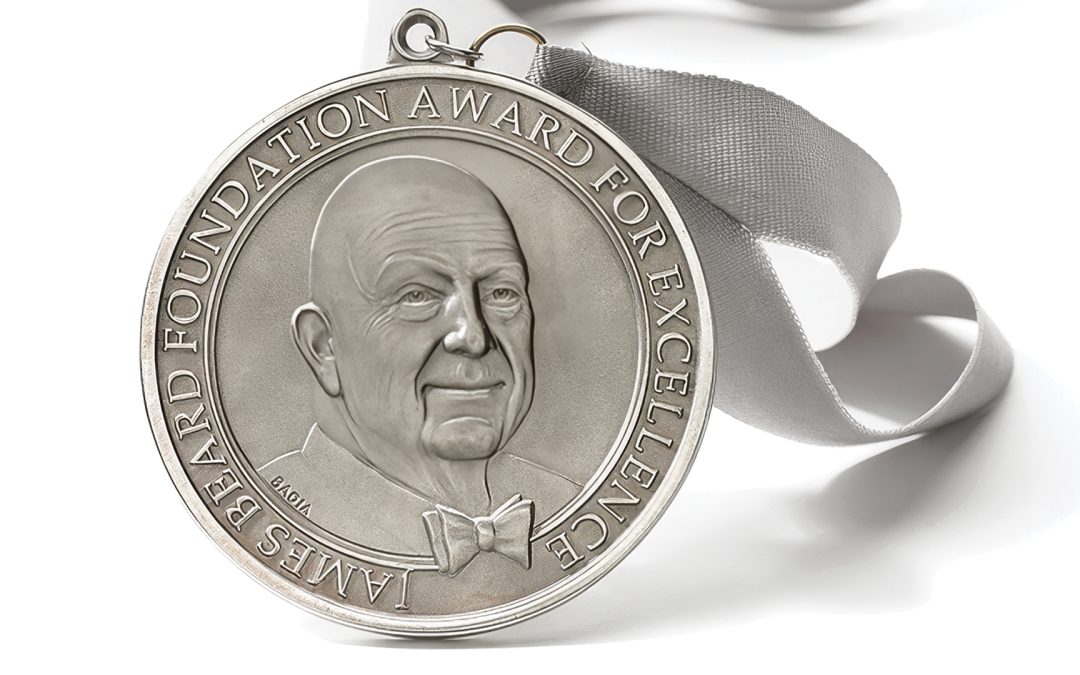
But long before the Guide arrived, Raleigh’s national culinary reputation was already taking shape, beginning with Oak City’s first James Beard Award win in 2014, when renowned local restaurateur Ashley Christensen earned Best Chef: Southeast. What followed was a boon for the industry, shaping Raleigh into the diverse and vibrant foodie destination that it is today.
Emvat Mosakovskis/shutterstock.com
“The effect of a James Beard Award is massive,” says Christensen. “We saw a direct 30% increase in business that never went away”—plus an additional wave of new guests from Poole’s Michelin recognition.
Both accolades have helped make food serious business in Raleigh, emphasizes Visit Raleigh Director of Public Relations and International Tourism Jessica Holt. “But with the Michelin Guide American South, it really amplified it to a more global scale,” she adds.
Michelin’s far-reaching impact extends to diners who will travel across the region, the country or even the world specifically for Michelin-recommended dining experiences. “Each recognition reached a different audience, but together they reinforced that what we’re building here resonates well beyond our local community,” says Tina Vora, co-founder/co-owner of Michelin Recommended Tamasha, whose Bhavin Chhatwani was named a 2025 James Beard Award semifinalist for Emerging Chef.
Additionally, recognition doesn’t just attract diners—it attracts talent. National accolades make Raleigh more appealing to chefs, bartenders, sommeliers and hospitality professionals while creating more visibility for local farmers, producers and artisans. In other words, a rising tide lifts all boats.
“These recognitions validate what many of us in the industry have believed for years: that this region has become one of the most exciting culinary destinations in the Southeast,” says Steven Greene, executive chef of Michelin-recommended Herons.
Recognition doesn’t mean Raleigh has crossed the finish line. Instead, with Michelin now recognizing the South’s culinary talent, the city has entered a new chapter—one where it can continue evolving into one of the most exciting food cities in the country while earning the attention many believe it has long deserved.
“I think it’s great for the city of Raleigh to have so many places recognized by the Michelin Guide,” says Zack Gragg, chef/partner of Mala Pata, which received a Bib Gourmand last year. “I feel we are becoming one of the better food destinations in the country—and I’m really excited about what the future holds for all of us.”
BTN
$1 billion 2025 Wake County F&B sales
30% of 2025 visitor spending went to food and beverage sales in Wake County, outpacing every other category.
From James Beard wins to Michelin honors, Raleigh’s top culinary talent reflects on the impact of accolades putting the city on the national stage.
Cheetie Kumar, Ajja, Six-time Beard semifinalist/finalist for Best Chef: Southeast
“As Beard has changed how it selects finalists and winners over the years, the semifinalist nominations are almost as meaningful for driving reservations and guests as finalists—and perhaps winning. I’d say a Beard announcement can see an increase of 20–25% over several months.”
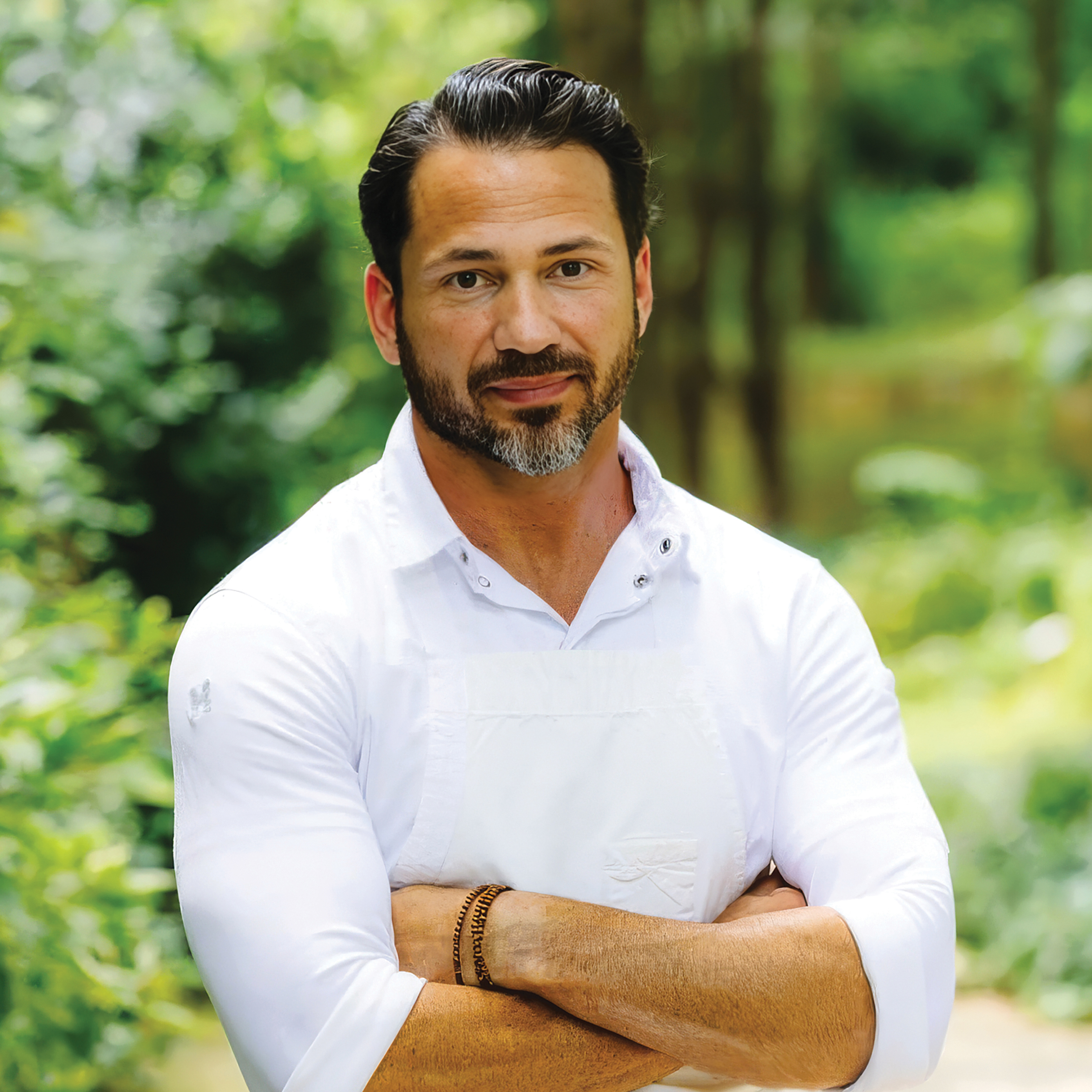
Steven D. Greene, Herons, Michelin 2025 Recommended
“To me, Michelin and James Beard celebrate excellence in different ways. Michelin evaluates the dining experience itself, while James Beard recognizes the people, leadership and creativity behind it. Both are important, and together they challenge us to continue evolving.”
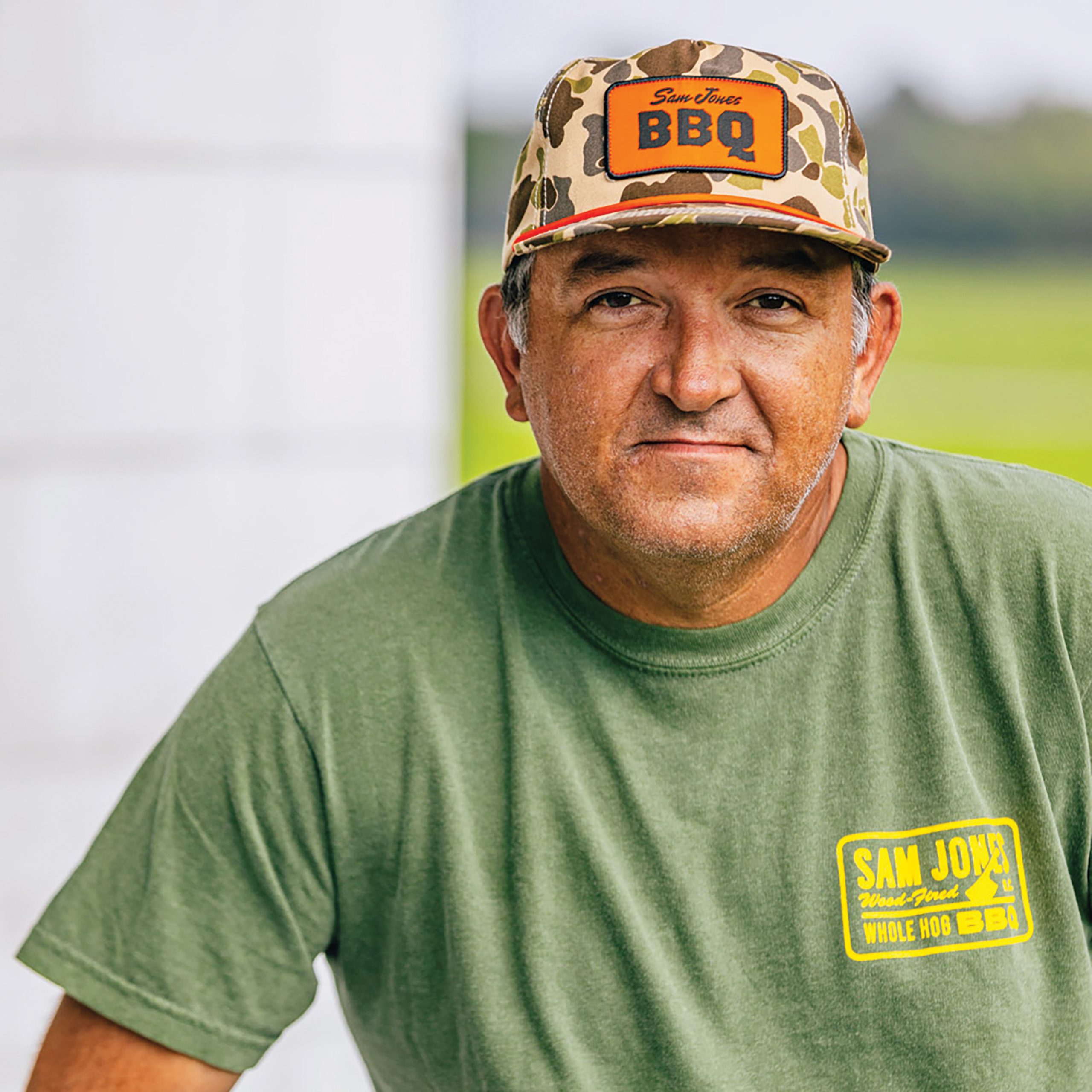
Sam Jones, Sam Jones BBQ, Michelin 2025 Bib Gourmand winner
“Michelin hanging their name on some places in North Carolina and Raleigh is a big deal to start with, but that barbecue is a part of that is a whole separate thing. Barbecue’s getting its due, so to speak.”
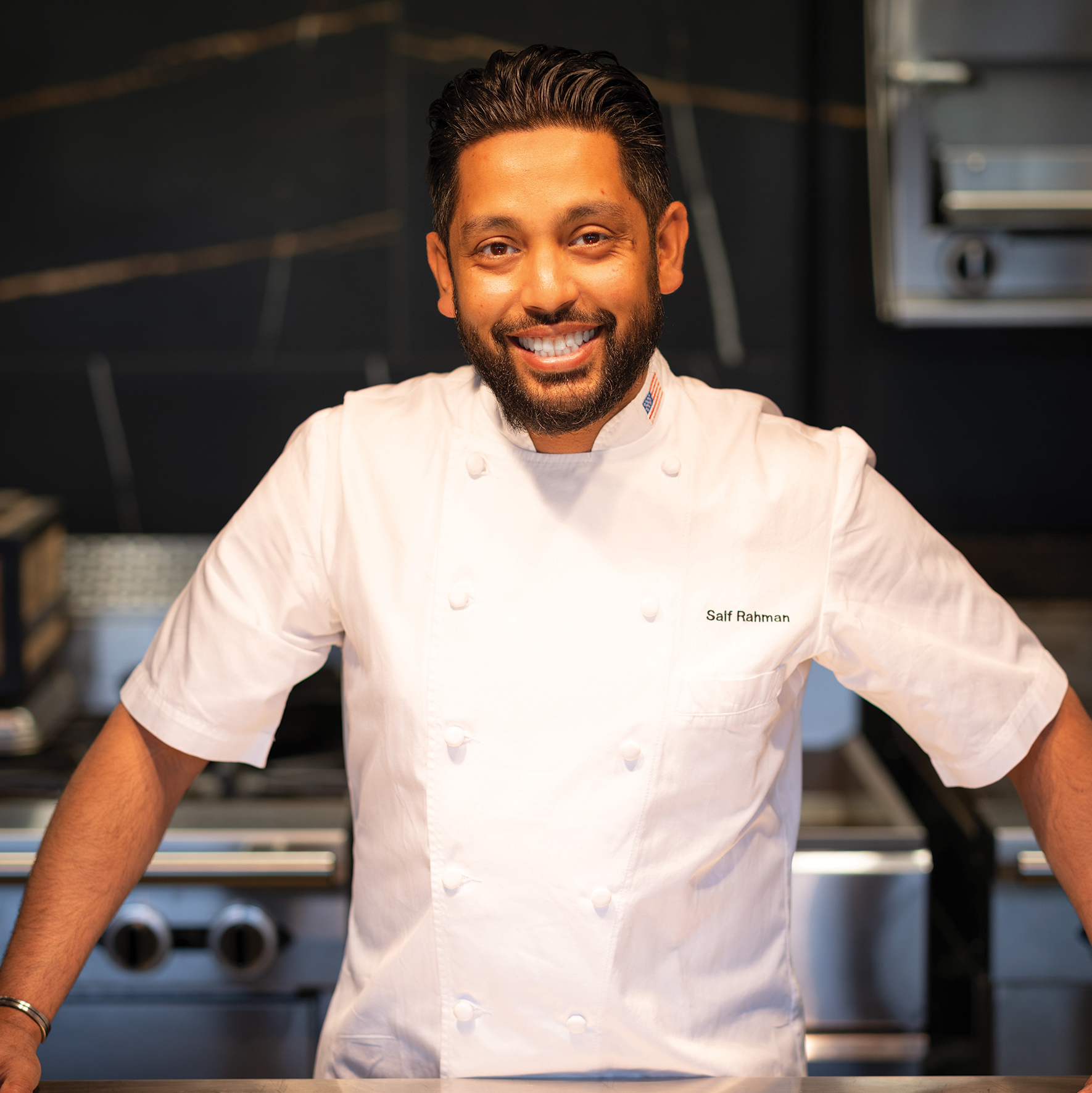
Saif Rahman, Peregrine, 2026 Beard semifinalist for Best New Restaurant
“Being recognized by the James Beard Foundation in our first year at Peregrine was more than an accolade—it gave our restaurant a voice when we were still trying to find our place. It opened doors, brought people through those doors, and gave our team a level of credibility that helped us continue building the business. But for me, it means something even deeper. I came to America from Bangladesh with a dream, carrying the flavors, memories and traditions of a place halfway around the world. To have that story recognized on one of the biggest stages in American food… reminded me that you can come from anywhere, start with very little and still have a place at the table.”
Zack Gragg, Mala Pata, Michelin 2025 Bib Gourmand winner
“When we learned about Michelin coming to the South, we did an application in hopes of being recognized. It was extremely validating for all of our hard efforts in the first year to be given the Bib Gourmand award… an achievement we were so happy to receive.”
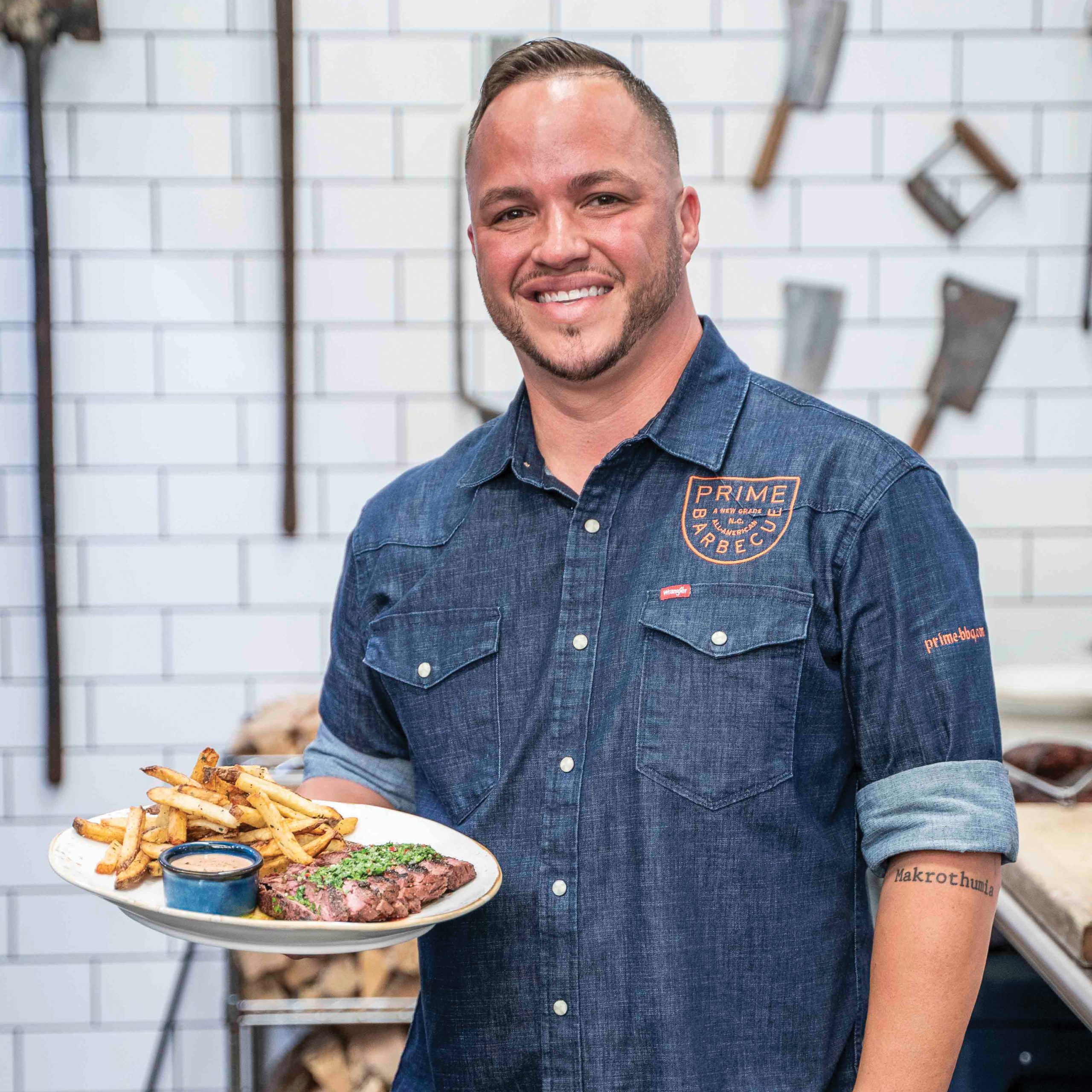
Christopher Prieto, Prime Barbecue, 2025 Beard semifinalist for Best Chef: Southeast; Michelin 2025 Bib Gourmand winner
“Both recognitions have been incredibly meaningful, but in different ways. James Beard helped establish our reputation within the culinary world—bringing credibility to what we were building, introducing our craft to chefs and food writers, and placing us in a position to have a voice and make an impact in the F&B industry—while Michelin significantly expanded our reach with diners. Together, they’ve been a blessing, but come with great responsibility.”
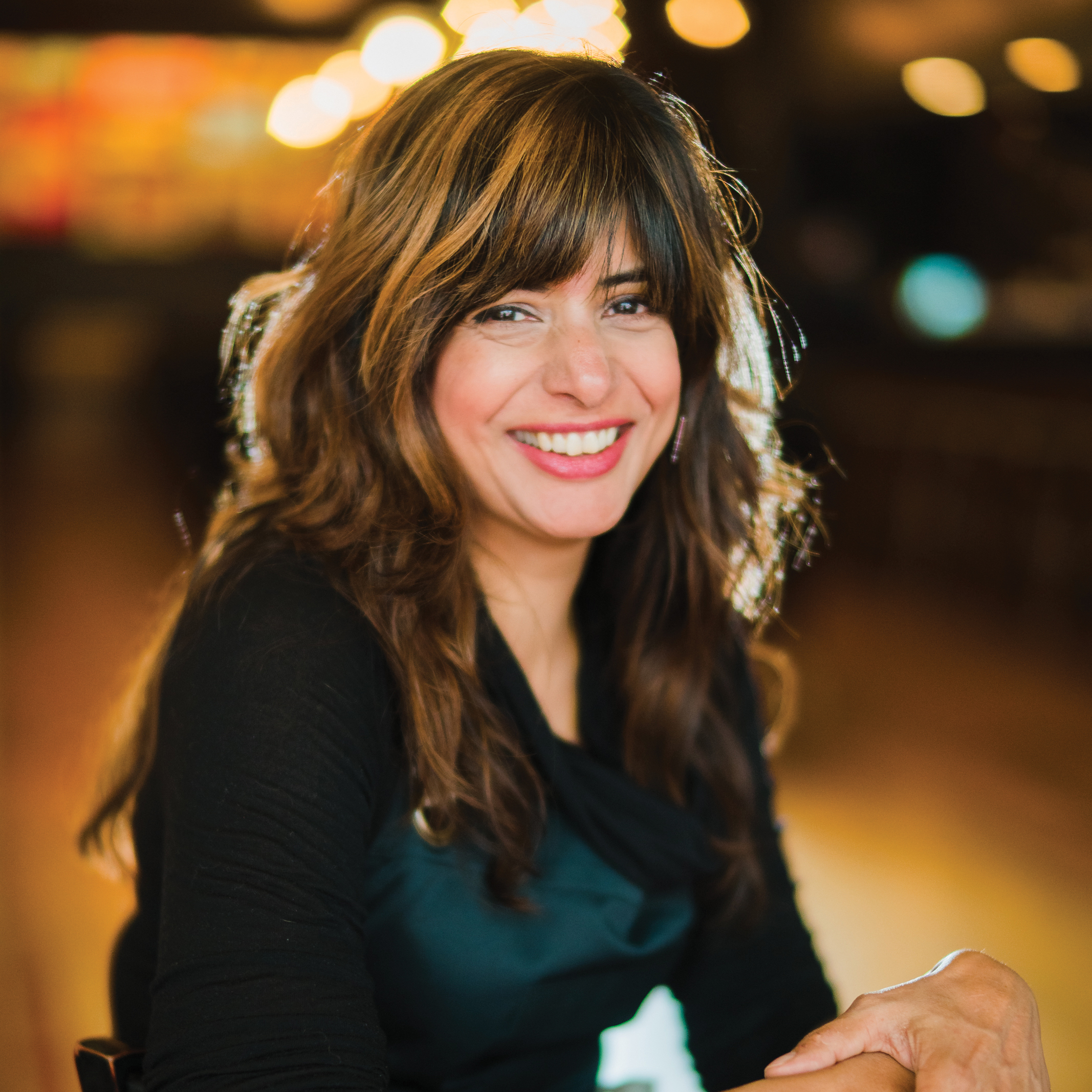
Tina Vora, Tamasha, Michelin 2025 Recommended
“We’ve always believed that excellence has no ZIP code. You don’t have to be in New York, Miami, Chicago or San Francisco to create a world-class dining experience. Raleigh has the talent, the creativity and the community to support restaurants that belong in the national conversation.”
Ashley Christensen, Poole’s, Two-time Beard Award winner; Michelin 2025 Recommended
“North Carolina is that serious food destination, and has been for a long time. It absolutely helps to have publications and award groups recognizing our communities the way so many larger metropolitan areas have been recognized for decades. It increases our reach and raises the confidence of our people—from chefs and service professionals opening their first restaurants in a small town or city they love to cooks and servers deciding to dig in and go all-in on a hospitality career in a place where they want to build a life.”
David Ellis, Figulina, 2025 Beard semifinalist for Best New Restaurant
“Recognitions like James Beard, Michelin and others ultimately benefit the entire community. Someone may come to Raleigh because they’ve heard about one restaurant, but while they’re here, they’ll discover heaps of other great places. That attention reaches far beyond restaurants—to the local farmers, producers, artisans and other small businesses we work with. It’s a win for all of us, and it’s been really exciting to watch it all unfold.”