The Borrow Bar brings “access over ownership” to Raleigh
From espresso machines to outdoor projectors, The Borrow Bar allows locals to stop buying stuff they barely use—and borrow it instead… like a library, but swap books for high-end household, hosting and seasonal goods you might panic-buy before a party. Because who wants to drop hundreds on something they may need once?
Now online just in time for the holiday season, the brainchild of local entrepreneur Lisa Jeffries Nobling is built around a simple idea: Get the thing when you need it, then give it back when you don’t—without the hefty price tag or bulky bins to store it in later.
“I’ve essentially been living this concept forever,” says Jeffries Nobling, who grew up watching her parents lend things to neighbors and has long done the same with friends. “But I realize not everyone has that kind of built-in network.”
While clothing and handbag rentals have long been mainstream, durable household goods are a different beast, she says. Rather than traditional tool rentals, think highly curated premium kitchen appliances, outdoor equipment and entertaining essentials that take up precious storage space—or require a big investment—from acrylic podiums to countertop pizza ovens and frozen margarita machines.
Beyond convenience, the membership-based model also aims to cut clutter and waste by letting one product circulate among members rather than collecting dust in multiple closets.
The idea has already gained traction. Recently placing among the top 16 startups statewide, Jeffries Nobling beat out hundreds of applicants in the North Carolina Small Business Center Network’s Startup Showdown, where entrepreneurs competed for up to $30K in funding.
She may not have walked away with the check—but the jump-start was real. Now, members can simply browse the online catalog, reserve for specific dates, schedule delivery and check out—then pack it back into the provided case for pickup. Neighborhood pickup options are also planned.
For Jeffries Nobling, the appeal extends beyond convenience. “Coupling that local logistical need with my research into circular economies, the concept makes sense,” she says, “not just from a lifestyle and financial perspective, but as a practical way to reduce our environmental footprint right here in Wake County.” Turns out, you can have commitment issues and still have (and do) nice things.
Sip—or gift—a bottle with a backstory this season.
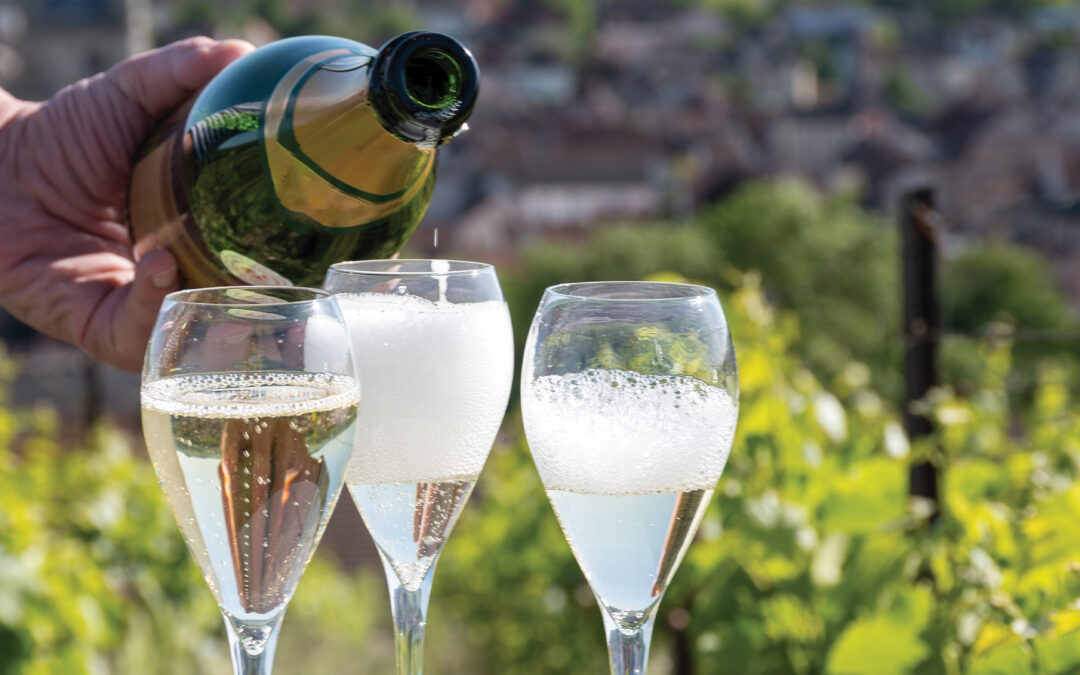
Move over Moët—a growing lot of grower Champagnes are bubbling up this festive season. And for good reason.
Sure, we can all agree that a bottle of Moët or Veuve carries a certain gravitas—also for good reason—but when it comes to holiday sipping and gifting, “unique” is often the driving factor. And if you love gifts with a cool story, you’re going to want to uncork this one.
The difference between the big houses and grower Champagnes? “It tastes like a place,” says Raleigh-based distributor A-Vin-Garde owner John Lambrakis, who is well-versed on the burgeoning category.
If you haven’t heard of it, the CliffsNotes: Grower Champs are made by small producers who own their own vines and make their own wine—so, literal growers. It’s farm to grape, then squeeze and ferment—period. It’s so intimate, in fact, that tastings take place in their family kitchen while Grandma cooks dinner, says Lambrakis.
So if you ever wondered what, say, the year 2012 actually tasted like, here’s your chance to find out. Unlike the big houses, which source grapes from across the region and expertly blend them to deliver a consistent signature taste, growers lean into what Mother Nature gives them. “Each bottle is a little different,” he says. The result is Champagne that reflects its vineyard, its vintage and the people behind it.
And while it’s a niche category—making up less than 5% of all U.S. imports—it’s one sommeliers gravitate toward, often appearing on what Lambrakis calls those “bad ass wine lists.” In Raleigh, you may have sipped one at Death & Taxes or Herons, the latter popularly pouring old-school growers by the glass.
So why the mounting buzz factor? Lambrakis points to the younger generation’s thirst for lore over logos: not buying brands, but buying the story behind it—who made it, how, from what and why. For bubbles, that means the story behind the bottle (hello, growers), not the label. And that interest reached fever pitch in Raleigh late October when a killer lineup of esteemed growers visited the city as NC continues to surge as a market for their wines.
“Little farmers make great wine,” says Lambrakis, emphasizing the care and craftsmanship behind the often family-run “honest, naturally made wines.” But he’s quick to give the big houses their billing: Their ability to deliver a consistent bottle year after year is its own kind of magic, he says—but the growers offer something truly unique. And the upshot—they often cost less because there’s zero marketing budget.
Perhaps the biggest misconception about bubbles in general? That it’s reserved for celebrations. “It’s a beautiful food wine,” he says, meant to be enjoyed with a meal—not just a milestone.
So whether you’re a bubbles lover looking to venture beyond the usual suspects—or know someone worth gifting one to—“go discover the little guys changing the market,” says Lambrakis. Because, after all, the best gifts come with a story.
Durham Distillery pours a decade of know-how into its first bourbon.
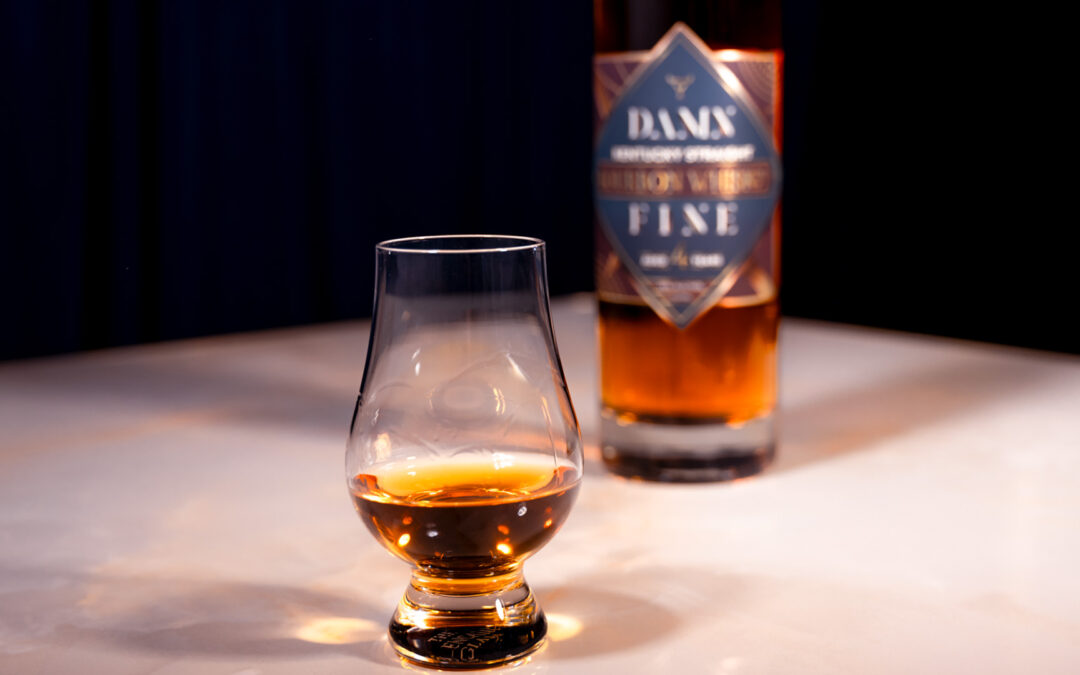
“Civilization begins with distillation”—William Faulkner’s words refuse to age as the gin house that helped put the Bull City on the spirits map makes a “damn fine” foray into whiskey business.
“With our gins, every component has a purpose,” Durham Distillery co-founder Melissa Katrincic tells RM, “and Lee brought that same approach to blending this bourbon.”
And they didn’t rush it. More than a decade after launching, co-founder, President and Master Distiller Lee Katrincic is putting his name behind Damn Fine Kentucky Straight Bourbon Whiskey. At just 2,080 bottles, the limited first-batch eight-barrel blend draws on his distilling moxie, flavor-balancing prowess and years behind the still—plus a whiskey-blending education that includes a master class with one of modern American whiskey’s most influential figures: the late Dave Pickerell.
And the magic is in the mix. Distilled and aged in Kentucky, Lee handpicked six mature rye-recipe barrels for structure, depth and a lingering finish, then two wheated barrels for softness and approachability, developing the final rich, rounded blend at Durham Distillery.
“What feels distinctly us,” says Melissa, “is the thought put into the finished spirit: how the flavors work together and how it drinks, whether you’re enjoying it neat or in a cocktail.”
Aged a minimum of four years, that versatile result walks an intentional tightrope, with enough depth and personality to sip neat and enough spice to hold its own in a cocktail, adds Melissa. On the nose, warm vanilla, toasted oak and caramel meet an inviting pop of bright rye spice and crisp apple before giving way to butterscotch, brown sugar and soft milk chocolate. A high-rye backbone carries through to a lingering finish of warm cinnamon, cracked pepper, toasted nuts and oak. Lee’s preferred pour? A Damn Fine Manhattan riff (see below).
So why bourbon—and why now? “Gin has been such an important part of our story, but our curiosity about spirits has always extended beyond it,” says Melissa. “The right time came when we had a blend we were proud to put our name on.”
As for whether Damn Fine signals a bigger whiskey chapter, the distillery isn’t spilling that just yet. For now, it’s focused on giving those first eight barrels the attention they deserve—and hearing what drinkers think. But more whiskey isn’t off the table—“We’re definitely excited about expanding the lineup,” teases Melissa. We’ll drink to that.
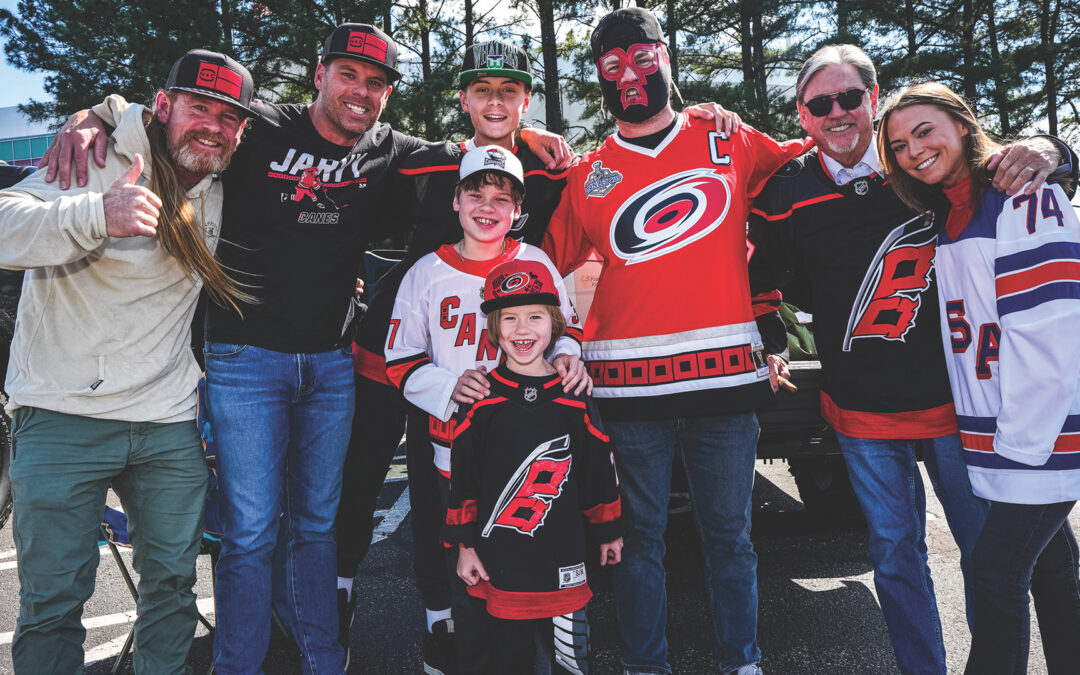
Polite on the streets (OK, screens), “jerks” in the stands—clearly Usher needs to do a fan version of “Yeah” at the Lenny. We may proudly rep “Bunch of Jerks,” but for a fan base known for getting a little rowdy, Caniacs are apparently minding their manners.
In fact, Canes fans are the “most polite” fandom in the NHL, according to a new Canada Sports Betting study analyzing more than 1.6 million comments across all 32 teams’ subreddits for tone and such party fouls as profanity from August 2025 through September 2026.
And apparently Caniacs kept it clean, with just 8.62% of comments containing swears—the lowest rate in the league, followed by Pittsburgh and Washington fans. And let’s be real: If there’s anywhere to be a monster, it’s from behind a screen. So that’s saying something.
Turns out, we’re downright pleasant to boot: Carolina also ranked No. 5 for positivity, with San Jose taking No. 1. Meanwhile, Edmonton apparently forgot its manners entirely, taking the crown for both most foul-mouthed and most negative.
To be fair, the data doesn’t track behavior at the Lenny (we see you, “No means no, go Canes go” chant). Or perhaps RM reader Trevor Woodham said it best: “Because the ‘North Carolina kindness’ code hasn’t been cracked: Bless your poor, sweetheart.” But hey, we’ll take this crown and add it to our Stanley Cup bling. Bless our hearts, indeed.
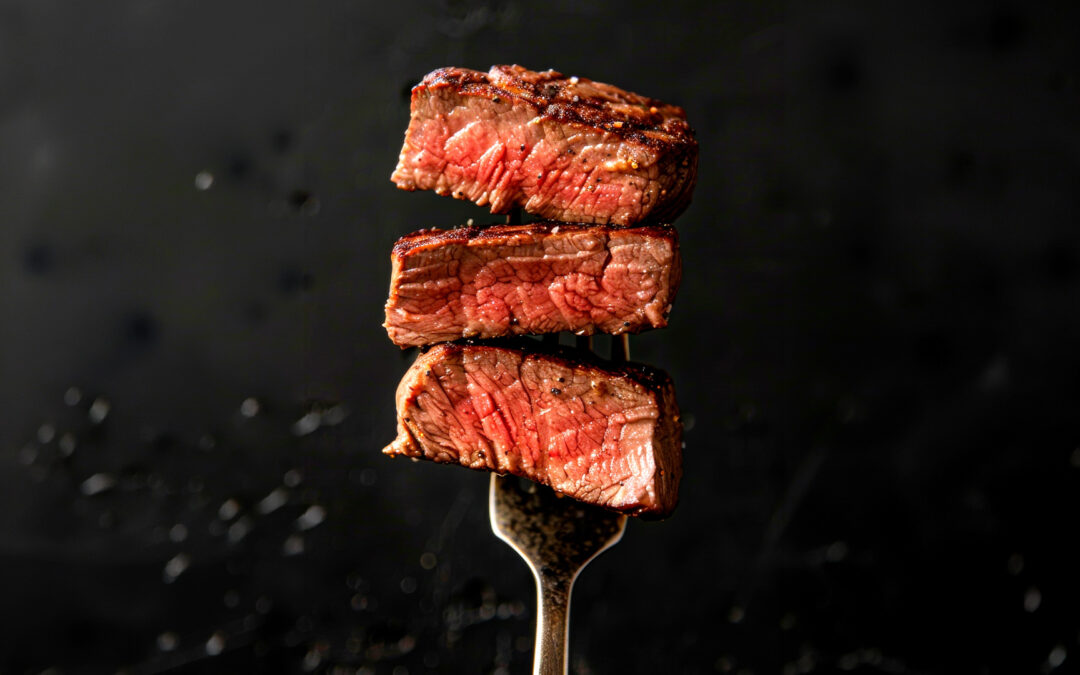
It’s never just about the steak. Period. Think about it: You can cook a killer steak at home and fuss over it more than the chef de cuisine cooking up 25 at a time. Granted, you may not be buying primo cuts for the outdoor grill. So, sure, the beef matters. But a great steakhouse is about so much more than the meat of the matter. It’s about the experience—the place people automatically think about when they want to celebrate, feel like royalty, or even a little bit like a gangster. It’s Americana with a side of nostalgia and pomp—the mood lighting, white-tablecloth service, serious wine and whiskey, sides built for sharing, and the unmistakable sense that whatever brought you through the door is worth celebrating. And in Raleigh, the vibe is precisely the point, as our steakhouses serve up their own wildly distinct takes—from literal icons and old-school institutions to opulent newcomers rewriting the rules. So what makes a chophouse one of the greats? We went beyond the beef to find out. Consider this your definitive guide to Raleigh’s local steakhouses—plus one regional spot worthy of a nod—and everything that makes each one worth its salt.
Photo by Sunny Circle Studio
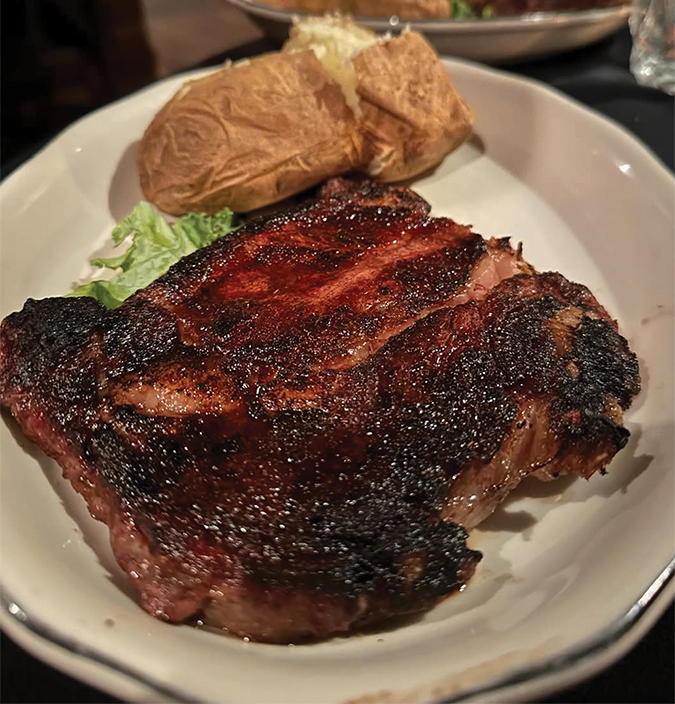
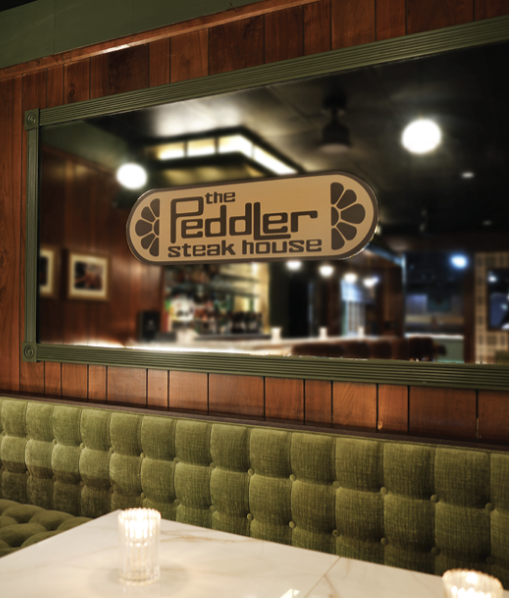
The Peddler Northwest Raleigh If you like: a healthy dose of nostalgia Here for a good time and a long time (nee 1969), The Peddler is like a time machine of Raleigh’s past. Though recently undergoing a remodel, the Barefoot family-owned and -run institution’s signature saloon-style wood walls remain, complemented by plaid wallpaper, green couches and curtains, and artwork tracing back through the family’s history. So, same steaks, same values… just a little more seasoning. And if those wooden walls could talk, they’d tell you all about how The Peddler’s steaks are aged for a minimum of 28 days for ultimate flavor and tenderness—and cut at your table upon request. Or how the rare salad bar remains one of the best in Oak City, and the full bar has its own dedicated following. Or how owner Gale Barefoot started as a dishwasher at 19 before working his way up to overseeing the entire restaurant operation just a few years later—while his wife, Joyce, answered phones, worked the floor and greeted customers until her death in 2013. With their daughters and other family members working alongside them over the years, longtime staff have become just as much a part of The Peddler as the prime rib, porterhouse, salmon and bone-in pork chop.
Franko’s Prime North Raleigh If you like: swagger without the stuffiness North Raleigh’s answer to the modern steakhouse is what happens when The Godfather trades the backroom for ambiance. Instead of disappearing into a dark room over a cigar and a secret agenda, relative newcomer Franko’s reads swagger over stuffy—swapping the requisite steakhouse shadows for greenery, cozy white chairs, landscape art and an airy room that could just as easily host discreet business dealings as date night. Opening early this year in Lafayette Village, Franko’s raises the stakes on a new gen of steakhouses with a mix of attitude and grace. And behind it is Nunzio Scordo, the restaurateur who made a name for himself as owner of Raleigh’s Driftwood Cantina, and later, alongside his partners, at Franko’s Italian Steakhouse in Franklinton—before bringing that experience full circle for his latest act. Because this isn’t your grandfather’s steakhouse. The beef still means business—filet, rib-eye and strip anchor a program built around Prime sourcing, dry-aging and precision—but so do the rule-breakers. The loaded chicken Parm, dry-aged burger and meatloaf have amassed their own fan club along the way, proof the new-school steakhouse doesn’t have to take itself quite so seriously. Just Prime cuts, prime craftsmanship, prime service—and a damn fine steak.
Calling Card: New-school Franko’s has some old-school steakhouse cred behind the bar, tapping celebrated local bartender Jules Trest to run the bar program.
Photo by Jessica Crawford
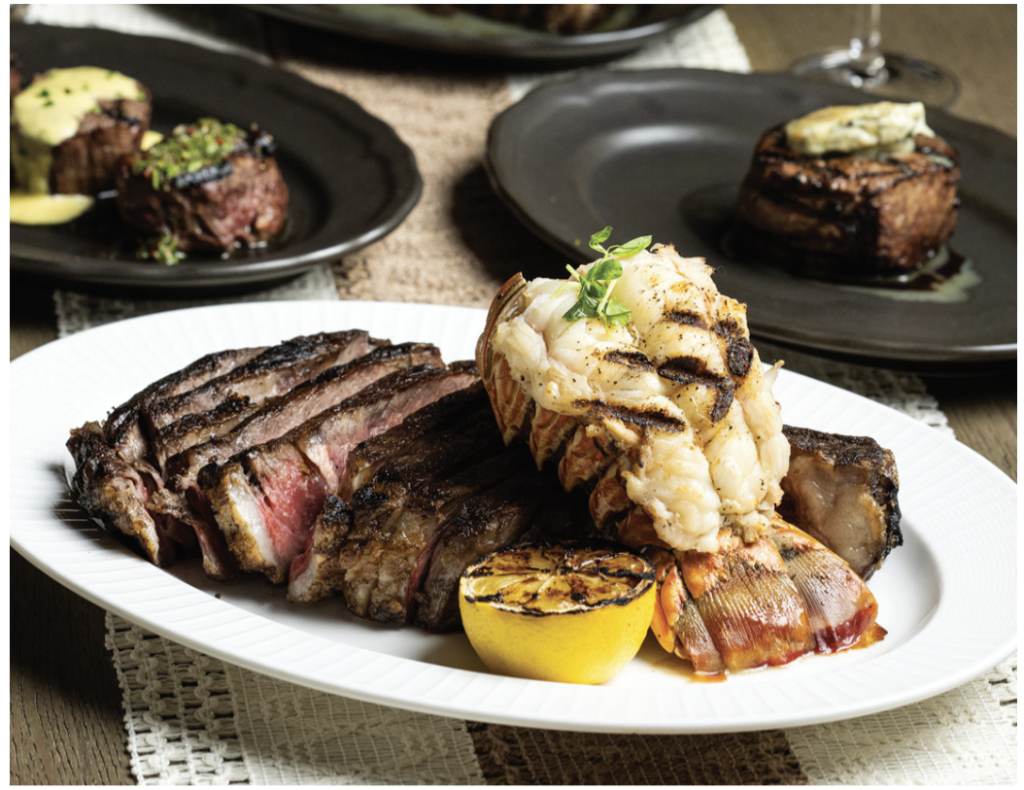
Crawford Brothers Steakhouse Fenton If you like: the lap of luxury The Crawford name doesn’t miss: Brand a resto—and watch the people pour in. But that hasn’t always been the case. Growing up, renowned chef and restaurateur Scott Crawford says the term “Crawford brothers” didn’t exactly carry cachet—“we were trouble,” he admits. Decades later, he reclaimed the name alongside brother Steve for what might be his most personal—and opulent—foray yet: a modern steakhouse rooted in both redemption and nostalgia for the places they dined as kids. And what a glow-up it is. Crawford Brothers turns dinner into theater, from the floor-to-ceiling “glass curtain” and curvilinear cocktail bar to the open kitchen, wine library and dry-aging room—a level of cinematic drama that leaves you half expecting Brad Pitt and George Clooney to stroll in and start planning their next heist. But behind the spectacle is substance: Prime aged steaks, wagyu by the ounce, towering seafood, a killer bev program and the impeccably polished service that has become a Crawford signature. It’s everything Americans love about the classic steakhouse, run through Crawford’s relentlessly modern lens—and proof the brothers have come a hell of a long way from “trouble.”
Calling Card: When Crawford Brothers opened, it became the first locally born traditional steakhouse to debut in 20 years.
Photos by Andrew Cebulka
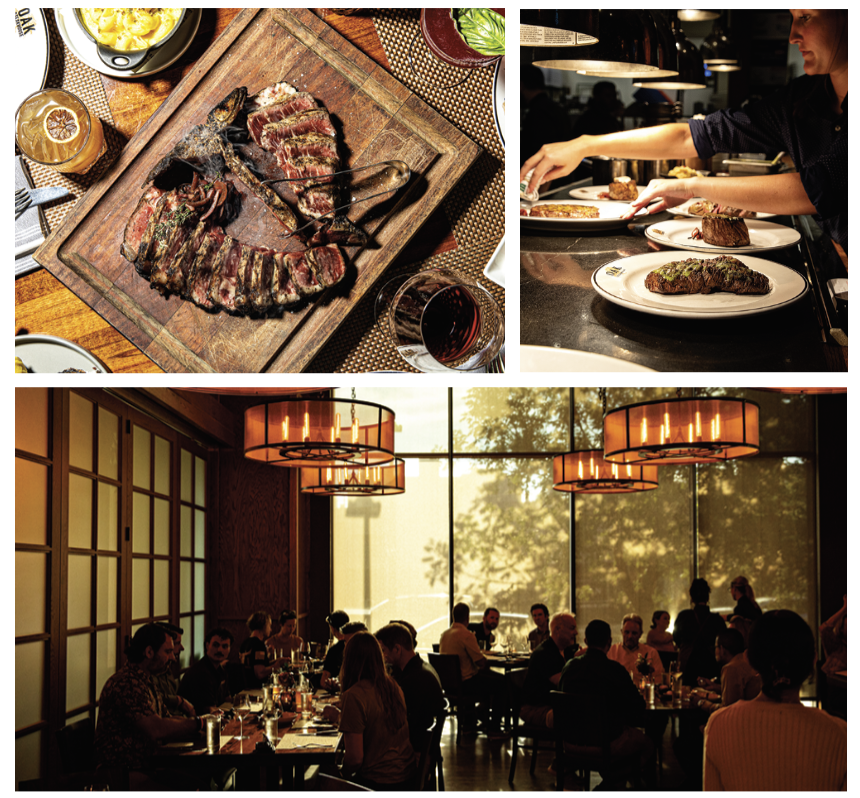
Oak Steakhouse Warehouse District If you like: a regional brand with a local feel We know—Oak is “regional.” But it’s not just any old steakhouse chain—its flagship Charleston outpost helped launch restaurateur and four-time James Beard Award semifinalist Steve Palmer’s Indigo Road hospitality empire. Landing in Raleigh in 2019, the Warehouse District digs have enough local flavor to make you forget the Southeast origin. The only true DTR steakhouse, Oak has the kind of cool factor you’d expect from its address at The Dillon—exposed brick walls, warm lighting, floor-to-ceiling windows—paired with service personal enough to feel Raleigh-rooted. And the menu follows suit: The kitchen, helmed by executive chef Charles Stricklin, sources from a roster of NC farms and purveyors, folding local ingredients into the classic steakhouse playbook alongside Certified Angus Beef. And that playbook doesn’t stop at the usual suspects. Filet mignon, rib-eye, New York strip and hanger steak share the menu with a rule-breaking Prime NY strip meatloaf, proving Oak knows the rules well enough to play with them. The supporting cast gets equal billing, from practically mandatory Parkerhouse rolls to bone marrow frites and Yukon Gold mashed potatoes, backed by an expansive wine list befitting a proper steakhouse. Then there’s the bourbon (it is “Oak” after all): Sip it straight, barrel-aged in an old-fashioned or make a flight of it—the bar has become nearly as much a draw as the beef. After all, Oak may have Charleston roots, but this branch has gone decidedly local.
Calling Card: Backed by Seth Jarvis, the Canes right winger named Oak the best steakhouse in town.
Angus Barn Northwest Raleigh If you like: history with a side of pomp & circumstance In the age of glitz and glam, Angus Barn remains gloriously, unmistakably itself: checkerboard tablecloths, creaky wood floors, antler chandeliers, firearms on display, even a Country Store and fresh red apples at the door—all in a literal iconic red barn. And really, nothing screams steakhouse lore more than opening reservations (and sometimes booking out) six months in advance. Close your eyes and point to any day on the calendar and this Raleigh institution is buzzing with regulars, the duo who drove hours to indulge in their first taste of fancy, couples celebrating engagements and colleagues carousing in the Wild Turkey Lounge. And while they come for the beef (Angus is in the name after all) and the Iron Chef legacy, it’s everything around it that makes the Barn “the Barn.” There’s the Meat Locker lounge, converted from the OG meat aging room to an old-style pub vibe, complete with lounge menu and firepit. And then there’s the award-winning wine cellar, cigar selects and, of course, those bougie bathrooms. It’s been this way since Thad Eure Jr. opened the barn doors 66 years ago to a wonderland of stained glass, cobblestone, antiques and artwork nodding to the city and the Eure family history—a legacy now carried on by daughter Van. Our forever order? The bacon-wrapped filet Oscar-style, followed by a spin of the dessert cart. Because some things were built to last.
Calling Card: Astronaut John Glenn is just one of the many famous faces who’ve taken their beef at the Barn.
Vinnie’sSteak House and Tavern North Raleigh If you like: feeling like you’re in a mafia movie “As far back as I can remember, I always wanted to be a gangster.” You can almost hear Ray Liotta’s voice as you cross the threshold—because if Al Pacino frequented a steakhouse, this would be it. Dark wood walls, white tablecloths, mood lighting and vintage leather chairs have been serving Goodfellas energy since 1987, when Vinnie’s first brought old-school steakhouse swagger to North Raleigh. And the name only adds to the lore—dubbed for WWE founder Vince McMahon, a former schoolmate of original owner Dusty Anderson, who reportedly helped bankroll the restaurant by lending Anderson the money to buy it. Decades later, the connection came full circle when WWE legend Jim Ross gave Vinnie’s a shoutout during a live broadcast of Raw. Ever since, Vinnie’s has managed the trick of keeping that old-school swagger intact without getting stuck in it. Certified Angus beef remains the main event, backed by seafood, seasonal NC produce, a serious wine cellar and the classic steakhouse supporting cast—with complimentary deviled eggs that immediately let you know this place has its own rules and desserts sweet enough to woo you. Because apparently even gangsters have a soft side.
Calling Card: Longtime locals still swap stories of spotting pro wrestling legend “The Nature Boy” Ric Flair holding court in Vinnie’s over the years.
Rey’s West Raleigh If you like: fine dining with a French Quarter flair It’s one thing to put your name on a restaurant—and another to be the face of it. At Rey’s, that’s precisely the point. Proudly carrying founder A. Rey Arias’ name—one-half of the husband-wife team he shares with wife Cecilia—the steakhouse is a masterwork of a lifetime spent in the biz. Cuban-born, Rey cut his teeth in New Orleans at the ripe age of 15 before a stint at Ruth’s Chris brought him to Raleigh—and when it left, he stayed. Walk in and there’s a good chance you’ll find Rey doing exactly what Rey does: working the room and schmoozing the tables. More surprising is when he isn’t. That personal touch has been the standard since opening in 2004, built on the duo’s deceptively simple philosophy: Don’t compromise on quality—and give people a reason to come back. More than two decades later, the formula is thriving. The steakhouse blends classic fine-dining bones with French Quarter flair, with Rey dreaming up the menu and chef de cuisine Lupe Becerra working her magic in the kitchen—a partnership with its own origin story: Becerra started at Rey’s at just 17 and worked her way up to part owner. That shared history translates directly onto the plate, where Prime steaks and chops meet NOLA signatures like shrimp Orleans, crabmeat-stuffed flounder and grouper Lafayette, all in a dining room that feels polished without losing the warmth of the guy whose name is out front. Because at Rey’s, the owner isn’t just a name on the sign—he’s part of the experience. And clearly, it’s a family affair.
Calling Card: Save room for the show: Rey himself is known to roll up tableside and flambé his signature bananas Foster.