A spring situationship in fruit form, Raleigh’s most fleeting fruit hits fast and peaks hard.
“Tastes like strawberries on a summer evening”—because it is.
Strawberry season in Raleigh is the closest we get to a collective childhood memory: warm sun, red juice, green caps—what spring in Raleigh tastes like. But the pucker-sweet produce isn’t just a fruit—it’s a full-on mood shift. Read: The exact moment winter taps out.
Call it a spring fling, the blink-and-you-miss-it window—a mere five to eight weeks—peaks in May. The produce equivalent of a fleeting situationship, they’re planted in the fall, ghost all winter, then come in hot and leave early.
But here’s the real flex: In NC, strawberries aren’t born to travel, they’re ripe for the picking—and eating. Like, immediately. Meaning the ones you’re crushing were likely picked that morning (yesterday, max). Softer, sweeter and a little fragile, these aren’t built for trucks. They’re built for right now. A crop with deep roots—and a very short spotlight.
Around here, they’re less grocery item, more U-pick ritual—equal parts spring soft-launch date day and toddler chaos outing, complete with buckets, sunburns and juice-stained fingers. With ~400 strawberry farms across the state—most of them small, family-run—it’s not just a fruit. It’s an experience.
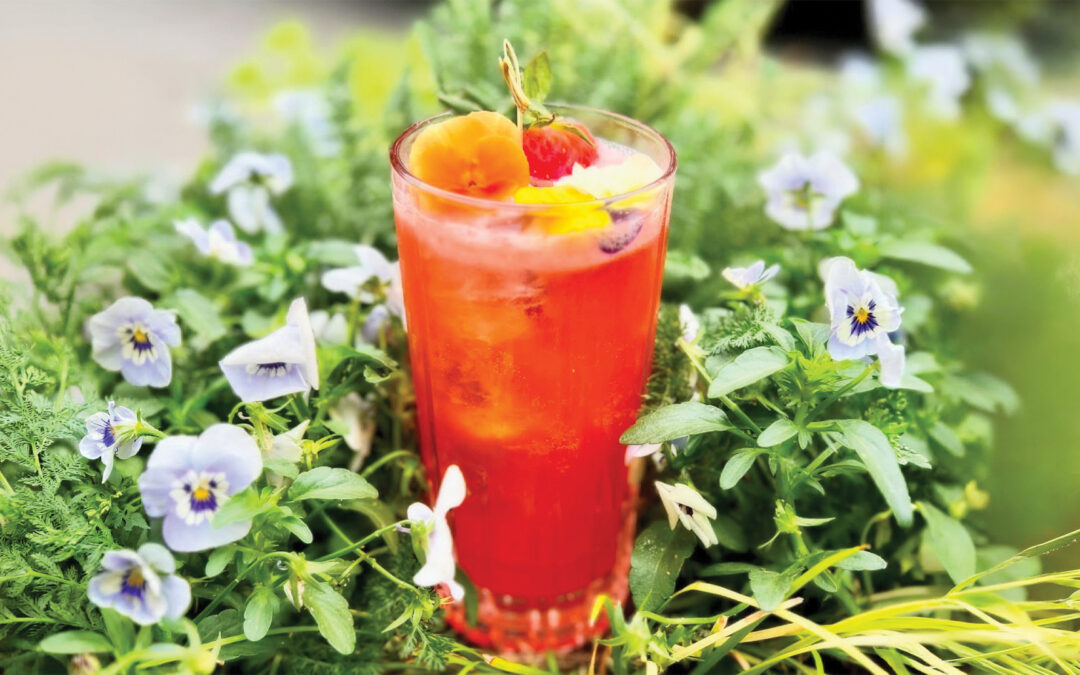
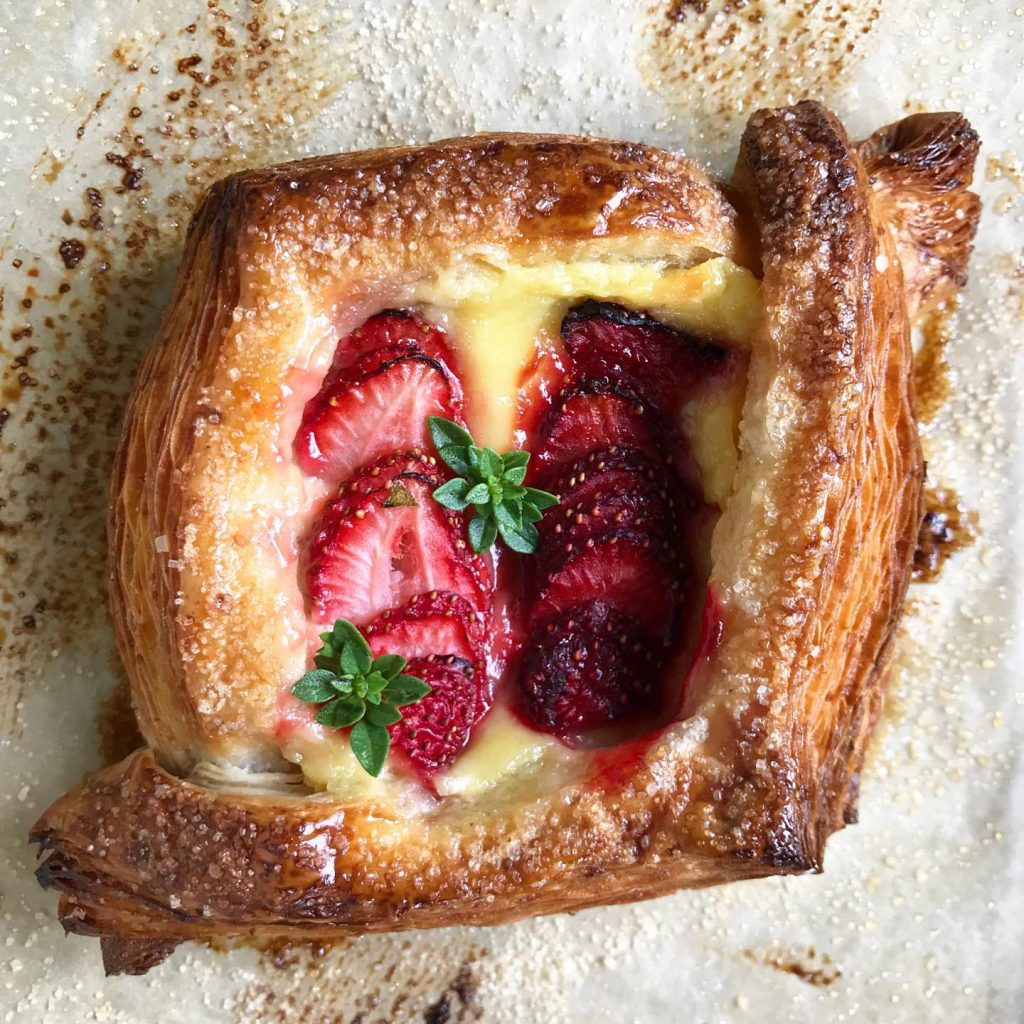
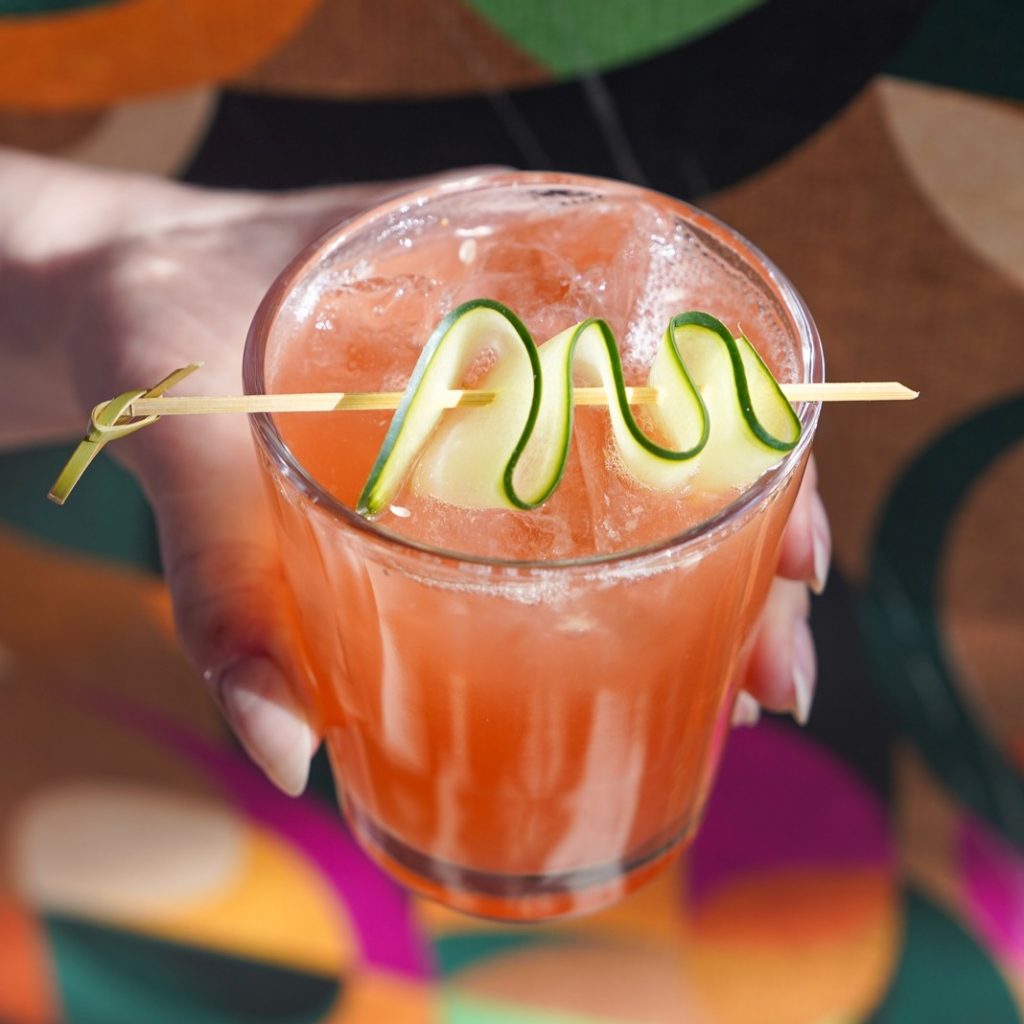
And restaurants know to clock the moment, treating the spring star like a limited-time drop. Menus flip fast—shortcakes, salads, cocktails, soft serve—because they have to. So if strawberries are on the menu, don’t overthink it. Order them. Because whether it’s a dish, a drink or your latest farmers market haul, one thing is certain—Raleigh’s strawberry season doesn’t wait.
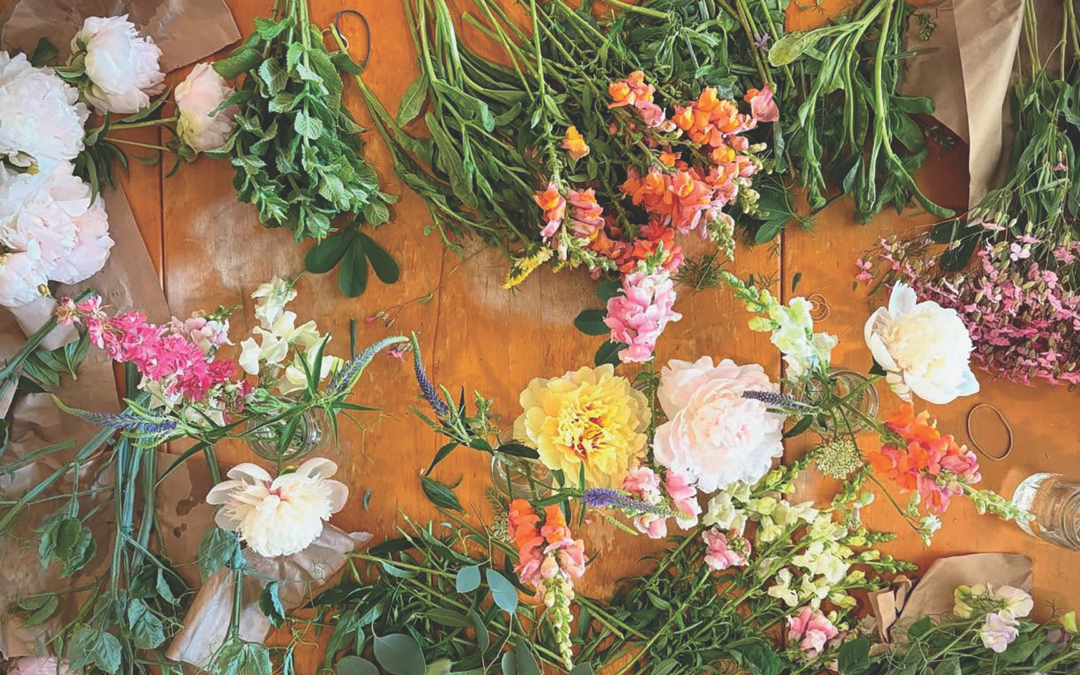
Besides Justin Timberlake’s “it’s gonna be ‘May,’” nothing quite sings spring like flowers. Yes, florals for spring—groundbreaking. We know. But stay with us. Wildflower farms are cropping up as the moment around Raleigh, with small mom-and-pop spots offering you-pick bouquets and low-key, feel-good field trips. At Piece of Wild specialty-cut flower farm, the on-site flower wagon is stocked with fresh, mixed bouquets grown right on the farm and cut just a day or two before. For a fuller field moment, Cary’s Phillips Farm pairs seasonal you-pick flowers with events, markets and an easy afternoon out. Because sometimes the best way to do spring? Go touch grass—and bring home the flowers.
1,305 acres—that’s how much of the City of Oaks’ namesake canopy we lost in just a decade. Now, a local coalition is trying to throw some serious shade—in the best way.
Enter Leaf Out, a City Council initiative launched in 2024 to protect Raleigh’s trees—and plant more. The headline goal: 24K new trees across state, county and city land—plus along streets and sidewalks—over the next six years, timed to the city’s 240th anniversary in 2032.
Backed by Raleigh Parks, advocacy group Oak Folk and a trio of nonprofits—Audubon North Carolina, Trees for the Triangle and We Plant It Forward—the effort carries a projected $3.8M price tag ($280K needed in year one), funded through a mix of public and private dollars.
Because those oaks don’t just define Raleigh, they make it cooler—literally. Donate to plant hope for the future at treesforraleigh.com
Behind the scenes, private dollars are shaping how prepared Raleigh really is.
Stella Patterson may have stepped down as Raleigh’s police chief—but her legacy is still at work.
Because here’s the reality: When you call 911, you expect someone to show up ready—trained, equipped and operating with the best tools available. And while city budgets cover the essentials, they don’t stretch far enough to fund what’s next.
That gap is where the Raleigh Police Department Foundation comes in. Inspired by Charlotte’s, Patterson introduced the foundation with a simple premise: to “make Raleigh the safest city in the nation” by bringing in private-sector dollars to help fill what public funding can’t.
Fueled by corporate donors such as First Citizens Bank and TowneBank, along with board support from local business leaders like Mike Smith of Kane Realty Corporation and Larry Barbour of North State Bank, it directs private dollars toward equipment, technology and support the city budget doesn’t cover. And it’s not just big-name backers—everyday Raleighites can step in too, putting real dollars behind it.
“It gives people a way to put their money where their mouth is on public safety,” said Patterson. “They’re funding projects we wouldn’t have been able to do within our budget.”
And that investment isn’t abstract—it’s tangible, immediate and, in some cases, life-saving. In one recent road rage incident, two officers were shot—one in the head and alive today thanks to a specialized ballistic helmet funded by the foundation, not the city budget. It’s the difference between response and outcome.
That’s the through-line—not upgrades, but tools that change outcomes. Think high-tech gear like drones, night-vision optics, advanced camera systems, plus less visible pieces like K-9 support, mounted patrol horses, specialized bikes and officer wellness initiatives—including the department’s emotional support dog, Teddy.
It’s not just a list of equipment—it’s about readiness, about whether the person responding to a call has what they need in that moment. That impact also reaches beyond officers. In the wake of tragedy, the foundation has stepped in to support both responders and residents—from meal donations in Hedingham to youth programs and crisis-response support—quietly reinforcing where public safety and community trust actually meet.
And the need is only growing. At the foundation’s first major public-facing event this spring at North Ridge Country Club, Chief Rico Boyce emphasized the same point: Expectations for public safety continue to rise, even as budgets remain finite.
Which leaves Raleigh, like many cities, at a crossroads. Because while tax dollars fund the baseline, the question is what it takes to go beyond it—not just to respond, but to be truly prepared. Increasingly, that answer is coming from outside City Hall—or, as Patterson put it, from a community “putting its money where its mouth is” when it comes to safety.
Not all dogs are chosen for how they look—or even how they fit into a lifestyle. Some are chosen because they’re needed. Bringing a service dog into daily life comes with its own learning curve: no petting, no distractions—no exceptions. When they’re working, their focus can’t break, but what they give in return is confidence, safety and independence. From service animals navigating daily life to K-9 units and stadium stars, these pups aren’t just companions, they’re critical to the job, the moment and, sometimes, the outcome—the ones you might not even notice until you need them.
Seize the Day
This dog doesn’t just respond to emergencies—it changes everything around them.
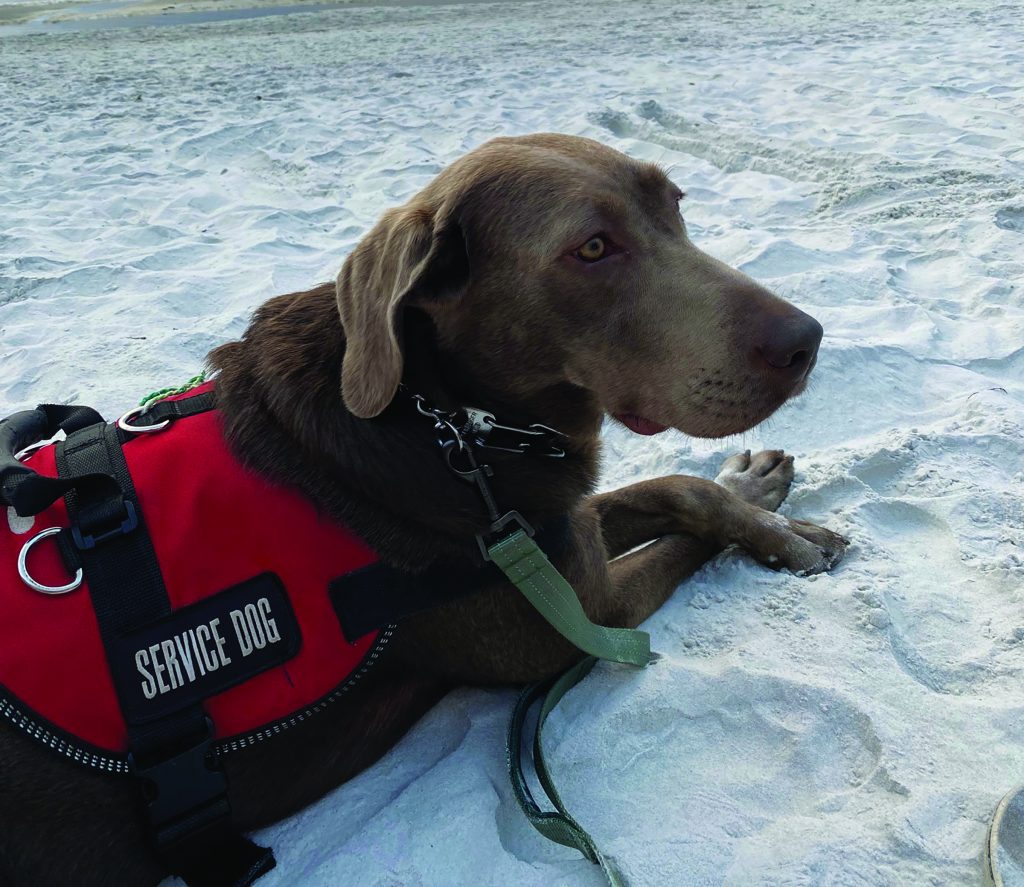
Sierra Gruber never had a warning before a seizure—until Ally. A trained seizure detection dog, Ally can pick up on subtle physiological shifts or, when needed, spring into action—staying close, finding help fast, even jumping onto the bed post-seizure to comfort her. It’s not just response—it’s reassurance. And for Sierra, that changed everything. Before Ally, the epilepsy diagnosis felt isolating. “I didn’t really want to face it,” she says. And bringing a service dog to school wasn’t easy at first, but over time, that visibility shifted into confidence. She wasn’t just standing out—she was standing for something. “She’s the best thing that came out of my epilepsy.” Now, Sierra advocates, speaks at epilepsy walks and volunteers with her family’s nonprofit Triangle NC Epilepsy—standing fully in her diagnosis. Retired last year, Ally didn’t just help Sierra manage seizures, she helped her take control. And today, she’s still right there—not predicting every moment, but always there for it.
Meet Ally Gruber Age: 8 Years on the job: 6.5 Breed: Silver Lab Specialty: Seizure detection & response Off-duty: Fetch, pool jumps, fruit, playing with our other pups Signature quirk: “She’s crazy” (laughs)… she loves bananas and once kindly and hilariously “ate” a teacher’s hand trying to get one.
“She helped teach me that my epilepsy doesn’t control me—I control it.”
On the Force
In Raleigh, some officers work on four legs—providing a layer of protection no other tactic or technology can replace.
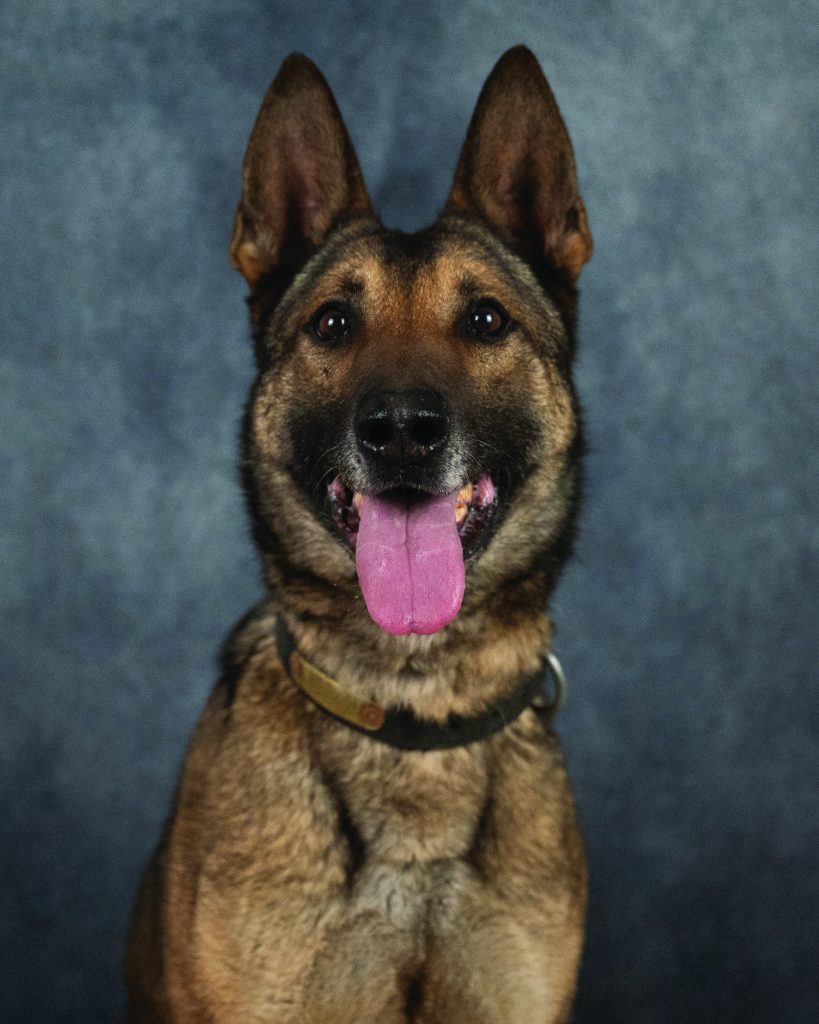
For Senior Officer Kyle Potter, every call carries uncertainty—high-risk situations where time, instinct and precision matter. And beside him: a K-9 partner trained to read what humans can’t. Before hitting the field, Tango completed more than 560 hours of handler training, certifying in everything from obedience and tracking to apprehension, search work, agility and narcotics detection. But that’s just the baseline—“only the very beginning of the training needed for a successful career as a K-9 team,” says Potter. In the field, it’s not about checking boxes—it’s about trust. K-9s live with their handlers and are deployed to clear what officers can’t—stepping into the risk so they don’t have to. “We’re often tasked with searching for violent criminals in areas that are very dangerous and hard to visually clear even with the use of newer technology,” says Potter. Tango has located suspects hiding in areas already swept by officers—finding what others couldn’t when it matters most. It’s not just skill—it’s instinct, discipline and a partnership built to hold under pressure. Because when seconds count, Tango isn’t backup—he’s the edge.
Meet K-9 Tango Age: 8 Years on the job: 6 Breed: German shepherd Specialty: Dual-purpose patrol + narcotics detection Signature quirk: Carries a baseball around like a pacifier—often falling asleep with it still in his mouth.
“Dogs are one of the easiest ways to learn what a picture of true loyalty looks like.” —Sgt. Potter
Scent of Safety
Trained to detect the unthinkable, this dog works where the stakes are highest.
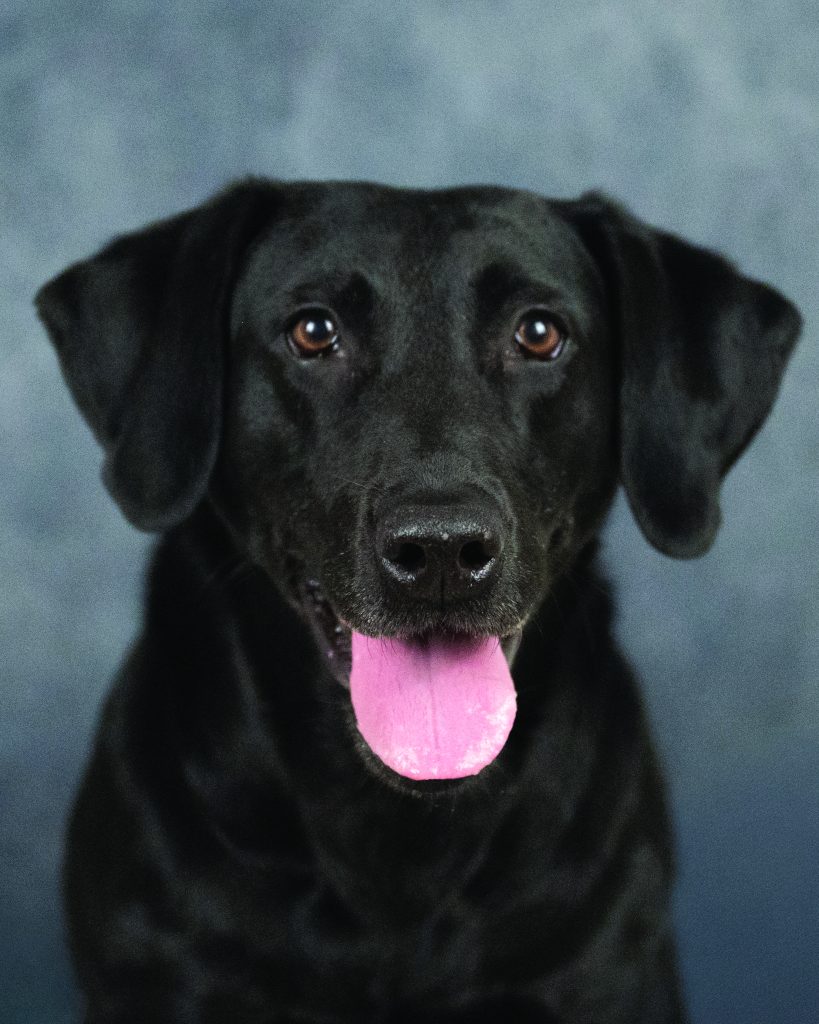
Sgt. Michelle Lyman measures her job by what doesn’t happen. And beside her: Peppers, a K-9 trained to detect explosives before anyone else knows there’s a threat—keeping Raleighites safe across myriad spaces. Peppers works them all, moving through crowds, venues and vehicles, identifying materials through scent alone. It’s a job built on precision—where one missed detail can carry real consequences, and distraction isn’t an option. Her initial training lasted about eight weeks, but it didn’t stop there— ongoing work ensures peak performance. “It can be intense, but the dog sees it as a fun game of hide and seek,” says Lyman. The outcome, though, is anything but a game. It’s quiet work, often invisible to people—but that’s the point. Off the clock, it’s a completely different energy. “Anytime she’s with you, it’s always a good day. She is the happiest and most affectionate dog I’ve ever had,” says Lyman—equal parts working dog and daily reminder of how to live life to the fullest. “I feel fortunate to have the opportunity to be her leash holder and handler,” she adds. “She has taught me just as much as I’ve taught her.”
Meet K-9 Peppers Age: 7 Years on the job: 6 Breed: Black Lab Specialty: Single-purpose explosive detection Off-duty: Swimming, fetch—and kissing anyone and everyone she meets Signature quirk: Equal parts laser-focused and wildly affectionate.
“She doesn’t allow me to have a bad day when she’s by my side.” —Sgt. Lyman
So Fetch
From Carter-Finley to Durham Bulls Athletic Park, Champ isn’t just part of the show—he’s the moment.
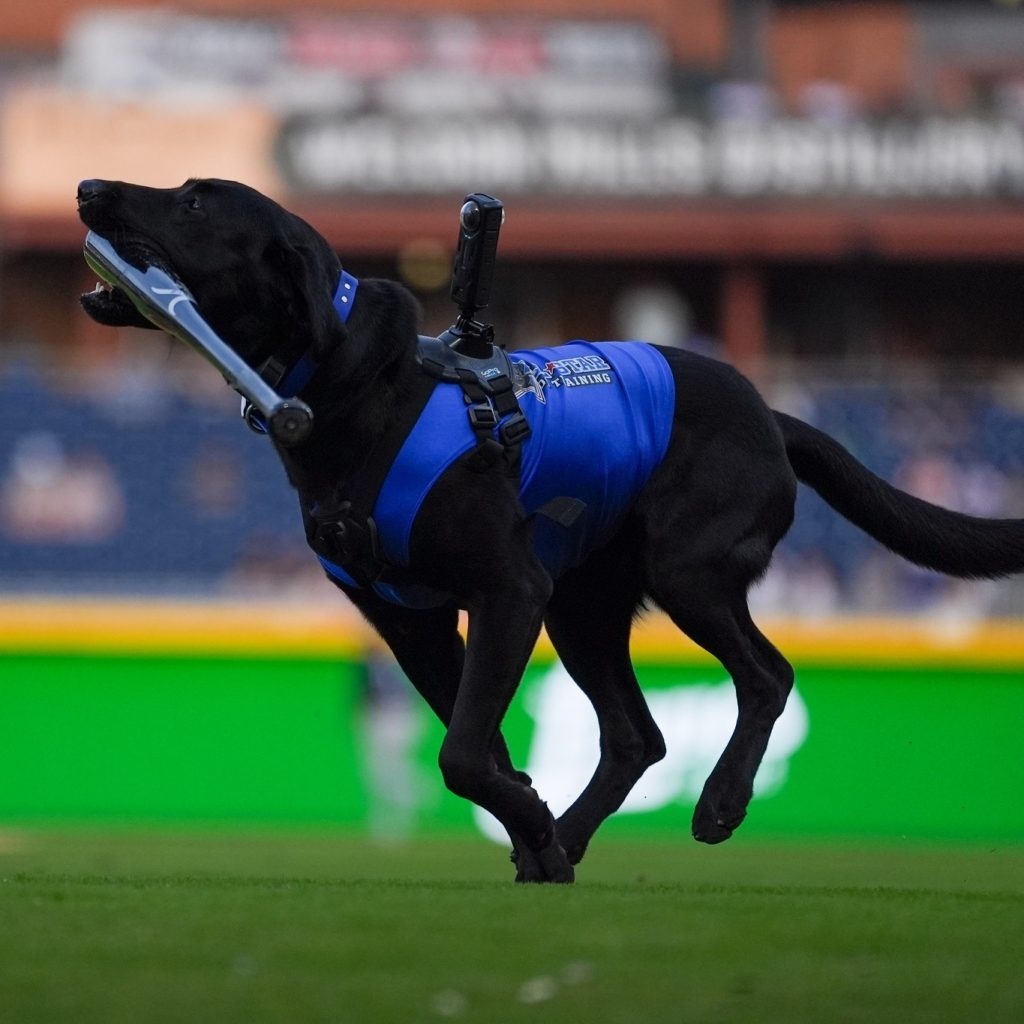
If you’ve been to Carter-Finley on game day, you know Champ scores touchdown-level cheers. The official kicking tee retriever for NC State Football and bat dog for the Durham Bulls (plus other cameos for good measure), he’s built a fan base that rivals the teams he supports. With big paws to fill—he’s the little brother and on-field successor to Ripken (RIP)—Champ stepped up to the plate with the kind of confidence that can be trusted. And while the job might look like all fun and games—it’s anything but behind the scenes. Dogs like Champ undergo extensive training to handle noise, crowds and unpredictable environments—learning to stay focused under pressure, retrieve with precision and perform on cue in front of tens of thousands. Off field? Still a star. From Super Bowl spots for All-Star Dog Training to a steady stream of social media moments (including ESPN’s TikTok) and viral merch, Champ has turned “working dog” into a full-blown personality—energy, obedience, poise and a touch of silliness—because not all working dogs are tasked with saving lives. Some are there to steal the show.
Meet Champ Age: 3 Years on the job: ~2 Breed: American black Lab Specialty: Making fetch happen in front of thousands Off-duty: Loves to be pet, loved on—and play fetch with his human siblings. Champion blood: Son of Cowboy Kohl, former tee retriever dog for Boise State football