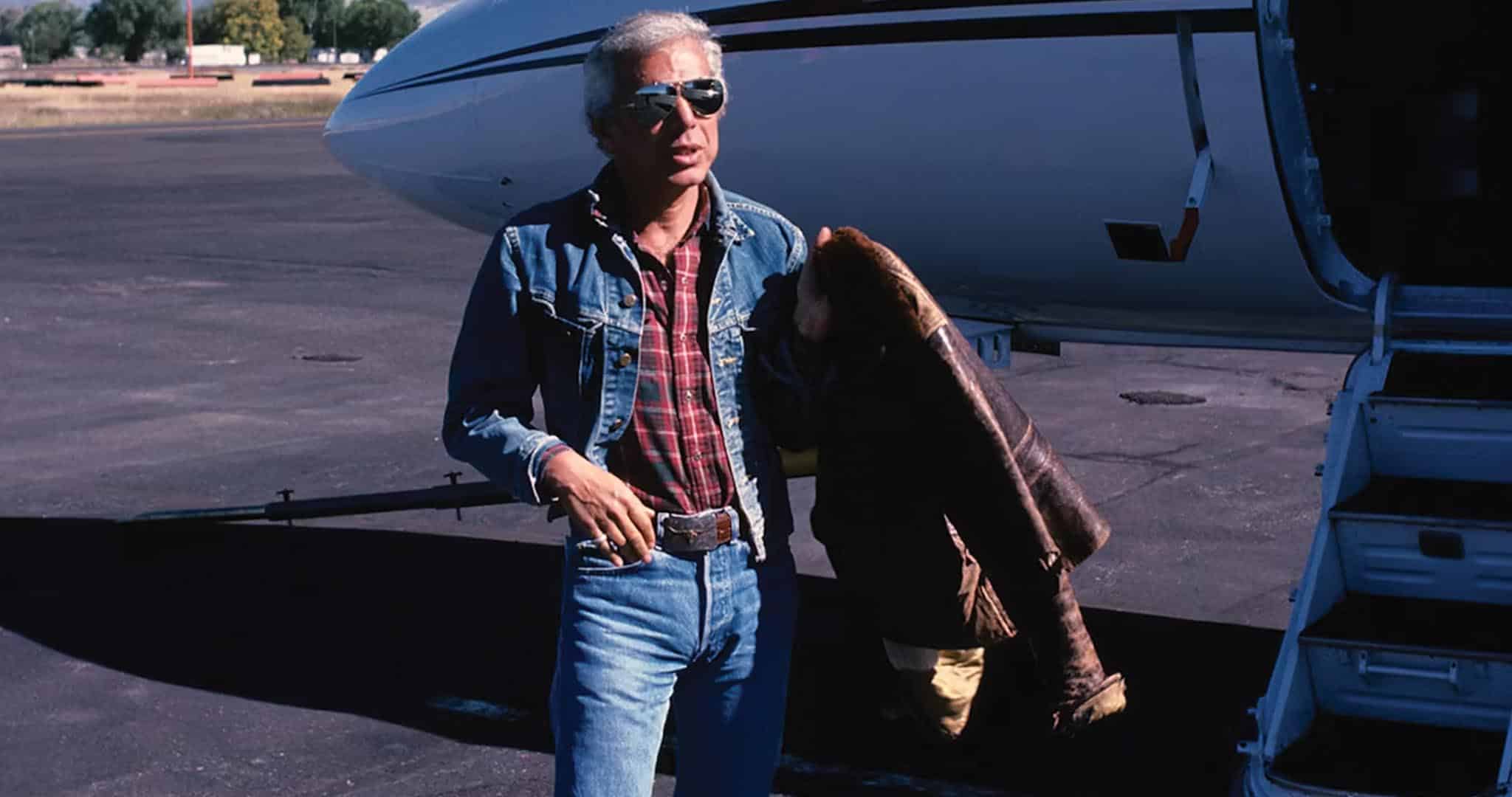
Little-known denim detail: The Canadian tuxedo was actually made famous by American Bing Crosby, whose denim-on-denim ensemble got him turned away from a Vancouver hotel circa the 1950s. Fast-forward to today, and the once-controversial cowboyesque look has ridden its way back into the sartorial spotlight.
The Canadian tux often gets a bad rap thanks to how crudely some celebs have tried to pull it off—looking at you, Britney Spears. While your mind may jump straight to gaudy ’90s red carpets, try thinking a little closer to home. We are, after all, in the South, where work clothes are actually put to work on farms and in factories. The double-denim look draws less from NYC street style and more from rural NC towns you might’ve cut through on your last road trip out of the city.
Above all: The circular trend is a timeless and accessible outfit formula—and odds are you already own all the key pieces. Start with straight-leg, bootcut or baggy jeans (or denim skirt), and add a denim polo or jean jacket. The washes don’t have to match by any means, but they shouldn’t clash on total opposite ends of the spectrum.
If you feel too matchy-matchy, layer a solid colored tee underneath or top it with a contrasting piece—like a blazer or suede jacket. Cowboy boots can be cool a la Ralph Lauren, but aren’t required. Loafers or slim lifestyle sneakers (think Onitsuka Tigers) are equally chic. Pro tip: If you’re wearing a baggier pant or a long skirt, go for a shoe with a defined silhouette—anything too round risks veering into cartoon-mouse territory.
When it comes to accessorizing, it’s a balancing act between chic and kitschy. Stick to one or two statement pieces—a belt with a bold buckle or a baseball cap—to avoid channeling Britney circa 2001. Above all, pair the almighty tux with confidence. The solution to the age-old “I have nothing to wear” wail has never been so clear.
The whispers of a recession are echoing everywhere. Financial news outlets caution the economy is “on the brink”—and the warning signs may go beyond red numbers and Wall Street panic. Some argue the recession indicators are strutting down runways and roaming city streets during fashion week. The resurgence of late 2000s and early 2010s style may not just be a blip in the fashion cycle—but a telltale sign of an economic slump.
Predicting the economy is a big ask for a Balenciaga Le City Bag or peplum top, but trends and themes that gained traction during the 2008 recession are creeping back into the mainstream.
Take the rise of business casual during the Great Recession (ask any millennial), both at the office and at the club—think blazers, pencil skirts, etc. It wasn’t an accident or random style choice either—when wallets are tight, investing in a versatile wardrobe is far more practical than separate looks for work and play.
Sound familiar? Enter the “office siren” or Officecore. Beyond practicality, there’s psychology: Looking like the ideal employee—even to the point of romanticizing the workplace—makes sense during economic turbulence or a tough job market, especially for 9-to-5ers and LinkedIn warriors. Stella McCartney even described her autumn/winter 2025 collection as curated for “laptop to lap dance”—proving the work-hard, play-hard mindset is definitely back on the catwalk.
Another hallmark of the Great Recession’s stylebook: quiet luxury. Born from tighter budgets and mass appeal, flaunting logos was a big no-no—instead, it was all about leaning toward polished and understated ’fits that left people wondering, “Is that Quince or The Row?” Now, that minimal aesthetic is seeing a mod revival from streets to social feeds, thanks in no small part to influencers like Sofia Richie Grainge.
Other so-called “indicators” like the hemline index—the theory that skirt lengths rise when the economy prospers and drop during dips—are less clear-cut. (Case in point: last summer’s white maxiskirt craze, though miniskirts and microshorts are still holding their ground.)
Perhaps these shifts in style don’t map directly onto the Dow Jones, but they reveal insight into what we choose to invest in during uncertain times. And let’s be honest: Shopping trending purses is far more fun than tracking financial forecasts.
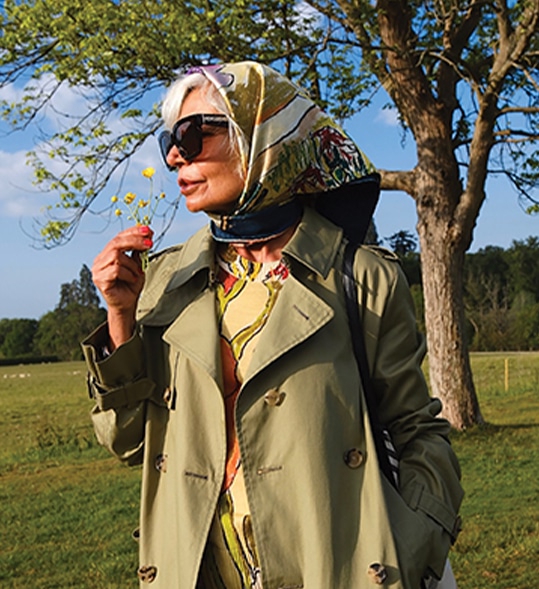
Reacquaint yourself with the square scarf, the accessory seen everywhere—rivaling “it” shoes and bags at fashion weeks and becoming the new shorthand for style fluency, even. It’s a tale (er, style) as old as time: Bandanas and scarfs were sported by Old Hollywood icons like Marilyn Monroe and Audrey Hepburn circa the ’50s and ’60s, and their versatility lives on today—with styling ranging from “la dolce vita” to “yeehaw.” Here’s how to wear the cult buy and where to find it locally.