
by Heidi Reid | Aug 31, 2026 | September 2026, Stuff
Essential or unsafe?
When a patient on The Pitt was admitted with highlighter-yellow skin after basically overdosing on turmeric supplements, it wasn’t entirely TV drama. It was a warning.
In the wake of internet-fueled health obsessions, supplements are having a moment: David Beckham co-founded a brand selling a 90-ingredient powder to help users achieve “optimal health and longevity,” while Kourtney Kardashian is marketing gummies promoting better sleep, vaginal health and more. Supplement brands promise everything from glowing skin to enhanced sexual performance. But the catch? They aren’t held to the same FDA standards as Rx drugs, so those claims don’t always hold up.
Still, at least 60% of U.S. adults are buying in. Fueled by celebrity endorsements, rampant misinformation and easy access to what feels like the entire periodic table, the self-selected supplement cocktail you’re popping every day may be doing more harm than good—or simply draining your bank account.
Even gym bros got a reality check after a popular protein powder was discovered to be little more than cake mix, and high doses of other supplements could land you in your own episode of The Pitt.
Taken in high doses, vitamins and minerals like K, E and D, along with zinc and iron, can be toxic and damage organs, while herbal products like ashwagandha and green tea extract can be particularly harmful to the liver. Research also found that herbal and dietary supplements account for 1 in 5 cases of drug-induced liver damage.
In short: Unless you have an underlying deficiency or health condition, you don’t need to be swallowing that colorful array of supplements every morning—regardless of what an immaculately toned influencer tells you. Instead, doctors suggest sticking to a balanced diet, taking a multivitamin or fish oil as needed, and upping vitamin D intake during the winter. For everything else: Run it by your doctor before adding it to cart. Better safe than cake batter.
by Sunny Hubler | Aug 28, 2026 | Buzz, July/August 2026
What’s actually happening with America’s food
It started with bagged salads. Then jalapenos, then eggs—and then blueberries, beef and popsicles were recalled.
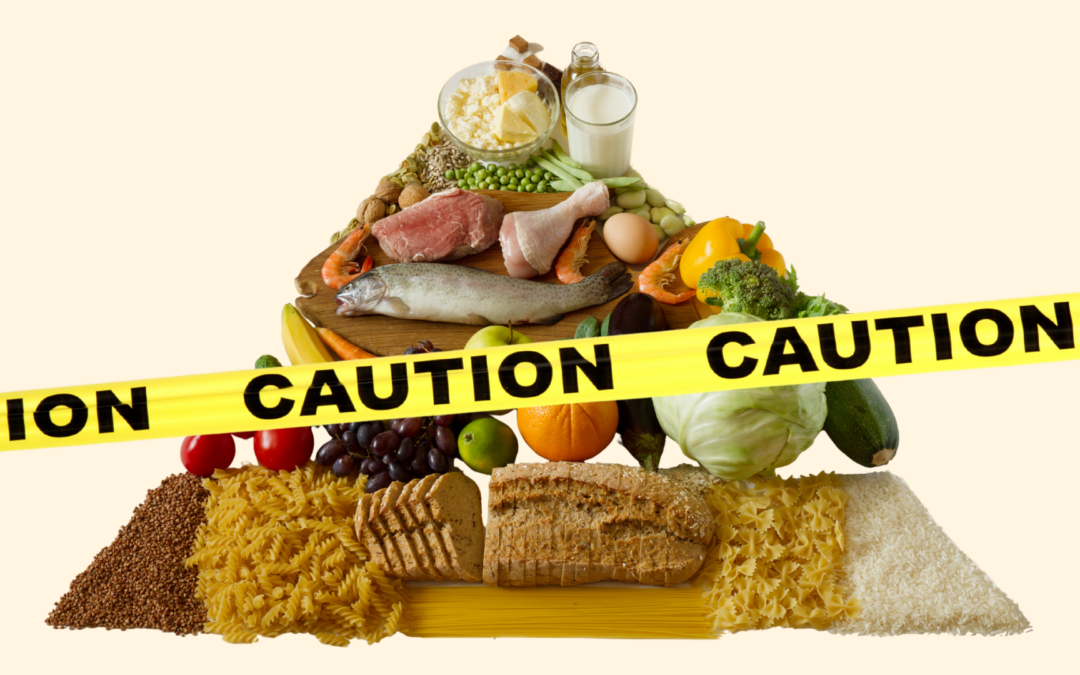
Enter recall summer. “At this point, just give us a list of what we can eat,” one consumer complained. Foods spanning every group of the pyramid keep getting pulled from shelves, with each alert seemingly bringing more gut-wrenching symptoms and annihilating more grocers.
Is something fundamentally wrong with America’s food supply right now? Not necessarily, but there is a very real increase in some foodborne illnesses, particularly Cyclospora. Well-documented changes to the nation’s food-safety surveillance system have further complicated the picture.
“This summer’s series of recalls and outbreaks are familiar territory where we find fresh produce and other ready to eat products making headlines,” says Lynette Johnston, an associate professor and food safety extension specialist at NC State.
Salmonella and pathogenic E. coli are common culprits of foodborne illness, she notes. “The one real departure from what we typically see is Cyclospora, which isn’t a new or unusual pathogen, but there is a significant increase in the number of cases.”
The timing has also put federal food-safety policy under a microscope. In July 2025, the CDC reduced the number of pathogens its Foodborne Diseases Active Surveillance Network is required to actively monitor from eight to two: Salmonella and Shiga toxin-producing E. coli.
Cyclospora is among those no longer required to be monitored under the program. The change was attributed to funding constraints, although states can continue tracking those illnesses independently.
The FDA has also undergone budget and staffing reductions, while shifting some routine domestic inspection work toward state partners and directing federal resources toward higher-risk, complex and international inspections. But that doesn’t mean those changes caused this summer’s outbreaks.
“It is important to note that any cuts that have been made to the FDA/CDC have not been a direct cause of the increased number of recalls,” Johnston says.
Instead, several things may be happening simultaneously. “There are likely a combination of factors here: A genuinely large Cyclospora outbreak, the typical seasonal uptick in fresh produce-related illnesses that occur each summer, a leaner response system, and heightened media attention.”
Johnston’s takeaway: Approach the headlines with some nuance and perspective. “The increase in outbreaks seems to be real and not a product of media coverage; however, the significant media coverage is likely making it feel even larger than the actual rise in cases.”
The interconnected nature of today’s food supply can make contamination feel enormous too. A single supplier can distribute products across multiple states, retailers and restaurant chains, meaning one contamination event can quickly become a nationwide concern—and one company can forever be infamous for its “poop lettuce.”

by Raleigh Magazine | Aug 29, 2023 | Buzz, September 2023
What’s Hot & What’s Not
- That’s
show biz, baby! For the second year running, NC nabbed recognition from CNBC as America’s Top State for Business.
- Time to root through your junk drawer! A first-gen iPhone sold at auction for ~$190,000. (But did they keep the original box though…?)
- Heads up, college applicants. Through Common App, schools will have the option to hide students’ race and ethnicity information on applications.
- The FDA made two big Rx moves, approving an over-the-counter birth control pill and a novel Alzheimer’s drug.
- Kratom kills? But who’s to blame? The American Kratom Association implores the FDA to regulate the supplement in response to wrongful death lawsuits.
- Hot news (literally): The Sriracha shortage is real, mainly due to supply chain issues and drought conditions in Mexico. Desperate for a bottle? It’s gonna cost you—think ~$70 on eBay (!).
- Scammer alert: In 2022 alone, a record $10.3 billion was stolen in the U.S., up from $6.9 billion in 2021, with NC losing a hot $175 mill.
- 2022 was a deadly year for pedestrians. Drivers killed ~7,000 people countrywide—the highest number of pedestrian-related deaths since 1981—with ~30 of those occurring in Raleigh.



