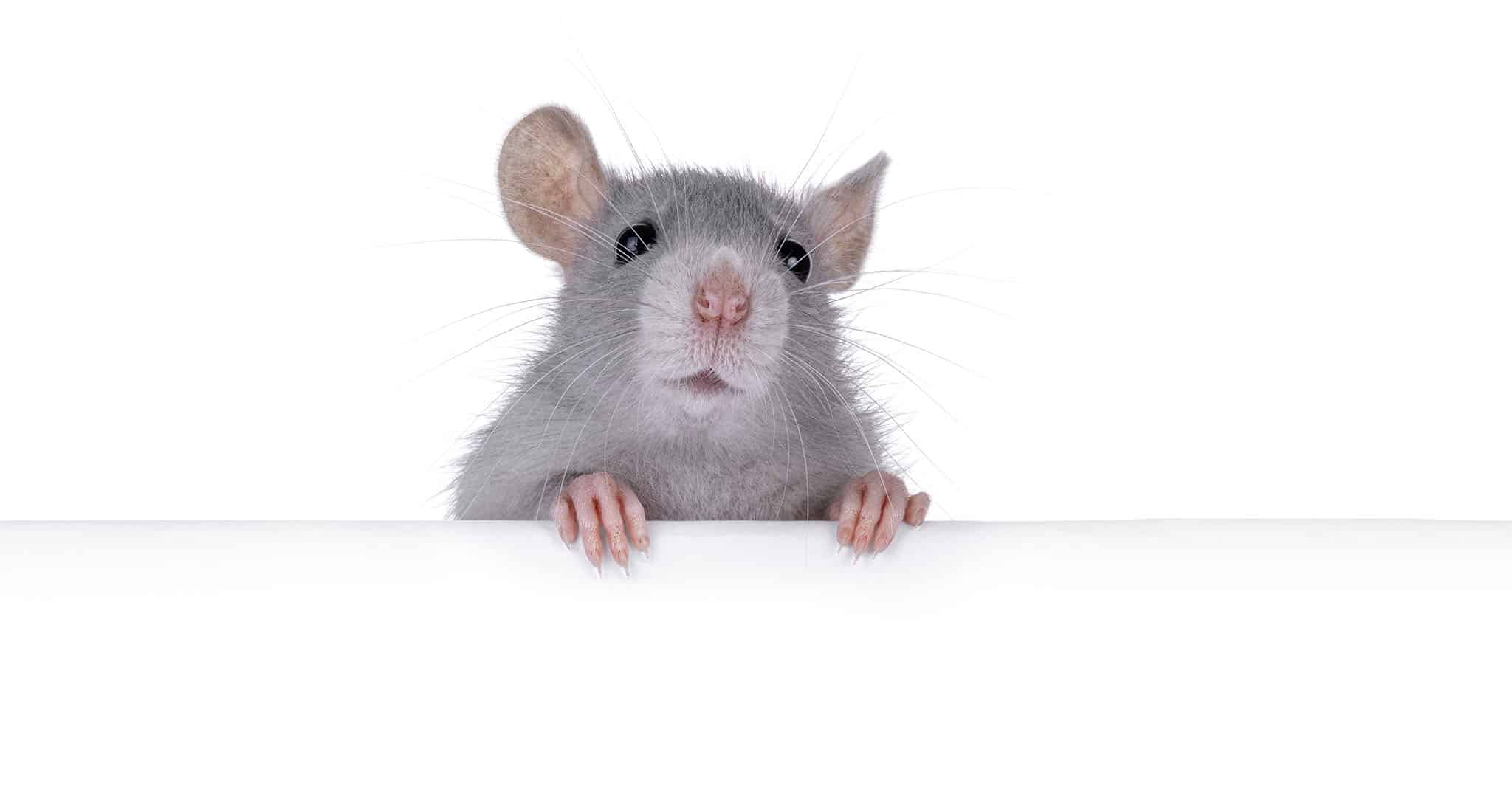
Look ma—we made it? You know you’ve leveled up as a metropolis when the rats start moving in. … Alas, Raleigh’s growth isn’t just measured in skyscrapers and restaurants—it’s critter-approved.
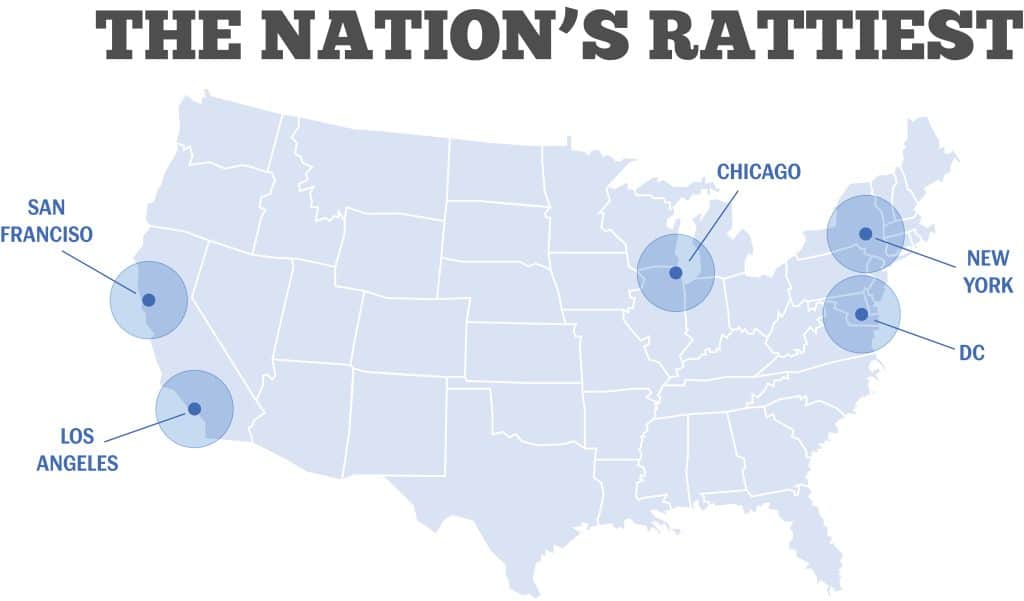
No stranger to the rat race—Raleigh’s held its place in the top 50 rattiest U.S. cities for over seven years running, with Orkin ranking it 28th last year. (Yes, really.)
While there’s no registry of rats roaming Raleigh, residents have told us the rodents are ramping up—with more of them out about, and apparently unafraid of being stepped on. Rat boxes can be spotted across DTR and citywide, unsurprising since urban growth typically brings more pests.
Despite the chatter, the City of Raleigh says they haven’t noticed a rodent spike. If—or when—the problem presents itself, Assistant City Manager Evan Raleigh suggests handling a vermin infestation like any other growing pain. “New development means more people creating trash,” maintains Raleigh. “We are making sure our resources are in line with the growing demands.”
Growing Pains
“The rats don’t run this city, we do.” So says former NYC Sanitation Commissioner Jessica Tisch on her vow to oust the rats—with battle efforts going as far as dispersing rat birth control, hiring a “rat czar” and hosting a vermin expert conference. NYC serves as a prime example of the downside of a glamorous, bustling city: If you want to live in an established metropolis, expect encounters with typical metropolis problems—more noise, more pollution and more pests.
Not that Raleigh should welcome said problems with a “we made it” attitude, but we can learn from more established metros and stay on top of so-far minor nuisances—before it comes to an all-out “war.” Even with more frequent rodent run-ins, it’s safe to say we are nowhere near needing to take notes on Tisch’s approach… yet.
So, as the not-so-ideal consequences of urban expansion continue to grow alongside us, fighting the good fight is essential to prevent anyone else—rats included—from running our fair city.
Are We Expecting? Fun fact: Female rats are ready to mate at five weeks old and can reproduce every three to four weeks—and litters can produce anywhere from five to 12 rat babies. Do the math and enter the cycle of vermin doom.
Meet the Raleigh-based screenwriter behind the coming-of-age film debuting at The Rialto May 18.
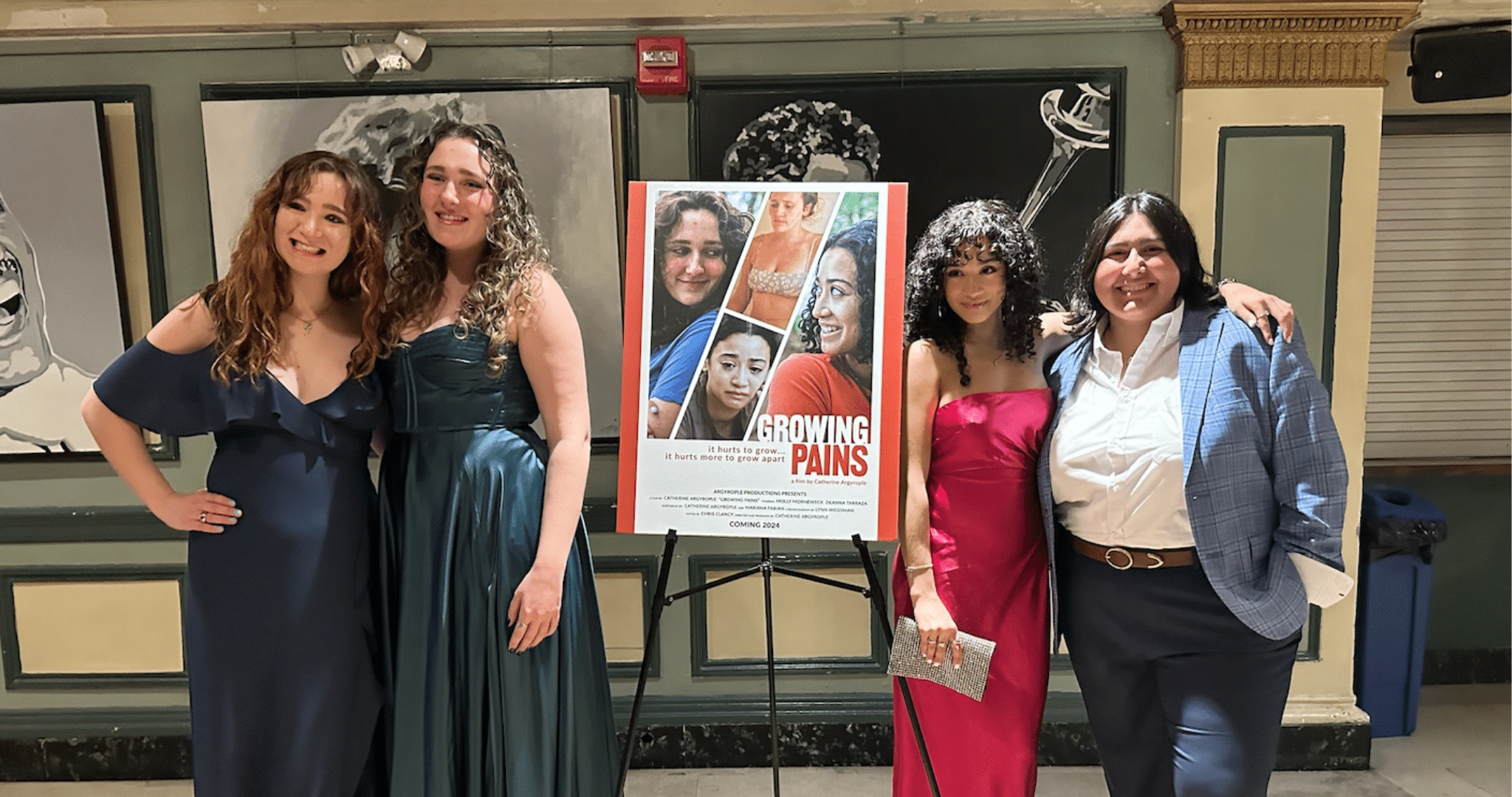
“I would appreciate it if your dialogue and references to popular culture in the script were more in touch with my generation,” NCSU grad and writer Mariana Fabian critiqued of Amazon Prime show TheWilds in a 2021 Technician article. Now, four years later, Fabian is taking bounds toward a more accurate portrayal with her screenwriter debut in coming-of-age film GrowingPains, premiering in Raleigh at The Rialto May 18.
After LA-based director Catherine Argyrople came across the Techniciancritique, she and Fabian connected to capture the “tumultuous transitions” of maturing on film, seen through two childhood best friends whose stories are loosely based on Fabian and Argyrople’s experiences growing up queer in a Hispanic household and the aftermath of surviving cancer, respectively.
And the May 18 premiere is more than just a screening—a moderated panel of Triangle supporters of the LGBTQ+ community—including the LBGT Center of Raleigh, Wake Forest Pride, and Hope for Teens—are slated to lead a discussion on queer advocacy. See how Fabian and Argyrople flip the script on the dialogue of women and queer communities in real time ahead of the premiere and dive into our chat with the filmmakers below.
Tell us about the inspiration behind Growing Pains. Argyrople: As a childhood cancer survivor, I had never really seen representation in the media about the aftermath of surviving a traumatic illness and how it impacts your life, so I wanted to touch on the mental health aspect… I was also passionate about telling authentic stories about women, and that’s what led me to Mari. There are a lot of stories in film and TV about women that feel very inauthentic and are from male perspectives. So my mission with my production company, and as a filmmaker, is to uplift women both in front and behind the camera.
Fabian: I started thinking about female stories when I started my film degree at NC State. I took a class called Women in Film—shoutout NCSU Professor Marsha Gordon—and I really enjoyed thinking about how women are not only represented in film, but how directing, writing and editing affects that. And that goes hand in hand with what the film is trying to do. And in terms of my story and coming out in a traditional Hispanic household, facing racism and homophobia was difficult, but this was kind of the perfect outlet for that.
Tell us more about the panel. F: I’m really just passionate about queer rights and advocacy, especially queer youth, which has been under attack in NC for a long time, like with the Bathroom Bill. I don’t think queer advocacy has to be heavy all the time. There’s so much policy, but having a party instead, that’s epic—just getting the community together and helping people feel seen and heard.
What other films and shows did you draw inspo from and recommend to each other? A: Ladybird, for both of us, was a big one—it’s raw and it doesn’t really shy away maternal relationships.
F: Real Women Have Curves, which has America Ferrera in it. She wants to go to college, but she has to battle against the views of her traditional parents.
How did you tackle creative differences? F: I think one of the most rewarding parts of the process is having to handle moments of creative differences. It just started with open communication, and if I was saying something about a line, Catherine wouldn’t take it very personally. Differences are what make us great artists and who we are. catherineargyrople.com; etix.com