Ask any NCer—during the fall, Asheville is the place to be. A year out from Hurricane Helene, the WNC city is on the up, ready to welcome fall foliage chasers and brewery bums back to the Land of the Sky. But don’t just take it from me—Reader’s Digest just named Asheville the “Nicest Place in America.”
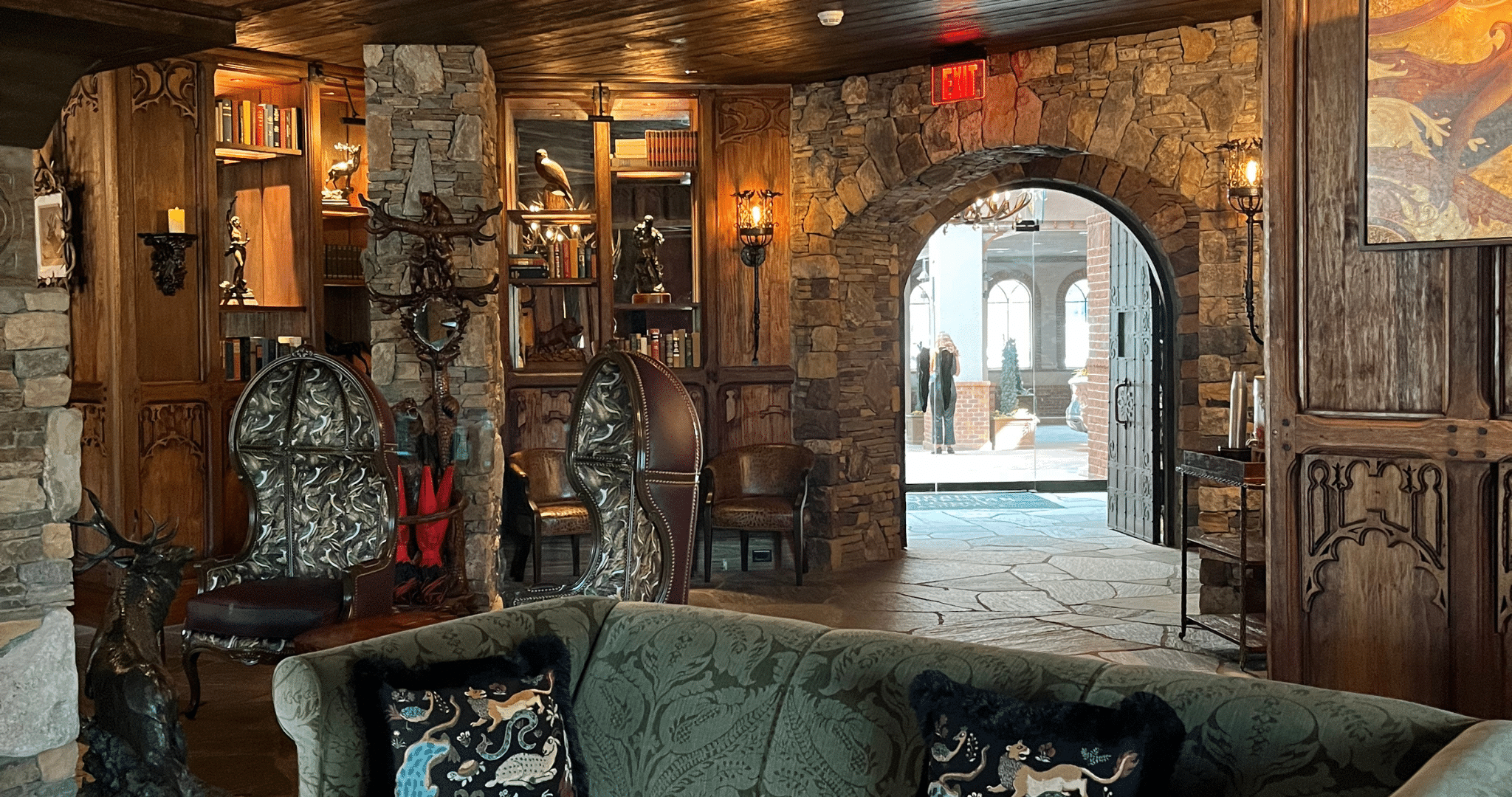
Flashing back, after floodwaters parted, Asheville gem Grand Bohemian Lodge—located in the then-devastated Biltmore Village—got right to work revamping and renewing the iconic hotel, and is now ready to tuck in tourists and locals alike. The rustic 19th-century hunting lodge-inspired design and handcarved woodwork had me feeling as if I just kicked off my boots from a hunt in the European countryside. Not to mention the luxurious-yet-cozy ambiance serves up the perfect backdrop for a couples getaway, girls trip, staycation or even solo leaf-peeping excursion.
Here, a handful of highlights from my stay at the Lodge, plus some must-see’s in the “Nicest Place in America.”
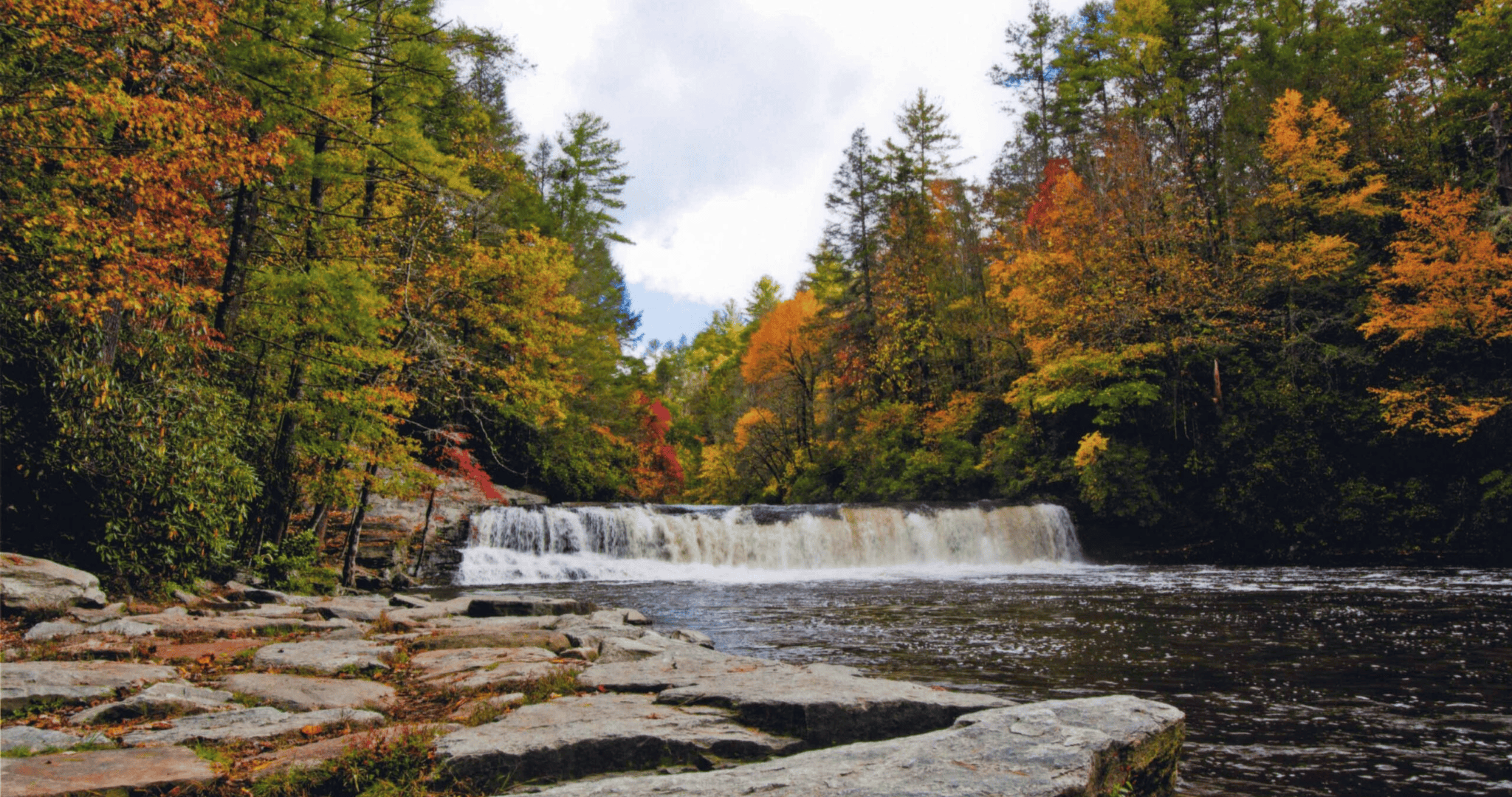
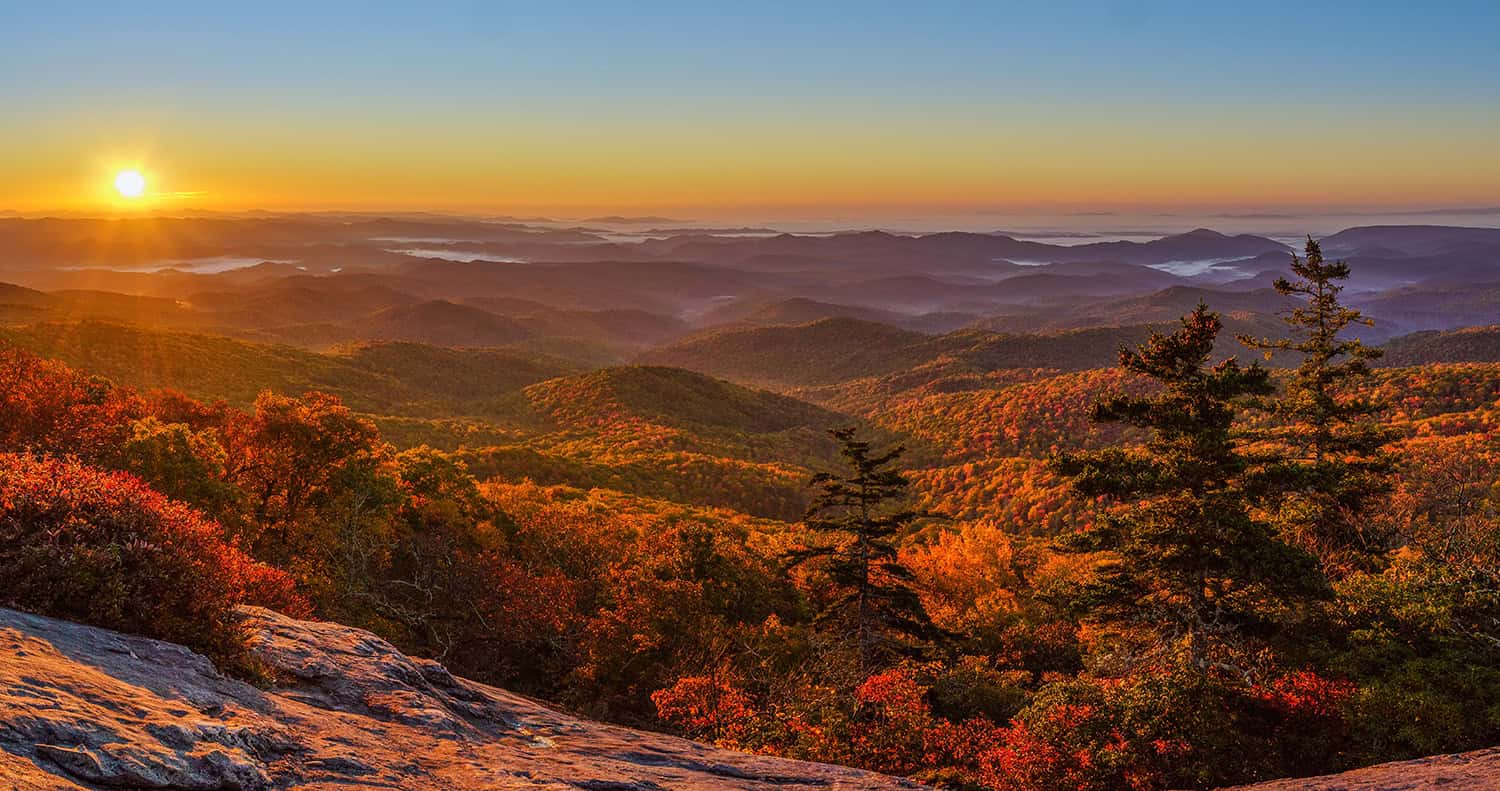
Peak Week Fall foliage tends to peak in color around the end of October, with higher elevations reaching full vibrancy a little beforehand. Regardless—if you head to the hills anytime during autumn, the vibrant views will not disappoint.
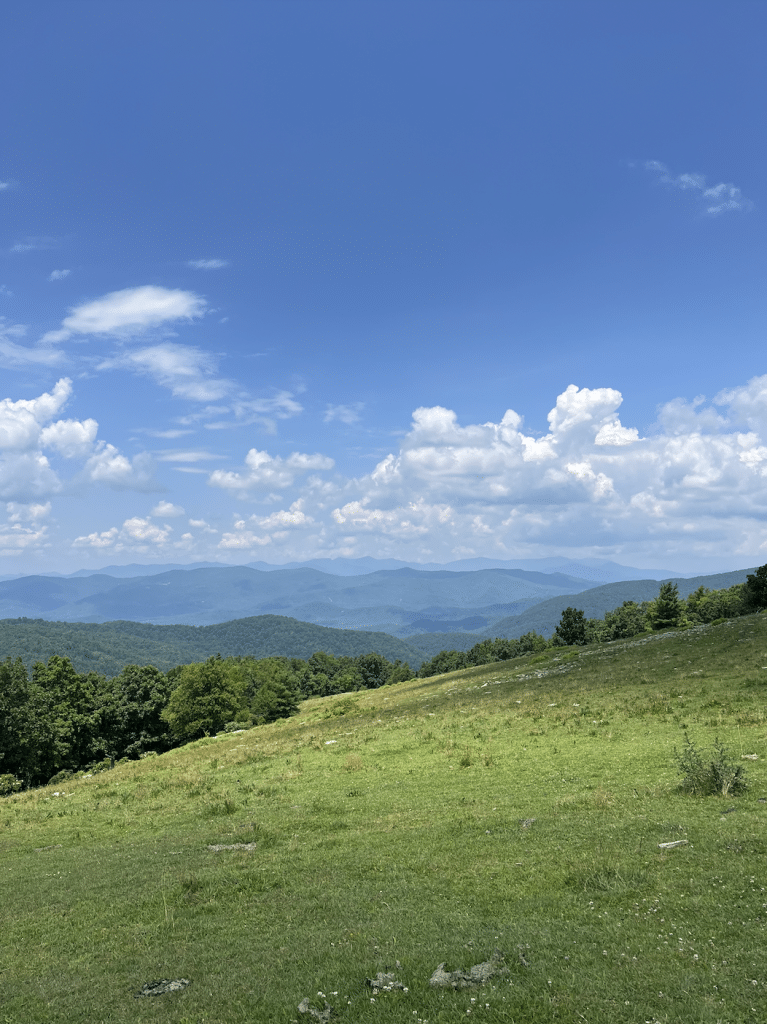
Take a Hike Getting your hands (and boots!) dirty on a hike should be a top priority in the Land of the Sky. I’ve always been partial to the wide-open spaces of Bearwallow Mountain, which is just a ~40-minute drive from the Grand Bohemian. For other paradises found nearby, try Craggy Gardens, Black Balsam Knob (or any segment of the Art Loeb Trail, really) and Looking Glass Rock. And if you want to skip the elements but still bask in Appalachian glory, try a drive along the Blue Ridge Parkway or a glass of wine at Stone Ashe Vineyards.
Eye for Art Asheville art is a must-see, and in the Lodge and city alike, it’s not hard to find. Paintings, paper sculptures (think the likes of Jean Claude Roy and Charles Clary) and jewelry adorn the walls of the Grand Bohemian Gallery—windowshopping is encouraged, but all the work is up for grabs if you fall hard for a piece. To boot, colorful canvases across the entire Lodge will line your walkabouts.
A Little R&R Switch on Do Not Disturb and indulge in a day of self-care at the in-house spa, where you can laze the day away with a facial, massage (don’t sleep on the drying brushing op) or a full body ritual. You are on vacay after all!
Eat Your Heart Out Don’t fret about reservations or whether to Uber or drive to a nearby resto. The Grand Bohemian levels up locally at on-site Red Stag Grill, serving up steakhouse faves and Appalachian eats for breakfast, brunch and dinner in a suave, hunting-inspired atmosphere. Waffles, avocado toast and acai bowls graced my breakfast table, and for dinner, the tartare and scallops paired with wine (pregamed with an Aperol spritz, natch) was a no-brainer. Pro tip: Any steak on the menu is well worth the splurge.
While Red Stag Grill has delish ops for days, the local restaurant scene calls—and you should answer. Find foodie heaven at Neng Jr’s, Chai Pani and Mother—and if you’re willing to commit to a drive a little further away, West First Wood-Fired in Hendersonville is unmatched for its pizza and salads.
A look at the devastation—and resilience—of WNC, one year after Helene’s impact.
Kate and Patrick Chamberlain awoke to their children’s screams as water rushed into their Pisgah Forest home early one Friday in late September 2024.
The blaring flash flood warnings on their phones had failed to wake them, and now, they stood thigh-deep in brackish water, frantically passing their children through an open window of their f irst-floor duplex. Clambering to the top of their driveway with three kids and pets in tow, the two hospitality workers could only watch as the murky water lapped at their windowsills—inside, swallowing a lifetime of possessions despite their futile attempts to lift what they could while fleeing.
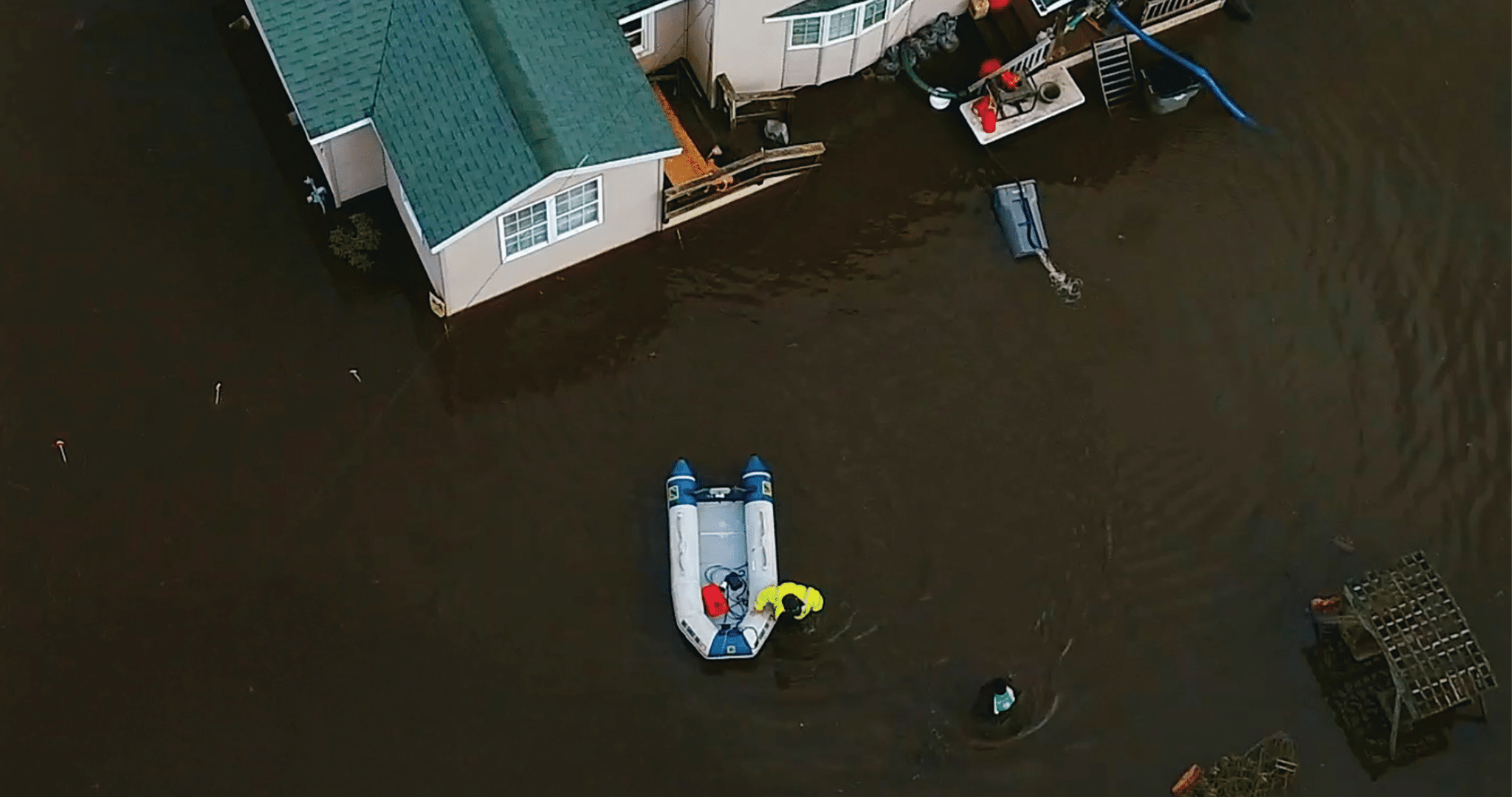
In Swannanoa, Rick Canup headed inside to dress and grab his car keys. Initially unfazed by the storm, he decided to move his car after noticing water inching over his tires—only to return and find it already swept away by the raging current. Soon after, water surged inside, submerging the first floor and climbing to the second-floor ceiling. When rescuers reached him by boat, his house sat under 25 feet of water.
Several miles down the road, Thea and Gerald Emery’s Fletcher home sat on high ground, but still faced destruction from a mudslide. Like “an ocean coming off the mountain,” water barreled down the slopes, carrying dirt and debris that poured into their house, destroying everything inside.
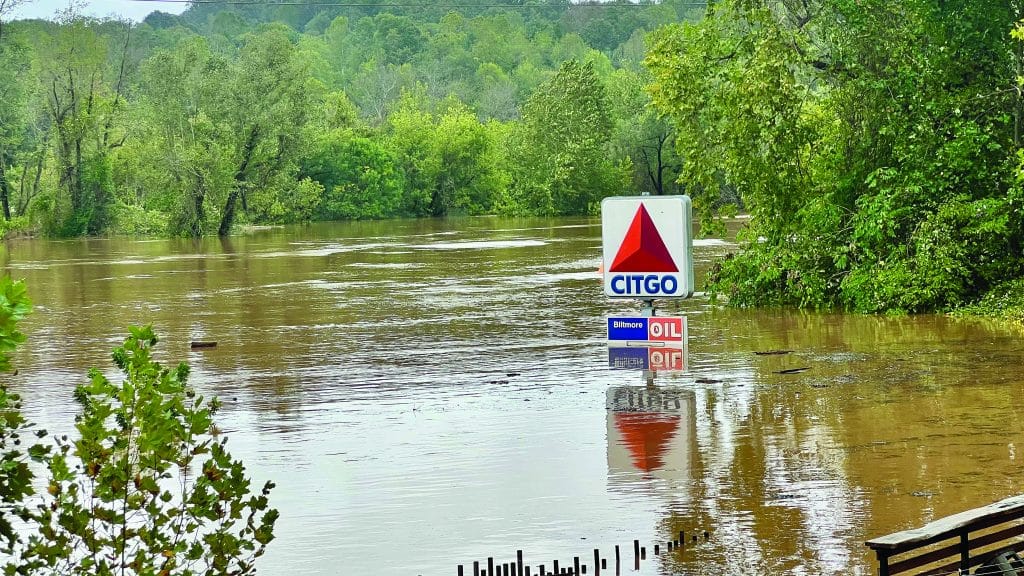
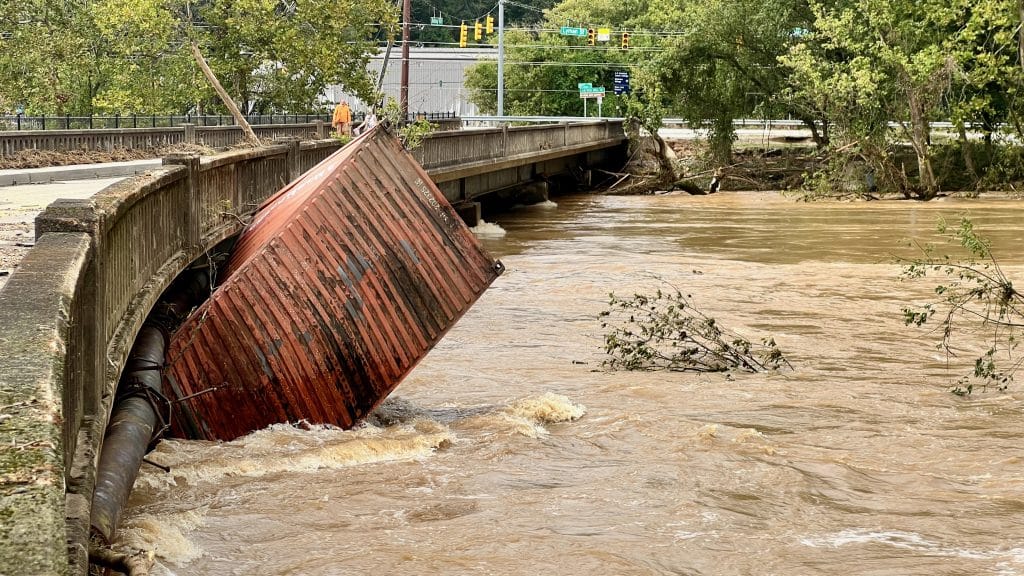
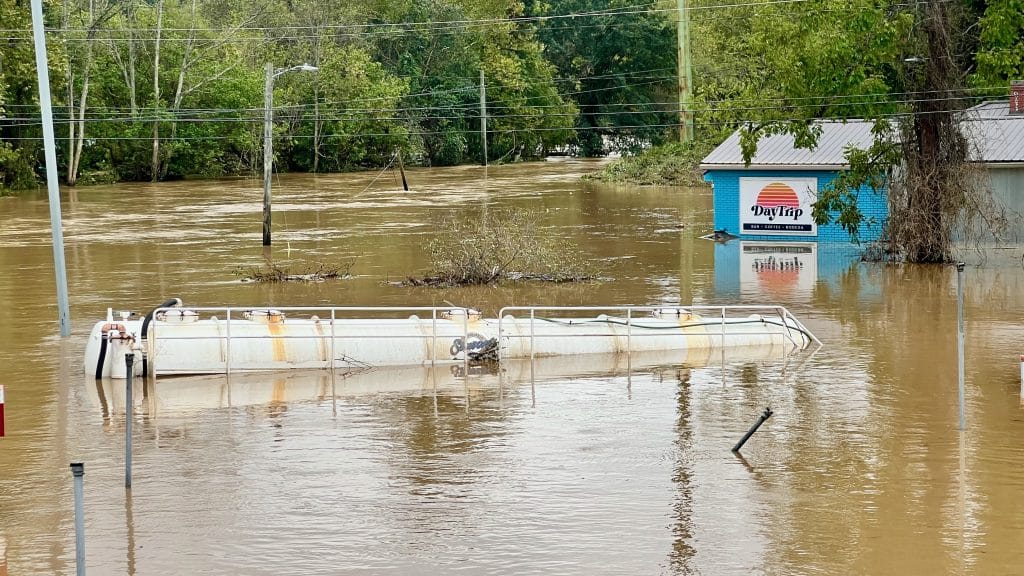
Meanwhile, farther downstream, vehicles, propane tanks, pieces of houses and tree branches surged past as Swannanoa and Asheville residents looked on in shock from the top floors and roofs of their now-submerged homes, some clutching go-bags in case they had to swim for their lives. And as the water slammed vehicles and trees against their homes, they braced against the fear of being pulled under.
Joshua R. Craig
As the rain slowed and the winds started to subside, glassy-eyed residents staggered through the devastation with what belongings they could salvage, caked in mud to their hips, still haunted by the sight of their homes being washed away. Locals handed around lists of missing loved ones Sharpied onto legal pads, desperate for any word of those last seen wading through the rushing waters.
By nightfall on Saturday, the waters had receded enough for looters to ransack what was left of homes and businesses. Cell service was gone, power was out—and though water was still everywhere, not a clean drop to drink could be found.
With no way to reach the outside world, Swannanoa-based Warren Wilson College student Emily Arden remained isolated for several days. When a friend finally found a working station on her tiny portable radio, the static crackled with calls for help and reports of locations of bodies.
Days after the storm, fear surged again when someone sprinted through the dorm halls, shrieking that a nearby dam was failing—echoing New Orleans’ levee breach during Katrina. “I thought I was going to drown with my friends and classmates,” said Arden. Students huddled on high ground for hours before the breach was declared a hoax. With little cell service or Wi-Fi, rumors spread as fast as the floodwaters that had overtaken them.
South of the college, the Emerys’ Fletcher home had sat under the heavy stench of sewage and rot for three days. The couple and their grandchildren waded through knee-deep water until help finally arrived. With no family nearby, they took refuge in an ag center.
Across Western NC, families remained in deteriorating homes, slept on neighbors’ couches with only the clothes on their backs, and wondered whether loved ones were just unreachable, missing or worse. They didn’t know when—or if—help would come, or where they would go next. Their homes, routines and lifetimes of memories had been swept up by the angry arms of Helene—and their lives would never be the same.
The Aftermath
Joshua R. Craig
By far the deadliest storm to ever hit the state, it’s also the most fatal contiguous U.S. hurricane since Katrina in 2005. Reportedly, Helene claimed at least 250 lives, including over 100 in NC—though the true toll is likely far higher, as mudslides hindered body recovery, some residents remain missing, and casualties in remote rural communities may have never been reported. As one former Henderson County funeral director noted, many rural residents lived off the grid—paying for funerals in cash, without Social Security numbers or family—leaving them vulnerable to going uncounted in death.
Beyond the lives and livelihoods lost, Helene was NC’s most expensive disaster, causing ~$60 billion in damage. And the cleanup required for full recovery has only just begun. Nevertheless, in the storm’s wake, the region’s resilience shines through.
“There are so many individuals still trying to find places to go… but from the people I’ve talked to, they want to stay and are trying their best to work it out,” Brian Hall, executive director of Asheville-based nonprofit Elben Charities, told Raleigh Magazine. But, he sighs, “this is not an easy fix.”
Immediately following the storm, questions arose statewide about whether residents were fleeing WNC. But the region itself knew better: Roots run deep in Appalachia. Eli Cotellese, a resident of the hardhit Lake Lure and co-founder of local co. Moonwater, shot down any notion of a mass exodus. “Most people don’t realize just how many generations of families are in Lake Lure,” he told RM. “And many of the businesses in Chimney Rock have been there for 50 or 60 years.” Not even the destruction left in Helene’s wake could coax locals away from multigenerational homes and land. Despite the devastation, WNCers fought—and continue to fight—to reclaim their home.
Road to Recovery
One year later, the impact of Hurricane Helene in WNC is still palpable— and the consequences, very real. But so is the reality that the region is rebuilding. “Last year, we actually had our highest retention of freshmen historically,” says Arden of her small school’s post-storm student body. Already, even some of the hardest-hit neighborhoods are beginning to unshutter and welcome back visitors. All is not lost—although certain neighborhoods seem to have returned to business as usual, the region as a whole still desperately needs our support.
Joshua R. Craig
Arden emphasizes the importance of remembering and repeating accounts of the once-in-a-thousand-year catastrophe late September last year—the stories of lives and homes lost, and of resilience and community goodwill. “Don’t forget about Western North Carolina,” says Arden. “We need the support. You can pay it forward and donate, or support us by visiting.”
It’s not for nothing—and it’s not a lost cause. As we hit the one-year anniversary of Helene, Katrina reached its 20th—in a city that has risen from sheer devastation to utter revival, hosting this year’s Super Bowl and recently recognized for the best food in the world. Read that again: the world’s biggest sports stage and world-class cuisine. The city isn’t just surviving—it’s thriving, having bounced back stronger, bolder and better than ever.
So, just one year later, the mountains are calling—for the best cause: for the love of our state, its people and the South; for those still without permanent homes; and for those who will forever associate the changing leaves with watching their loved ones wash away. For all of them, go.
*Some names have been changed for protection of privacy.
Bring joy to the world—and our state—with these WNC gifts found locally.
While you hustle about this holiday season, keep in mind our many WNC neighbors who no longer have a house to hustle home to. So many people and businesses lost everything—and although cleanup is well underway, it will take years for the community to completely rebuild back to where they were before. So, while you’re making your list and checking it twice, support our state—and surprise your loved ones—with these WNC gifts. Give directly to WNC at belovedasheville.com
Here are some WNC towns open to visitors after Hurricane Helene.
Although certain regions of Western North Carolina are still stranded in the aftermath of Hurricane Helene, a handful of towns have reopened and are welcoming visitors again.
WNC normally relies heavily on tourists during this time of year. To wit, about 16.7 million people visited the Blue Ridge Parkway in 2023. That’s millions of people who this year aren’t buying local beer, investing in local artists or tipping their servers. That said, visiting the handful of towns that are reopened to tourists will lend a crutch to the regions still severely hurting.
Although most main roadways are open, be sure to stay updated and plan your route before heading west. Consider bringing winter supplies (coats, buddy heaters, blanket and fuel) with you, as many WNC regions and residents are still in need of help—especially with winter approaching.
Here, seven mountain towns ready to welcome those looking for an escape, just in time for the end of fall—plus five reopened state parks. Ready to get back on mountain time?
Boone Although Boone was hit particularly hard by Hurricane Helene, the town is now welcoming visitors—but all tourists are encouraged to stay on primary routes while enjoying views and brews.
Brevard The Ranger District of Pisgah National Forest and parts of DuPont State Recreational Forest are now open. After hiking, get your fill of shopping, drinking and dining in the walkable downtown area.
Bryson City Treat yourself to some outdoor relaxation. Parts of Nantahala National Forest and the Great Smoky Mountains National Park are open with limited access.
Hendersonville All of Hendersonville’s apple orchards have reopened with minimal damage and maximal views. Get picking!
Highlands Venture higher (!) via this small mountain town’s array of biking, hiking, fly-fishing and waterfall chasing—three of which you can walk behind.
Marion Run for the (foot)hills of McDowell County and explore Marion’s newly reopened Main Street—backdropped by Mount Ida, which is on standby for hiking, biking and catching views.
At this point, we’ve all seen the images and videos of Hurricane Helene’s impact on Western North Carolina—cars and houses floating down murky waterways, trees pierced through roofs and entire roads washed away by mudslides. It’s uncomfortable to any viewer, and it’s absolutely devastating to WNC.
As a native of the mountains (specifically Hendersonville), I’ve felt both extremely lucky to be safe from the chaos and very helpless as I watched from afar as destruction tore through my hometown. And it’s difficult navigating what I can actually do to help my community and what just adds to the pandemonium.
So while we all want to help WNC, it’s best to postpone that fall getaway—at least for now. I am as disappointed as anyone about skipping a trip to the area for peak week and brewery-hopping, but the region is currently housing first responders in hotels normally meant for tourists—meaning they are in no position to handle visitors, even though visiting may feel helpful. Instead, here is how you can help the region recover from afar, while you (hopefully) gear up for next year’s trip.