WEB EXCLUSIVE Happy National Women’s Entrepreneurship Day! Throughout the year, Jennifer Martin, executive director of Shop Local Raleigh, has been highlighting female Raleigh entrepreneurs in a monthly column in our magazine. These features tell the inspiring stories of how these women got to the successful positions they’re in today. Today, we take a look back at some of these leading lady entrepreneurs who are getting the job done; click the photos below to read their full story.
WEB EXCLUSIVE Governor Roy Cooper’s announcement to move into phase 2.5 starting September 4 opened museums, playgrounds and gyms, but left out one industry that’s economically impactful to Raleigh and North Carolina: bars.
Ever since restaurants were allowed to open in phase 2 in early May, bar owners have been pushing for their establishments to be permitted to open as well. But complicated rules from the ABC commission and mandates from state officials have prohibited this from happening and bar owners are still waiting for the go-ahead from the governor, unable to do much besides sell cocktail mixes, gift cards and merch to make money.
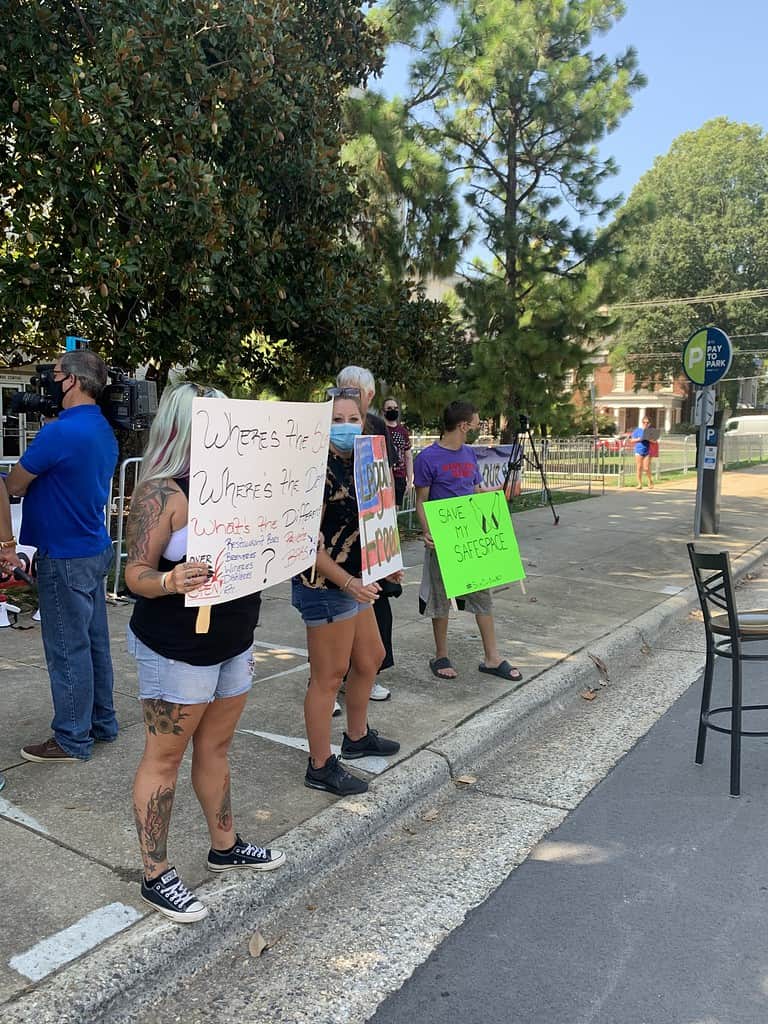
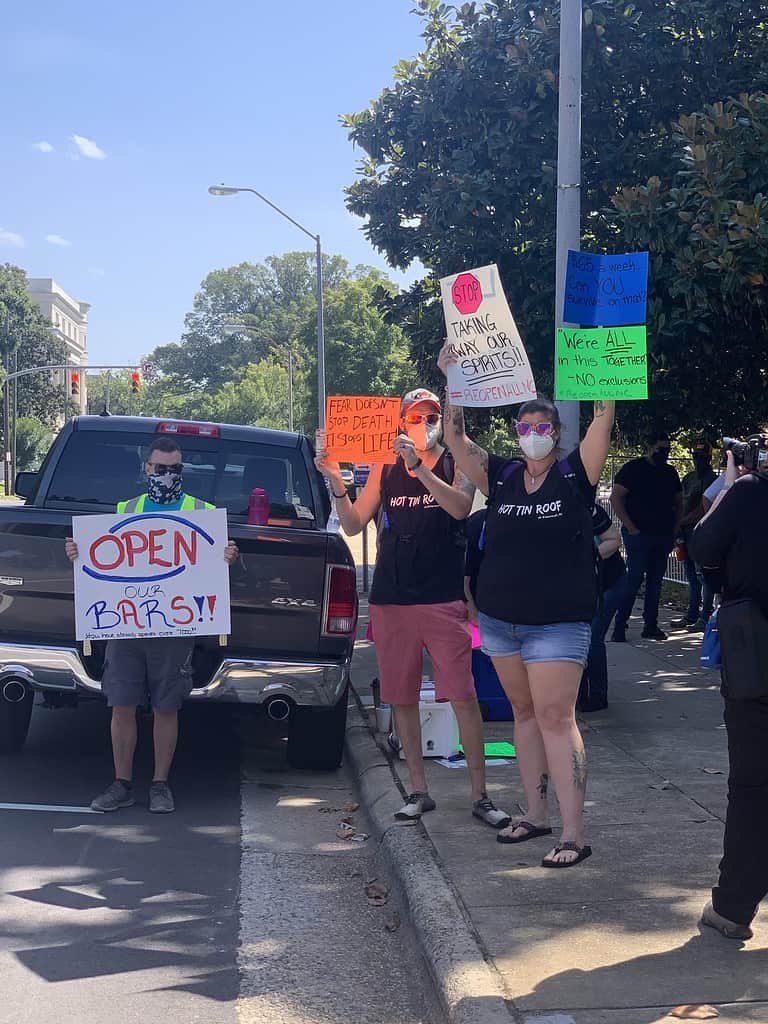
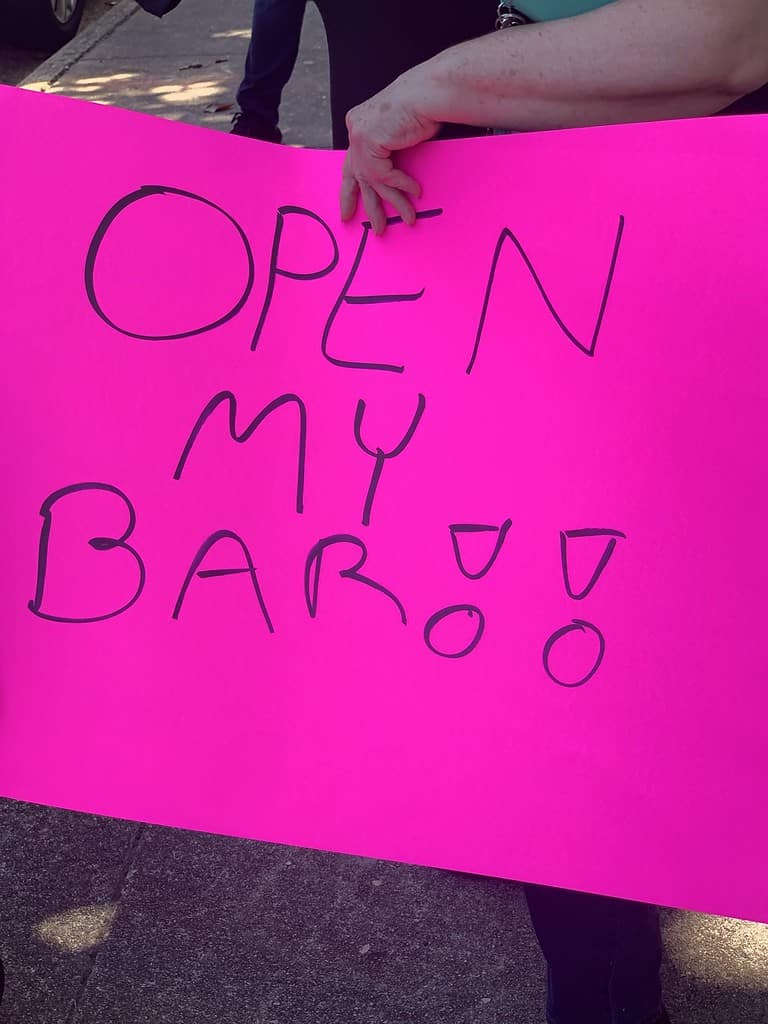
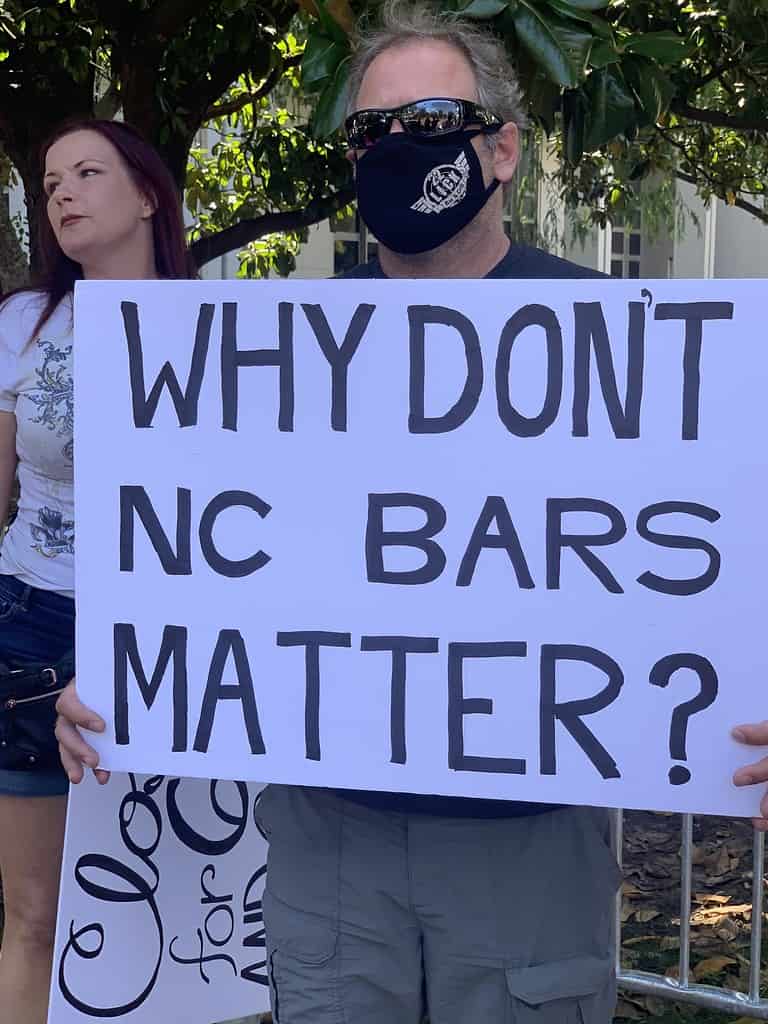
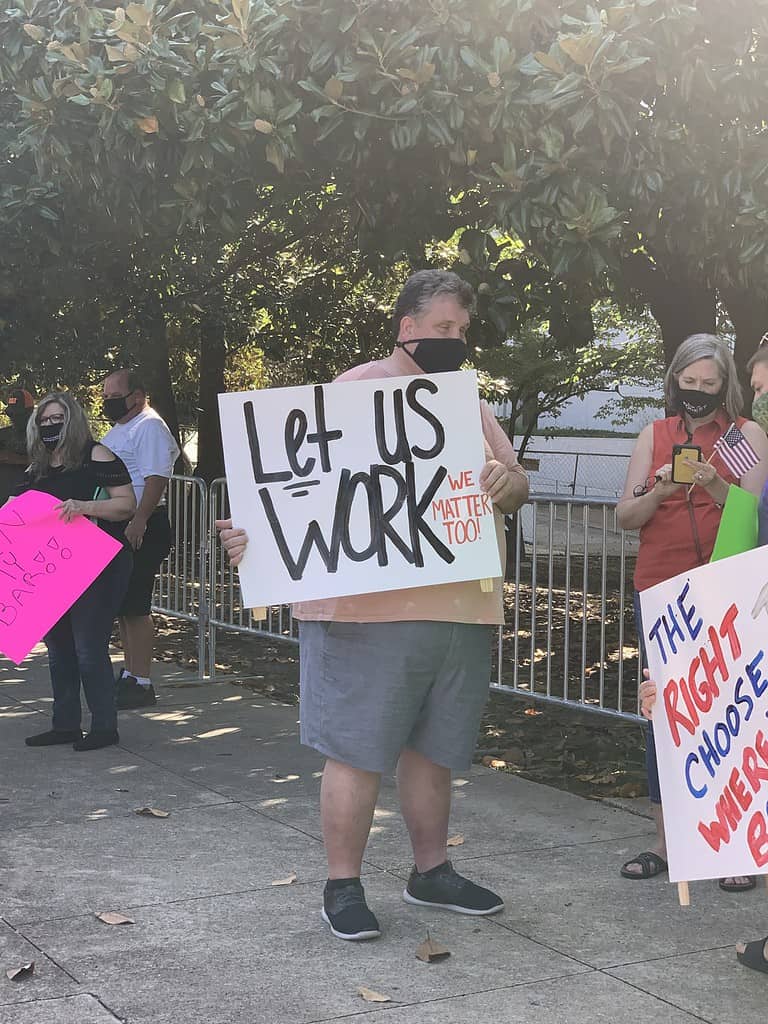
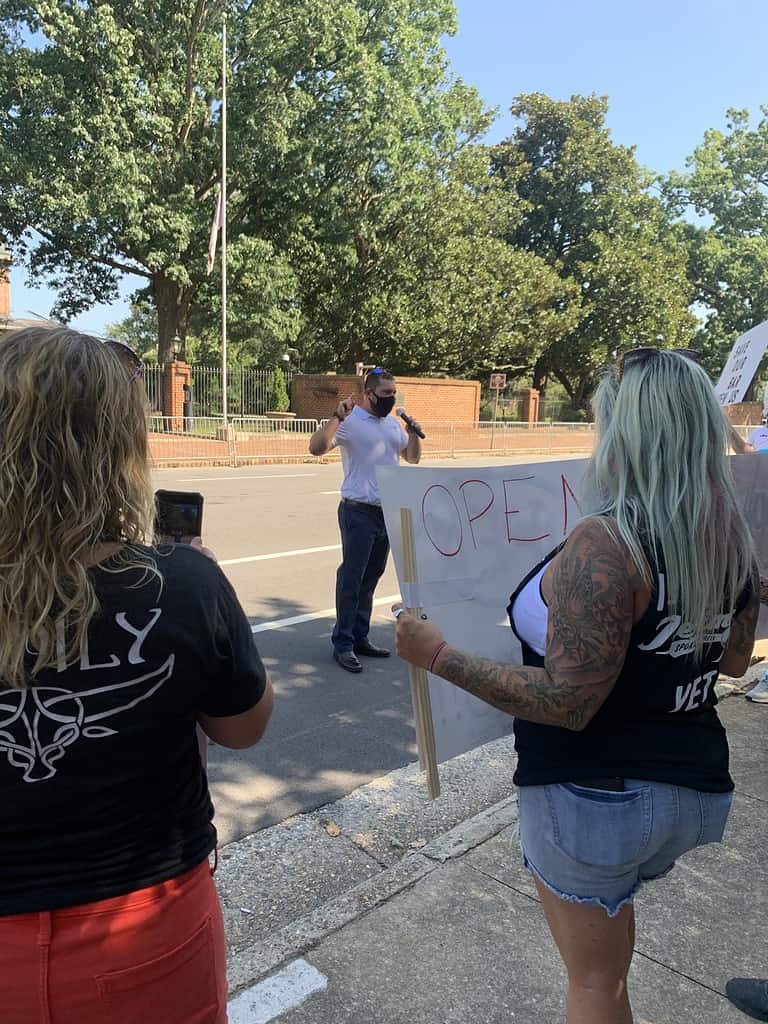
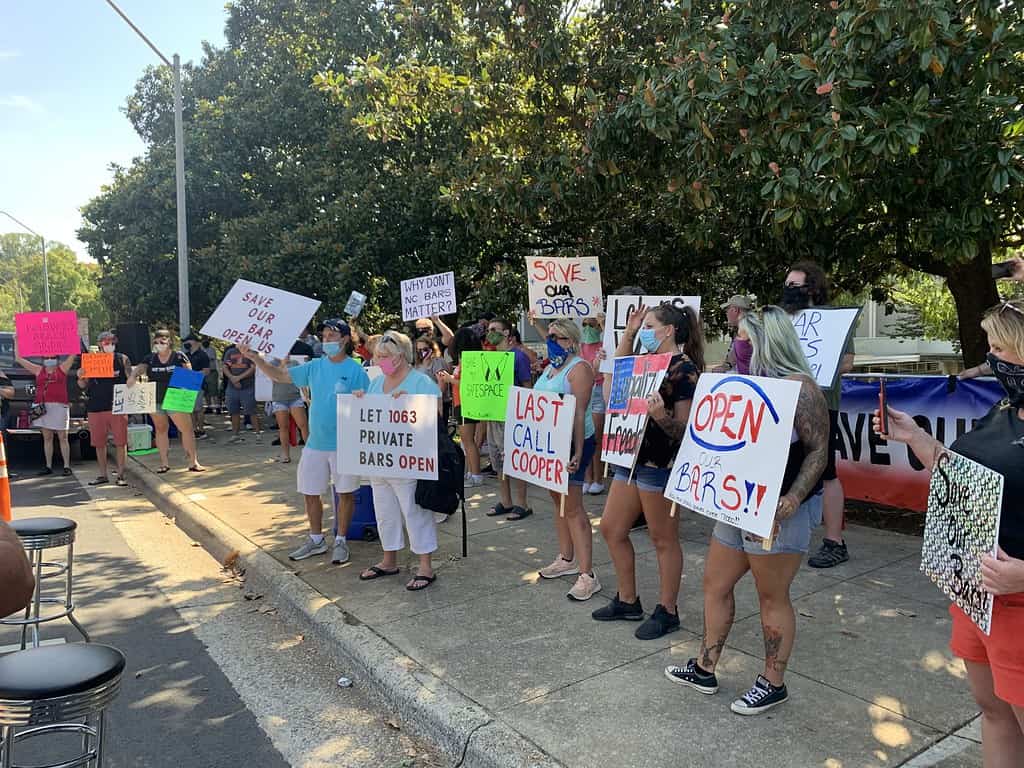
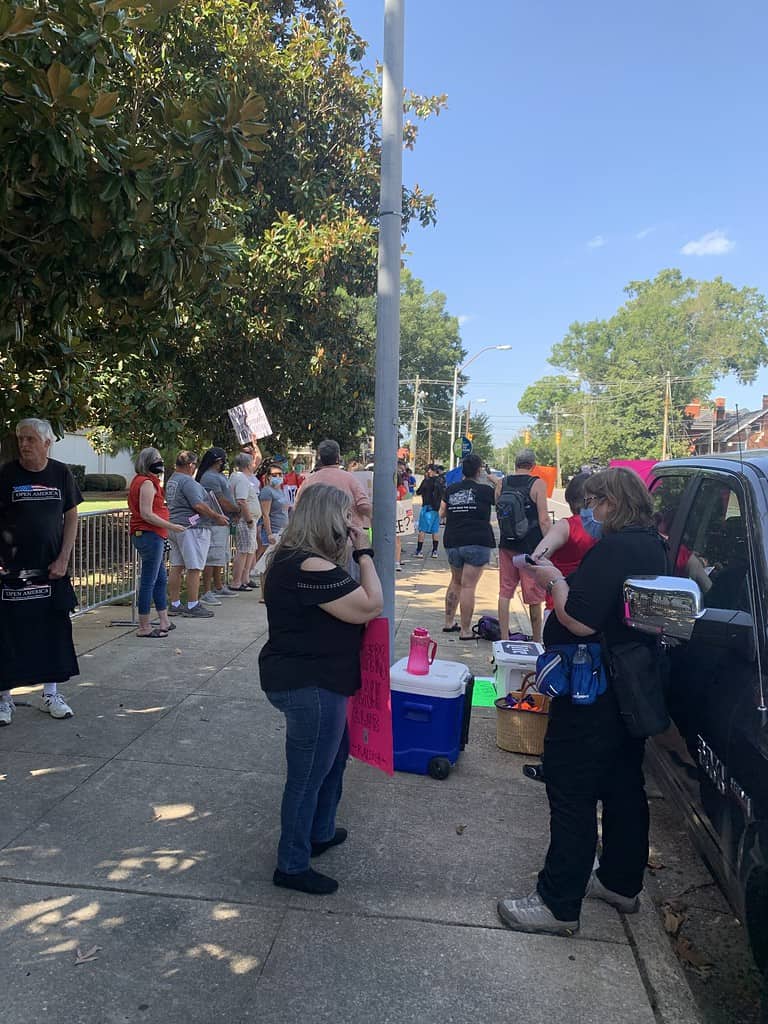
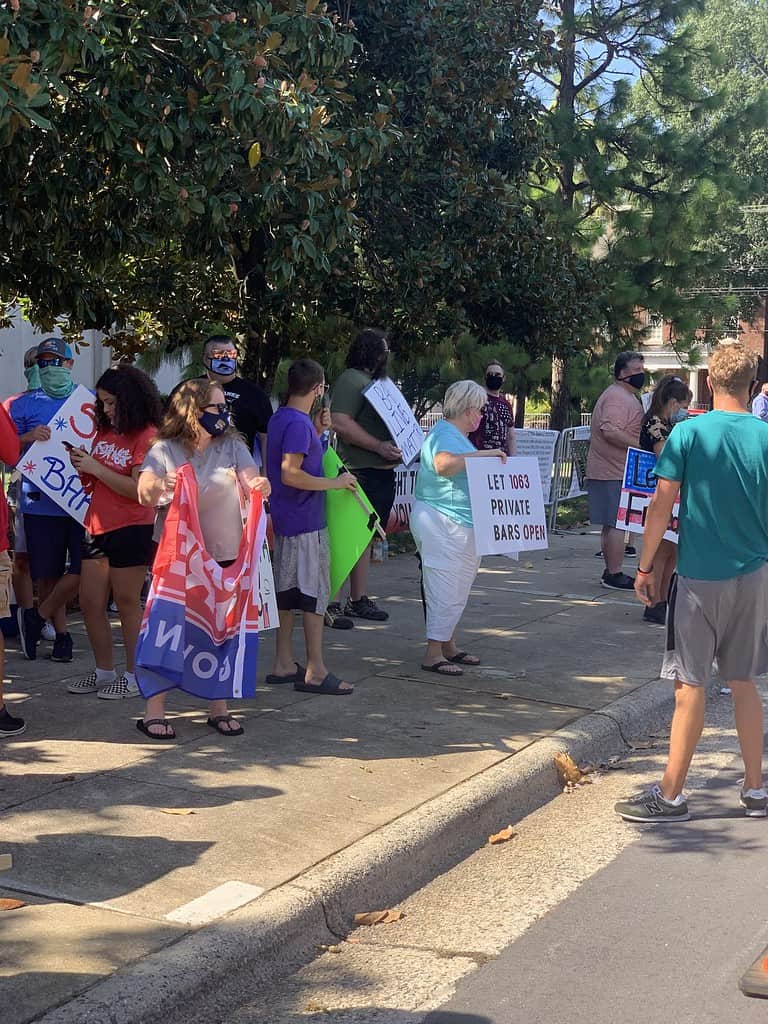
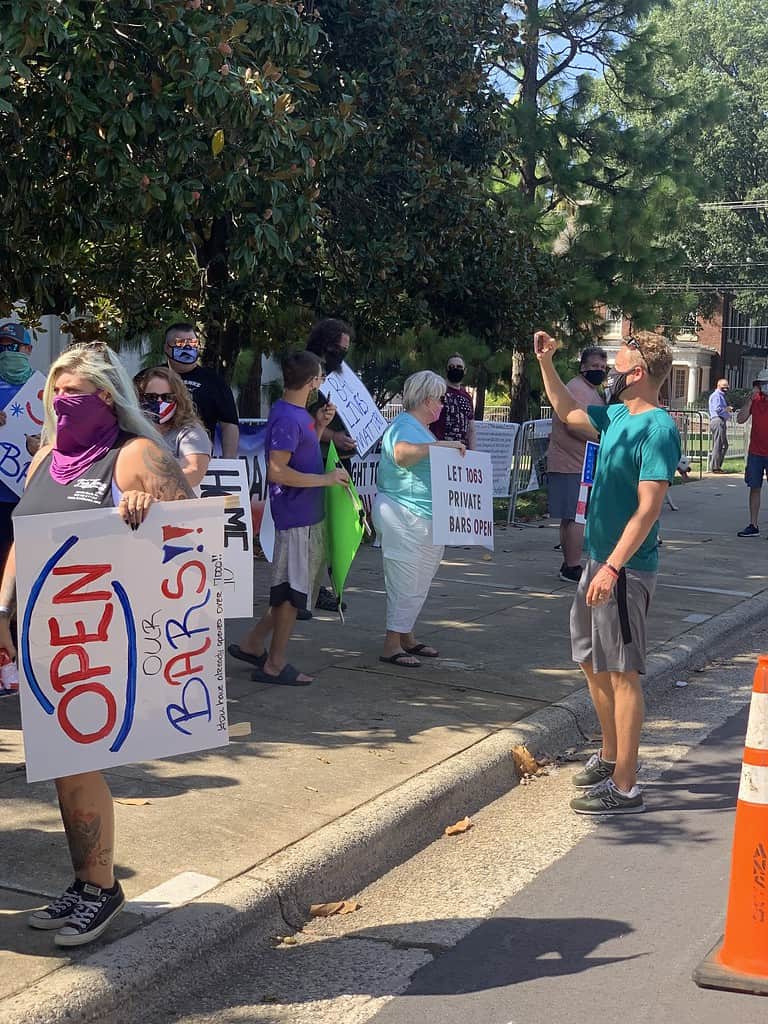
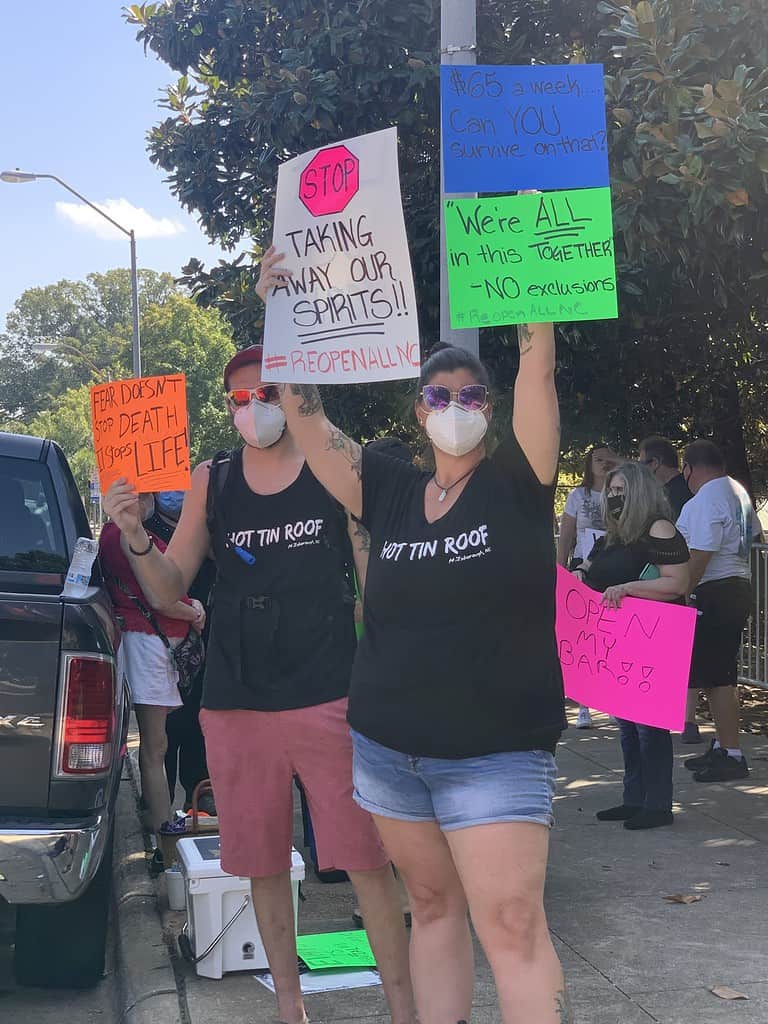
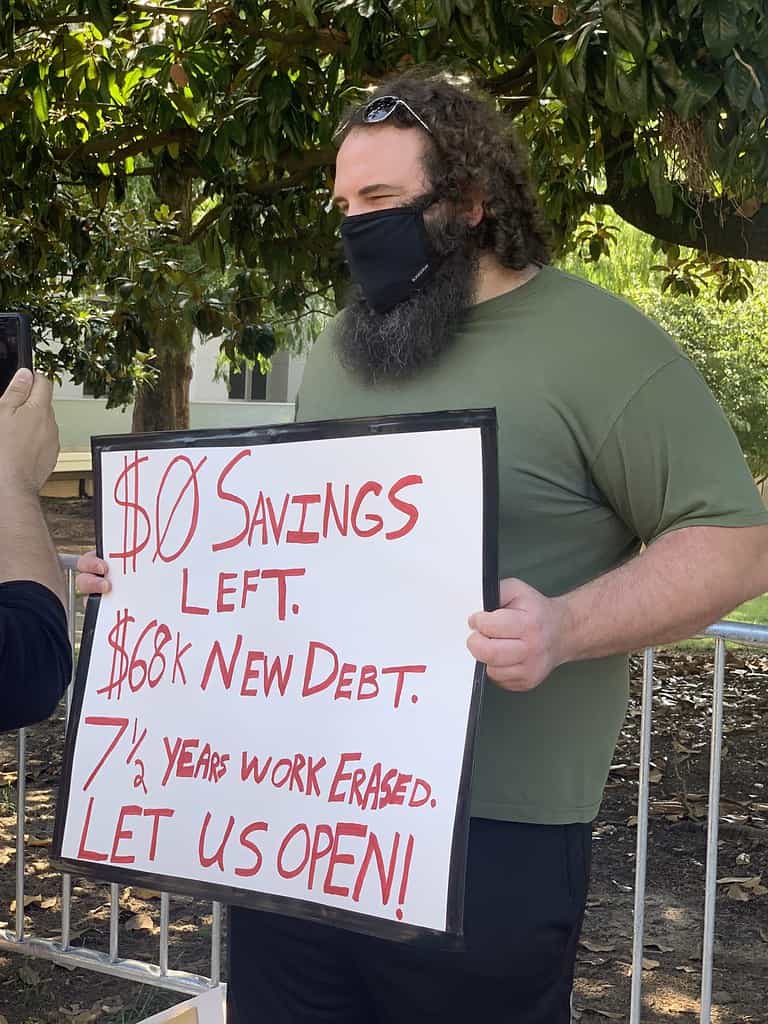
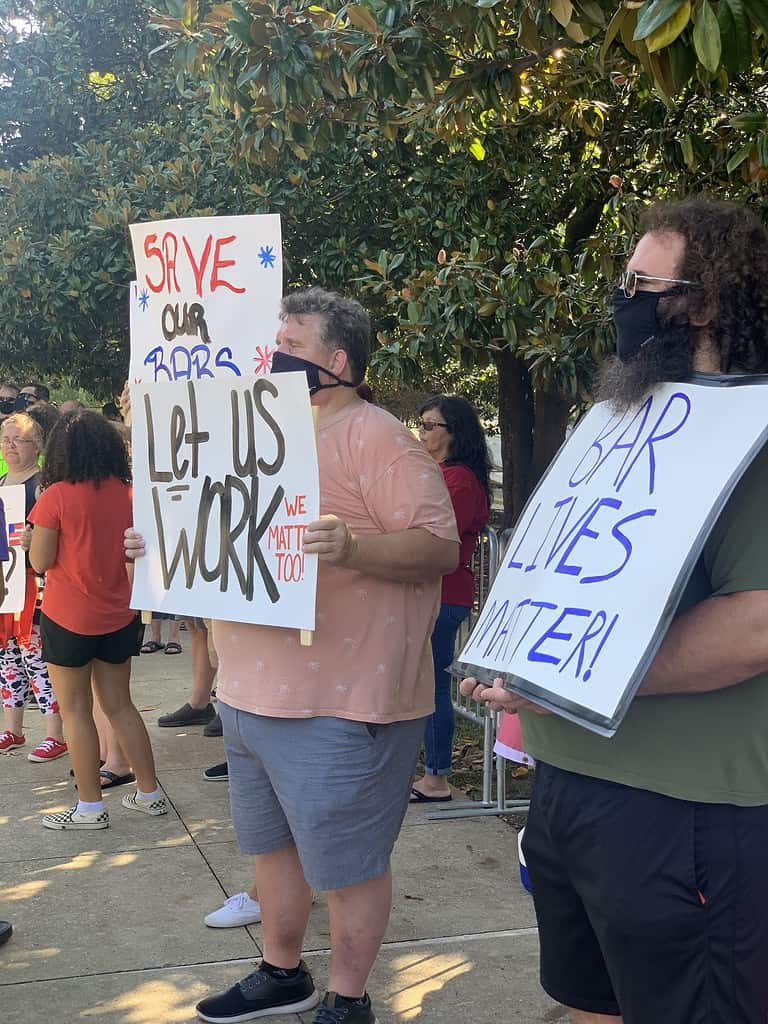
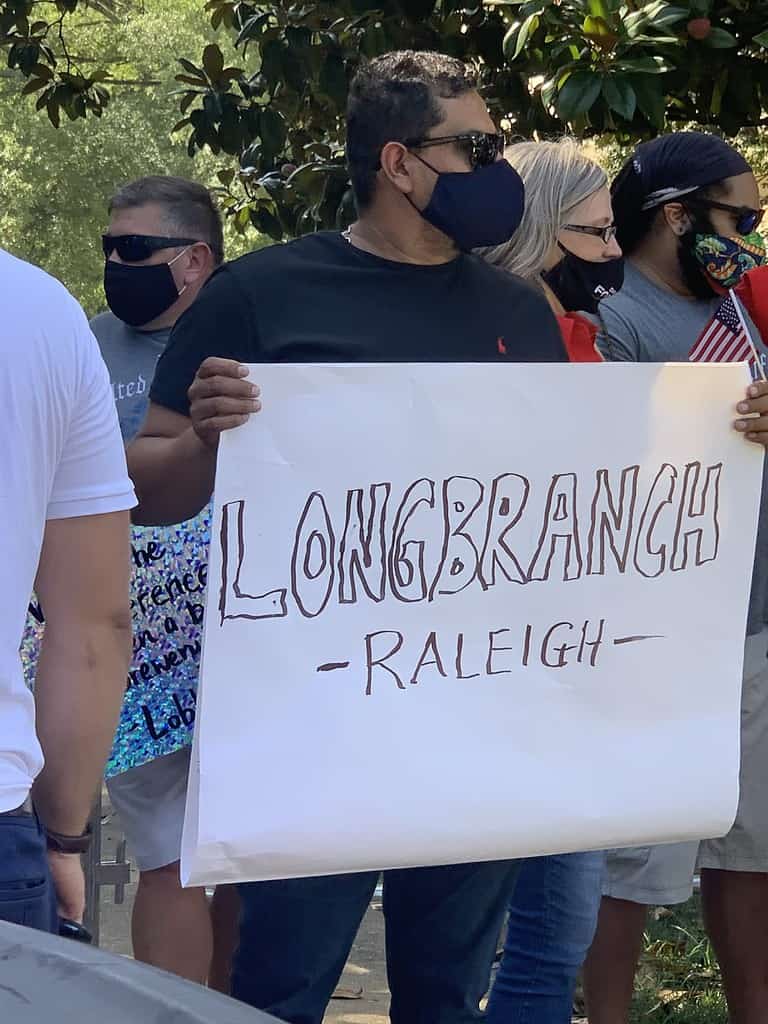
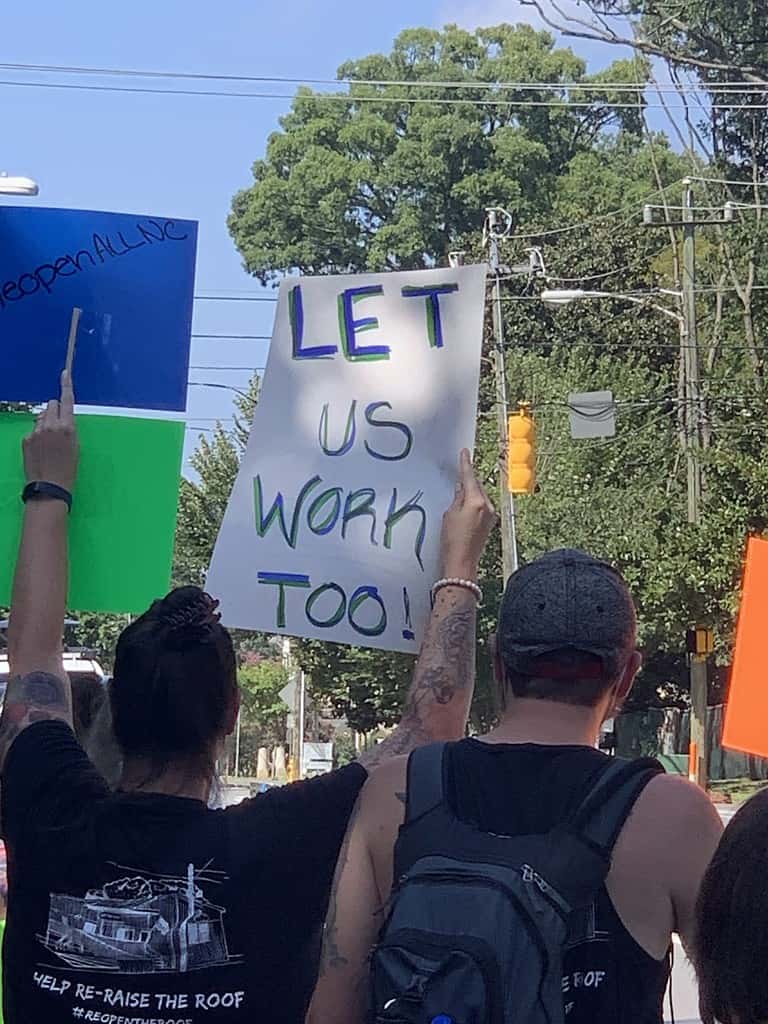
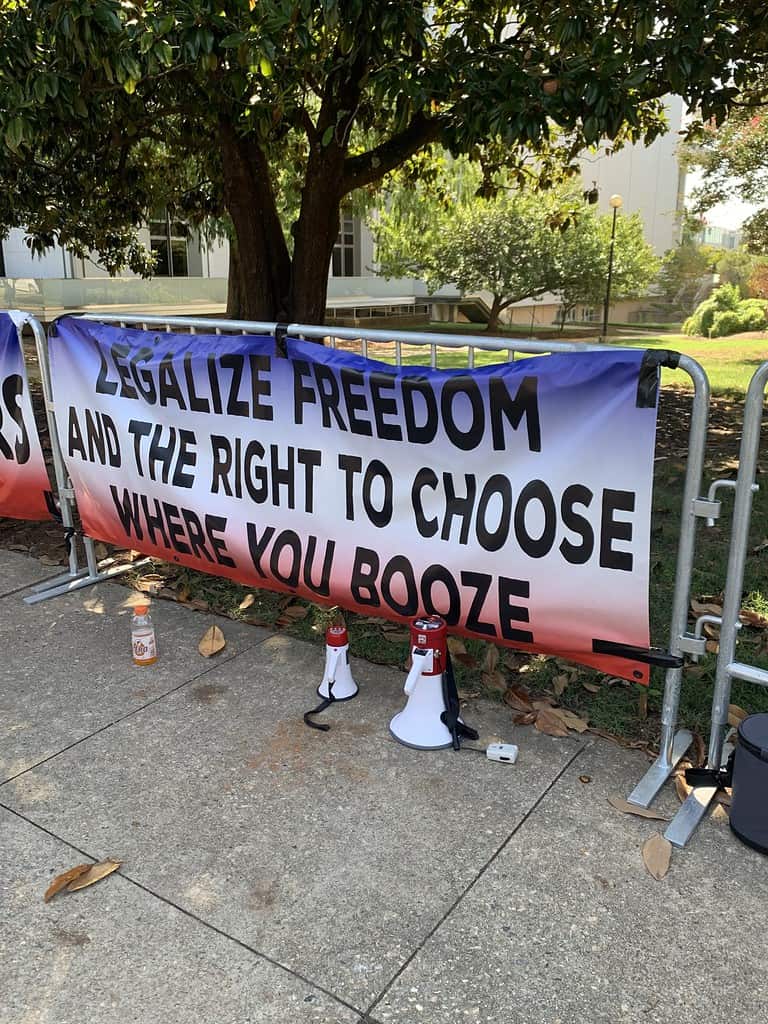
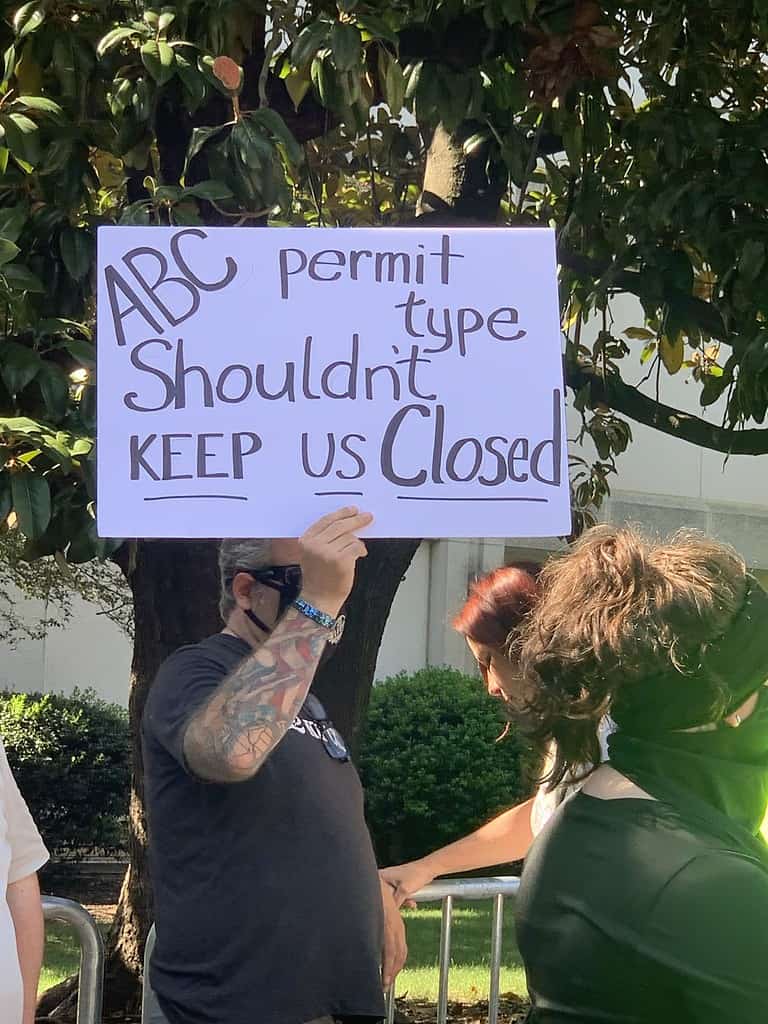
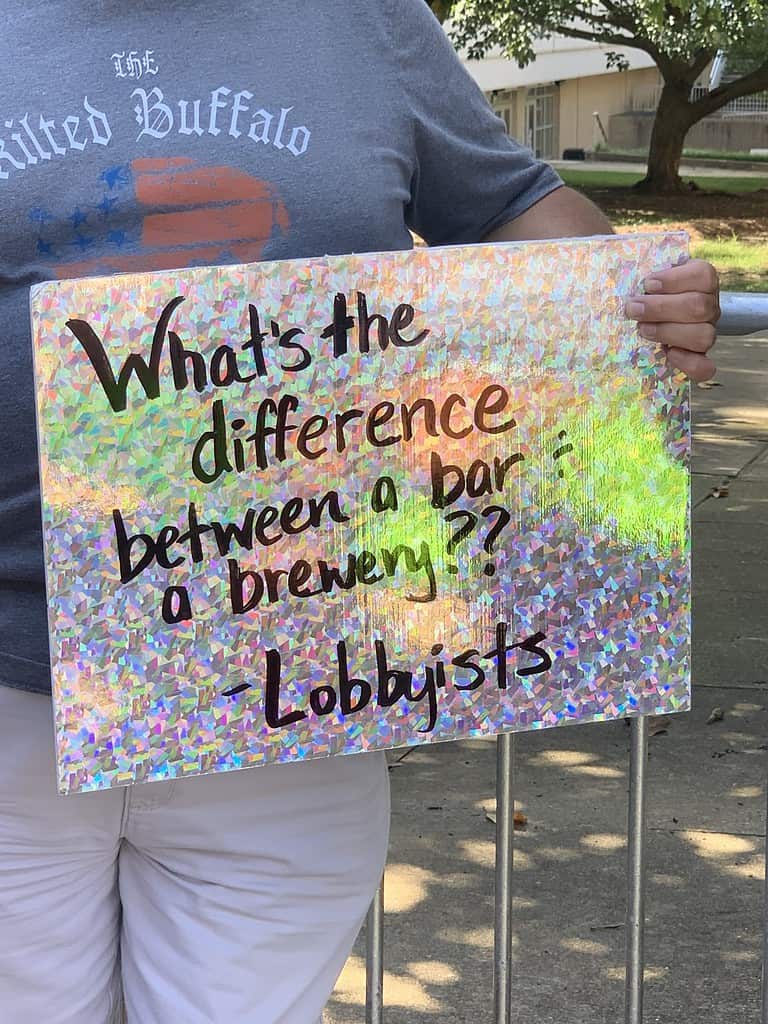
On Thursday, September 3, bar owners and their employees from across the state took to the streets of Raleigh to make their frustrations heard. A large group gathered outside of the Governor’s Mansion with signs, chanting “save our bars,” in the hope that Cooper would take notice and allow them to open, too, in phase 2.5. The legislature has tried to pass measures to allow bars to reopen three times; all were vetoed and Cooper prevailed in a lawsuit challenging his authority to close bars during the pandemic.
Here are some images from the rally in downtown Raleigh last week; another demonstration is planned for Thursday.
After a tough six months marked by business and office closures due to the coronavirus pandemic, and property destruction following demonstrations for racial justice at the end of May, city officials and the nonprofit Downtown Raleigh Alliance (DRA) are engaging a mix of strategies to draw people back downtown again. Public art, outdoor dining, free parking and socially distanced events will be part of that mix, as will efforts at making people feel safe and secure in terms of their health and physical safety. New businesses, including popups, retail stores, breweries and coffee shops—not to mention downtown’s first full-service, national grocery store—will also surely help.
But right now, downtown is quiet: residential occupancy rates remain above 90 percent, but only 15 to 20 percent of employees have returned to downtown offices, according to DRA data. Pedestrian activity was down 74 percent in July, 55 storefronts are still boarded up and food and drinks sales are down 56 percent over the same time last year (though sales have been increasing since April).
“We are trying to offer opportunities to come downtown that feel thoughtful and safe,” said Bill King, the DRA’s president and CEO, during a presentation to Raleigh’s city council last month.
Here’s what some of these initiatives will look like.
Promoting Equity and Diversity
In a partnership with Wake Tech, the DRA is continuing to offer popup spaces for minority-owned businesses. The DRA also has a page on its website listing Black-owned businesses located downtown, a video series promoting diverse business owners and is working to recruit more diverse businesses to open downtown. “This is something we really need to be responsive to,” King said. “We need to make sure downtown is a place where more people feel welcome, that we’re reflecting the diversity of our community and we’re taking this opportunity to do that. We need to make downtown more diverse and welcoming.”
Dining
Downtown’s bars may be closed but more than 100 of its restaurants are open in some capacity, and dozens offer outdoor seating (for a full list, visit downtownraleigh.org). The city has issued more than 30 permits to restaurants to expand their seating into public right-of-ways, including sidewalks, streets, pedlets and parklets. “We have the goal of making sure downtown is the safest place to dine and spend time in all of Raleigh,” King said.
Supporting Businesses, New and Existing
The DRA is administering grants for businesses with damaged storefronts for repairs and new investments (buying new outdoor furniture, for example), as well as offering marketing support for reopening. (There’s a list of all downtown businesses that have reopened and a video series featuring downtown business owners on the DRA’s website). Along with some sad announcements of closings—we will miss Port of Raleigh, Chuck’s, Jose and Sons and Virgil’s Taqueria—several new businesses have taken the plunge and opened downtown during the COVID pandemic, including the brewery Roshambo, The Optimist coffee shop, plant-based restaurant Good Day, Good Night, Bigfoot Taphouse, CBD retailer Hemp to Heal, cosmetic services provider Arch and Edge and, of course, the Publix grocery store in Smoky Hollow.
Spend Time Outdoors
In the absence of downtown’s lineup of fall festivals this year, the DRA wants to encourage visitors to come downtown for other reasons, including to eat, to exercise in fun outdoor classes or along prebuilt routes, spend time in parks and to hold outdoor, socially distanced meetings, lunches and other small events. “Just having peoples’ feet on the streets in a safe way is really helpful,” King said.
Public Health and Safety
In July, the city council approved a $300,000 allocation from the city’s economic development office to the DRA to hire and support additional ambassadors to assist with safety and security as well as to help pay for a marketing campaign to entice more visitors. The DRA hired four additional ambassadors, including three focused on safety in gathering spots and residential communities and one focused on social services, plus a new ambassador manager. On Glenwood South, ambassadors will encourage visitors to wear masks and practice social distancing and soon, banners will hang along Fayetteville Street announcing that it’s open for business while encouraging mask wearing, too. Raleigh police officers and officials from the city’s emergency management department are working with Glenwood South businesses on a COVID educational project to ensure they’re complying with state-issued mandates.
Arts Programs
In partnership with the transportation department, Raleigh’s arts office commissioned 30 artists to create semi-permanent sidewalk paintings all over downtown, to be installed in the coming months. Raleigh Arts is supporting the Black on Black project to promote artwork from artists of color around the city, and it partnered with the Raleigh Murals Project to raise funds to pay local artists to paint murals on ply boards covering damaged storefronts earlier this year. Raleigh Arts and the DRA will work together to document all of the art created during the unrest in a public collection that will preserve and continue to celebrate the artists’ stories. The DRA is also working on bringing attention-grabbing art installations to downtown, as well as activating vacant storefronts, and the DRA’s website is hosting virtual arts events, including First Friday, self-guided arts tours and scavenger hunts.
Transit and Parking
The city’s transportation department has implemented around 100 curbside pickup zones for restaurants and retailers offering curbside pickup around downtown. It also suspended its “$5 after 5 p.m.” parking fees, making it free to park downtown after hours, and has suspended transit fares.
WEB EXCLUSIVE After 30 years maintaining a personalized in-person shopping experience at Main & Taylor in North Hills, owner Diane Chinnis was forced to change the boutique shoe store’s operations due to the coronavirus pandemic. When the state shut businesses down at the beginning of the COVID-19 outbreak, Chinnis developed an online store to sell products in order to continue reaching her customers—before COVID, Main & Taylor’s website didn’t have anything on it available to buy.
Chinnis says she held out on offering an online store for a long time because she believes in the one-on-one interaction her store offers when customers come in. “We have lots of great relationships with our customers,” Chinnis says. “My husband and I thrive on that interaction.” When people come into the store to shop, they’re able to ask about different shoe styles, try on a various sizes and get recommendations from employees.
Dolce Vita Booties from Main & Taylor’s online shop
Chinnis has been able to continue that same personal service online, through emails and phone calls with customers. If she sees a customer has ordered a shoe that runs on the larger side, she’ll let them know they might want to size down. She’ll send additional photos of a shoe if a customer requests it, or talks to shoppers on the phone about what she thinks of a shoe. During the pandemic, Chinnis’s husband even made local deliveries to shoppers’ doorsteps. “You’re not going to get that from a Nordstrom or a Zappos,” Chinnis says.
Main & Taylor is just one of many local businesses that have had to change time-honored operations and philosophies. Jason Jefferies of Quail Ridge Books also chose to focus on online sales, offering free shipping nationally and curbside pickup locally. While Quail Ridge sold books on its website before, during the shutdown the store increased its online sales by 3,000 percent. Now, Quail Ridge is open to eight customers at a time, but Jefferies says he’ll continue to offer free shipping nationally for as long as he believes people should stay at home. “Our number one priority is the safety of our staff and our customers,” he adds. Additionally, instead of running author events in the store, a common pre-COVID ritual for Quail Ridge, the store streams virtual semianrs, readings and conservations with featured authors online through Zoom.
With the future still unknown, Chinnis also plans to keep up with Main & Taylor’s online store. She’s already added shoes for the fall season, which can also be purchased through Facebook. But she says she hopes people will realize that just because her store has a web presence now, it doesn’t mean customers can’t call her or reach out by email, or they can come into the store if they’re comfortable doing so. “[Our customers] still want to support us and look at shoes and [the website] gives them a way to do that,” Chinnis says. “It’s just a different layer to help our customers and keep our business open.”
Vermillion owner Ashley Vermillion Webb styles a new dress on Instagram
Other local businesses that have had to pivot their operations include Vermillion, whose owner, Ashley Vermillion Webb, has been posting daily videos featuring new merchandise on Instagram and Facebook, styled on herself, an employee or a mannequin. Brovelli Oil, Vinegar & Gifts in City Market started a mobile cooking class by which a professional chef teaches attendees how to cook different recipes at home using the store’s olive oils and balsamic vinegars. Additionally, Deco Raleigh is offering shopping by appointment in order to allow customers to come in and peruse the store safely.
It’s a weird time for everyone right now, but local businesses have proven that they’re able to pivot their services in unique ways to continue to accommodate customers while keeping everyone–employees and the public–safe.
WEB EXCLUSIVE If you think opening a business is hard on its own, try opening one during a pandemic.
Last November, Jimmy Fleck took the first steps in realizing his dream of opening a bottle shop, which he ultimately named Roshambo Beverage Co., in leasing a space just outside of downtown Raleigh. Construction started and things were going well until the coronavirus pandemic put the whole world on pause. Fleck and his wife, Jane Oslislo, who worked as Boxcar’s general manager until she was laid off on St. Patrick’s Day, continued to move forward with the project. But they faced delays.
Latte from The Optimist
“It was pretty difficult and [the opening process] has been very challenging,” Oslislo says. “To make sure the construction crew was safe, we put in a three-day buffer window between each different crew that came to work in the shop.” The couple was forced to push back their opening date to Monday, July 27, about seven months after they started work on the project.
Throughout the coronavirus pandemic, many businesses have had to pivot their operations in order to keep employees and customers safe while following rules put in place by Gov. Roy Cooper’s administration. Deciding whether or not to open a new business is a dilemma of its own, but when you’ve already put money into a space, hired employees and have rent to pay, you really have no choice but to keep moving forward.
“We just had to make it work, we had no other choice,” says Oslislo. “Once you commit to a space, you’re in it.”
Husband and wife team Robyn Buchholz and Andrew Ward found themselves in the same difficult position as Fleck and Oslislo when opening up their new coffee shop The Optimist. They found their location on Brookside Drive in January and planned to open in April, but, come March, the opening plan came to a screeching halt. They decided to postpone their opening until they had a clearer picture of how the coronavirus pandemic would play out.
Hemp2Heal’s opening weekend
While the pandemic certainly caught CBD store Hemp2Heal’s owner Matthew McDonald and his mother, Marcia, by surprise, they didn’t give a second thought to halting construction. They had started pre-COVID and pushed right through the opening process. Marcia says there were some delays in shipping, but their contractors, wholesalers and vendors made the process relatively stress-free. “I’m actually glad we didn’t allow the pandemic to stop us from moving forward with the opening of our retail space,” Marcia says.
After a few months stuck in a limbo of not knowing whether or not the status of the pandemic would improve anytime soon, The Optimist’s owners ultimately opened their takeout window on May 4.
“We decided we wanted to do our part in supporting local and being local,” says Buchholz. Like the rest of us, the only thing they can do is stay optimistic about the future–and support Raleigh’s independent businesses now, when they need it more than ever.