Kratom Is Back in the Headlines. Here’s What’s Changed.
When we first dropped our story on kratom five years ago, it broke the internet. Beyond going viral, the story elicited a mixed bag of divisive reactions—from those who had witnessed kratom abuse firsthand to advocates and users who claimed the substance had literally saved their lives.
Now “herbal heroin” is back in the headlines—in the worst fashion—news of particular interest locally as neon “kratom” signs dot vape shop windows the city over.
Last week, authorities in Oxford, Mississippi, issued a public warning after packaged kratom was found during separate investigations into the deaths of two Ole Miss students. To be clear: Officials have not determined kratom—or any substance—contributed to either death, and toxicology results remain pending.
Days later, authorities raided an Oxford smoke shop and seized more than 500 units of kratom, along with THC products and other suspected narcotics. The kicker? Kratom is already illegal within Oxford city limits.
The warning lands amid a much bigger shift.
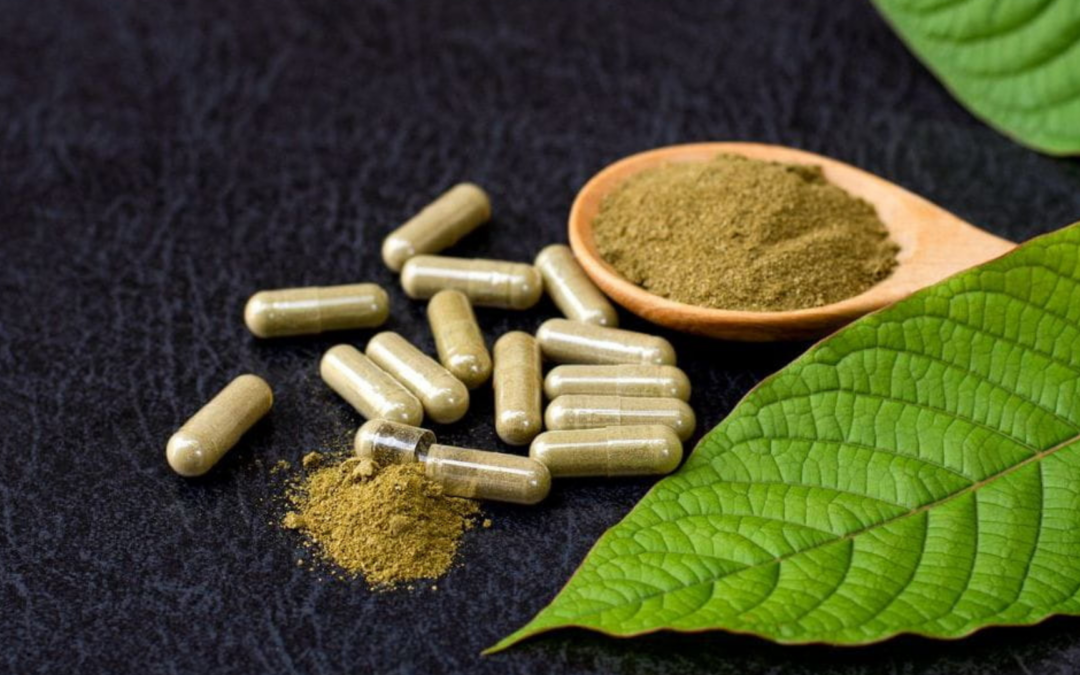
For a quick refresh: Kratom comes from the leaves of a Southeast Asian tree and contains psychoactive compounds that interact with opioid receptors (hence, “herbal heroin”). For years, people have used it recreationally, for pain and as an alternative to opioids—including to ease opioid withdrawal.
And therein lies the rub. When we first reported on kratom, Duke University addiction psychiatrist Dr. Paolo Mannelli told RM he had seen kratom use evolve into abuse—and had treated patients for kratom dependence with buprenorphine, the same medication commonly used to treat opioid-use disorder.
“So kratom is, I’d say, a reasonable drug to avoid because it doesn’t give you any safer alternative for treatment than any opioid,” Mannelli told us.
Five years later, the numbers aren’t exactly trending in the right direction. Kratom-related reports to U.S. poison centers reached a record 3,434 in 2025—up roughly 1,200% from just 258 in 2015. Hospitalizations associated with single-substance kratom exposures likewise jumped from 43 in 2015 to 538 in 2025.
But there’s an important caveat: Kratom doesn’t always act alone. Of 233 kratom-associated deaths reported to poison centers between 2015 and 2025, 79% involved multiple substances. Among those fatalities, opioids were involved in 62%, followed by benzodiazepines and stimulants at 20% each and alcohol at 19%.
And there’s another, separate major wrinkle that barely existed when we first sounded the alarm: 7-OH. Short for 7-hydroxymitragynine, 7-OH is one of kratom’s naturally occurring compounds—and one we actually told you about back in 2021. What’s changed is what’s on shelves. While 7-OH occurs naturally only in trace amounts in kratom leaves, highly concentrated or enhanced versions are now being sold in tablets, gummies, shots and drink mixes online and at smoke shops and gas stations.
The FDA is increasingly drawing a distinction between those products and traditional kratom leaf, warning consumers to avoid concentrated 7-OH products, which it describes as potent opioid products that have not been proven safe or effective for any use.
And federal regulators are coming for them. In July, the DEA began the process of temporarily placing concentrated 7-OH above a specified threshold—along with three related synthetic substances—into Schedule I. By Aug. 26, those three synthetics had officially been placed temporarily into Schedule I; the proposed action on 7-OH itself remains pending and would target concentrations above a specified threshold—not natural kratom leaf containing trace amounts of the compound.
Here in NC, meanwhile, kratom remains legal—and lawmakers are still wrestling with how to regulate it. A bill currently sitting in the House Rules Committee would prohibit the sale or possession of kratom products by anyone under 21, alongside similar restrictions for hemp-derived consumables.
So, five years, thousands of poison-center calls and a new generation of concentrated products later, the debate that blew up our inbox in 2021 isn’t exactly settled.
But one thing is clear: This isn’t quite the same kratom story we told five years ago.
KRATOM BY THE NUMBERS
14,449
Kratom-related exposure reports to U.S. poison centers from 2015–2025.
3,434
Reports in 2025 alone—a record high and roughly 1,200% jump from 2015.
1,087
Hospitalizations involving kratom exposures in 2025—538 single-substance and 549 involving multiple substances.
233
Kratom-associated deaths reported to poison centers from 2015–2025.
79%
Of those deaths involved multiple substances.
62%
Of kratom-associated fatalities involved opioids.