by Lauren Kruchten | Feb 4, 2026 | Eat, February 2026
Glenwood South gets its groove back with new club opening.
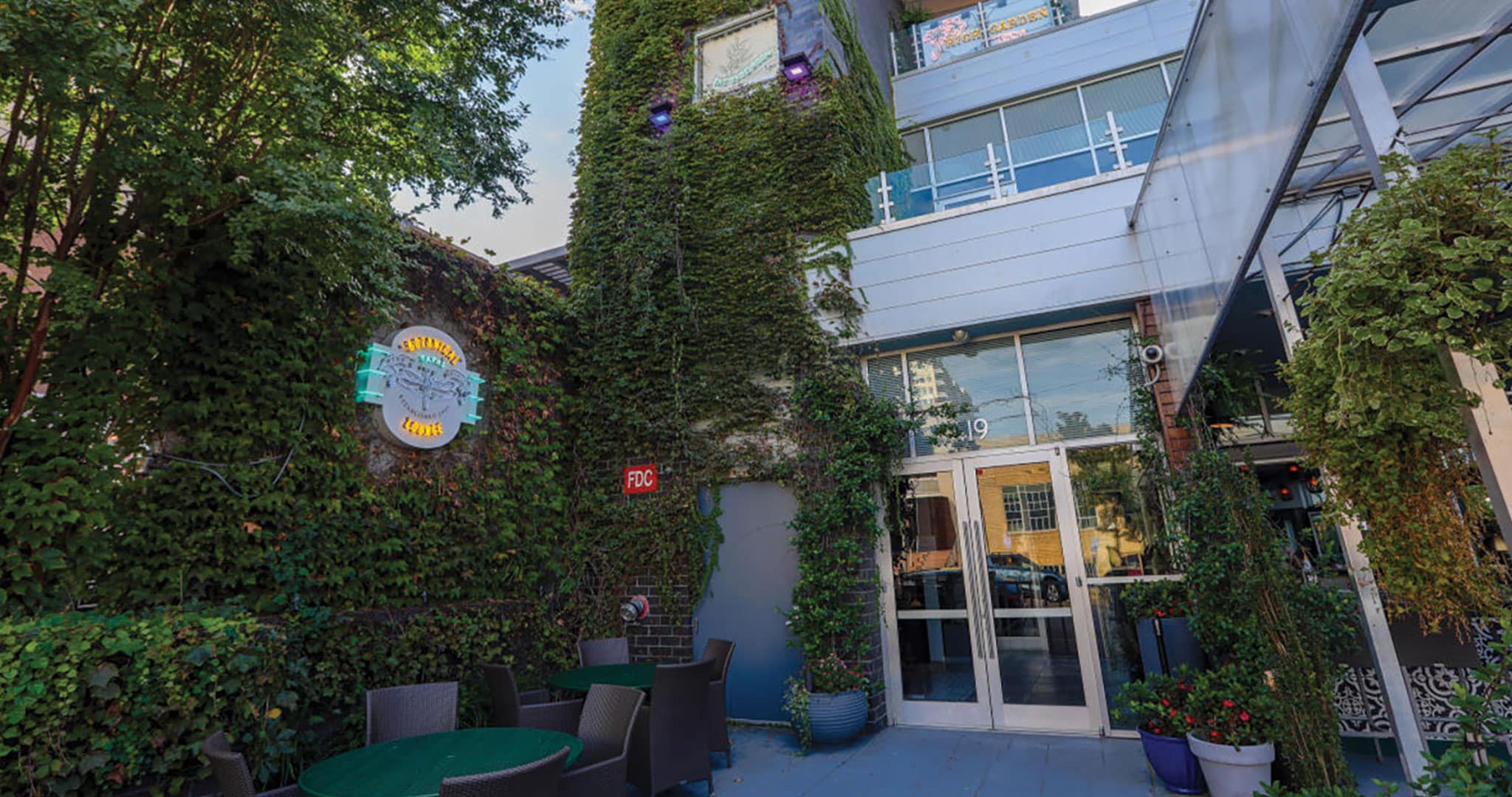
If you thought Downtown Raleigh’s nightlife scene was cooling off, think again. Dropping a fresh jolt of after-dark energy on Glenwood South is Hibernian Hospitality Group’s Sage Room at Botanical Lounge, officially hitting the scene Jan. 28.
Originally launched as a private event space in 2021—when Hibernian famously resurrected its OG Solas into the three-story Botanical Lounge and Highgarden—the newly activated club level taps straight into the group’s nightlife DNA.
Longtime locals will remember Solas as a prepandemic post-up spot, from buzzy brunch bashes to high-octane DJ sets, live shows and packed dance floors—even weddings and private events—that kept the calendar humming.
Now, that same party-forward spirit returns with a mod edge. Channeling those vibey roots, Sage Room will feat. DJ-driven Top 40 playlists, luxe lounge seating, exclusive VIP bottle service and a small plates menu designed for late-night sharing—positioning it as a go-to for birthday blowouts, bach weekends and spontaneous dance-floor detours. Think elevated club energy without losing the approachable, anything-can-happen MO that made Solas such a magnet.
“We’re incredibly excited to bring this fresh vibe back to Glenwood South,” the team tells RM. “With the combination of great music, comfortable seating, tasty bites and top-notch service, we’re creating the perfect spot for a memorable night out.”
Perched on the second floor, Sage Room becomes another strategic stop in the group’s Glenwood South orbit—easy to fold into a night that starts with bites at Hibernian, spans pours at Peggy’s, Botanical or Raleigh Beer Garden; and ends on the dance floor. In short: proof that Glenwood’s nightlife pulse isn’t fading—it’s evolving.

by Heidi Reid | Dec 2, 2024 | Buzz, December 2024/January 2025
PostScript Outreach enhances the lives of the disconnected through dinner and crafts.
Loneliness has long been a public health crisis—even before the pandemic made it apparent. And clearly a stigma still surrounds addressing feelings of social isolation.
Enter PostScript Outreach. Founded by Marsha Smitley with an aim to shutter out loneliness across all ages and demographics, the local nonprofit is building community by bridging the gap with its smash-hit program The Connection—aka weekly Thursday dinners boasting good food, connection-driven conversation led by a speaker and a creative dance, game or craft—for residents living at senior affordable housing complex Sir Walter Apartments.
Kindling friendships between those residing at Sir Walter has been no easy feat, especially because of a language barrier between English-speaking and Mandarin Chinese-speaking residents. Inspired to better connect with their neighbors, many Chinese residents wanted to hurdle this obstacle. PostScript answered the call with the introduction of ongoing English language classes and translation led by two volunteers.
Continuing to inspire since its launch, The Connection has expanded to kindle friendships in other spaces where connections can be difficult to cultivate—specifically for international students at NC State. Students initially volunteered with PostScript at their summer program, Staycation, chatting and connecting with the residents at Sir Walter. Some Mandarin Chinese-speaking students were even able to speak freely with the Mandarin Chinese-speaking residents—some having the first conversation in their native language they’ve had in weeks.
Once class began and schedules began to fill up, PostScript launched The Connection on-campus at NC State to continue to engage with students and other young professionals. Now the volunteers-turned-participants craft and kindle conversation together once a month, with the aim to lessen the loneliness many young people experience during formative college years.
Designed to build relationships and assure the dignity and worth, the get-togethers are about more than food and fun, explains Smitley, also the program’s executive director. “We are here because we have experienced loneliness, and we know how it feels.”
Over meals and crafts, the once-distant neighbors and students have grown closer, meeting to share “a little piece of who they are.” Conversations engage the participants, covering everything from physical health effects of loneliness to the ways we internalize stereotypes.
Ultimately, anyone can feel lonely, and it can easily go unnoticed by others. “It comes up in your body, in your senses,” says Smitley. “Loneliness is just a feeling that says, ‘I need to be connected to somebody.’” But with efforts like this one, connections can be forged. psoutreach.org



