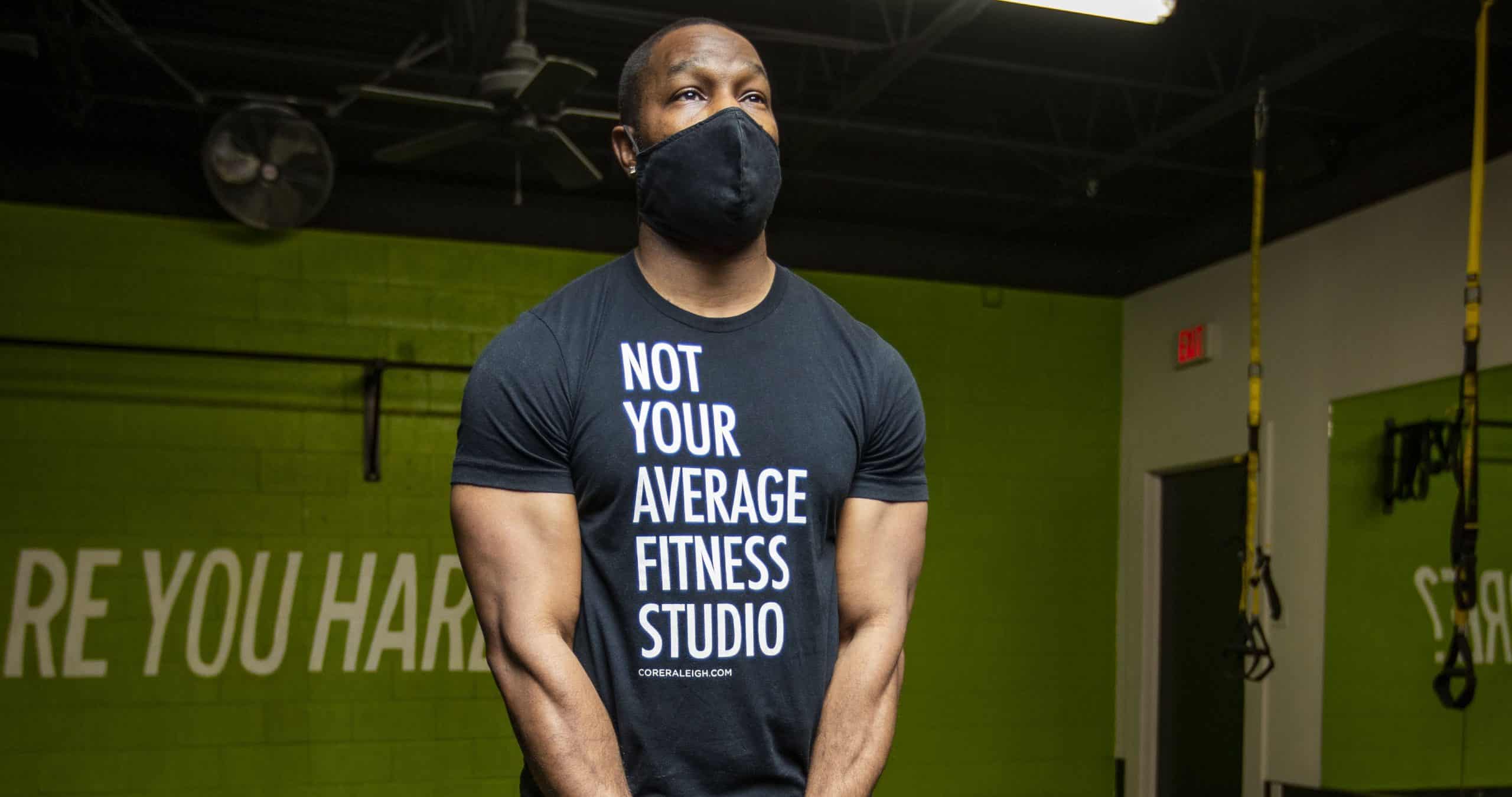
Sweating for that summer bod? We turn to Raleigh trainer JoJo Polk to find out what’s hot—and what’s not—on the local fitness scene.
TRENDING
The Great Outdoors
Whether it’s hitting the pickleball court or heading to Lake Johnson for a little SUP action, exercising alfresco is the way to go. “People are biking and running again now that they can get outside and get some fresh air,” says JoJo Polk, a personal trainer at the new FX Fitness located within Raleigh Iron Works. “All things outdoors are trending.” Go on, soak in that vitamin D—your body will thank you.
Futuristic Wearable Tech
Wearable tech has become an essential part of our workout culture thanks to OGs like Orangetheory Fitness. But now, Triangle newcomers such as OHM Fitness and Body20 are introducing even more high-tech experiences: think bodysuits designed with electrical muscle stimulation (EMS) to deliver the benefits of an intense two-hour workout in one quick low-impact session. Notes Polk, a former AFL athlete, “That’s the sports world finally starting to meet the fitness world.” Science rules!
Stability Training
While mobility training has taken TikTok by storm, Polk adds that stability training is also on the rise. “People are working on their balance and their core—and when I say core, I don’t just mean an ab workout,” the fitspert explains. “Everything has to work together, so you have to strengthen everything at once. … You’ve got to work your lower back, your glutes, your hamstrings, your quads.” And even though balance may seem natural, Polk says it actually requires constant practice, especially as people age. “The more you do it, the more comfortable you get with it and the stronger you feel.”
Mind, Body and Soul
If you’ve taken a Hot Girl Walk at any point in the past year, then you already know that mental health is the latest fitness craze (and certainly one we can all get behind). “I think that has always been important, but nowadays it’s taking the forefront,” says Polk. “The mind controls the body, and once you figure that out, the body can do what it’s supposed to because it’s in a good state.” Plus, more studios are jumping on the holistic health bandwagon, offering everything from meditation and breathwork classes to on-site physical therapists, nutritionists and massage therapists for nourishment inside and out. “That’s all part of wellness,” Polk continues. “We think that wellness is just working out and getting fit, but it is training the mind and calming the mind.”
FADING
At-Home Virtual Exercise
With the pandemic now in our rearview, at-home virtual workouts are being replaced by IRL classes. “Even Peloton has taken a big hit,” says Polk. “A lot of people want to engage again, they want to feel like we are normal again, so they are venturing back out.” However, many are still opting for hybrid workouts that combine online instruction with visits to a brick-and-mortar studio. “We don’t need them anymore, but I think they will always have a place,” Polk says of virtual sessions. “In case anything happens again, you can always go online.”
Old-School Pilates
Time to roll up those mats. Pilates is once again booming, but this ain’t your mama’s version of the full-body exercise. From the 3-2-8 method to wall Pilates, the new workout that has every fit-fluencer buzzing provides myriad ways to experiment. “Even places like FlowCORPS and Mega that have the Reformers—a lot of people are moving toward that,” Polk says of the trendy variation involving a machine that focuses on core strength and proper muscle engagement. Talk about a big flex.
Big-Box Gyms
Bye-bye, big box. “[They] are not as trendy as they used to be,” Polk reveals. Instead, there’s been an explosion in small-group fitness boutiques that offer camaraderie as well as clear, personalized instruction. “A lot of people don’t want to go and not know what they’re doing, so they are taking more classes or doing more of a personal studio type,” Polk continues. “At some point in your day, you just want to go and be told what to do and just let that person take over for a little bit.” (It’s me, hi.)
Lengthy Sessions
Forget sweating it out for hours at a time—shorter, optimized workouts and even workout “stacking,” are the next big thing. And the popularity of HIIT, which involves short bursts of vigorous exercise, has certainly helped drive this shift. The most important thing is to simply move your body, even if it’s only in 10- or 20-minute chunks. “Whether it’s a walk, whether it’s a jog, whether it’s Pilates or another workout, just make sure you’re moving every day,” says Polk. “If you can do that, you’re already winning.”
Press play on our trail mix of adventures for your summer travel itinerary.
Calling all NC adventurers! It’s the Year of the Trail (!), aka time to walk the walk(s)—literally—and tout our state’s fab and far-reaching network of trails, greenways and blueways reaching from the coastal region to the peaks (fun fact: NC is nicknamed the Great Trails State!). Beyond enjoying natural beauty and a bit of fresh air, trail trekking offers a bevy of benefits, from balance to strength to improved heart, mental and relational health—so bring a walking buddy!
And there’s no better time to tackle our state’s tantalizing trail ops, whether you’re seeking a relaxing refuge or ready to rough it out in the wild like Bear Grylls. Here, we offer up four fun trails around NC fit for a day trip or overnight excursion, along with some spots to sate your appetite afterward and cheers to a successful trek. … Ready to choose your adventure?
DO: Blue Ridge Parkway Erwins View Trail at Linville Falls The Blue Ridge Parkway always brings its A-game—and this quick, fam-friendly 1.7-mile out-and-back trail is perf for a quick exploration to get your blood pumpin’ without missing your lunch rez back in town. NTM you’ll fall for the views. Trekkers can nab a glance of the base of Upper Linville Falls and view Lower Linville Falls from above. Never mind what TLC said—rules are meant to be broken. npplan.com
EAT Stonewalls Restaurant Nestled in Downtown Banner Elk—but serving Newland, Blowing Rock, Boone and Linville locals alike—this locally owned resto has been touting gourmet steaks, seafood (the crabcakes are fab!), fine wine, and olive oils and balsamics since 1985. Steakcation mode, activated. stonewallsrestaurant.com
DRINK Blowing Rock Brewing Company Hey, brew. For a peak experience, belly up to Downtown Blowing Rock for ales and ales of drink and food ops to curb those cravings after a long hike—think burgers, wings and sandwiches. P.S. There’s also wine and bubbly on offer if beer isn’t your thing. Cheers! blowingrockbrewing.com
DO: Appalachian Trail Max Patch Want to hike the Appalachian Trail without all the hoopla—or the five to seven month commitment? Take a walk along a section of the AT via this 4,600-foot bald mountain boasting 360 degrees of breathtaking views. To boot, if the weather’s nice, spy Mount Mitchell and the Great Smoky Mountains off in the distance—then stargaze, picnic and lay among the wildflowers. While there’s no camping on the bald, find overnight ops around town in Hot Springs. Trust us, this hike rocks!romanticasheville.com
EAT The Grey Eagle Taqueria We’re in our fillings for this authentic and fresh taco joint with a Hot Springs locale (the OG spot opened in Asheville’s The Grey Eagle Music Hall) less than an hour away from Max Patch to sate those post-trail munchies. Nosh on tacos, salads and other Latin American fare made with fresh ingredients prepped in-house. And wash it all down with a marg… you earned it! Can we get an encore?! greyeagletaqueria.com
SHOP Trust General Store & Cafe Stop here for some good ’ol Southern hospitality! Situated smack dab between Asheville and Hot Springs (and only a 10-minute commute from Max Patch), this historic and convenient stop is the perf place to nab all those last-minute hiking essentials—groceries, hardware supplies, tees, hats, outdoor accessories, etc.—while also spotting some friendly faces for insider go-tos and grabbing a bite to eat. Tell ’em we sent ya!trustgeneralstore.com
DO: Wilmington Greenfield Lake Park Trail A seaside stroll more your jam? Lace up your sneaks for a 3.9-mile jaunt around the loop at this happening Wilmington hot spot for walkers, fishers and bikers alike. A great go-to for families or solo sojourners, the trail touts beautiful views of the water, picnic perches and benches scattered around the park. … And we lake it a lot. wilmington-nc.com
EAT Indochine Been there, thai’d that! For authentic Far East eats (Vietnamese, Thai) on the East Coast, roll up hungry to this acclaimed resto where the fare is as fab as the atmosphere (think: outdoor huts, hanging lanterns and a decorated dining room). Fill up on Thai curries, fried rice/noodles, dumplings, house specialties—and don’t forget dessert! Pro tip: The mango sticky rice is a must. See you by the lotus pond? indochinewilmington.com
DRINK Social Coffee With an MO we can get behind—“to love others thru coffee”—this Wilmy caffeine staple is a perf stop for an energy boost pre- or post-trail. Find small-batch specialty coffee ops and know those dollars are going to good use as the org partners up with an array of nonprofits. Here’s to contributing to creating positive change—one cuppa at a time! socialcoffeesupply.com
DO: Charlotte U.S. National Whitewater Center Loop “Paddle faster, I hear banjos!” … Float on over to Charlotte’s Whitewater Center trail for a hike or bike ride to fit your fancy, whether you’re taking a break from the raging rapids or simply want to explore this moderately challenging 8.7-mile loop. Heads up, parking’ll cost ya $6, but it’s a small price to pay for those pristine outdoor adventure vibes. Let’s get trekking! whitewater.org
EAT The Goodyear House Good eats found here! “Built on good times,” this spacious eatery offers a stellar ambiance via its outdoor seating area and filling eats (shrimp and grits! pork belly! smoked cashew mac!)—and we’d be remiss not to give the seasonal cocktails a shoutout. Go on, pull up a chair (and bring along those hiking buddies!)—they’ve got a spot at the table for ya. thegoodyearhouse.com
DRINK Birdsong Brewing Co. Care for a brewski? In 2010, husband-and-wife dream team Chris and Tara Goulet joined forces with friends Conor Robinson and Michelle LeBeau to bring homebrewed beer to the Charlotte scene. Pro tip: Sip on its seasonal specialty, Rewind Lime, bringing crisp and refreshing fruity flavors through July. Go on, hop to it! birdsongbrewing.com
Worth a “power trip” (nod to J. Cole’s OG Born Sinner viral banger)—NC is home to a host of hot homegrown celebs. From the Sedaris sibs to Lauren Kennedy to Ariana DeBose, the arts are clearly alive on the NC streets. That gift of fab stretches from stage to screen to screens (hey, bball legends!). But which stars are most searched? Worth a Google. According to Bet Carolina’s hyperlocalized analytics, these 10 NC-born celebs are on the tip of everyone’s fingertips.
Slay your summer via new sound shops, books, sustainable brands and more.
All about the frills? Find Frills Atelier selling sustainable + upcycled styles and accessories in its new pop-up shop on Martin Street. After all, nothing looks cuter than being green! @shopthefrills
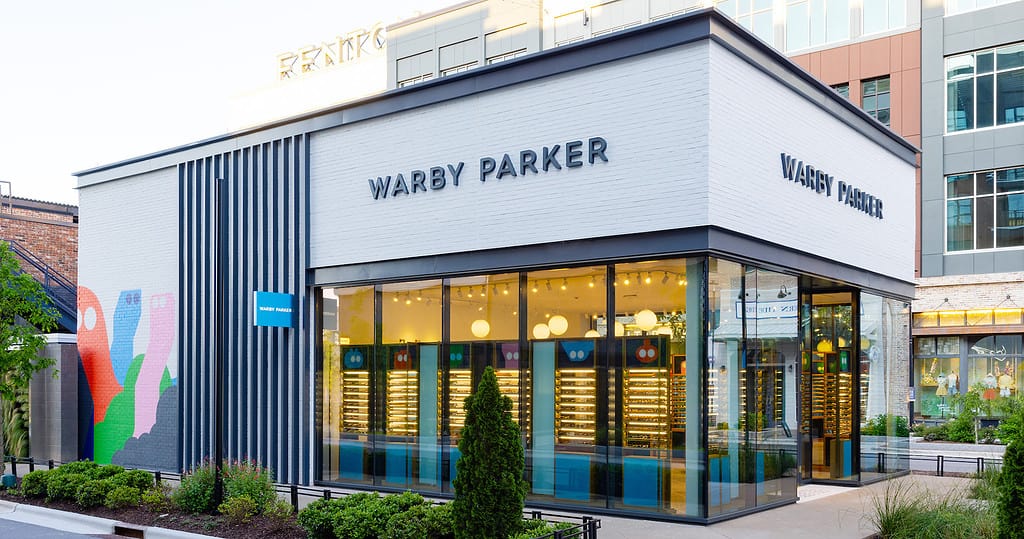
You’re gonna wanna frame this one. Warby Parker’s newly opened storefront in Fenton is a sight for sore eyes indeed. How spec-tacular! @warbyparker
Raleighites and sisters Natalie and Ashley Yakopec—who you might know from their fashion/lifestyle page Polished Pineapple—are the proud new owners of women’s boutique Gena Chandler in North Hills. Slay! @genachandler
Book it over to nab a copy of Sassool co-owner Lisa Saleh’s latest book, Moussa Domit: A True Artist, a biography about a Lebanese man who comes to America and eventually starts a bakery (psst it’s Neomonde!). BRB, adding to our must-read list!@sassoolcafe
Grab the popcorn! Triangle Cinemas is now playing in the previous Six Forks Cinemas spot. … And, scene! @trianglecinemas
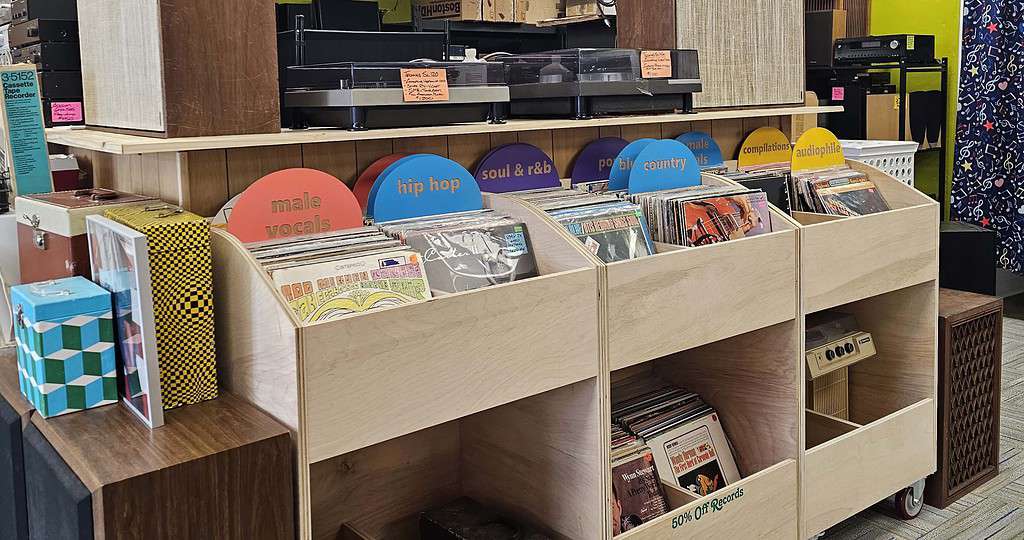
Do you hear what I hear? Sound Off Records & Hi-Fi recently spun into a new locale lauding used records and vintage audio equipment in the Warehouse District. As Rihanna would say, “please don’t stop the music.” @soundoff_hifi
New store, who dis? Check out H&M’s new Crabtree digs flaunting an expanded array of fab fashions and an updated ambiance. Let’s shop till we drop! @hm
Popcorn, Adobe Stock; remaining photos courtesy of brands
Raleigh’s homeless numbers are on the rise. Four Raleighites share their personal stories into what homelessness is like—and what we as a city need to do about it.
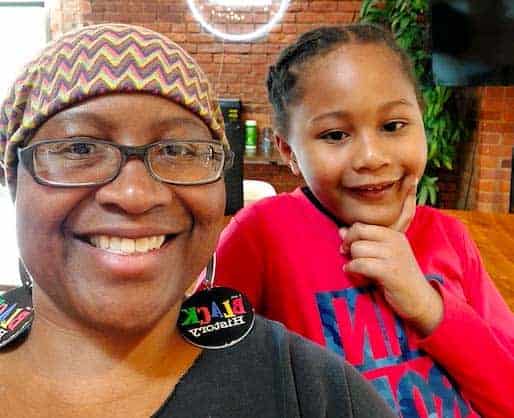
“We need to see the humanity of every person as a person,” says local Kara Sanders, a single mom who is currently living in her car with her 7-year-old son, Wisdom. “We need to see their brilliance beyond their bank account.”
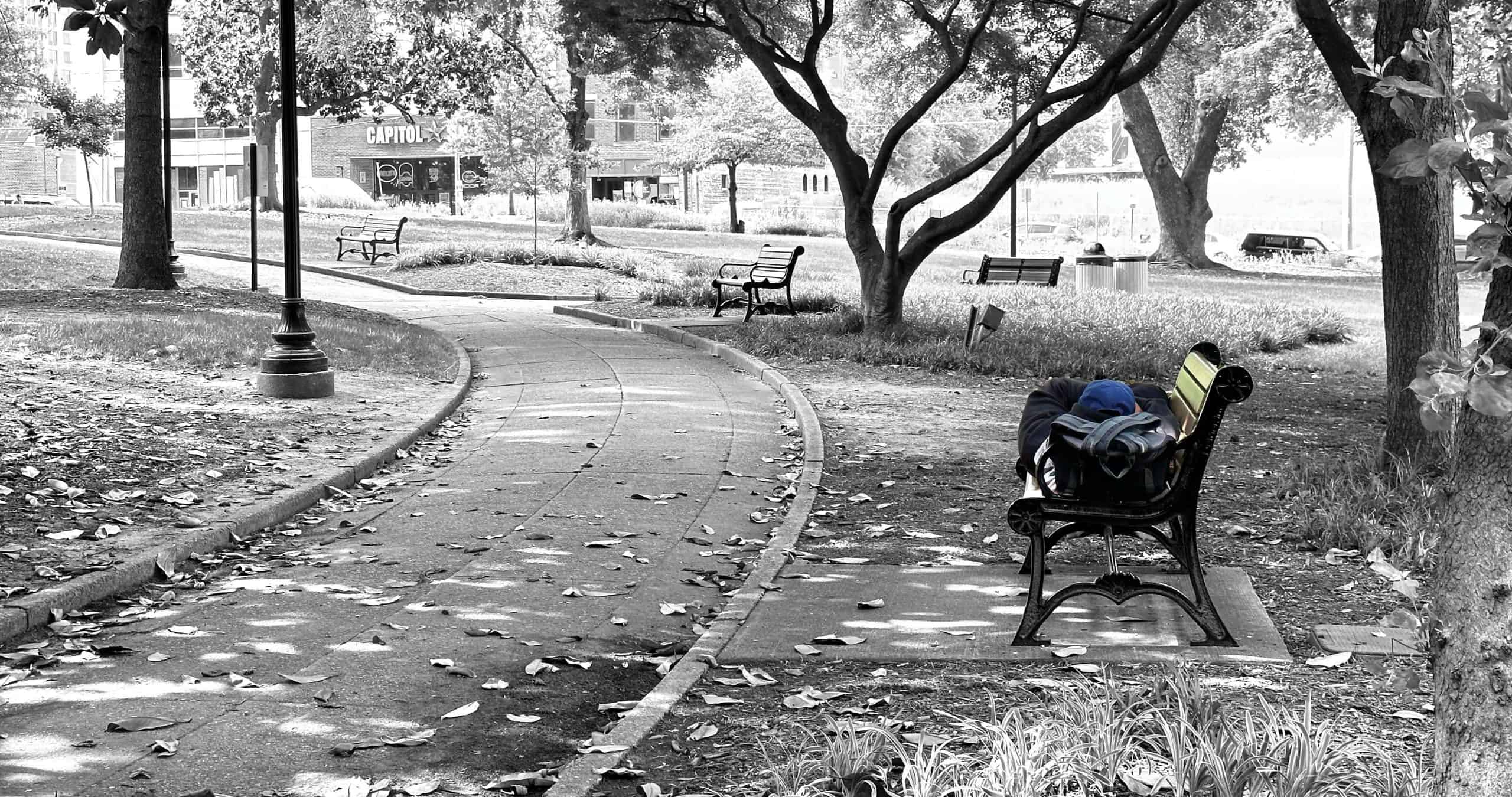
A walk Downtown quickly reveals that homelessness is more abundant—and visible—than ever before. It’s pervasive, affecting vast ages, races and backgrounds. And while our community boasts a host of local organizations and resources for people who are homeless and/or food-insecure—A Place at the Table (APATT), Housing Options for Students Today (HOST), Raleigh Rescue Mission and ACORNS, to name just a few—the problem continues to escalate.
These organizations have seen alarming increases in the number of those seeking help. Oak City Cares, for example—a multiservices center that connects Raleigh’s homeless population and those at risk of homelessness to services that put people on a pathway to safe and stable housing—cites a shift from ~900 individuals seeking assistance in 2019 to 1,500 in 2022, and more than 2,220 in the first nine months of this fiscal year.
And according to Raleigh Rescue Mission, homeless rates in Raleigh and Wake County are rising by 8% each year. A shocking ~6,000 youth in Wake County schools are homeless, while almost 100,000 local people experiencing poverty walk the fine line between housing insecurity and losing their homes altogether—and just one minute financial hiccup could teeter to homelessness.
APATT founder and Executive Director Maggie Kane has witnessed Raleigh’s rising homeless rates firsthand at her pay-what-you-can cafe. Pre-pandemic, 50 to 60 people might come in on any given day in need of a meal, she says, whereas, now, those numbers have skyrocketed to 100 to 150.
Meanwhile, we’re inundated on the daily with how extraordinary our city is—decorated with an array of accolades and approval ratings ranging from entrepreneurship to wellness to point-blank the best place to live. But these shiny achievements don’t tell the full story for everyone who calls Raleigh home. In fact, when it comes to economic mobility, Raleigh tops the list as one of the worst—meaning, in Wake County, if you’re born poor you’re more likely to stay poor.
Homelessness is an epidemic—and it impacts Raleigh’s future growth and vitality. “Our city has gone beyond burgeoning. It is now bursting at the seams,” says Rev. Frank White, pastor of Antioch Bible Fellowship and a member of the Raleigh Area Land Trust board of directors, who spoke on the issue at Raleigh’s first meeting of its joint homelessness committee in May. That population boom met with rising rental rates and stagnant minimum wage are key components contributing to homelessness.
Amid massive efforts to revitalize Downtown Raleigh—from the Fayetteville Street revamp to new business and apartment complex openings—the homelessness epidemic needs to be addressed, both for the housing insecure and for the residents who frequent our city streets. And while we can all point fingers to myriad contributing factors affecting the homeless hike—both in and beyond our control—pointing fingers doesn’t solve the problem.
This crisis is heavily affecting all Raleigh residents—and it could happen to any of us. It could happen to you. Who are the people affected? How did they get here? What are their stories? And if we are to say we love our city, it leaves us with this: How will we put our heads and hearts together to fix Raleigh’s homeless hike?
Kara Sanders Homeless since 2020
Kara Sanders, aka “Momma Kai,” came to Raleigh from Connecticut a little over three years ago with her 7-year-old son, Wisdom. They initially came to NC looking for paternal support—and when that support wasn’t there, Sanders chose to be unhoused to keep both herself and her son safe due to threats from his father.
Throughout that time, she and Wisdom have bounced around from her car and other people’s homes to hotels and even their storage unit. Sanders is on the board of Wake County and the City of Raleigh’s recently launched joint homeless effort—and she brings a positive outlook about her situation by staying involved in civic engagement.
Sanders prioritizes both her own and her son’s well-being—bringing him to storytime at the local library and taking him to play at parks most mornings (they’ve been to over 40). The two have a place to go for a shower and to store their food while they’re living out of their car.
As she considers her future, Sanders is in the early stages of opening a business called L.U.V. Enterprise—aka “learn your value.” The motto “building the village, raising the child” briefly encapsulates how they’ll accomplish their committed, compassionate and crazy mission to eliminate homelessness, poverty and the next generation of prisoners. “The work you do now can change the course of your life,” she says.
Nate Blackmon Homeless since 2018
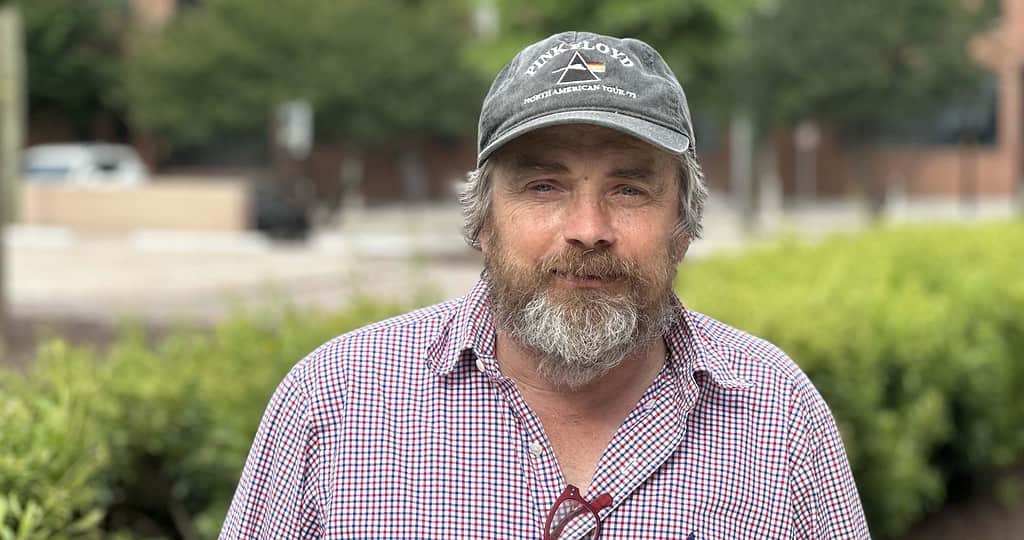
“You’re worthless on the street. You have no money and no way to defend yourself,” says Nate Blackmon, who has been on the streets for the past five years. After his dad was diagnosed with stage 4 cancer, Nate Blackmon used his savings to pay for the family car lot business. When his dad passed, Blackmon’s mom and brother sold most of the cars in their name—depleting them from 98 to 17 cars—resulting in the loss of his home and a fallout with his family shortly thereafter.
Now, Blackmon hasn’t spoken to a member of his family in over two years. Almost every morning, he comes to A Place at the Table to volunteer for his breakfast, sometimes heading to City Market to read or use a microwave before pitching his tent for the night. He used to pitch it near Healing Transitions (“They have a dry place to sleep—it’s not very fancy, but they feed you,” he says); but, since being robbed at least nine times, he has now moved his tent into the woods. Twice a week, you might also find him at Pullen Memorial Baptist Church for a hot meal and clothing.
During his five years on the street, Blackmon has dealt with myriad mental health and drug issues and experienced the “every man for themselves” mentality from other members of the city’s homeless community. “I’ve let some of them into my tent and they thank me by stealing from me,” he says. “The community can be very violent and switch up on you—there was a time I thought I was crazy. … But I’m not crazy, I’m just in a bad situation.”
When he considers his future, Blackmon has plans to take hold of his situation for the better. He dreams of going back to school and using his background knowledge in coding to do cybersecurity, and getting a state license to sell used automobiles, make money and work to help break the homeless cycle.
“If I make money, I’m going to get a place to stay and be a different person than I was when I had money,” he says. “When I had money and I had a problem, money solved my problem. Now I have no money and a problem—so I have to use my intellect to solve it.”
He adds: “I’ve got maybe 10 years of viable life left. I don’t want to be an old man on the streets. I want to be a contributing member of society.”
Regina Harper Homeless since October
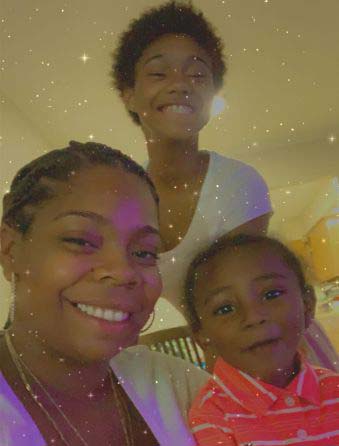
“There are times when I just stay in my car because I’m sad,” says Regina Harper, mother of two. “I don’t want to be in the situation I’m in—and it’s never anything I wanted for my children.”
Harper, her 15-year-old daughter and her 5-year-old son have been living in a hotel room since being evicted from their apartment in October. When the pandemic initially hit, she was furloughed from her job as a store manager with Jos. A. Bank and didn’t receive an unemployment check until about a week before she returned back to work in June 2020. By August, the store managers were getting laid off or offered positions at lower pay.
“I wasn’t able to maintain my household,” she says. “I was able to use the House Wake! Program in partnership with the Telamon program. They helped tremendously to keep us in our apartment… but when the apartment agency no longer accepted the rental assistance and said it had to come from me—that’s when I couldn’t hold it afloat anymore.”
Harper currently works as a prep cook at Paragon Fenton in Cary and does valet trash at night. Maintaining two jobs while parenting and dealing with the stress of her family’s situation takes its toll. And with work, plus the responsibilities of motherhood—making sure her kids have transportation, finish their homework, have clean laundry, etc.—she doesn’t get to spend much quality time with her children.
“My daughter suffers from living in a hotel room every day,” says Harper. “There’s things going on out there, people overdosing—and we can’t afford to get a decent hotel room. One day we came outside and there were needles on the ground. … Not too long ago, my 5-year-old asked when we were going back to our old house, and it’s like, ‘We don’t have a home, baby… this is where we live.’”
Harper’s philosophy is to take each day one at a time—with the hope that tomorrow will be better than yesterday. And when she considers the homeless situation as a whole in Raleigh, adding more affordable housing options (plus making housing more accessible) and raising the minimum wage are two ways to start. “If you’re by yourself you can’t live on that,” she says of North Carolina’s minimum wage. “God forbid you have one or two children.”
Adds Harper: “I don’t want to say the pressure is unbearable, but it is. And I don’t have any option but to deal with it because I have two kids who are looking up to me. … My hope is for Raleigh to recognize that there’s an issue with homelessness. Even the shelters are backed up—we were told it would be three months before we would get a call back. I didn’t realize how much time that was until I had that much time. I don’t have three months to get my kids somewhere to live.”
Vision6 Productions
Roger Kornegay Homeless for 9 Months
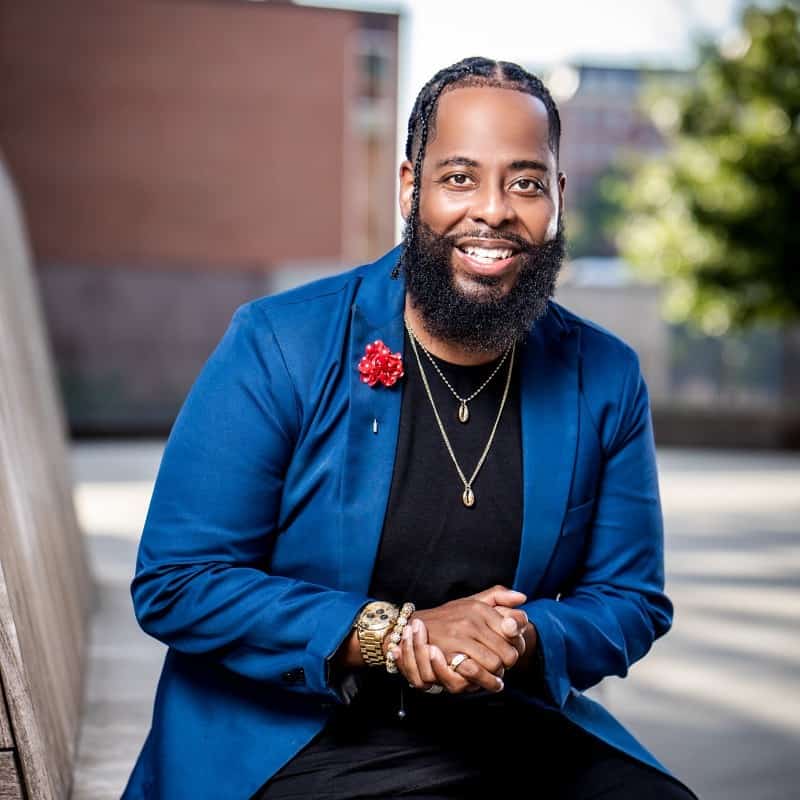
Roger Kornegay—who now co-runs creator page Raleigh FoodTrap—experienced homelessness in high school. During his sophomore year, he came home to an orange notice on the door saying he didn’t have the right to enter, thus beginning a ~nine-month stint jumping from hotel to hotel with his parents and two siblings.
Kornegay was raised by parents who both worked full-time jobs. His family made the move from Goldsboro to Raleigh around 2000, and with their move came the purchase of a new home. But after his mom had to discontinue working as a result of illness, his dad was left to carry the weight of supporting the family on a single income.
“We lasted about a year before we started falling behind on home payments and the mortgage,” recalls Kornegay. After losing their home, his parents took the savings they had and put the family up in a hotel room—and each paycheck his dad received went right back to paying for that room.
At first, hotel-hopping was exciting for Kornegay and his siblings—but after a few months of staying at almost nine different hotels, the novelty wore off and the reality of the constant shuffle (a manager once kicked them out for eating too much food) and lack of privacy soon became draining. As a high school student living in a hotel room with limited belongings, Kornegay often found himself wearing the same outfits to school.
“When you’re in high school, that’s a big deal,” he says. “Kids notice you wore that shirt yesterday… and I only had two pairs of shoes. But the only way you’d know we were homeless was if you followed us to the hotel after school.”
To help get them back on their feet, White Memorial Presbyterian Church’s StepUp Ministry sponsored the family via a townhome in Downtown Raleigh that required very low rent. Today, Kornegay’s experience has shifted the way he works and lives.
“Because I’ve been through it and have my own family now—a 2-year-old and a baby—my grind is different than others,” the Raleigh FoodTrap creator shares. “I don’t want my kids to know what it’s like to wear the same outfits or live in a hotel.”
A PATH TO HOPE
Wake County and the City of Raleigh hosted the first meeting of the joint homelessness committee in May, aimed toward providing help for those experiencing homelessness in our community. The task force is armed with representatives from Raleigh City Council, City of Raleigh, Wake County Public School System, Raleigh Police Department, Oak City Cares and Healing Transitions, among others. The timely meeting acknowledged the long road ahead of us—and the groundwork that needs to be laid—to begin the process of solving Raleigh’s homeless problem.
Ignoring the issue only exacerbates it, and so we must acknowledge—and act on—the less enticing aspects of growth. The committee acknowledged it’s not a problem that exists in a vacuum—a look across the nation finds relative cities facing similar spikes in homelessness due to such issues as rising housing costs. Cities like Denver serve as a cautionary tale to determine what we want to emulate and what to avoid.
“The system is broken, and there are a lot of people trying to access services across the board,” says Raleigh Council Member Stormie Forte, co-chair of the joint homeless effort. “Being in this space and collaborating with people coming from different experiences is very important and critical. … I’m excited about the work we’re going to be doing.”
HOMELESS COLLEGE STUDENTS
For its part, HOST—the first program of its kind in the U.S.—was launched last year by NC State to bolster housing security by connecting students with a “host” family. According to HOST advisory board chair Mary Haskett, a 9.6% chunk of the student population experienced homelessness in 2017, and increased to 15% in 2020. “Given stagnant wages combined with increases in tuition fees and the cost of rent in Raleigh,” she says, “I would take a professional guess that we would see increases based on those factors.”
Folasewa Olatunde, an international graduate student at NC State, experienced transitional home insecurity during a six-week span of college. Not knowing where to go, she planned on sleeping in the library before finding a spare room where she could stay until flying home.
“I was overly concerned about where I was going to stay,” she recalls. “And it’ll impact your concentration in classes and your mental health.” Now, Olatunde works with the HOST program to help other students struggling with home insecurity. “I think in the last four to five years housing costs have gone up and income has not kept up,” she says. “I don’t know anyone whose income has kept up… and the cost of groceries and everything else has increased.”
When she considers what could be done to improve the situation, Olatunde points to the university providing transitional housing options for international and domestic students alike, and increasing stipends and pay for student employees.
HOMELESS KIDS
“We had a waitlist of about 125 families—each of those averaging around three kids per family—awaiting services that are critical to their well-being, not only now but later in their lives,” says Joy Guha, program coordinator at Passage Home Inc., an organization that exists to help break the cycle of poverty. “This is largely invisible. The common misconception is that there is no childhood homelessness, but it’s there. It’s just less visible than someone walking up to your car and asking for money.”
Guha works with a program called REACH (resilience, empowerment and access for children in homelessness), and she emphasizes the lasting impact that homelessness and home insecurity can have on kids that will impact them for years to come.
“Working with kids is an added layer,” she says. “There’s the turbulence of being homeless—lots of our families are in hotels and motels and move around pretty frequently based on hotel rates. In addition to food insecurity, that can be a trauma to young brains… and it’s a really large, complex problem to be working on.”
HOW TO HELP
Per A Place at the Table’s Maggie Kane, here are a few small places to start.
Talk to folks. Look people in the eyes and treat them as human.
Financially support organizations working with folks experiencing homelessness like Oak City Cares, Healing Transitions, etc.
Again… say hello. Treat them as human.
Buy Place cards from APATT so folks can get a meal.
Buy McDonald’s gift cards so folks can get a hot coffee or a quick meal and have a place to be for a bit.