



Roe Woes
Where NC stands on abortion access in the aftermath of Roe v. Wade
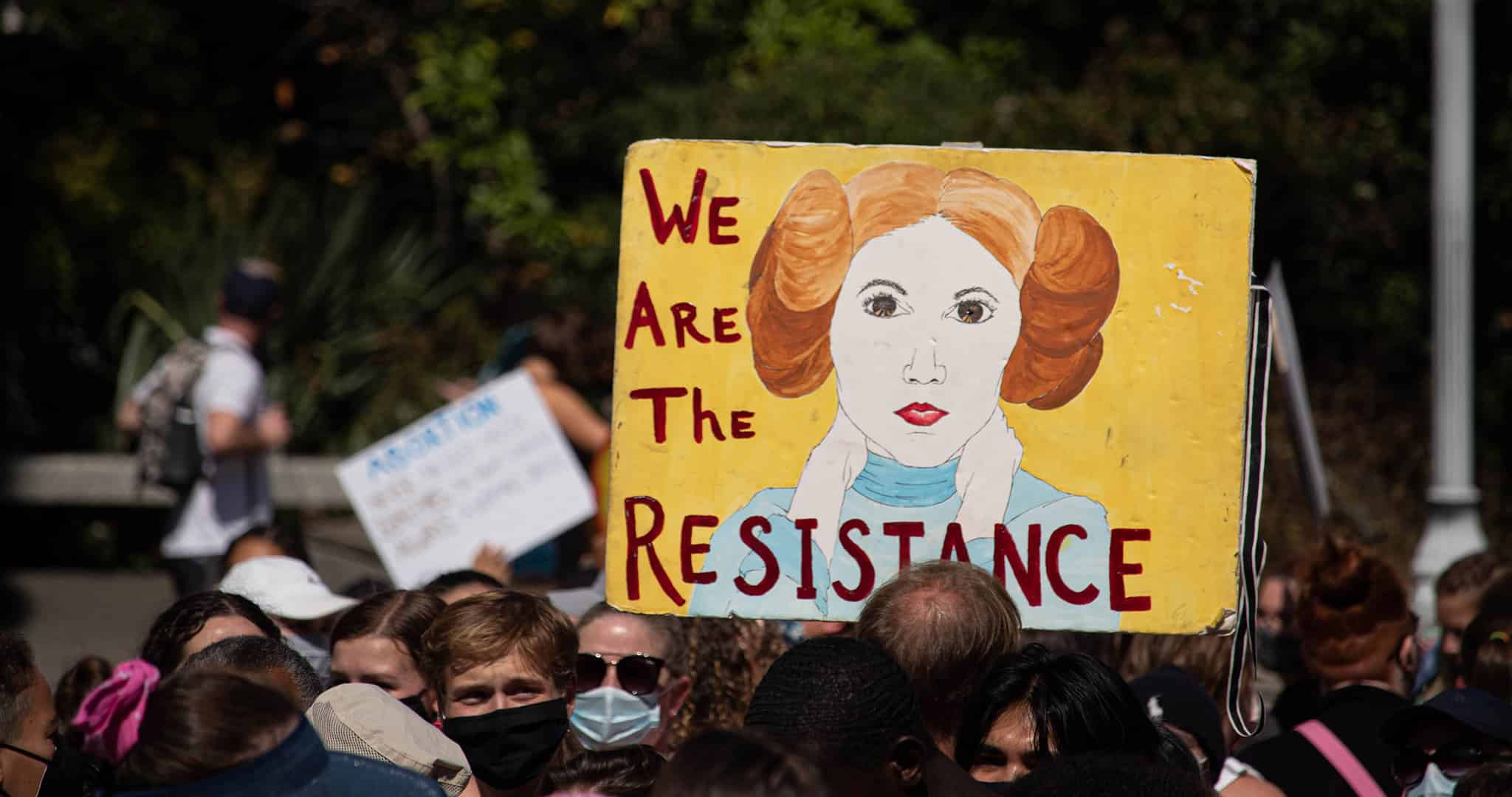
“My body, my choice.” “Women’s rights matter.” “Not your property.” These are just a few of the thousands of slogans that have been circulating the U.S. following the Supreme Court’s official overturning of Roe v. Wade, which has protected abortion in this country since 1973.
And it begs the question: Roe v. Wade (which will give states the right to pass laws banning abortion) is overturned—what happens next? So Raleigh Magazine chatted with two North Carolina legislators, NC Rep. Julie von Haefen (co-sponsor of House Bill 1119, which seeks to codify abortion protections in the state) and Sen. Natalie Murdock—both of whom are working to ensure that health care, especially abortion, is easily accessible for women.
Sen. Murdock emphasizes that abortion is a necessary form of health care for women, and losing that health care would “create a lot of confusion and harm.” However, she notes that the right to an abortion still remains legal in NC—placing its future in the hands of voters. (In a statement by Gov. Roy Cooper on Friday, June 24, he stated that he “will continue to trust women to make their own medical decisions as we fight to keep politician’s out of the doctor’s exam room.”)

“This fall, we have to vote for pro-choice legislators,” stresses Sen. Murdock. “We choose our leaders, and we still have months and months to go, so no matter what your reason is to vote, add this to your list. We have to pound it—we won’t get a redo. This is a really critical election when it comes to bodily autonomy, and we have to get the word out that people have to get out and vote.”
There are currently 13 states that have put “trigger laws” in place, which automatically banned abortion once Roe v. Wade was overturned, and, as of right now, NC is not one of them—thus, abortion will still be legal in the state, and legislators will continue to fight for access to abortion. “I am proud to say our state Senate cares a lot about health and is passionate about birth control contraceptives,” says Sen. Murdock. “We are in a better position than a lot of states in the South, and because abortion would remain legal in NC post-Roe, we are prepared for a huge influx of people requesting abortion care.”
Outside of the legality of abortion in NC, however, it is already difficult to access abortion in the state considering only nine out of the 100 counties have an abortion provider—and there are only 14 abortion providers in the state as a whole. “Clinics know they are going to be overwhelmed with requests, and we are bracing ourselves for Roe v. Wade to be overturned, and understand that NC is one of the places in the Southeast where it would still be available,” adds Sen. Murdock. As such, NC nonprofits and abortion clinics are already raising money to support women traveling to the state for abortion access.
To get a better understanding of abortion policies elsewhere in the world, Rep. von Haefen recently traveled to Mexico with other state lawmakers to compare two different perspectives: one where abortion is legal and accessible—and even funded—versus one where access to abortion is only allowed in very limited circumstances.
Members of the legislation team came from various states where current abortion policies are very different, but came home with the common takeaway that “this is a battle without borders, but this issue goes further than the U.S.,” says Rep. von Haefen, adding: “We should look to Mexico to see what they are doing. They have done a great job of viewing abortion as health care and destigmatizing it.”
Rep. von Haefen adds that we should continue to say abortion is health care for women. And it’s important that we push legislation and the public to understand that abortion is a form of health care and a medical procedure. “We can make a lot of progress if we start to look at it that way,” she adds. But, most importantly, we all need to vote.
“I tell everyone that abortion and health care are on the ballot in November. If we don’t hold the line and hold the seats and if we slip back into the minority, they will be able to override vetoes from the governor—and we won’t have any power to stop them,” says Rep. von Haefen. “If this is an issue that is important to you, you need to vote this year and make sure that legislators are working to maintain access to abortion.”

