Let’s be real: More often than not, a vacation isn’t actually a vacation. It’s a jam-packed itinerary of late nights out followed by early morning activities, leaving you returning home far more exhausted than when you left.
But change can be found quietly tucked away in the mountains of Western North Carolina. Enter Wunderland Resort, a high-end campground off a gravel road in Old Fort, ideal for indulging in a calmcation (read: a calming vacation where restoration actually happens). The secluded grounds are backdropped by rolling peaks and a complete lack of cell service—the upper corner of my phone read “SOS” my entire stay—making it refreshingly easy to prioritize genuine rest over a sightseeing checklist.
The resort serves up space for tents, RVs and campers, plus upscale tiny home-like cabins for anyone craving the perks of the outdoors sans the setup, bugs or weather drama. But whether your refuge has running water or not, a peek inside the musically inclined bathhouse is a must (pro tip: Each bathroom has a different theme—and song!).
I spent the night in the newly unveiled creator villa, which feels purpose-built for unplugging and creative flow. Inside, a midcentury-modernesque conversation pit houses a pullout keyboard and musician biographies lining the walls. Outside, a porch stocked with a table, chairs, fire pit and a hammock built right into the deck served as a primo spot for sunning and stargazing.
As I quickly learned, a stay at Wunderland is very much a build-your-own adventure. If disappearing is the move, bring a bottle of wine and a book to settle into your porch or one of the many tucked-away nooks on the grounds. For a more literal cleanse, pack a swimsuit to work up the nerve for a cold plunge (I did not, thanks to freezing temps) followed by a bask in the sauna.
While doing “nothing” is absolutely allowed, outdoor adventures are still on deck to get your nature or movement on as its own recharge. On- and off-site ops beckon from foraging tours for a walk on the wild side to fly-fishing, hiking and mountain biking in the surrounding Pisgah National Forest. And because you can’t really call it a trip to WNC without chasing a waterfall—Catawba Falls is an ideal short drive + easy hike combo, and the ephemeral Glassmine Falls can be spotted just off the Parkway.
When you crave a reentry to civilization, Old Fort delivers charming small-town energy with just a single grocery store (don’t sleep on the Piggly Wiggly) and a handful of shops and restaurants. And Black Mountain and Asheville lay in wait just down the road for some bigger city ventures once you feel refreshed and renewed for a robust hit of culture, food or people.
All to say: If your idea of an ideal getaway involves fewer plans and better sleep, it’s high time for a holiday of true relaxation. wunderlandresort.com
Michelin recs mean big numbers for local restaurants.
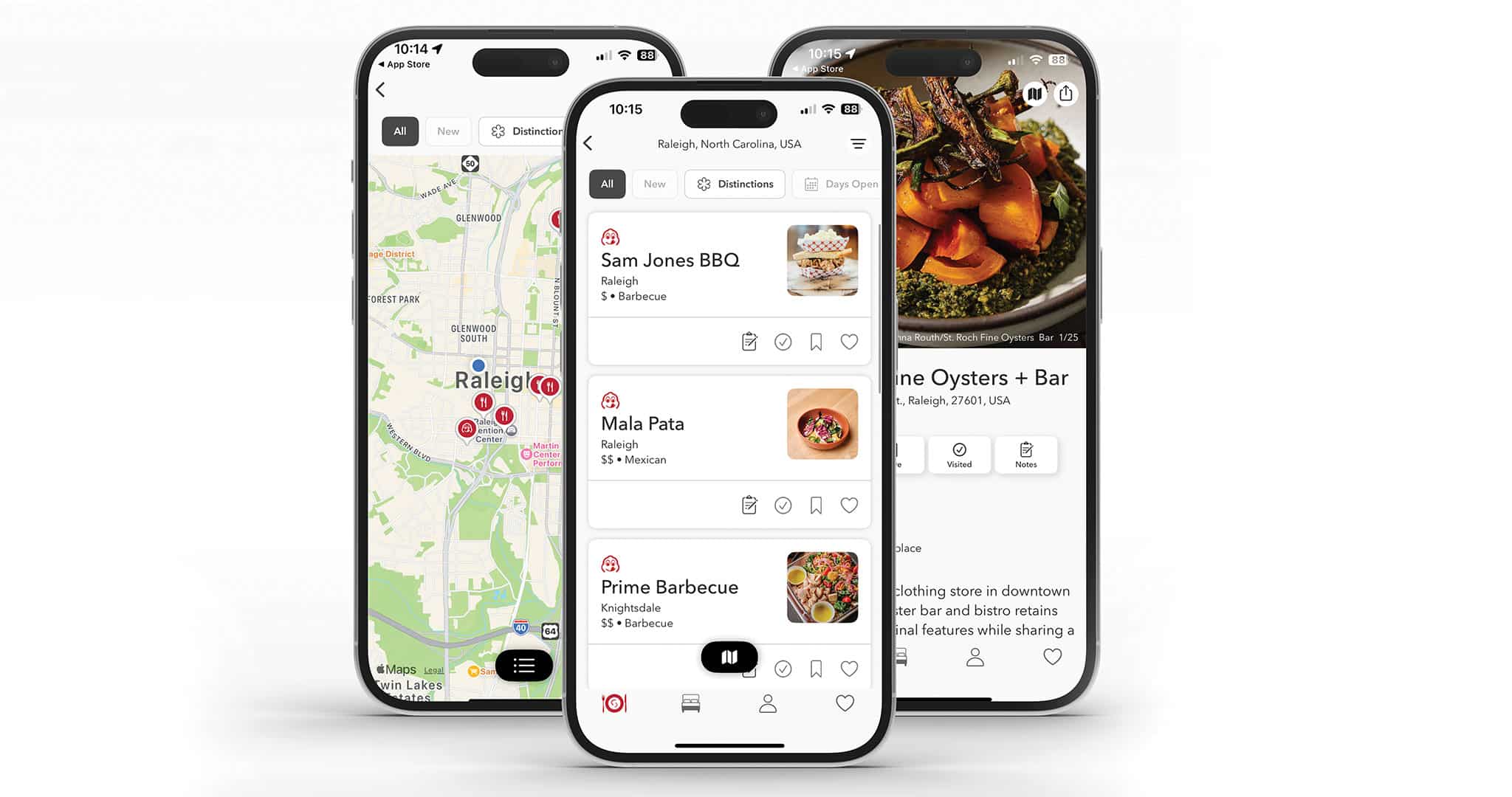
For 13 Raleigh restaurants, the relentless pursuit of plated perfection paid off in full with a nod from Michelin in the premiere Michelin Guide American South, and, in the culinary world, no accolade shines brighter. But beyond prestige—and the potential for stardom come next year—what does a Michelin recommendation actually mean for business?
At Mala Pata, co-owner Marshall Davis says reservations skyrocketed within a week of their Michelin name drop, and, within just 72 hours, the recently bowed eatery was 80% booked through the end of 2025.
“We’ve served nearly 1,000 first-time guests since the Michelin news,” remarks Davis. Sales are up 10–15%, and the restaurant is working to accommodate walk-ins as diners travel from across the state—from Charlotte to the coast. “November was the biggest month we’ve ever had because the news broke,” the restaurateur tells RM.
Over in North Hills, Tamasha co-owner Mike Kathrani says the Michelin status has driven a sharp rise in reservations, translating directly into a substantial increase in guest count and overall revenue—along with a significant visibility boost. “A growing percentage of our guests, particularly out-of-state travelers visiting for business or leisure, are discovering Tamasha through Google searches and the Michelin Guide website,” notes Kathrani.
Despite only receiving a rec for its DTR location, Brewery Bhavana is seeing similar increases in reservations, guests and sales at its Fenton outpost. Co-owner Patrick Woodson says just how long the uptick will last is the “golden question,” but he’s optimistic.
“Being on the Michelin app makes a huge difference,” he says. “There are so many people who travel through here, particularly because Raleigh has so much going on in terms of tech and universities. Yelp and OpenTable are helpful, but Michelin definitely seems to have an impact—and I think it’ll be sustainable.”
While the prestige of a Michelin nod is clear—only time will tell whether the business boom proves just as enduring.
The Color of the Year has everyone raising eyebrows.
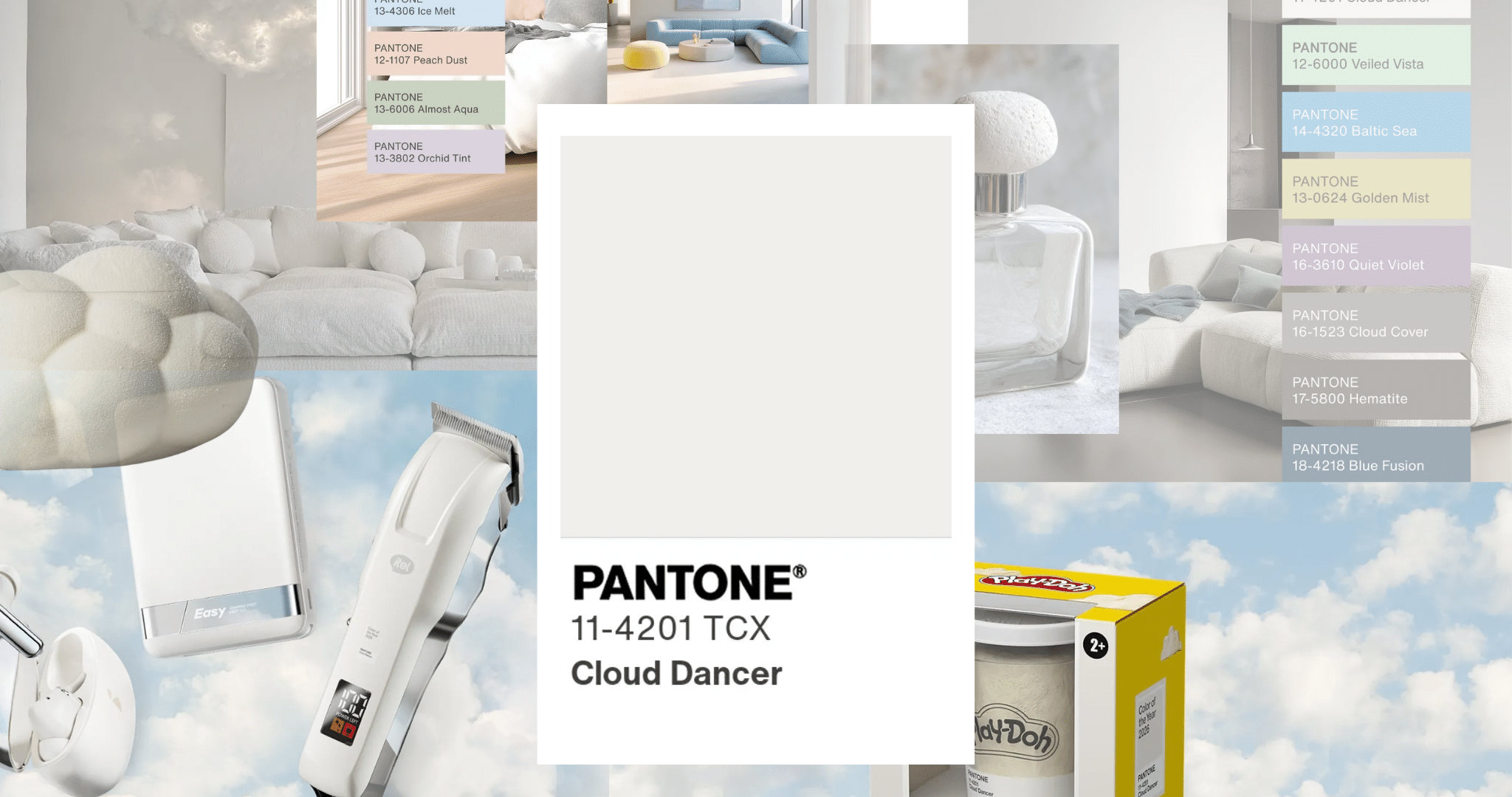
Travel back to the days of asking someone “What’s your favorite color?” The answer is entirely subjective—with infinite options. So, naturally, Pantone’s Color of the Year pick is rarely to everyone’s taste. But this year, the selected tone has been deemed downright tone-deaf.
Cloud Dancer—a shade of white with the tiniest hint of yellow—sparked discourse among color enthusiasts dissatisfied with the selection amid ongoing political dialogue surrounding race and the rollback of DEI programs. Some say it also signals wealth and elitism, noting that other years boasting true neutrals—Sand Dollar in 2006 and Ultimate Gray in 2021—arrived in similarly fraught political moments.
Despite the in-depth theories—and some even going so far as to propose an entirely different deep green hue—Pantone attempted to shut down the chatter immediately.
“The global team at the Pantone Color Institute selected this color for its emotional and creative resonance, not as a statement on politics, ideology or race,” the brand said in a statement. “Pantone does not assign political narratives to color; to select or avoid a hue on that basis would give such narratives a significance they do not hold in this process.”
Others argue Cloud Dancer is simply a dull pick for a year that could use bold color and brighter energy—and not “the exact shade of a white shirt after 20 washes.” And if that sentiment sounds familiar, it’s because the internet said the same thing about 2025’s Mocha Mousse. The only thing every Pantone pick has in common? Someone will always be displeased—and vocal—about it.
RM talks Tweedy,writing and the scene with the Raleigh rock band.
When Wilco’s Jeff Tweedy penned “I Am Trying to Break Your Heart” on acclaimed record Yankee Hotel Foxtrot, he unknowingly penned a Raleigh band into the city’s history books.
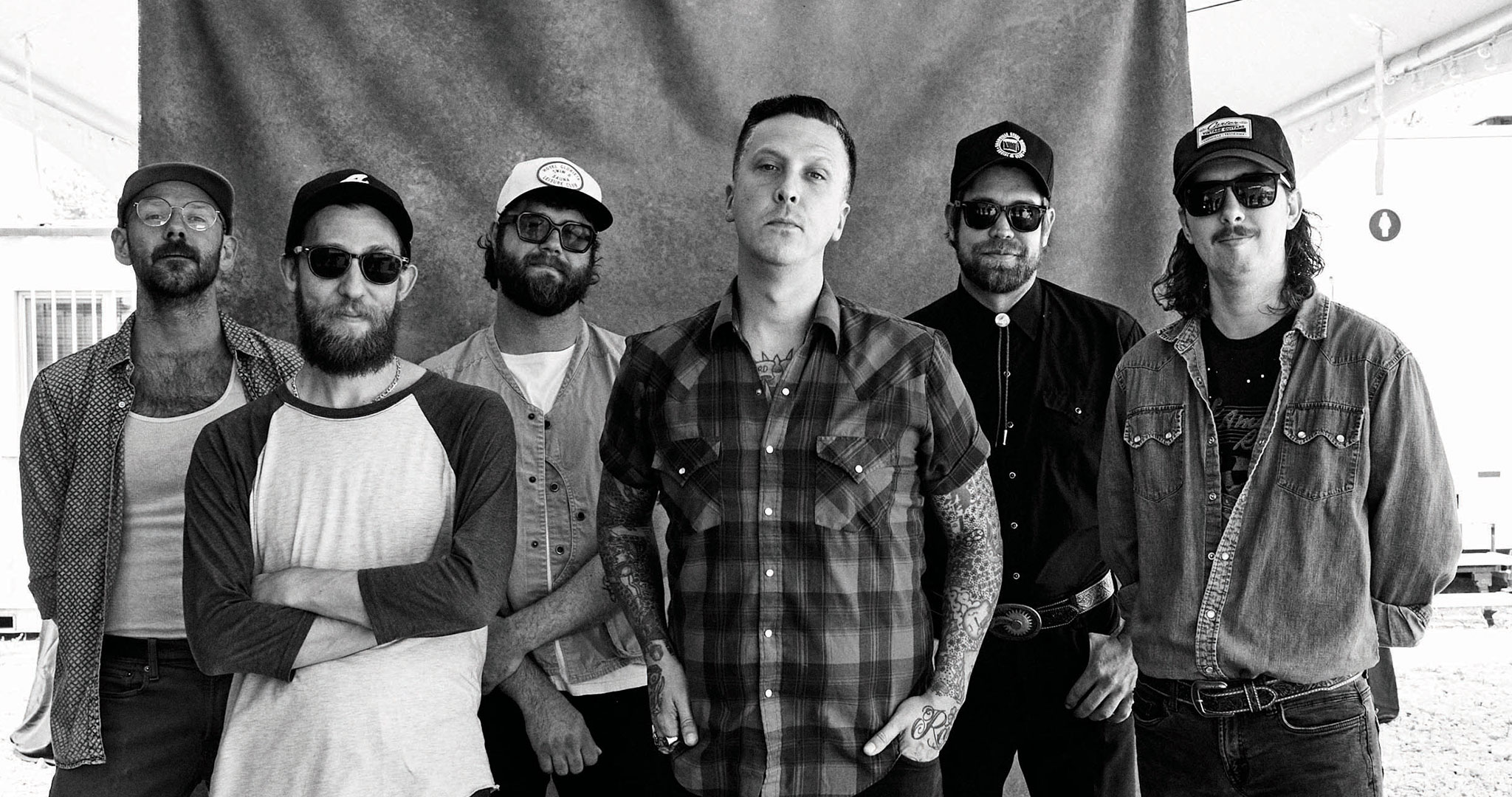
Alt-country group American Aquarium lifted their name from the opening line of the experimental rock track, launching a project that would eventually grow into a vast discography and 20+ years of live performances—garnering millions of ears, including the fans who now flock to the band’s annual Roadtrip to Raleigh, a three-night run at Lincoln Theatre kicking off Feb. 5.
“[Yankee Hotel Foxtrot] changed my life,” says frontman BJ Barham. “It changed how I viewed music and songwriting—it changed the way I viewed everything. It was a very easy decision to name the band American Aquarium—and, thankfully, 20 years later, Jeff Tweedy has not sued me, so I think he’s OK with it.”
Despite borrowing the Tweedy ref, the NC native doesn’t pursue the same abstract songwriting approach. While some American Aquarium tracks dip into conceptual narratives, Barham maintains their lyrics consistently draw from personal experience.
“If you put a piece of yourself in every song, every single time you sing it, you’re being honest with the audience,” Barham tells RM. “You can play it every night for 20 years and still have people believe you.” It’s an MO that serves the band well. Read: 16 albums in just two decades.
Still, the writing process doesn’t run on a fixed schedule—and results aren’t uniform. Barham says he will go a year without writing a song. “I make observations,” he explains. “I write down one-liners, songs and titles… nonsense I’ll overhear a couple talking about in Lincoln, Nebraska. Then I put all the observations down on the table and start drawing correlations. The songs present themselves.”
Barham isn’t sure a band like American Aquarium would find success in Raleigh today—and notes even they struggled in their own hometown early on.
“We’re not the math rock band, we’re not the indie punk band,” says the NC State grad. “We’re songwriters. For the first 10 years of our career, it was really hard to build something substantial in Raleigh—meaning bigger than The Pour House. We were selling out The Pour House every two months, but around the country, we were growing into larger theaters—we just weren’t growing in Raleigh.”
Enter Roadtrip to Raleigh. The band’s three-night run at Lincoln Theatre draws fans from all over the country for a hometown romp—and has consistently sold out over the decade.
“We take a lot of pride in where we’re from and where we got our start,” says Barham. “It’s always so nice to be able to come back home, bring all of our friends from around the country and show off how great Raleigh is.” So whether you’re a Raleigh native or Roadtrip regular, the road ends in the City of Oaks. lincolntheatre.com
Diving into the app’s new political ties and user conditions
Doomscrolling on TikTok has become somewhat of an everyday ritual across the country, and, now, thanks to an agreement establishing a U.S.-based version of the app, that pastime—which racks up an average of ~48 hours of monthly activity per user—is safe from former threats of peril for around 200M Americans.
But the end of the yearslong standoff doesn’t come without potential consequences. The uncertain transition may lead to noticeable changes in algorithms for users—and less noticeable changes to the use of their data.
Per the agreement, TikTok will now “retrain, test and update the content recommendation algorithm on U.S. user data,” the company said, plus “safeguard the U.S. content ecosystem and have decision-making authority for trust and safety policies and content moderation.”
In short, the new U.S. joint venture will have full control of what users are able to post, see and send, and critics of the agreement worry the app is trading one form of unwarranted government influence for another.
Abu Dhabi-based AI investment firm MGX and software giant Oracle Corporation, two of the main shareholders in the new deal, have close ties to the Trump Administration, and concerns of whether these ties will sway content are on the rise. For one, users raised a red flag after noticing censorship of the name “Epstein” immediately after the new terms took place.
To wit, in September President Trump said he would make the app “100% MAGA” if he could before promising “every group, every philosophy and every policy” equal treatment. Amid the eyebrow-raising political ties, the app’s new terms and conditions and privacy policy is also sparking controversy.
TikTok can collect your info on the following and more: racial or ethnic origin, national origin, religious beliefs, mental health diagnosis, sexual orientation, status as transgender, citizenship status and immigration status. Plus, it can gather biometric identifiers from your content.
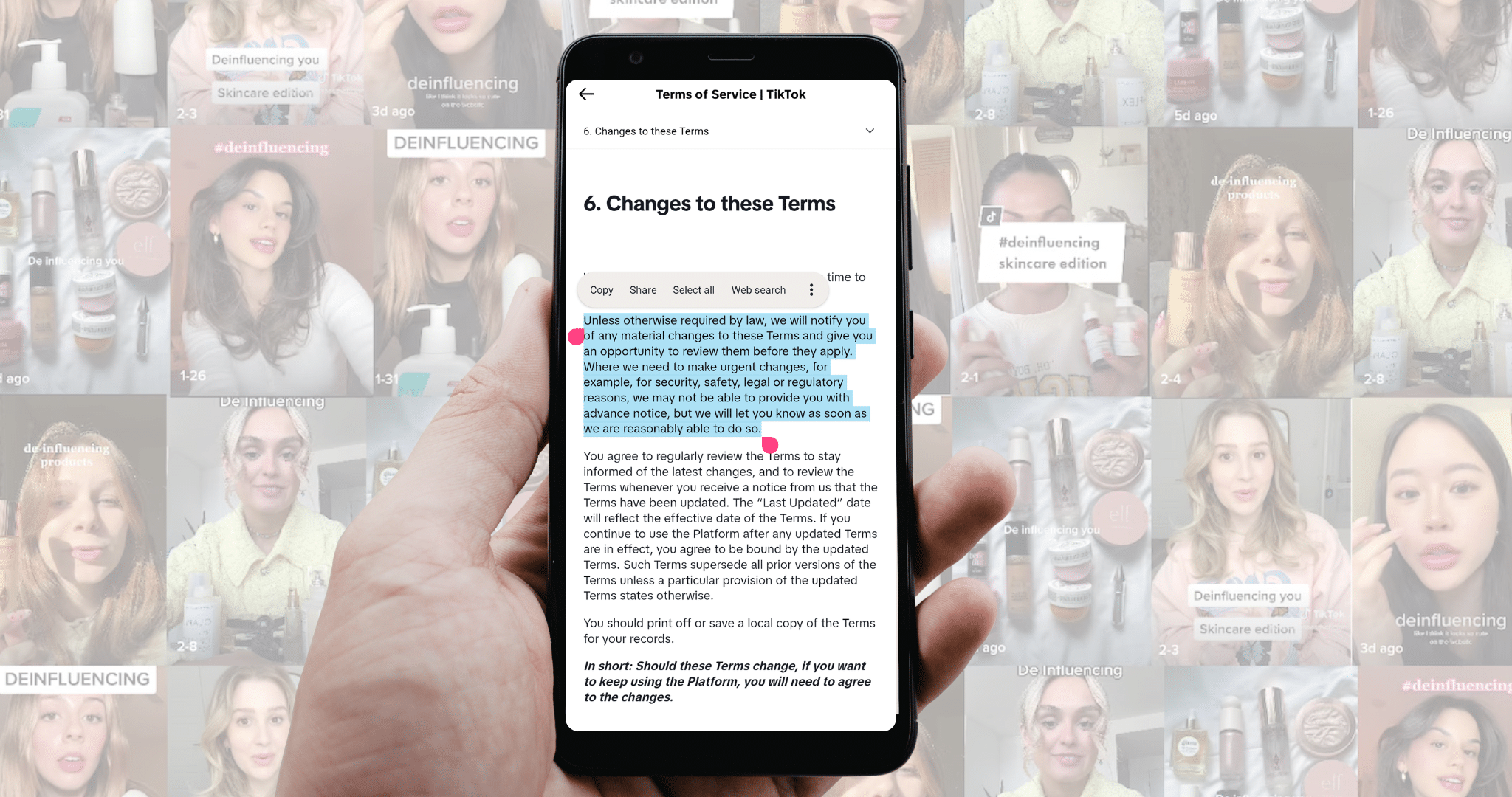
The former TikTok policy also claimed rights to collect similar stats, but the new conditions change how sensitive info is handled, stating it “processes such sensitive personal information in accordance with applicable law.” Critics flagged the new rule as vague, and it’s still unclear if or how the platform will choose to employ users’ info.
In addition, the new policy allows TikTok to track your “precise location.” Even if your location tracking is toggled off for the app, it can still narrow down your general location thanks to your IP address. The new rules aren’t optional—users must click “agree” or stop the scroll.
From the first debate about the social media platform, change was inevitable. But now, the app’s success is at stake, notes Law and Tech Professor Anupam Chander. “Many people clearly like what the algorithm is showing today,” emphasizes Chander. “They don’t want that algorithm to start pushing things they don’t want to see or the new owners’ agenda.”
Regardless of your stance on the sale, one thing is certain: It may be wise to scan what you’re signing up for before hitting “I agree.”