’Tis the season, Raleigh. The election filing period for local races closed Dec. 19—meaning it’s officially time to get acquainted with the field and what’s at stake.
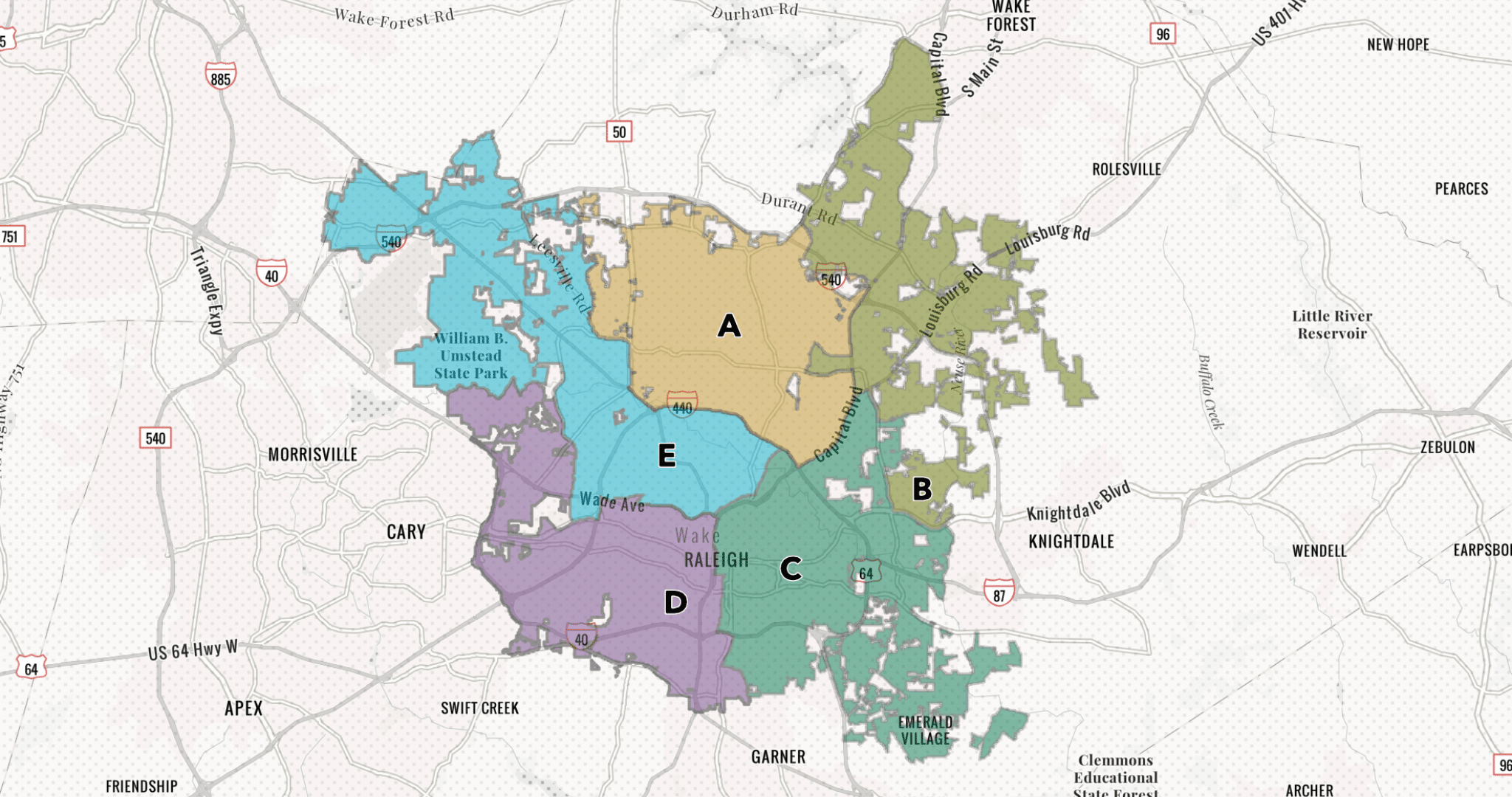
This year, Raleighites will head to the polls for municipal elections twice: the Statewide Partisan Primary + first-ever nonpartisan City of Raleigh Primary Election March 3, and the General Election + City of Raleigh Municipal Election Nov. 3 (with a second primary May 12, as necessary).
Only mayoral and district contests with more than two candidates will be included on the March ballot. For at-large, a primary comes into play with more than four candidates. As such, District C and at-large contests will be included in the upcoming primary.
Another major shift: Raleigh is moving to four-year staggered terms for mayor and city council. This year, the mayor, one at-large seat and Districts A and B will be elected to four-year terms. The remaining at-large seat and Districts C, D and E will be elected to two-year terms—then move to four-year cycles in 2028. To maintain staggered terms, half of the City Council seats will expire every two years. The longer, staggered terms allow for greater continuity and stability in leadership, District B council member Megan Patton tells RM.
As the field takes shape, brush up on your vision for the city—and decide who’s best equipped to lead it. See you at the polls, Raleigh.
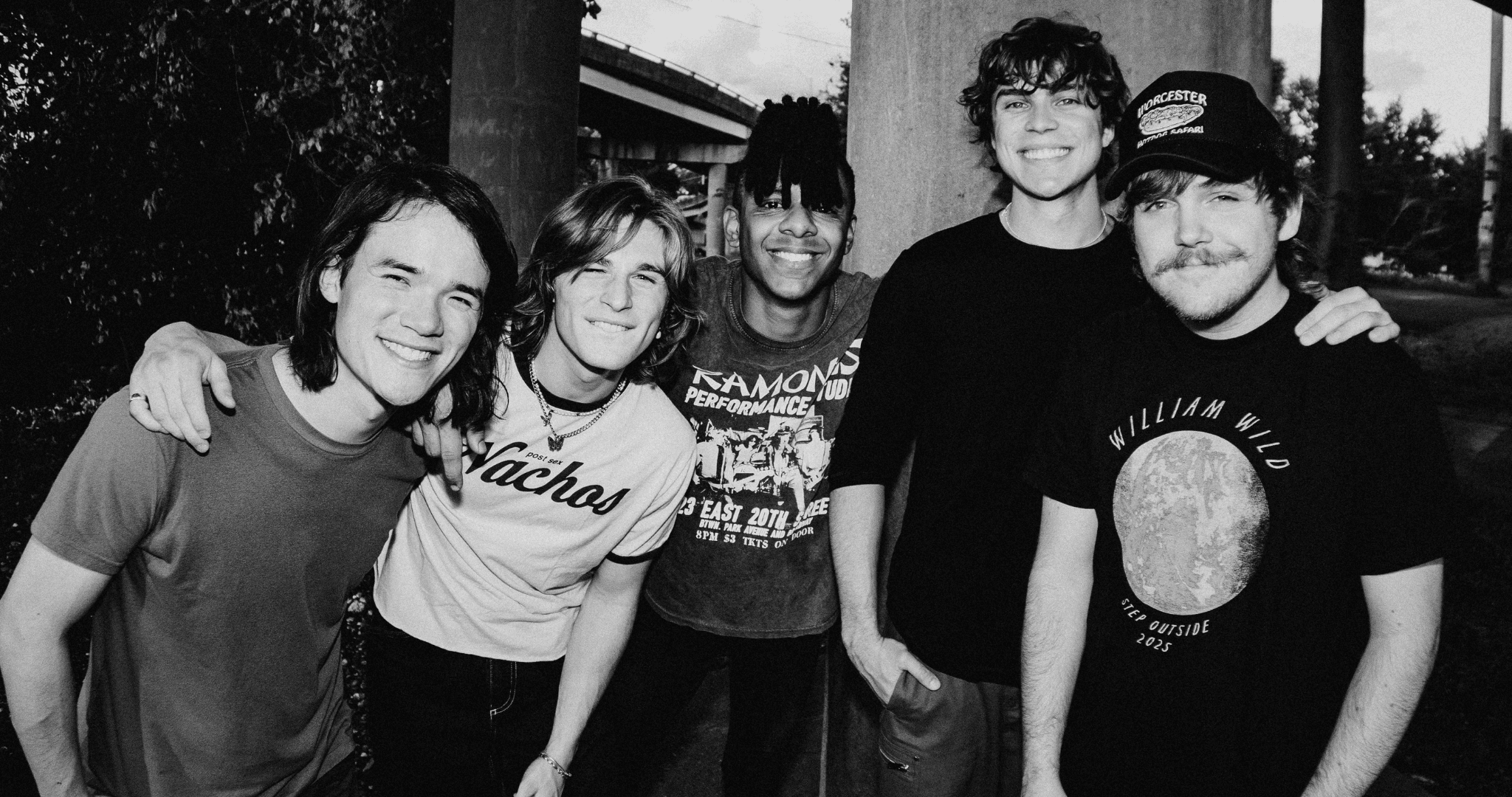
The Runarounds follow their hit TV series with a Raleigh show.
True to their name, The Runarounds like to do things a little out of order. Case in point—most up-and-coming bands don’t precede their U.S. tour by starring in an Amazon Prime series, but that’s how the story is unfolding for the fivesome.
Inspired by the actual band of the same name, The Runarounds, which premiered late last year, is the brainchild of Jonas Pate. The Winston-Salem native and director took note of the group after searching for a band to perform in his previous hit Netflix show Outer Banks. Now, the indie rock group established just five years ago is the centerpiece in the coming-of-age music drama surrounding love, life and indie rock—all filmed in NC to boot.
To top off their success story, the group is hitting the road on a 45-show trip (aptly named The Minivan Tour), including a stop at The Ritz Feb. 21.
Frontman Axel Ellis says their music isn’t just for road-tripping—it’s for any situation that needs a little light. Think “in the car with your friends on the way to somewhere fun or afterwards, yelling the words out loud if you want,” says Ellis. “But really anytime—hiking, running, vacuuming. Whenever you need to smile and enjoy what you are doing a little more.”
Ellis, who also fronts rock group Ax and the Hatchetmen, told RM the overlap between performing and acting was substantial. “The similarities were astounding to me,” notes Ellis. “Our acting coach saw most of us hadn’t acted before, and so he used whatever inspiration he could to get us into an understanding.”
After playing a song, the group would often dive into shooting a scene that emotionally resounded with the atmosphere they’d created. Plus, many of the songs they wrote for the series were based on prompts relating to scenes Pate would give them—so reading the room when it came to acting out the plot came more naturally.
“The timing is the same,” maintains Ellis. “Listening to your friends and knowing when to say something and when not—it’s the same on an instrument. Finding that groove is definitely easier having already played music.
While The Runarounds were running around Wilmington (where the show was filmed), Ellis notes NC was good to the group—they could often be found at Blue Post playing pool, riding bikes to Wrightsville Beach, sipping coffee at Casa Blanca or bellying up to Eternal Sunshine Cafe.
In short, all the quintessential makings of the final pre-adulthood summer that their TV show highlighted—in real life. Catch the same carefree and beachy spirit via a road trip to The Ritz this February, and until then, keep your fingers crossed for a second season out soon.
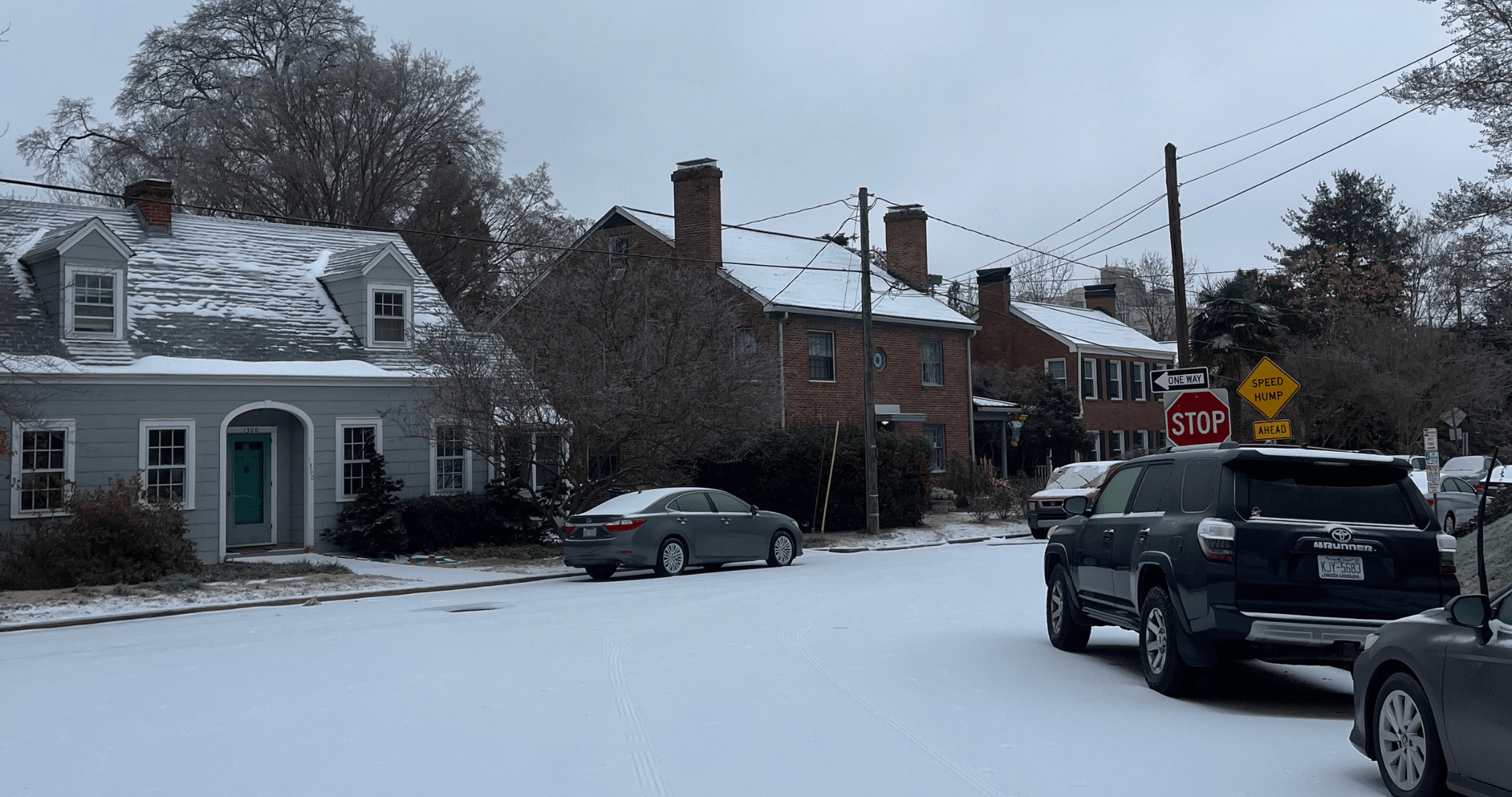
Freezing rain and snowfall don’t reappear in the forecast until Saturday, but sub-freezing temps (think low twenties) plus the already-saturated ground means we aren’t out of the woods yet, and dangerous conditions and potential power outages will continue for the next few days thanks to icy conditions.
Slick roads on Sunday contributed to hundreds of wrecks, and sources said I-540 was a disaster in the making over the weekend. Although most major roads, including I-40, are mostly clear now, the conditions of secondary roads and city suburbs still vary greatly. Gov. Josh Stein asked NCers to stay off the roads unless absolutely necessary. In short, it’s not the time for joyrides—any driving should be essential and done with caution.
Icy roads means icy runways, and RDU felt the frost over the weekend thanks to hundreds of cancellations. Crews worked to get flights off the ground Monday, but dozens of airlines are still grounded. Per the U.S. DOT, if an airline cancels the flight, you’re entitled to a full refund regardless of reason—but if you are travelling in the coming days, it’s a good idea to have a back-up plan either way, and take note of your airline’s rebooking policy.
Wake County teachers were told to prepare for schools to be closed through Wednesday, and even though the superintendent hasn’t made the official call yet, tentatively plan for the kids to be around for another day.
When going anywhere, a good rule of thumb is to double check closures and hours first. Look online or give the business a ring before heading there to curb the risk of spinning out on an icy backroad for no reason. See the hours of grocery stores, medical practices and more below (pending any last-minute changes).
Medical practices Emergency rooms: 24/7 WakeMed Urgent Care and Wake Orthopaedics Urgent Care: 8am to 8pm UNC Urgent Care: Opening at 10am UNC Primary Care and Specialty Care clinics: Virtual hours 8 to 10am, normal in-clinic operations at 10am
Grocery stores Food Lion: Regular hours, see individual locations for details Harris Teeter: Modified hours for some locations, 8am to 11pm Publix: 7am to 10pm Target: Regular hours, see individual locations for details Walmart: Regular hours, see individual locations for details Wegmans: 6am to 12am
Pharmacies CVS: Regular hours, see individual locations for details Walgreens: Regular hours, see individual locations for details Person Street Pharmacy: 9am to 6pm
Picture this: It’s 2014. Three and a half inches of snow falls midday, and roads are getting slick fast. Schools let out early, and as everyone rushes home, things get much worse. Vehicles slide off roads and break down; others are stranded. Raleigh’s “snowmageddon” painted a picture for the rest of the country of what goes down when it snows in the South: Locals enter a panicked frenzy, while our more snow-minded counterparts from up North watch, mystified.
On average, Raleigh receives just 6 inches of snow each winter (and even less in recent years), but the city stays prepped for the worst nonetheless—ready to brine streets ahead of potentially dangerous precipitation. The current plan stretches 874 lane miles, dispensing a salty solution that prevents frozen precipitation from bonding to pavement.
That preparation comes at a price. At roughly $0.77 per gallon—including labor, equipment and materials—salting the city clocks ~50K gallons of brine (about ~50 tons of salt), running ~$38,500 a pop.
Because every storm behaves differently, the city doesn’t rely on a standard forecast percentage when deciding whether to brine, Jason Holmes, division manager of the Right of Way Maintenance Division, tells RM.
“Extreme cold temps and wet, rainy conditions inhibit the effectiveness of brine,” he explains. “So if there is rain in the forecast leading up to a changeover to frozen precipitation, we would most likely choose not to expend resources due to the decrease in effectiveness.” The division also coordinates with the county and NCDOT throughout the decision-making process to keep efforts aligned across the region.
Roads with the highest traffic volumes get priority for brining and plowing, notes Holmes. It’s the price of keeping cars on the road when winter decides to bring her wrath—here and across the South.
Vaccination recommendations have been a long-standing debate, and the chatter has only escalated since former presidential candidate and lawyer Robert F. Kennedy Jr. was sworn in as U.S. Secretary of Health and Human Services.
Now, the conversation is spiking again after the Centers for Disease Control and Prevention abruptly changed the childhood immunization schedule, effectively reducing the number of recommended shots for children from 17 shots to just 11.
“President Trump directed us to examine how other developed nations protect their children and to take action if they are doing better,” explained the Secretary. Certain “peer nations,” such as Denmark, recommend less vaccines, and the U.S. is following suit to “strengthen transparency and informed consent.”
The new schedule no longer recommends vaccines for rotavirus, hepatitis A and hepatitis B, meningitis, RSV (respiratory syncytial virus), COVID, and the flu for every child. Ultimately, state governments will decide which vaccines are required for school entry, but the federal gov still yields significant influence over policy and access.
“No family will lose access,” Administrator for the Centers for Medicare & Medicaid Services and television personality Dr. Oz said. “This framework empowers parents and physicians to make individualized decisions based on risk while maintaining strong protection against serious disease.”
Regardless of where your trust in the department stands, the American Medical Association still suggests chatting with your physician to decide what is the best course of action for you and your child.