



Bumping Blurred Lines
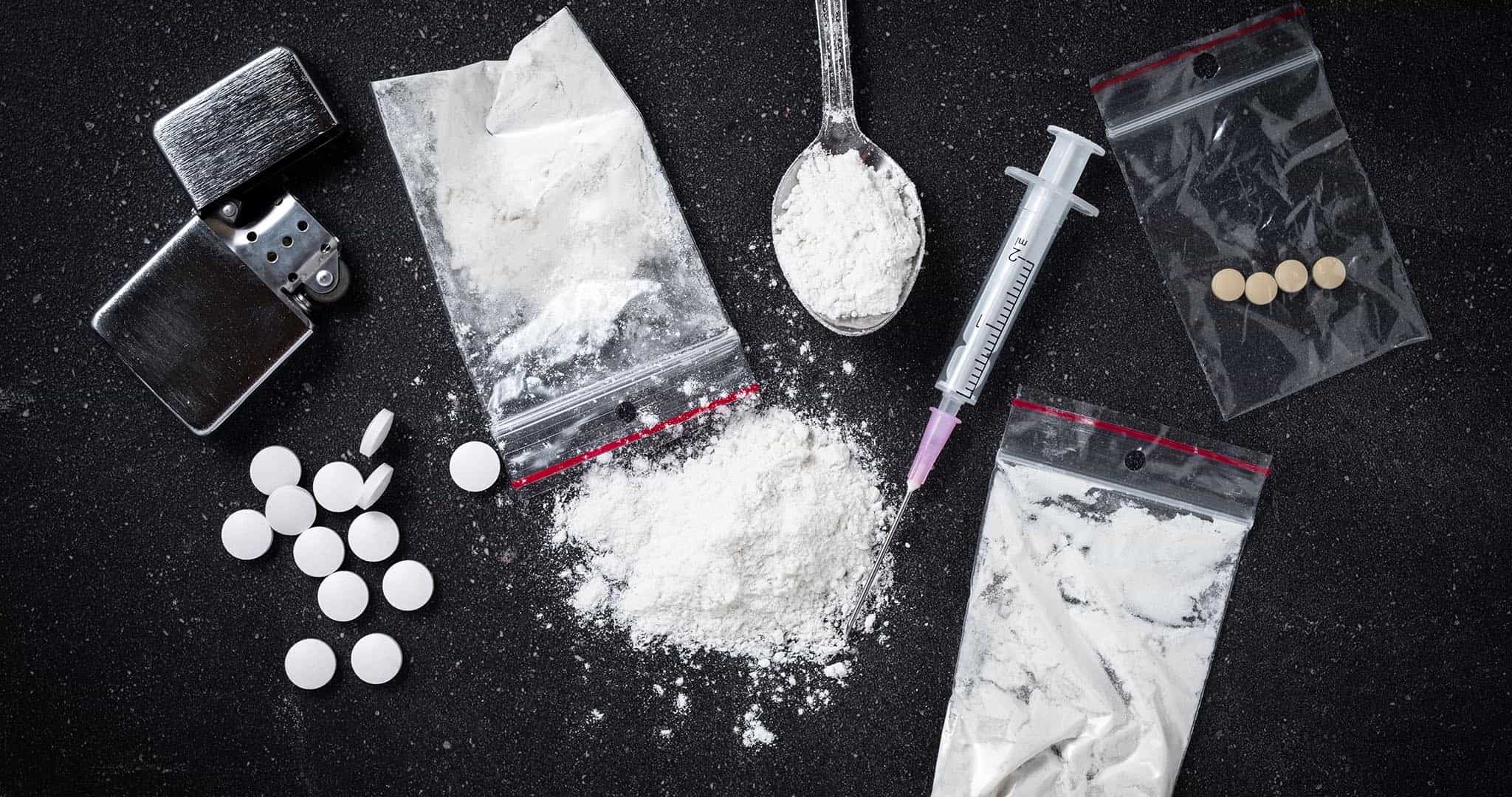
The high has gotten higher—and deadlier. If you thought that weed in the ’70s was a crisis, buckle up. We take a look at what people are using to get high, to get by and what can kill you.
“Depends on the drugs. Some are easier to get than others. I could get shrooms and coke. Everyone has edibles.” Unsettling—but perhaps not shocking—words from the mouths of youths. This is what 17-year-old Wake County high-schooler James Olsen* nonchalantly told us when we asked him about his access to drugs. “If I wanted heroin it would be easy but expensive,” he says. “Weed is easy and inexpensive.” That same ease of access Olsen describes tracked across every teen, college student and in-the-know-adult we queried.
And about that marijuana—this ain’t your grandma’s weed. If we’re talking THC—the compound in weed known for the high—well, vaping the oil is de rigueur… and way more potent. According to a recent study released in the Journal of the American Medical Association looking at cannabis consumption: “It was surprising the magnitude of difference between equal doses of smoking vs. vaping,” where the latter “can produce drastically different impairment.”
And if we’re talking the smokable variety, “fentanyl is used to lace weed and cocaine,” Olsen tells us. That trend is echoed by Raleigh Police Department Sgt. Ken Barber: “We are seeing cocaine being cut with fentanyl on a regular basis.” Weed is also being laced with ketamine—a party drug that is particularly popular among teens and young adults. Read: We’re not in Dazed and Confused any more. More like an episode of Euphoria (a show whose sheer existence speaks to the gravity of the issue—not to mention it’s about drugged-out sexualized high schoolers).
Per the U.S. Drug Enforcement Administration, rainbow fentanyl—aka rainbow-hued candy-esque fentanyl fashioned after SweeTarts—is being used to target young people across the country. According to a recent public health alert, these pills “look like candy but are really a synthetic opioid that is 50 times more potent than heroin and 100 times more potent than morphine.” Read: deadly.
All that to say, it’s a messy drugscape. At the same time all of these drugs are ramping up, pot is being decriminalized across the nation, and a host of drugs (think ecstasy) are being legalized across the land for therapeutic use. Here, from farm (think herbs, plants) to pharm (opioids) to street (coke, LSD, MDMA, etc.), we dive into the drugscape.
Street Drugs
Sgt. Barber says that “cocaine and crack use remain steady,” but, despite its rise in popularity—and price—the drug is more dangerous than ever. A recent report from Vice found that deaths involving cocaine have increased every year in the U.S. since 2013, and peaked with a new record of nearly 25,000 last year. This is largely due to dealers intentionally selling cocaine spiked with fentanyl.
Euphoria fans might remember the chilling scene in season 1 in which the show’s main character Rue (Zendaya) is forced to take fentanyl by a violent drug dealer, which almost immediately knocks her unconscious.
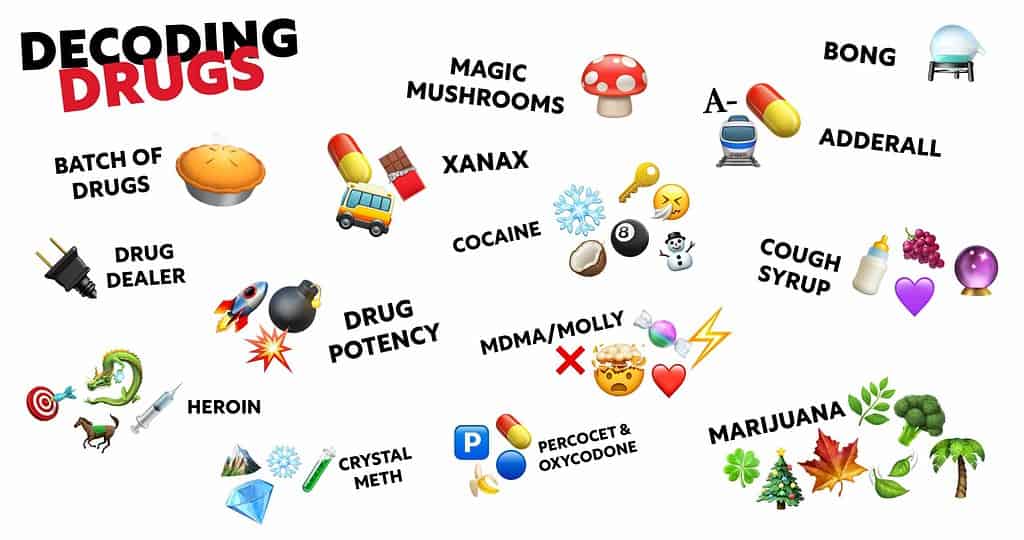
While Rue does eventually wake up, that’s not always the case when it comes to fentanyl. Mac Miller and Prince are just two celebrities whose deaths were linked to the opioid, which is highly addictive and is also often mixed with such other drugs as heroin, methamphetamine and MDMA (aka Molly, ecstasy, E, Beans and Adams).
Locally, 28-year-old Moore County resident Nathanial Lynn Rush was arrested in December and charged with felony death by distribution. That law—implemented by Gov. Cooper in December 2019 in response to the rising number of opioid-related deaths in the state—allows law enforcement to prosecute dealers for drugs that cause an overdose. The 23-year-old victim had bought drugs from Rush on the day of his death in July 2021, and an autopsy report showed he died from a mix of methamphetamine and fentanyl.
With fentanyl-laced drugs on the rise, drug-user 28-year-old Dan Knox* says, “Honestly, I wouldn’t touch drugs these days without testing them.”
HERBALS
Kanna
“Like MDMA, kanna has mood-elevating and anti-anxiety effects. Some say it also helps them think more clearly. And sex on kanna is said to be comparable to sex on MDMA: Some describe it as sex in ‘HD mode.’” So says a recent report by Vice regarding the debated effects of the trendy new herb kanna (aka sceletium tortuosum).
The native South African psychoactive plant usually taken for its calming effects (a “heart opener” that gives you all the good feels) has been gaining plenty of attention—and traction—in light of its Molly-like effects. “An hour in, you feel like you’re full-on rolling,” a Vice reporter found by surprise on an LA retreat, “elated and full of ideas, wanting to shower everyone with words of affection, and you can’t stop grinding your jaw. When I told the leader… she said, ‘yes, it’s natural MDMA.’”
One-hundred percent legal—though the Food & Drug Administration has distribution standards—kanna is being sold in vape, powder, capsule, and flower (chew, smoke, snuff) form—and some manufacturers are selling it as a supplement. Zembrin mood booster, for example, contains 25 mg of kanna—which, according to reports, is enough to produce a high, as people can begin feeling mild effects at doses as low as 5 mg, with 25 to 50 mg considered an intoxicating dose. These psychotropic effects are thanks to its two inherent psychoactive alkaloids: mesembrine and tortuosamine.
Dr. Paolo Mannelli, a psychiatrist and associate professor of psychiatry and behavioral sciences at Duke University, agrees kanna can render euphoric effects at higher doses. “Essentially the supplement just makes the world a really happy place according to users—hence like the effects of MDMA (ecstasy).”
But in spite of its likeness to MDMA, kanna is reportedly safe—and some research even suggests it could prove beneficial for mood, sleep, cognitive ability and anxiety. The hitch is when it gets mixed with other substances—or is taken in super-high doses (100 mg or more). An OD on the compound will likely just result in an upset stomach, while mixing with other substances—specifically MDMA, SSRI antidepressants, MAO inhibitors or 5HTP, according to the Vice report—can put “you at risk for serotonin syndrome, an excess of serotonin in your brain that can lead to overheating, rapid heartbeat, shaking and, in extreme cases, death.”
Kratom
When we first dropped our story on kratom in November 2021, it broke the internet. Beyond going viral, the story also elicited a mixed bag of divisive reactions from both sides—those who witnessed kratom abuse vs. kratom advocates/users who went as far as to claim the supplement had literally saved their lives.
While we’ll leave the debate to the internet, as we prepared this feature, national news broke of a Georgia dad who unexpectedly collapsed at dinner and died, and—wait for it—the family suit blames a kratom supplement. Worth a Google—the suit is not an anomaly. … In October, parents (also in Georgia) sued after alleging their son died from taking kratom. And, back in June 2021, a 39-year-old mother of four died after consuming a kratom product by Grow LLC. And the list goes on…
For a quick refresh, while kratom is now being taken as a party drug, people have been using what has been dubbed by some as “herbal heroin” for years as a substitute for opioids, especially by those looking to quit, according to Dr. Mannelli.
And Mannelli has seen kratom use evolve to abuse: “We have treated people with kratom abuse with buprenorphine, which is the typical suggested treatment for opioid dependence for people who use prescription opioids or heroin. So kratom is, I’d say, a reasonable drug to avoid because it doesn’t give you any safer alternative for treatment than any opioid.”
PSYCHEDELICS
Hallucinogens as Therapy
A recently published study in The New England Journal of Medicine—the largest-ever trial of its kind on synthetic psilocybin mushrooms—found a single dose alleviated severe depression.
The Multidisciplinary Association for Psychedelic Studies out of California has also been studying MDMA as a treatment for anxiety, eating disorders and PTSD. Jonathan Lubecky, a U.S. Armed Forces retiree who lived in North Carolina for about 13 years, took part in a MAPS MDMA-assisted therapy trial in 2014. He had been struggling with PTSD since returning from a deployment to Iraq in 2006, and despite multiple treatments—exposure therapy, talk therapy, pills—he attempted suicide five times. After just three MDMA sessions, he felt restored.
“It changed my life. It’s the sole reason that my stepson has a father instead of a folded flag,” says Lubecky, who is now a veteran and governmental affairs liaison for MAPS and head of Lubecky Strategic Direction, a boutique communications firm focusing on psychedelics.
“The majority of people who are using this nowadays and the interest that it’s coming from isn’t because people want to see trees get wavy; they want to alleviate some of the stress—issues that come with being alive,” says Raleigh resident Brad Fields*, who has been suffering from depression and PTSD since he was a teenager and has also benefited from psychedelics.
Now in his 40s, Fields says traditional antidepressants stopped “doing what they were supposed to,” so he went a different route. For a time, he experimented with LSD and shrooms—though therapists advised him on how to go about them safely—and for about a year, he tried ketamine-assisted therapy, which is legal.
“I feel like it was kind of a game-changer,” he says, noting that each psychedelic produced a different feel. “I would recommend it. I think people should still do their due diligence to inform themselves, educate themselves on the risks and what they’re getting into, but I think it’s definitely a treatment worth pursuing.”
“I was raised in the D.A.R.E. era where you had good drugs and bad drugs,” adds Lubecky. “Well, good drugs gave us the opioid epidemic and bad drugs healed my PTSD, so I think we need to reevaluate those definitions and how we look at substances.”
Decriminalization of Shrooms
Once thought of as a drug hippies ate to trip on, “magic mushrooms” (aka psilocybin) have earned mass appeal. While Sgt. Barber says they don’t see a lot of reports from use, shrooms remain “popular around college campuses and college-aged people.” And, according to recent reports, shroom chocolates are a thing–now considered a “casual” party drug like alcohol.
Casual enough for well-known mycologist (aka fungi expert) and author Paul Stamets to recently blow up Twitter with the claim: “Let’s be adults about this. These are no longer ‘shrooms.’ These are no longer party drugs for young people. … Psilocybin mushrooms are nonaddictive,
life-changing substances.”
Bold, sure. But maybe it’s all for good reason, as according to the 2022 Global Drug Survey, “magic mushrooms” are the safest recreational drug. Of a study of 12,000+ people who reported taking magic mushrooms, only 0.2% of them had to seek emergency medical care, a rate at least 5 times lower than that of MDMA, LSD and cocaine, and 3 times lower than weed.
All this is to say it’s no surprise shrooms are being decriminalized. Studies have shown that psilocybin mushrooms can help treat anxiety, depression and even addiction in some cases (magic or science?!). Of course, take too many and you can definitely have a bad “trip” and experience panic attacks—though the likelihood of ending up in the hospital is still low, with the exception of accidental injury.
*Asterisked names have been changed to protect sources’ identity
- 75% of Ketamine users are reportedly 12-25 years old already in the U.S.
- Ketamine (aka Special K, K-hole, K-land, Kit Kat, among others) is surging in popularity in Europe and predicted to jump the pond…
- 40–80% The extraordinarily high levels of THC found in marijuana concentrates (aka “oil” used in vapes), which is up to 4 times higher than that found in top-shelf marijuanas (~20%)
- 2024 The year by which the Biden administration anticipates MDMA and psilocybin (shrooms) being approved for designated breakthrough therapies
- 10,000+ varieties of mushrooms
- 3+ Decades China and Japan have been using functional shrooms—in addition to standard therapies—to treat cancer, according to the National Cancer Institute
- 2018 Year Farm Bill bill introduced, including loopholes making some delta-9 products legal
- ≤ 0.3% The dry weight of delta-9 THC required for it to be legal—and only if derived from hemp plants, as the compound can be found in both hemp and marijuana plants
- 455 The Senate Bill passed in 2022 to keep CBD and hemp-related products legal in the state
- 107,600+ Drug overdose deaths occurred in the U.S. in 2021, according to provisional data from the CDC
- ~75% Of OD deaths in 2021 in the U.S. involved an opioid
- 37 States have medical marijuana laws, according to the National Organization for the Reform of Marijuana Laws
- 21 States, plus DC, have legalized it for recreational use
- 27 States, including NC, have fully or partially decriminalized certain possession offenses
- 2019 Year Denver decriminalized psilocybin, and Oakland, California, decriminalized the use and possession of psilocybin and other natural psychedelics
- 2022 Year Coloradans legalized psilocybin in November
- 2020 Year DC residents voted to decriminalize natural psychedelics, and Oregonians voted to decriminalize the personal use and possession of all drugs 9.22
- San Fran decriminalized plant-based psychedelics (aka “magic mushrooms”), ayahuasca and peyote in September. The resolution also called for state and federal governments to follow in decriminalizing psychedelics.
