Capital Boulevard’s Hidden Gems

Capital Boulevard’s Hidden Gems

Raleigh is known for its vibrant food and beer scene, running the gamut from nationally-recognized restaurants to beloved hole-in-the-wall joints. Capital Boulevard, one of the city’s most-traveled corridors, doesn’t usually come to mind as a destination for a world-class meal or a tasty local brew; dotted with chain restaurants and big box stores, it can be hard to find the hidden gems. But, if you’re willing to venture outside the Beltline, here’s a guide to a few unique places to visit. You’ll likely be pleasantly surprised at all that Raleigh’s busiest thoroughfare has to offer.

Soo Café

2815 Brentwood Road

The fried chicken at Soo Café, a Korean restaurant just off of I-440, was named one of the best in the south by Southern Living, so it’s not exactly a secret. The chicken is fried twice, which makes it extra crispy, then slathered in your choice of sauce: original, SOGA (soy garlic), North Carolina hot & spicy, old fashioned or Soopreme—a layer of SOGA, and a second coating of either original or old fashioned. The chicken isn’t the only thing buzzy about Soo Cafe; the restaurant is also getting popular for its private room in the back, where you can host a karaoke party complete with all the latest K-pop hits.

Aggie’s Grill Station

3027 Capital Blvd.

The menu at Aggie’s Grill Station can be overwhelming. With a mix of American, Asian and Italian dishes, it’s a great lunch option for a group with different tastes, but it can be hard to decide what to choose. There are several Aggie’s locations throughout North Carolina, and the spot in Raleigh has friendly staff members who are always eager to suggest their favorites, although they’ll tell you they think all the dishes are equally good. Two standouts are the Hibachi-style grilled chicken with fried rice and vegetables, and the chicken wrap, a toasted tortilla filled with seasoned chicken, banana peppers, lettuce, tomato and Aggie’s gourmet sauce. And, in case you’re wondering, the restaurant, and the sauce, was named after the owner’s daughter.

Michael’s English Muffins

3611 Spring Forest Rd., Suite 114

Michael’s English muffins are not what you’d expect, and, if you’ve never tried an English muffin baked from scratch, owner Annabell Comisar’s are a good introduction. “At first glance, folks usually comment on the size, intrigued at how much bigger and thicker they are in comparison to what they think of as an English muffin,” says Comisar. “But after tasting a sample, we hear that they taste like a donut without sugar.” After selling her English muffins to local restaurants and vendors for three years, Comisar opened the store in January and expanded her menu. The shop serves regular and sweet potato English muffins that can be topped with an assortment of offerings, including local honey butter, seasonal jam or avocado and cucumber. Comisar also sells sandwiches such as the popular Originator, which is filled with sausage, American cheese and habanero pimento cheese.

Roma’s Pizzeria & Italian Restaurant

3805 Brentwood Road

Pizza from Roma's Pizzeria

Pizza from Roma’s Pizzeria.

Just off Capital Boulevard in the Brentwood neighborhood, you might miss this small restaurant hidden behind a gas station. But the location hasn’t kept the Jaouhari family from building a following over the last 36 years. The partition at the counter is covered with handwritten messages from customers showing their love for the family’s New York style pizza. Once the space became too crowded with graffiti, Amal Jaouhari started keeping a book for customers to sign. “We have customers who have been coming here for years,” says Imad Jaouhari, Amal’s husband, who offers newcomers and regulars the same special: “Buy a pizza, get a free joke.” It’s become such a tradition that his daughter even had a baseball cap made for him bearing the tagline.

Pho Far East

4011 Capital Blvd.

Talk to a local foodie about pho and you will probably hear about Pho Far East. Last year, Raleigh Magazine asked local chefs where they like to eat and three of them named it one of their favorites. The restaurant is tucked in a strip mall on the corner of Capital Blvd. and New Hope Church Road, but once you find it you won’t soon forget their authentic Vietnamese dishes.

Owner Thu Bui is responsible for the famous pho they have been serving for 10 years. Her daughter, Hoa Trinh, even took the family recipe to use at her restaurant in downtown Raleigh, Sushi O Bistro & Sushi Bar. If a giant bowl of pho doesn’t suit your fancy, another popular choice is one of their varieties of bún, vermicelli noodle bowls.

Spreading The Joy

Spreading The Joy

Designed For Joy opened the doors of its Cabarrus Street studio store in December, but it’s been a nonprofit in the making for years. Friends and co-founders Cary Heise and Kristen Sydow decided, following a church mission trip, that they wanted to find a way to empower local women. They sought to assist women experiencing difficult life transitions by giving them jobs in a safe, comfortable environment that paid them a living wage—the first step for many to regaining their independence and a sense of purpose.

“[Our main goal] is giving women the opportunities to make a fair wage and to be able to take care of their children and families,” Heise says.

Drawing on Sydow’s skills in design and crafting, as well as on their travels to countries where women support themselves through work with textiles, Heise and Sydow decided to teach local women how to create fashion accessories using ethically sourced products from countries such as Rwanda, Uganda, Costa Rica, Guatemala and Belize. Local women—who may have recently left prison or rehabilitation centers, or who have escaped human trafficking or are recovering from illness—would be trained as artisans; their customers, Heise and Sydow envisioned, would know exactly where their purses and jewelry came from, but also that the money they paid for those accessories would go back to support the artisans, the local women who need it most.

“When you look at our products, we aren’t really selling jewelry, we’re selling hours,” Heise says of the goods that, though fun and fashionable, ultimately serve a much higher purpose. “The more we can sell to people coming in for retail or for wholesale, it’s just more hours we can give to help our artisans.”

To start out, Heise and Sydow teamed up with local organizations, including Caring Connections Ministry, Shield North Carolina and the Green Chair Project, that were already assisting women experiencing life transitions. The pair recruited several women as artisans for their store, including 13 women from Caring Connections, which pairs women with mentors.

“One of the things our system lacks in terms of helping people become more stable, financially or educationally, is the relationship component,” says Cynthia Thelen, the director of Caring Connections Ministry. “It’s very easy to have some programs that meet a tangible need. We need programs that fill a need for food and security, programs that help reduce rent for those who are going to be working on a lower income level, but it’s the relationship component that is often the biggest catalyst for change.”

Thelen adds that the living wage component—Designed for Joy pays its artisans $12 an hour—is especially important.

“We have moved away from [the two parent family structure] as a society and, primarily, we see a lot of women in the head of household trying to provide a stable future for their families,” Thelen says. “To provide them the support and resources and the educational pull to make that happen, we have to gear our services to them.”

While Caring Connections Ministry serves more as a mentor program than a job and skill-builder, like Designed For Joy, both organizations highlight the need to ensure that women in Raleigh, and in North Carolina, aren’t slipping through the cracks when it comes to getting an education and securing employment, no matter their life circumstances.

For instance, North Carolina has consistently ranked among the top 10 states in the country for trafficking of women and children, according to the National Human Trafficking Hotline. Women also comprise around 7 percent of the inmate population in the state’s prisons, according to state data, and many will eventually need re-entry assistance. And, according to recent data from the state’s Council For Women, nearly 3,000 women were seen for incidents related to domestic violence in a typical month in Wake County, many of whom need work to help them move forward.

Once women arrive at Designed For Joy, Heise and Sydow bring them together in workshops to learn how to make the products that the store will sell. They teach them skills such as sewing, knot-tying, fabric dying and more. Then, when the store opens, the women get to work the retail side, gaining experience in store management, taking inventory, quality control and shipping.

Since Designed for Joy is still growing, Heise says it’s difficult to give artisans a full-time job. Currently the goal is to have five artisans on hand at a time, each working for 25 hours a week. Once an artisan feels ready to move forward, she enters the professional world with marketable skills and solid references that Heise provides.

Designed For Joy is a ministry as well as a mentoring organization and a store. Heise says before every workshop and store opening, there is a devotion and prayer, as she feels it spreads warmth and camaraderie through the team. Setting up as a ministry has brought partners, volunteers and artisans onboard, but Heise says there’s a wider focus.

“You don’t have to be a Christian to come and work alongside of us, but this shop is kind of a way for us to grow our ministry too, and to spread faith,” Heise says. “These women are not just our ministry, but we are a ministry to the whole community.”

Lauren, one artisan who works in the studio, says she and other women love working at Designed for Joy.

“They care about us as workers and women,” she says. “They pray for us, they teach us, they help us. It’s unlike any work experience I have ever had before. We are just so thankful.”

Designed For Joy’s studio store at 1104 Cabarrus Street is open Thursday—Saturday from 10 a.m.—2 p.m. Find out more about the nonprofit ministry and available volunteer opportunities at
designedforjoy.com. ■

Amy Hill of 627 Photography

Clout In The City

Clout In The City

In the best way possible, Raleigh is in the midst of something like an existential crisis. The questions of who the city will be and what it will look like in 10 or 20 years guide every local vote residents cast, every choice made by every elected official, every developer’s decision to build, every new business that opens, every Tweet from every casual observer with a sense of civic pride.

We all know Raleigh will look different in the future from how it looks today, but different how? And who has the power to decide?

We attempt to answer that here by taking a look at the people we feel, in 2018, are driving the conversations and making the future-altering decisions. They’re not the richest Raleighites necessarily, or the titans of industries, banking or real estate—though some of them certainly fall into those categories. They’re more the folks who are using platforms they have to make a tangible difference in the community around us, whether by changing our physical environment through development and construction, by opening and running new stores and restaurants, by bringing art to our public walls, or by shaping the conversations we’re having about topics ranging from gerrymandering to immigration, sustainability to affordable housing.

In other words, these people have clout. If they don’t have the means to do something themselves, they certainly have some power to influence those who do. Right now, they hold the keys to the city and, more than anyone else, they’re shaping the answer to the overarching question on all of our minds: how will Raleigh grow?

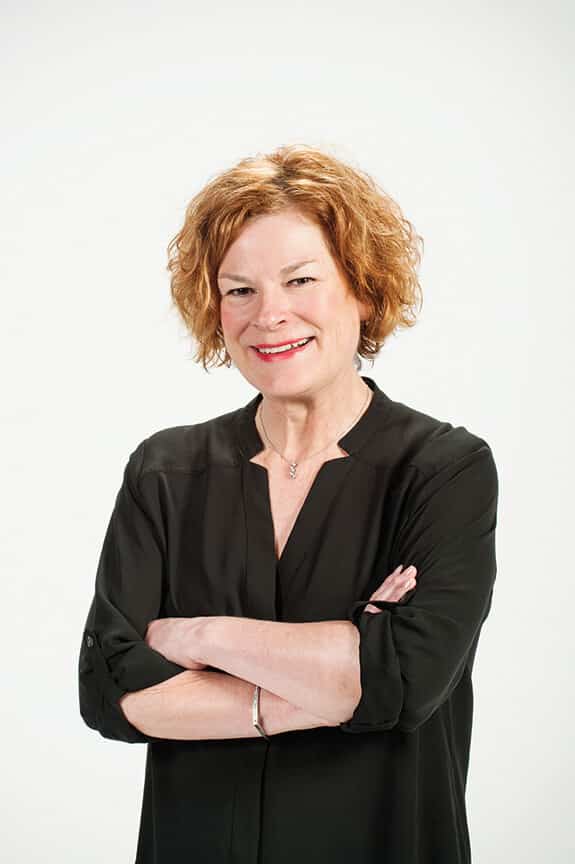
Jennifer Martin, Director of Shop Local Raleigh

When outdoor dining was on the chopping block, Martin was the fiercest defender of the businesses that would have been affected. She helped city staff craft at an outdoor dining ordinance that, as far as compromises go, turned out to be pretty acceptable to everyone. Now, Martin has trained her sights on Amazon as it considers locating its second headquarters in Raleigh; as always, she’ll be doing her darnedest to get customers to shop at local stores, whether the e-commerce giant lands here or not. Combine that advocacy with Shop Local’s promotional events and other initiatives and there’s no one doing more to ensure the city’s locally-owned independent businesses stay afloat for the long run, and that Raleigh doesn’t drown in a sea of national chains and big box stores.

Ocracoke Observer

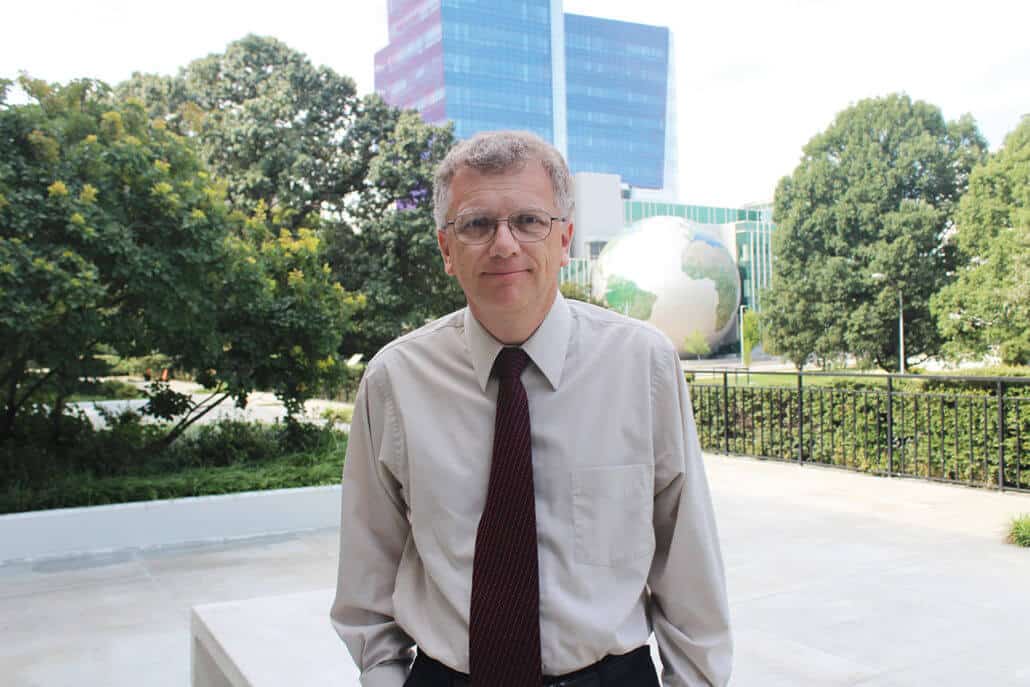
David Meeker, Small Business Owner

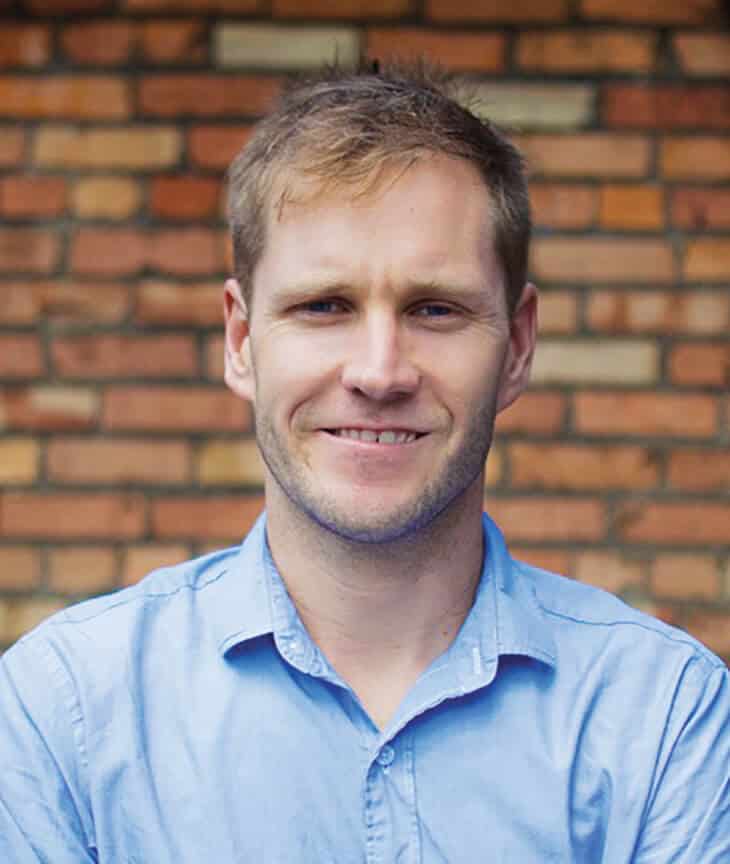
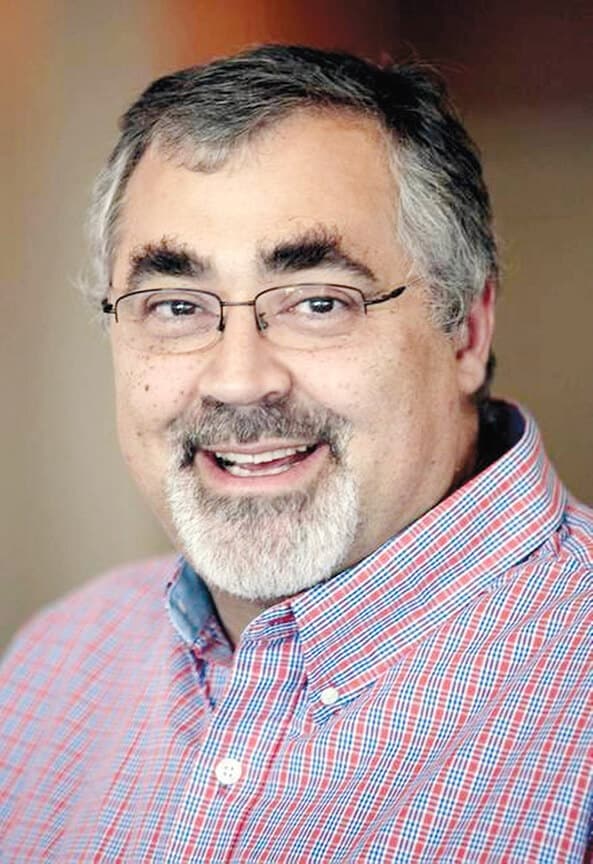
The son of former Raleigh mayor Charles Meeker, David Meeker has strong ties to the city and has built a successful business empire of bars, breweries and bottle shops with a running store thrown in for good measure; he also has a portfolio of real estate developments to his name. And, though he doesn’t much seek the spotlight, the younger Meeker has used his profile as a small business owner to speak out against gerrymandering on the basis that it’s bad for business, and therefore, bad for the state’s future. It’s proven a compelling argument; after business owners stressed the link between gerrymandered state districts and the lawmakers that brought us HB 2, Roy Cooper got elected; the bathroom bill was (mostly) repealed, and companies brought their business to the state once again.


Carolina Journal

Brent Woodcox, Legislative attorney

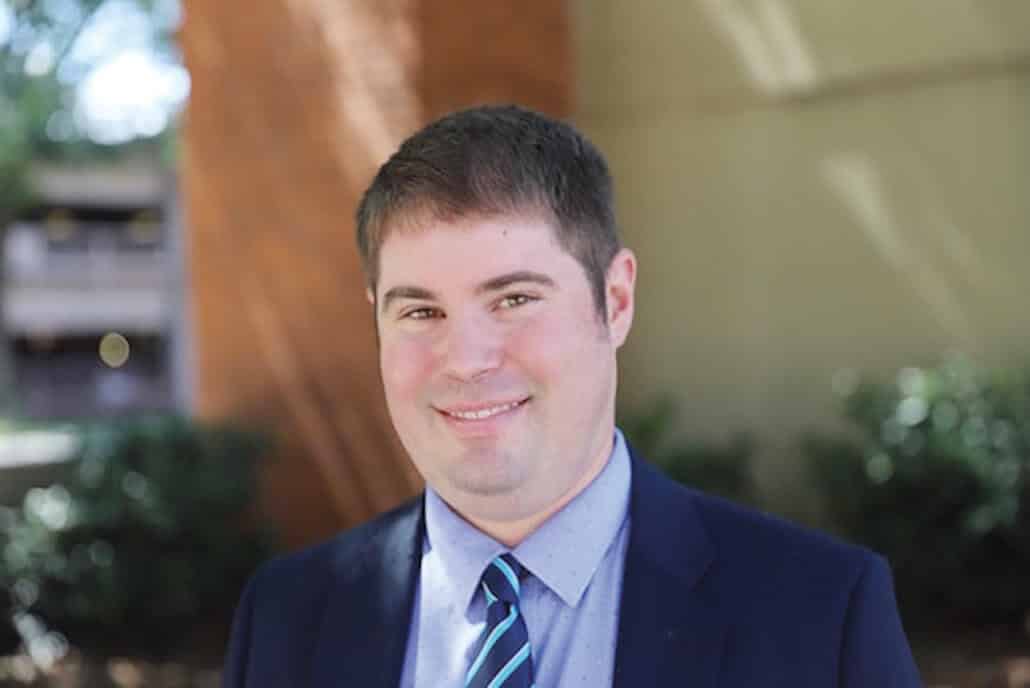
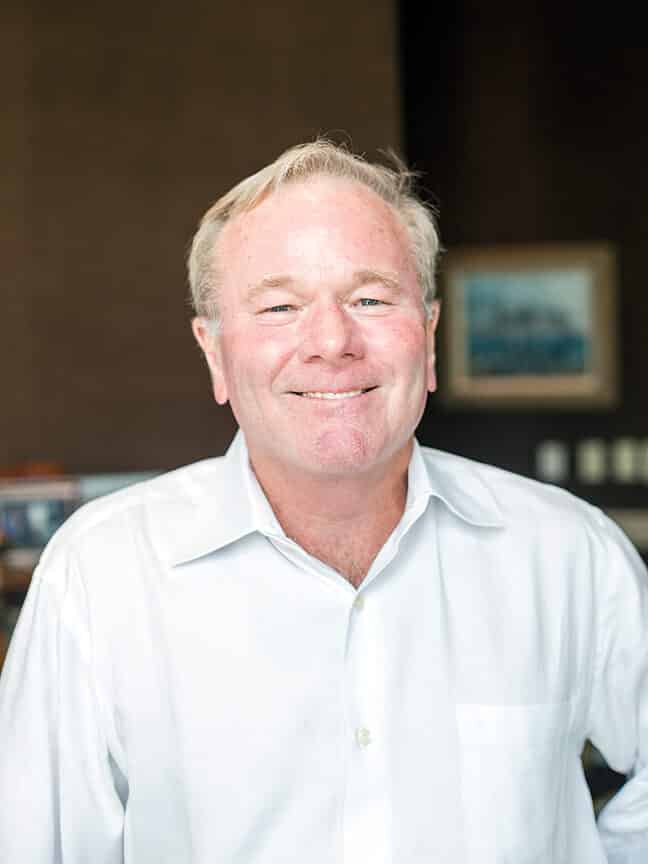
Woodcox’s blog, YIMBY Raleigh, chronicles everything from City Council decisions on rezoning, to real estate deals, to bike lanes and public art, to affordable housing ups and downs. An advocate for property rights and free market initiatives, Woodcox has been one of the most vocal proponents of legalizing Airbnb and allowing backyard cottages and he’ll occasionally drive newspaper coverage of city issues with a well-timed Tweet. His unrestrained style doesn’t endear him to everyone, but those who don’t like him, you can be sure, are paying attention to what he says.

Raleigh Philosophical Society

Jedidiah Gant, Media strategist

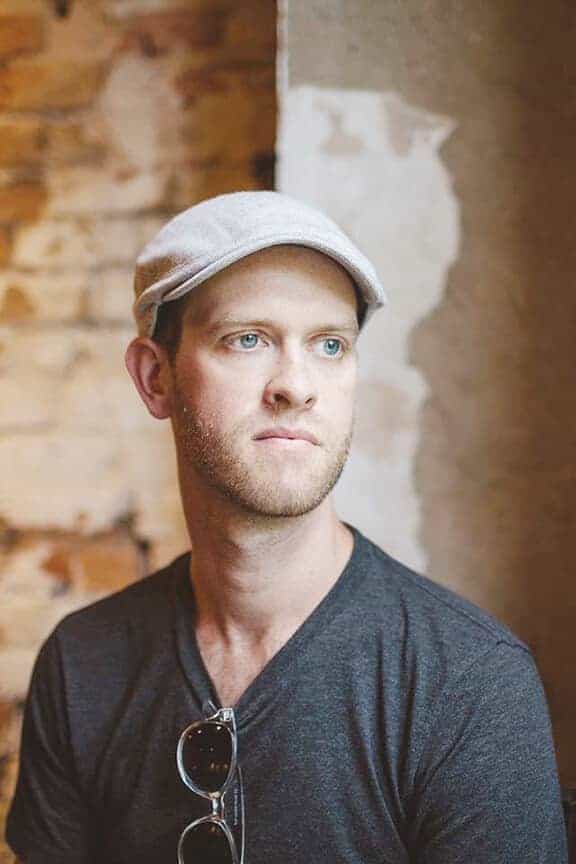
His now shuttered blog, New Raleigh, and associated social media presence broke news about new openings and closings all over town, driving folks out to local businesses long before there was ever anything like Offline or the 919 Blog. Since he’s stepped back from New Raleigh, Gant has helped bring dozens of murals to the city’s bare walls through the Raleigh Murals Project. While some are temporary and some are here to stay, all of the murals bring color and character to what would otherwise be humdrum or mundane. They also serve the very real purpose of reminding us that public art is beautiful, valuable, worth paying for—and something we should always strive to maintain.


f8 Photo Studios

Terrence and Tory Holt, Construction executives

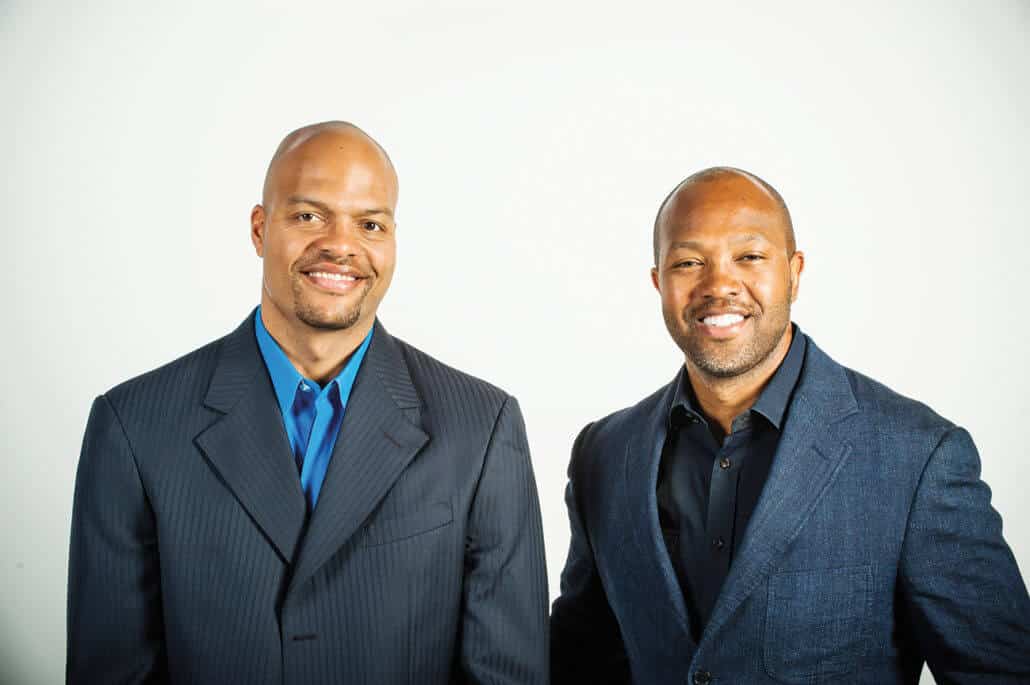
The brothers and former football players have parlayed their success on the field to success in the construction industry. The pair won contracts for major projects in Raleigh including the City of Raleigh Central Communication Center, the Innovation Center at Wake Tech’s new campus, and Raleigh Union Station. The city, especially, recruits the brothers for projects it needs taken care of, such as the recently revamped Market and Exchange Plazas. But while they’re constructing Raleigh’s newest buildings and outdoor spaces, the Holts are also using their influence to make the future brighter; they’ve underwritten scholarships for student athletes at NC State and minority students studying construction at Wake Tech and they were key in raising some of the funding that’s making the Southeast Raleigh YMCA project happen.

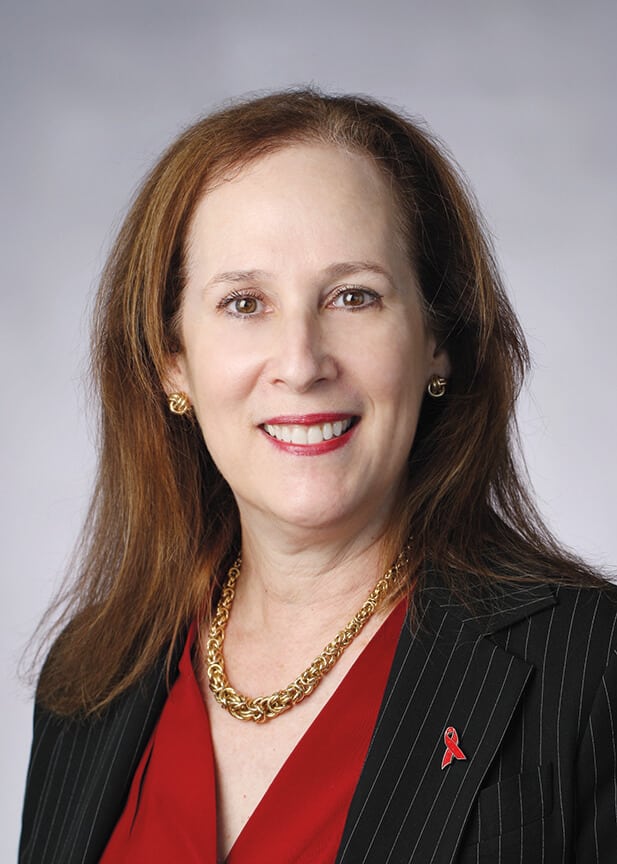
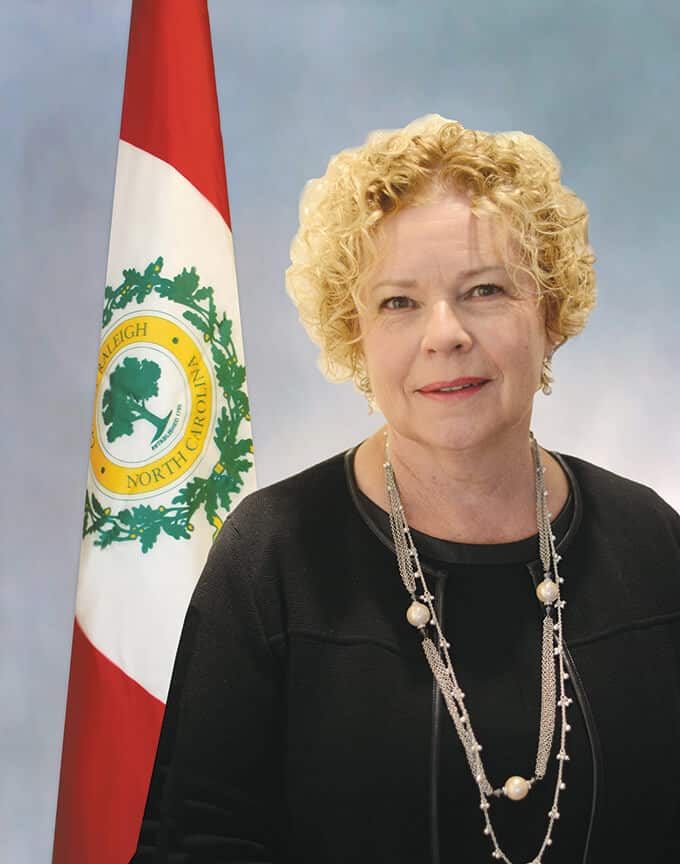
Mary-Ann Baldwin, Marketing executive, former City Council member

Since stepping away from the Council, Baldwin has had her fingers in lots of pots, and when it comes to speaking her mind, she doesn’t hold back. Along with advocating to bring a professional soccer team to Raleigh and making the city more welcoming for entrepreneurs and innovators (not to mention recruiting them here, too), Baldwin is working with some of Raleigh’s most civically engaged young people to bring about the changes that are important to them. Look for Baldwin’s impacts in the realms of transit, affordable housing, sustainability and politics; near-future changes are on the horizon and in them, she’s sure to have had a hand.

Stef Mendell

Russ Stephenson

The Pro-Neighborhood City Council Bloc 

David Cox

Kay Crowder

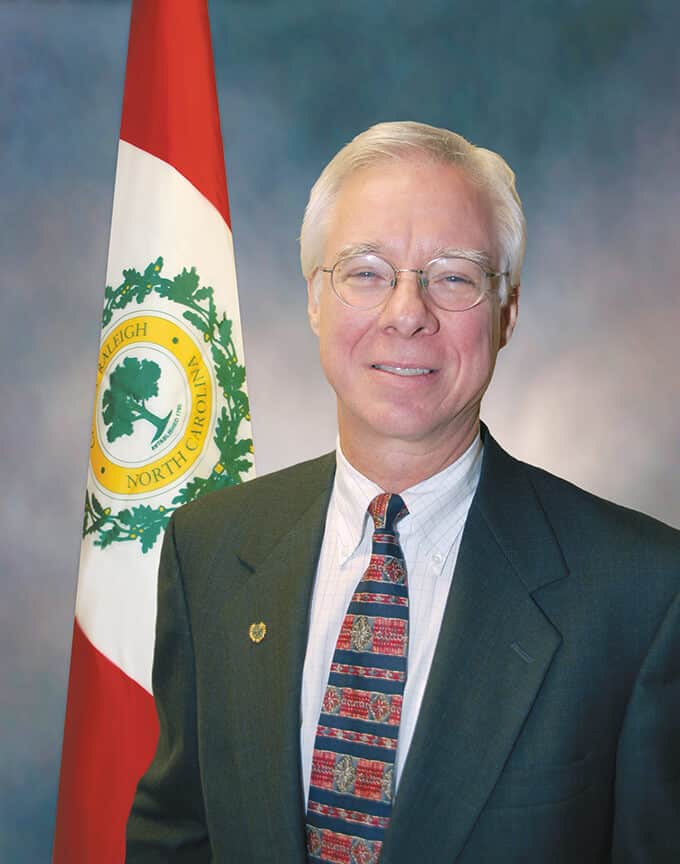
David Cox, Kay Crowder, Stef Mendell, Russ Stephenson

While many of these Council members are popular in their districts, easily winning their elections (or re-elections) to their seats, they each only have one vote on the council. Lucky for them, and the constituents who voted for them, they usually come together as a bloc to vote in favor of policies that promote smart, measured, or moderate growth, as they like to say. These council members regularly draw the ire of the YIMBY crowd for their reluctance to move on high-profile issues like short term rentals, accessory dwelling units, high density development projects and anything that could negatively impact neighborhoods. But they insist they want to get it right and truly believe Raleigh will benefit from a thoughtful, more considered approach.

The Foodie Activists

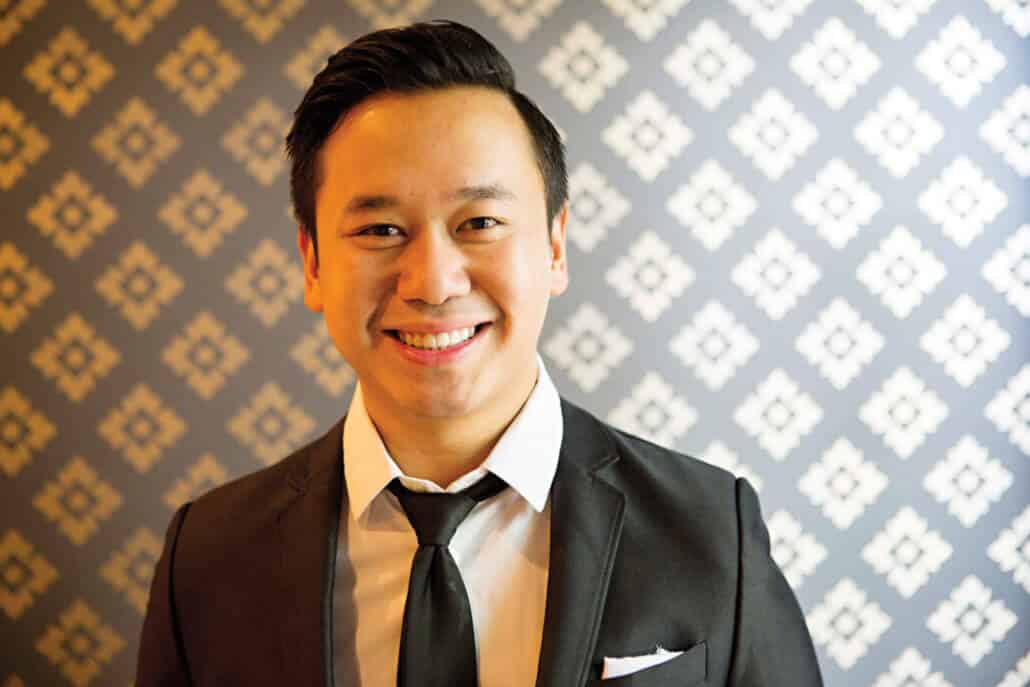
Vansana Nolintha

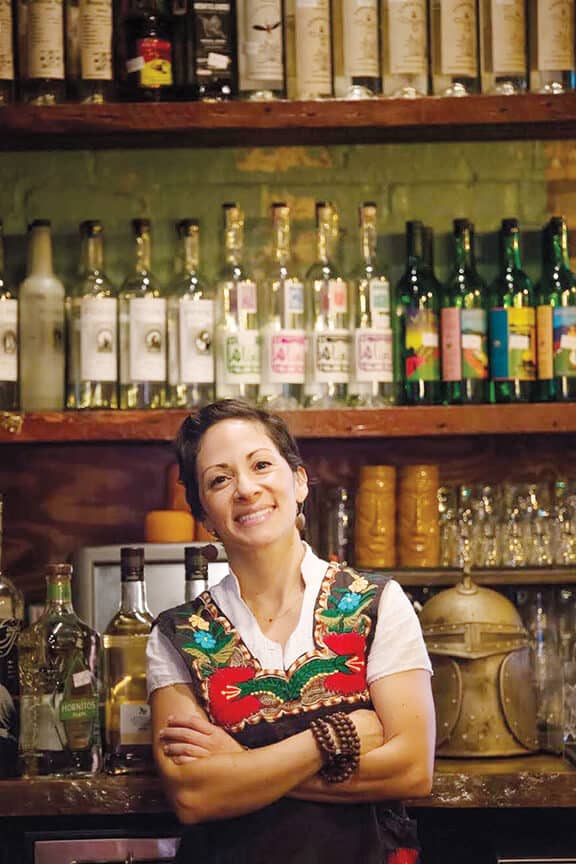
Angela Salamanca, Burning Coal Theatre Company

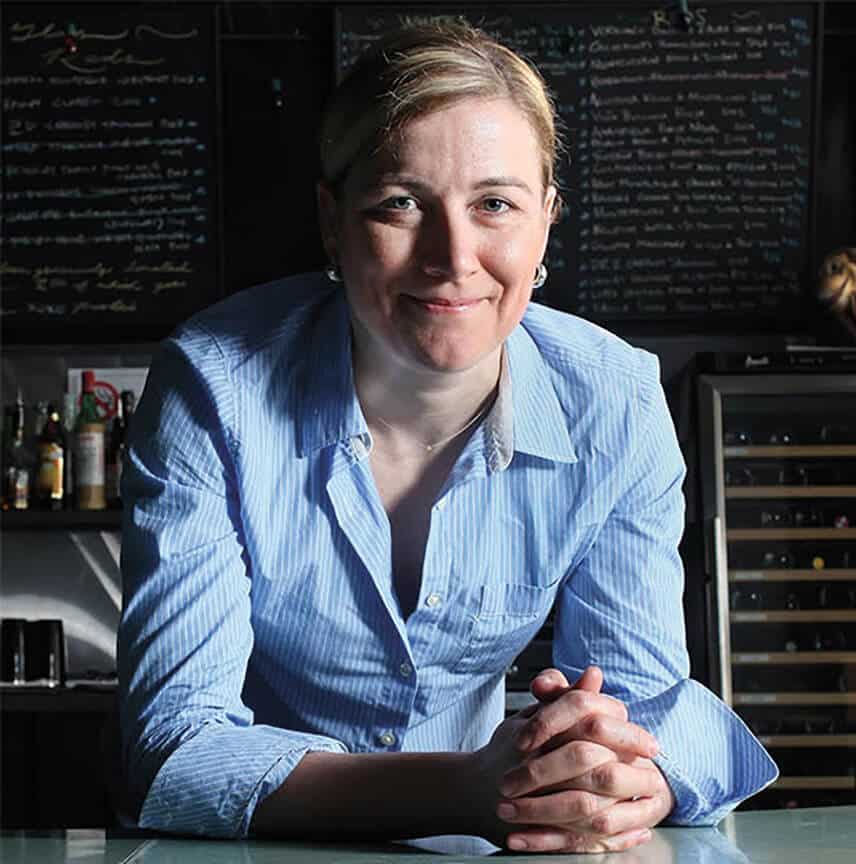
Ashley Christensen, Van Nolintha, Angela Salamanca

Ashley Christense, genconnectu.com

Van Nolintha, owner of Bida Manda and Brewery Bhavana, and Centro owner Angela Salamanca, had a novel way of getting downtown Raleigh residents to the polls in 2016. They put on a parade or two with towering puppets and a mariachi band, but the fun of the spectacle belied the seriousness of the issues at stake that election cycle, including immigration. Both Nolintha and Salamanca are immigrants and have used their prominence in the community to make Raleigh a more welcoming place; it’s hard to believe Raleigh residences and businesses would proudly display welcome signs in different languages from a local nonprofit without their good-natured advocacy. Ashley Christensen also has used her position at the helm of a restaurant empire to advocate for causes important to her. If she wants to open a new restaurant downtown, you have to believe she’ll do it, but she’ll want that restaurant’s staff paid a decent wage—and you know she’ll make sure that happens, too.

The Developers

Greg Hatem, News & Observer

Greg Hatem, John Kane, Jason Queen

John Kane

As a growing city, Raleigh is flush with real estate developers looking to put up a building and make a buck, but among the many, these three stand out—their ideas are good, they know the right people, and they do their jobs well. All are behind some of the city’s more interesting recent projects, including the Dillon, John Kane’s mixed-use landmark project in the Warehouse District, and Transfer Co., Jason Queen’s food hall and market opening in the old Stone’s Warehouse this summer. Kane is best known for redeveloping North Hills, but the Dillon and Smoky Hollow see him venturing downtown, and opening the first (and second!) downtown grocery stores. Like Queen and Monarch Property Co., Greg Hatem and Empire Properties places a premium on historic preservation and redevelopment. Historic buildings give our city character and remind of us of our culture and complexity; we’re lucky to have the Monarch-restored old homes in southeast Raleigh, as well as Empire’s redeveloped Odd Fellows and Raleigh Times buildings to enjoy for many years to come.

Jason Queen, News & Observer

A Fortunate Blend

A Fortunate Blend

The Sweet and Sour Octopus Bowl is made up of cabbage edamame slaw, pickled radish, roasted pepper, crispy broad beans and coconut rice at Mofu Shoppe in downtown Raleigh.

IT’S NOT EVERY DAY that you stumble upon an Asian restaurant with an Italian-American

chef whipping up pho and dumplings in the kitchen. But at downtown Raleigh’s MOFU Shoppe, it’s just part of the routine for executive chef Matt Greiner. MOFU, meaning “more fortune,” is the crowning glory of Sonny Lin and Sophia Woo, two Taiwanese Raleighites who you may recognize as the season six champions of the Food Network’s “Great Food Truck Race.”

After investing their $50,000 winnings into a brick-and-mortar restaurant at City Market, Lin and Woo devised an eclectic, uniquely Asian menu that incorporates both their Taiwanese-American backgrounds along with influences from Greiner, who was born and bred on Long Island and has an impressive resume in the food industry.

“The authenticity is what MOFU’s about,” says Greiner, formerly the executive chef at the Italian restaurant Vivace. “It’s authentic to the ladies and the food.” Lin and Woo, or the ladies as Greiner refers to them, grew up with Taiwanese parents and have lived for the majority of their lives in the southern United States, though they have traveled to Taiwan as well. Woo takes pride in her second-generation Taiwanese upbringing, as she says it has allowed her to become fluent in food here in America as well as in the food of her parents’ culture.

Greiner, who MOFU originally hired as a sous chef, took over the reins as head chef three months ago. Since then, he’s helped grow the restaurant and the menu into the one-of-a-kind establishment it is today. “I’m always impressed by how much knowledge Matt has,” Lin says. “He brings a level of energy to the kitchen that I don’t feel like just anybody could do. I don’t think that’s replaceable.”

Lin and Woo incorporate their knowledge of food and preparation techniques that they’ve learned from their mothers and grandmothers into MOFU’s diverse dishes, which get a pair of

Pork & Chive Dumplings are served with sweet & spicy and black vinegar toasted sesame sauces at Mofu Shoppe in downtown Raleigh.

fresh eyes from Greiner. He takes their concepts in new and interesting directions; this helps keep MOFU’s offerings fresh and dynamic while Greiner gets to learn a trick or two. “Every day I learn something new,” he says. “They’re teaching me so much more than I ever knew about Asian food—the flavors, the combinations. It’s just been mind-blowing to me, and it’s helping me expand my palate and my cooking techniques.”

To curate the dishes on MOFU’s menu, the trio comes up with different concepts and ideas to try out in the kitchen and present as finished items. This process prompts a discussion of what works and what doesn’t, and the chefs re-evaluate the dishes’ different ingredients and play off of each others’ opinions in order to reach a final product. They strive to create dishes that are genuine to the team and reflective of their different backgrounds.

“We’ve built this place on who we are,” Lin says. “The inspiration we draw from is from our lives, our peers, our mentors and our teammates, and that’s what makes it different.”

MOFU’s menu ranges accordingly in genres, with a variety of influences represented in each dish. Their signature MOFU wings, served with either buttery Sriracha or nuoc mam lime glaze, combine both Taiwanese and American influences. The nuoc mam lime glaze blends fish sauce, sugar, lime and chili, providing an umami taste that Woo says pairs well with the wings and takes a modern spin on a traditional American bar bite. The green curry mussels draw on a slew of eclectic backgrounds, from traditional preparation methods found all along the coasts of the U.S. and Taiwan.

The inside of the restaurant is open, allowing people to feel comfortable while dining.

The mussels, sourced from Wilmington, are topped with a sauce inspired by a Thai green curry along with pork belly bits, a staple of Southern cultures. They’re served with youtiao, a traditional Taiwanese breakfast bread. Additional items on MOFU’s menu include a sweet and sour octopus bowl, roasted king trumpet mushroom, fish tacos, roasted carrot soup, beef and vegetable pho and, of course, the dumplings that made Lin and Woo famous. MOFU Shoppe’s cozy space, with its tall windows for natural light, wraparound bar and wooden furniture, is an intimate and welcoming backdrop to enjoy all of these dishes.

The considered blending of cultural ingredients is what makes MOFU Shoppe stand out from Raleigh’s many other Asian eateries. Lin, Woo and Greiner excel in creating familiar dishes with unexpected twists, allowing Raleighites to experience a variety of cultures all in one space.

The trio takes its “more fortune” motto seriously. For Greiner, it means parlaying his passion for cooking into creating communal experiences, gathering people together to share a delicious meal. For Woo, it’s staying true to her Raleigh roots by giving back a bit of her Taiwanese culture to the community.

“The translation of bringing something that we know really well to a group that maybe doesn’t know it as well is exciting and fun,” Woo says. “Food’s a great way to learn about another culture as you get a glimpse into another country, and their history, through it. We eat through everything.”

Watch Out

Watch Out

In the midst of the digital age we’re living in, analog watches are making a comeback in all sorts of fashion circles. Here in Raleigh, we have local watch company O.A.C. City Watches bringing us an updated, modern version of the prized antique watches of the past. These watches offer a vintage look with a chic, contemporary feel that lends an air of sophistication to almost any outfit, for any situation.

Mike Ciampa, the founder of O.A.C. City Watches, came up with the designs for the company while searching for a watch of his own. Working with a manufacturer, Ciampa devised his ideal watch design, then added in his own logos and branding to mass manufacture them for consumers this spring.

The brand has since taken off, with three models for sale on the company’s website and hints of another model in the works. The watches come in three different designs: Uptown, Midtown and Downtown, each with a night and day variation that tweaks the color of the watches’ strap, case and clock face. Ciampa says that each watch design is inspired by the lifestyles common in the city’s respective areas and the types of people that frequent these areas. Although the watch designs were initially geared toward young professionals at an affordable price point, Ciampa says a variety of demographics have taken to the watches.

“In today’s society where so much is going on, it’s the simplicity of them, along with a classic and modern feel, that really makes them stand apart,” says Ciampa. “It’s really clean, sleek and easy to look at it, and it goes with a lot of different things.”

The name of the brand, O.A.C., comes from the first name initials of Ciampa’s two daughters, Olive and Cocoa, and also ties into Raleigh’s title of “the city of oaks”. Additionally, the “V” on the watch face that replaces the “5” comes from his wife’s name, Victoria.

The watches are technically unisex, according to Ciampa, but he says the watch bands tend to run large, so may be too big for smaller female wrists. But you’re in luck, ladies: Ciampa says he hopes to design a line of watches specifically tailored for women in the future.

O.A.C. City Watches can be purchased online, on the company’s website. Since the watches come straight from the manufacturer, removing any additional costs, the designs are priced affordably, from $55-$75. The watches are also available at special Shop Local Raleigh events, where local vendors gather to sell their unique products to the community.

No matter how old you are or what you consider your style to be, O.A.C. City Watches are sure to provide you and any other Raleighite with a dependable modern accessory to complete your outfit. Check them out at oaccitywatches.com.