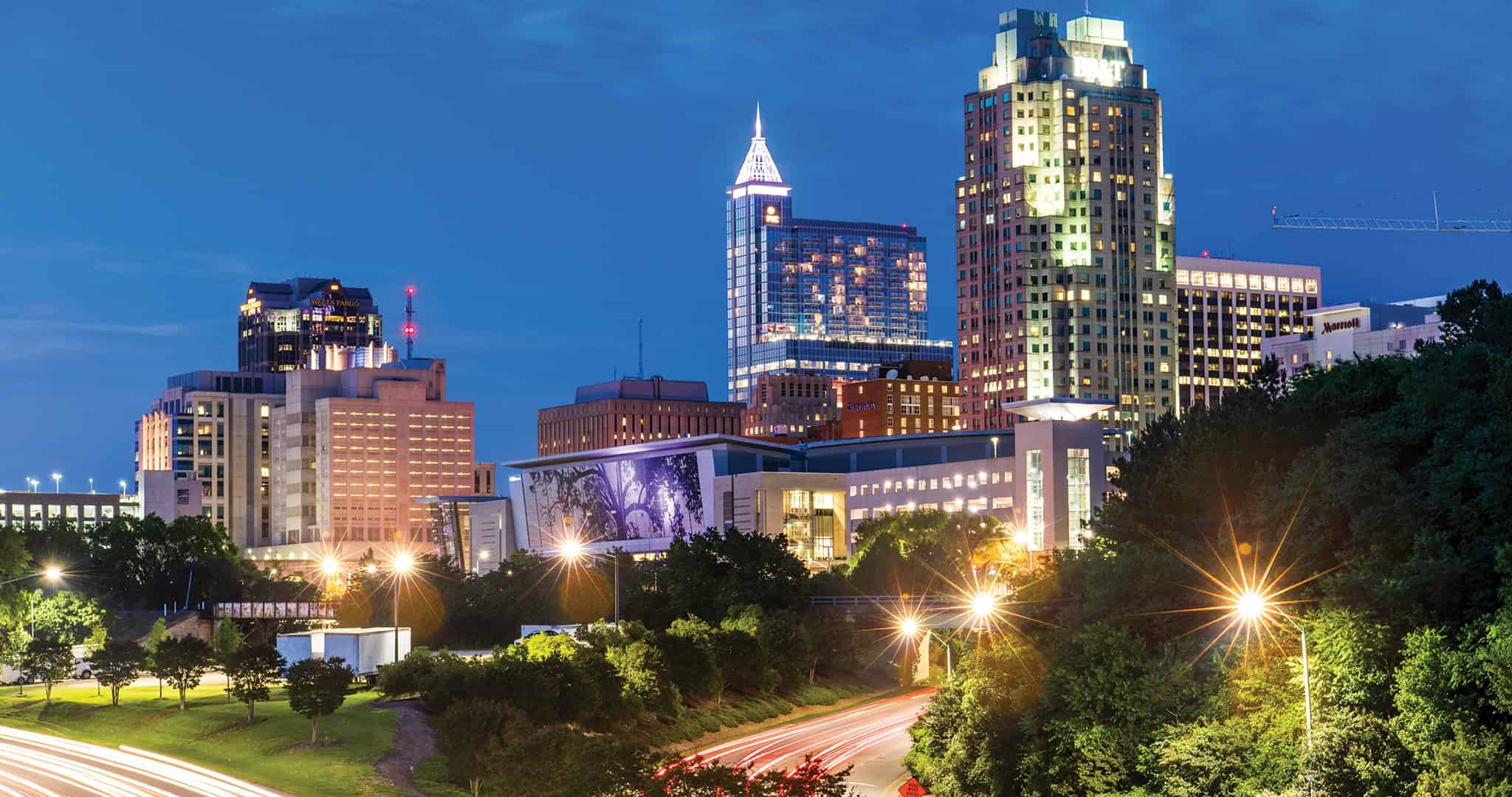
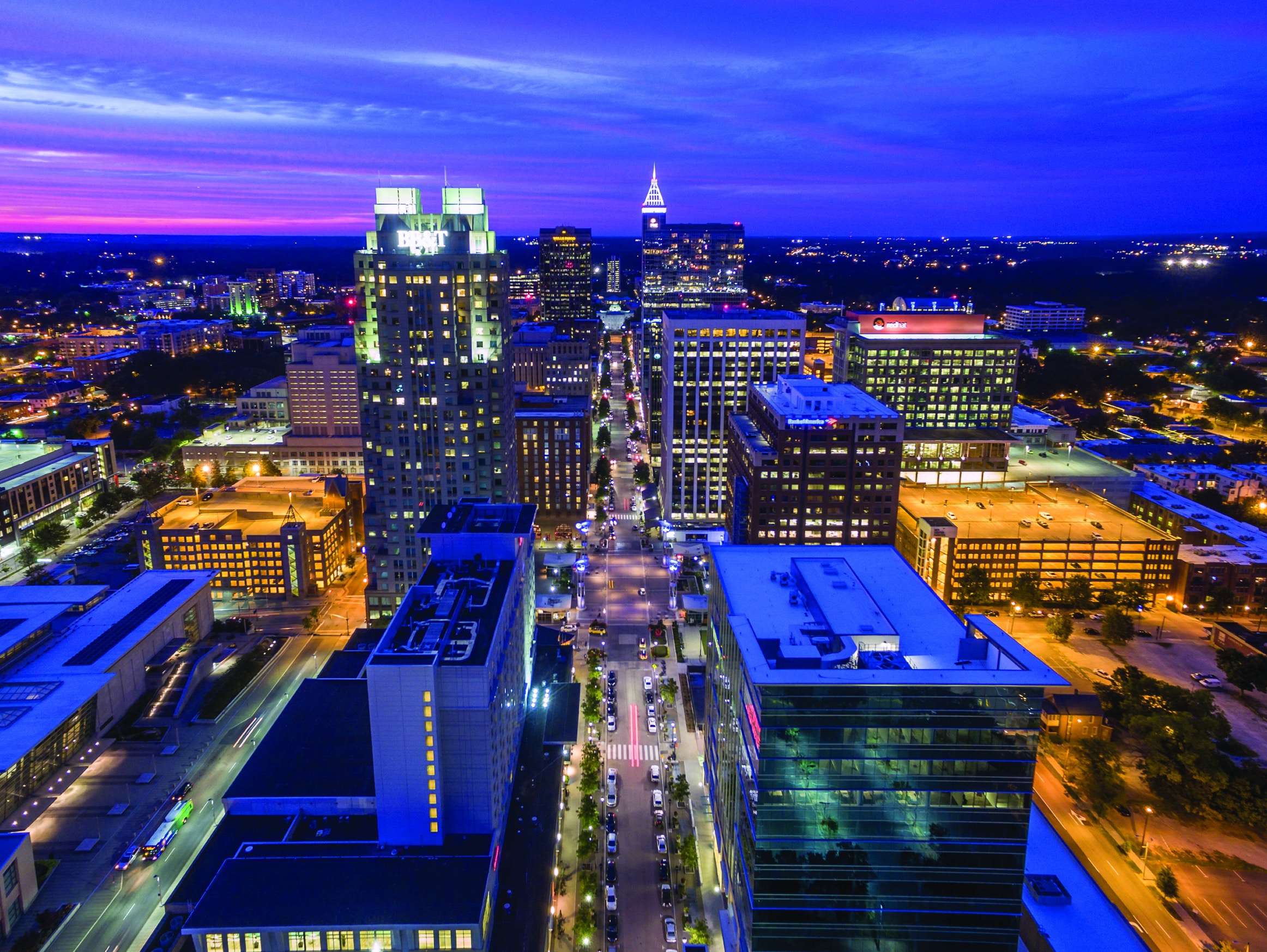
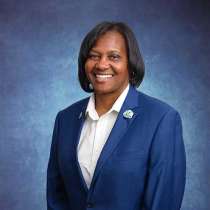
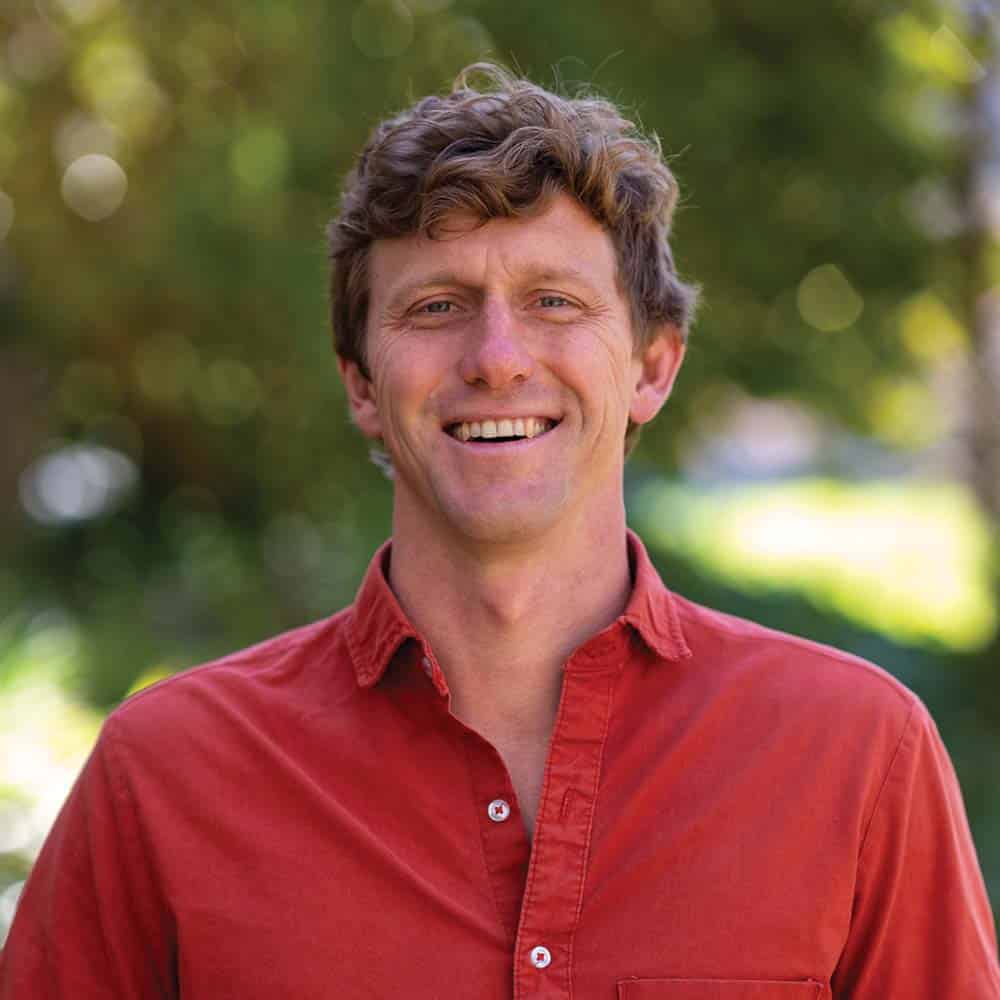
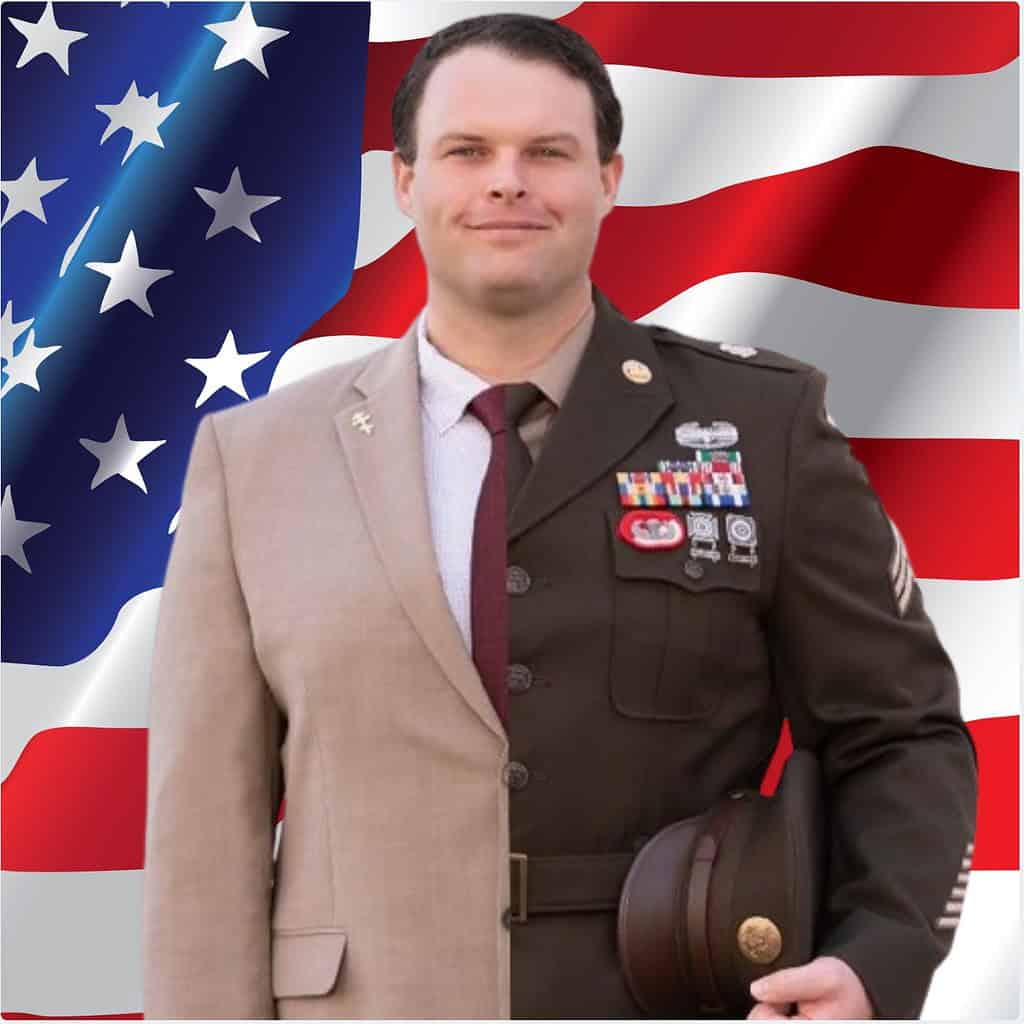
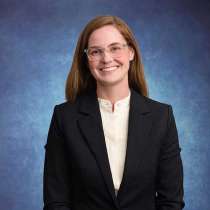
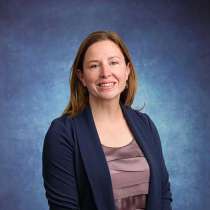
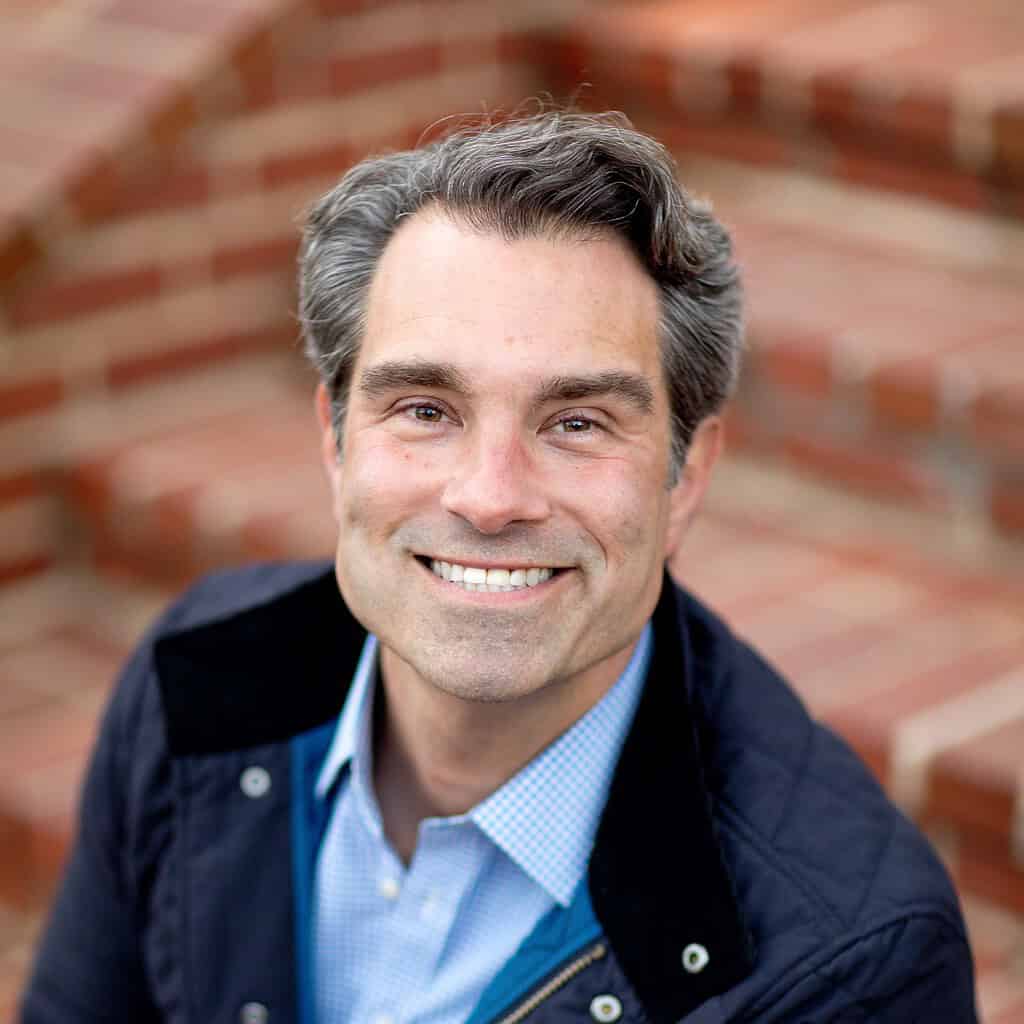
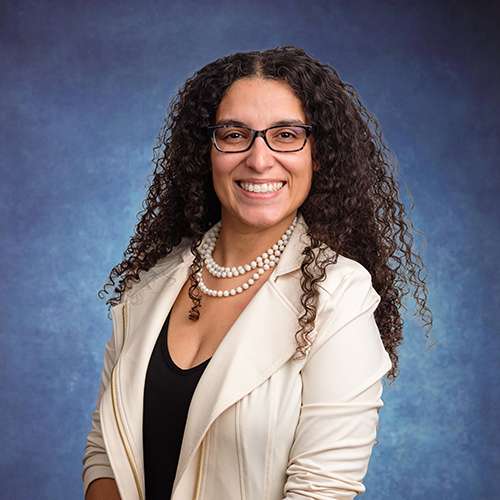
We asked all sitting members of Raleigh City Council—and other candidates vying for a seat—whether they stand with the expansion of Red Hat Amp.
With the vote deciding Red Hat Amphitheater’s fate in less than a month, we tapped Raleigh City Council candidates—plus the sitting Council members who are all up for reelection—on whether they think the venue should remain Downtown or be moved elsewhere (for example, Dix Park).
Although only the current council members will have any say in the vote, other candidates’ take on the amphitheater’s location can give insight on their knowledge of Raleigh and priorities within the city. And, ICYMI, Red Hat Amp cannot be left where it is—it must be either moved one block and expanded or demolished for good.
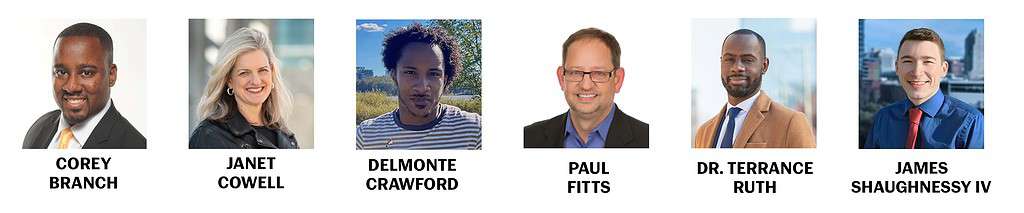
Mayoral Candidates
Janet Cowell Red Hat [Amp] should stay Downtown. It helps make Downtown a regional destination for arts and culture and supports local businesses at a time when they urgently need it. In exchange for the negative externalities of closing a street, we should preserve pedestrian, bicycle and vehicular throughways while mitigating the impact of street closure on Heritage Park and insulating residents from service loading docks.
Paul Fitts Leave it where it is.
Eugene Myrick I am not in favor of moving Red Hat Amphitheater to Dix Park. While the amphitheater is a beloved venue, relocating it would have significant and far-reaching consequences that outweigh the potential benefits. Moving the amphitheater would negatively impact local businesses that have long benefited from its Downtown location. The foot traffic and economic activity generated by events at Red Hat Amphitheater support our small businesses, which are the backbone of our local economy. Disrupting this ecosystem could lead to closures and lost livelihoods for many who rely on this steady stream of patrons.
Terrance Ruth The location of Red Hat Amphitheater should be determined by what best serves the community’s needs and enhances the cultural vibrancy of Raleigh. Keeping it Downtown supports local businesses and maintains the city’s cultural hub. However, moving it to Dix Park could offer unique opportunities, but the fragile nature of our Downtown requires the city’s full attention. I would advocate for extensive community input before making a decision.
James Shaughnessy IV I am in favor of keeping Red Hat Amphitheater Downtown. It’s become a cultural staple in the area and plays a vital role in supporting local businesses by driving foot traffic and generating economic activity. Its presence Downtown is beneficial both for the economy and the cultural vibrancy of the city.
At-large Candidates
James Bledsoe No. Red Hat [Amp] needs to stay where it is. Moving a large property like that to expand a Convention Center that isn’t full when events are held is just asking to hurt Downtown. Many businesses rely on foot traffic from the events. Moving Red Hat [Amp] during an already financially stressed Downtown Raleigh is just going to break a lot of businesses’ backs.
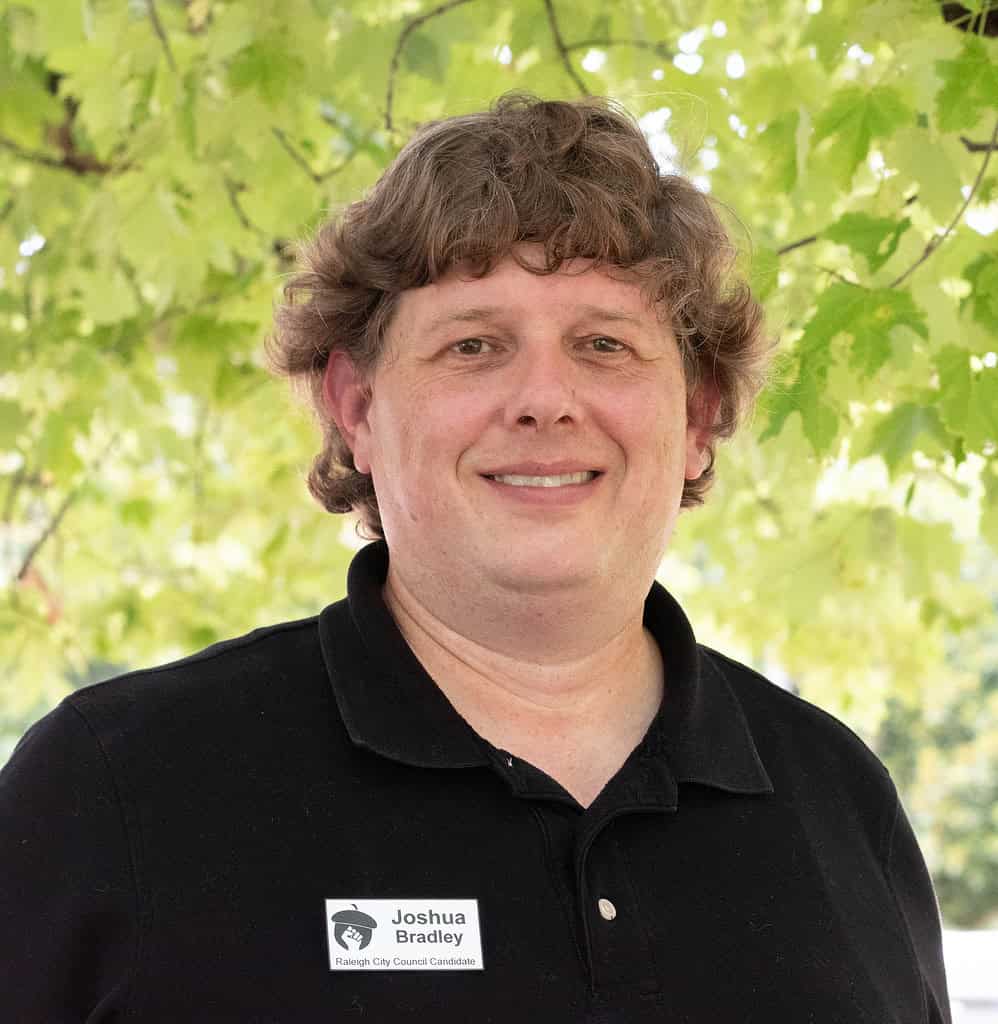
Joshua Bradley I am of the opinion that it can stay where it is. The Convention Center does not need to expand. The planned move would close South Street and negatively impact Heritage Park, which is one of the few public housing complexes in the City.
Stormie Forte (I) Yes, I am in favor of the Red Hat Amphitheater expansion, while understanding the concerns regarding a closure of a small portion of [South Street]. Within the budget allocated for the project, the current plan is the only option available to keep the amphitheater Downtown. The City of Raleigh staff are working with the NC Department of Transportation to create a solution that will allow continued connectivity to the Downtown area from South Street. I have had the opportunity to speak with many owners of local small businesses regarding the negative economic impact of losing the amphitheater Downtown. I want to support initiatives that will help these establishments not only survive, but thrive. Red Hat Amphitheater has over 50 shows scheduled this season and eight weeks for the ice rink. Many Raleigh residents and guests from out of town enjoy coming Downtown for these events, and contribute significantly to the viability of surrounding businesses. It is important for the owners and their employees that these opportunities continue to create foot traffic in these spaces.
Jonathan Melton (I) Yes, and I want the city to work with NCDOT on reestablishing some connection for the portion of South Street that is closed, and to add bicycle and pedestrian improvements too. This project can be a win-win for all interested stakeholders.
Reeves Peeler I want to see the amphitheater stay Downtown.
Robert Steele I am in favor of the Red Hat Amphitheater staying Downtown.
District A Candidates
Mary Black (I) Neutral. I think the role of councilors is to weigh the multiple factors within in any case. I’m eager to hear from the city about the multiple factors that are at play with regard to impact to traffic, Heritage Park redevelopment and businesses.
Whitney Hill I am in favor of seeing Red Hat [Amp] staying where it is and keeping Dawson Street a straight shot through Downtown. No one has shown me the cost profit analysis of doubling the size of the Civic Center. If they have [it], I would love to see it. To me, this is the real issue. Are the citizens at large really benefiting from the Civic Center Expansion?
Mitchell Silver I am in favor of keeping Red Hat Amphitheater Downtown and would encourage City Council to explore and make public all available options, including those that keep South Street open.
District BCandidates
Jennifer McCollum Yes, I am in favor of Red Hat Amphitheater staying Downtown.
Megan Patton (I) With roughly a month until the vote regarding the street closure, I am still in the information-gathering phase. This decision impacts several constituencies in a variety of ways. From Heritage Park to Downtown businesses, from Boylan Heights to the larger Raleigh community, I’m committed to hearing all the voices. No decision that the Council faces is ever as simple as it seems. I’m working hard to make sure we get as many wins for as many stakeholders as possible.
District CCandidates
Corey Branch (I) I’m in favor of keeping Red Hat Amphitheater Downtown.
DaQuanta Copeland Yes, I support the Red Hat Amphitheater staying Downtown.
Tomara DeCosta It should remain Downtown, as local businesses depend on the foot traffic it generates.
Daniel Grant-King No response as of press time.
Jared Ollison If Red Hat is to be expanded, I think it would be a good idea to consider moving it to Dix Park.
Tolulope Omokaiye I am in favor of the Red Hat Amphitheater remaining Downtown.
Portia Rochelle In favor of [Red Hat Amp] staying Downtown
District D Candidates
Jane Harrison (I) I’m committed to Red Hat Amphitheater remaining Downtown and anticipate it to be moved one block south to make room for the Convention Center expansion. It has significant economic spillover impacts on local businesses like Berkeley Cafe, Videri Chocolate Factory, and Neptunes, just to name a few. It’s a beloved community asset—essential for vibrancy and safety Downtown.
Residents and business owners also have legitimate concerns about the loss of vehicular access on South Street. Unfortunately, closing the street is a prerequisite to expansion of the Convention Center and the Red Hat [Amp] relocation. I’ve spent a great deal of time with city staff and impacted neighbors to examine the plans and identify opportunities to mitigate potential negative impacts. City staff is working with the NC Department of Transportation to develop a new route which would connect just south of South Street heading west to east. The City is also conducting a traffic-impact analysis to evaluate impacts. An additional community engagement opportunity will be held prior to any City Council decision.
District ECandidates
John Cerqueira Red Hat should absolutely stay Downtown at a scale that continues attracting the types of shows we have been fortunate to host in the past. I do look forward to the potential of a music venue at Dix Park at what is planned to be a scale closer to what we have at the NC Museum of Art.
Here’s who is officially running for mayor and City Council.
Election season is upon us, and 26 candidates with a deep desire to bring change to Raleigh have thrown their names into the ring for mayor and City Council. Now that the filing period is officially over, the ballot is set, with all incumbents seeking reelection except for Mayor Mary-Ann Baldwin.
Raleighites haven’t been known to race to the polls for location elections, but keep in mind those who are elected and the decisions they make will directly affect you. Hot button issues this year include development and infrastructure, law enforcement shortages, affordable housing, DTR crime, transit, and so on.
As campaign season kicks off, here’s a district-by-district snapshot of who’s running and the issues at stake.
For full interviews with the incumbents and other candidates that declared intent earlier this year, see our extended ballot guide.
City Council members will now serve four-year terms.
The election process for Raleigh City Council is facing a major change affecting how its members are elected—and how long they will hold their seats. Effective 2026, Council members will run for four-year terms—and, plot twist, the topic will not appear on the ballot this fall.
“If you put it on the ballot in a presidential year, it’s probably going to fail because it will be on the bottom and won’t get a lot of attention,” says Mayor Mary-Ann Baldwin of the 5–2 council vote in May to double term lengths and stagger terms. “People say they support four-year terms and want more consistency and efficiency in government—I think this was the right way to do it.”
“People say they support four-year terms and want more consistency and efficiency in government. I think this was the right way to do it.”
—Mayor Mary-Ann Baldwin
Everybody elected this November is serving a two-year term that will end in December 2026. Mayor, one at-large seat, and Districts A and B will run for four-year terms in 2026. The other at-large seat and districts C, D and E will run for two years in 2026 and run again in 2028 for four years, creating staggered four-year terms.
Raleigh’s transitioning model will join a handful of other NC cities such as Asheville, Durham and Greensboro—while also leaning into a nonpartisan primary process that would narrow the field to two candidates per open seat.
“We had started this process earlier—a task force made these recommendations,” says Baldwin. “But nothing happened, and I think the fact we started moving on this was very positive. There’s a lot of support for four-year terms, and being staggered allows people a voice—if they don’t like the way things are moving, they can send a message.”
What’s not happening? While adding three seats to the board was another hot-button topic during the most recent Council meeting—a motion initially pitched by council member Megan Patton—city leaders decided to table the expansion for now. Patton acknowledged, “It isn’t the right time” and cited lack of support as reasons to take the motion off the table for the time being. Ultimately, looks like it all boils down to more reasons to rock the vote come November.
City Council members will now serve four-year terms.
The election process for Raleigh City Council will face another major change, affecting how its members are elected—and how long they will hold their seats. Council members will run for four-yearlong terms—and, plot twist, the topic will not appear on the ballot for voters this fall.
Council voted 5–2 May 7 to move from the current standard two-year terms to four-year stagger-elected terms, effective in 2026, while also leaning into a nonpartisan primary process that would narrow the field to two candidates per open seat.
Also starting in 2026, enter staggered terms, in which the mayor, one at-large seat and two district seats will be up for grabs in that year, and the remaining seats on the ballot in the ensuing 2028 election.
While adding three seats to the board was another hot-button topic during the most recent Council meeting—a motion initially pitched by council member Megan Patton—city leaders decided to table the expansion for now. Patton admitted “it isn’t the right time” and cited lack of support as reasons to take the motion off the table for the time being. Ultimately, looks like it all boils down to more reasons to rock the vote come November.
A district-by-district guide outlining each area, its residents’ primary concerns and the candidates who hope to represent them.
While we won’t vote until November—and the filing period isn’t until July—the race for City Council is already heating up, with both incumbents and new faces declaring they intend to run.
Historically, Raleigh isn’t known to exactly race to the ballot box for municipal elections, but—newsflash—we should. Though, this year, the draw of the simultaneous federal election is likely to boost turnout. The so-what factor for local elections, though, really boils down to the direct impact City Council plays on our day-to-day lives: development (NIMBYs and YIMBYs raise your hands), affordable—and attainable—housing (aka the missing middle), crime, transit and so on.
Now on the heels of electing Raleigh’s youngest and most diverse council in our city’s history—and after two years of many deadlocked votes and stalled efforts—all eyes are on this year’s race. As of now, all current council members aim to hold their seats, save District C’s Corey Branch, who has his sights set on the mayoral office (see “Who’s Next?” sidebar below).
But those incumbents aren’t stopping a wide range of first-timers and previous contenders from throwing their hats in the ring in hopes of bringing their visions for the city to fruition. As campaign season kicks off, here’s a district-by-district snapshot of who’s running and the issues at stake.
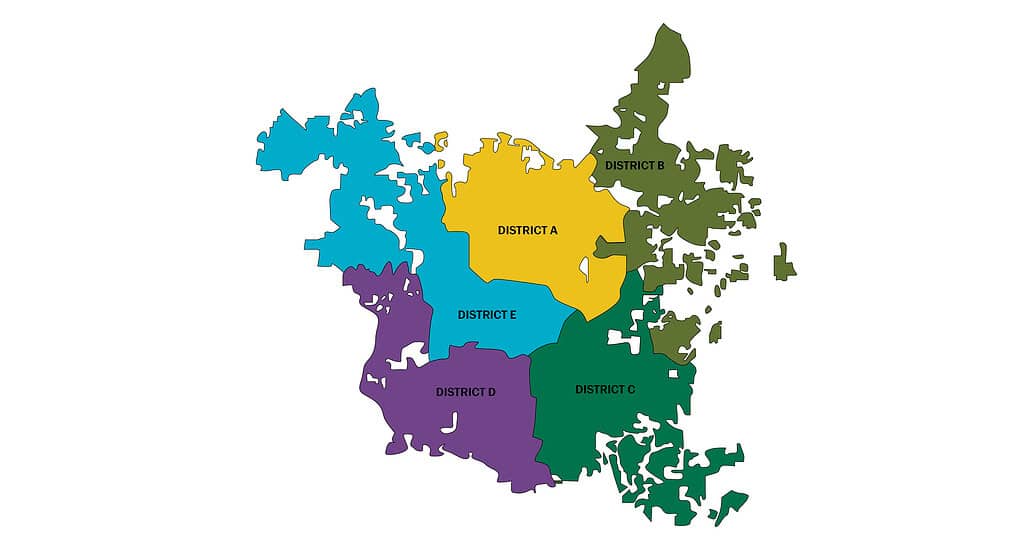
Enter your address in this interactive map to find your district.
COUNCIL COMPOSITION: As a quick refresher, Raleigh City Council has eight seats—one representative of each of the city’s five districts, plus three members elected at-large, including the mayor.
Who’s Next?
As Mary-Ann Baldwin’s run as mayor comes to a close, here are the current candidates vying for the role of Raleigh’s next mayor.
At-Large Candidates
Jonathan Melton (I) Proudest accomplishment: Public safety efforts, effort to increase salary of first responders and progress on public transit Top issues: Public safety, transit and housing affordability Plan to keep? Participatory budgeting implemented this year
“[I hope] to do the work required that continues to make Raleigh one of the best cities in the country to live for everyone,” says Melton. The incumbent member at-large was first elected to Raleigh City Council in 2019, earning reelection in 2022. In this role, he currently serves as vice chair of the Transportation & Transit Committee and chair of the Economic Development and Innovation Committee, and has tackled issues such as discrimination in private employment, increased pay for first responders and reduction of car-dependency. As the first openly LGBTQ+ city council member, Melton has championed safe, inclusive spaces for the LGBTQ+ community and allies as a founding board member of Stonewall Sports.
Stormie D. Forte (I) Proudest accomplishment: Updates to nondiscrimination ordinances and the CROWN Act Top issues: Housing affordability, transit and tackling homelessness Plan to keep? A well-managed city
“Being able to effectively balance what’s in the best interest of the [city] and its residents, as well as economic opportunities,” says Forte of what is most important to her. When the lawyer and radio host was appointed to represent District D in 2020, she became the first Black woman to serve on City Council before going on to serve as member at-large in 2022. To date, Forte has promoted the safety and inclusion of minorities and members of the LGBTQ+ communities, from supporting the CROWN Act (protecting rights to wear natural hairstyles) to updating nondiscrimination ordinances. If reelected for a third term, Forte has her sights set on building efficient public transit and solving the growing homelessness issue in the city. “I would love to say we solved the homelessness crisis. … We need to look for humane ways to tackle the issue.”
Reeves Peeler Why this year: Raleigh is at a pivotal moment—and growth is leaving our working-class and even many of our middle-class neighbors behind. End-of-term goal: Fight to create a city that everyone can thrive in Plan to keep? Fare-free public transit
“I want to look back and say I built a coalition of people in Raleigh that will fight to create a city everyone can thrive in for years to come,” says Peeler. Currently the regional organizer at Down Home NC, the born-and-raised Raleighite decided this pivotal moment was the right time to run because of the city’s growing economy and population—paired with his growing concern that the city’s infrastructure is beginning to exclude lower- and middle-class residents. Peeler aims to adopt ordinances and zoning laws encouraging more affordable construction by taking each unique neighborhood into consideration. “We can’t continue to force our neighbors who are teachers, nurses, public servants and service workers to drive longer and longer commutes and live farther from the center of the city.”
James Bledsoe Why this year: Crime increasing, housing and business reform, and the city canceling the Veterans Day Parade End-of-term goal: Reform the pay system for RFD & RPD to allow them to live within city limits Plan to keep? Keep new ideas from the city government flowing
“I want to reform the pay system for RFD and RPD that allows them to stay here, to create a standard for the rest of the state and ultimately make Raleigh a safer city where employees are not burnt out by high call volumes and being overworked,” says Bledsoe. The combat veteran decided to run after his outrage over the cancellation of the Veterans Day Parade and the city’s growing crime rates, aiming to use this term to increase first responder pay rates and take fiscal responsibility by reforming the city manager office. In hopes of building more houses and condos and less apartments, Bledsoe aims to deregulate zoning laws to bring housing reform. And if elected, Bledsoe vows his paycheck to a scholarship for Raleigh high school students studying STEM or a trade. “We will not only help the youth, but provide skilled people to enter the workforce for a better NC.”
Joshua Bradley Why this year: The housing affordability crisis and worsening gentrification End-of-term goal: A reprioritization of the city to focus on building a better city for all of its residents, starting with the workers and poor Plan to keep? The alternative response program getting started by Refund Raleigh
“I am running to help my fellow workers get another voice at the table,” says Bradley. The accountant and Occupy Raleigh activist is throwing his hat in the ring for a second time, after a highly contested 2022 election. Both a member of the North Carolina Green Party and the Socialist Party USA, Bradley aims to reduce crime by building low-cost housing and protecting Black, brown and Indigenous communities from gentrification in order to create a more equitable and equal city. Voicing his stance against oppression of Palestine and his disappointment in the council’s failed ceasefire resolution, Bradley hopes to take a stance against “oppression in all of its forms” for the people of Raleigh who have lost loved ones to federally funded weapons.
District A
Area: North Hills, Six Forks Road and Falls of Neuse Road
Encompassing Midtown, District A has emerged as a live, work, play hub, boasting vibrant hospitality, green spaces and nightlife via a swath of continued development (see: The Exchange and the burgeoning North Hills Innovation District—to name but a few).
As one of fastest-growing districts in the city, rezoning issues will remain front of mind—and in front of council—and this district rep will have to navigate the likely ongoing deadlock between developers and community pushback.
That development and growth will continue to entangle traffic as frustrations mount for denizens and commuters alike. While the Six Forks expansion project between Rowan and Millbrook set to begin in late 2025 was finally (unanimously) green-lighted by council this February to much fanfare, the long-awaited updates—including widening to six median-divided lanes with a walking and biking path—only updates 1 mile. Dating back to a first transportation bond in 2013, the initial project was slated to update a 2-mile span of Six Forks before the plan was slashed by ~50% to keep within the city’s budget. Translation: Six Forks—NTM Falls of Neuse—is a long road and solutions are paramount.
Further exploring options to navigate throughout the area and to/from DTR, the Northern Corridor Bus Rapid Transit plan looks to implement a fast and reliable route from Downtown to Midtown.
And, beyond mobility, with density—both from development and denizens—emergency response has also become a hot-button issue for the area. If—or when—the next fire burns, the next rep will have to answer the call to ensure North Hills’ smaller Station 9 is ready and equipped to respond.
District A Candidates
Mitchell Silver How long you’ve been a Raleighite: 2005–14; 2021 to present Why this year: I want to offer leadership to make sure the city goes in the right direction. End-of-term goal: Ensure housing choices for all Something you don’t plan to change: Approach on affordable housing and parks
“I want to make sure the city continues to go on the right track. It has momentum, and I’m concerned with the perceived deadlock at council,” says Silver of why he chose to run this year. As Raleigh’s former planning director and chief planning officer and NYC’s former parks commissioner, Silver excels at creating thoughtful and visionary comprehensive plans—including Raleigh’s own 2030 Comprehensive Plan—and aims to focus on quality growth, public safety and real conversations about housing choice and what that means. “I have a keen interest in making sure we continue being the best planned city in the U.S.,” he says.
Mary Black (I) As of June 22, Mary Black announced her candidacy.
Whitney Hill How long you’ve been a Raleighite: Over 40 years Why this year: With growing homelessness and rising crime, I am compelled to get involved. End-of-term goal: A three-year plan to introduce competitive pay for police officers Something you don’t plan to change: The parks system and greenway
Hill feels that something in Raleigh is wrong, and electing established candidates and liberals isn’t the answer. “We need new blood in the city council that will work for the best policies, where all of the city residents will benefit from our rapid growth,” says Hill. Currently the director of U.S. operations at JS Panther, he has grown concerned with the amount of homelessness and crime in the city, and vows to increase police pay to combat this issue. The NC State graduate also aims to solve prominent issues he believes the current administration is overlooking. “Our public comment sessions on city council meetings are dominated by anti-Israel protesters that divert attention away from local issues,” he says. “I look to bring common sense to city management.”
Area: Capital Boulevard, I-540, Falls of Neuse Road, Louisburg Road
Affordable housing is a hot topic in Raleigh right now—and doesn’t look to be cooling any time soon. But impassioned constituents of this sprawling northeast district are concerned with advocating for the city to work with, rather than for, developers regarding the promotion of naturally occurring affordable housing. This district rep will need to lead the conversation between developers and the community, and be ready to negotiate and compromise when their goals don’t align.
Of course, more development means more traffic. A perceived win for concerned—and super-involved—residents, speed limits in Carlton Park and Holden Ridge were recently lowered as a result of citizen-initiated efforts, and more subdivisions are likely to jump on that bandwagon as explosive population growth continues—and the roads continue to become ensnarled.
East Raleigh’s rep will need to continue to field concerns and make headway to better handle and reduce congestion for the ~59K vehicles that pass through on the daily—like the multiyear $37.34 million updates to Louisburg Road slated for a 2027 wrap.
District B Candidate
Megan Patton (I) How long you’ve been a Raleighite: Eight years Proudest accomplishment: Led on getting the needed budget and policy adjustments to provide all fire stations Wi-Fi Top issues: Affordable housing, climate action and managing our infrastructure for growth, including solid waste services, fire service and police coverage Something you don’t plan to change: Equity and inclusion at the forefront of our city department’s programs and policies
Before her first term on city council, Patton was a public school teacher, factory worker and food-service employee—and vows she won’t shy away from hard work anytime soon. During her present term, Patton has secured funding to offset rent increases for residents of Grosvenor Gardens, and currently serves on the Safe, Vibrant & Healthy Neighborhoods Committee and the Growth & Natural Resources Committee. If reelected, she hopes to see progress on Forestville Road Park and the Northern BRT line. “I’ve aimed to provide strong constituent service alongside researched and balanced decision-making,” says Patton. “I love caring for our city, and I hope voters will afford me the opportunity to do so for another two years.”
Currently Unopposed
District C
Area: Downtown/South Wilmington Street and Capital Boulevard
After nine years representing District C, Councilman Corey Branch has thrown his hat in the mayoral race, and, to date, no potential contenders have declared candidacy for his council seat.
With part of the district encompassing Southeast Raleigh and the eastern side of Downtown, the future council member faces a multitude of critical issues, not least of which is reenergizing DTR and inspiring a return to our city’s core—to work, to play, to live, to shop, to dine. From securing funding for a set of recommendations to revitalize Fayetteville Street’s strollways, streetscapes, outdoor dining, art, bathrooms and beyond (a corridor that runs through both Districts C and D) to navigating burgeoning development, this rep will be at the forefront of a rapidly rising city.
Beyond development and activations, crime has been a central concern for the district. While reported crimes have decreased 43% in the last six months after last summer’s surge, city officials and stakeholders have acknowledged much work is still needed to fortify these efforts—and we can’t take our foot off the gas. Thus, this district rep will be faced with finding solutions for myriad concerns, including bus station-related loitering and crime, as well as reducing the impact of the current law enforcement shortage.
No Announced Candidates In District C
District D
Area: Parts of Wade Avenue, South Wilmington Street, Duraleigh Road, NC State, Western Boulevard, Glenwood South, Lake Wheeler Road
Primed to be Raleigh’s next “it” destination, West Raleigh is experiencing explosive growth with long underdeveloped sectors in the midst of total transformation. For starters, see the Blue Ridge Corridor—aka the urban hotbed comprising the triangle from Blue Ridge to Western to Edwards Mill—billed as the next North Hills. (Of note, while the triangle of development is fully situated in District D, the area itself is split among D and E.)
Then, of course, there’s the PNC Arena reno project, NTM the mass upgrades along Wade Avenue, surrounding NC State and Western Boulevard, and Lake Wheeler’s multimodal “complete street” revamp to include a peanut-shaped roundabout, and so on, igniting the region with mixed-use office, residential and highly amenable retail. Additionally, PNC’s upgrades will only serve to solidify the area as an entertainment mecca. But all that growth won’t come without its own share of setbacks, from construction to traffic delays, etc., that whoever is elected will certainly have to navigate.
And, as in District C, in this district spanning Glenwood South and portions of DTR, continuing to curb crime and implement solutions for our law enforcement shortage will likewise be a chief concern.
District D Candidates
Jane Harrison (I) How long you’ve been a Raleighite: Since 2015 Proudest accomplishment: Negotiated public benefits in every rezoning case Top issues: Community engagement, affordable housing and the environment Something you don’t plan to change: Raleigh as a leader in environmental stewardship and city staff on a constant quest for sustainability
“I bring the bacon—or vegan sausage—home for District D,” says Harrison. The NC State environmental economist and district incumbent is the only candidate who has announced a campaign for the district—and she has big plans for the area. In addition to housing reform and continued environmental stewardship, Harrison is eager to see further progress on an alternative crisis response program and utilizing social workers to assist community members in need. “We have already approved a planning study, and community engagement is underway to determine how best to support residents struggling with mental health, substance and alcohol abuse; homelessness; and other challenges that go beyond our current public safety infrastructure.”
Area: West Raleigh encompassing such major roads as parts of Wade Avenue, Blue Ridge Road, I-440, Brier Creek Parkway, Wake Forest Road
The expansion of this booming district has led to more than its fair share of traffic, clogging up roads that weren’t designed for the number of people who now rely on them every day (read: I-440 and segments of Glenwood Avenue near Crabtree Valley Mall and the Brier Creek area).
Beyond the overlapping portions of the burgeoning Blue Ridge Corridor bringing upgrades aplenty to the area, the RDU quarry expansion is a central focus for residents. In early April, the Umstead Coalition announced the already-controversial project is using 14 acres over what was allocated, overstepping their boundaries into William B. Umstead State Park—a space intended for hiking, biking and outdoor recreation.
As the state prepares to resurvey the land to determine a mapping discrepancy, the district representative will need to address constituents’ concerns before possible mining begins in two years.
Beyond development wars, attainable housing, green spaces, traffic (think any crawling trek down Glenwood from Brier Creek to Crabtree) and such proliferative nuisance crimes as speeding, car racing, etc., continue to be front of mind.
District E Candidates
John Cerqueira How long you’ve been a Raleighite: On-again-off-again life in Raleigh started in 1997 during freshman year at NC State. Why this year: The current tenor of the council has taken a combative, unproductive and, ultimately, dysfunctional turn, mirroring the divisiveness that we see in national and state politics. End-of-term goal: Progress and completion of open space, park and greenway projects Something you don’t plan to change: Raleigh citizens are given better opportunities to engage with our elected officials, particularly in terms of how we grow as a city.
After graduating from NC State in 2001, Cerqueira moved to NYC to work at the World Trade Center, helping save an employee during the 9/11 attacks. “Helping a fellow human being out of our tower fueled my interest in finding different ways to serve in both my personal and professional life,” says the co-founder of Skate Raleigh and founder/current principal of Pinwheel Associates. If he secures a seat on council, Cerqueira vows to take a more collaborative, thoughtful and respectful approach to governing to ensure the energy being poured into our city brings more blessing than burden. “If we are going to find sustainable ways to evolve in the face of the inevitable change brought by population growth, this feels like a time for me to help apply my passion for service and my professional experience to improve how we work together.”
Christina Jones (I) How long you’ve been a Raleighite: Since 2011 Proudest accomplishment: Reinstating Citizen Advisory Councils (aka CACs) Top issues: Workers’ rights and reducing our vacancy rate citywide Something you don’t plan to change: The Community Engagement Department is doing a fantastic job at reaching many segments of our community.
Dubbing herself the “community engagement candidate,” Jones edged former incumbent David Knight out of the district seat to snag her spot on council in the 2022 election. “Reinstating Citizen Advisory Councils was the icing on the cake because it was what first sparked my interest in running for council,” says the district incumbent and community engagement champion. Now that engagement is up to her standards, Jones plans to use this upcoming term to tackle the citywide vacancy rate and workers’ rights in order to prevent the quality of service provided to residents from suffering. “I have spent my first term working shifts across multiple departments to better understand what our staff does and how City Council can better represent their needs.”