Check-in time has arrived in Raleigh—but it’s about much more than high-end hotels.
By Melissa Howsam & Lauren Kruchten
We’ve been saying it for years—and for good reason. Raleigh’s hotel boom is coming. But it isn’t just a random flurry or a lust for the suite life. It’s about building an identity.
Plans for a new crop of boutique, luxury and full-service hotels have steadily stacked up across DTR, promising more rooms, more rooftop bars and, finally, the upscale stays Raleigh has long lacked.
A robust hotel inventory is part of the infrastructure a city needs to compete for the major sporting events, conventions and marquee attractions that put it on the national stage—and bring thousands of visitors along with them, Greater Raleigh Sports Alliance Director Tori Collins tells RM. And it’s a formula Raleigh has already seen pay off: The 2023 NHL Stadium Series weekend generated $20.1 million in economic impact, while this year’s Stanley Cup Final delivered another $13.4 million and more than 6,700 hotel room-nights across Wake County.
And check-in time has arrived as several of those long-awaited projects are now opening, while still more are under construction or taking very real shape. The iconic round Holiday Inn debuted its second act as Hotel Indigo. The Oberlin is nearing its reveal in the Village District. The long-planned Omni is moving forward alongside the convention center expansion. And White Lodging is preparing to transform Downtown’s Sheraton into a Westin—adding yet another major player to Raleigh’s growing hospitality roster.
And that’s just the confirmed reservations. From a planned upscale hotel at City Gateway to boutique projects and potential stays tucked into some of Raleigh’s biggest mixed-use developments, the next wave is already checking in behind them.
Because this boom isn’t only about where visitors stay—it’s about creating a city they want to stay in.
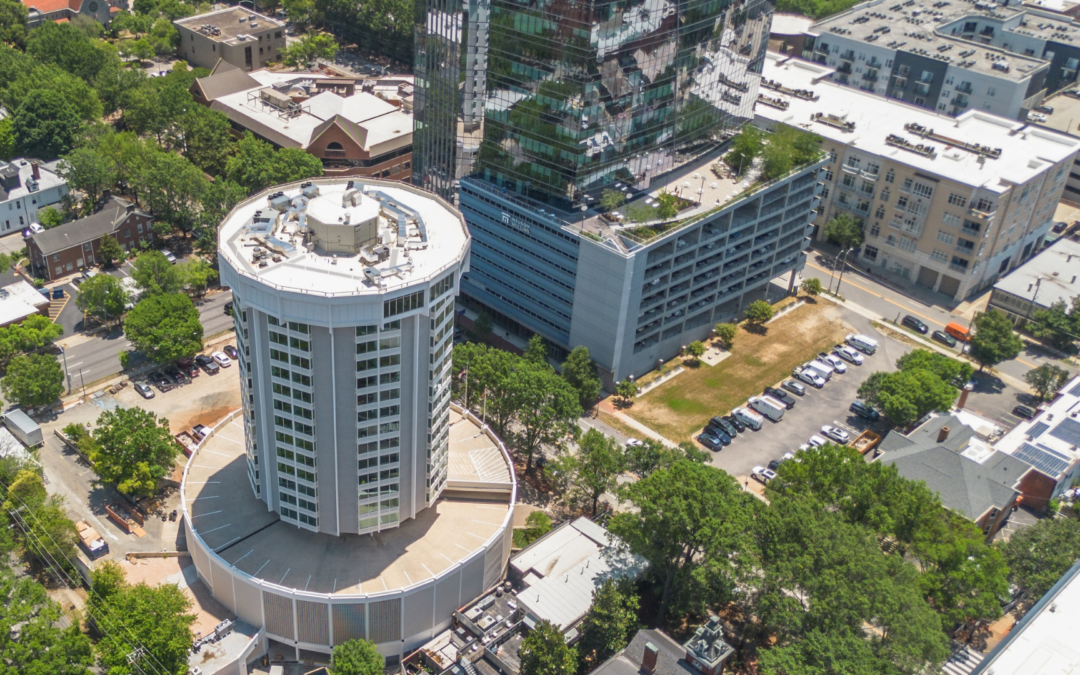
Downtown Raleigh’s iconic “hair curler” Holiday Inn is finally getting new life. Marking a new chapter as Hotel Indigo Raleigh, the 204-room DTR fixture just unveiled a $36 million transformation that brings it into the modern age while preserving its unmistakable circular nee-1969 exterior.
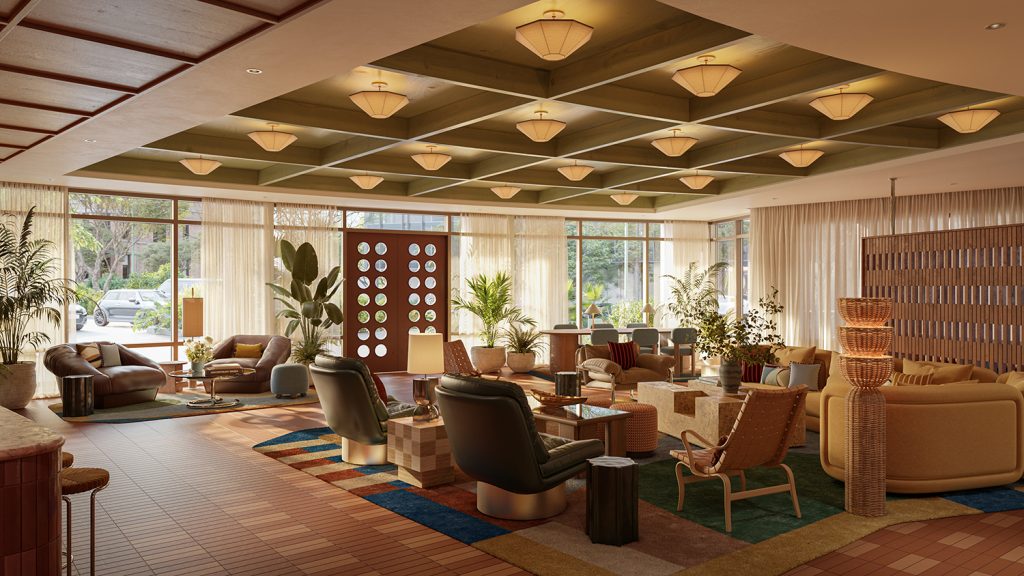
While almost no aspect of the interior has gone untouched, Tidal Real Estate Partners Principal Eyal Einik emphasizes the design intentionally harkens back to the hotel’s ’60s heyday—from new coffered ceilings referencing the building’s architecture and geometric carpeting inspired by its circular room configuration to a largely locally rooted art program.
Sean Junqueira
“The location is a pillar of the brand,” he says. “The goal was to bring as much of Raleigh into the hotel and let the building speak for itself.”
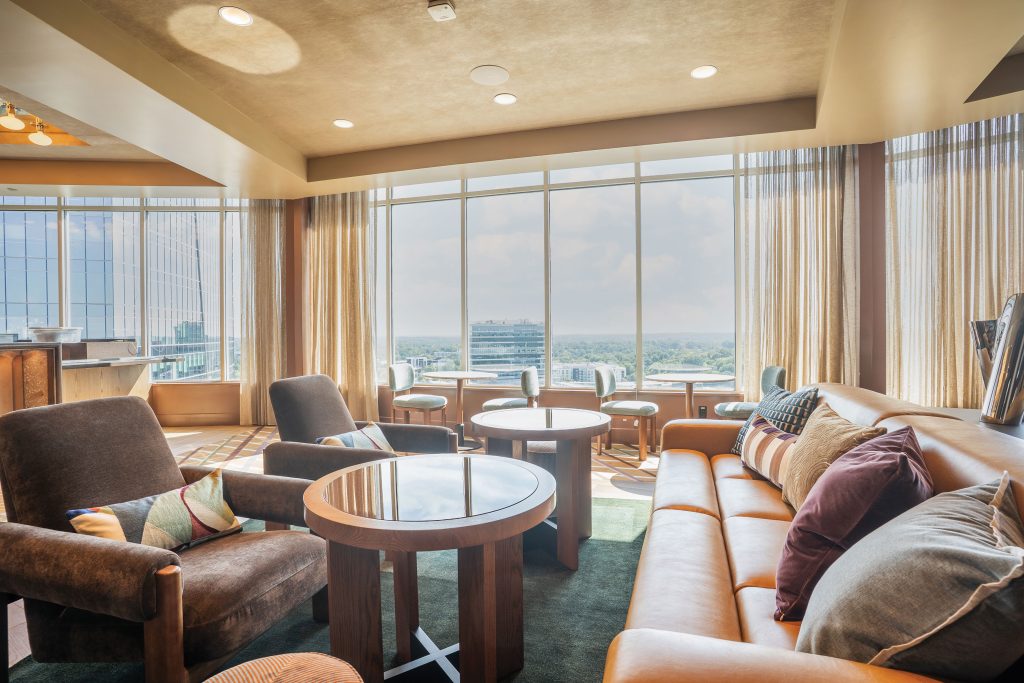
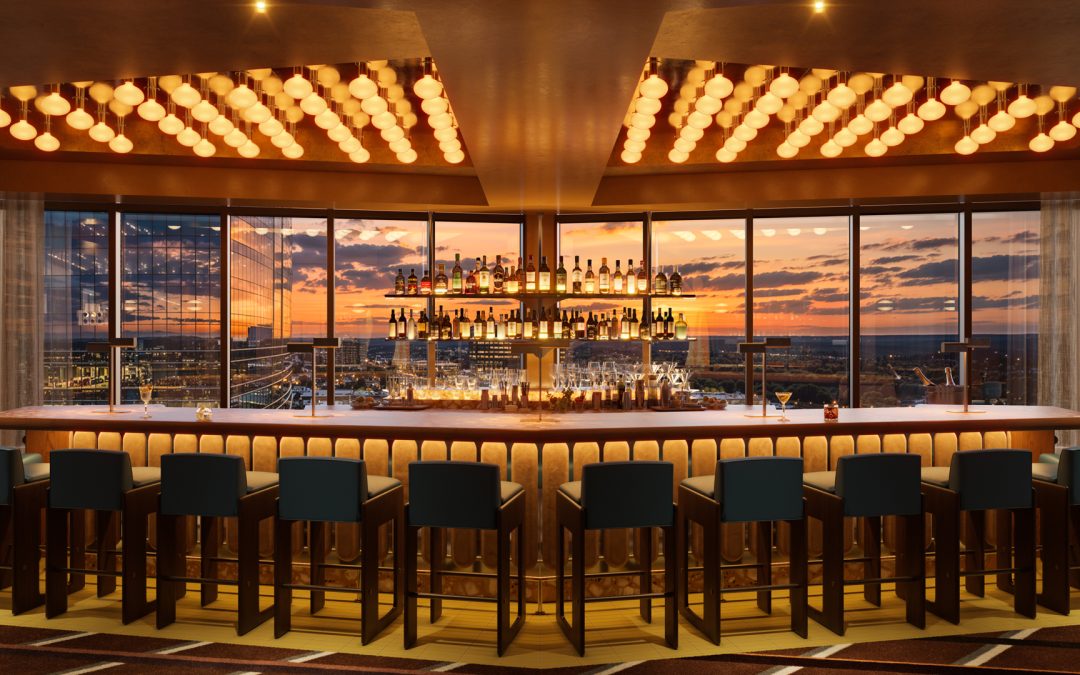
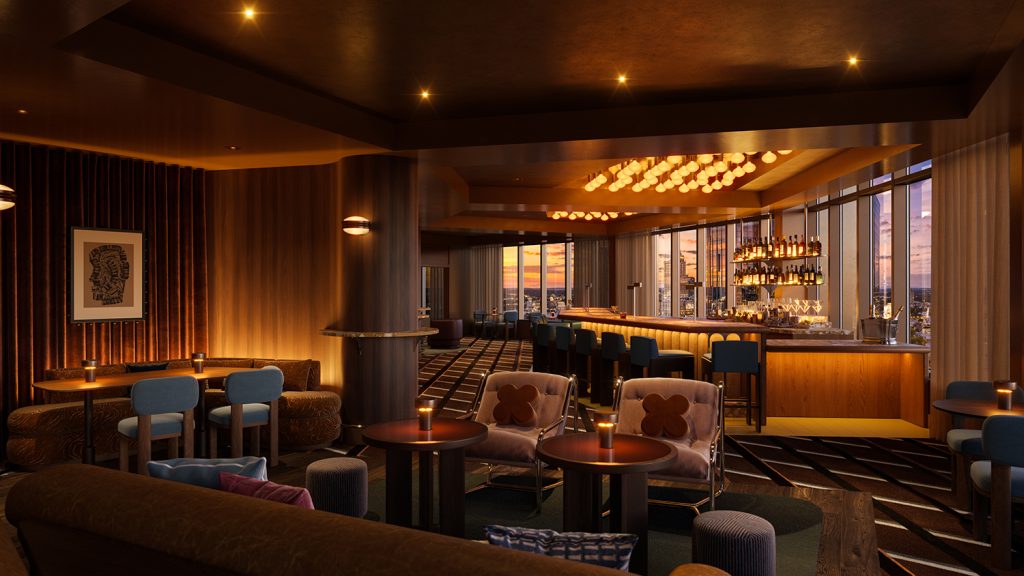
Its crowning glory: 20th-floor cocktail lounge and event venue High Ground—creating a new perch for Raleighites and out-of-towners to sip, dine and gather from a vantage point unlike anywhere else in the city. Below, 204 boutique rooms, a warm contemporary lobby opening onto Hillsborough Street, and a lush courtyard designed for guests and locals to linger round out the reinvention.
Coming full circle, Hotel Indigo preserves the character that made one of Downtown’s most recognizable landmarks memorable while opening its doors to a new generation.
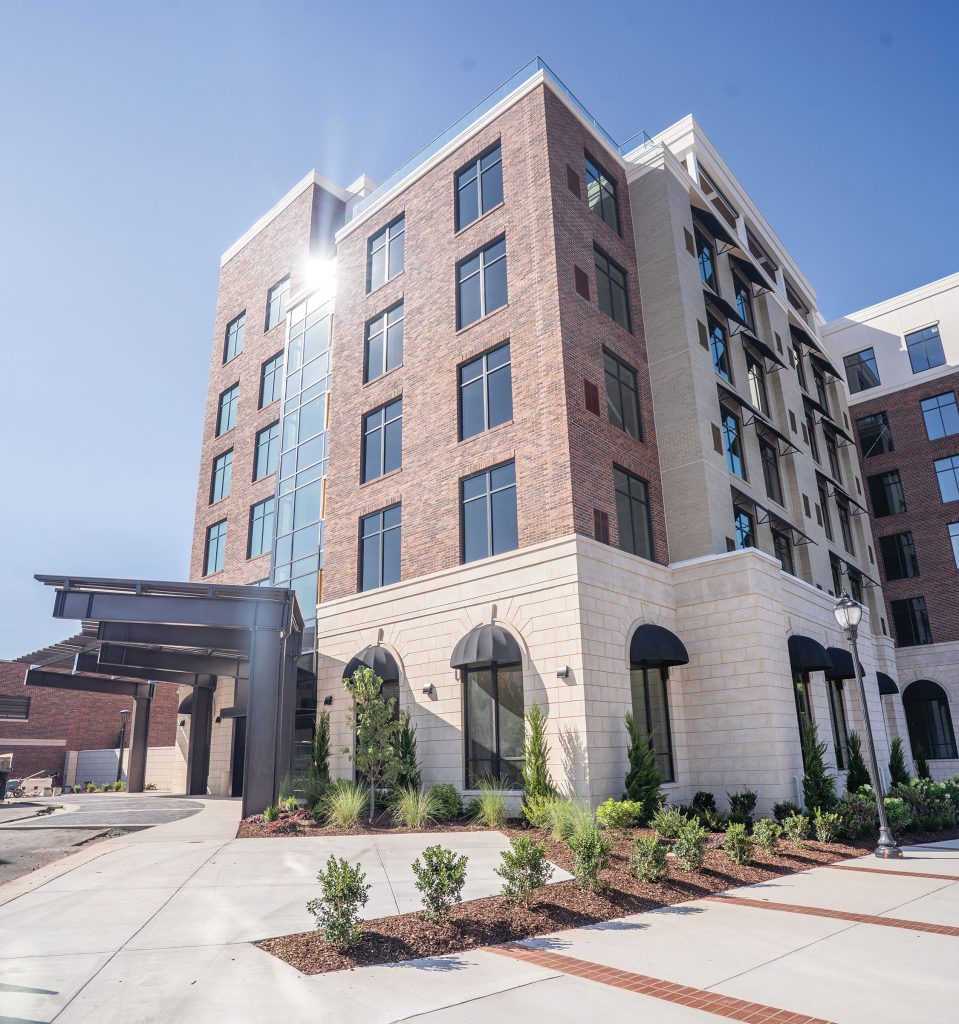
Delivering a dose of history—and a bolt of energy to an already booming district—the Oberlin Hotel is ready for check-in. The 153-room hotel marks Village District’s first stay and Hilton’s second Curio Collection property in NC, filling what Regency Centers GM Brooke Conn calls “a long-standing need for lodging in Raleigh’s central hub.”
But this isn’t some could-be-anywhere hotel—or just a place to sleep. Developed by family-owned, Winston-Salem-based Quality Oil Co., the boutique stay is uniquely Raleigh. And it’s deeply rooted in city history, down to its moniker, a nod to the historic Oberlin Village—one of Raleigh’s freedmen’s communities established by Black landowners and families following emancipation. That legacy of self-determination, resilience, community and opportunity carries throughout the property, as seen in the large-scale mural by Raleigh-area artist Sean Kernick paying homage to the historic neighborhood.
The Raleigh nods continue into the well-appointed guest rooms and public spaces, but the latter are designed as much for locals as overnight guests. Street-level Grounded, an open-to-the-public boutique coffee bar and cafe, moves from breakfast and grab-and-go fare into a daytime gathering spot, while lobby lounge Proper dishes lunch, dinner and cocktails that spill out to the courtyard. Flexible meeting and event spaces, including the Magnolia ballroom and adjoining outdoor courtyard—add capacity for weddings, corporate gatherings and celebrations of 150-plus, filling another previously underserved need in the district.
Still to come: Wren Rooftop, the hotel’s signature sixth-floor restaurant and bar, slated to bow in early 2027—bringing with it contemporary Southern fare rooted in NC ingredients backdropped by sweeping 13-foot ceilings, walls of glass and a wraparound rooftop patio serving up expansive DTR views.
All told, the long-awaited hotel delivers another piece of Village District’s evolution into an 18-hour destination—giving visitors a place to stay and locals plenty of reasons to check it out… or check in.
Set to become a cornerstone of Raleigh’s newly dubbed Fourth Ward Entertainment District, the long-awaited 29-story Omni Raleigh Hotel brings something the city has sorely lacked: 600 rooms and serious meeting capacity rising between the expanding Raleigh Convention Center and Martin Marietta Center for the Performing Arts.
Catering to those enhanced meeting and event capabilities, the transformative stay strengthens Raleigh as a premier destination for business and leisure travel via its massive ballroom, 61,000 square feet of flexible meeting space and rooftop pool—all directly supporting the Convention Center and Raleigh’s growing pursuit of larger conventions and events.
“We believe great hotels are shaped by the communities that surround them, and Omni Raleigh is designed to reflect the essence of this dynamic, fast-growing city,” says Omni Hotels & Resorts President Kurt Alexander.
And the local appeal goes beyond conventiongoers. The first-ever coffee shop from Raleigh-based Peter Millar will pour an exclusive Black & White Coffee Roasters blend, while a sports bar with golf simulator and covered outdoor patio brings another place to play. Meanwhile, NC’s first Bob’s Steak & Chop House adds another destination dining draw backed by Raleigh-inspired artwork.
Visit Raleigh
WESTIN RALEIGH Fayetteville Street District
Construction starting spring 2027
The Downtown Sheraton is getting more than a new flag on the building. Slated for spring construction, the conversion of the 353-room hotel into a Westin promises what White Lodging VP of Investments & Development Eric Stone calls a “transformative renovation.”
“I don’t think there’s any area of the hotel we won’t be touching,” he adds. Think new guest rooms, lobby, corridors, meeting and public spaces, destination restaurant and bar, plus additional meeting space and a modified facade that will transform it into an urban destination. Perhaps most consequential: The potential relocation of the hotel’s main entrance to Fayetteville Street—a move designed to inject new energy into the corridor and complement the city’s broader push to activate the area. The overhaul comes as Raleigh prepares to expand its convention center—and hotel capacity along with it.
More than a hotel, The Gables and on-site bar Alcove are gearing up to welcome the community.
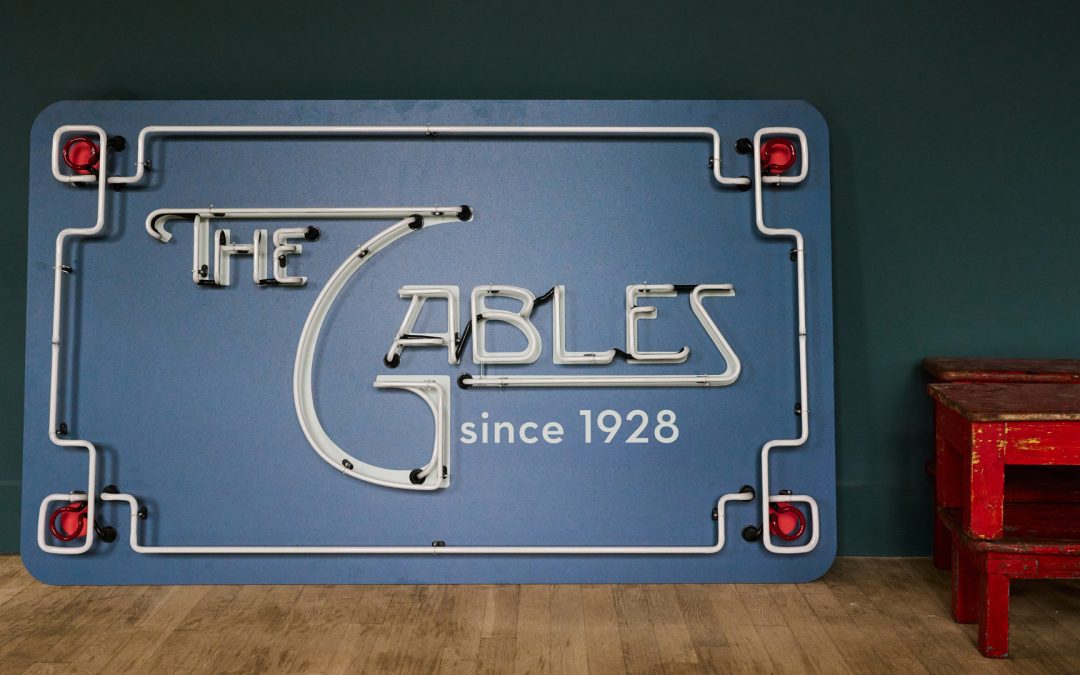
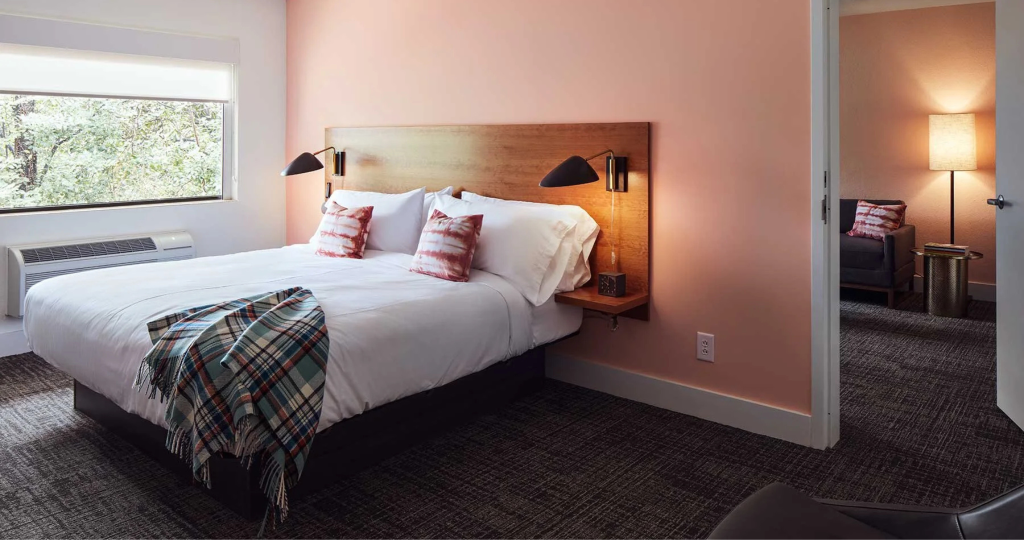
September-slated The Gables hotel won’t just be a boutique retreat for out-of-towners. Thanks in large part to on-site all-day Euro-style cafe and bar Alcove, it’ll serve as a neighborhood amenity, a space open to whoever is passing through—whether from just down the road or across the country.
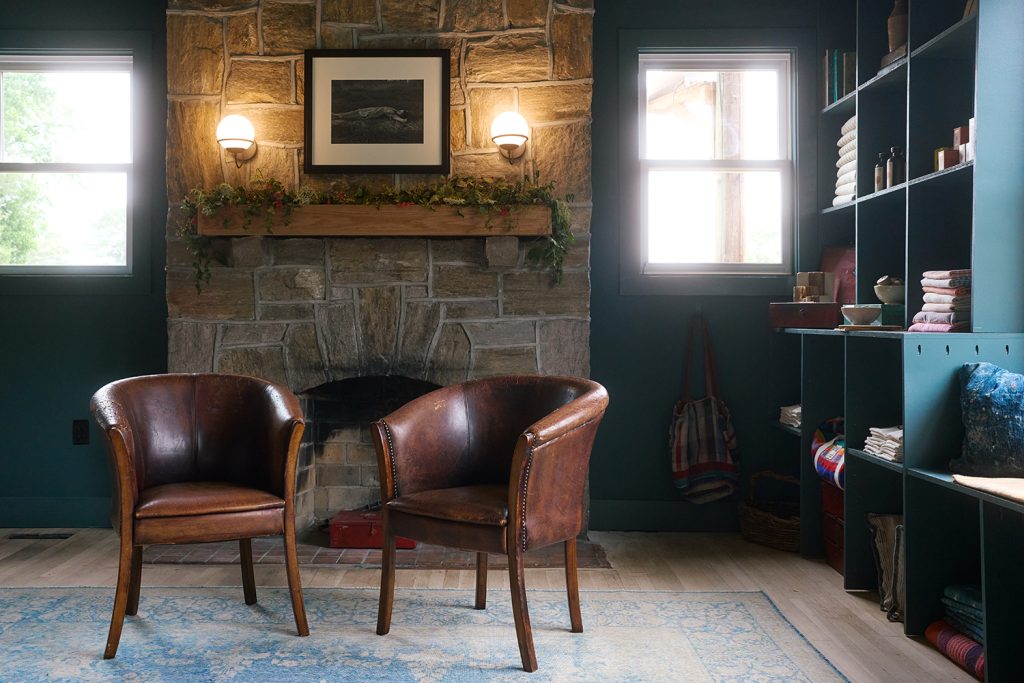
Originally dating back to the 1920s, the roadside retreat has been lovingly restored by Grammy-nominated singer-songwriter Tift Merritt, hotelier Daniel Robinson and Heyday Studios’ Sarah Yarborough (formerly of Raleigh Denim). From the jump, a bar was always in the plans, with Merritt and Robinson insisting that being a part of the neighborhood was extraordinarily important to them—along with their goal of building community.
“We’re not a private place,” maintains Merritt. “We want to see our friends. Also, isn’t a hotel bar the most fun place to drink in the world anywhere you go?”
Photo by Matt Ramey
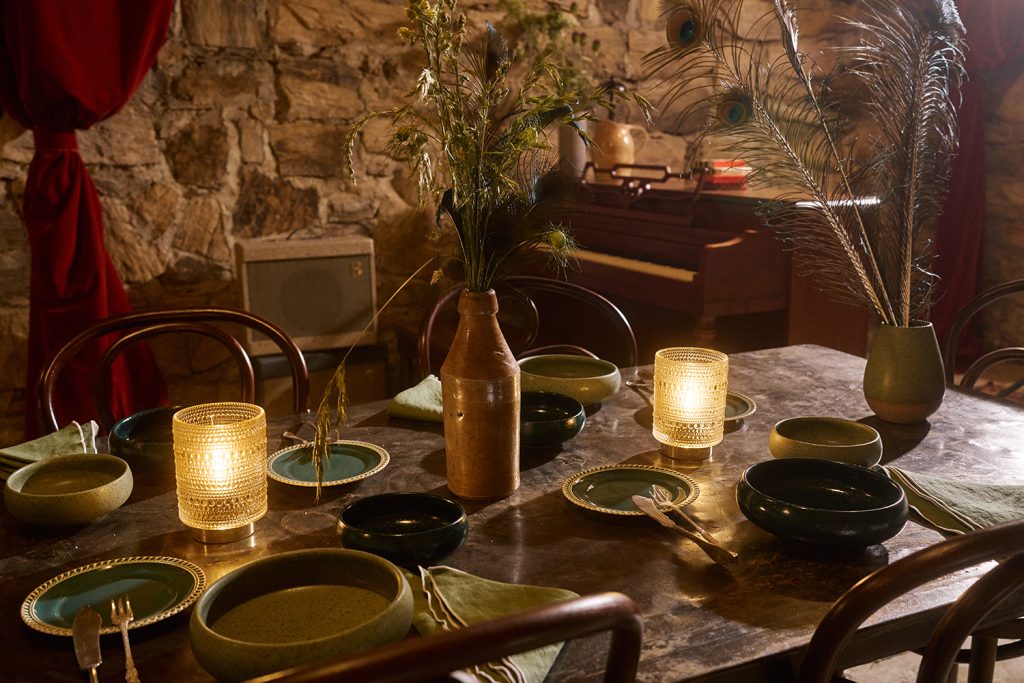
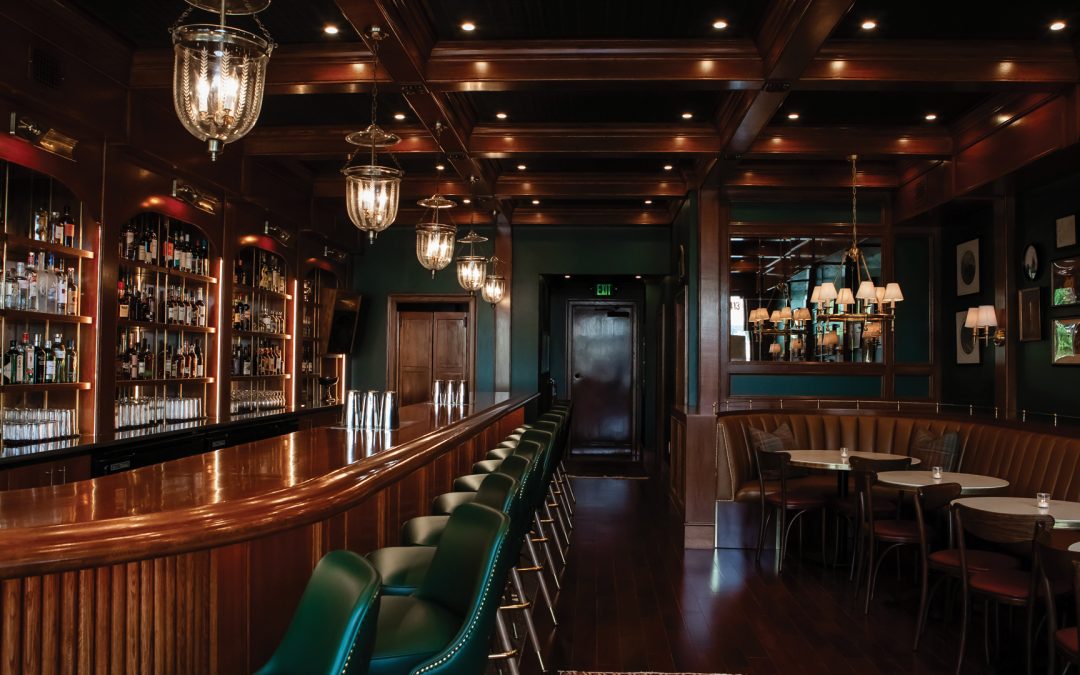
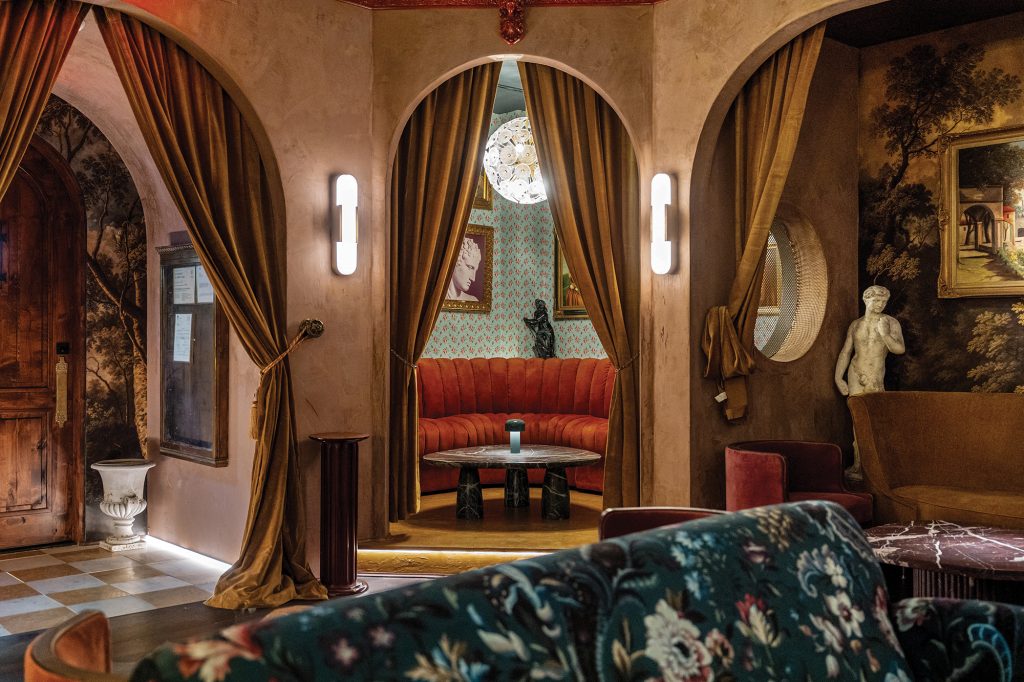
Housed in a former garage adjacent to the main hotel and defined by three stone walls that had to be saved, stresses Robinson, the bar serves up an intimate “fantasy stone cottage” vibe, complete with deep jewel tones, rich textures, earthy elements and natural light. A lush semicovered patio further plays into Alcove’s boho spirit—helping the entire property feel almost like a sanctuary, says Merritt.
“You don’t quite know what era you’re in,” she adds. “I think there’s something really enchanting about places that are timeless like that.”
Hotel guests and the locals alike are invited to enjoy a morning coffee or evening cocktail on a cozy banquette or custommade French bistro-esque table inside Alcove, in the main hotel’s common area, or sprawled out in the greenery-filled gardens.
Developed with the help of Early Bird Night Owl’s Ashley Malinowski, the bar’s Southern-European menu leans simple yet exquisite—think a tight selection of red and white wines, spritzes, and low-ABV sessionable ’tails like a white port and tonic (a Portuguese-inspired drink that replaces gin with white port)—with the idea that guests can sip easy and linger. European picnic-esque bites like creative charcuterie with tinned fish, fresh veg crudités, dried fruits, and cakes round out the experience and reinforce Alcove’s relaxed spirit.
Photo by Matt Ramey
In keeping with its neighborhood-first ethos, Alcove will play host to myriad events, from readings, music and long-table dinners to “4 the Record” cocktail hour (read: vinyls spinning at 4pm) and over-30s singles nights, during which Merritt will bartend signature drinks with cheeky names like European Boyfriend; Wingman; Sugar Mama; and Tall, Dark and Handsome.
In essence, Robinson and Merritt envision Alcove as a traditional European “salon” concept—a place bringing like-minded folks together. “A good day at Alcove is when you can tie that thread from the first customer to the last, and there’s people having conversation [throughout],” says Robinson, also of The Durham Hotel fame.
While the project has been a long eight-year endeavor, the dynamic duo agrees the extra time has allowed them to distill all their favorite travels and experiences into a clear vision of what The Gables was always meant to be.
“This has been a long run, but it’s come a long way,” emphasizes Merritt. “There are days where it feels really daunting, and then there are days when I walk over and I cannot believe how it’s looking and that it’s actually happening—and how much fun we’re going to have here.” thegablesraleigh.com
Downtown Raleigh’s most iconic building is entering a new era. Originally slated for demolition, the affectionately dubbed “hair curler” got a chance at a second life after it was acquired by Tidal Real Estate Partners in 2021. And come October, the longtime landmark will reopen as a 204-room boutique Hotel Indigo following a $36 million renovation that honors its backstory while bringing it firmly into the present.
While the former round Holiday Inn’s exterior was preserved to a tee from its original 1969 design, every aspect of the interior will be almost unrecognizable—from the parking deck to the lobby and guest rooms to the 20th-floor bar.
3DQ Studio
“It’s quite a specific building, with a lot of idiosyncrasies,” maintains Tidal Principal Eyal Einik. “And what we tried to do is explore ways to promote them and have them come through in the design while at the same time bringing everything in the interior up to what a modern traveler would be looking for.”
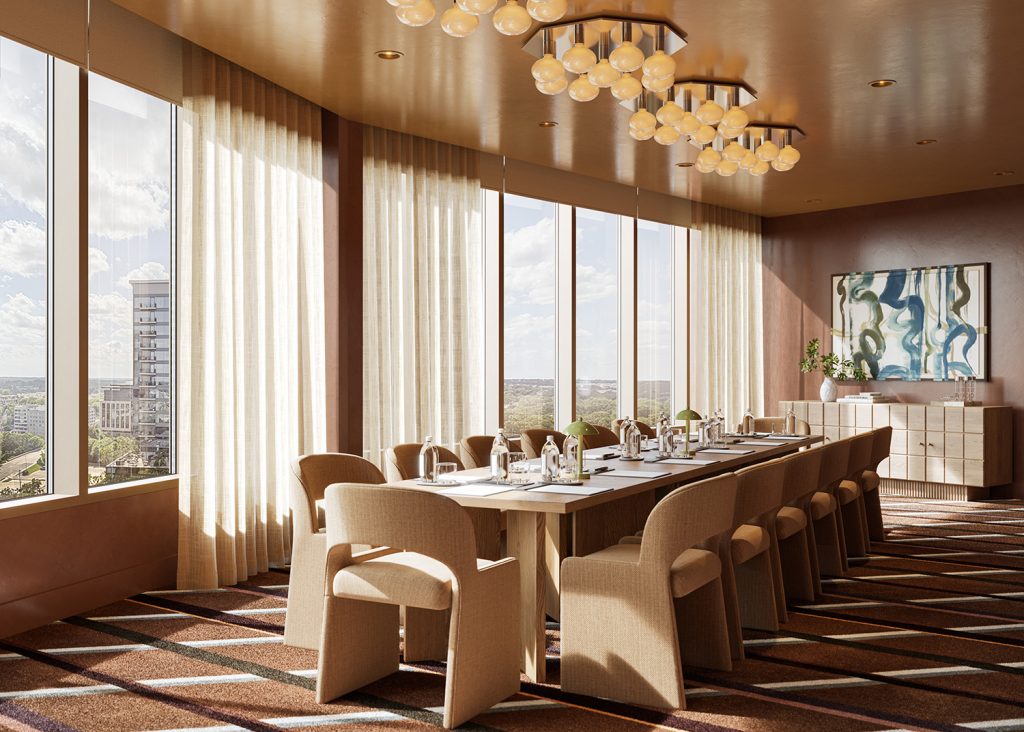
Crowning the renovation is the new public-facing 20th-floor cocktail bar and gathering space managed by Denver-based Sage Hospitality Group—which will dish food, including breakfast, and local brews—plus a private dining area and flexible event space, all serving up views unlike anything else in the city. And while Tidal toyed with the idea of making the space into a larger restaurant, notes Einik, keeping the event venue was an important decision for both the hotel and the community.
“Talking to folks that have lived in Raleigh for a long time, the story more often than not was something like ‘I had my prom up there,’ or ‘I went to a friend’s wedding up there,’” he reflects. “We just felt like we couldn’t lose that.”
But how you pull up has gotten a modern upgrade. Rather than arriving by car via the ’60s drive-up entrance, the lobby is reconfigured to open up onto Hillsborough Street, with guests entering through a striking glass entrance—while parking will now be valet only. A new lush courtyard with seating will give both guests and locals another place to linger—think local vendors slinging drinks from an Airstream in the summertime and other events.
3DQ Studio
Einik reassures that though the inside of the hotel has been dramatically transformed, it will still be very much Raleigh—bringing the icon into the modern era while still nodding to its OG flair. “The location is a pillar of the brand,” he says, also noting that it won’t just be a pastiche of what a 1960s hotel is.
You’ll see those idiosyncrasies in the furniture, which echo the original design; the new coffered ceiling referencing the building’s architecture; and geometric patterns in carpeting that speak to the organization of the rooms—in addition to a largely locally rooted art program (see sidebar) and pantry featuring local vendors.
“The goal was to bring as much of Raleigh into the hotel and let the building speak for itself,” emphasizes Einik. “We just tried to pick out little moments that let design decisions influenced by the hotel, the city and the neighborhood float through.”
The result is a hotel that feels familiar and entirely new at the same time—preserving what Raleigh loved about the landmark while reimagining nearly everything else. And with Hotel Indigo’s primo location in one of DTR’s most rapidly changing corridors, the hotel is poised to become a destination once again.
“Every bit of that building has been reimagined,” reiterates Einik, “and we’re just really excited to share that with everyone and see how surprised everybody is going to be when they walk through those front doors.”
House Guests
From guest rooms to public spaces, Hotel Indigo’s art collection is almost entirely homegrown. Meet a few of the NC artists checking in.
Guest Rooms:
Josie George (Elkin)
Skillet Gilmore (Raleigh)
Jeiel Shamblee (Wake Forest)
Public Spaces:
Caitlin Cary (Raleigh)
Darrell Dean (Winston-Salem)
Gabe Fonorow (Kernersville)
Katie Hatfield (Durham)
Micah Mullen (Raleigh)
3DQ Studio
Timeline
Full Circle
1969: Raleigh’s iconic round Holiday Inn opens
2000s–early 2010s: The DTR fixture operated as a Clarion Hotel
2012: A Miami developer renovated the hotel and brought it back under Holiday Inn management.
2021: Tidal Real Estate Partners acquires the property, initially planning to demolish it.
June 2025: Tidal pivots its plans, saving the structure and converting it into a Hotel Indigo.
Dec. 2025: The building is officially designated a historic landmark.
Gas is up—burnout is higher. This is your cue to swap airplane mode for a Raleigh reset: room service, rooftop pours and a nightlife scene that does the heavy lifting. No packing spiral—just a plush pause with your PTO preserved and vibes fully intact, and just enough distance from your routine to feel like you left. Whether your ideal escape involves golden hour cocktails, post-show bites or a Wolfpack-fueled weekend, consider this your local itinerary.
First look: Raleigh punches above its weight with the state’s largest, most tech-savvy convention center.
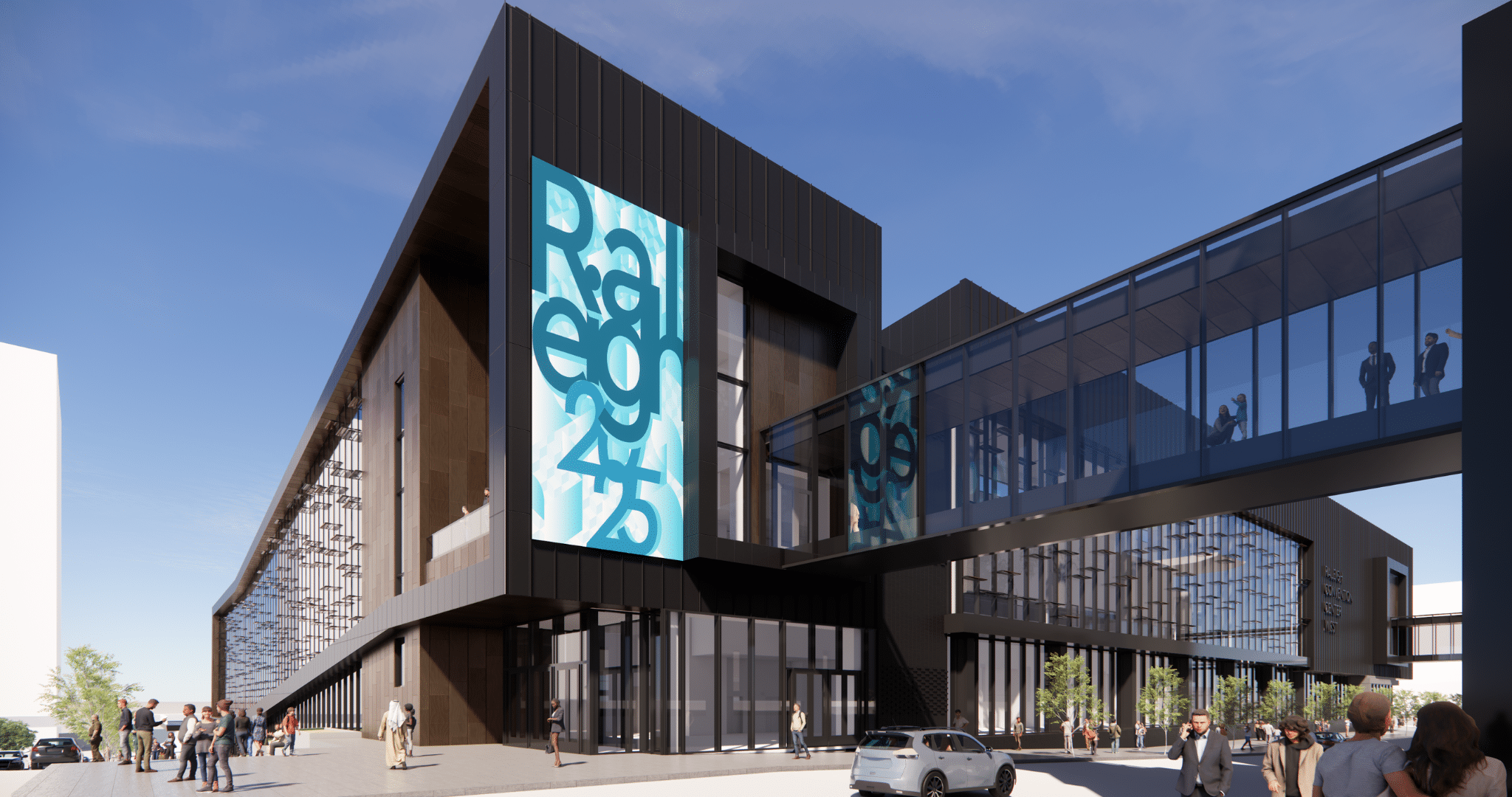
THE CITY’S long-term vision for a next-gen Raleigh Convention Center is finally taking shape. Once Red Hat Amphitheater relocates and expands in the coming year, the venue will gain nearly 300K square feet via a second building rising where the current amp sits at South McDowell and Lenoir.
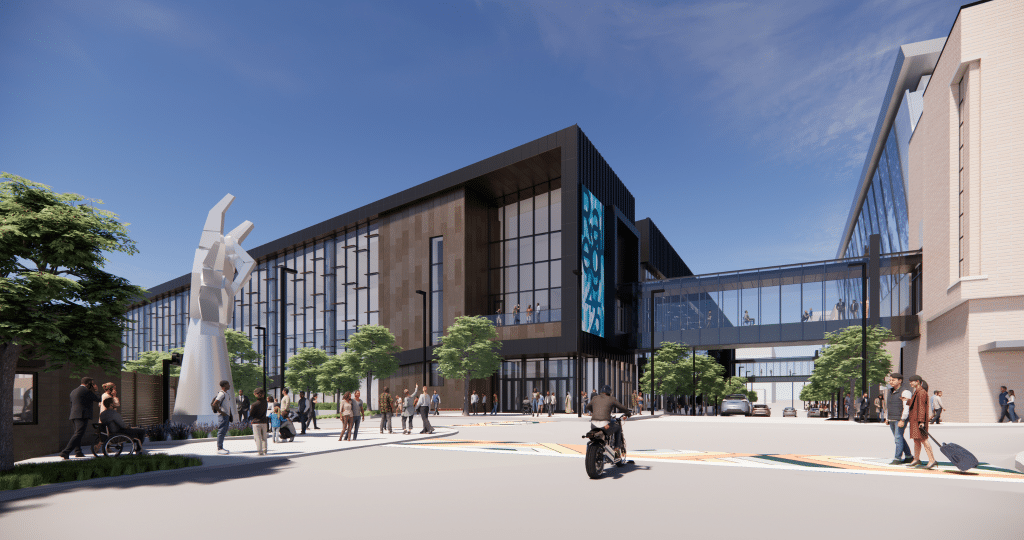
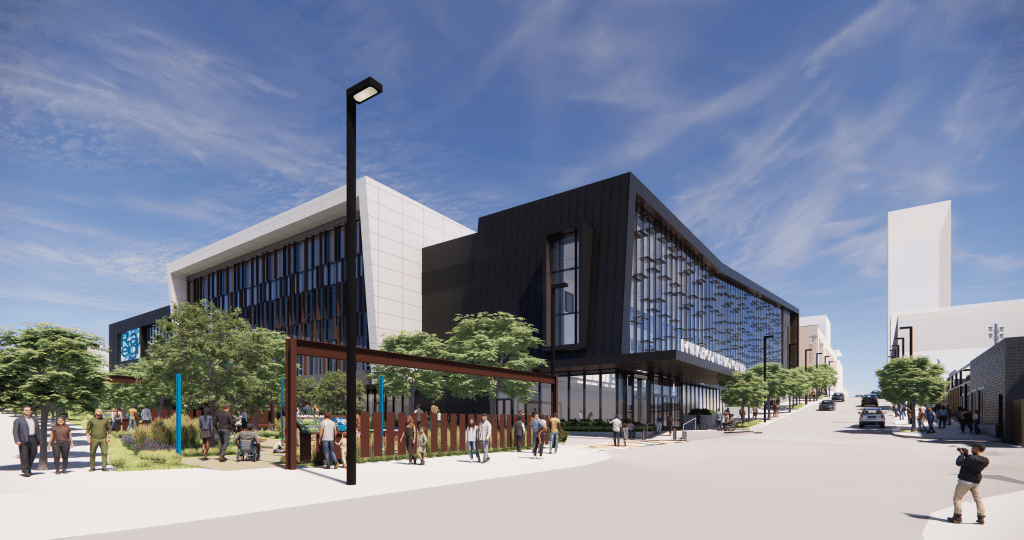
The new space’s mod exterior—inspired by community input to feel like a “cousin” rather than a “sister” to the original—pairs dark, sleek angular lines with expansive windows that flood the interior with natural light. Connecting the two structures are two second-floor glass walkways crossing over South McDowell—perpendicular to the iconic shimmer wall across the way.
Adding tech flair to the building’s Southeast and Northwest corners, two Times Square-esque LED screens will spotlight upcoming performances and events—adding a dose of urban energy to the DTR skyline. Across Lenoir, a striking LED hand sculpture will display artist names and showtimes on its wrist, first debuting at the current Red Hat Amp before moving to the new site.
Beneath the LED display at Dawson and Lenoir, native gardens repping NC’s coastal, piedmont and mountain regions will give guests a literal breath of fresh air between sessions. “It’s a chance for people to get to see more of North Carolina in an abbreviated little pocket,” muses Executive Director Kerry Painter. Even the loading dock will be cleverly tucked behind the gardens.
For those concerned about parking and traffic, don’t fret: The deck at South and McDowell will remain and traffic flow won’t change. And, surrounded by hotels, the space also keeps things walkable for out-of-towners.
Design Architect: TVS; Architect of Record: Ratio
Inside, the venue touts a 48,700-square-foot flex space—divisible for everything from luncheons to volleyball tournaments—plus an upscale 18,100-square-foot ballroom and 13 new meeting rooms, elevating Raleigh’s hosting abilities for larger expos.
Altogether, the expansion answers the call to draw new and larger marquee moments while giving returning summits room to grow. When completed in 2029, Raleigh will boast the largest convention center in the state—topping Charlotte at 798K square feet.
“We punch over our weight,” says Painter. “People love coming here to exchange knowledge from around the world. We have a lot of intellectual capacity: It lives here; it does business here; it builds here; and it makes people pay attention to us. Everyone in our industry is like, ‘Yep, there they go again.’” The market asked—and Raleigh is delivering.