All eyes are on Flock—and Flock’s got eyes on everyone.
Flashbackto the Super Bowl: Home security camera company Ring unveiled an ad depicting a lost dog, found by his family via their popular doorbell cameras and AI identification. The ad—in partnership with surveillance company Flock—was framed as a heartwarming tale, but instead, the takeaway for many Americans felt more 1984.
The backlash was so immense that soon after, Ring and Flock canceled their agreement to combine the two surveillance systems. But, alas, the 2017-launched Flock cameras were already popping up everywhere, surveying streets and suburbs across the U.S.—including Raleigh.
Flock maintains its cameras are intended solely for public safety. According to the company, its surveillance system helped locate more than 10K missing people in 2025 alone and has aided 1M+ investigations. With the promise of keeping streets safer, jurisdictions have been buying in.
Here in Oak City, RPD began a partnership with Flock in March 2022, according to RPD Chief Rico Boyce. Today, 417 users have access to the 29 cameras* and database, with captured data retained for 30 days, he says. Boyce also firmly states that former city employees have no access to the system, and RPD does not share Flock data with ICE.
While Flock and partnering cities emphasize safety, the public is not having it. A Florida man recently made headlines for blocking a neighborhood Flock cam with a pool skimmer. Asheville City Council canceled its Flock partnership entirely after concerns from both residents and council members. Three teenagers in SC were arrested for vandalizing cameras. Texas barred state agencies from funding the cameras, and Florida Gov. Ron DeSantis even called the system “out of control.”
If safety is the ultimate goal, why isn’t the public on board? For starters, Americans generally aren’t wild about being watched (we see you, Fourth Amendment). Then there are mounting reports of misuse by people with access to the network—not to mention questions about cameras appearing in places that clearly aren’t roadways.
Dozens of police officers across the nation (including NC) have been charged or accused of using Flock cameras to stalk or harass individuals and exes. Georgia residents found out Flock had been using livestreams of a local children’s gymnastics room as part of a sales pitch, and in Texas, residents raised concerns about a camera pointed directly at a public swimming pool.
The evident scope of disdain is a rarity: The outcry reaches across the political spectrum. Officials have begun to probe investigations into Flock—with Congressional Republicans stating they “never authorized the system [the] industry has built.”
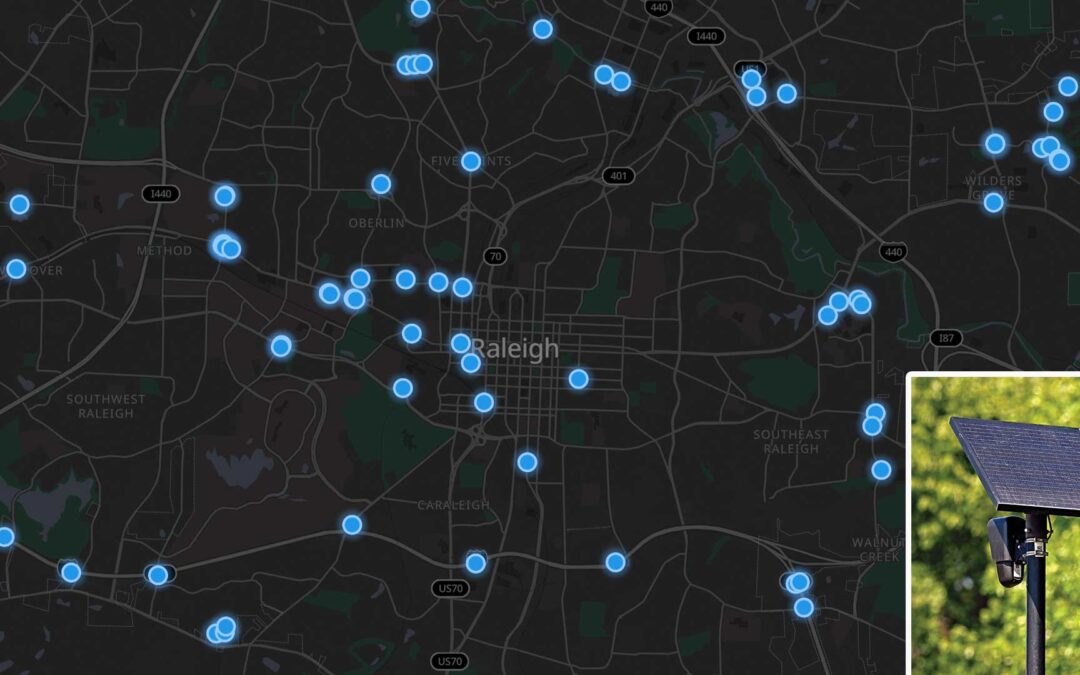
Locally, Boyce maintains RPD’s cameras only capture vehicle models and tag numbers. But RPD’s 29 cameras represent only a portion of the 120+ Raleigh cameras* that appear on DeFlock’s crowdsourced map, many of them privately owned—and it’s not clear who can access their data.
As Flock’s surveillance network keeps expanding, the question remains: How much privacy should we sacrifice for safety—and who gets to decide? The answer may be up to those on the other side of the camera.
Your bible for scoring vintage finds around Raleigh
What’s old is in again. While shopping for brand-new clothing is always fun, there’s no dopamine hit quite like uncovering a coveted vintage find for mere dollars—and in this economy, that matters. Not only does vintage shopping get you a better deal—plus unique, quality clothes—there’s a plethora of ways to navigate the vast vintagescape.
eBay
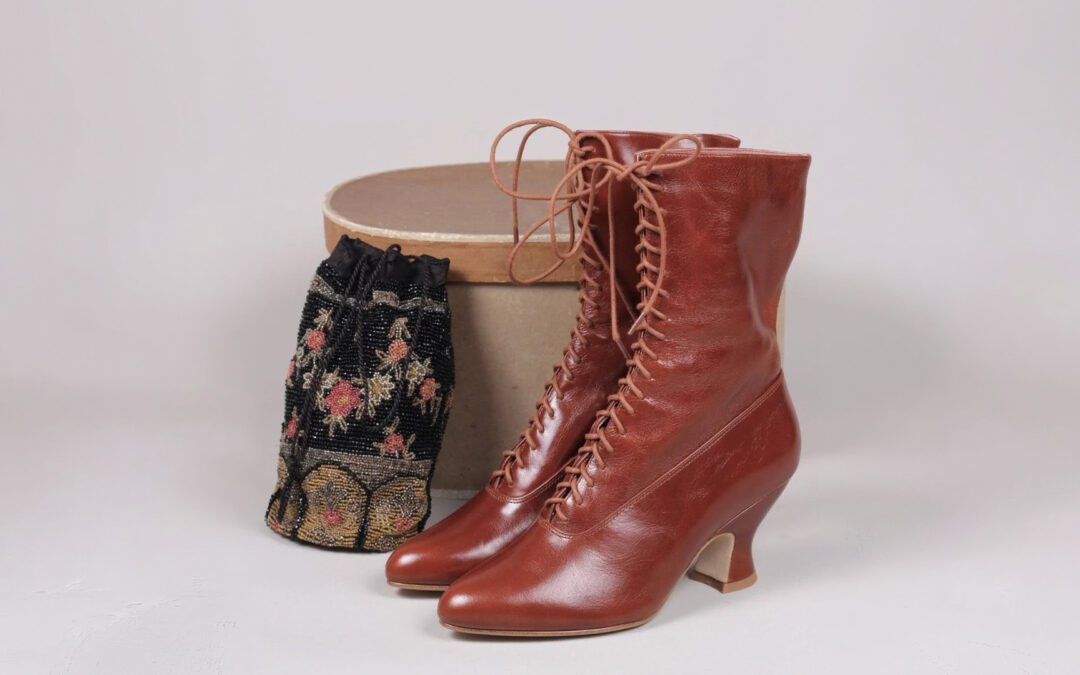
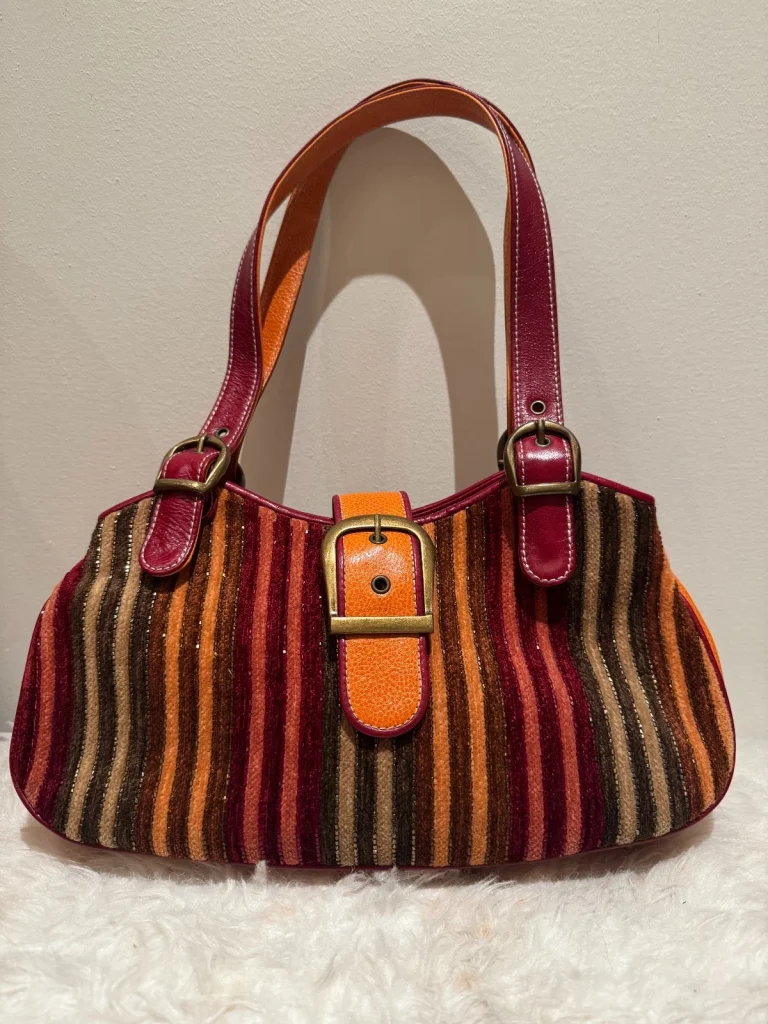
Vintage resellers are an easy place to start—all the work is already done, aside from picking what you like and making sure it fits. Pro tip: Sizing was not the same 30 years ago, so when in doubt, try it on.
Because the ~curating~ part is already done for you, resellers can lean pricey. While convenience can come at a premium, many resellers are open to negotiation or offer $5 or $10 bins. For curated finds around town, try The Burrow, Pallbearer, Wolfe & Porter’s monthly markets or any Vintage Bazaar event. If you’re after furniture, head to Cheshire Cat or TrunkShow.
If those price tags hurt, save some dollars and do the digging yourself. Read: Hit the thrift store. Dorcas Thrift Shop and Goodwill are good places to start, and—when in doubt—stores that require an appointment to donate are always a good bet. Racks rarely stay organized, so look in as many sections as possible—you may find a hidden gem of a tank top in the pajamas section or an oversize vintage tee shoved between dresses.
Found a contender? Check the tags for 100% wool, cashmere, cotton, silk and leather, and note where and how the garment was manufactured. “Made in the USA” labels and union tags are rarely from this century and a good indication you’re scoring a steal.
Resale sites like Vinted, eBay and Depop serve up an unrefined blend of curated and chaotic: Some resellers sport astronomical markups, while others just want items gone—for cheap. When searching, be specific and try a couple different wordings—i.e., search for both “black leather cowboy boots size 8” and “tall black leather boots Western style.”
Before you lock it down, research the seller’s ratings, read the listing carefully (bare minimum, it’s a smoke-free household) and don’t underestimate the power of the lowball: You never know what a seller will accept. Be respectful—and mindful that it’s some people’s only source of income—but never assume the listing price is final. See if the reseller will go lower, and if not, so be it. Happy hunting!
The Oakline could turn the journey between Downtown and Dix Park into a destination of its own.
From trolleys to aerial cable cars, Raleigh’s seen a wide range of ideas to link Downtown with Dix Park. Now, one pitch is outshining the rest: The Oakline—an elevated path for pedestrians and bikers—that could finally bridge the gap.
The two destinations sit a mere three-quarters of a mile from each other—basically a jaunt from Capitol Square to the Warehouse District—yet they feel miles apart. That’s largely thanks to uneven terrain, multilane roads, railroad crossings and sprawling intersections.
“We’ve got a 300-acre park, and we’ve got a vibrant Downtown—becoming more vibrant by the day,” Wake County Open Space & Parks Advisory Committee board member Sig Hutchinson tells RM. “The barriers include three of the busiest streets in the city, a railroad line and 50 feet of elevation.”
SfL+a Architects, Surface 678 and Preston Montague
Ideas for linking Downtown to Dix with a safer, bolder and more accessible connector have been floated for years—gondolas, trolleys, BRT and so on. The Oakline could overcome those obstacles and be the path to a solution.
Proposed by SfL+a Architects, the group behind the mixed-use City Gateway project coming out of the ground at the corner of McDowell Street and Martin Luther King Jr. Boulevard—alongside Surface 678 and Preston Montague Studio—the elevated path would stay relatively level the entire route and hurdle the uneven topography between the two crucial Oak City attractions.
And, most significantly, The Oakline would be an attraction in itself. The proposed plan wouldn’t just provide a safer connection, but would allow Dix Park to spill into Downtown—meaning getting to the park will feel like being at the park. Public art, local history, intentional overlooks and lush canopy trees would extend that destination vibe—with shade to boot.
As proposed, The Oakline would begin at the Martin Marietta Center for Performing Arts, jump the rail line and continue through City Gateway before hurdling MLK Jr. Boulevard, McDowell and South Saunders streets, ultimately leading to Dix in a 16-minute jaunt—and for those on wheels, six.
“One of the really strong suits of the current pathway is it’s half in private developments and half in the public realm,” says SfL+a Architects’ Barry Buckman. Unlike some big pie-in-the-sky infrastructure idea, much of the route already runs through compatible private projects like Salisbury Square or Rockway, or falls into NCDOT Right of Way—meaning pieces of The Oakline could piggyback on projects already underway, including BRT, adds Surface 678 landscape architect Charles Bradley.
City Gateway, Salisbury Square and Rockway could also help build out portions along private property, notes Buckman.
SfL+a Architects, Surface 678 and Preston Montague
The developments the route will snake through are not only compatible, but complementary, adds Buckman, nodding to its connections beyond Dix and Downtown, with easy access to neighboring F&B concepts, retail and gathering spots upping the area’s overall walkability.
But none of the hype—or hope—means The Oakline is a done deal. City officials, project architects and Downtown Raleigh Alliance hope to collectively push the project forward this fall to nail down design, cost and potential funding sources.
“There’s financial stacks that can make this a reality,” maintains Hutchinson, pointing to transportation funding. “Paint a picture of what people want, and they’re going to figure out a way to pay for it.”
Early enthusiasm is high. “When I saw this proposal, [I thought] they cracked the code,” says City Council member Mitchell Silver. “They actually figured it out.”
And the ambition extends beyond cracking Raleigh’s decades-old connectivity problem. “It will really become an iconic gateway into Downtown,” says Bradley. “There will be trees marching across the road, and there’s something really magical when you’re driving under oak trees into the City of Oaks.”
More than a route from Downtown to Dix, The Oakline would become Raleigh’s new front—and a calling card for the City of Oaks.
Another Path A path from DTR to Dix is already approved and in the works: The Chavis-Dix Strollway, a cultural trail linking Dix Park and John Chavis Memorial Park while celebrating historically Black neighborhoods in the area. The two paths follow different routes—the strollway will run along South Street through South Saunders Street.
“You can’t have enough good connections to get to Dix Park,” says Buckman. “There will be some amazing work celebrating the history of the Fourth Ward community throughout the Strollway, and we strive to have The Oakline celebrate that history as well.” The Chavis-Dix Strollway project is in planning stages and is backed by $3 million in federal funding secured by Congresswoman Deborah Ross.
The highs and lows of this year’s Hopscotch Music Fest
Raleigh collectively breathed a sigh of relief when tickets to Hopscotch Music Festival finally went on sale this year. After radio silence from all the festival’s socials and website, Hopscotch announced a late return to Downtown Raleigh Sept. 10–12, in tow with its usual plethora of live music, community, club shows and more.
This year’s festival was more linear and less choose-your-own adventures compared to the fetes of years past. Moore Square didn’t have an *official* lineup, so Hopscotchers could stay in City Plaza for the headliners or hit the club shows.
The Moore Square stage was dubbed the “Moore Square Commons,” a free and family-friendly space with myriad musicians, artists, makers, food vendors and more throughout the weekend. Music that both uplifts smaller musicians and is free is great—especially in this economy—but getting rid of half of all the festival’s headlining performances in favor of it felt disappointing, especially when free music already dotted the city Wednesday through Sunday thanks to day parties.
The stage previously hosted some of Hopscotch’s most popular performances—think the likes of King Krule and Crumb—and while the bands that played deserve their flowers, discarding four headlining sets a day didn’t feel like a great solution.
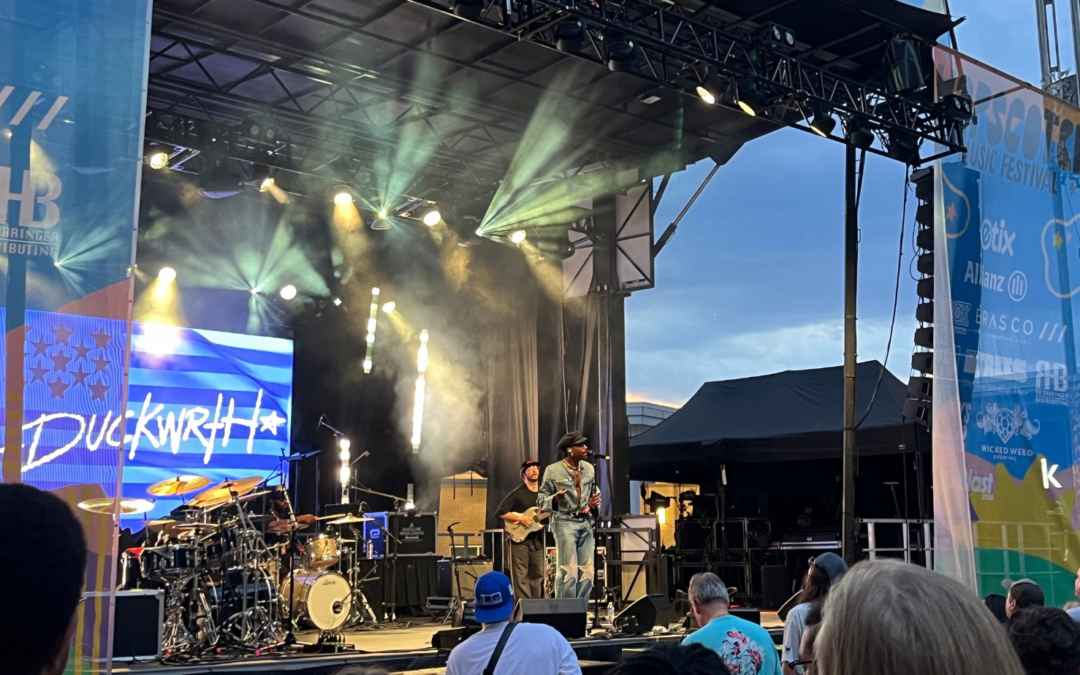
That said, City Plaza had fantastic headliners—Soccer Mommy and King Princess were crowd faves, and Duckwrth’s stage presence was unmatched—but not a single one hailed from NC, much less the Triangle. A lot of them were from the likes of NYC, LA and Nashville, and as enjoyable as the performances were, Hopscotch may have lost its former luster for uplifting local musicians.
Cor de Lux at Kings
At recent Hopscotch fests, at least one hyper-local band with fewer listeners than your average headliner got to take the main stage—think Sluice, Fust and the now-defunct My Sister Maura—forcing casual festival-goers who may skip club shows to lay eyes on local talent.
Between the lack of locality and so many less headliners, much of the fest just felt rushed. And given the late announcement, that sentiment may not be far from the truth. But regardless, there is still something inherently ~Raleigh~ about dancing in City Plaza underneath the lights of the adjacent towers—and Hopscotch didn’t lose that sparkle.
Per usual, the club shows were the essence of Hopscotch—the lineup was *chefs kiss.* The best performances of the year were tucked away inside Neptunes, Kings, The Pour House, Slim’s and more—and the artists performing will likely soon outgrow small venues. If you knew where to look, soon-to-be big names in indie littered Downtown.
Case in point: There was barely room to breathe at Thomas Dollbaum’s packed-out Neptunes show (in the best way), and Jooselord’s set at The Pour House likely took the crown for the most energetic set of the fest.Post-show, the same crowd brought the energy out to the street as they spilled out of bars still buzzing about the music. Hopscotch still upheld its yearly tradition—bringing a certain sense of anticipation and excitement to Fayetteville Street that stretches deep into the night Thursday through Saturday.
Regardless of the ups and downs of this year’s fest, Hopscotch is crucial to Raleigh’s identity—and we’ll be patient as the festival gets back on its feet, as long as it returns for years to come.
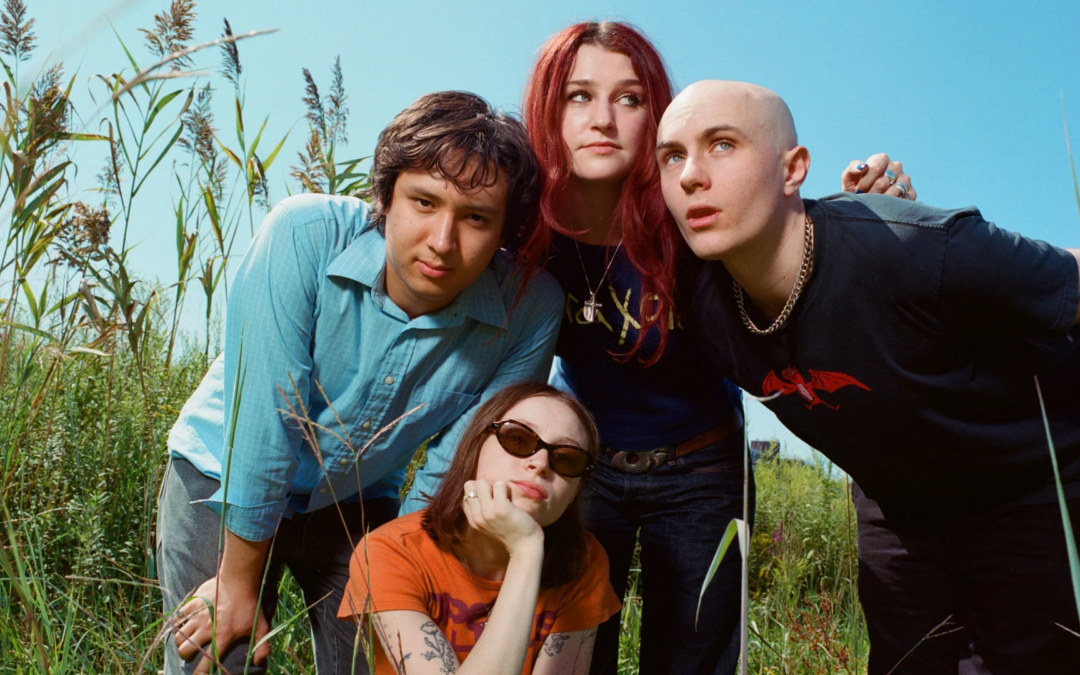
If Momma’s 2022 album Household Name turned them into, well, a household name in the indie rock world, then their 2025 record Welcome to My Blue Sky has turned them into a headliner. And that’s exactly where you’ll be able to find them this weekend: Rocking the main stage on Thursday evening at Hopscotch Music Festival.
Brooklynites and bandmates Etta Friedman and Allegra Weingarten have been playing together since 2015, and the band name hasn’t flinched since their SoundCloud days: It’s always been Momma.
“When I was 14, I was trying to make songs in my bedroom and wanted to upload stuff to SoundCloud and online and needed a moniker,” notes Friedman. “So it’s from like 12 years ago and just stuck around.”
Gripping and fuzzy yet cathartic, Momma’s discography has already taken an array of twists and turns of a far more mature project, despite neither Friedman or Weingarten clearing 30 yet. Their enigmatic sound is on purpose—they don’t want to be constrained with the label of a niche genre.
“I feel like the more specific genres get, the less they make sense to me,” Friedman maintains. “[They] get so hyper specific that they don’t even apply to anyone but the band who coined it. When people ask us what kind of music we make, I just say indie rock—as an umbrella term.”
Both Weingarten and Friedman note they were intentional about making Welcome to My Blue Sky something new entirely, rather than a sequel or spinoff to Household Name. Blue Sky leans more gaze-y and aloof, and dives into the notion of falling in love and being launched back out of it.
“Sonically, we just continuously get pigeonholed into this ’90s alt thing, and it’s frustrating because, obviously, that influence is there,” Friedman says. “We actually have so much more, and we’re not just redoing something that already existed.” Influences ebb and flow—hence Momma’s hyper-general “indie-rock” umbrella.
When writing Welcome to My Blue Sky, the foursome was listening to the likes of Hovvdy and other modern music, while Household Name was heavily influenced by “the music we grew up with as teenagers and the music we listened to when we started playing music,” emphasizes Weingarten. Head to Hopscotch to see all of Momma’s twists and turns of juvenile romanticism.