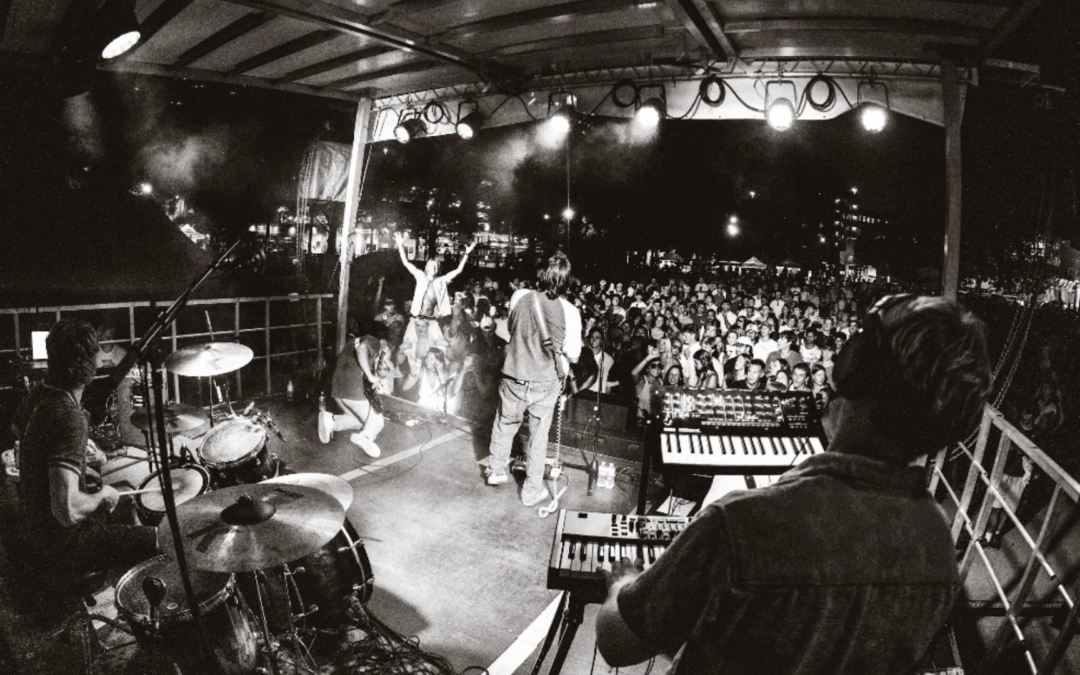
Anyone can be in a college band. But not anyone can keep it pushing past the days of house show bookings and “Valerie” covers. When Harvey Street kicked off five years ago at an NC State frat party, they played with an array of members and barely had a band name. But it didn’t matter—fans still hold great stake in grainy Snapchat videos and memories of that first performance.
Now, post-grad, Harvey Street has performed relentlessly across the U.S., headlining four tours and opening for indie and alt-country frontrunners like Futurebirds, Flipturn, Winyah and The Stews.
“Our current booking agent reached out to us in late ’23, early ’24 and asked ‘hey, you guys wanna book a tour?’” says drummer Josh Burgess of their post-college career. While the first round of shows—particularly the performances further away from Oak City—were “really, really rough,” the band maintains it’s the only way to cut your teeth in the music industry.
“Sometimes you are only playing to ten people, but what made us realize it’s going to work for us is when those ten people started enjoying themselves,” adds guitarist Jackson Reed. “It’s hard to win over an empty room, so when you start doing that, it’s a good sign good things are coming.”
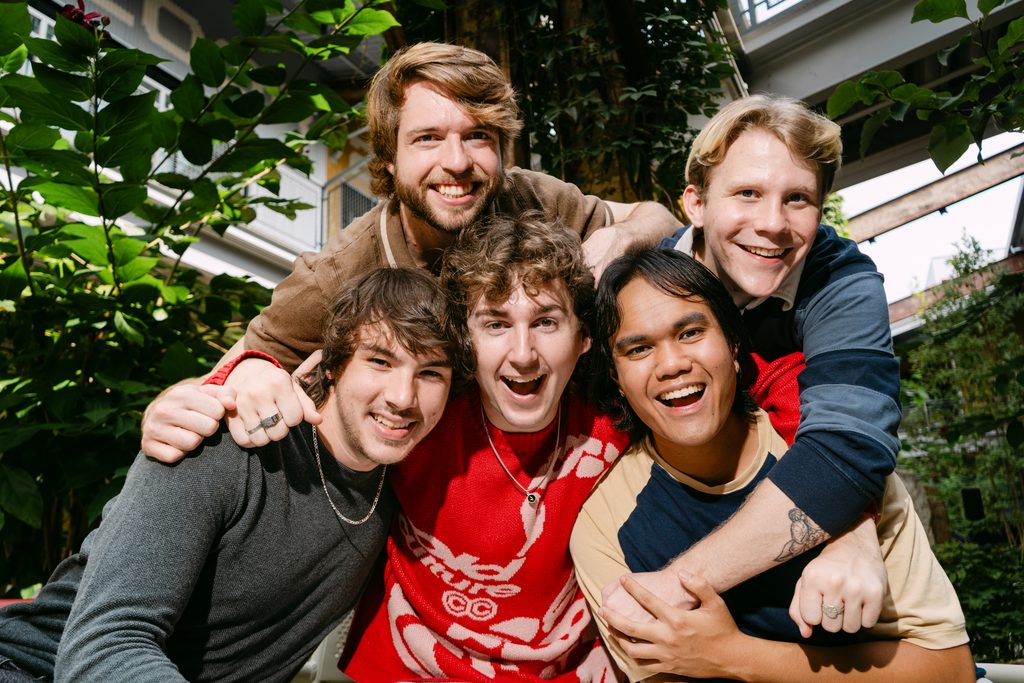
Finn Ulrich, bass; Josh Burgess, drums; Jackson Reed, guitar; Jerome Bermudez, vocals and guitar; Erich Kronschnabel, keyboard
Harvey Street is all over the map in more ways than one. The band finds musical influences and idols everywhere, including in each other: “I wake up every day and try to be more like [vocalist] Jerome,” jokes Reed—but the allure of Peach Pit’s sound seems to drown out the rest.
Sonically, the Vancouver indie-rock band’s influence is already evident in Harvey Street’s guitar work, and vocalist and guitarist Jerome Bermudez maintains he’s trying to lean more into Peach Pit’s songwriting style—detailing strangely specific events invoking largely relatable emotions. “That’s something I am trying this time around with new songs,” Bermudez notes. “How can I be more specific, yet still general enough?”
Continuing in their usual style, the fivesome is unwaveringly hitting the road again across the Southeast after a quick Raleigh pit stop for a Live After 5 performance at Moore Square—finishing out the year with a final hometown(esque) show at Cat’s Cradle Dec. 3. But regardless of where they go, it’s clear Raleigh rides hard for Harvey Street.
Dozens of arrests, nine people shot—there’s no doubt the Fourth of July rocked Raleigh. Clearly, public safety is one of the city’s biggest growth challenges—and as the population continues to surge, the pressure on an already understaffed police force is only growing.
Raleigh Police Department isn’t keeping up—full stop. Transplants, newborns and grads prowling the job market are creating a Raleigh population tidal wave. Officially topping 500,000 people, the city is poised to swell by ~10,000 a year over the next 25 years—aka a quarter-million new people by 2050.
Yet RPD has less officers than it did 25 years ago—even as Raleigh’s population has jumped almost a quarter million residents, and emergency response times have nearly doubled.
Raleigh Police Department
While the city authorized 23 new positions in the recently passed budget—with plans to add 46 more in the next two years—the department currently sits with 93 vacancies. A fully staffed RPD would have 818 officers—still a lean force for a city Raleigh’s size. By contrast, Miami, with a population just shy of 500,000, has 1,100 sworn officers of its 1,300+ total positions—around 500 more than Raleigh.
In her exit interview, former police chief Stella Patterson told RM a city of this size should have 1,000 officers—bare minimum—and that she wouldn’t have taken the chief position if she’d known the extent of the vacancies. So why can’t Raleigh reach full force?
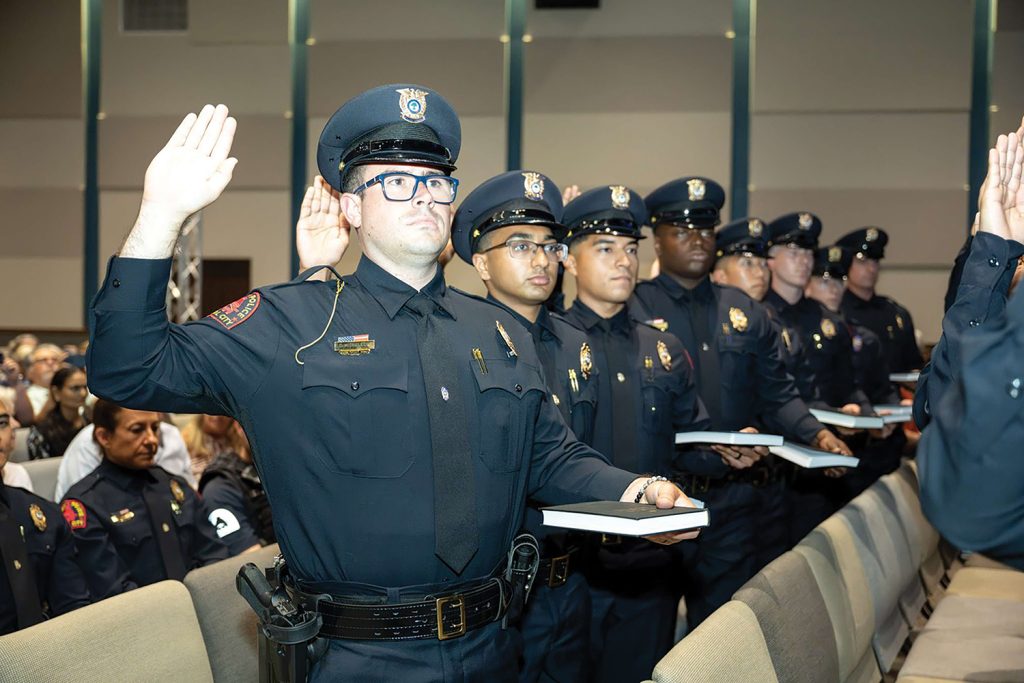
According to current RPD Chief Rico Boyce, it’s not a recruiting problem—it’s a retention problem. In recent years, the police academy has produced anywhere from 27 to 40+ new officers per graduating class. The problem? We train them, but we can’t keep them.
Perhaps ironically, Raleigh is home to the county’s only police academy, but many newly trained officers are lured to neighboring towns for higher salaries, perks and a less dangerous job. Out of Raleigh, Cary, Wake Forest, Garner and Apex, the Cap City has the lowest officer starting salary.
“Other chiefs have told me, ‘Chief, I don’t need an academy, I’m just going to wait until you have a class and get the officers I need for my jurisdiction,” Boyce said at a recent Citizens for a Safe and Secure Raleigh meeting. The numbers bear that out: In 2025, 67 officers departed for neighboring departments, and from January through April, another 27 followed.
“Last year, RPD got an 11% raise,” RPD Foundation Chair Brenda Gibson tells RM. “This year, they only got 3%. The annual raises mean a lot to people.” In this economy, competitive starting pay—and perks such as take-home cars for new officers or those living outside of city limits—are essential in helping Raleigh compete to keep them.
Bottom line: The city’s growth isn’t going to slow, and Raleigh needs a police force proportional to the population. The question is whether Raleigh can make staying here as attractive to its police officers as it is to everyone else.
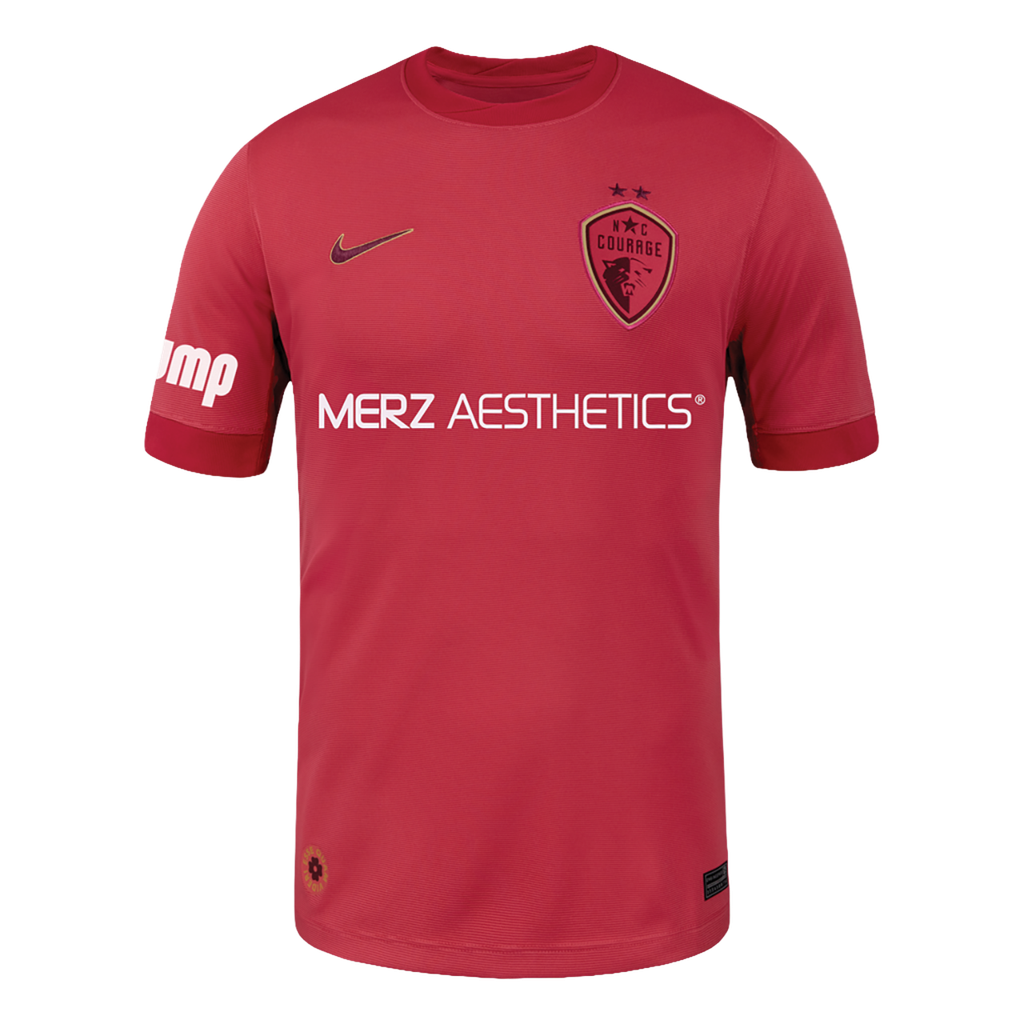
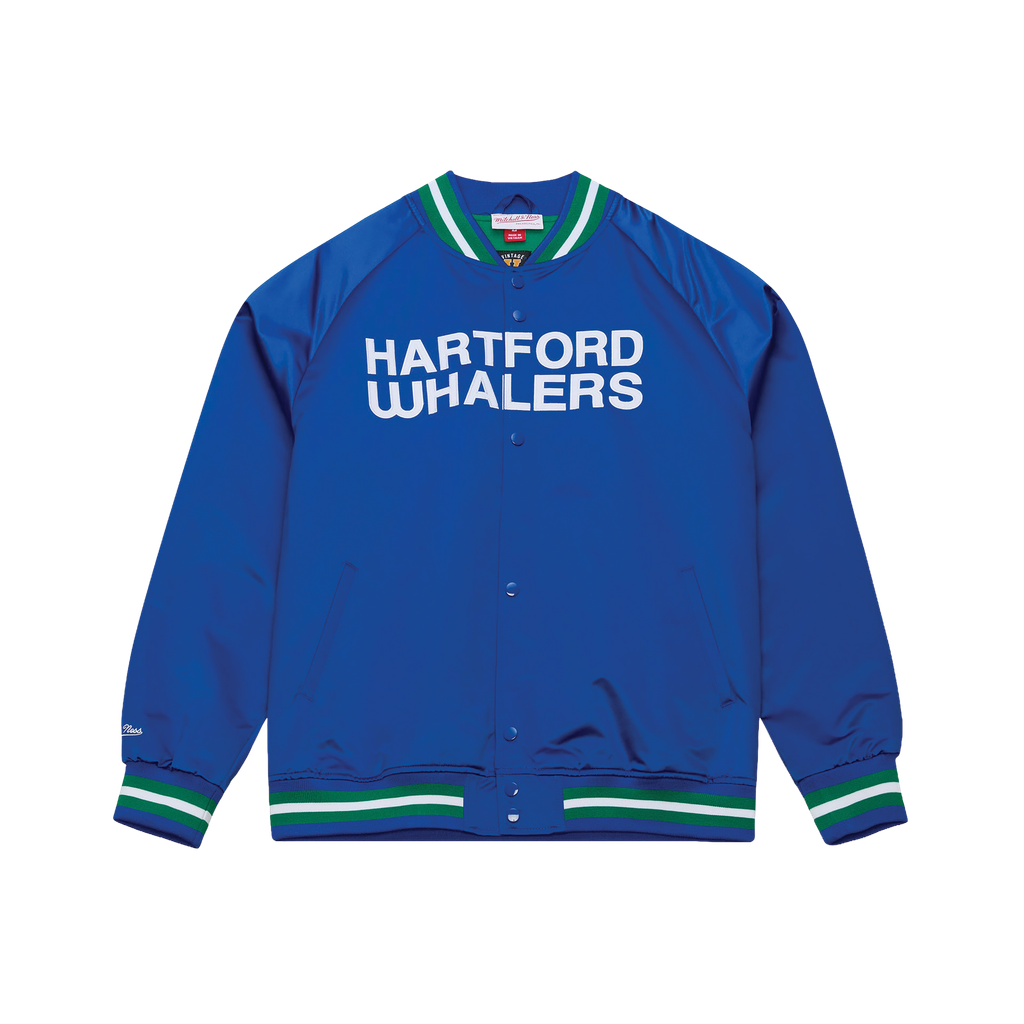
In the afterglow of the World Cup, a historic win for the Canes and a first-in-five-decades NBA win for our neighbors up North, it’s safe to say that stadium energy is up—and fashion trends are keeping up with the hype.
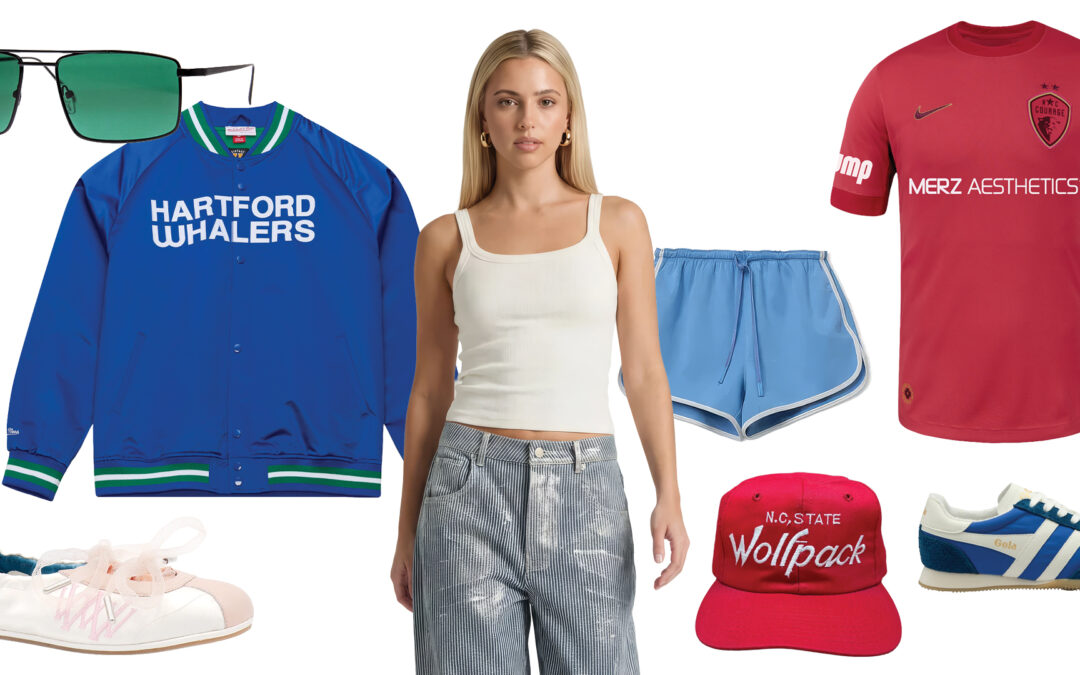
Read: Jerseys are the name of the game this season. Pinterest searches for jerseys jumped 138%, and everyone from Zendaya and Bella Hadid to Rihanna and NC princess Reneé Rapp are sporting athletic-leaning looks. Dubbed “blokecore” by British footy fans, the dolled-up jersey aesthetic combines street style with sportswear.
But put down the prewrap and sports bras: The goal isn’t to look like you’re going for a hat trick—it’s to seem like you just watched a hat trick from the sidelines—while holding a drink and looking super chic, natch.
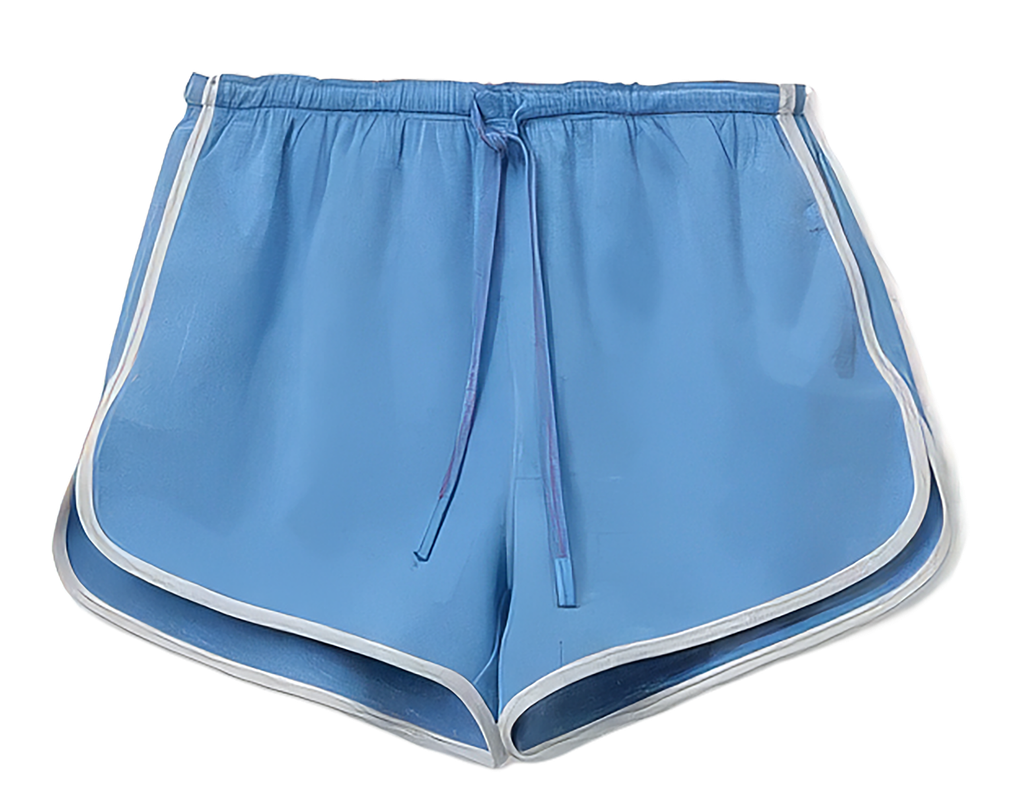
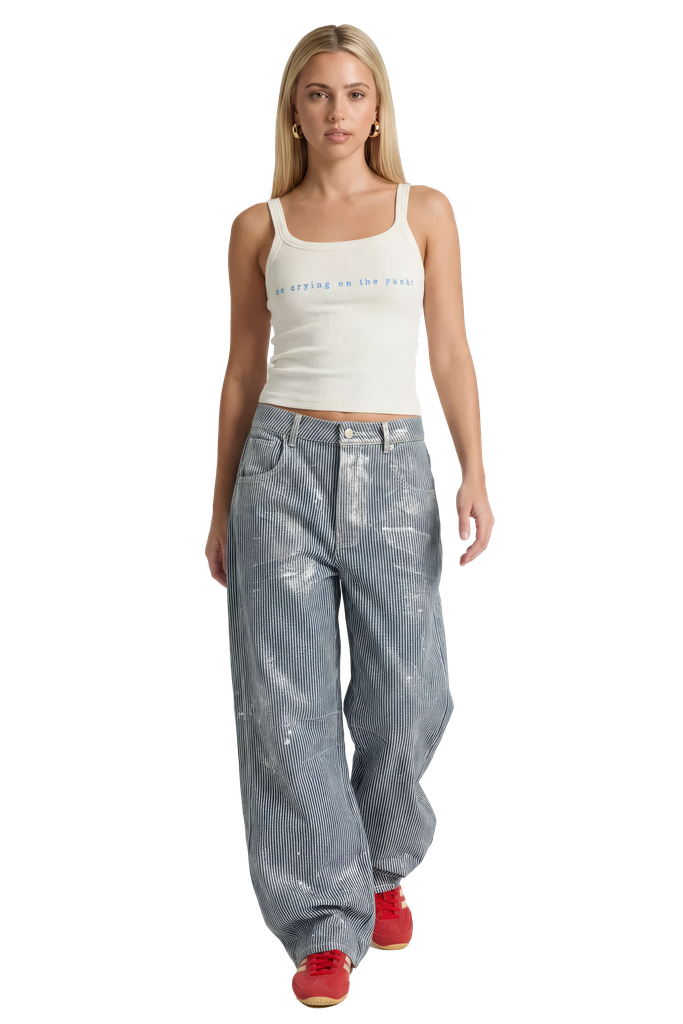
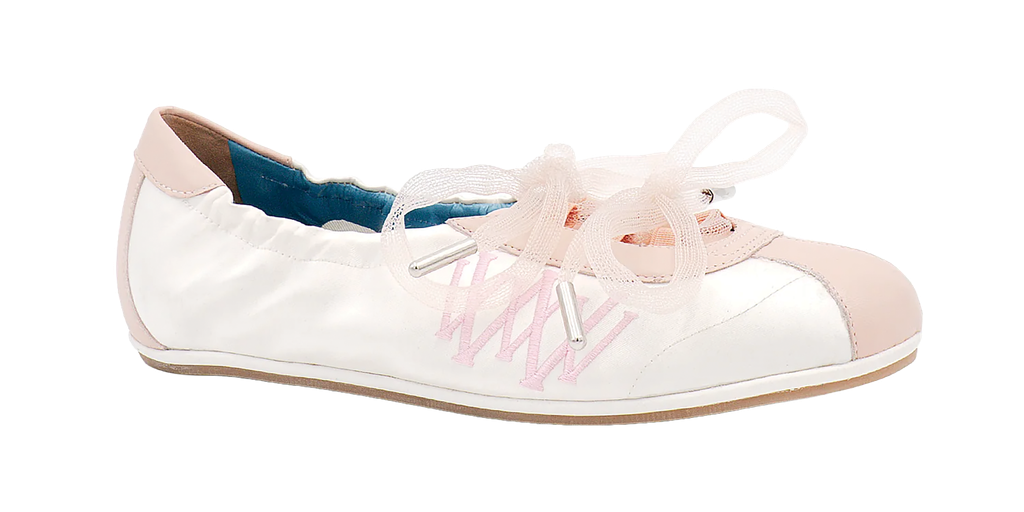
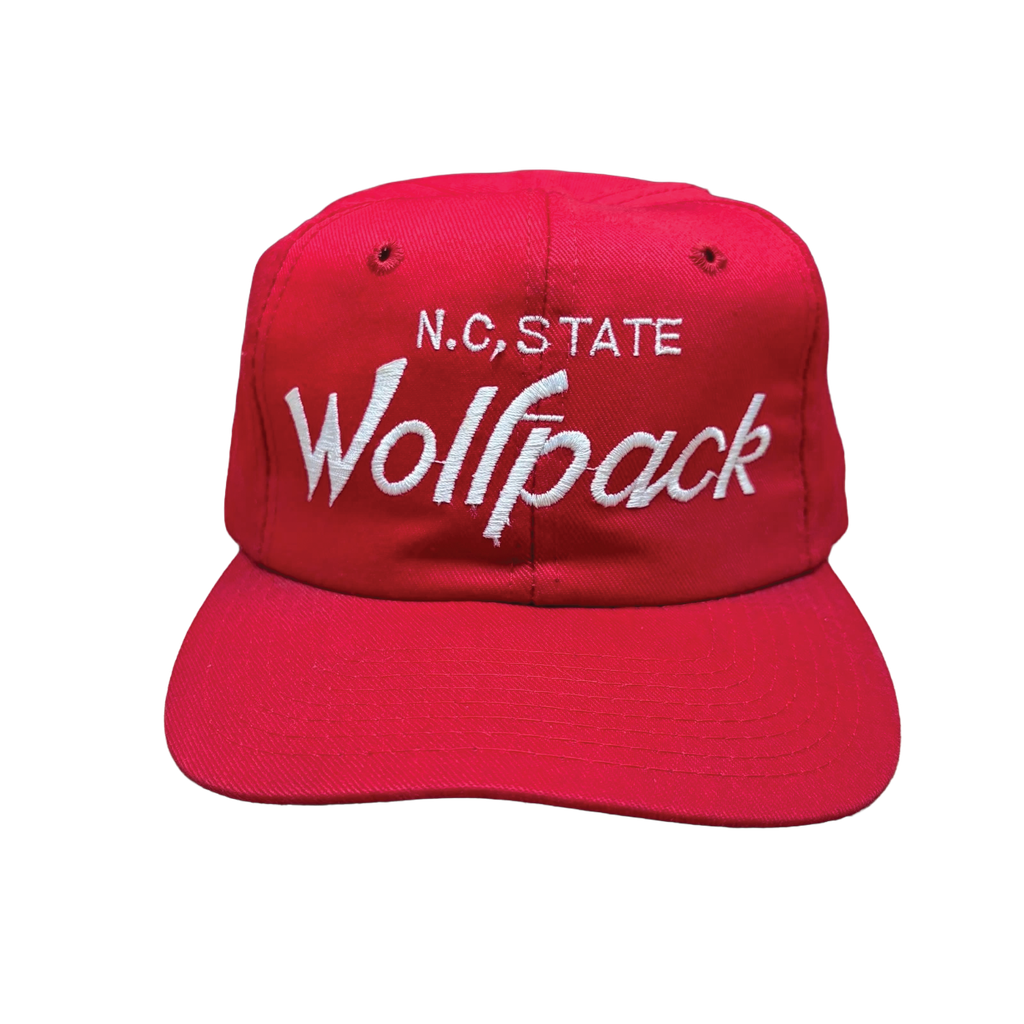
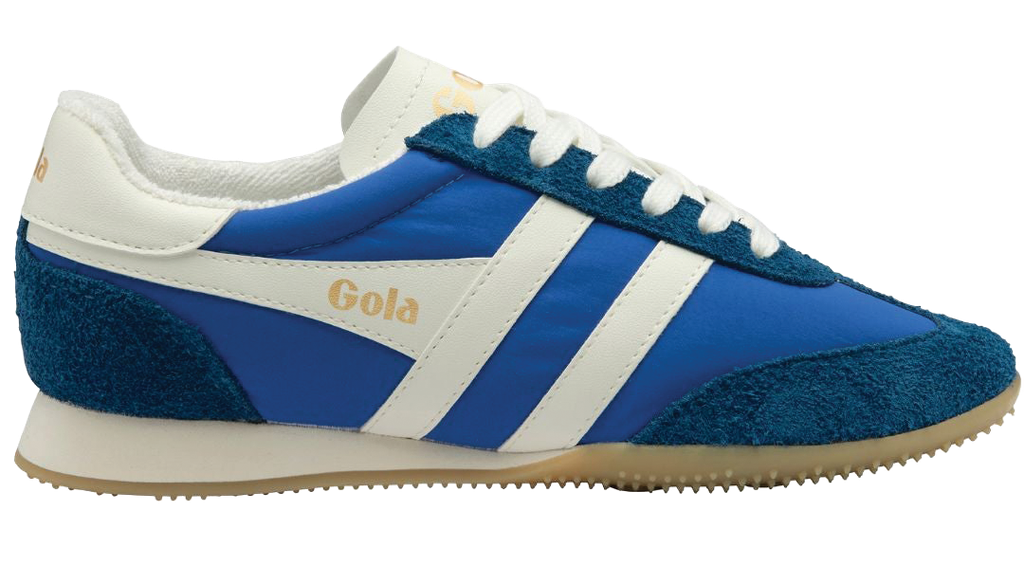
Sportswear is obviously essential, but the key is to include one or two elements of inconvenience, so to speak. Think a letterman jacket with denim shorts and cowboy boots, track pants with ballet flats and a baseball cap, or a soccer jersey with kitten heels and hoop earrings. In short, at least one piece should scream “I am not about to run on the field.”
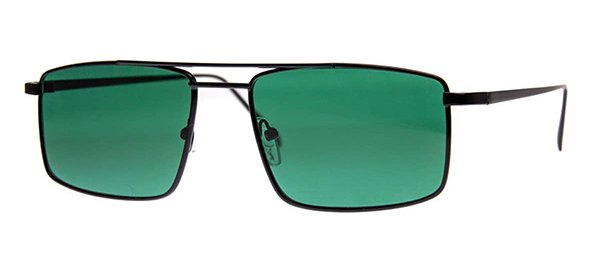
To avoid looking cluttered—or as Gen Z would say, like the “microtrend final boss”—don’t overthink accessories, especially if you’re going big and bold. A bandana, slouchy hobo bag or sporty sunnies are all it takes. Now that you’ve been officially drafted, shop our starting lineup.
When a patient on The Pitt was admitted with highlighter-yellow skin after basically overdosing on turmeric supplements, it wasn’t entirely TV drama. It was a warning.
In the wake of internet-fueled health obsessions, supplements are having a moment: David Beckham co-founded a brand selling a 90-ingredient powder to help users achieve “optimal health and longevity,” while Kourtney Kardashian is marketing gummies promoting better sleep, vaginal health and more. Supplement brands promise everything from glowing skin to enhanced sexual performance. But the catch? They aren’t held to the same FDA standards as Rx drugs, so those claims don’t always hold up.
Still, at least 60% of U.S. adults are buying in. Fueled by celebrity endorsements, rampant misinformation and easy access to what feels like the entire periodic table, the self-selected supplement cocktail you’re popping every day may be doing more harm than good—or simply draining your bank account.
Even gym bros got a reality check after a popular protein powder was discovered to be little more than cake mix, and high doses of other supplements could land you in your own episode of The Pitt.
Taken in high doses, vitamins and minerals like K, E and D, along with zinc and iron, can be toxic and damage organs, while herbal products like ashwagandha and green tea extract can be particularly harmful to the liver. Research also found that herbal and dietary supplements account for 1 in 5 cases of drug-induced liver damage.
In short: Unless you have an underlying deficiency or health condition, you don’t need to be swallowing that colorful array of supplements every morning—regardless of what an immaculately toned influencer tells you. Instead, doctors suggest sticking to a balanced diet, taking a multivitamin or fish oil as needed, and upping vitamin D intake during the winter. For everything else: Run it by your doctor before adding it to cart. Better safe than cake batter.
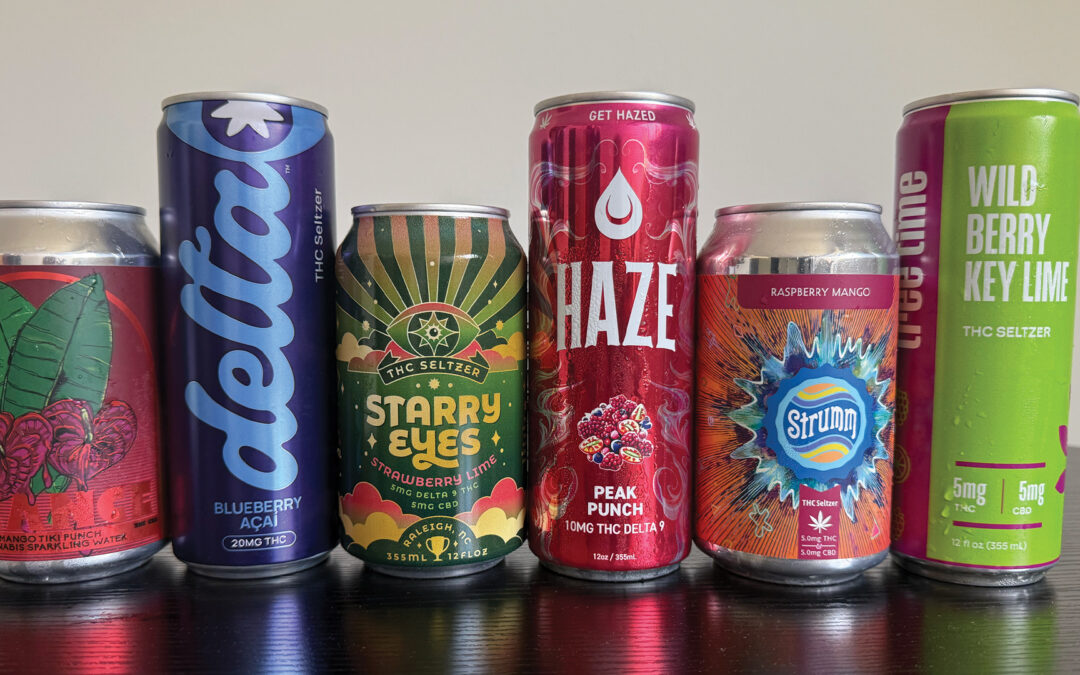
A billion-dollar industry just bought itself a few more months of legality. On Aug. 4, hundreds of protestors swarmed the legislative building in opposition to a regulatory hemp bill—legislation that would ban almost all THC-infused drinks, gummies and other products in the state. Despite support from law enforcement, lawmakers ultimately backed away from a vote, delaying the issue until after the November election.
And the stakes stretch far beyond gummies. The hemp industry has quietly become a major economic player in NC, meaning a ban would have a detrimental impact on the entire state—not just users. Read: In NC, hemp accounts for a $3.2 billion industry employing upward of 16K residents. “There’s no plan B,” Reilly Dunn, owner of popular local THC bev biz Groovewagon, told RM. “The alternative is do something about it or bust. I have four kids, and if this ban goes through, it’s gonna be bad.”
Undoubtedly, the stalled bill is a big win for the hemp industry (and for democracy)—for now—but THC businesses aren’t out of the woods just yet: The state bill isn’t entirely dead, and the Nov. 12 deadline for a potential federal ban also looms. So what’s next for the NC hemp industry?
“It took a village of hemp advocates and organizations working together to successfully stall a bill that would have shut down North Carolina’s consumable hemp industry,” says Lisa Parker, executive director of the North Carolina Craft Brewers Guild. Though the NC vote is delayed, the House made it clear this is an issue they will be revisiting.
“Folks recognize the current state of our law is not tenable,” says House Speaker Destin Hall (R-Caldwell). “There are basically no rules. Things being sold that shouldn’t be. Things being sold to kids that shouldn’t be sold. The question is what to do about it.”
The NC House may not have to revisit the matter at all if the federal ban goes into effect as currently planned. “Uncertainty remains,” emphasizes Parker, noting that while the industry is grateful to escape the effects of the NC regulatory bill—for now—work still needs to be done on the federal level.
But hemp-related businesses could still be thrown a lifeline. A bipartisan-supported stopgap spending bill making its way through the Senate* would delay the prohibition on most THC products until Dec. 11. If passed, the bill could buy the industry just shy of a month—time advocates hope will be enough to continue lobbying for permanent regulations and age limits, measures the industry says it has long supported.
“Everybody’s on the same page about protecting children, but you can’t do that by just banning the entire thing,” says Adrian Larrea, co-founder of Raleigh-based THC bev co. HAZE. “We all know that Prohibition didn’t work. We should follow in the footsteps of alcohol and tobacco to protect children.”
Larrea maintains the industry is full of “good actors” doing proper testing and enforcing safety regulations—and he wants those practices to become the standard. “If you start to take that away from entrepreneurs and people who are working hard, you will end up handing it over to the black market.”
Come November, lawmakers at both the state and federal levels will once again help decide the future of North Carolina’s hemp industry.