When a patient on The Pitt was admitted with highlighter-yellow skin after basically overdosing on turmeric supplements, it wasn’t entirely TV drama. It was a warning.
In the wake of internet-fueled health obsessions, supplements are having a moment: David Beckham co-founded a brand selling a 90-ingredient powder to help users achieve “optimal health and longevity,” while Kourtney Kardashian is marketing gummies promoting better sleep, vaginal health and more. Supplement brands promise everything from glowing skin to enhanced sexual performance. But the catch? They aren’t held to the same FDA standards as Rx drugs, so those claims don’t always hold up.
Still, at least 60% of U.S. adults are buying in. Fueled by celebrity endorsements, rampant misinformation and easy access to what feels like the entire periodic table, the self-selected supplement cocktail you’re popping every day may be doing more harm than good—or simply draining your bank account.
Even gym bros got a reality check after a popular protein powder was discovered to be little more than cake mix, and high doses of other supplements could land you in your own episode of The Pitt.
Taken in high doses, vitamins and minerals like K, E and D, along with zinc and iron, can be toxic and damage organs, while herbal products like ashwagandha and green tea extract can be particularly harmful to the liver. Research also found that herbal and dietary supplements account for 1 in 5 cases of drug-induced liver damage.
In short: Unless you have an underlying deficiency or health condition, you don’t need to be swallowing that colorful array of supplements every morning—regardless of what an immaculately toned influencer tells you. Instead, doctors suggest sticking to a balanced diet, taking a multivitamin or fish oil as needed, and upping vitamin D intake during the winter. For everything else: Run it by your doctor before adding it to cart. Better safe than cake batter.
Turns out, cheffing at home isn’t as intimidating as you may think. You might not have a chef’s skill set, but you can absolutely own the same kitchen tools. Read: affordable, easy to find and built to last. From across the city’s culinary scene, local pros share the kitchen essentials they can’t live without—both on the line and in their own homes.
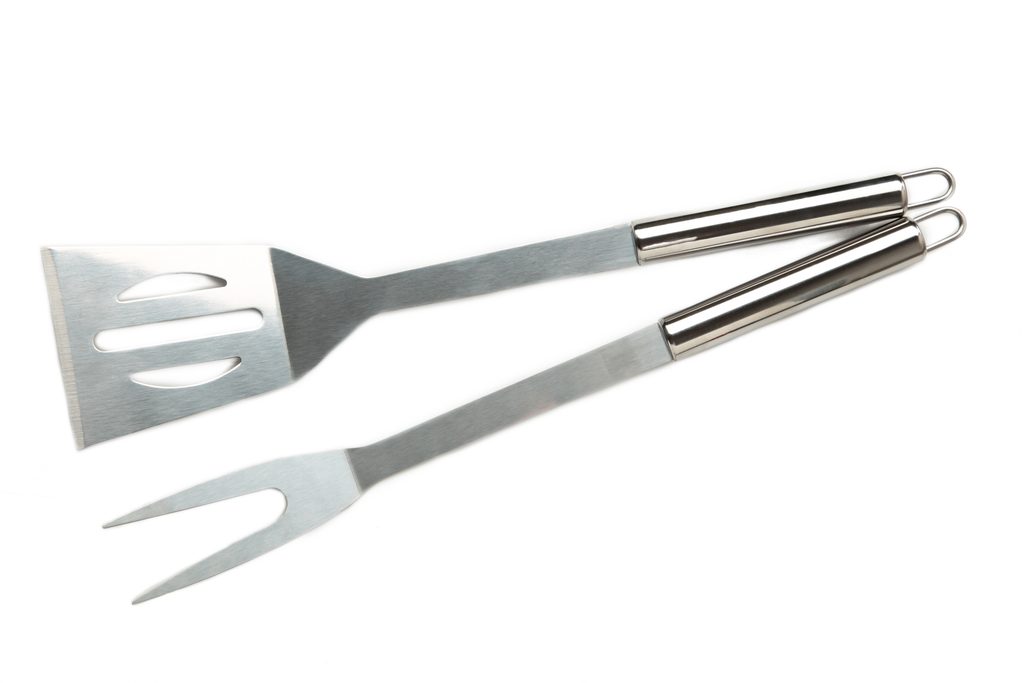
SPATULA & FORK Chef Alex Cordova,Kanki A spatula lets you flip, mix, chop and serve with confidence, while a fork handles ingredients with precision and care.
Photo by Mouse Family/shutterstock.com
CHINOIS Chef Daniel Schurr,Second Empire Restaurant and Tavern Chinois (aka bouillon strainer) for an ultrasmooth finish on custards, purees, soups and sauces: “It’s the final refinement of my cuisine.”
KIWI KNIVES Company Chef Bobby McFarland,Wye Hill Kitchen & Brewing KIWI Knives—from Thailand, but easy to find on Amazon. “I recommend them all the time. They’re crazy-sharp, come in fun-but-functional shapes and are ridiculously affordable.”
FISH SPATULA Chef Kyle Teears,Whiskey Kitchen Wood-handle fish spatula with a little flex: easy to slide under anything searing in a pan, while the tines allow grease to drip off. “It’s a tool that always adds value to the kitchen—I use it at least five times a week at home.”
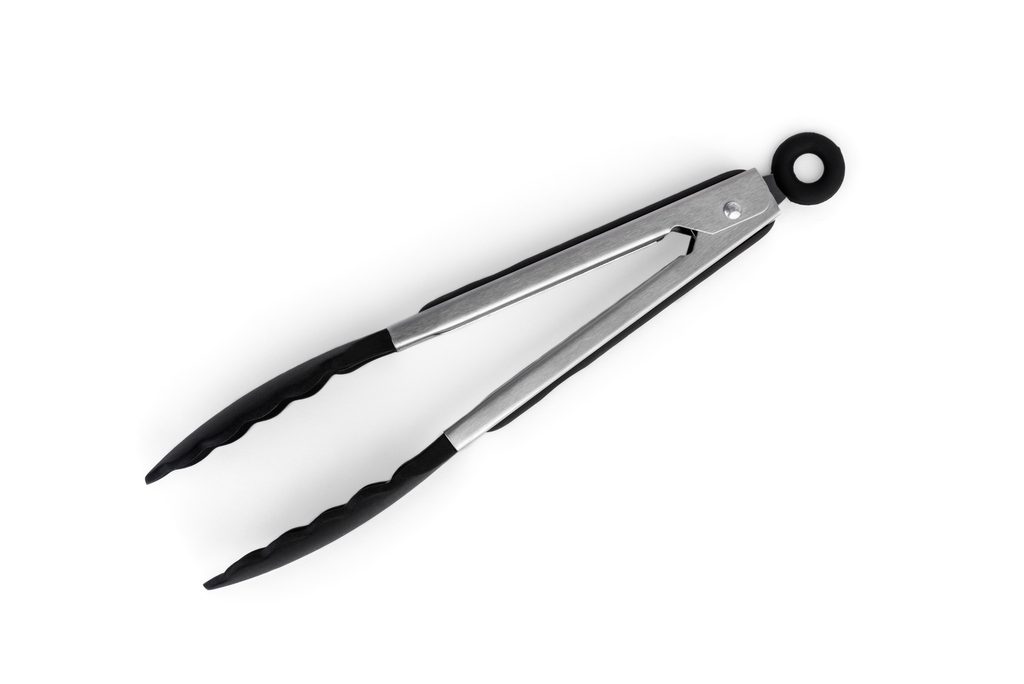
TONGS Chef/owner Julia McGovern,Poppyseed Market Plain no-name tongs—basically an extension of your hands for grabbing hot or cold items, placing ingredients precisely, moving hot coals or dry ice. “Anything your fingers can’t do, tongs can. I’ve even used them to get cups out of my cabinets that I can’t reach!”
Photo by Natallia Ploskaya/shutterstock.com
MICROPLANE, DIGITAL INSTANT-READ THERMOMETER & MANDOLIN Executive Chef Devin Brunelli,HL Catering Company A microplane for zesting garlic and Parm; a digital instant-read thermometer for perfectly cooked meat; a mandolin for veggie prep; and a butter bell to keep butter soft and spreadable.
Trump’s new executive order reduces the number of recommended vaccines.
The never-ending vaccine debate is back on the table, just in time for back-to-school season. On Aug. 10, President Donald Trump signed an executive order to cut back the number of routine vaccines to give children, as well as reformulate them and space them out.
The order pares down the number of recommended vaccines from 17 to 11. The legislation also calls to split the measles, mumps and rubella vaccine (dubbed MMR) into three shots—which lacks scientific basis and could mean more doctors appointments to pay for, experts say.
The Trump Administration has a history of disrupting the immunization standards—including letting go of every member of the CDC’s Advisory Committee on Immunization Practices, a group of experts that recommend immunizations.
Like the last vaccination overhaul in December 2025 (which a federal judge blocked), the legislation states that the U.S. currently recommends more childhood vaccines than other peer nations—though a “scientific assessment” notes many such countries maintain high childhood vaccination rates through education and trust in the public rather than strict mandates. Most peer countries still vaccinate against ~12–14 illnesses, except for Denmark, which only vaccinates against 10.
The latest overhaul didn’t come alongside any new evidence of the impact of vaccines. Doctors say, if anything, the changes will simply cause more confusion for families.
Some Republicans are speaking out against the changes as well: Sen. Bill Cassidy (R-LA) called the executive order “a stupid thing to do” on social media. “Now, instead of your child getting two shots, she has to get six shots. Instead of you missing work to take your child to the doctor two times, you’re doing it six times, and instead of the insurance company paying for two visits, it’s now paying for six visits,” Cassidy, a physician, said.
Despite the changes, insurance companies such as Blue Cross Blue Shield and Aetna parent company CVS Health maintained they planned to continue to cover CDC-recommended pediatric care without copays for the time being, and the White House said free vaccination through the Vaccines for Children program will still remain in place.
Regardless of where your trust in the department or administration stands, chat with your physician to decide what is the best course of action for you—and for your child.
Dr. Dog chats with Raleigh Mag ahead of their WNC romp.
AVL Sounds Fest is like the Hopscotch of WNC: a genre-fluid lineup with an emphasis on local musicians taking over the area’s entire ecosystem of music venues. Formerly known as AVLFest, the Asheville music fete supports ongoing Helene recovery needs, as well the sounds of 150+ artists across 15 venues Aug. 6–9—including the likes of River Whyless, Tyler Ramsey and Carl Broemel of My Morning Jacket, and Philly natives Dr. Dog.
If you heard a rumor Dr. Dog was done performing, you’re not entirely wrong. An aura of panic settled upon Raleigh fans who missed their headlining Hopscotch performance in 2021 after the group announced they were “making a graceful exit from touring.” While fans didn’t know what would become of Dr. Dog, they knew they’d be playing live indefinitely less.
“It wasn’t a dramatic choice,” guitarist and vocalist Scott McMicken tells RM. “Five years later, it’s apparent it’s been a real benefit to everyone creatively and in terms of their ideas about making music.” Dr. Dog still pops up on fest lineups or concert flyers occasionally, and when they do play together, McMicken notes, it’s like a family reunion—for the band and for their families.
Dr. Dog
The group is now known for their viral song “Where’d All The Time Go,” a bittersweet indie track graduating high schoolers (and anyone else moving on to a new stage of life) use to pour salt on the wounds of leaving loved ones. The song wasn’t an immediate hit—the group recorded it multiple times for multiple albums before eventually saying “good enough!” and throwing it on their 2010 record Shame, Shame.
After years of letting it collect dust at the bottom of their catalog, it was suddenly their biggest hit. Despite initial ups and downs with the track, McMicken resonates with the nostalgic factor—he likes when songs become attached to a certain rite of passage, in an “anthropological sense.”
In addition to hearing the sappy and sweet “Where’d All The Time Go” live, fans can expect to see Dr. Dog, happy to be together and winging it on stage again. “The festival’s intentions really are pointed back at the benefit of this town, and that’s pretty special,” McMicken maintains. “It’s a very different ethos that surrounds this festival.” In short: AVL Sounds Fest is well worth the trek from Raleigh this weekend.
NC’s tick population is surging—and so are the diseases they carry.
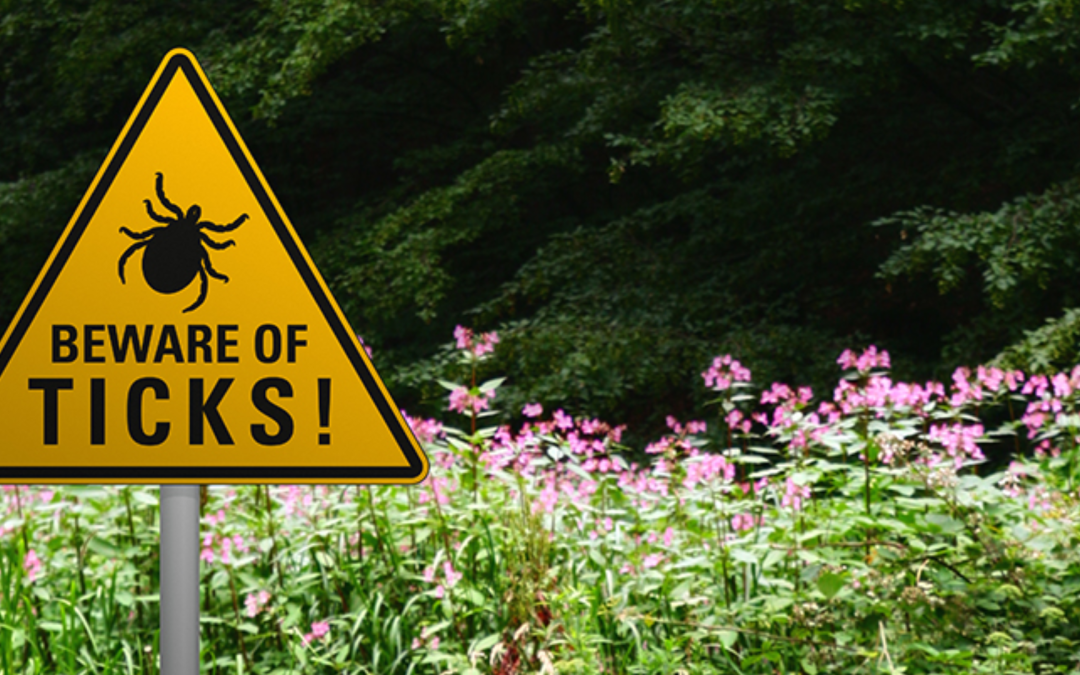
We were warned. U.S. doctors cautioned it was going to be a particularly bad year for ticks and the potentially devastating array of diseases they carry, and they were right. Tick populations are surging nationwide, and tick-borne illness rates are the highest they’ve been in a decade.
Unfortunately, a fair share of these blood-sucking buggers call NC home. American dog ticks, black-legged ticks, lone star ticks and more are spotted frequently throughout the state, toting Lyme disease, Rocky Mountain spotted fever, ehrlichiosis and the newly surging Alpha-gal syndrome, which triggers an allergic reaction to red meat.
So what’s spurring the population boom? Ticks already love NC’s warm, humid weather in the summertime, and as the climate changes and the cold season grows shorter, populations will likely continue to surge.
Mild winters also give ticks the ability to survive in higher latitudes. Read: The American dog tick is now spreading Rocky Mountain spotted fever in Canada, despite the disease being primarily endemic in southeastern and south-central America. Rising deer and mice populations may also be a factor as they play host to ticks.
That said, there’s no reason to avoid the outdoors entirely—just come prepared. Wear long pants and socks, use insect repellent (and not an essential oil-based one), conduct thorough tick checks, and consider treating your clothing with 0.5% permethrin. Keep in mind ticks don’t actually fall out of trees—they stick to low-lying ground vegetation and work their way up once hitching onto their prey.
If you find a tick on you, remove it as soon as possible—the less time a tick spends on you, the less likely it is to transmit diseases. Use tweezers to grab as close to where the head is in your skin as possible, and pull the tick out gently without ripping or pulling.
Disregard any other false methods of getting the tick out, such as drowning it in petroleum jelly, burning it or painting it with nail polish. Not-so-fun fact: When ticks get stressed out, they throw up. If they throw up in you, that goes right into your bloodstream, upping your chance of illness.
There is some good news. It’s not necessary to go to a doctor unless the tick has been on you for a while (read: if the tick’s body is engorged), or if you start exhibiting symptoms like a fever or rash. And always remember to save the tick—just in case.