WEB EXCLUSIVE:A new website makes it easy to buy gift cards to your favorite local restaurants…for when life gets back to normal.
It’s hard to do good when you’re forced to stay at home but in Raleigh, and across the county, people are finding ways to support local businesses and the workers that make them what they are.
This week, Seven Ages Design, a Raleigh-based web design and digital marketing studio, launched a new, interactive website, trianglefoodrelief.com, that makes it easy for folks to buy gift cards to their favorite independently-owned restaurants. The website features an interactive map where users can browse Triangle neighborhoods and communities and click on restaurant locations. They’re then linked to a page on the restaurant’s website where they can buy gift cards to use when life returns to normal.
“[The website] is a useful visualization of all local restaurants that have gift cards available as a way to support the business during this time,” says Charles Crossingham, the website’s designer and owner at Seven Ages Design. “[Users] go directly to the restaurant’s gift card pages instead of navigating the web to try and find everything.”
The idea to create the website arose from a conversation Crossingham had with his friend Joe Kown, a former Raleigh resident, cellist for the Avett Brothers and a fixture in Raleigh’s food scene. Kwon recently relocated to Davis, California with his wife, Emily Meineke, for her to start a new job. Far away from home, Kwon says he felt at a loss about how to help his friends in the service industry back in Raleigh.
“It was apparent that the [restaurant industry] was going to take a severe hit from this pandemic,” Kwon wrote in an email to Raleigh Magazine. “On top of that, we were now two fewer sets of boots on the ground to help out in person. My friends in the business needed help and I wasn’t there to assist as much as I’d wanted to.”
So, Kwon says, he and Crossingham (who designed Kwon’s professional website) “came up with this idea to consolidate efforts around helping the industry I love so much,” in Kwon’s words.
Along with its interactive map feature, trianglefoodrelief.com features a link to the Triangle Restaurant Relief Fund that chef Ashley Christensen co-created with the Frankie Lemmon School in order to raise funds for Triangle restaurant workers experiencing wage disruption or layoffs due to coronavirus-based restaurant closures. The website, which doesn’t make a profit itself, currently features more than 60 locally owned restaurants across the Triangle; a link on the website allows users to submit entries for restaurants that aren’t yet listed to be reviewed and posted.
Crossingham says he hopes Triangle residents and visitors will continue to find the website useful long after the pandemic subsides and that it helps spotlight how much chefs and restaurant workers contribute to building a greater community.
“The most impactful thing has been to go through all these brands’ websites to see how many family businesses there are, seeing how, for them, it is about this community, every single one,” says Crossingham. “[Chefs and restaurant owners] wrote that before the coronavirus. It’s an eye opening time for everyone and when you look to your chefs, they had their hearts in the right place this whole time. Joe and I always joke: Chefs are the new rockstars.”
Killjoy, the soon-to-open cocktail bar near Glenwood South, and the popular cocktail bar Haymaker are teaming up to bring cocktail mixes to the masses. Mixes for some of Haymaker’s most popular drinks, and some of Killjoy’s most intriguing (sans booze, of course) will be available for customers to order in bulk and mix with their own spirits at home. During the coronavirus lockdown, restaurants and bars might get some leeway to sell mixed drinks. Lynn Minges, president and CEO of the NC Restaurant and Lodging Association, says her organization is working with state officials to relax mixed drink rules for pickup and delivery during the pandemic. Cheers to that, we say!
Raleigh is breaking new ground—literally—with construction beginning on the Walter Residences, what will be the tallest residential building in Raleigh. Kane Realty Corporation’s 35-story mixed-use residential building will be located at the corner of Six Forks Road and Front at North Hills Street and will include 376 apartments ranging from small studios to 2,000 square foot penthouses plus 6,500 square feet of retail space and a parking deck.
Smallwood, an Atlanta-based architectural design firm, designed the tower to include a rooftop indoor and outdoor lounge on the 35thfloor, a 6th floor resort style pool and a 3,500 square foot wellness center with a gym, spa and treatment rooms. The tower will also include amenities not seen in a local residential building before, including a demonstration kitchen, a private dining room, a pet spa and a grand porte-cochere entry. Additionally, 21 uniquely designed penthouse residences will occupy the 32nd through 34th floors and will include mechanical blinds, built-in wine refrigerators and drop-in tubs.
Kane Realty expects the first residents to move in early in 2022.
Raleigh is a young city. Of its population of some 470,000 people, wholly a third of its residents are in their 20s or 30s and the median age is 34. But more than what the numbers say is what you see and feel on the ground; Raleigh, especially its downtown core, buzzes with youthful energy. You’ll see that energy in fields towards which younger folks typically gravitate—in media, in the arts, in the dining, drinks and hospitality scene. But in Raleigh, you’ll also see young people represented in politics, in real estate, in business and, in the best ways possible, in their own communities that they clearly care deeply for. It was hard to choose just thirty Raleighites in their 30s who are making a difference in our city—and, of course, people of all ages are doing many great things—but we wanted to spotlight some of the young professionals who have achieved notable success in their respective fields, in business parlance, or, in other words, the people we think are truly crushing it. Our thanks go to them for getting up each morning and making Raleigh a better city for us all.
Arts
From creating art in different mediums to commissioning the spaces to carry it to making sure Raleigh’s artists can live, work and thrive, these 30-somethings are bringing the arts to everyone.
Brandon Cordrey: As executive director of the Visual Art Exchange, Cordrey ensures a diverse group of local artists have a place to call their own, to exhibit their work and gain exposure, and to come together to effect positive change in Raleigh’s creative community.
Jedidiah Gant: A digital urbanist and staunch arts and design advocate, Gant co-created the urban art fund FLIGHT as well as the Raleigh Murals Project to bring dozens of murals to blank walls, sidewalks and other open spaces all over the city.
Zalman “Zali” Raffael: Carolina Ballet’s artistic director brings an innovative vision to the institution, choreographing some of the ballet’s most compelling performances in recent memory and ensuring that the company continues to thrive through teaching and fundraising.
Taylor White: A Raleigh native who lived and worked internationally before returning home, White’s distinctive murals cover walls all over the city. White was selected from 32 artists to create the city’s first public art project for the Raleigh greenway system.
Economic Development and Entrepreneurs
It’s a broad field and each of these folks brings something different to the table. They run their own businesses, help small businesses and provide support for economic development. They’re all taking Raleigh into the future.
Ashley Cagle: The leader of business expansion, recruitment and relocation efforts for Wake County Economic Development, Cagle is in charge of overseeing the county’s efforts to attract and retain talent, with a focus on growing and recruiting highly skilled workers. We have to believe she bears some responsibility for all the Best Of lists that Raleigh and Wake County seem constantly to be landing on!
Patrice Graham: A mentor, a yoga teacher, a spiritual hype woman…that’s how Patrice Graham describes herself. She’s also the owner and founder of Colors of Yoga, an all-inclusive yoga studio and community in downtown Raleigh that focuses on healing, community building, body positivity and acceptance through its various classes and practices.
Bill King: The president & CEO of the nonprofit Downtown Raleigh Alliance, King has a front row seat to the triumphs and challenges Raleigh is experiencing as one of the fastest growing cities in America. Not only is King instrumental in courting businesses to open downtown, he’s also responsible for enticing locals to engage with them—and with virtually everything else that’s happening in Raleigh’s bustling urban core.
David Shaner: Tech entrepreneur Shaner founded letsgetoffline.com (which you may know as Offline Raleigh), a subscription service that gets people “offline” and out into the world to try new things. The concept sounds simple but it was no easy feat to get Offline up and running; it took six years, thousands of hours and four different business models to find the right fit but Shaner never stopped. Now, he’s helping thousands “fall in love with Raleigh.”
Media and Influencers
In a time when how we consume news and information is changing rapidly, these folks have found new and unique ways to include and share more voices, reach more people and create real change. They’re also attracting national attention.
Nation Hahn: The director of growth for EducationNC, a nonprofit that works to expand educational opportunities, Hahn launched and leads Reach NC Voices, an initiative with the goal of “putting the public back in public policy.” Using technology and participatory design strategies, Reach NC Voices surveys residents in real time across the state to understand how they feel about issues students, parents and educators currently face in North Carolina’s diverse communities.
Sarah Day Owen Wiskirchen: Wiskirchen’s newsletter, Raleigh Convergence, delivers a thoughtful, informative look at the people, places and events that make Raleigh Raleigh to our email inboxes several times a week and in January, the Facebook Journalism Project awarded Raleigh Convergence a $20,000 grant to fund content created by locals. Soon, Raleigh Convergence’s New Neighbor Project will publish dispatches from community ambassadors from Knightdale, Cary, Southeast Raleigh and Raleigh at-large, an exciting addition to the local media landscape.
Michelle Blaser: Founder of The Pollinatr, the first-ever advertising strategy newsletter with thousands of subscribers including strategic thinkers from Netflix, YouTube, Conde Nast, Refinery29 and more, Blaser is the local authority on trends happening at the intersection of media, consumer behavior and culture. Currently, Blaser works as the communications strategy director at Raleigh-based multi-disciplinary marketing agency Baldwin&.
Brittany Bell: Locals love watching her on ABC 11 and it’s been a whirlwind year for the station’s weekend evening meteorologist. Bell’s recent appearance on “Good Morning America Weekend” garnered national praise, creating speculation that she may soon have a Times Square office address.
Dining and Hospitality
Raleigh’s young culinary talent is so concentrated right now, we resorted to using third-party accolades as a benchmark to narrow down the field. Among our picks: three James Beard award nominees and the North Carolina Restaurant and Lodging Association’s Restaurateur of the Year.
Oscar Diaz: A 2019 James Beard award semi-finalist for best chef in the Southeast, Diaz, co-owner of the seafood-focused Cortez, is at the forefront of a trend whereby Southern cuisine is embracing its multi-cultural influences. “Immigrants are adding to what the South is,” Diaz said in a 2018 Time Magazine profile. “I’m repping Raleigh, I’m repping Latino culture and American culture. I’m repping the South.”
Cappie Peete: Her boss is the reigning James Beard best chef and Peete is holding her own as beverage director for AC Restaurants, garnering a 2020 James Beard award nomination for Outstanding Wine Program for Ashley Christensen’s Death and Taxes. Peete, who has been with AC Restaurants for three years, is also certified as an advanced sommelier.
Krystle Swenson: Anyone who’s tried them knows the desserts at Crawford and Son and Jolie are to die for. Swenson, the pastry chef who has worked for Scott Crawford since his days at Standard Foods, is getting her just desserts in the form of a James Beard award nom for Outstanding Pastry Chef.
Michael Thor: A paralyzing motorcycle accident in 2015 may have paused his cooking career but it hasn’t stopped the co-owner of Whiskey Kitchen from making a mark on Raleigh’s hospitality scene. Thor, along with business partner Jeff Mickel, were recently recognized as Restaurateurs of the Year by the NC Restaurant and Lodging Association, a testament to Thor’s grit and determination to bring a unique restaurant, bar and experience to an old auto-repair shop in downtown Raleigh.
Civic Minded
It’s not their day job to advocate for good city policy but that’s where we see these people working the hardest, to make Raleigh better. Whether they’re keeping us in the know about city happenings, encouraging us to vote in municipal elections or advocating for better transit systems or affordable housing, their voices are loud for the greater good.
Lindsay Saunders: A communications and outreach professional, Saunders makes it her mission to advocate for progressive politics that serve the public good. Saunders pushes for ways to engage communities and bring people together to address challenges in education, healthcare, housing, economic development and equality.
Mary Sell: By day, she’s an energy and environment planner for the Triangle J Council of Governments but she doesn’t leave that work at work. Twitter’s @RaleighBikeLady serves on the city’s Bicycle & Pedestrian Advisory Commission, advocating for everything from more bike lanes to better public transit systems to greenway-to-on-street connectivity.
Ashton Smith: She has leveraged her prominent professional role as a program manager at Citrix to push for community assets such as Citrix Cycle and she works with organizations where she can make a difference. Smith is vice chair of the Dix Park Master Plan Advisory Committee and serves on the boards of affordable housing development nonprofit DHIC and the NC Museum of Natural Sciences.
Community Makers
They’re the faces of all that’s good about Raleigh, the helpers, the advocates, the uplifters, the ones who work hard for positive change and to make life better for everyone in the city.
Kia Baker: As executive director of nonprofit Southeast Raleigh Promise, Baker is fulfilling a long-held dream to revitalize under-served parts of the city through education, affordable housing, health and wellness, economic opportunity and leadership development initiatives. With the opening of a joint elementary school and YMCA off of Rock Quarry Road, and affordable housing to come, Baker has helped shape a village that will inspire all who live, work and play there.
Nick Neptune: Before its owners knew Transfer Company would be a food hall, they wanted to ensure it would be a place to foster relationships. Enter Neptune, a longtime community advocate and Transfer Co.’s general manager, whose genial personality and generous spirit makes him the ideal ambassador to bring together Raleigh’s disparate communities around two universal passions: fun and food.
Amber Smith: Following a life changing trip through 20 states to perform random acts of kindness, Smith, the co-founder of Activate Good, has made it her mission to facilitate the connections local people need to get good work done. Through its website, Activate Good connects volunteers with charitable causes all over the Triangle and instills in young people the value of community service through its Youth Volunteer Program.
Joselle Torres: She helps homebound older adults and people with disabilities in Wake County maintain their independence while reducing their isolation and helping them avoid institutionalization. As the development officer of Meals on Wheels, Torres works tirelessly to raise funds to ensure these Wake County residents can live their lives to the fullest.
Politics
One of Raleigh’s strengths is the degree to which its young people are politically active and engaged. Because we can’t feature them all, we chose to feature some recently elected to our City Council—they appear here as a bloc—and two who hold county office seats and, this fall, are running for office at the state level.
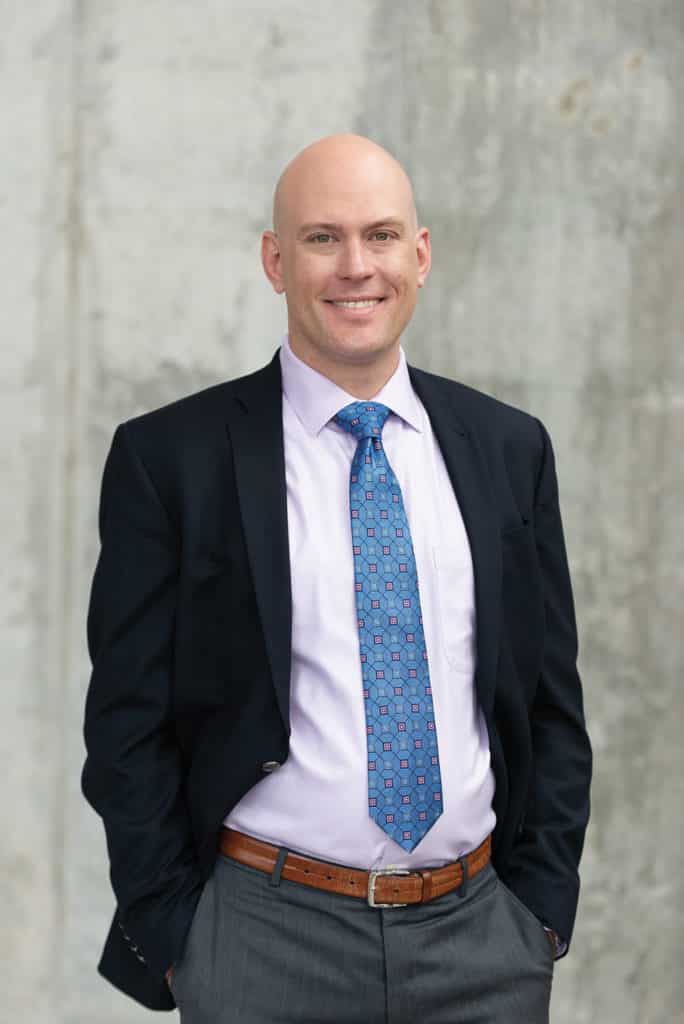
Jonathon Melton
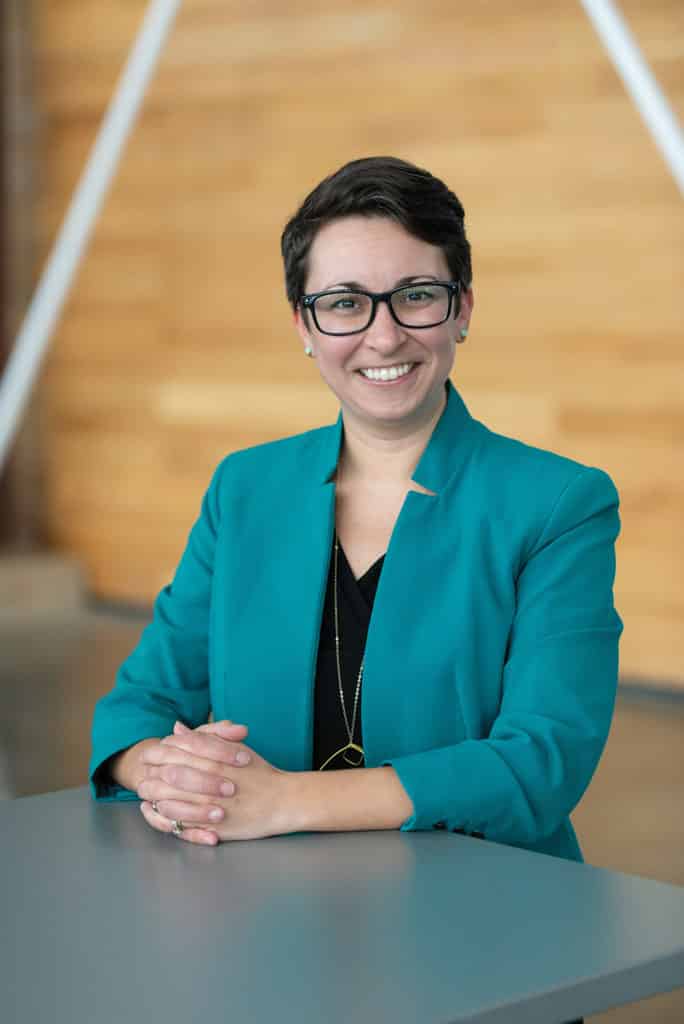
Nicole Stewart
Patrick Buffkin
Patrick Buffkin, Jonathan Melton, Nicole Stewart: Last year, Raleigh voters elected two politically engaged attorneys in their 30s—Patrick Buffkin (District A) and Jonathan Melton (at-large)—to its City Council, joining at-large member Nicole Stewart, the development director for the NC Conservation Network, for her second term. On council, all three members are working towards the shared goals of creating more affordable housing, improving the city’s transit systems and mobility, and maintaining Raleigh’s reputation as a leading city in the realms of innovation and sustainability. Saige Martin, the council’s youngest newly elected member, garners an honorable mention on this list—he’s only 29.
Jessica Holmes: A Wake County commissioner and employment law attorney, Holmes is running to become the state’s next Commissioner of Labor. During her tenure, Wake commissioners increased access to early childhood development programs, increased education funding, implemented a paid parental leave policy and a fair chance hiring ordinance. Holmes personally led a campaign to increase funding for Wake Tech and spearheaded initiatives to ensure students in Wake County schools aren’t going hungry.
Jenna Wadsworth: As a 21-year old NC State student, Wadsworth, who grew up on a farm in Johnston County, was elected to the Wake County Soil and Water Conservation District’s Board of Supervisors, the youngest woman ever elected to public office in North Carolina. She served for two terms on the board and was re-elected in 2018. This fall, Wadsworth is challenging the incumbent state Commissioner of Agriculture, Steve Troxler, for his long-held seat.
Real Estate and Development
From planning and undertaking exciting new projects to creating amazing and engaging community spaces, to using their professional resources and voices to give back, we recognize these 30-somethings for their work in the fields of commercial real estate and development.
David Meeker: His Carpenter Development Group has created some of Raleigh’s most beloved commercial gathering spaces, including all the Trophys, State of Beer and the upcoming SoHi RLGH, the city’s next creative district. Meeker also lends his voice to various civic initiatives locally, including as an advocate for preventing gun violence, for ending gerrymandering and for making riding city buses free for all.
Bryan Kane: Despite his locally famous last name, this Kane is making his own mark on Raleigh rather than riding coattails. Kane’s Company, SLI Capital, is redeveloping an industrial site off Whitaker Mill Road, east of Five Points. The trendy new destination dubbed East End Market is likely the first of many interesting redevelopment projects for the city.
Kimarie Ankenbrand: Ankenbrand leads the commercial real estate and property investment office in Raleigh for JLL, the second-largest company of its kind in the world. In her professional role, Ankenbrand works with companies to solve complex business challenges, enable cultural and organizational change and achieve sustainable financial results while charting the future of the brokerage business and developing and mentoring young talent. She’s one of the first women to hold this leadership role.
Merritt Atkins: A Raleigh native, Atkins has worked in community outreach and business development for more than a decade. The current marketing lead for the Holt Brothers, Atkins is a tireless proponent of the Holt Brothers Foundation’s efforts to help families and kids impacted by cancer, heading the Foundation’s numerous give-back initiatives.
Local restaurants are getting creative in their approaches to business during the coronavirus pandemic—but they need your support.
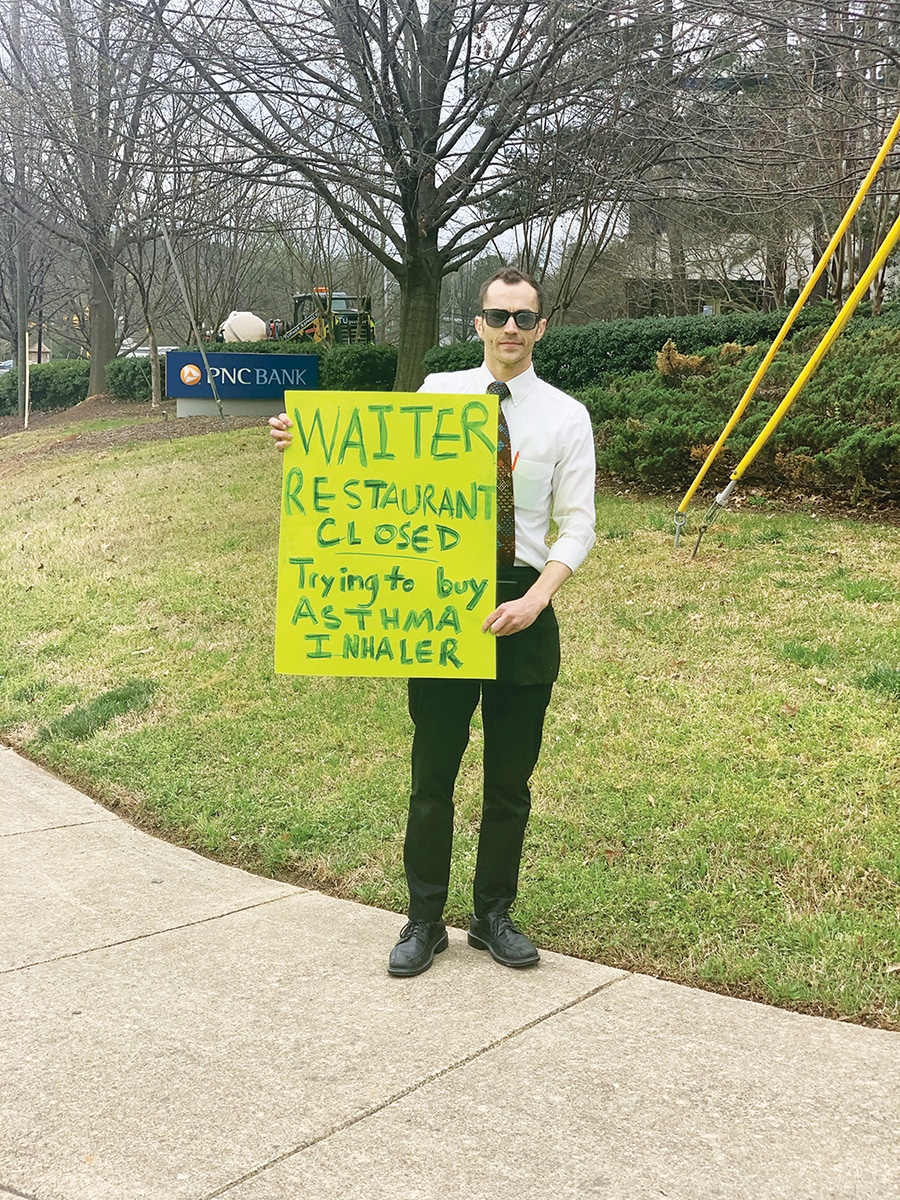
On a Tuesday morning in March, Christopher Edwards, a server at a popular restaurant in North Hills, stood outside at the corner of Glenwood Avenue and Lead Mine Road, wearing a pressed shirt and tie and holding a sign.
“WAITER, RESTAURANT CLOSED,” the sign stated. And, in smaller letters underneath: “Trying to buy asthma inhaler.”
Edwards says he’s been busking to supplement his income, playing his electric guitar outside of grocery stores to try to raise some cash.
“It’s a way I can keep some integrity,” he says. “Maybe people buying food will see, this is a person who has needs too, who doesn’t have emergency funds or a reliable source of income. That is all I can think to do, I can busk until the job market lets up. Right now, I don’t know where else I can find a job.”
Edwards has applied for unemployment benefits, he says, but the state’s website keeps crashing out due to the volume of applicants. It’s not clear how long he—and thousands of other bar and restaurant workers in Raleigh who have been laid off due to closed dining rooms and services limited to pickup and delivery—will be out of work, even as grocery stores scramble to keep their shelves stocked with food and essential goods.
“Fifty percent of all food consumed in North Carolina is consumed in restaurants,” said Lynn Minges, the president and CEO of the North Carolina Restaurant and Lodging Association on the local NC Food and Beverage podcast last month. In Wake County, the hospitality industry represents more than 67,000 local jobs, according to the Greater Raleigh Convention and Visitors Bureau (Visit Raleigh).
“Restaurants will play a big role in solving the food crisis in the long term,” Minges added. “Restaurants may have to shift their thinking to creating foods that may not be on their menu, like trays of lasagna, to serving the public in bulk.”
Local restaurants began shifting their thinking almost immediately, once it was clear the COVID-19 coronavirus was going to be a crisis that would stick around for a while. Indeed, they’ve been forced to, as Gov. Roy Cooper issued an executive order for all North Carolina bars and restaurants to close their dining rooms in mid-March while his administration worked to expand unemployment insurance benefits for service industry workers and others affected. A week later, the state’s Department of Health and Human Services announced measures to prohibit outdoor seating on restaurants’ patios as well as indoors.
Instead of shutting completely (which some Raleigh restaurants have done, including The Oak, Vidrio, Rosewater and Death and Taxes) many have pivoted to providing curbside takeout and delivery services. The City of Raleigh suspended its parking rules for curbside pickup and created a map linked on its website to show where curbside pickup zones are located across town.
Some restaurants are following Minges’ suggestion and offering pre-made dishes in bulk that will keep well and that customers can make several meals out of.
The Player’s Retreat, for instance, is preparing food and soups available for purchase in quarts or pints, to be frozen or warmed at home.
But it quickly became clear that, for many restaurants and bars, takeout and delivery for a prolonged period—especially without alcohol sales to drive up sales margins—wasn’t going to be enough.
They’ve had to get really creative.
Last month, Drew Schenck and Kevin Barrett, owners of the cocktail bar Dram & Draught, converted their space on the ground floor of One Glenwood into a pop-up grocery store, Dram Grog and Grocery. The full-service market will be open daily from 2 to 8 p.m., selling wine, growlers and cases of beer, toilet paper, produce, ground meat, canned goods and other products at minimally marked-up prices. Shoppers will be limited to four at a time and the grocery will deliver to seniors living within five miles of One Glenwood once a day.
“We want to help people with their basic needs and really support the Boylan neighborhood,” said Barrett. “This is a food desert in this area. We want to help the neighborhood and try to keep some of our employees working.”
Restaurateur Niall Hanley’s Morgan Street Food Hall is also doing its part to help service industry employees, as well as the community at large, during the pandemic. Hanley has waived rent for all of his tenants and the food hall hosted a blood drive through March, where folks who donated blood received a $20 gift card to use at any of the Morgan Street Food Hall restaurants. Additionally, Hanley’s Hibernian Hospitality Group partnered with US Foods to package and distribute food care packages for local hospitality workers, available for them to pick up on the food hall’s patio.
It’s not just bar and restaurant workers that are suffering.
According to numbers from Visit Raleigh, the hotel occupancy rate for the week of March 8-14 clocked in at 54.7 percent, a 25.2 percent decline from the same week’s rate last year of 76.8 percent. The Umstead Hotel and Spa laid off 300 workers and, with more than 50 events and festivals cancelled or postponed, more layoffs are likely to come.
With more than 18,000 North Carolinians having filed for unemployment insurance by late March, state officials have scrambled to make it easier for people to qualify for benefits and to make unemployment less costly to businesses. In an executive order, Gov. Cooper eased restrictions on who can apply, including people who haven’t lost their jobs entirely but have seen their hours reduced. He also lifted the weeklong waiting period for benefits and the requirement that people be actively searching for a new job while collecting benefits. Businesses affected by the coronavirus won’t be required to help supplement their workers’ unemployment benefits and the administration and state lawmakers are looking for other ways to ease the burden on workers and businesses.
Private sector initiatives, too, are popping up to help support service and hospitality industry workers.
Celebrated Raleigh chef Ashley Christensen announced the creation of the Triangle Workers Relief Fund, administered by the Frankie Lemmon School, to raise donations for cooks, servers, bartenders, dishwashers and other restaurant industry workers whose jobs have been impacted by the coronavirus. In the first 24 hours of the fund’s website going live, 3,200 workers registered to apply for financial assistance.
And Let’s Get Offline, which connects its subscribers to restaurant industry events all over the Triangle, launched Take Out for the Triangle. Its members can receive a $5 credit to their monthly subscriptions for ordering takeout from one of Offline’s 40 restaurant partners by texting a photo of their takeout receipt.
As bad as the reduced hours, limited services, closings and layoffs are right now—not to mention the social isolation we’re all experiencing—what’s worse is the uncertainty, the unknown length of time that it will take before things return to normal. It could be months before restaurants are allowed to reopen their dining rooms again; it’s likely that we’ll see some of our beloved local businesses forced to shut their doors for good.
All each of us can do right now is to support the restaurants and other small businesses in our community in the ways we can: Order takeout. Buy gift cards. Donate to the Triangle Workers Relief Fund. Lobby state representatives and those in Washington to pass measures that will assist struggling families.
This pandemic will pass, as all crises do. But there’s no telling what kind of shape Raleigh will be in once it’s over.











 Edwards has applied for unemployment benefits, he says, but the state’s website keeps crashing out due to the volume of applicants. It’s not clear how long he—and thousands of other bar and restaurant workers in Raleigh who have been laid off due to closed dining rooms and services limited to pickup and delivery—will be out of work, even as grocery stores scramble to keep their shelves stocked with food and essential goods.
 Instead of shutting completely (which some Raleigh restaurants have done, including The Oak, Vidrio, Rosewater and Death and Taxes) many have pivoted to providing curbside takeout and delivery services. The City of Raleigh suspended its parking rules for curbside pickup and created a map linked on its website to show where curbside pickup zones are located across town.
 Restaurateur Niall Hanley’s Morgan Street Food Hall is also doing its part to help service industry employees, as well as the community at large, during the pandemic. Hanley has waived rent for all of his tenants and the food hall hosted a blood drive through March, where folks who donated blood received a $20 gift card to use at any of the Morgan Street Food Hall restaurants. Additionally, Hanley’s Hibernian Hospitality Group partnered with US Foods to package and distribute food care packages for local hospitality workers, available for them to pick up on the food hall’s patio.