Place your wager! Online sports betting may soon be legal in North Carolina, ushering in a thrilling new industry for our state.
Whether you’re a diehard fan or a casual “yay sports” kind of viewer, the next time you and your friends gather for a big game you might be able to make things more interesting by hopping on your phone and putting a little money on the line—legally.
After being defeated in the state House of Representatives last year by only one vote (!), North Carolina’s long-awaited sports betting bill is set to be filed this week for another shot at approval. If it passes—and the odds look promising—mobile betting on college and professional sports could potentially go live in our state within the next few months.
“We’d like to get it done this year,” says Rep. Jason Saine, who represents the 97th North Carolina House District and has been focused on the issue of legalizing online sports wagering for the better part of two years. “I’ve got three other co-sponsors I’m working with: Republican House Majority Leader John Bell; and two Democrats, Zack Hawkins from Durham and Ashton Clemmons from Greensboro.”
“It’s a bipartisan effort,” he continues. “You really have members of both parties in support. Of course there’s some opposition, but I think this time we should have enough votes.”
Even the governor has expressed optimism about the bill’s outcome. “I think it’s going to pass from what I hear,” Gov. Roy Cooper shared at a recent Carolina Hurricanes fan event, according to Bet Carolina. “We’re working with trying to make sure we get good legislation that is fair to the taxpayers, but also recognizes something that’s going on anyway. So, we might as well get benefits for our schools and for our state out of it. So, we’ll see how it goes.”
“He’s been supportive,” adds Saine regarding the governor. “He’s weighed in on it. We’ve listened to some of the tweaks and things he wants to do to the bill, so we’ve incorporated that into the process as well.”
The benefits of legalizing mobile sports betting are multifold. “One, it stops revenue we’re losing to other states,” explains Saine. “Virginia has sports betting. We see a lot of our folks in North Carolina traveling short distances across the border and placing bets. That’s really revenue the state’s not realizing. It also means we’re helping to fund Virginia’s schools, Virginia’s roads and everything else Virginia pays for.” He notes that with a sports betting bill imminent in South Carolina as well, “we could essentially be surrounded by states who have sports betting, and that really would be a loss of revenue for our state.”
Exactly how much revenue are we talking about here? Saine predicts the mobile sports betting industry in North Carolina could bring in anywhere from a whopping $30 to $60 million, but “that’s a conservative estimate,” he says. “It could be as much as $100 million. It’s kind of hard to measure since we don’t have it yet and because it’s kind of an underground market at this point, but our hope is that we start to capture that market.” Cha-ching!
Second, a portion of the money raised from online sports gambling will be used to bolster—what else?—North Carolina sports, primarily supporting the athletic departments at HBCUs as well as shoring up youth athletic programs throughout the state. “In the spirit of sports, we want to make sure we’re seeing a more active populace—getting people outside, getting people more engaged,” Saine says. “We think that’s important.”
Finally, although it may seem counterintuitive, the legalization of sports betting actually provides an opportunity to curb problem gambling and confront gambling addiction. “My counter to those who are opposed and worried about people who do gamble is, until we get it out in the open and understand exactly to what extent we have people sports betting in North Carolina, we’re really not doing those people who have problems any favors whatsoever,” Saine shares. “We’re really doing them a disservice because we’re kind of keeping them underground and not getting them the help they need.”
Once the bill is filed, Saine explains, it will pass through multiple committees before it hits the House floor for a vote. “I’d anticipate by the end of March we’ll have it out of the House and then the Senate will take it up,” he offers. Perhaps by late spring we’ll know the fate of the bill that has sports betting enthusiasts across the state hoping for a W.
New technology that takes years off your face is now available in Raleigh.
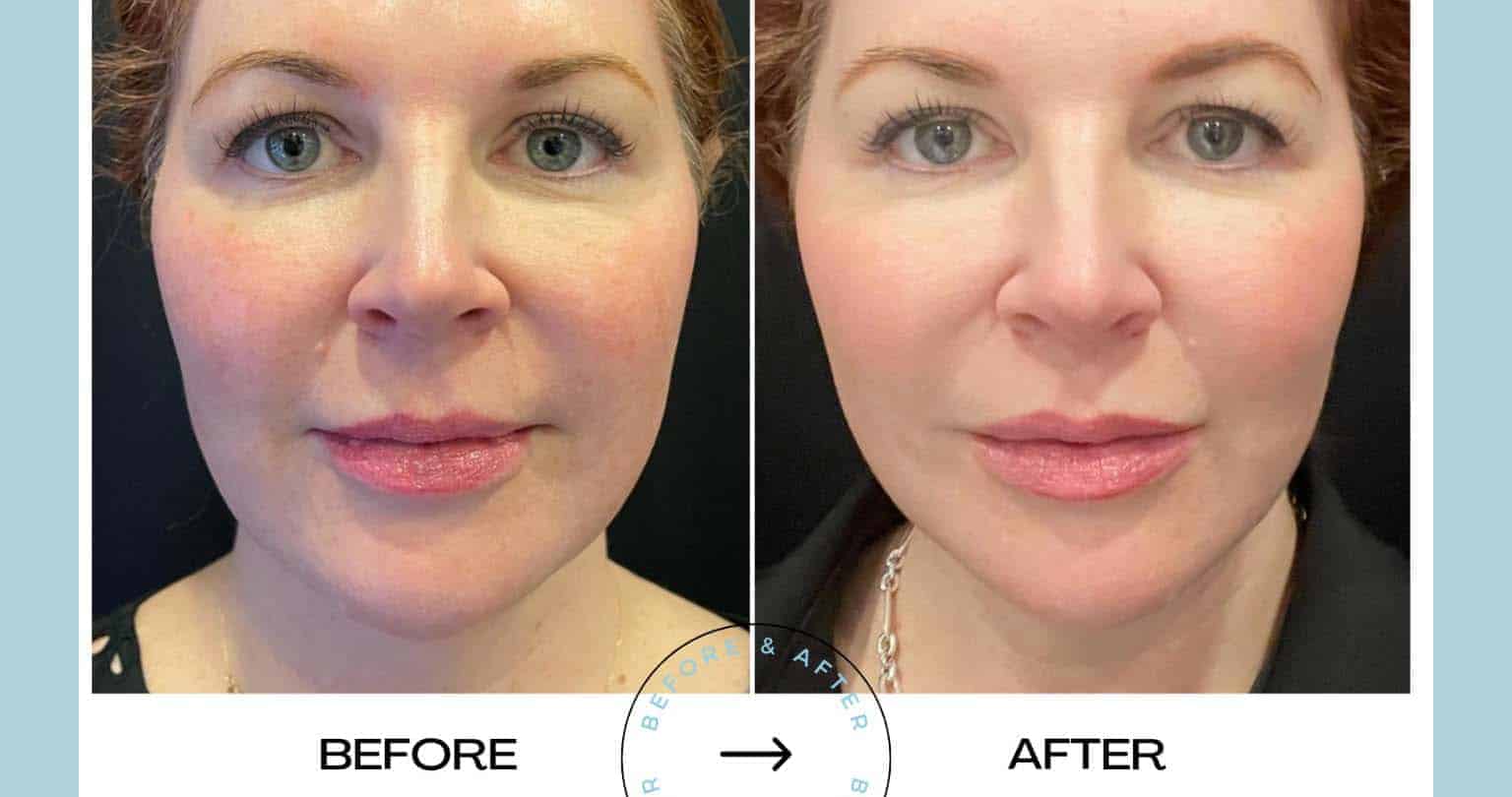
If you’re tired of keeping up with all the ridiculous anti-aging regimens on TikTok (wait, are we really doing glass skin or glazed doughnut skin rn?!), perhaps it’s time for a different solution. North Hills’ Glo de Vie Med Spa is the first spot in Raleigh to offer Emface, a revolutionary, noninvasive (read: needle-free) device that lifts and tightens the face and decreases wrinkles.
“Glo de Vie utilizes many of the BTL Aesthetics products, so it was a natural fit to bring on the Emface device to our practice,” says Glo de Vie managing partner and nurse practitioner Amanda Dunning. “We could not be more thrilled to be the first and only Raleigh provider of this game-changing technology!”
Combining radiofrequency with High-Intensity Facial Electrical Stimulation (or HIFES), Emface targets the elevators of the face—the frontalis, risorius, and zygomaticus major and minor muscles. By contracting and strengthening these delicate facial muscles, the treatment achieves optimal lift through the neck, jowls, cheeks, eyes and forehead, effectively eliminating the need for Botox or other injectables.
“The radiofrequency component creates 150% more collagen and 200% more elastin production,” notes Dunning. “This is the equivalent to four-to-six syringes of dermal filler.”
The procedure is painless and superfast—20 minutes to be exact—so you can spend your lunch break reversing the effects of aging and still have time to grab a salad. After receiving four to six treatments on a weekly basis, “you can expect to look seven to 10 years younger in a completely natural way with no needles and no downtime,” says Dunning. She adds that the results will last up to two years; however, “we suggest doing one or two maintenance treatments a year to safeguard your facial investment.”
If a quick and needleless alternative to fillers sounds right up your alley, consider scheduling a complimentary consultation at Glo de Vie stat, as Dunning says “word of mouth is traveling fast.” Then, sit back and bask in the glory of being an IRL skinfluencer—no silicone patches or anti-wrinkle straws required. $1,200 per treatment, glodevie.com
Coastal fave Salty Turtle Beer Co. dives into the City of Oaks.
If you were a little salty you had to drive all the way to Surf City to grab a brew from Salty Turtle Beer Co., you’re in luck, as the popular seaside brewery is joining the local suds scene in the former Barrel Culture space in North Raleigh (!). The choice for the second taproom was a no-brainer, says co-founder Daniel Callender: “We realized a lot of our customers at the beach have second homes in Topsail and live full-time in the RDU area.”
Bringing the beach to the mainland, the Raleigh outpost features a vibrant mural of a sea turtle swimming among oak leaves and acorns, the work of Cary-based artist Suzanne Gasperini O’Hara that offers a new-school spin on Salty Turtle’s relaxed, coastal vibe.
As for the beer, expect 14 ocean-inspired brews on tap, including flagships like Coastline Kölsch, a refreshing German-style ale; the roasty yet light Barnacle Bill’s brown ale; and Hey Zay, a juicy citrus-packed IPA—as well as wine, cider and nonalcoholic options. “It will mainly be our beer we brew in Surf City with a couple rotating guest taps from amazing breweries in North Carolina,” reveals Callender, who notes that Salty Turtle is “constantly innovating.” And, he hints, “we will definitely do some Raleigh-only special releases.”
City 2 Sea Media
NTM spring weather will have locals flocking to the brewery’s expansive outdoor space touting a covered patio and artificial turf with picnic-style seating (plus cornhole boards), perfect for a pint-sipping sesh with the whole crew or a chill afternoon alongside your four-legged BFF.
“We want to be community driven,” says Callender. “We will host weekly running/cycling clubs, trivia, pint nights benefiting local nonprofits—and we will be family-friendly!” Raleighites can also look forward to live music, along with monthly pop-up markets, securing Salty Turtle’s status as a go-to spot for a good time.
“I think the coastal area has some amazing breweries, and we want to showcase that to our Raleigh guests,” shares Callender. “We’d like people to come in and have a ‘beach escape.’” We’ll raise a toast to a taste of the coast any day of the week. @saltyturtleraleigh
Ablr CEO and co-founder John Samuel chats about his new memoir, finding his way back home to the Triangle and the power of acceptance.
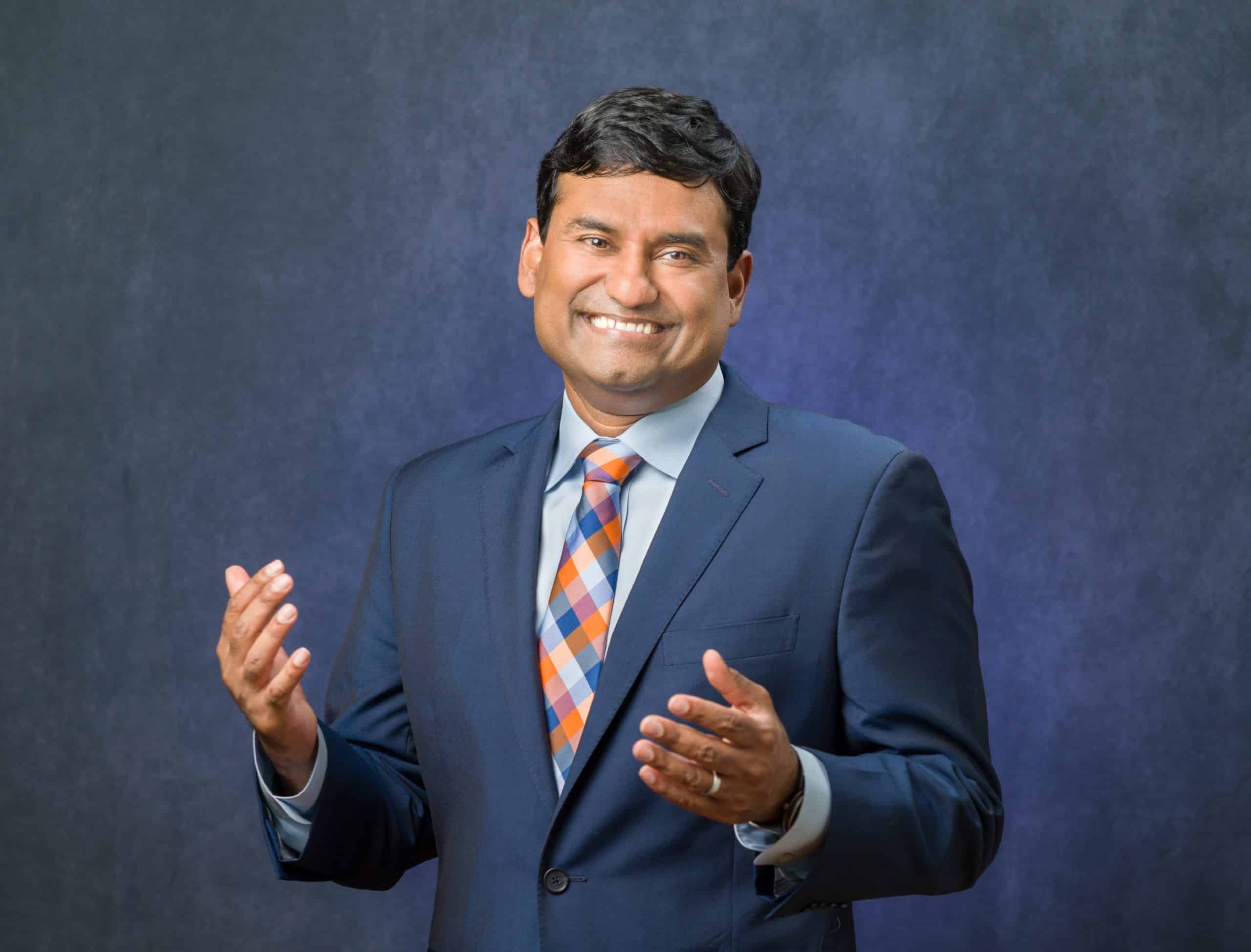
After being diagnosed with a degenerative eye disease while in college, John Samuel’s life as he knew it—and the future he had always imagined for himself—quite literally began to vanish. Faced with mounting obstacles and limited opportunities here in the Triangle, the Cary native felt his only choice was to move away. What followed was a 12-year journey around the world that forced him to slowly confront his new reality and, ultimately, embrace life with a disability in order to achieve his dreams.
Fast-forward to today and Samuel is back in his hometown with a mission to help others who are on the same difficult path. As the co-founder and CEO of Ablr, Samuel focuses on helping companies remove barriers for all people with disabilities, fostering a culture of empathy and inclusivity. “I can’t be more grateful to be able to come back home to the best place in the world to live and raise my kids and build a company like Ablr, which is helping to make sure that no one else feels like they don’t belong here,” he shares. “And I can’t be more happy that Raleigh and the Triangle have embraced me with open arms!”
Why did you feel you had to move away from the Triangle area?
After graduating from NC State, my sight had deteriorated to the point it wasn’t safe for me to drive anymore—and I didn’t think anyone who was blind could live here—so I ended up leaving the Triangle for roughly 12 years. I eventually found my way home in 2017, and I couldn’t be happier to be back and raise my kids near their grandparents in the same place I grew up!
What compelled you to write this memoir?
Ever since I got back home to the Triangle and started working in disability inclusion and accessibility work, I’ve had the honor of being invited to share my story on various podcasts and speaking engagements. Through this, I realized the power of storytelling and how, by being vulnerable and sharing my own experiences of losing my sight, I was able to break down stigmas and humanize what disability means. And, for me, I personally enjoy reading memoirs and thought that sharing my story this way could reach a whole new audience.
How would you describe your experience writing the book?
It was much more involved than I ever thought! I used to write lots of blogs for my company and guest articles for different publications so I thought it would be similar, but I found it much more difficult. I had to shift my writing style from ‘telling’ to ‘showing.’
How did you make the book more accessible to others?
In addition to releasing the book in a physical format, I offer it as an audiobook as well. I reached out to my friend Jason Gillikin, who founded a local podcast production company called Earfluence, to help bring this to life. And when it came to the reading of the book—I knew it would be nearly impossible for me to do it myself because I can no longer read written text—I reached out to my friend Sean Maroney for his assistance. Sean was previously a news anchor and often emcees events around town, so I thought he would be great to lend his voice for my story. He didn’t disappoint—he rocked it!
Along your journey you have overcome seemingly insurmountable obstacles to ultimately embrace your circumstance and help others do the same. What was the pivotal moment that changed your outlook and paved the way for you to find happiness, love and success?
It’s hard to single out one moment, but rather I think it’s a combination of moments. The first one came while I was climbing Mount Kilimanjaro. The guides who were taking my friend Stephen Jeffress and me up didn’t think I was going to be able to do it with my limited sight. However, over the next several days we spent together, we built a new level of understanding and figured out how best to work together to achieve our joint goal of summiting the mountain. This is an example of what I call ‘proximity builds empathy,’ the belief that the more we spend time and listen to people with different experiences ultimately leads to greater understanding and empathy.
That moment was soon followed by my meeting Dr. Liesl Riddle, [then] the associate dean at George Washington School of Business, who encouraged me to be open about my failing sight. For years I had kept my visual impairment a secret from others because I was ashamed and embarrassed. Once I did start talking about it in my personal life, I was finally able to be my authentic self and was able to open up my heart and find love.
In retrospect it’s these two moments, which took place in a matter of a few months, that showed me the power of being vulnerable and sharing my story, and how that could break down barriers both in my personal life and also professionally.
What about your story do you think will resonate most with readers, both sighted and nonsighted?
What comes to mind is resilience. My journey shows a life that includes failure and challenges, which I think everyone can resonate with, and I hope that people take away how important it is to be resilient in these moments. In my case, that was continuing my education even after I failed college. Being open to moving halfway around the globe when my hometown wasn’t accessible for me. And teaching myself to be blind when my sight started to fail me.
Not everyone will be able to resonate with losing their sight, but they might be going through some other loss in their life, which is altering the way they move forward. That’s why I believe my journey might be unique, but my story isn’t—and that’s what people will be able to resonate with. And with resilience, we can find love, confidence and a sense of belonging, which are things everyone wants, no matter if you have a disability or not.
If readers take away one lesson from reading your book, what do you hope it will be?
We all go through stuff in our life, sighted or not. For me it might seem my visual impairment was that challenge, but rather I believe it was the acceptance of it. I did everything in my power to resist my diagnosis and hide the fact I was losing my sight. Eventually, keeping this bottled up inside wore me out. And when I finally embraced my disability, I experienced greater success and happiness than I could have ever imagined! I hope people take away the power of acceptance and what is possible when you stop resisting and embrace life’s challenges.
Sassool invites the city’s foodies to pick up a Triangle Food Passport and discover the joy of “traveling” to new local restaurants throughout the year.
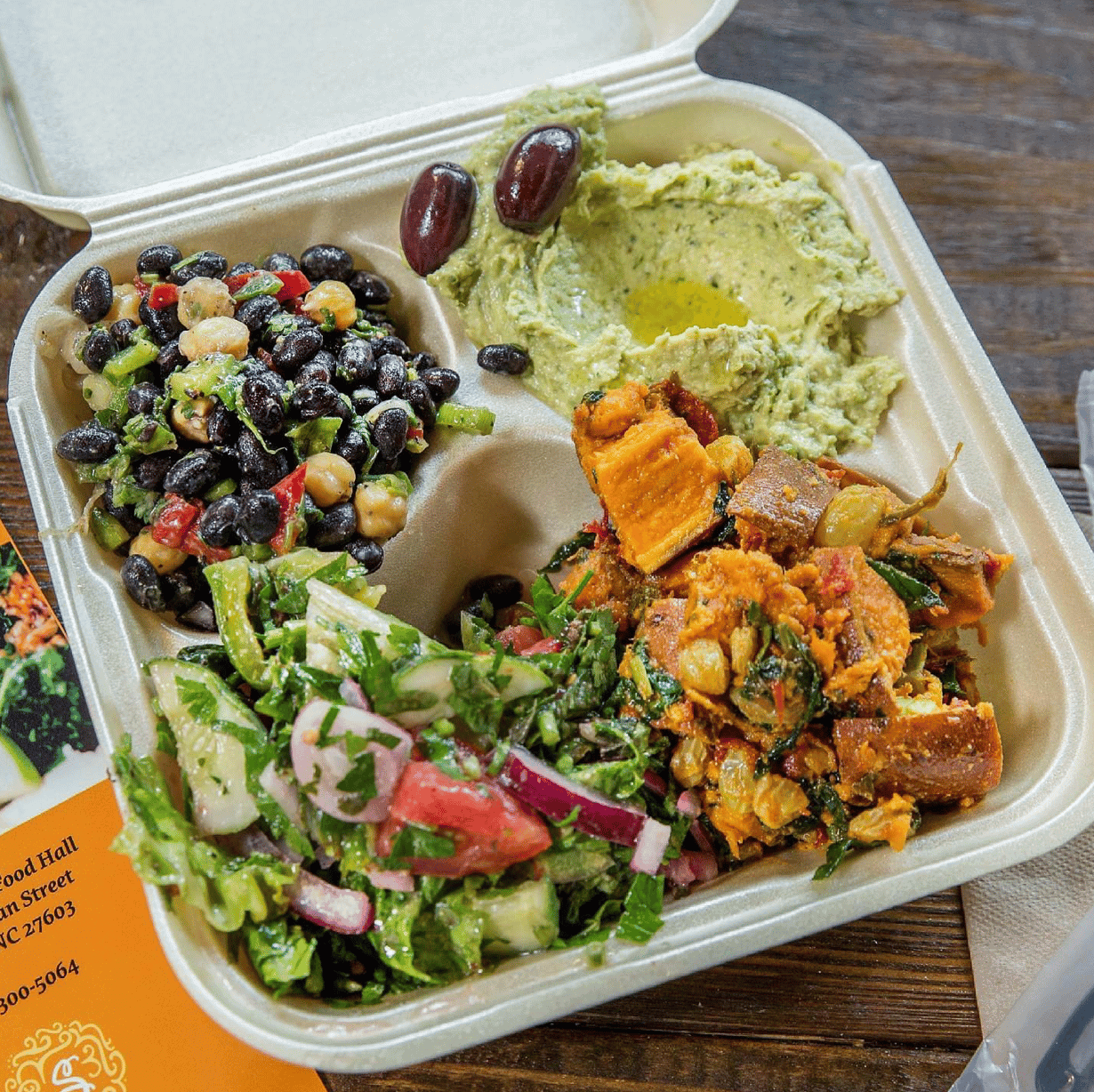
Grab your passport (and my hand). … Sassool’s latest venture will take you on an international culinary journey—sans the long flight. Enter the North Raleigh Mediterranean market and resto’s recently launched Triangle Food Passport, a collaborative effort with 12 area restaurants, cafes and grocers designed to inspire diners to branch out and boost local small businesses.
Sassool co-owner Noelle Saleh says a lightbulb went off while gathering with fellow restaurateurs during one of their family dinners last year. “We were trying to think of ways that we could support each other as restaurateurs other than giving advice or lending an ear,” she says. “We wanted to find a way to cross-promote each other and get our customers to try out restaurants that we love but maybe haven’t tried yet.”
Together they launched the Triangle Food Passport, which boasts exclusive offers from local businesses including Sassool, Raleigh Rolls, Big League Waffles, Cheeni Indian Food Emporium, Bitten Bakery, Alpaca Peruvian Charcoal Chicken and more. Diners who purchase the $25 passport can visit each participating restaurant to redeem the offer in exchange for a “stamp,” making any midday coffee break or meal with friends suddenly feel like a jet-setting adventure.
“The passport came from the fact that many of our businesses offer food from around the world,” says Saleh. “We wanted to give people an opportunity to travel the world without leaving the Triangle.” Best of all, the new program further bolsters the food and beverage community by donating a portion of all proceeds to the Wake Tech Foundation to assist a full-time second-year student at Wake Tech with a culinary scholarship. What’s not to love?
Ultimately, the initiative offers a chance to have fun and explore by playing tourist in your own hood for a change. “Our greatest hope is that Raleigh diners discover their new favorite restaurant, bakery or food establishment,” says Saleh. “The Triangle is ripe with talent and hosts a super passionate restaurant community. We want you to experience our passion through our food.” Get ready for takeoff!