Raleigh’s long-awaited S-Line reshapes how the region moves.
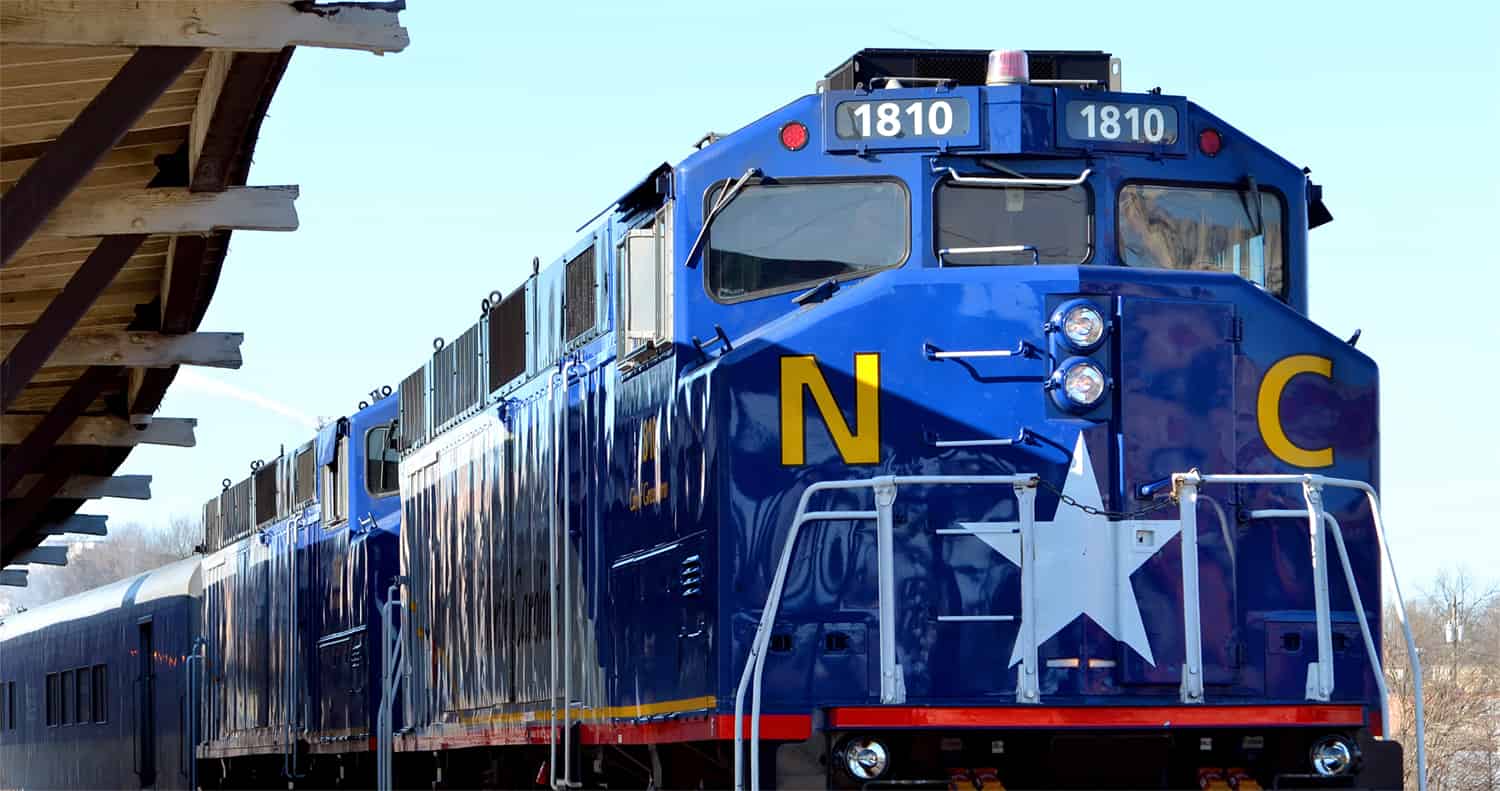
Move over, light rail—Raleigh is getting high-speed rail. Reaching speeds up to 110 mph, the incoming S-Line will deliver riders between Downtown Raleigh and Wake Forest in less than 20 minutes by 2031.
Across the board, one of Raleighites’ biggest complaints is transit—full stop. Already a highly car-dependent city, Raleigh is growing up and out quicker than our transit system and roadways can keep up, leaving residents with few modes to get around—and traffic to absorb the rest.
More than 20 years in the making, the S-Line ultimately promises to level up transit beyond Wake Forest, eventually connecting Raleigh to Richmond with future stops in Youngsville, Franklinton, Henderson, Norlina and Petersburg.
Pulling in from North Raleigh, the railway will run alongside Atlantic Avenue and Wake Forest Road before crossing over Capital Boulevard—over the Conlon Family Skatepark, says NCDOT Deputy Secretary for Multimodal Transportation Julie White—before chugging down West Street in the final stretch to Raleigh Union Station.
Existing rail already leads the train’s path through DTR via CSX freight lines that NCDOT is in the final stages of purchasing, but high-speed rail will require improved tracks and a larger buffer than slow-moving freight trains, along with new bridges and underpasses at multiple crossings.
In short, growth doesn’t come without compromise, and adjacent properties won’t be left untouched.
While the fate of the track-bordering buildings along West Street—think The Cardinal, Stella’s, Transtar Aftermarket Solutions, and FlowCorps, to name a few—isn’t certain, the question of impact is: The S-Line footprint expands beyond current tracks, putting properties in close proximity to a potential right-of-way zone.
In NC, railroad right-of-way varies anywhere from 30 to 200+ feet from the centerline of the track, but until the final railway design is nailed down, exactly how much space the S-Line will claim is unclear.
While local businesses will be affected—and possibly forced out—NCDOT tries not to cause turmoil without a plan—or without permission. The agency met with the mayor of every town and city bordering the S-Line in 2019, White tells RM, building on community engagement that launched in the early 2000s.
“Our rule is we don’t want to be doing something in a community that the community doesn’t want,” maintains White. “All the rails go through the middle of the downtowns, so we asked if it aligned with their goals.” The answer was overwhelmingly yes.
Impacted property owners were part of the conversation. “They’re aware of the project and the existing plans,” maintains White. Because land can turn over fast—especially over the course of a two decade-long project—NCDOT circles back to engage with new owners more frequently than law requires.
While multimodal transit naturally remains the focal point of the project, White doesn’t expect everyone to abandon their cars and hop on the rail. “It’s not the point,” she notes. “But if you can shift some folks over to take the train, even those who don’t take the train have more space to get where they want to go.”
The goal, she says, is to lessen traffic and maintain consistent commute times for riders and drivers alike—similar to our Northeastern counterparts.
The outcome? NCers can more easily live and work where they want to, whether that’s a rural town or city center. The corridor won’t just fill a missing link for Raleigh, but for the entire Southeast. Once fully complete, it will effectively slash travel times to DC and beyond, while upping convenience via more frequent trains and reliable service.
“The train time doesn’t change, so giving people the ability to live where they want to live and work where they want to work is a wonderful strategy that goes far past Raleigh,” says White. In a city where getting anywhere can feel like a gamble, that kind of mobility changes everything.
Amtrak’s tremendous growth in Raleigh has us ready to ride.
Public transport’s popularity is surging (that’s so European!)—and Raleigh is chugging along at the forefront, ranking among the top five stations in the Southeast region last year in terms of Amtrak ridership (alongside Richmond, Alexandria, Charlotte and Norfolk).
“The tremendous growth in ridership is a result of the substantial investments North Carolina [and Virginia] are making to expand and improve passenger rail,” says Amtrak Vice President Ray Lang. “Customers are taking advantage of a sustainable way to travel to the many destinations our network offers.”
With daily round trips rolling out to Charlotte, Greensboro and Durham (and a ream of other destinations), Raleighites seeking a low-maintenance means of transport have an easy op to pop over to a new city sans getting behind the wheel—plus the added perk of naptime, worktime or finishing that daily Wordle during the commute. Or, say, a safe ride post a few drinks in Durham without the worry of DDs or Uber surges.
With the earliest train departing Union Station via the Piedmont line at 6:30am and the last rolling back in around 10:52pm—NTM tons of times in-between—daytrip ops abound. Here, the deets on hitting the tracks to a trio of cities around the state. Full steam ahead! amtrak.com
Durham
• Commute time: ~30 minutes • Uber needed upon arrival? No, arrives Downtown • Latest departure back to Raleigh: 10:17pm
If you’re loco for the Panthers, take your cat scratch fever full steam ahead with NC by Trains fan train rides.
On the prowl for a live home Panthers game without the (hellacious) drive down 85? We’ve got the inside track—Amtrak, that is. Offering fans a cheap, easy, no-muss-no-fuss designated driver—without the hassle of traffic and parking—the train from Raleigh to the Queen City has long-been the go-to for in-the-know Panthers fans who make the mass exodus on game day to get down, get their game on and get back. And, this year, NC by Trains is rolling football trains to transport proud Panthers to and fro select games—with plenty of extra play time. (Our rec: stadium-adjacent tailgate hot spot WFNZ Jack Daniel’s Dog House). Here, your “know how to go.” All aboard! ncbytrain.org
Outbound train: 6:30am, Raleigh Union Station, Piedmont Train 73
Arrival Amtrak Charlotte Station: 9:40am (hey, tailgating time!)
Bank of America Stadium transport: ~10-minute Lyft/Uber
Kickoff:1pm, unless otherwise noted
Departure from Charlotte: 7pm (we see you postgame party!)
Back to Amtrak: ~10-minute Lyft/Uber (allow extra time for pickup)
Inbound train: 10:11pm, Amtrak Charlotte Station, Piedmont Train 78
Union Station is quiet now; it won’t be for much longer.
Each day, nearly 500 passengers use the 10 trains that arrive at, and depart from, downtown’s Union Station. But the beautiful, functional space—with its sprawling grand hall framed by windows from floor to ceiling, warm wood and steel accents—can often feel deserted.
Hopefully, that will soon change.
This month, according to Raleigh Union Station manager Richard Costello, construction will begin on space in the station’s lower mezzanine that will house GoRaleigh and some GoTriangle transit offices. It is expected to be completed by early summer. The city and its contracted property manager, York Properties, are also in negotiations with a restaurant to occupy an additional 1,700 square feet of space in the grand hall; it could open this summer as well.
That’s not to mention GoTriangle’s RUS Bus development—an up-to-40 story mixed use tower and bus transfer facility located on a 1.76-acre site adjacent to the station on S. West Street—that could open as early as 2022.
Along with the Amtrak train services that utilize it, Union Station is already home to tenants including Wine and Design, SpecOne Specified Systems and Ora Architecture.
“With Wine and Design bringing more people in with so many different classes, activity [at the station] is picking up,” Costello says, adding that he expects more people to use the station daily once the food service is available. Costello estimates that, right now, 50 to 70 non-passengers come to Union Station every day.
“We have several people drop in for free WiFi and people drop in to use it as impromptu meeting space,” he says. “A lot of photographers come out and we love seeing their photos on social media.” Additionally, Costello says he is working to bring yoga classes to Union Station as well as summer and track-out camps for kids in conjunction with the city’s parks department.
Special events and other programs have become an increasingly important component to keeping the 26,000 square-foot Union Station building active. In June, York Properties hired an event coordinator, Karen Clymer, to work closely with Costello to manage the station’s three spaces that are available to rent for special events.
“After the New Year, [Union Station] all of a sudden became Raleigh’s new, hot wedding venue,” Clymer says. “So I have been touring and booking weddings like you would not believe.”
This month, Union Station will host a wedding showcase for the public and local vendors, highlighting spaces available for wedding ceremonies (such as the outdoor terrace on the third floor featuring soaring views of downtown Raleigh) and receptions (including the grand hall and the outdoor civic plaza).
In addition to weddings, the station has hosted corporate parties and cocktail hours, a campaign rally for U.S. presidential candidate Michael Bloomberg and civic events such as the Raleigh City Council swearing-in ceremony in December.
Clymer says, initially, it was a challenge to balance hosting large special events with passengers trying to navigate train services. She and Costello implemented wayfinding measures and now collaborate with renters, event planners and caterers on space layouts to minimize confusion. Demand to use the space has grown quickly enough that Clymer has hired an assistant event coordinator and a team of event staffers.
With the completion of the RUS Bus facility, Union Station will serve as a second downtown destination for GoRaleigh and GoTriangle bus routes (in addition to the GoRaleigh Station near Moore Square). Bus Rapid Transit routes that will comprise a key part of the Wake Transit Plan will run through Union Station and, in the longer term, a commuter rail line from Garner to Durham could run frequent daily train services through the station as well.
“We’re like the heartbeat,” Costello says. “Everything will be coming through the station and leaving again, like a wheel and a spoke, so to speak.”
But, he adds, special events and other programming will retain prominence, as a complement to these expanded transit services.
“At other train stations across the country, they rely on special events, too,” Costello says. “They’re important because they may bring in people who wouldn’t have thought to use the train. It brings them to the station and helps to increase the knowledge of what we do and what we have to offer.”
By The Numbers: Union Station
$111.4M Cost to build RUS
26,000 Square footage of RUS
10 Daily arrivals & departures for passenger trains, including Amtrak’s Piedmont, Carolinian, Silver Star trains
472 Average number of daily passengers using RUS in FY 2019
3 RUS event spaces available to rent (Grand Hall, Outdoor Plaza, Third Floor Terrace)
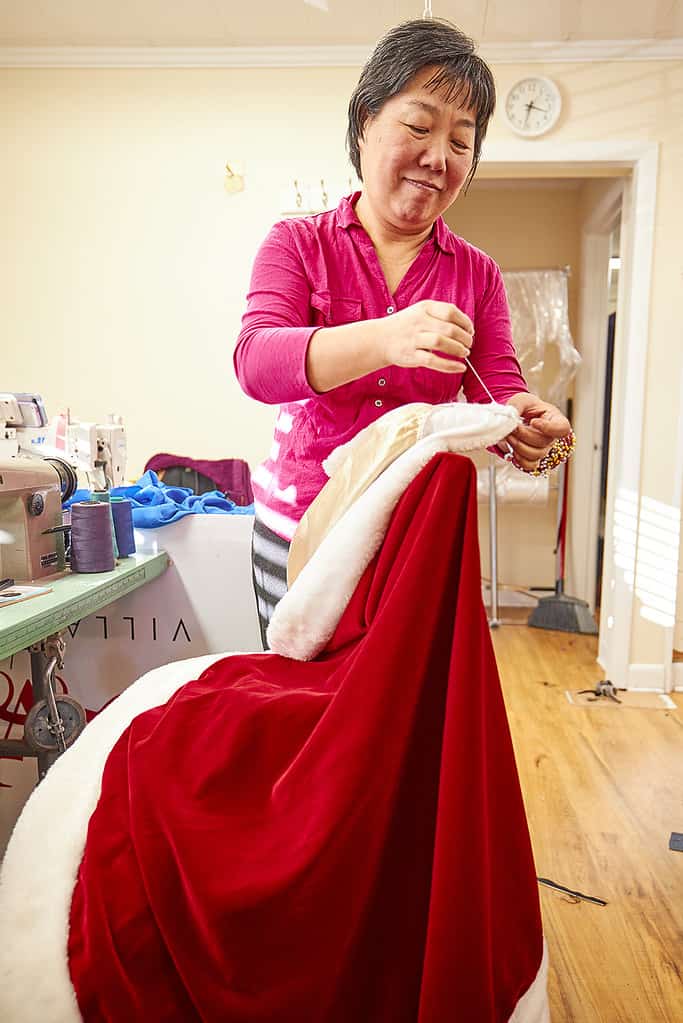
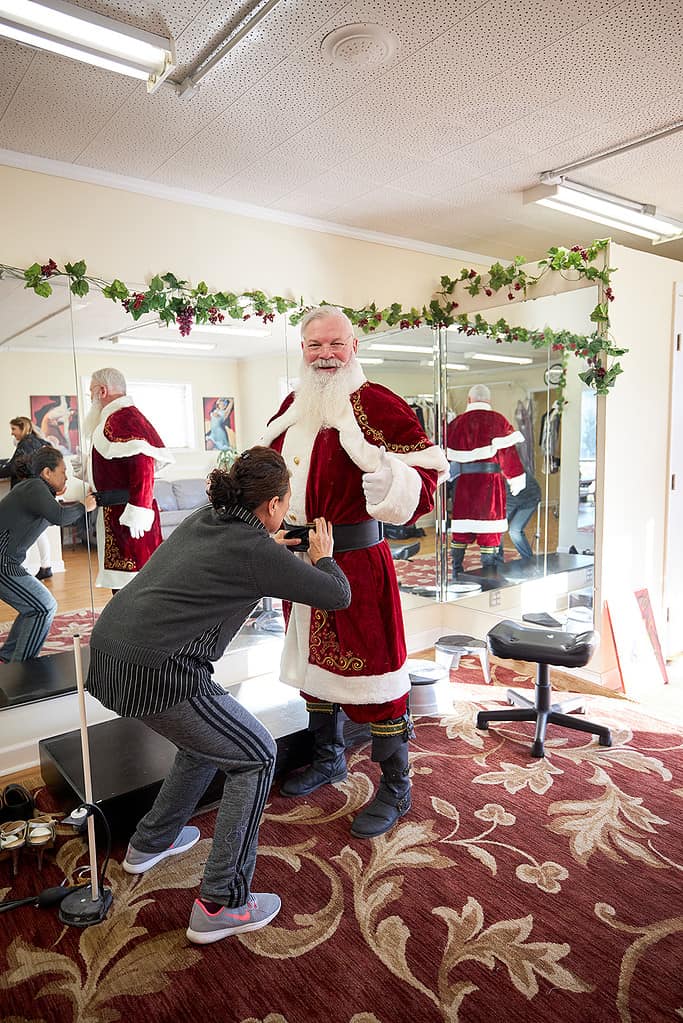
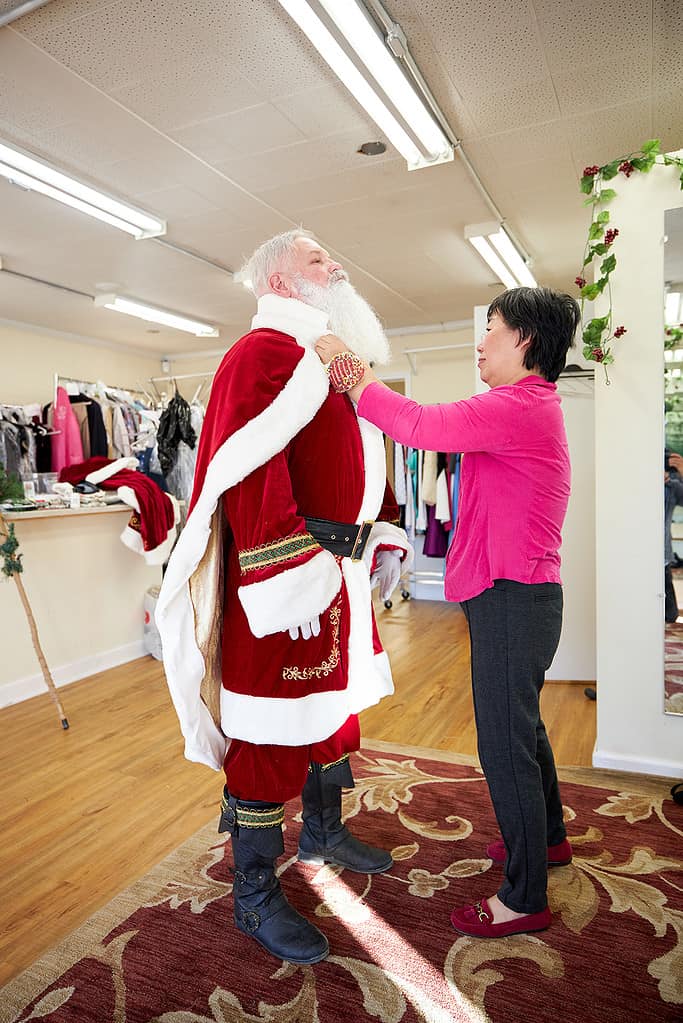
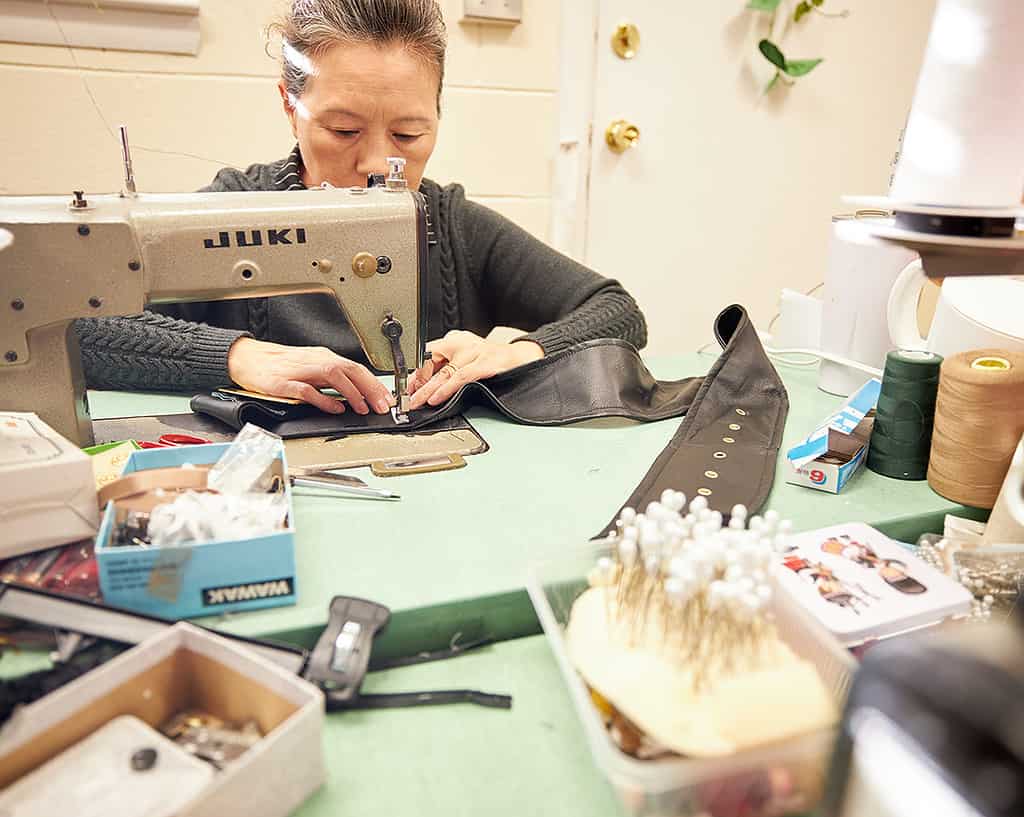
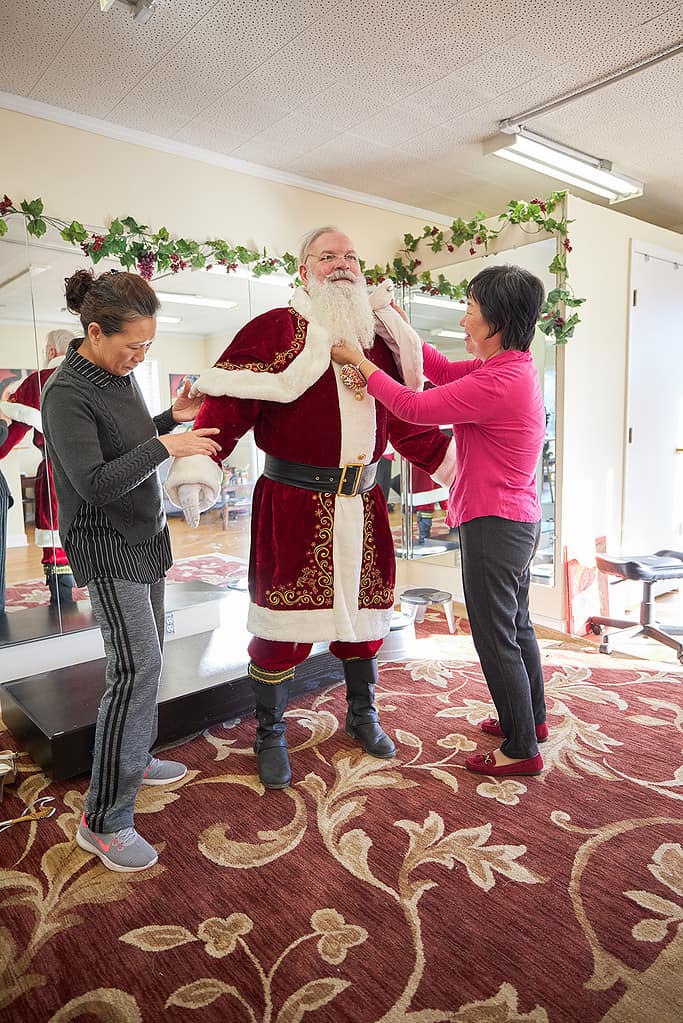
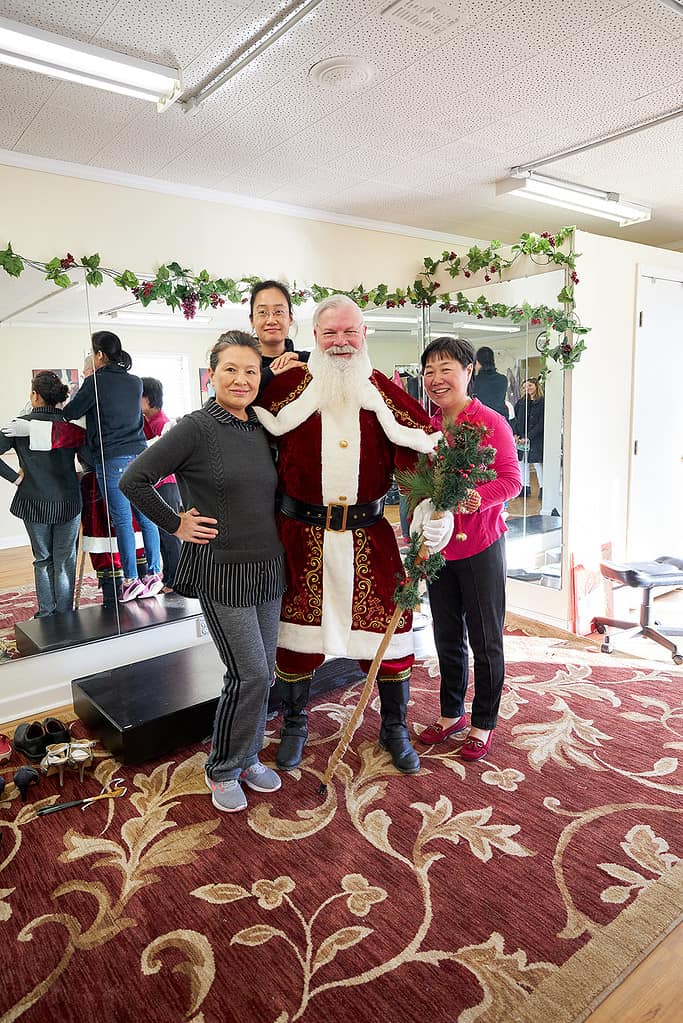
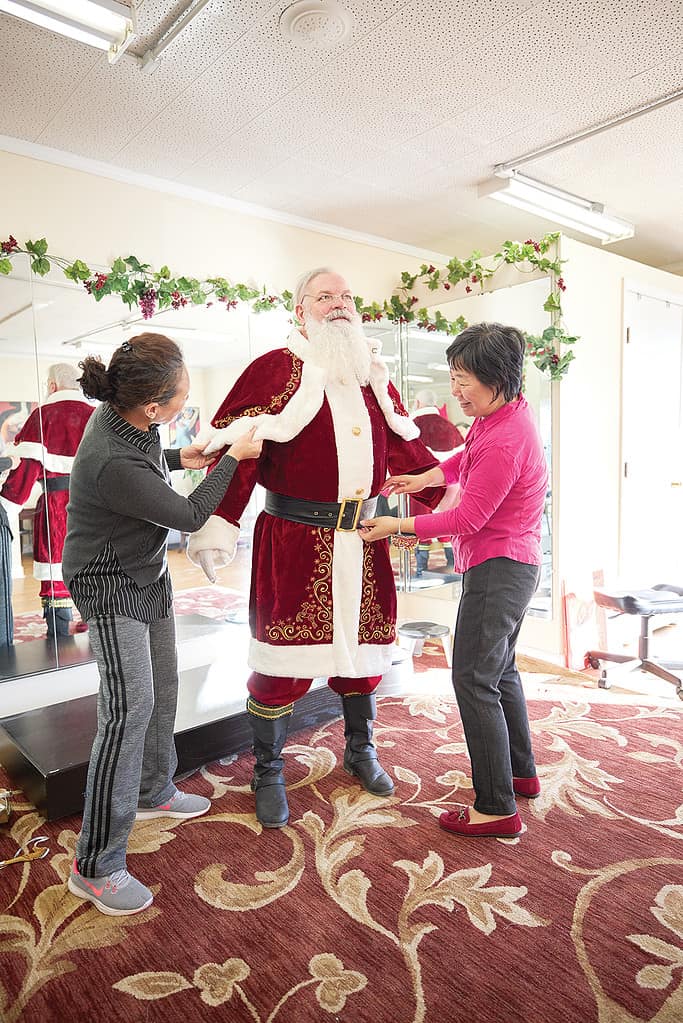
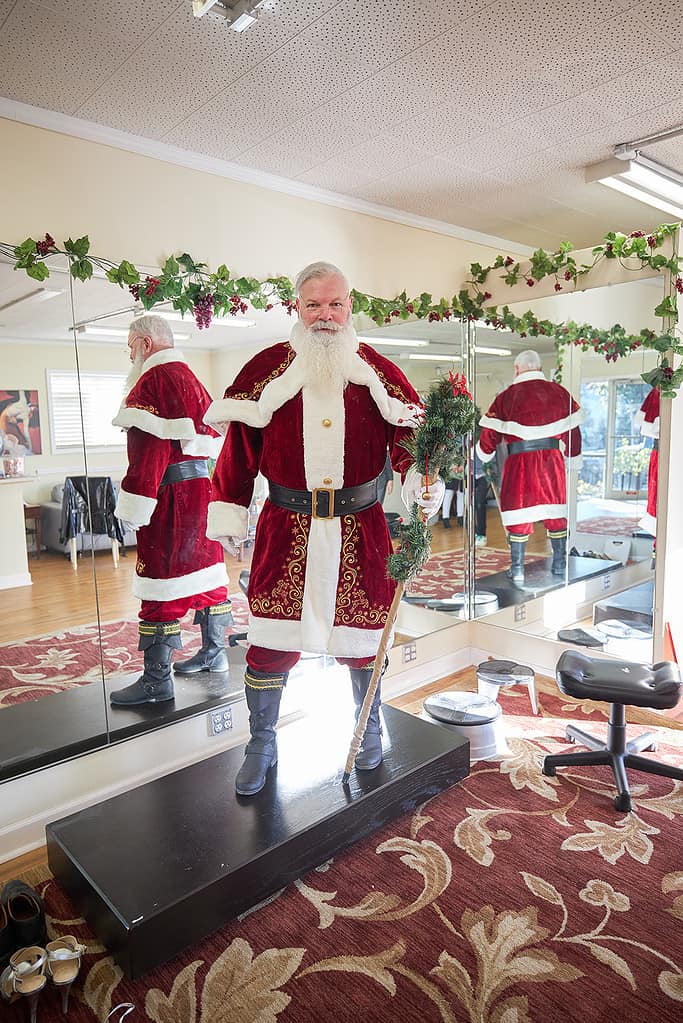
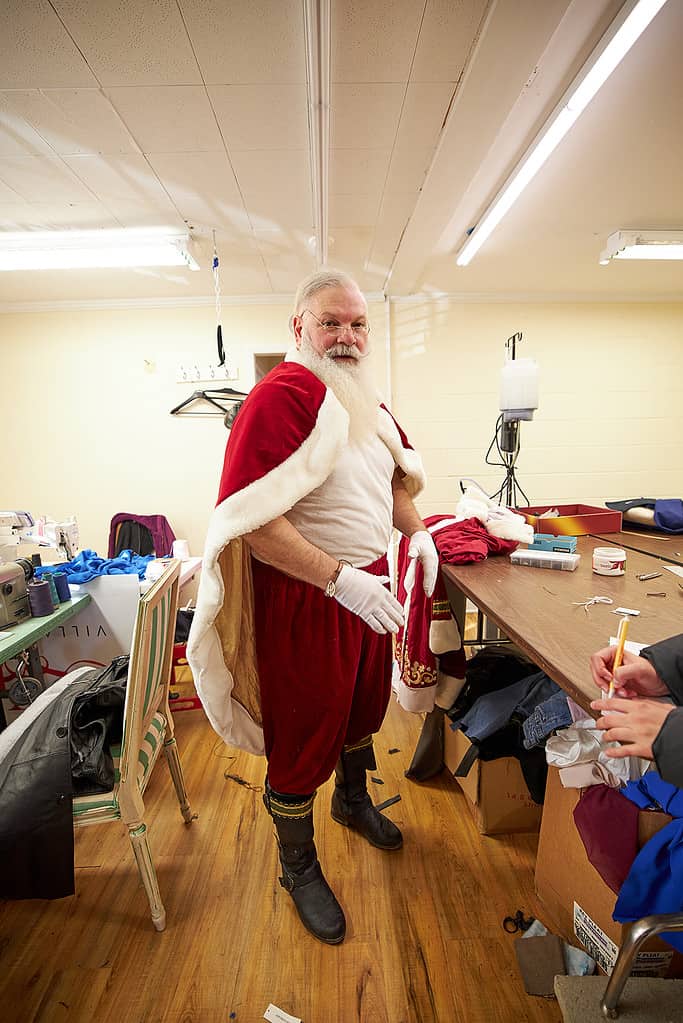
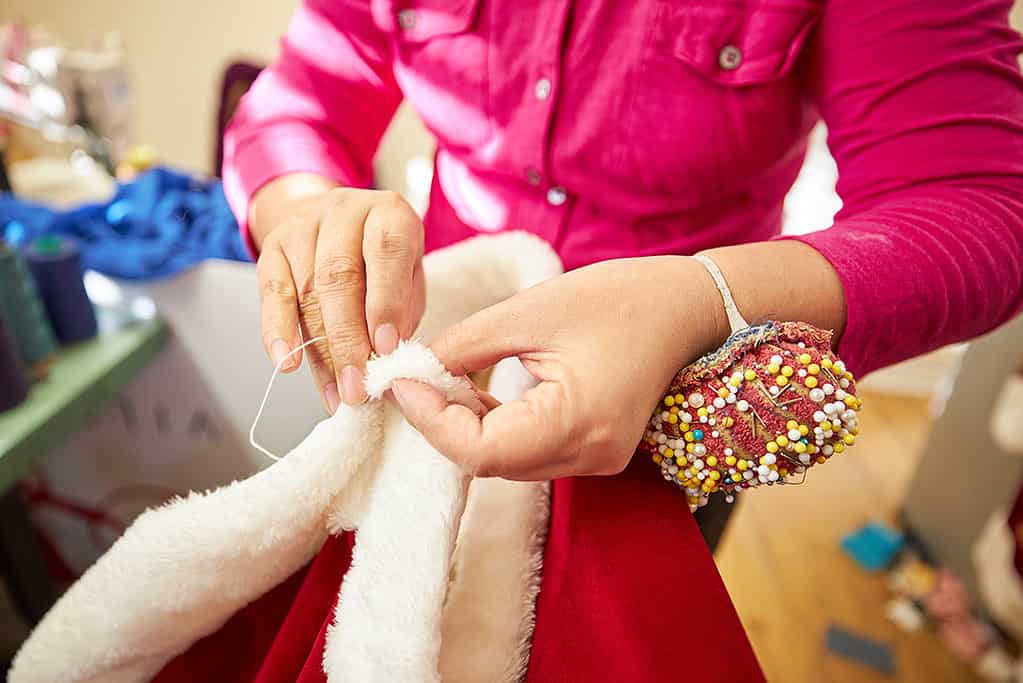
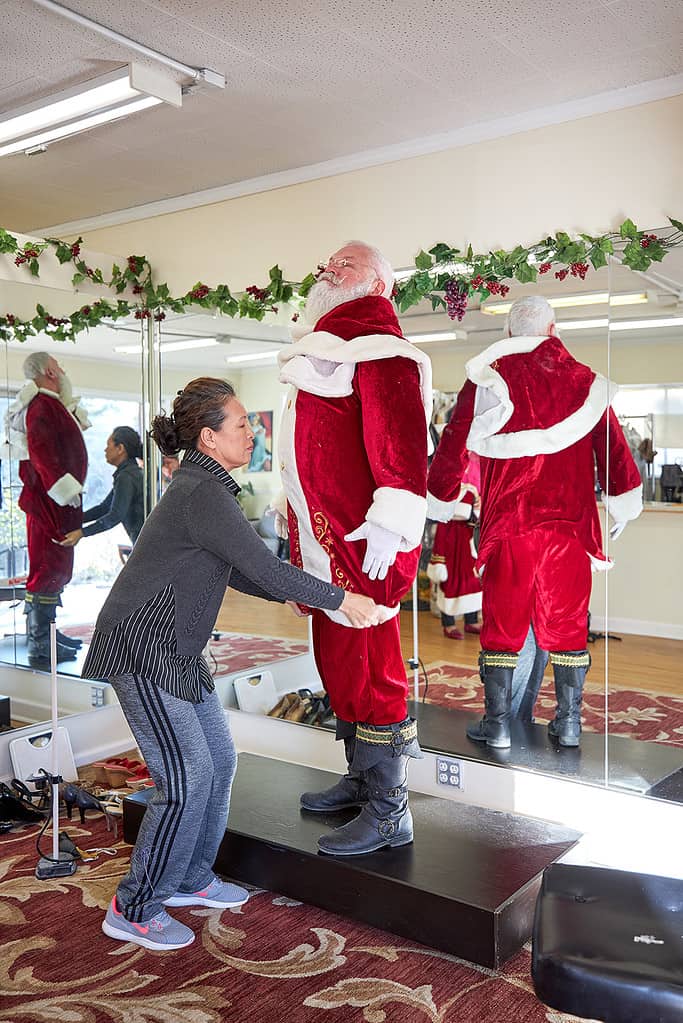
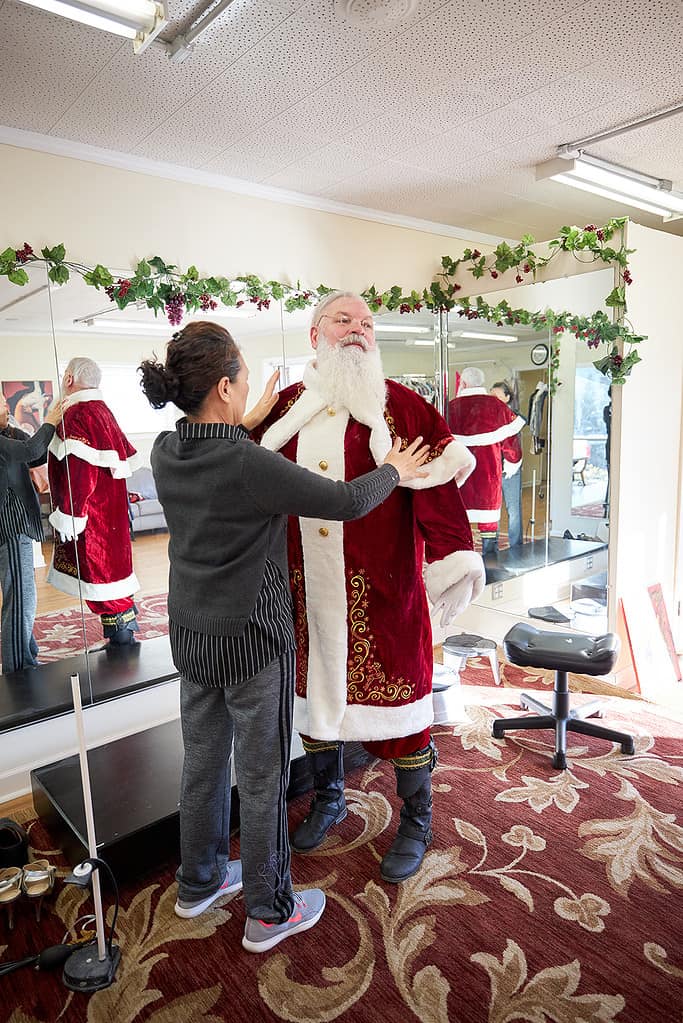
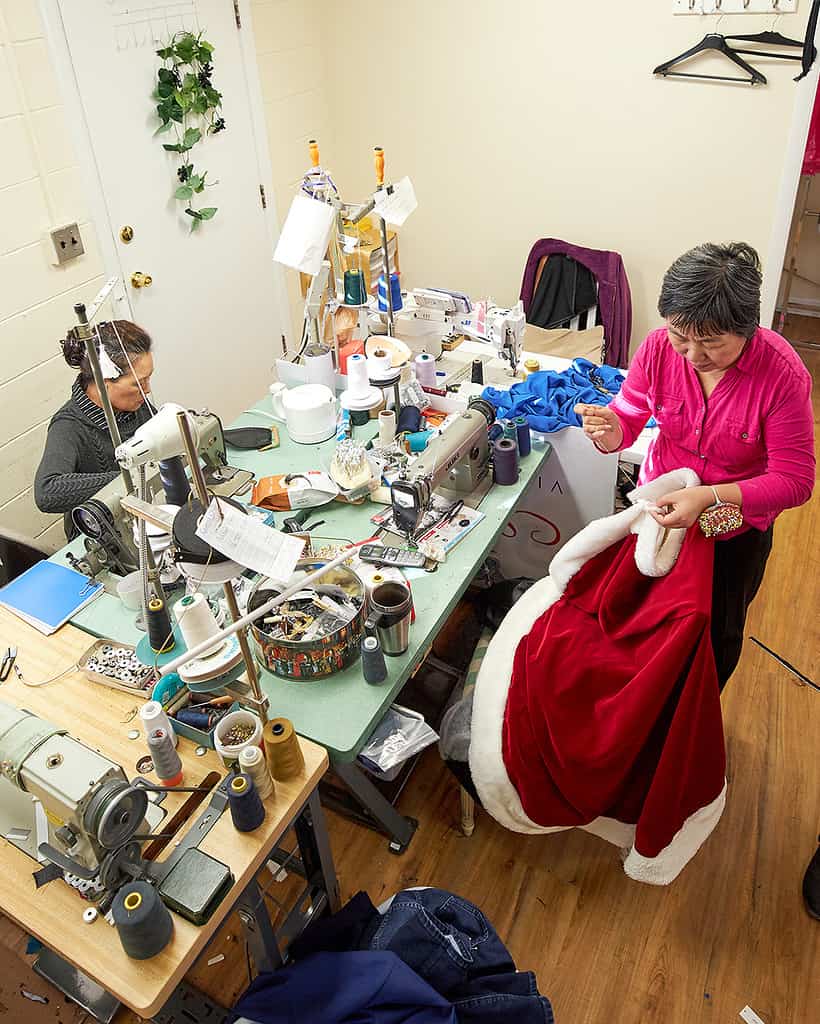
When Santa’s not delivering presents on Christmas Eve, he’s working as an engineer for Amtrak and as a bartender at Stir in North Hills; he goes by the name of JD Thomas. You’ll never find Santa’s alter ego out of “Santa-mode,” however, as Thomas is always cheery, spreading joy to everyone around him. Thomas says he was “born as Santa” but officially got into the business of wearing the big red suit five years ago, when another Mr. Claus couldn’t make it to Amtrak’s Santa Train; Thomas agreed to fill in. “Seeing those kids was so emotional,” Thomas says. “I wanted to keep doing it.” For the past three years as a way to get into character, Thomas has had his signature red suit tailored at Village Tailor on Peace Street. Owner Peggy Jin and her employees help fit Thomas into the suit, replacing buttons here and there or fabricating new accessories such as the black belt and gold inlay cape you’ll find Thomas wearing this year. Although Amtrak’s Santa Train is already sold out for the season, you can find Thomas—er, Santa—on the Great Raleigh Trolley’s Santa Express, at Stir’s Santa Brunch held every Sunday in December and at various events downtown throughout the holiday season.