Your next backyard hang is about to get a whole lot cooler. You’ll have to actually leave your own backyard, but it promises to be so worth it. Enter Crooked Hammock’s upcoming West Raleigh location at mixed-use development GlenLake, which broke ground at the end of April. The Lewes, Delaware-founded brewery and restaurant (also with a nee-2021 buzzy locale in North Myrtle Beach) is set to deliver a vibrant eat, drink, lounge, play destination next year.
“I promise you’re going to love it,” says Highwoods Properties senior VP Skip Hill. “It’s gonna be really fun—the coolest brewery, restaurant and entertainment venue that Raleigh’s gonna see here in less than a year potentially.”
And it was a match made in heaven from the jump. The designated land was originally going to be an office building, but after the Highwoods team happened upon and fell in love with Crooked Hammock, they rezoned the site. “We struck gold when we met these guys,” recalls Hill. At the same time, Crooked Hammock was looking at Raleigh and stumbled across GlenLake, immediately setting their eyes on the prize.
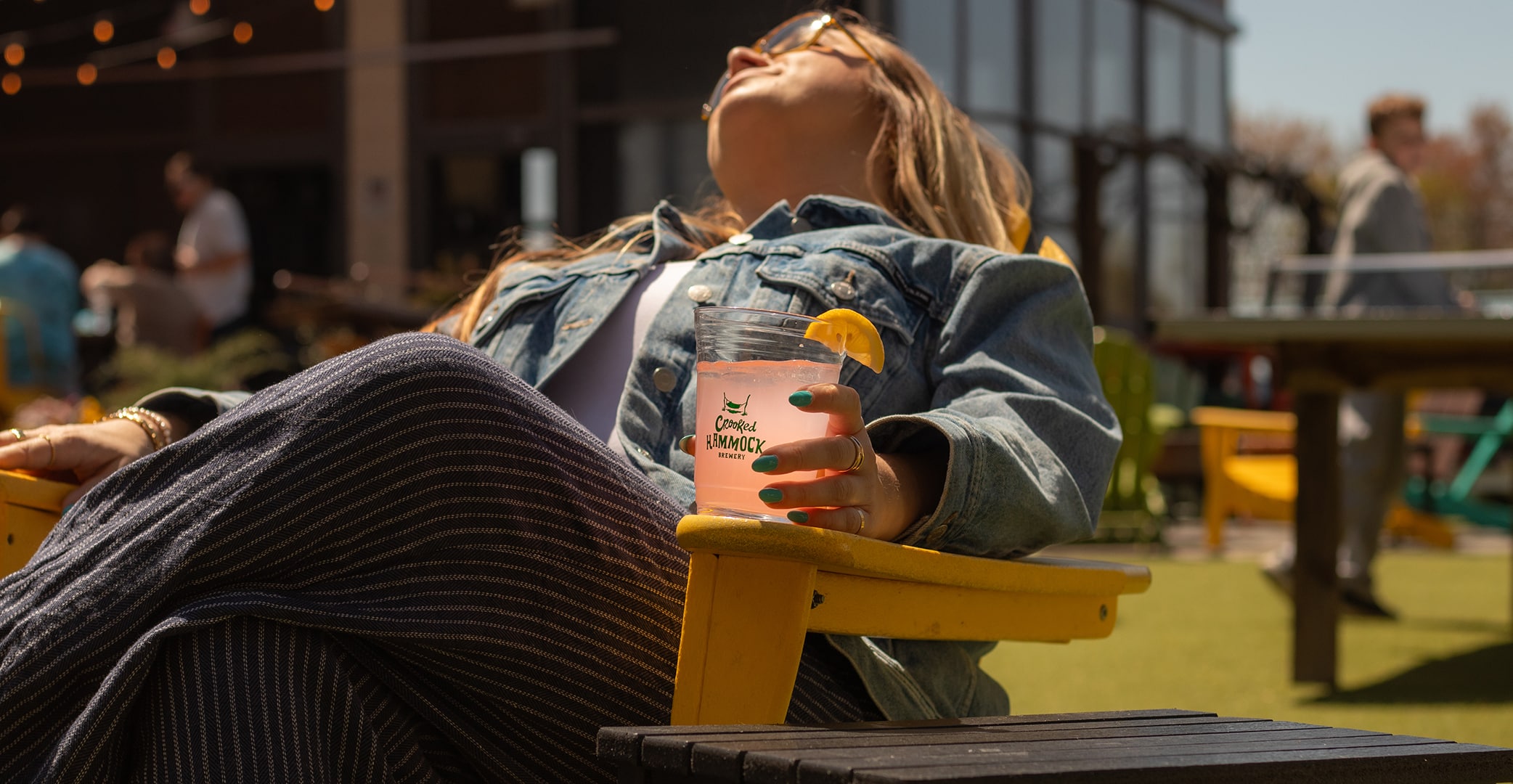
Photo by Ian Weston, courtesy of Crooked Hammock
“We love Raleigh as a community—the size of it, the community nature of it, the outdoor environment nature of it is just such a perfect fit for Crooked Hammock,” emphasizes Managing Partner Josh Grapski. “Then as we found this office park and GlenLake, the surrounding community and the unbelievably positive demographics that fit who we are, we just knew we wanted to be here.”
Not only is Crooked Hammock a big win for Raleigh, it’s a gamechanger for the entire West Raleigh/Crabtree area, which currently lacks anything of this caliber. And Grapski says it could be the biggest and best Crooked Hammock yet.
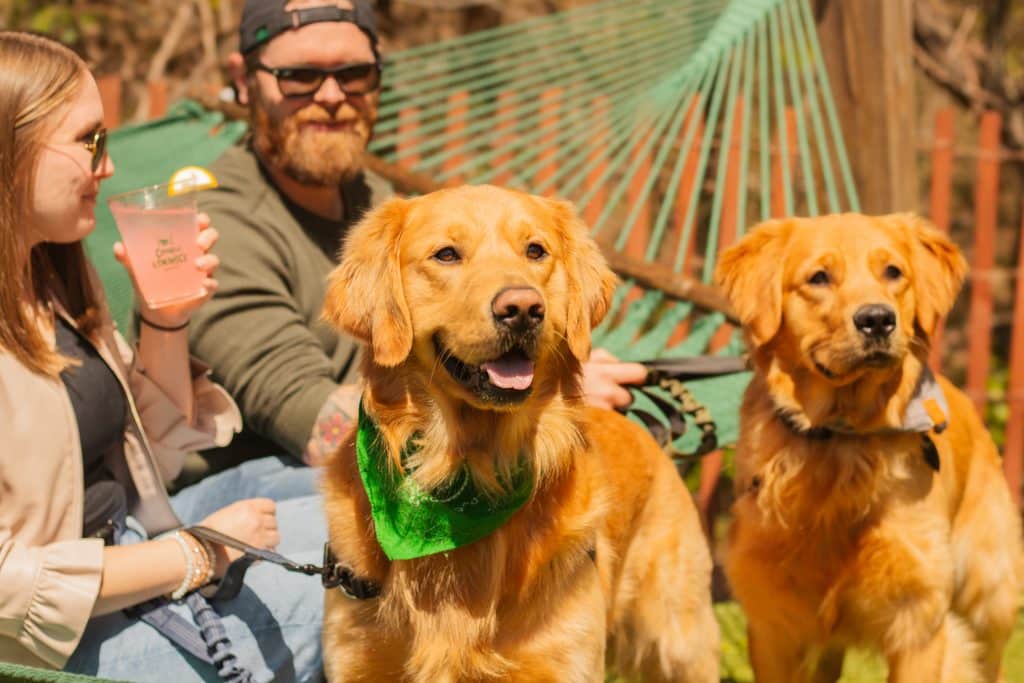
At 8,600 square feet, the location will serve up the perf pours place to “live life in full swing,” as their motto goes. Of course, the backyard will be the star of the show—complete with hammocks (naturally), cornhole and other games—flowing seamlessly into the bar/dining room space via big open garage doors. “It’s like you’re having a cookout at your house and people are coming in and out,” teases founder Rich Garrahan.
On the beverage side, Crooked Hammock will have a craft brewery on-site churning up fresh permanent and seasonal beers, seltzers, and hard teas—with wine, creative cocktails and NA bevs also on offer.
Photo by Ian Weston, courtesy of Crooked Hammock
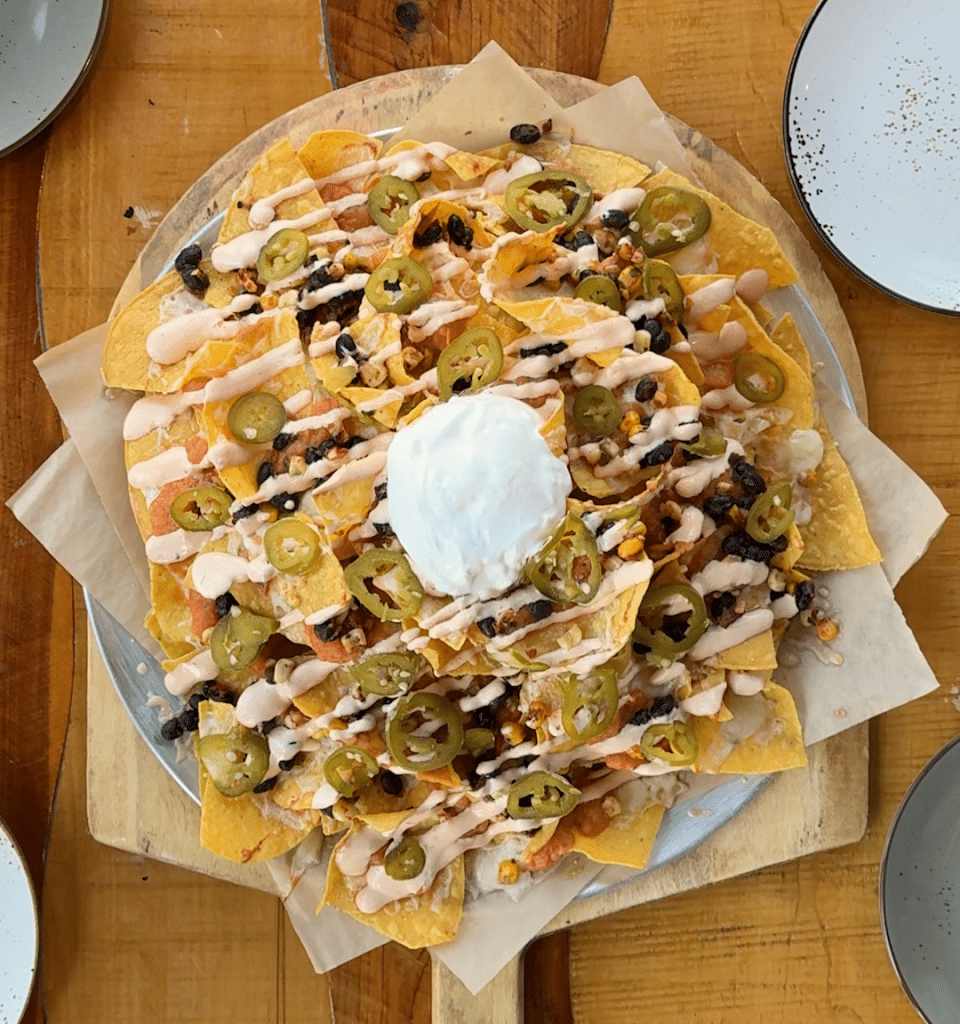
This isn’t just about what’s on tap—the food’s a major player too, with high-quality fare that rotates ~10 times throughout the year featuring popular ops like burgers, nachos, pretzels and dips (think spinach-artichoke, avocado and crab). “We’re really proud of our entire menu,” maintains Garrahan. “We think the community here is really gonna love it and embrace it and enjoy what we’ve been working so hard to create.”
Ultimately, the sky’s the limit at Crooked Hammock, offering a “place for anyone to just get away from the everyday,” adds Garrahan. “Whether it’s work stresses, family stresses or just your own personal stresses, coming to the Hammock and cracking open a cold beer and hanging out and laughing with friends and family is really the spirit of what we’re all about, the foundation of our brand and our culture.” In short, Crooked Hammock isn’t just bringing a brewery to town—it’s bringing a vibe and igniting the community… and West Raleigh is about to be better for it. crookedhammockbrewery.com
The latest local news nuggets you need to know now.
WHAT’S HOT
It’s a dream come true…? Per N&O, the City of Raleigh and Live Nation are in talks to continue hosting a music festival at Dix Park following the fifth and final installment of Dreamville Fest—potentially under the same name.
RDU is taking flight! Five airlines are introducing 14 new routes beginning April 11, including nonstop flights to Bermuda, Kansas City, Dallas, Detroit, Nassau and more.
Call it a glow-up—Raleigh Fire Department’s Station 7 closed March 31 for renovations, including improvements like new windows, bathrooms, showers, flooring and LED lighting.
With its 7.8 million square feet of industrial space currently in development, Raleigh was named No. 12 among markets with the most industrial real estate under construction at the beginning of 2025, with current inventory expected to expand by 6.5%.
“Bigger Play, Brighter Futures.” Marbles Kids Museum launched the public phase of its first-ever Capital Campaign, which will fund the completion of a two-story addition feat. a new one-of-a-kind exhibit, a classroom for educational programming and a rooftop playscape—plus the beautification of the Blount Street exterior façade.
Always standing on business. … Raleigh ranked in the top 10 best cities for young entrepreneurs, determined by such factors as coworking affordability, wage and tax data, internet infrastructure, cost of living, and personal income.
Pay up! A recently released study evaluating tolls as part of the Capital Boulevard Improvement Project recommends easing traffic congestion by removing stoplights and creating highway interchanges, with upgrades beginning in 2027.
RDU Airport’s consolidated rental car facility is in a (traffic) jam, as the plan is being ditched due to rising costs. Other options are being explored.
RIP. Former Harlem Globetrotter, actor and tallest man in America George Bell—standing at 7’6’’—passed away in Durham at the age of 67.
The U.S. Department of Agriculture is canceling $500 million in food deliveries for food banks and pantries across the country, resulting in a decrease of such nutritious items like chicken, eggs, milk and cheese.
WHAT’S NOT
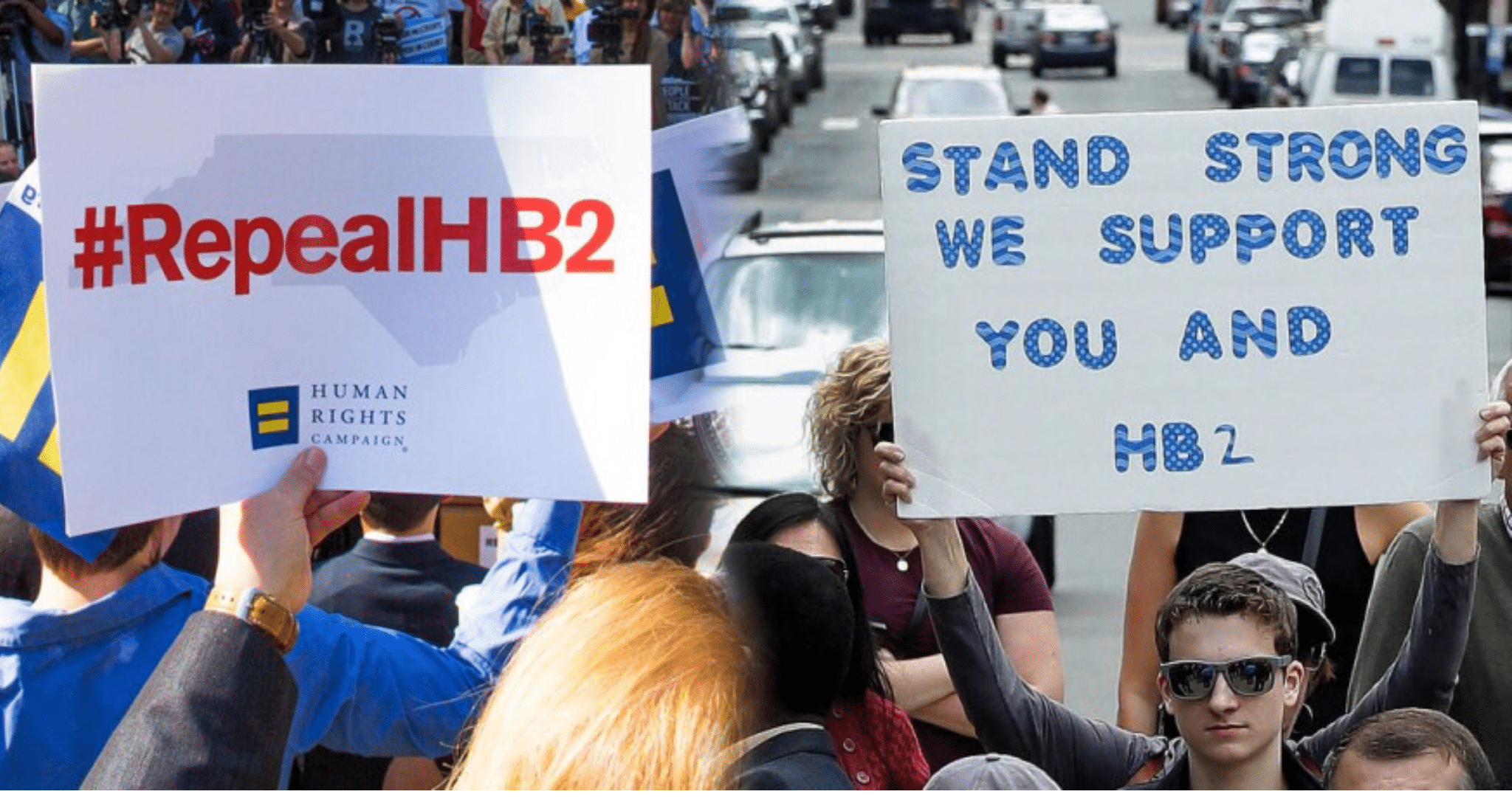
The Bathroom Bill is back. NC Republican senators have introduced a bill similar to 2016’s HB2 dubbed the Women’s Safety and Protection Act that bans transgender people from using a bathroom affiliated with their gender identity at facilities like schools, prisons and more.
Developers craft a dynamic balance of tenants with intention.
“We’re trying to be intentional—instead of just leasing the space to the first person who shows up and says they’re interested.”
So says Highwoods SVP and Raleigh Market Leader Skip Hill of a new wave of competitive—and deliberate—placemaking to ignite energy and create spaces people want to frequent. So, in essence, ushering in a new era of developers shopping for specific concepts to fit the exact vibe they’re seeking, where the “play” component ensures people will want to live, work and hang there.
Local restaurateurs like Matt Bettinger, owner of Cary’s Hank’s Downtown Dive and SideBar, have seen this shift firsthand. “The larger developer scope seems to be more rigid in terms of expectations,” he says. “There’s a lot less flexibility. You’re seeing a lot more, ‘We want coffee service. Or ‘We want this to include cocktails.’”
That’s precisely how it played out for Highwoods’ Charter Square building, where they began scouting an all-day cafe for the former B.GOOD space to entice people back to the office. Enter popular Sir Walter Coffee’s vibey cafe-meets-cocktail bar with a second intentional interior entrance that flows into the lobby.
“It’s not just a one-off disconnected restaurant, it’s a part of the life of that building,” says Hill of the thoughtful approach. “And that building now becomes part of the life of Downtown—because Sir Walter brings community to the area there.” He adds the same goes for Birdie’s, which recently opened—and is already igniting—the opposite end of Fayetteville Street from its perch on the ground floor of Highwoods’ 150 Fayetteville.
Continuing that shift to evoke a specific ethos, the ground floor of Kane Realty Corp.’s highly anticipated Dix Park-proximal Rockway development blends amenities like BK Pilates and Benchwarmers Bagels’ expanded menu of pizzas, sandwiches and cocktails to yield an attractive destination.
Likewise deliberate in their approach, the development team behind DTR mixed-use 400H, including Raleigh’s own HM Partners, sees its ground floor as essential to its success. They passed on a sushi spot for sheer surrounding sushi density, determining Press Coffee, Crepes & Cocktails fit the vibe and operational model for the building, says HM Partners Managing Partner Gregg Sandreuter.
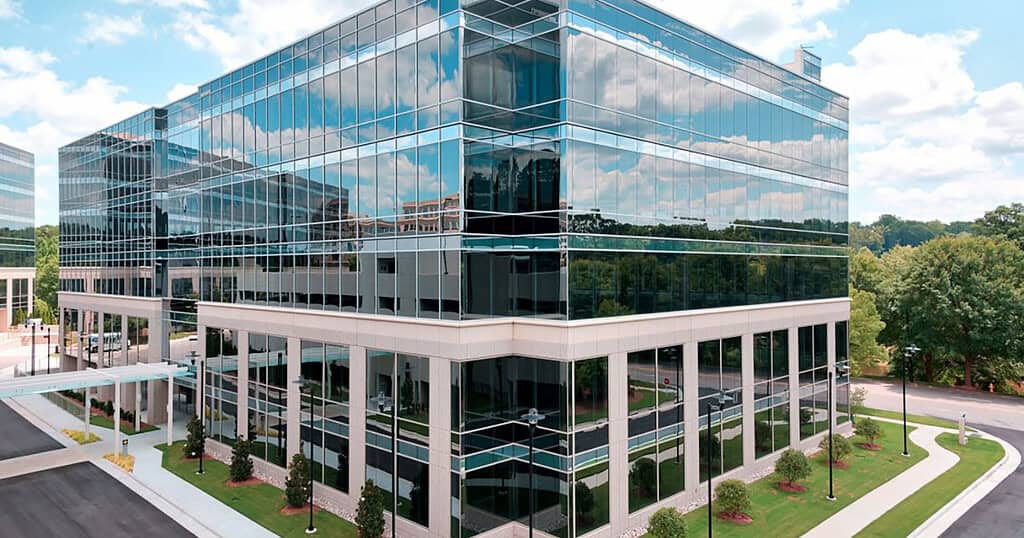
And uptown, Hill is looking to bring a similar curated cast to Crabtree Corridor’s GlenLake via upcoming Wong’s Tacos, Crooked Hammock Brewery and a coffee shop in the works. But “it has to fit,” he emphasizes.
GlenLake photo by Brian Mullins Photography, courtesy of GlenLake
It’s a tango felt on both sides of the concept curation. Bettinger himself got a taste of this approach when he pitched a concept for the former Ladyfingers location in Highpark Village. “We were kind of thinking on our feet. We saw the space and knew we liked it, so we put together what we thought would be a lot of fun,” he says.
But when the lease ultimately went to DC-based Michelin-lauded Timber, Bettinger wasn’t discouraged. “To be honest, it looks great—I think it’s going to be a nice addition,” he emphasizes. “I totally see how, if you own the property and you’ve got a couple people vying for it, you would pick the group saying, ‘We’ve got this system that’s worked up here, and we think it’ll work there.’”
But one rejection isn’t stopping Bettinger. He’s still keeping his ear to the ground waiting on his perfect match. “You’ve got to be OK with hearing ‘this doesn’t fit here’—even if you think it’s a great idea,” he maintains.
While competition is fiercer than ever, it also makes room for more creativity, says Bettinger. “I think it provides challenges,” he adds. “But hopefully it makes for healthy competition.”
Built on the concept of community, Birdie’s will have you flocking to 150 Fayetteville Street from sunrise to moonrise for any and every reason and season or no reason at all when she spreads her wings Oct. 7.
Gorgeously outfitted, every ornate inch of Birdie’s is an ode to Raleigh’s stunning future and rich Southern hospitality. From suits to sneakers, all are welcome. “Our North Star for Birdie’s to be the table our community gathers around as we work to revitalize and reinvigorate Fayetteville Street, our Main Street of Raleigh,” says Amber Moshakos, president of family-owned LM Restaurants. “We are very thoughtful and carefully planning for how Birdie’s will remain approachable to our neighbors and our community.”
Suggesting a new era in hospitality behind decades of decadent concepts dishing tiny food and big bills countrywide, Birdie’s joins La Terrazza, Timber and a wave of upcoming concepts in Raleigh cooking up a new-age recipe blending accessibility with good food and approachable prices, all against a beautiful backdrop demonstrating equal-opportunity elevation. Read: With attainability at its very core, the grab-and-go meets full-service come-as-you-are-for-whatever-you-could-desire outpost is versatile and viable for everyone. A space where workout ’fits, weekday wardrobes, weekend attire and even wedding garb (think rehearsal dinner in the private dining space) are all wonderfully welcome for snacks on the go, drinks at the bar, a Birdie’s Backyard hang or business meeting.
A love letter to North Carolina, flavors and partnerships—including plans in the works for local coffee—intentionally nod to the great North State and Raleigh.
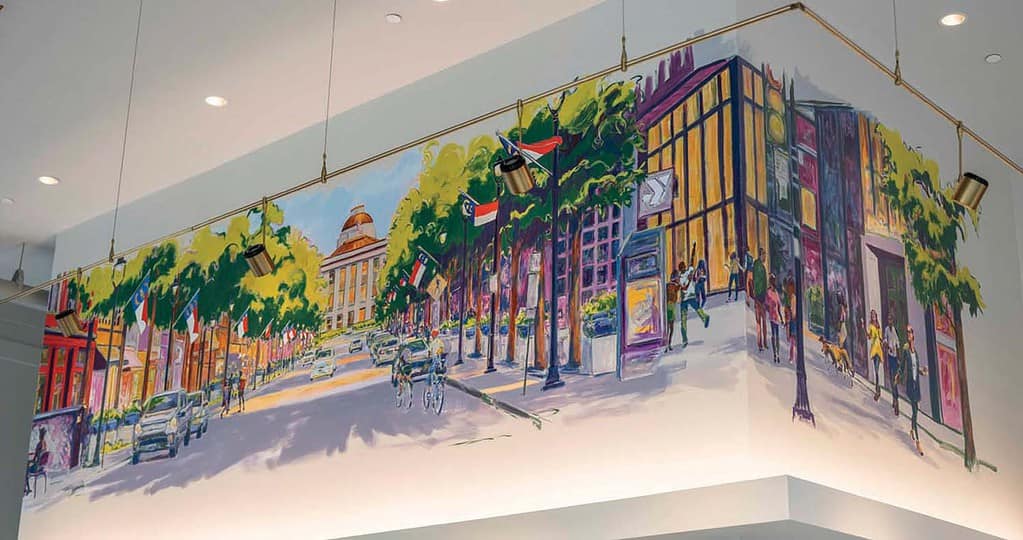
You may even find your likeness on Birdie’s wall as brilliant local muralist Autumn Cobeland took inspiration from passersby as she painted, incorporating them into her Main Street mural. “We are thrilled with this collaboration as her style brings a colorful and vibrant perspective of Fayetteville Street,” says Moshakos, nodding to Cobeland’s brushstrokes around town from the library to the walls of REI.
Photo by Sean Junqueira
Bringing to intention Highwoods SVP and Raleigh Market Leader Skip Hill’s longtime promise to energize and activate “the most important street in NC,” and, specifically, the north end (making it “the cool place to be”), Birdie’s Backyard delivers with that first day of summer feeling all year long. Flowing from the rollup garage door behind the bar, the patio is complete with shaded space, fans and heaters—where green grass, tables, swings and casual cool vibes merge blue skies. An alfresco oasis just waiting to be everyone’s new fave hang, look for live music, movies and plenty more reasons to hang out in DTR under the night sky(scrapers).
And bridging the gap for every meal, meeting and moment, Birdie’s private dining answers the call for elegant private dining, business and meeting space in the Central Business District via versatile space accommodating up to 24 under a glinting chandelier and against the beautiful backdrop of Blue Ridge Mountain-inspired wallscape.
An ode to the Ella Fitzgerald-ness for which she’s named, Birdie’s is a vibe that promises to unite the community and resurrect the Capitol end of Fayetteville Street with one fell swoop. birdiesraleigh.com
Like a virtual corn maze, maneuvering Raleigh’s ever-growing amount of DTR lots and apps can be overwhelming—but how did we get here? And how do we navigate it?
Ask any Raleigh resident their feelings on going Downtown and you’ll hear the same narrative: Figuring out where and how to park and pay is the worst. Read: an overwhelming maze of public and private parking options people would sooner skip than solve—especially given the costly consequences.
You know the drill. You’re endlessly circling for a street spot before giving up and pulling into a private lot, where you’re forced to find or download yet another parking app to then get gouged for $20—only to return some five minutes late to a ticket upward of ~$125. Such scenarios are playing out across DTR on the daily, prompting residents and visitors to weigh venturing Downtown—where every lot is a puzzle of rates and rules—against alternative live-work-play districts dishing plenty of free parking (think North Hills, Village District, Fenton—though those areas can come with their own lot battles and endless hunts).
So, how did we get here? A quick refresh: Longtime Raleighites may remember the infamous McLaurin Parking monopoly. Rolling out their empire in 1948 on South Salisbury Street behind the Sir Walter Hotel, the McLaurin family was the name in NC parking for 70 years—managing both public and private parking locally, including a city contract of 8,000+ parking spots.
Fast-forward to 2017 when the McLaurins sold their parking conglomerate off to The Car Park of Boise, Idaho. From there, enter the swath of parking management czars we love to loathe today—including Secure Parking, ParkMobile and more. And, with them, the exorbitant rates and fines—aka the measly ~$18 private parking violation from 2015 has septupled to up to $125, with hourly rates currently clocking in at $6+.
Despite the melee, DTR’s popularity peaked this summer, seeing its highest post-pandemic monthly foot traffic. Still, parking accessibility remains a hot-button topic to keep Downtown thriving—and the exorbitant fees, fines and frustration have yielded new efforts to curb the parking fluster.
One idea currently being kicked around includes making the first two hours of public parking free in city-owned garages. “The matter is still under consideration,” explains Parking Superintendent John M. Wynn.
And contrary to public perception, Downtown is actually overflowing with available parking options. “Current supply of parking, particularly off-street, is plentiful and more than meets current demand,” says Rob Murray, communications analyst for the City of Raleigh Transportation Department. And as “private developers are including parking to support their projects, the City of Raleigh does not anticipate building new parking.”
And they shouldn’t. Almost one-third of DTR is off-street parking, easily overshadowing the national average of 16%. So, ultimately, it’s a matter of education and accessibility—from knowing where to park for cheap to navigating the sea of parking apps.
Private vs. Public Lots
The cardinal rule for Downtown parking: Always opt for street and city deck parking. For starters, there’s the convenience. Street parking can be paid on-the-go via the Passport Parking app, and these spots, as well as city-owned parking garages and lots, are cheaper by the hour—not to mention city citation fines start at just $15 if paid immediately. It’s in your best interest to handle city-issued tickets promptly to ward off escalating fines and the boot—which the City can enforce once any vehicle racks up three 90-plus-day-old unpaid citations.
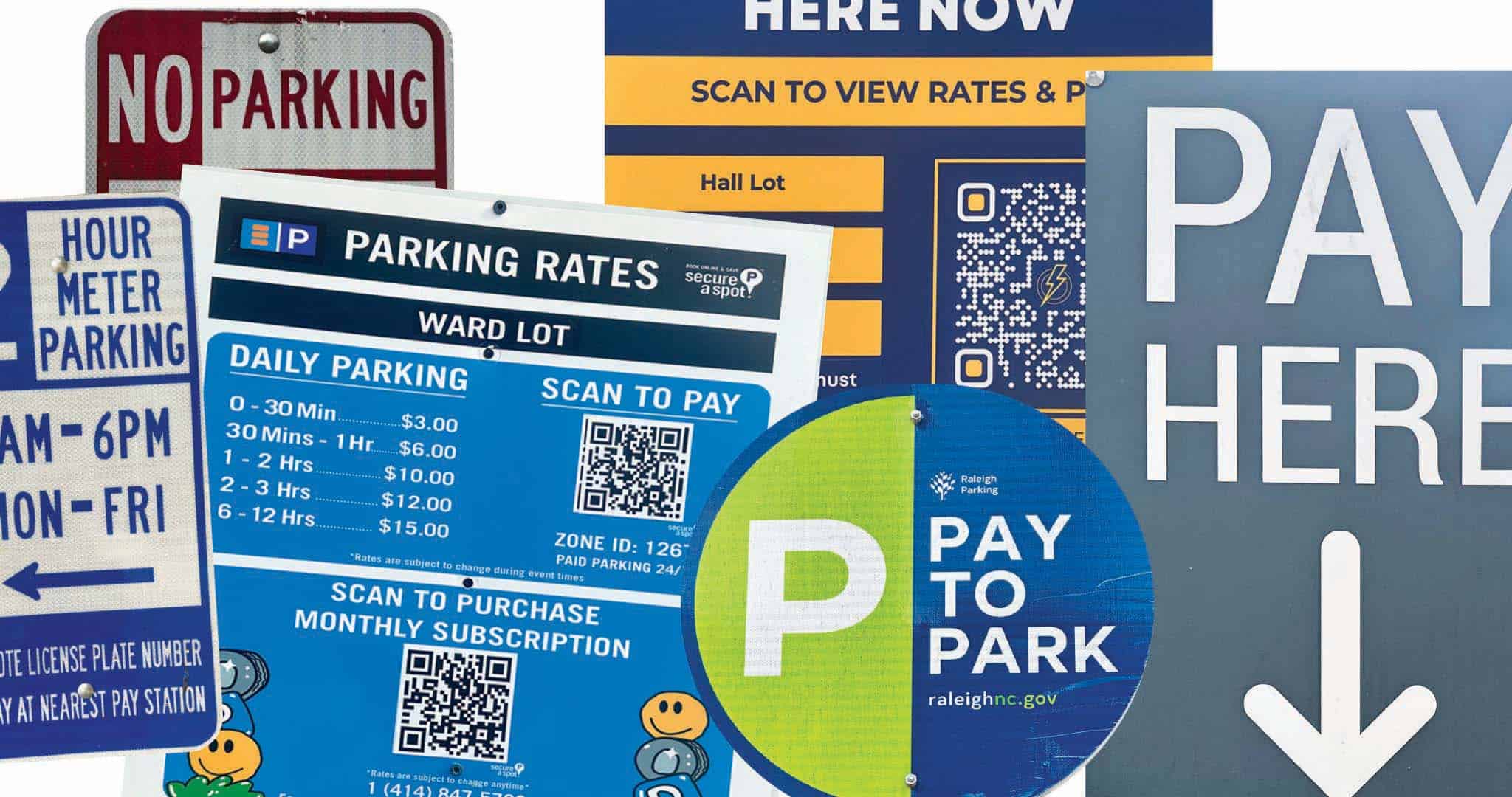
Private lots, alternatively, are infamous for pricey parking, camera-tracking cars and sky-high fines. Beware of multimanaged lots boasting confusing signage with a riddle of QR codes. While they arelegally required to specify which spots are which, it’s your job to figure it out based on your colored wheel stop (aka that concrete block at your front tires).
The lack of legislation involved with private lots has its pros and cons. While it means repercussions for unpaid citations are harder to enforce, it also means lots can charge any amount they wish for hourly parking and violations—and there are few laws defending you when a problem arises. In fact, certain law firms won’t even touch private parking tickets.
And because the number of citations issued is so high, parking ticket scams are more common in private parking lots—especially ones using QR codes to collect payment. Pro tip: If a ticket requires payment via reloadable debit card or wire transfer like Cash App, Zelle or Venmo, it’s a fraud. Always visit the website listed before paying to confirm it’s legit.
Beyond scam alerts, navigating the private lot violations is often overwhelming, including receiving aggressive letters in the mail threatening to impound or immobilize your car a mere 60 days post-ticket. (Don’t forget: Your plate is tied to your home address—and they will find you.) While the parking company cannot hunt down your car and tow it from just anywhere, they can legally tow or boot your vehicle the next time you park in that lot or another lot they manage. While these arguable scare tactics prove obnoxious and stress-inducing, private lots are private property—and if you break the contract (aka the terms and conditions you opted to skip over) the companies are legally permitted to defend themselves—even if it feels predatory.
According to The Car Park VP of Marketing Cory Collins, who manages several private and public lots in Raleigh, violations are not given a flat rate—but based on the offense. “We believe strongly in the importance of keeping an ADA parking space available for those who need it,” explains Collins, “so the violation for parking in an ADA space will be more than for expired time.”
Although The Car Park doesn’t use a collections agency, they, like all other private lots, reserve the right to. “The majority of our revenue comes from folks paying for parking, not parking violations,” adds Collins. “Enforcement is about keeping parking accessible and fair. … Most people choose to do the right thing and pay the violation if they owe it. We’re often lenient and work with folks when there’s a reasonable mistake that’s led to the violation.”
Pro Tips:
Ensure the parking spot color correlates with the color on the sign you scanned.
Verify how long you paid to park in the lot
Camera recordings mean mailed tickets if you try to play the system.
Don’t pull into a private lot at all if you don’t plan to park there
How Raleigh Stacks Up
Fun fact: Relative to other comparably sized cities, the City of Raleigh’s fine is extremely low, starting at just $15—and only charges for Downtown street parking from 8am to 6pm. Meanwhile, cities like Nashville and Kansas City charge to park on the street around the clock, and Sacramento charges $62.50 for parking violations. Ultimately, pricing, fees and location are parking problems that any healthy, thriving metropolis must tackle. So how have other cities handled these growing pains?
What Not to Do:
Pricing based on location. Like Raleigh, New York City uses an app so drivers can pay for parking “in a New York minute”—but, unlike the City of Oaks, metered parking can cost up to $13/hour. Hence, most New Yorkers opt for public transit.
Privatizing more parking. After the infamous $1 billion deal in the midst of the 2008 financial crisis giving private firm control of all metered spots and pricing, Chicago must now buy or rent street spots back if they want to build a bike lane or host a street fair.
Require parking minimums.Atlanta aimed to tackle parking problems via minimums to ensure enough spots for all. Instead, many lots sit vacant on the busiest nights, thus driving up the cost of living, creating heat islands and resulting in lost city revenue.
Best Practices:
Progressive pricing. To increase parking turnover, Austin’s on-street parking is adjusted by the hour—first two hours, $2 each; third hour, $1; each subsequent hour, +$0.50 more than the last—with an hourly maximum of $5.
Collaborative parking.Houston’s Community parking plan expands curb parking, allowing permitted residents and employees to park in metered spots, plus nonpermitted visitors for up to three hours.
Extensive research. In response to the higher demand for parking in its two main districts, Charlotte is slated to implement infrastructure changes based on the research from its 139-page strategic parking plan including studies of 15+ other cities.