It’s the end of the buzz (as we knew it)—and the bar business is adapting.
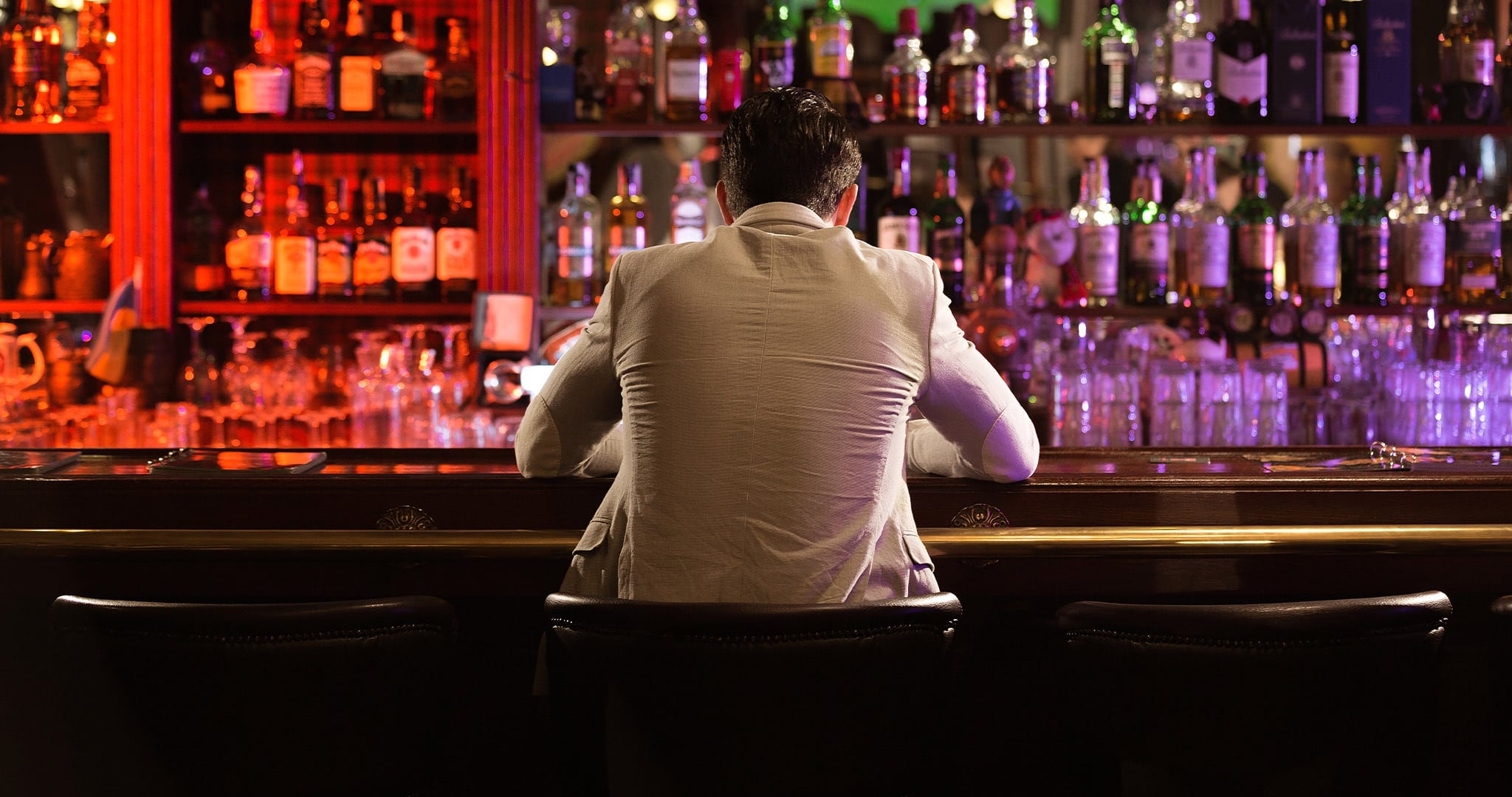
In sobering news, the alcohol industry has lost more than $830 billion in market value over the past four years. Not to tariffs or interest rates. Not to regulation or prohibition. But to a generation that simply stopped drinking the way its elders did.
A Bloomberg index tracking 50 major beer, wine and spirits producers is down 46% from its 2021 peak. Meanwhile, according to a 2025 Gallup study, U.S. consumption has fallen to its lowest level since 1939—lower than postwar America and the Great Depression era. On paper, it reads like an obituary. Cue the panic.
But the numbers don’t tell the full story. Roughly half of adults under age 35 still say they drink—50% of Gen Z, compared with 56% in each of their older generations. So what gives?
The catch is how those polls measure behavior. You either drink—or you don’t. Someone who has one glass of wine a month—or even a year—shows up the same as someone closing out a bar tab every Friday and another who takes down three cocktails a night. They look identical in a survey. They do not, however, show up the same on a balance sheet.
Follow the money, and the narrative flips: Millennials, Gen X and Boomers still clock nearly dead-even on annual alcohol spending—about $25B each. At the other end of the bar, Gen Z is pulling way back (though, to be fair the youngest Zer is just 17). But fewer young drinkers doesn’t mean fewer drinkers, full stop. It means the center of gravity is shifting upward in age, income and very different definitions of a night out—forcing the bar business to adapt in real time.
While they have earned their reputation as the “drunkest generation” in terms of consumption behavior—never mind normalizing the craft cocktail craze, brewery culture, natural wine obsessions and destination drinking long before sober curiosity became de rigueur—they weren’t drinking alone. Gen X and Boomers are still sidled up to the bar right beside them—and increasingly, they’re the ones keeping the lights on. In dollars spent, those 46+ are now just as central to the industry’s bottom line.
That matters because older drinkers don’t just drink differently—they spend differently. With higher disposable incomes and deeply ingrained habits, they’re more likely to linger, trade up and prioritize experience over price point. Fewer late-night shots. More reservation-worthy cocktails, curated wine lists and destination dens.
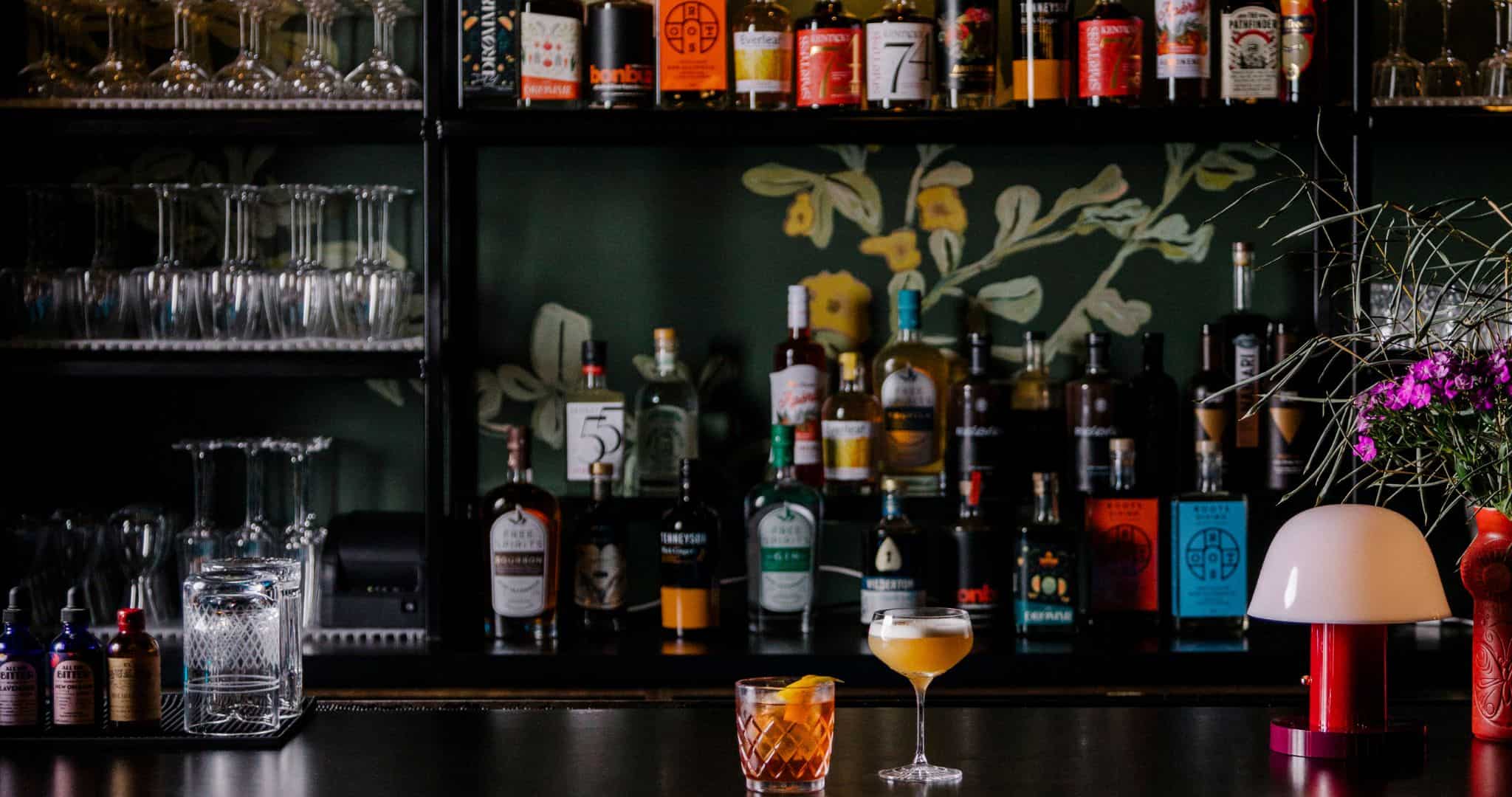
You can see that shift playing out locally. At DTR cocktail bar Killjoy, owner/operator Josh Gagne says the crowd reliably skews 30–50—but it doesn’t stop there. As Raleigh’s population ages up and incomes rise, bargoers craving the same quality, creativity and atmosphere—just on their own terms—now extend well past 50, quietly phasing out the image of beer-soaked bars dotted with 20-somethings (save stretches of Glenwood South).
Together, those forces have quietly recalibrated the bar business around an older, more intentional consumer—one less driven by volume and more by value.
What’s in the Glass
Beyond the where, there’s the what. Bars aren’t just pouring alcohol anymore. Catering to a clientele looking to skip the hangover—and increasingly accommodating Gen Z’s lower-alcohol leanings—menus now stretch from craft mocktails to alternative-buzz THC and CBD bevs.
That shift has accelerated with a cultural gut check: A recent Surgeon General warning linking even light to moderate drinking to elevated cancer risk—a modern echo of the 1964 smoking report. The message landed—and curiosity followed.
“THC drinks are being refined and are an option a lot more people are choosing,” says Hibernian Hospitality Group mastermind Niall Hanley, whose spots sling local delta-8 and delta-9 THC Groovewagon cans. “Easier on the body, no hangover, fewer side effects—it’s a growing sector.”
Locally, operators have been leaning in fast—from breweries like Trophy and Incendiary releasing their own canned concoctions to bars like Whiskey Kitchen, Bowstring and Irregardless mixing up THC ’tails.
“Some people aren’t drinking—or they’re changing the way they’re drinking,” says Trophy co-owner Chris Powers. “We want to be accommodating to that. We’re beverage people. We’re connoisseurs. We like to try new things. It just makes a lot of sense for us to do our own.”
Where the Night Moved
The days of throwing up a shingle and slinging Bud Lights across the bar are largely over. Today’s drinkers are craving activity, connection and spectacle—the rise of eatertainment, sportstainment and palatable playgrounds serving as proof positive.
“As people look for more than just dinner and drinks, we’re embracing the eatertainment phenomenon [by] creating spaces as dynamic and connected as the guests who fill them,” says Amber Moshakos, president of LM Restaurants (think Vidrio, Birdie’s, Carolina Ale House).
Raleigh’s first foray into the category, Jaguar Bolera pairs duckpin bowling, karaoke and darts with cocktails and comfort food inside Raleigh Iron Works. Leveling up the Glenwood game scene, Hop Shots splashed on the scene with a day-to-night minigolf playground. And LM Restaurants’ new Smash Social Club rallies the party district, hitting with nearly 10K square feet of table tennis, shuffleboard and electric darts, all fueled by craft cocktails and brews.
“Guests want to engage, compete and connect—not just scroll or sit still,” maintains Moshakos. The payoff: longer stays, bigger groups and higher tabs baked directly into the experience.
Beyond activity, there’s also the pull of the aesthetic: dives like Stella’s dripping in ’90s-core nostalgia, cinematic spaces such as Capulet that feel closer to a film set than a barstool. In a digital world, the psychology matters. People want to feel like they’re going out—not just going drinking. And with elevation comes cost—a reality the older audience understands, sustains and can afford.
The New Last Call
So when new data shows drinking hitting a 90-year low, the narrative rushes toward an easy conclusion: America is sobering up. The party is over. The bar tab is closing.
The reality is much more complicated—and more interesting. Drinking isn’t disappearing—it’s redistributing: across generations, across formats, across spaces. The shift is less about abstinence and much more about who’s still keeping tabs open, what’s filling the glass—and where.
In other words, the math only doesn’t math when you’re counting heads instead of dollars. Call it the myth of the dry generation. Trace the dollars, the age curve and the experience economy, and an entirely different story emerges: Drinking is maturing, stratifying and relocating.
All told, the bar has been raised—literally. And despite the headlines, drinking isn’t dead—it just came of age.
If Meg Paradise told you she was opening a nonalcoholic bar in Raleigh two years ago, you’d probably tell her she was insane—and many people did. Fast-forward to now, and her just-bowed Umbrella Dry Bar has been accepted with open arms by sober and sober-curious Raleighites eagerly awaiting such a concept.
But despite the initial Dry January buzz, are spirit-free sips enough to sustain an entire enterprise? Paradise is willing to bet a full-blown bar business on it—and emphasizes the timing couldn’t be more perfect.
“The amount of strangers I’ve spoken to who say, ‘We’re so ready for this,’ or ‘There’s something for me now…’” she says. “I don’t even think [the sober movement] is really trendy—it’s just immersed in our culture these days.”
To wit, the “movement” isn’t just black and white: You’re sober or not. Even Paradise doesn’t put boundaries on her own drinking. “I don’t identify with the term sober,” she says. “I’m just not called to drink.”
And she’s not alone. Hence the trend. Often—and many—people just want a night out sans alc for any number of reasons. So much so that “mindful” or “sober curious” or “damp” drinking has taken off in popularity as of late, supplemented with more and more bars both in Raleigh and countrywide expanding menus with nonalcoholic options to include mocktails; NA beer, wine, spirits; and more.
Leading the charge—and speaking volumes—is one of America’s biggest party towns. Austin has leaned into the passion for spiritless potions since the pandemic. See its Sans Bar, the first-ever NA bar in the U.S., bowing its brick-and-mortar last year and surging since. “Sans Bar has captured the spirit (no pun intended) of a bar by providing a gathering space with tasty libations, live music, trivia and comedy nights,” says Austin MonthlyEditor-in-Chief Madeline Hollern. “The point of a bar was never really about getting drunk—it was always about connection and entertainment.”
Even before Umbrella opened its doors—or began pop-ups in 2022—Raleigh was no stranger to sober-curiosity. Perhaps ahead of its time, Killjoy first bowed with a largely zero-proof concept in 2020, with half its opening menu consisting of spirit-free cocktails—all but unheard of at the time. While NA drinks remain a huge focus, owner Josh Gagne recognizes it might’ve been a bit too early to full send.
“When we were initially developing the concept of Killjoy, we had spent a solid amount of time discussing whether or not we wanted it to be nonalcoholic only,” he says. “But I didn’t see a way it could be sustainable financially, so that’s why I really want to support [Umbrella]—and I hope they kill it. It’s challenging more concepts to have more options, which is making it more relatable and comfortable for people who don’t consume.”
Beyond the country’s mindset shift toward drinking—and nodding toward timing—Paradise also emphasizes the sheer increase in volume of spirit-alternative product availability, including beers, wines and spirits that genuinely taste pretty close to the real thing. Not to mention two years of research, testing, events and infinite conversations. And, so, with Umbrella, she’s not only investing in a great zero-proof beverage program for sober appeal, but robust mocktails for all. Proclaims Paradise: “We want this to be the best beverage program in Raleigh, whether you drink or not.”
No matter if you’re a teetotaler or you like a tipple, Killjoy will offer a totally unique drinking experience.
There’s never been a better time to be a consumer: whether we’re talking build-your-own burrito bowls or luxury cars, custom-designed sneakers or vacation packages, these days, we’re placing a premium on purchasing exactly what we want.
So, why should our cocktails be any different?
This spring, Zack Thomas and Josh Gagne, longtime fixtures in Raleigh’s bar and hospitality scene, will open Killjoy, a bar designed to custom tailor a cocktail experience for each individual guest who walks through the door. Located in the building at 116 North West Street across from Clouds Brewing—a space seasoned Raleighites will remember as the erstwhile Blue Martini—Thomas and Gagne say the concept, for the Raleigh market, is one of a kind.
“We will initiate a conversation with each guest to figure out their particular tastes and guide them through our drink building process,” Thomas explains. If a guest can’t speak with a bartender directly, he says, they can fill out an order pad with options for spirit, style and complexity. “This will ensure that the guest receives the same amount of attention on a busy Saturday night as they would on a slow Tuesday afternoon.”
Another selling point? Guests who don’t want to imbibe have the option to buy a delicious drink that’s completely spirit-free.
Zack Thomas | RDP3 Photography
For Thomas, that point is personal. Though he’s worked behind bars all over downtown Raleigh, and with Chapel Hill’s Crunkleton and as a brand ambassador for Durham Distillery, Thomas has been practicing sobriety for two years. Thomas says his path to sobriety wasn’t easy, given his past and choice of career, but that it was a decision he had to make for his health and to achieve balance in his life.
“If you want to be completely dedicated, recognize what’s working for you and what’s not working for you,” Thomas says. “It’s intimidating.”
A Raleigh native, Thomas grew up on Hillsborough Street, in and out of bars including Pantana Bob’s, Players Retreat, Crowley’s and East Village where his dad worked as a bartender.
“My daycare as a kid would be going to bars, helping him set up, and my mom would pick me up after working at NC State,” Thomas says. “I have a unique perspective.”
It’s a perspective that served him well as he decided to enter the family business, landing at Foundation where he honed his craft building creative cocktails using only American spirits and, later, as the bar manager at Crawford and Son. But when Thomas’s son was born four years ago, Thomas says he started to think about making some changes.
RDP3 Photography
“I felt the only answer to being a good father was to get a 9 to 5 job,” Thomas says. So he took a position at the City of Raleigh Museum and enrolled in school full-time. “That only lasted a semester because I missed being behind a bar so much.”
Eventually, Thomas decided to give sobriety a try. He joined Ben’s Friends, a food and beverage industry support group for professionals struggling with substance abuse and addiction. Thomas got to know Scott Crawford, the co-founder of Ben’s Friends and founder of the Raleigh chapter, and he connected with others in the local industry facing similar daily struggles.
“I was pretty alone in being a bartender,” Thomas says. “What do you do if someone offers you a shot?”
But he persisted, taking the view that, for him, alcohol functioned as a food allergy.
“I felt I had some anxiety associated with my job and alcohol was getting in the way of being able to address it,” Thomas says, “Also, I’ve lost 50 pounds. I have so much more money now and I have mental clarity.”
Guarav “G.” Patel, the owner of Eschelon Hospitality and another longtime fixture in Raleigh’s bar and hospitality scene, says he’s seen a rising interest in practicing sobriety among young people. Patel, who himself has been practicing sobriety for nine months now, has served as a consultant to Thomas and Gagne on the Killjoy concept.
“It’s about a balance,” Patel says. “It’s about having the right balance, practicing wellness and having the option. That’s really it, not just having to say, ‘I’ll have a soda water with cranberry juice on the side.’”
RDP3 Photography
Along with design-your-own cocktails and spirit-free drinks, Killjoy will offer a selection of traditionally prepared, frozen, draft and bottled original cocktails featuring in house specialty ingredients. A list of quick classics will be posted up behind the bar for convenience and the owners will maintain a database to help bartenders decide how to create drinks based on customers’ stated preferences, “allowing them the freedom of creative expression,” in Thomas’ words.
Patel compares the Killjoy experience to dining in a high-end restaurant where you can describe exactly what kind of dish you’d like and the chef will prepare it for you according to your tastes.
“It is very much a new concept for Raleigh, for North Carolina,” Patel says. “This is about being hospitable to anybody, and everybody, filling a void we believe is here in the market and enhancing Raleigh.”
For non-drinkers like Thomas, Killjoy will be a welcome addition to the city’s bar scene.
“I don’t hate alcohol whatsoever,” Thomas says. “Sobriety doesn’t have much to do with being a bartender, it isn’t as hairy as people make it out to be. It all boils down to whether you trust yourself or you don’t. There are the same problems I had when I was drinking. But now, I don’t have the ability to drink them away and forget about them.”