The secret sauce to a great city could rest in the Power of 10.
Think big. Think 10. Raleigh’s future isn’t just about streetscapes and skyscrapers—it’s about crafting places people actually want to be. And that doesn’t just happen. Enter the “Power of 10,” a simple yet transformative concept: Every city needs at least 10 destinations, and each destination needs at least 10 things to do.
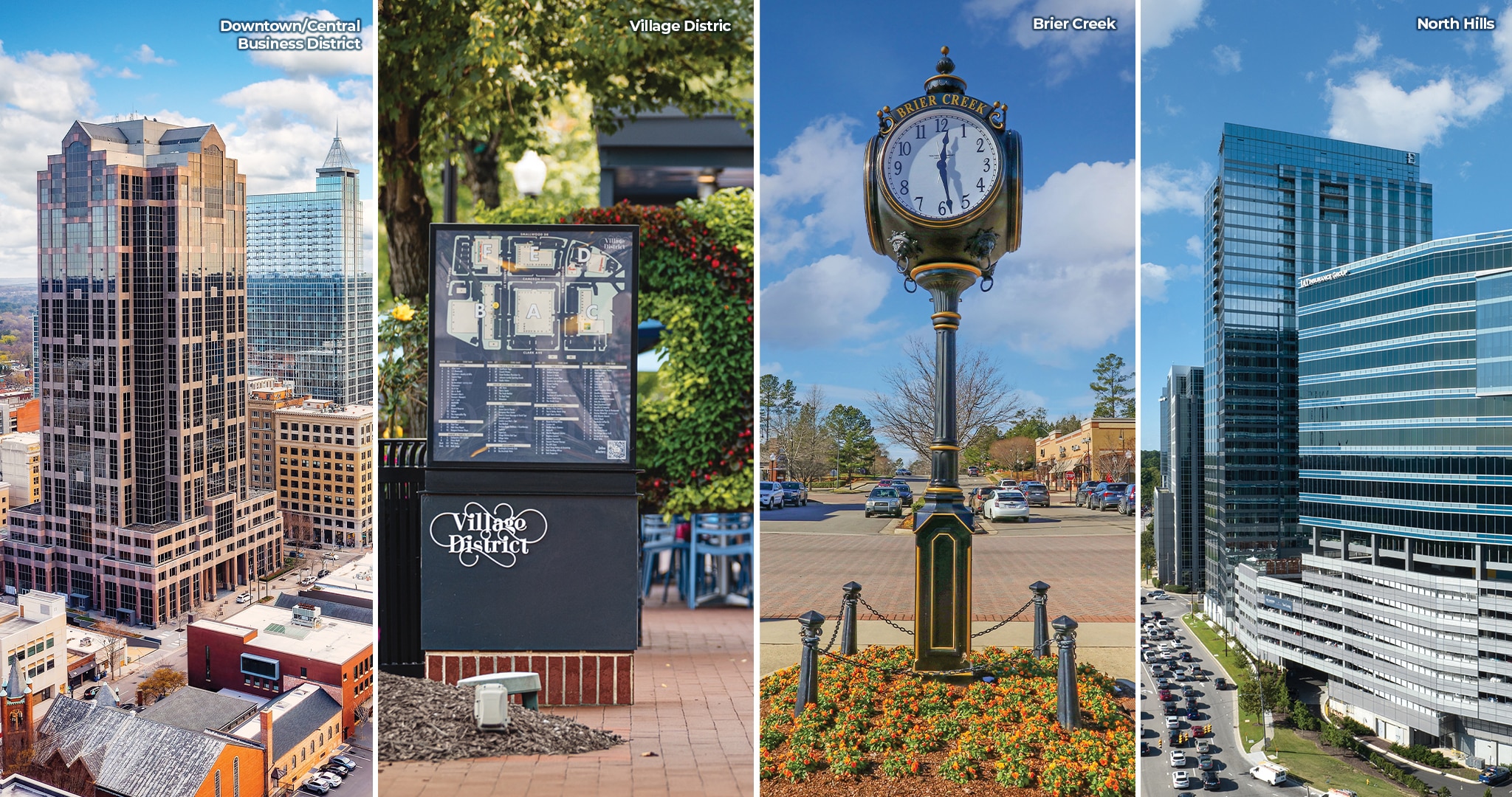
Originated by the Project for Public Spaces (PPS), the framework reveals why cities like New York and Atlanta lure people in—and keep them coming back. Such is the philosophy behind Raleigh’s 2009 Comprehensive Plan, which directed 60% to 70% of new growth to eight growth centers focused along key urban and transit arteries like the Beltline and 540—think Midtown, West Raleigh and Village District—plus 15 multimodal corridors, extending the Power of 10 principle to shape a vibrant and connected city.
As former COR Chief Planning Officer and current City Council Member Mitchell Silver puts it: “If I come Downtown—as a senior couple, a single, a family—what are the options? You have restaurants—then what do you do? Places like New York… there’s so much to do, probably like a power of 100. That’s what makes those places exciting—people come back again and again. That’s the goal.”
Building on that foundation, new potential pockets now emerge as the Comprehensive Plan 2030 gears up to shape the city’s next chapter through 2050.
Placemaking in Action
As aspirational as it is practical, Raleigh’s growth framework already reflects this principle. The point isn’t just garden variety shopping, dining or strolling, notes Silver. The real magic is layering elements—rest, play, art, music, food, history, connection—so people linger, explore and return.
As such, applying the Power of 10 isn’t just theoretical. Standalone attractions like museums or parks serve as a great draw, but deliver “the power of two, maybe three, at best,” says Silver. “People come, look, maybe hit up the gift shop—and leave. The real challenge: What can you build around the museum or park?” The telltale sign—are there people there? And do they stay there?
He nods to Nash Square—lonely trees, empty walkways and angled parking that could morph into a vibrant hub where people actually want to linger. Even the strongest attractors can stumble without a complementary cast. Take Wilson’s Whirligig Park—a momentary magnet that, on its own, risks being forgettable, explains Silver. But with the upcoming Carolina sports and entertainment stadium and planned ~50-acre live-work-play mixed-use project, that fleeting draw evolves into a full, thriving ecosystem.
Looking to 2050
Given Raleigh’s demographic shift, the urgency for this approach grows sharper. The city is young: ~60% under age 40, and ~80% under 55. Yet, Silver warns, “the [older] minority is trying to drive planning decisions. We need young people to speak up.” Future growth hinges on creating these multidimensional hubs—places where people don’t just pass through but stay, engage and thrive.
Layer on a looming constraint: Raleigh is projected to run out of developable land within 20 years. Yet, the simple reality remains—people are coming. The city’s population boomeranged ~50%, adding roughly 200K residents in the last 20 years. “I called it Mayberry the Metro,” says Silver of the now more than 65 people relocating to Wake County every day. So it’s not a question of if—but how we manage it.
By honing in on our people-centered placemaking pockets—through public spaces, new mixed-use developments and urban design innovations—Raleigh can scale up its Power of 10. And in doing so—from blueprint to buzzworthy—transform a city of streets into a city of destinations.
Urban Growth Centers – 2009 Comprehensive Plan
Brier Creek
Crabtree
Downtown/Central Business District
Midtown/North Hills
New Bern/WakeMed
NE/Triangle Town Center
Village District/University area
West Raleigh
Potential Pockets for Urban Growth: 2030–2050
Capital Boulevard
City Market
City Plaza
Downtown South
Moore Square
Triangle Town Center (reimagined)
WakeMed Corridor (BRT)
Warehouse District
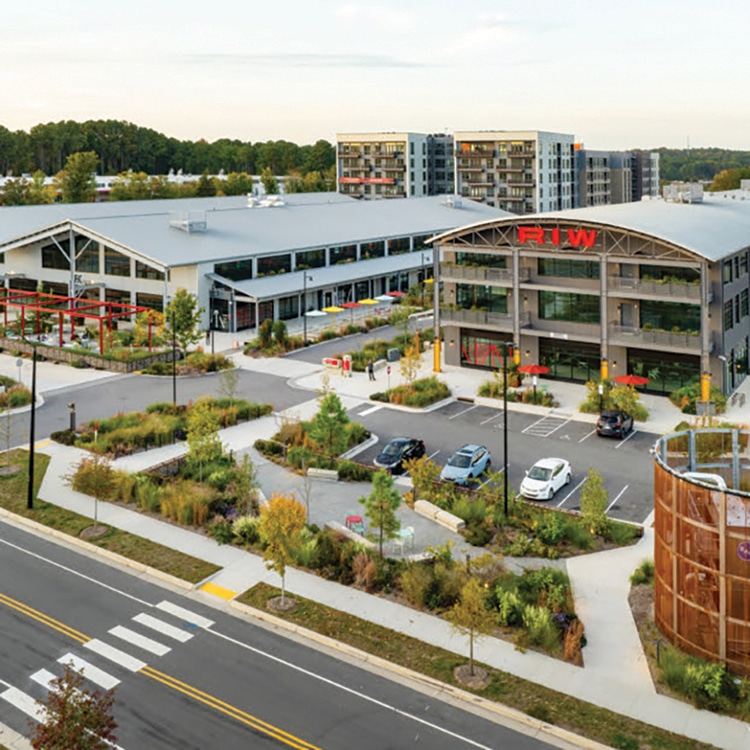
Emerged Naturally – Raleigh Iron Works
Raleigh Iron Works
A game changer for East Raleigh—and key connector between Downtown and Midtown—Raleigh Iron Works is a work-stay-play hub on the former Peden Steel site. Breaking ground in fall 2021, Phase One boasts 200+ apartments, buzzy retail, and ambitious public art and maker/pop-up programming, anchored by standout F&B spots from Brodeto and Little Rey to St. Pierre and Ponysaurus Brewing—and, yes, that trademark slide bringing a playful touch that’s core Raleigh.
Election year is upon us, and it’s a big one for local politics. While we don’t cast our ballots for mayor until Nov. 5, the race is already well underway, with six hopefuls spanning diverse demographics declaring candidacy to date (candidates can officially file July 1).
Hot topics driving the voter conversation this year include Downtown safety, rezoning, affordable housing, the RPD shortage, transportation, infrastructure and sustainability. So, naturally, 2024’s candidates are ignited by a deep desire to effect change in Raleigh.
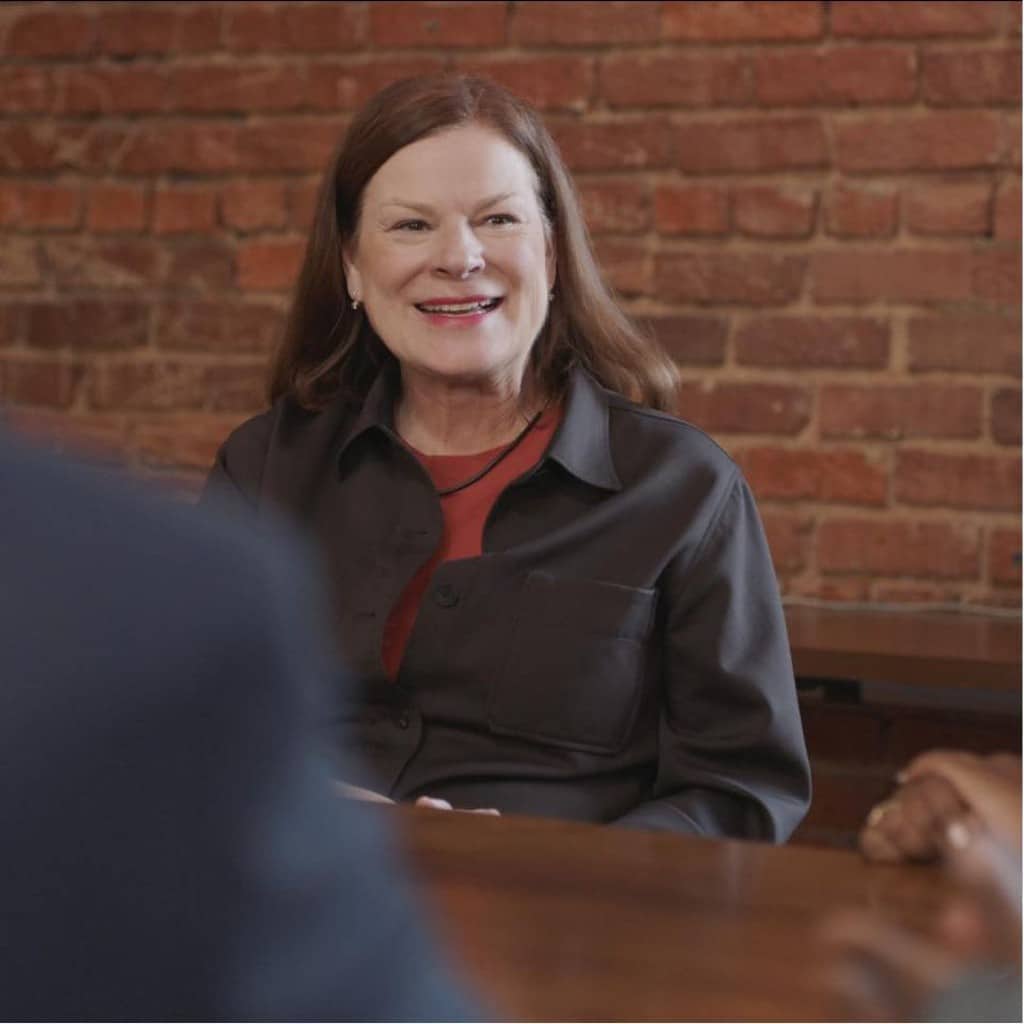
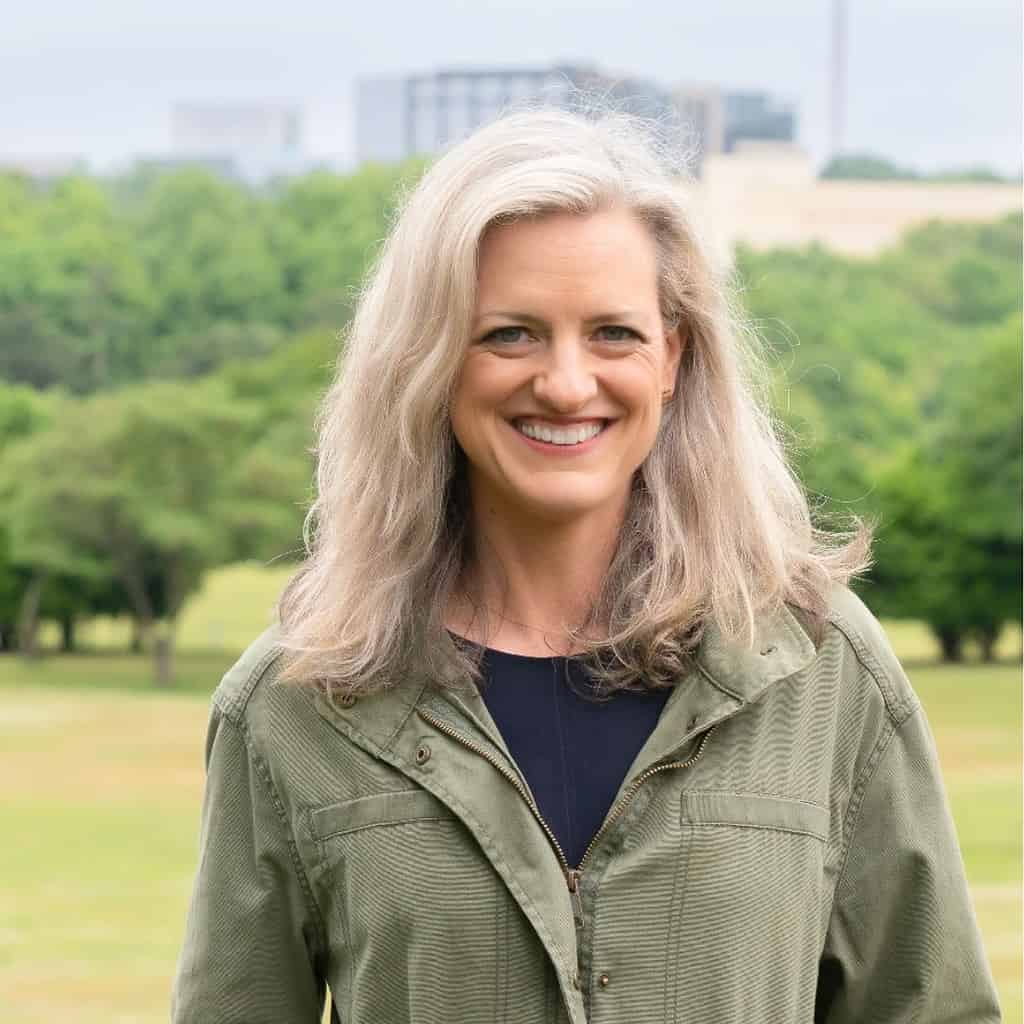
“Things in the city have gotten personal,” first-time candidate Janet Cowell confided to Raleigh Magazine in an exclusive interview. “There seems to be a lot of personal acrimony and division, between citizens, [and between] citizens and Council—a lot of animosity. The whole tenor of the actions seems tense, and it’s making it difficult to get work done. There is a lot of power in reflective listening and making people feel heard.”
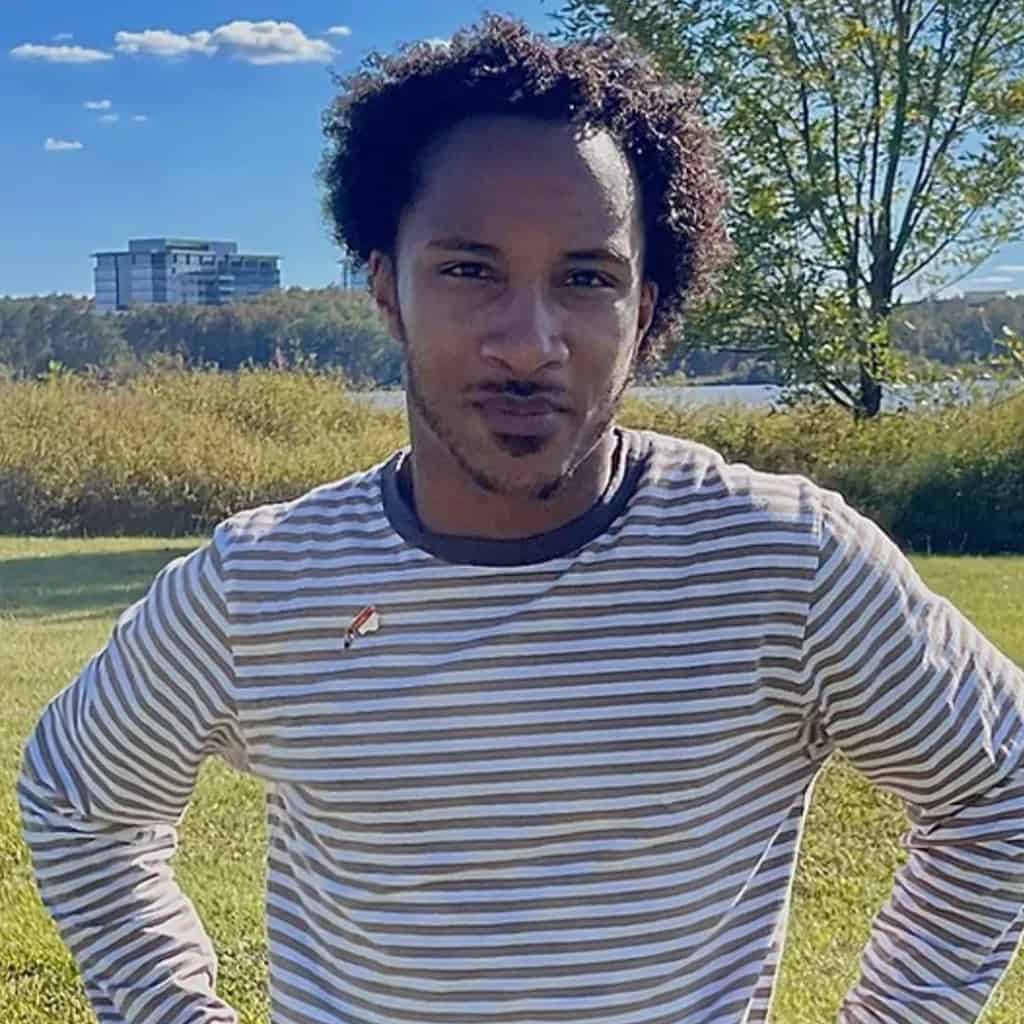
Second-time mayoral candidate Dr. Terrance Ruth has thrown his hat back in the ring to address what he sees as the city’s pressing challenges and opportunities. “We need to pivot and make different decisions,” he told RM. “We’re experiencing growing pains of all the significant—good, but significant—growth our city has seen. There’s growing food insecurity, financial insecurity and home insecurity to change.”
For her part, Mayor Mary-Ann Baldwin remains undeclared as she prioritizes governing. “We have to focus on governing and making decisions—and keep politics out of it as long as possible,” Baldwin told RM, also intimating to expect her announcement in April. Even before Baldwin’s decision, the race for the seat is hotly contested. And for these candidates—and our city—much is on the line. And, clearly, it’s personal.
As this race should be for each of us. Ultimately, local elections are just as important, if not more important, than national elections, as local officials directly affect our day-to-day lives—from how we live to what the city we live in looks like to how safe it is. And this year’s decision will directly impact our trajectory for years to come.
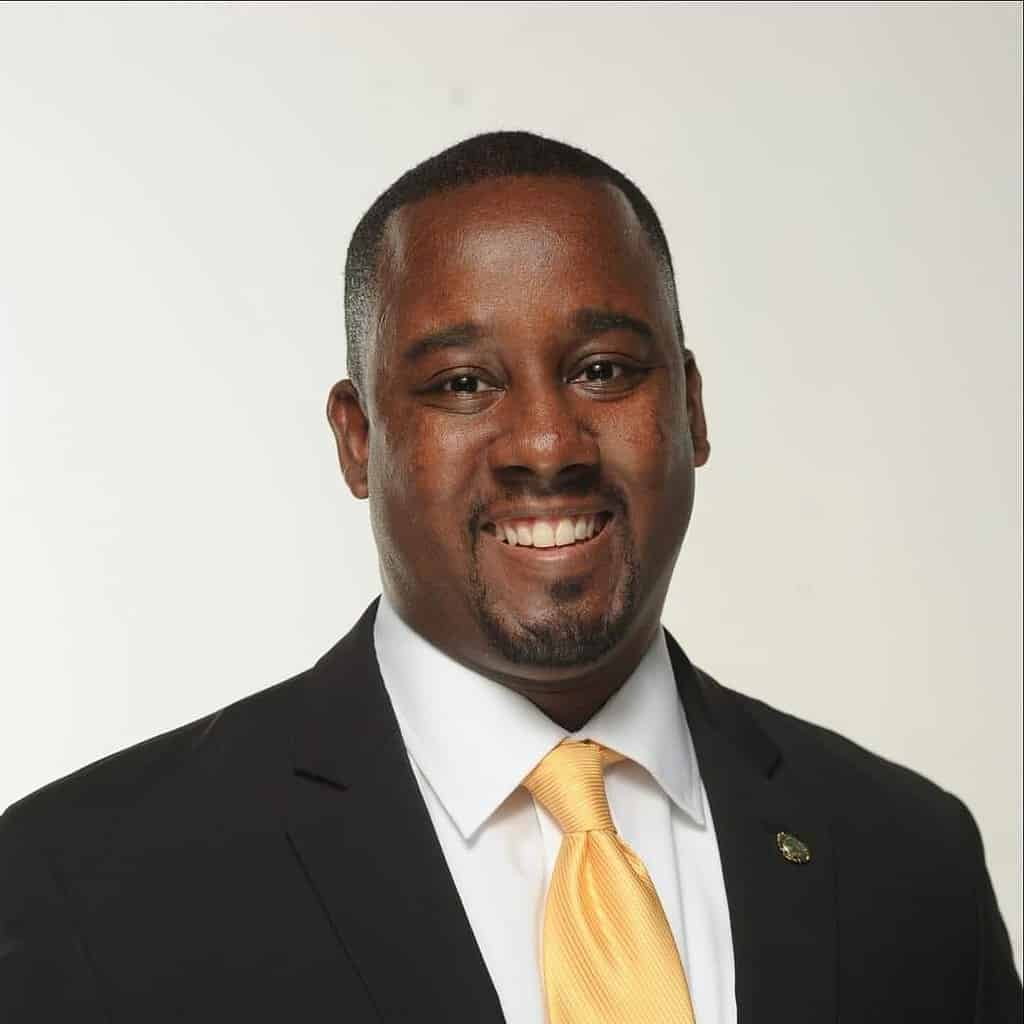
“I feel ready; I feel now is the time,” says the District C city councilman of nine years. The Raleigh native is campaigning on an array of specific “deliverables,” such as securing funding for 2,000+ affordable housing units, widening Rock Quarry Road and providing residents free mental health services.
“We need authentic relationships because that’s what the fabric of local politics is,” says the former state treasurer and Raleigh councilwoman and current Dix Park Conservancy CEO of her run. Cowell has already picked up endorsements from former Mayors Nancy McFarlane and Charles Meeker, and is campaigning on protecting the environment, diversifying housing options, increasing public safety and engaging the public in things such as rezoning for new infrastructure.
“We’re living in a time that requires a different way of thinking to deal with the growing challenges—challenges our city hasn’t seen in years,” says the second-time mayoral candidate. A NCSU professor and former president of the Justice Love Foundation, Ruth’s candidacy is anchored in three core principles: security, representation and change—emphasizing the need for authentic leadership and innovative solutions.
This self-proclaimed conservative candidate plans to crack down on crime and hopes to hire an additional 400 police officers. And this isn’t the first time the sole partisan candidate had his name on the ballot—the mortgage broker previously ran against then-mayor Nancy McFarlane in 2017.
The Civil Rights activist aims to end gentrification, provide affordable housing and win reparations for Black Foundational Americans (aka Freedmen) via his For the People platform.
This William Peace University pre-law student has his sights set on building additional accessible housing options, reducing the budget, revitalizing mental health and updating public transportation.
Election year is upon us, and not only is it a big year for national politics, but local as well. While we won’t cast our ballots for mayor until Nov. 5, the race is already taking shape.
Although hopefuls have until July 19 to file, a number of candidates spanning diverse demographics have already thrown their hat in the ring—and many have been campaigning for the municipal role since last year. Why it matters? Baldwin’s 2022 victory came at the end of a tight race, edging out then challenger Dr. Terrance Ruth, who grabbed 41% of the vote.
This year, hot topics include zoning debates, Downtown safety, affordable housing, the RPD shortage, transportation, infrastructure and sustainability.
Corey Branch The city councilman of nine years is campaigning on an array of specific “deliverables,” such as securing funding for 2,000+ affordable housing units, widening Rock Quarry Road and providing residents free mental health services.
Delmonte Crawford The Civil Rights activist aims to end gentrification, provide affordable housing and win reparations for Black Foundational Americans (aka Freedmen) via his For the People platform.
Janet Cowell The former state treasurer and Raleigh councilwoman and current Dix Park Conservancy CEO announced her candidacy Jan. 22 and is campaigning on protecting the environment, diversifying housing options, increasing public safety, and planning and engaging the public in things such as rezoning for new infrastructure. The most recent to throw her hat in the ring, Cowell has already picked up endorsements from former Mayors Nancy McFarlane and Charles Meeker.
James Shaughnessy IV This William Peace University pre-law student has his sights set on building additional accessible housing options, cutting spending, revitalizing mental health and updating public transportation.
Paul Fitts This conservative candidate plans to crack down on crime and hopes to hire an additional 400 police officers—and this isn’t the first time he’s had his name on the ballot. The mortgage broker previously ran against then-mayor Nancy McFarlane in 2017.
Local elections are just as important, if not more important, than national, as local elected officials directly affect your day-to-day life. When you vote for a candidate, you are putting the future of your life, home, commute and job in their hands. So, be sure to study up and mark your cals to head to the polls for the general election Nov. 5! Stay tuned for updates as more candidates file.