A surprisingly effective way to skip a grocery run and cut food waste
Decision fatigue is no joke—nor is food inflation. And the viral “being an adult is just figuring out what to eat for dinner every night until you die” meme? Unfortunately real. Deciding what to cook can feel like an endless unchecked box—or a sport you didn’t sign up for.
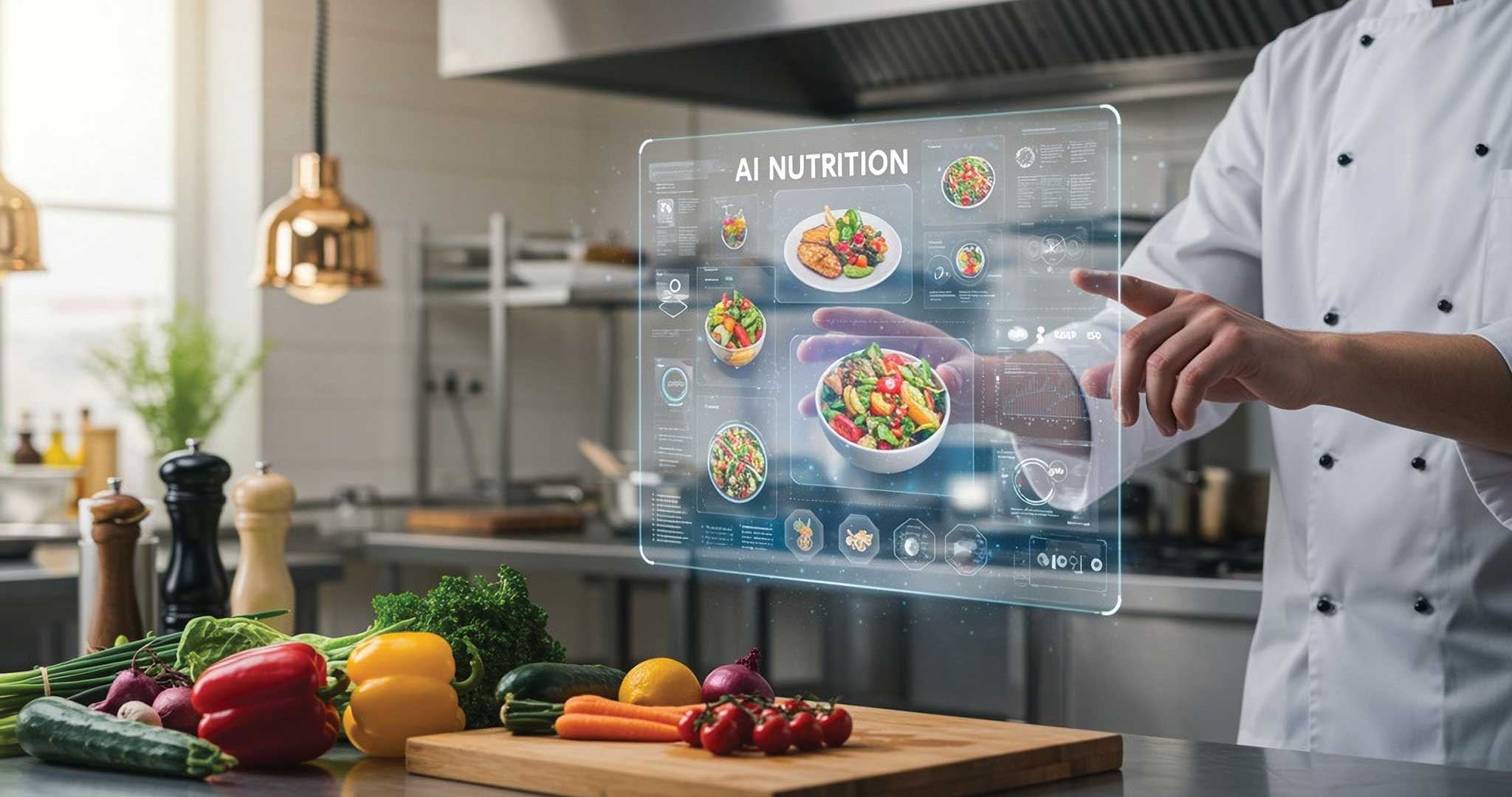
Enter AI—not as a recipe generator, but as a fridge-first meal planner. Hear me out. … I generally keep essentials on hand—proteins, carbs, sauces—just to end up at Trader Joe’s dropping $50–$100 weekly on more of the same. Days later, I’m confused and annoyed by too many options, unclear pairings, wasted food and freezer items still aging like artifacts.
So instead of asking ChatGPT for healthy dinner ideas (a spiral I’ll spare you), I fed it something more practical: I told it what I already had and asked it to plan my week.
And, no, I didn’t have to stand at the fridge building a spreadsheet. I simply listed the proteins, carbs and veggies in my kitchen—half-bag of spinach, meatballs, tofu, a lone sweet potato, rice—and asked the bot to build a week’s worth of lunches and dinners. I added a few guardrails (easy prep, general calorie target—though you can ask it to handle that part too).
The shocking part? It worked. As in, the grocery run I was about to make wasn’t necessary at all (if you do need groceries to round out your meals, the bot can also sort the cheapest places to find them). In seconds, I had a clear plan for what to eat on which days—tailored around energy, time and minimizing waste. You can even note workouts or dinners out, etc., to optimize. For an entire week, I didn’t marinate on food logistics once. No second-guessing. No “what should I eat” spiral. That alone was priceless.
Chat did suggest a few optional add-ins to beef up the meals, but because my goal was saving coin and using what I had, I skipped them. Spoiler—I still have food to use up. Which is… the point.
The appeal isn’t just saving money (though, huge bonus). It’s cutting waste, curbing impulse/autopilot buys, and eliminating nightly decision tax. Think less meal planning, more retraining you on how to think about food you already have on hand. Since AI is built for pattern recognition, spotting combos you’d overlooked and stretching ingredients without resorting to the same sad stir-fry is its jam. Though, a note of restraint still applies: Don’t upload receipts, loyalty accounts or payment info. Stick to staples, ingredients, goals—nothing tied to your identity.
In a moment when groceries feel personal—and so pricey—the bot hack’s most useful trick might not be creativity at all, but clarity. Sometimes, the smartest plan is literally right in front of you.
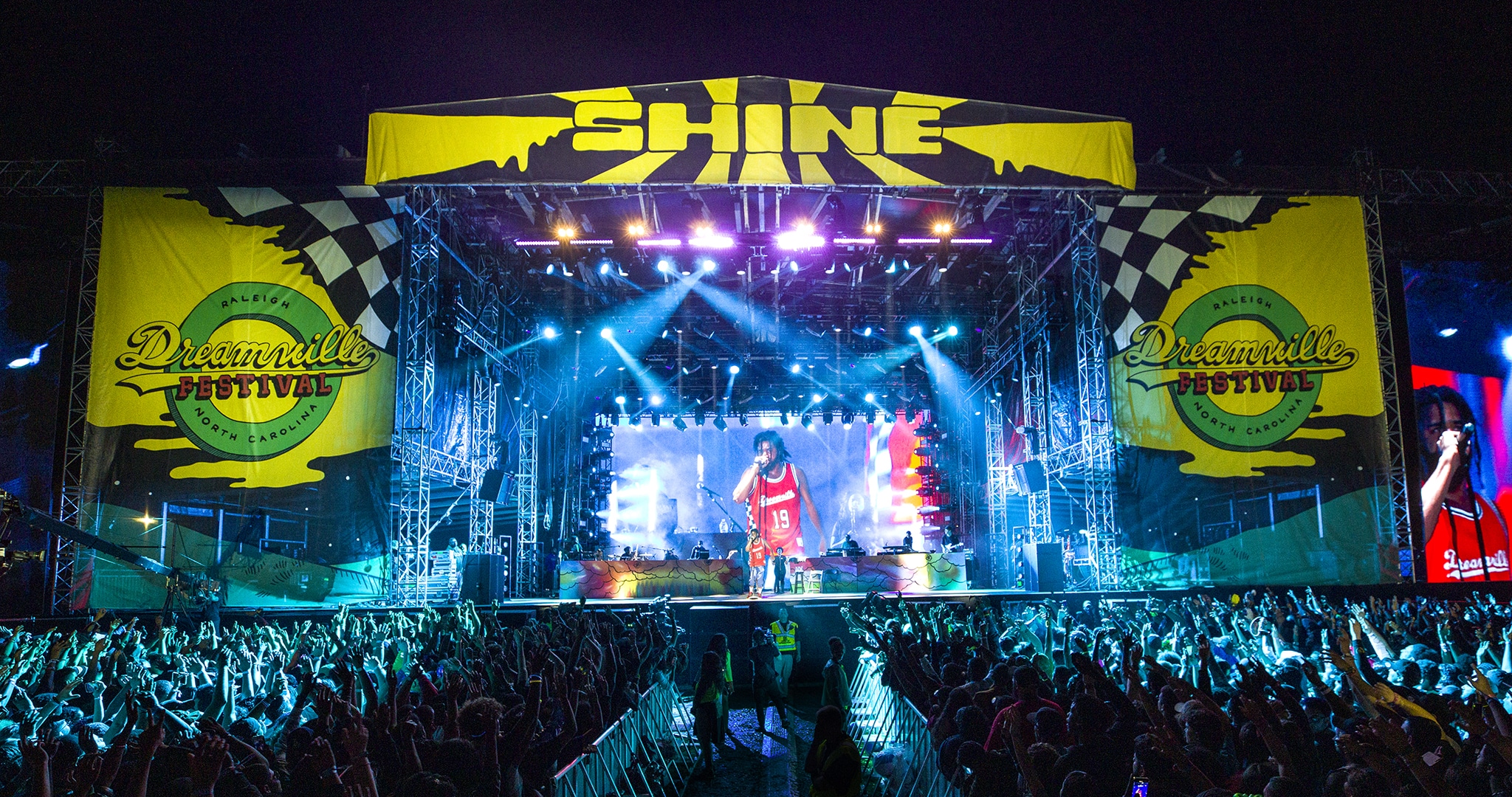
Just one month out from what would have been the sixth session of Dreamville Festival, the chatter is reaching a fever pitch: Did the Dreamville dream die?
After announcing the OG April fest—which helped reignite Dix Park and put Raleigh on the global rap map—had hit snooze for good, Live Nation and Dreamville promised a new four-year fest under the label would rise in 2026, J. Cole included, headlining or not.
Now, just a month shy of D-day with no announcement in sight (as of press time), the mic has gone cold—and we’re all waiting for the “climb back.”
Just days earlier, nearly 60-year-old Charlotte Magazine announced it would shutter entirely after its December issue. And in Pennsylvania, Pittsburgh will become the largest U.S. city without a daily at all after its nearly 250-year-old Pittsburgh Post-Gazette ceases publication this May—print and digital—following massive financial losses reportedly to the tune of $350M. Read: no journalists, no newsroom, no daily record—leaving 1.2 million people without a dedicated daily. Add to that the gutted Washington Post newsroom under owner Jeff Bezos, underscoring the fragility of the national media infrastructure.
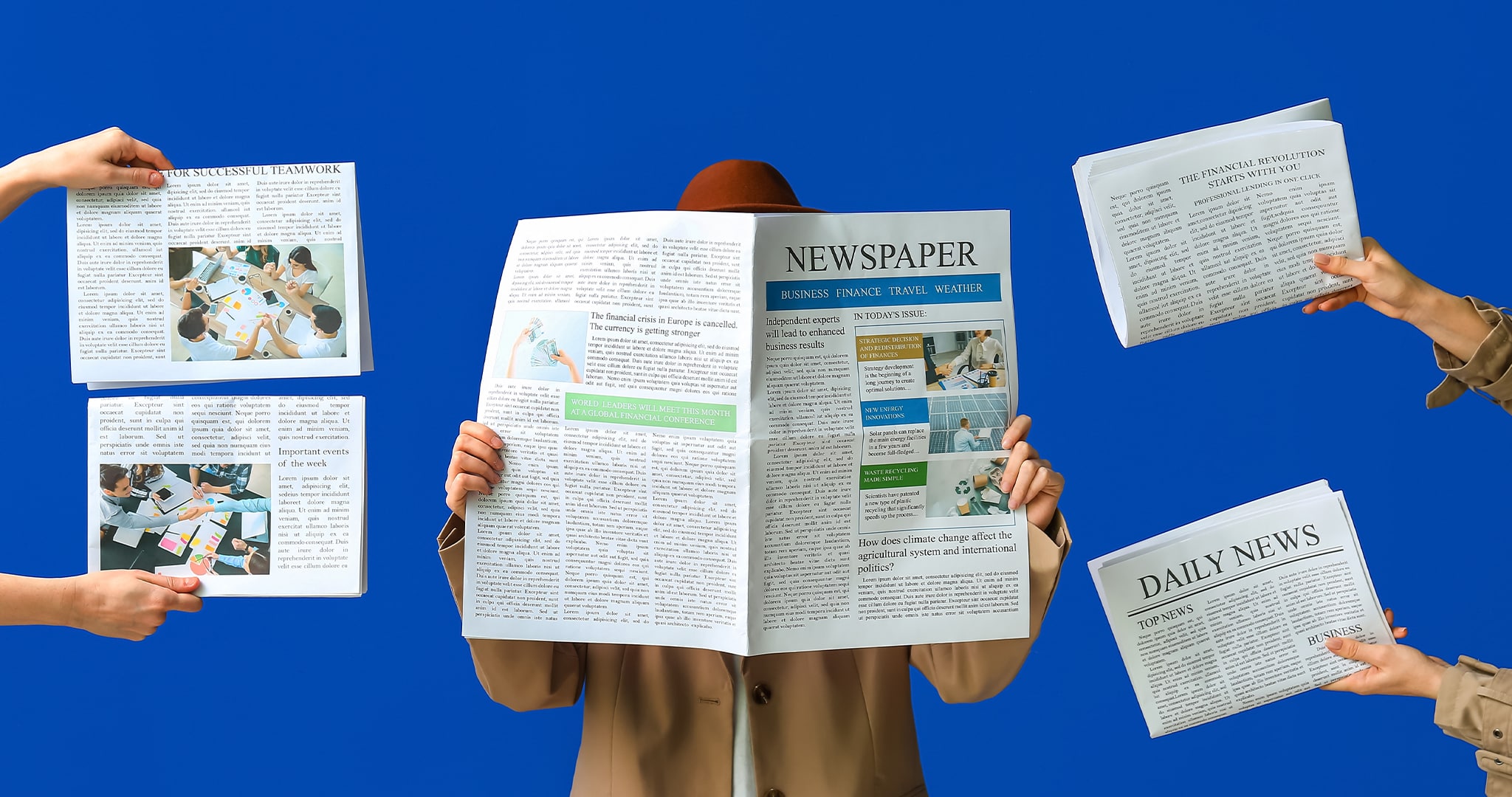
It’s a familiar drumbeat—and an unsettling one. And it begs the question: Is print dead? Or are we confusing the decline of a format with the erosion of something much larger?
Nearly a decade ago, former RM Editor-in-Chief Jane Porter tackled the topic, writing, “there’s something sacred about ink. … Whether we put it on paper or sketch it onto our bodies, there’s no other practical medium we rely on quite as much to express ourselves, tell our stories, commemorate the most important events and celebrate the people in our lives.”
That idea feels even more resonant in today’s popcorn media era—defined by scroll fatigue, disappearing headlines and a (dis)information ecosystem increasingly shaped by algorithms rather than editors.
The announcements in Atlanta, Charlotte and Pittsburgh point to a crucial distinction often lost in the handwringing: This isn’t about print vs. digital. The AJC didn’t stop reporting—it shifted platforms. Charlotte Magazine stopped. Pittsburgh plans to stop. The difference matters.
“I think it’s a vocabulary problem,” said Duke professor of the practice of economics Michelle Connolly, in research summarizing the national crisis in local journalism. “If local journalism is declining because there’s no demand or need for it, is that a market failure? No.”
According to findings from UNC and Northwestern University, the U.S. has lost more than a third of its newspapers since 2005—nearly two-and-a-half per week—creating vast “news deserts.” More than 200 communities lack access to reliable local reporting, while more than half of U.S. counties are relegated to just one news source, leaving ~55 million Americans with limited access to original local journalism.
The consequences aren’t abstract. Studies consistently link the loss of local reporting to lower civic engagement, higher government spending and rising political polarization. “This research shows the crisis in local news is deepening,” said Medill Local News Initiative founding director Tim Franklin in response to the latest data. “Fewer Americans have access to news they need about their communities to be informed citizens.”
In other words, when local journalism disappears, something far more permanent than ink dries up. Though print, for all its financial challenges, still plays a uniquely stabilizing role in that ecosystem. It slows the news cycle. It forces editorial intention. It creates a tangible, shared record—one not endlessly revised, deleted or buried beneath trending noise.
Even as audiences increasingly gravitate to digital platforms, print remains a trust anchor, particularly for investigative reporting, long-form storytelling and the kind of accountability journalism that rarely trends on social channels but is essential to a functioning city.
Raleigh knows this tension well. When Raleigh Magazine first checked in with The News & Observer in 2018, the paper was already navigating shrinking circulation, newsroom restructuring and a digital-first mandate. Yet its publisher was clear: As long as readers and advertisers support print, it would endure—not as nostalgia, but as public service.
But whether inked or not, “the quality of democracy in Raleigh—and everywhere—is directly related to the number of reporters in the field,” shares The Assembly Senior Editor John Drescher, formerly executive editor of N&O and WaPo editor. “Great cities always have journalists who keep public officials honest and engage the community in an ongoing discussion about what it wants to be. There are plenty of journalists who still want to do this kind of work, but we need the support of the community—financially and otherwise.”
That distinction feels even more urgent now. We don’t want to live in a city without a newsroom. There are things a daily newsroom does—covering courts, elections, public records, long-term investigations—that no newsletter, influencer feed or social platform can replicate or replace. And there are things magazines do—context, culture, craft—that daily newsrooms don’t.
“I look at it from a very personal perspective,” former Knight Chair in journalism and digital media economics at the UNC Hussman School Penny Abernathy revealed in her latest standalone report regarding what she calls an increasingly dire situation for local news. “I cannot know in North Carolina what judges to vote for. I depend on an editorial staff to vet the judges. … When we have the editorial staff stripped and not providing that, that [creates] a vacuum.”
It’s not competition. It’s infrastructure. Think of it like season tickets vs. one-off games. When you’re fully invested, you show up consistently, regardless of the win-loss record (Raleighites know this well). Supporting local journalism—through subscriptions, advertising and readership—is the same kind of civic investment. These aren’t symbolic gestures; they’re what keep reporters in seats and real stories on the record.
Print may never return to its former scale. But the relevance of reporting isn’t measured simply by volume—it’s measured by purpose. And in a media landscape increasingly defined by speed, sameness and AI-generated noise, its greatest strength may be the very thing critics once dismissed—its permanence.
She’s beauty, she’s grace, she’s North Raleigh’s classic place.
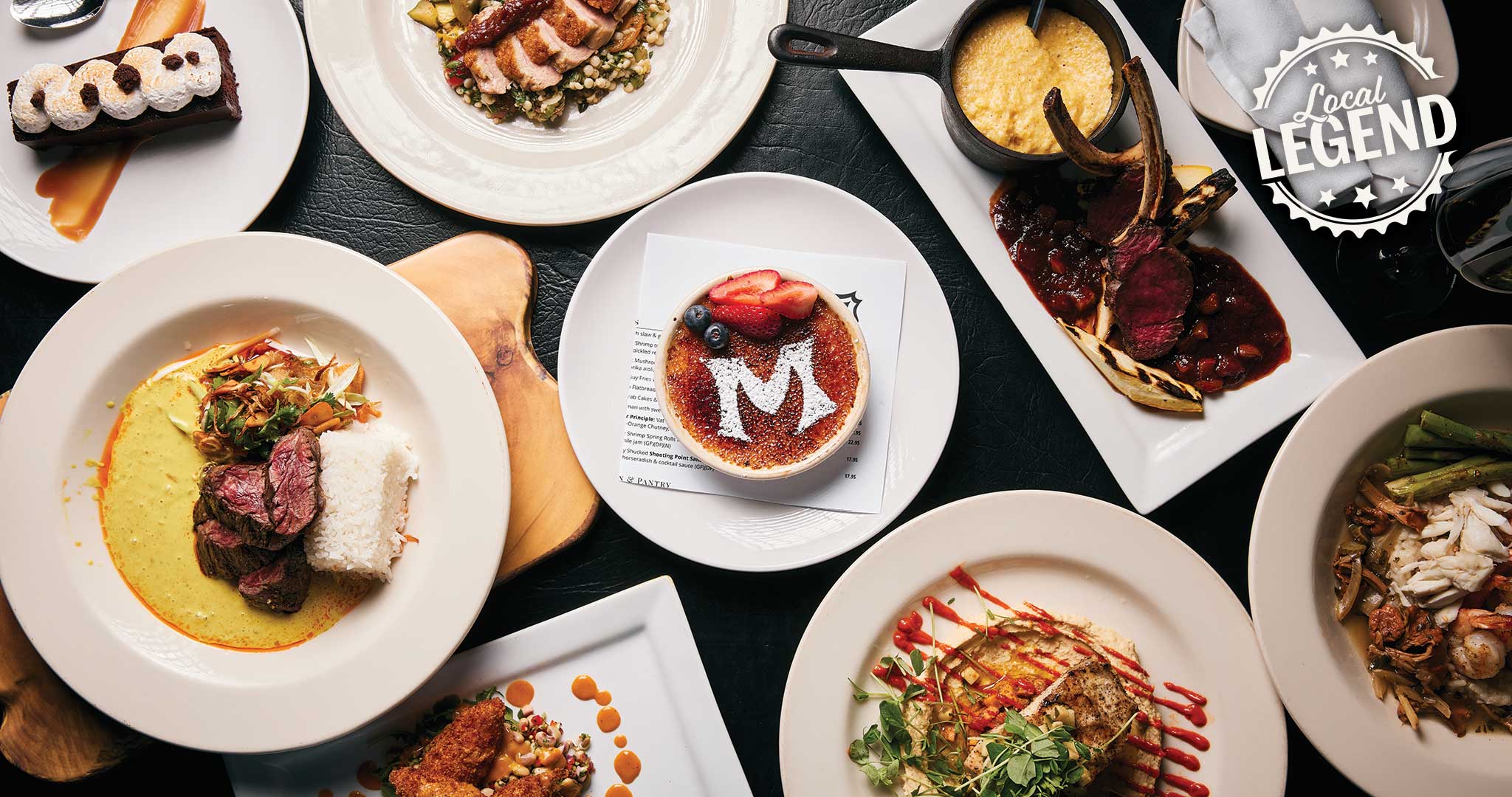
Margaux’s is like your favorite spunky Southern aunt: funky, friendly, cool, always there—and the ideal balance of sophisticated “y’all” and lived-in confidence. The kind who knows exactly who she is and doesn’t need to prove it.
Fitting for an institution on the short list of Raleigh OGs, which is soon to fete 35 years of style, service and Southern grace. Always buzzing with a hum of chatter that feels social but never chaotic, the room sets the tone from the jump—serving drama without tipping into theme. Think walls layered with local art, quirky touches tucked into corners, dark wood and stone backlit by a warm glow. It feels collected rather than decorated—eclectic in a way that’s intentional, not showy.
A friendly beacon for regulars and newcomers alike, the bar meets you exactly where you are—whether hankering for classic standbys like dirty tinis, cosmos or margs, or a sip of whatever rotating special the tenders are shaking that night. And when it hits, it hits. It’s service that feels instinctive rather than rehearsed—welcoming you in like you’ve always belonged.
The sips set the stage for a deep bench of market-fresh fare that beckons you back again and again: the kind of place where you can order confidently, linger a little longer and trust the night to unfold just right—and always right on time. Daily additions keep things fresh without losing the plot, while longtime stars—crispy fried calamari, leg of duck, pan-seared salmon—deliver the kind of consistent comfort that never goes out of style.
Margaux’s isn’t loud about its longevity—and that’s kind of the point. Three decades deep, she’s doing exactly what she came here to do, and is exactly who Raleigh needs her to be: familiar, flexible and effortlessly gracious. Not flashy, not fussy, just really, really good at sticking around. That’s just the magic of Margaux’s.
Remote work blurred the line between “flexible” and “feral.” Somewhere between WFH and WTF, professionalism slipped—sometimes literally—into the pool.
Remote meeting culture is in chaos (see: the memes, hot mics and floating heads). In bed one minute, on Zoom the next. Posed at a desk with no pants. The accidental on-air slip or cat hijacking the camera. The aggressively casual background—or worse, your chaotic garage.
But the reality is, it’s just simply not working (pun intended). Read: Work meetings, but make them feral—less Zoom, more Wild West. And it begs the question—why should we compose ourselves any differently in our home office than on-site?
And before you write this off as generational gibberish, the offenders are primarily not Gen Z. As it happens, some of the most egregious perpetrators—the ones that leave us wishing they’d just turned their cameras off—are senior-level leaders.
Whether this is a no-rules pandemic hangover, the collapse of workplace boundaries or a broader erosion of professional norms, one thing is crystal clear: Virtual meetings have gotten sloppy. It’s no small coincidence that companies are starting to ban treadmill meetings, mandating cameras on and tightening virtual conduct rules in an effort to rein in a culture that’s drifted further from “flexible” into free-for-all. And after cataloging a steady stream of truly unhinged behavior, it’s safe to say we’re overdue for an intervention.
illustration by Malchev/shutterstock.com
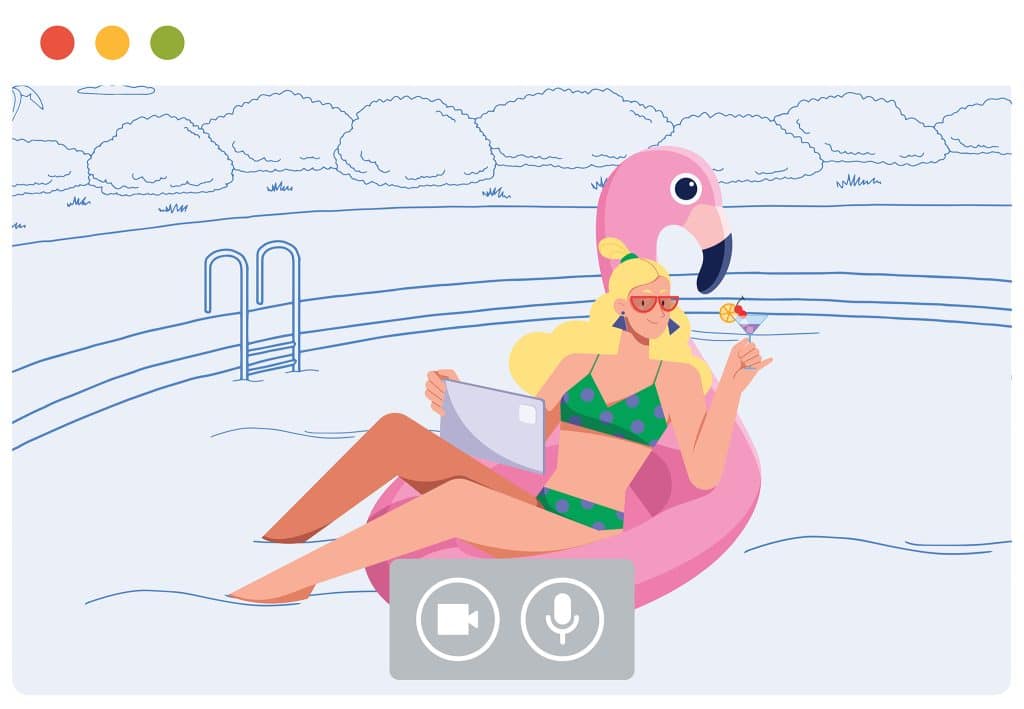
Pool Float Executive “An executive joined a companywide Zoom—over 100 employees, management present—from a pool raft, Champagne glass in hand, phone carefully angled to show only her face. Twenty minutes in, she lost her balance. The phone fell into the water. When she resurfaced on screen, she was very clearly in a bikini, very clearly in the pool, and very clearly no longer muted. HR followed up.”
Memoji Workaround “We have a coworker who hates being on camera so deeply that she created a memoji in Teams to blink, nod and mouth responses for her instead. The uncanny valley has entered the chat.”
Illustration by rina Strelnikova/shutterstock.com
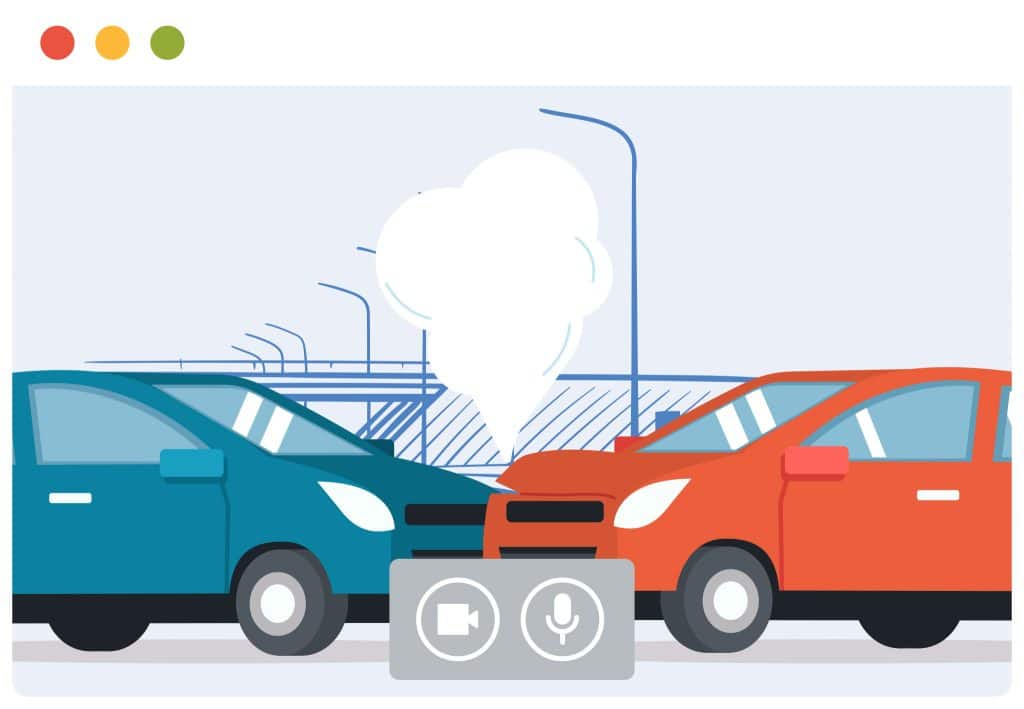
Hit-and-Run Hang-Up “During a routine call, a coworker was running errands and we heard a loud crash. Without missing a beat, she said, ‘Gotta run—just got into a car accident,’ and hung up.”
Vibration Plate Reveal “The director of sales is famously off-camera, always muted and perpetually calling in from… somewhere else: the beach, a Starbucks drive-thru, daily walks. During one meeting, she was asked a direct question and responded in a shaky voice. When someone asked if she was OK, she replied she was on her vibration plate.”
Illustration by The img/shutterstock.com
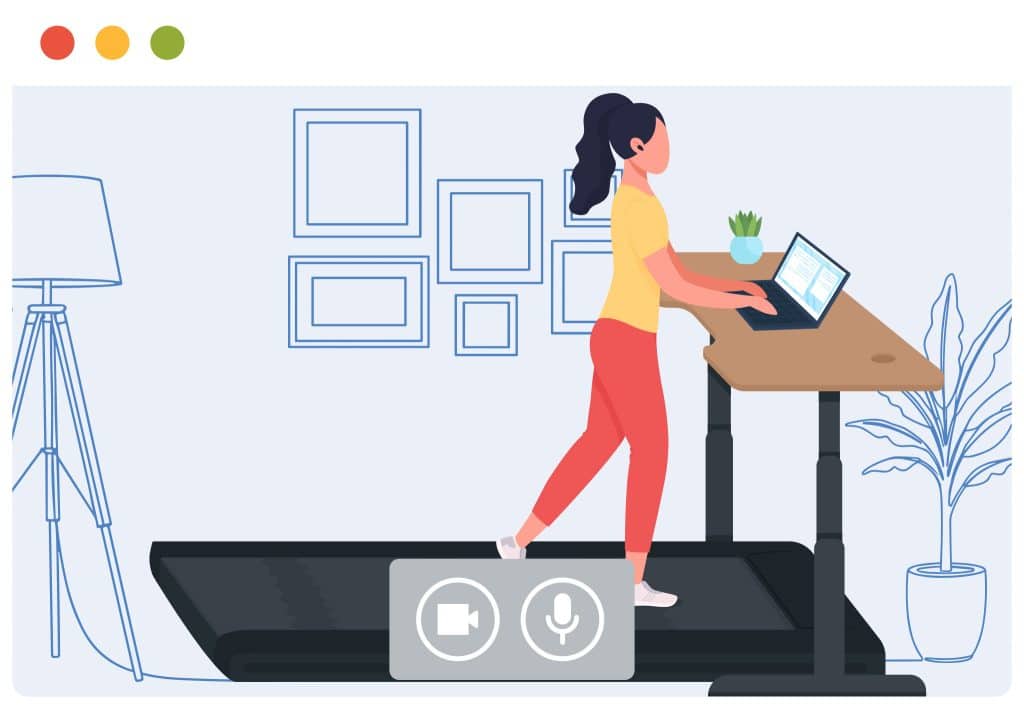
Walking Pad Evangelist “We have this one girl who insists she can’t reach her daily step goal without pacing her walking pad during work hours—so we just see her bobbing up and down during meetings.”
WFH Gone Wild “We once watched—live—a bear walk into someone’s kitchen.”
Illustration by A7880S/shutterstock.com
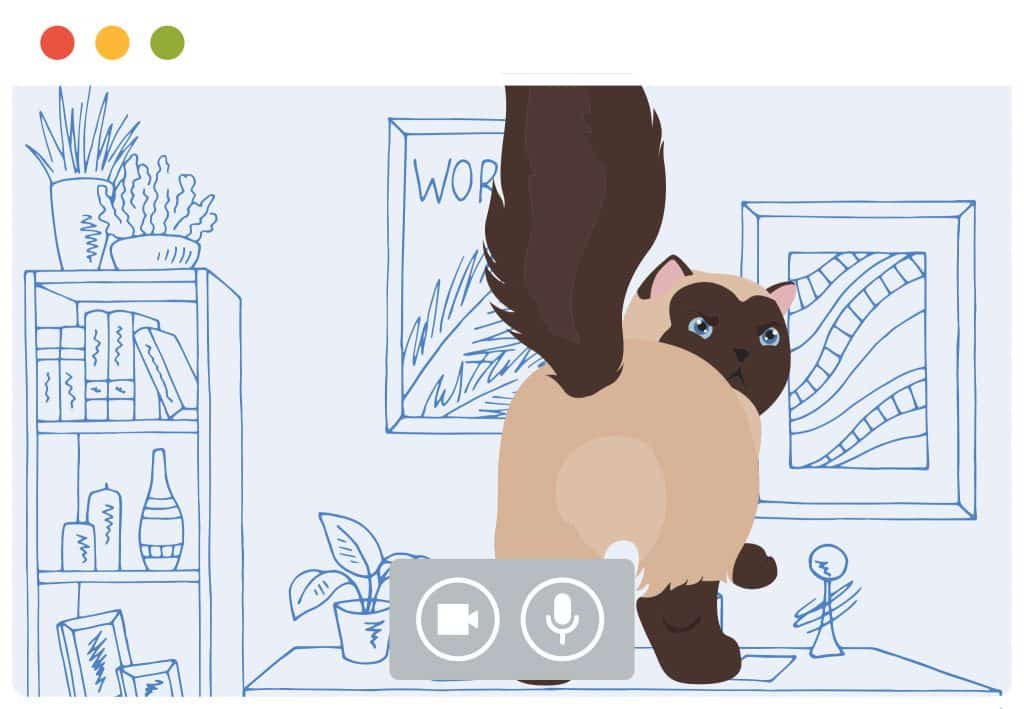
Feline Full Moon “Our colleagues with cats usually greet us with a full-moon view of cat ass. If the hindquarters aren’t directly on camera, the little exhibitionists are pacing the desk, tail flicking around their humans’ heads like a rear-first hostile takeover.”