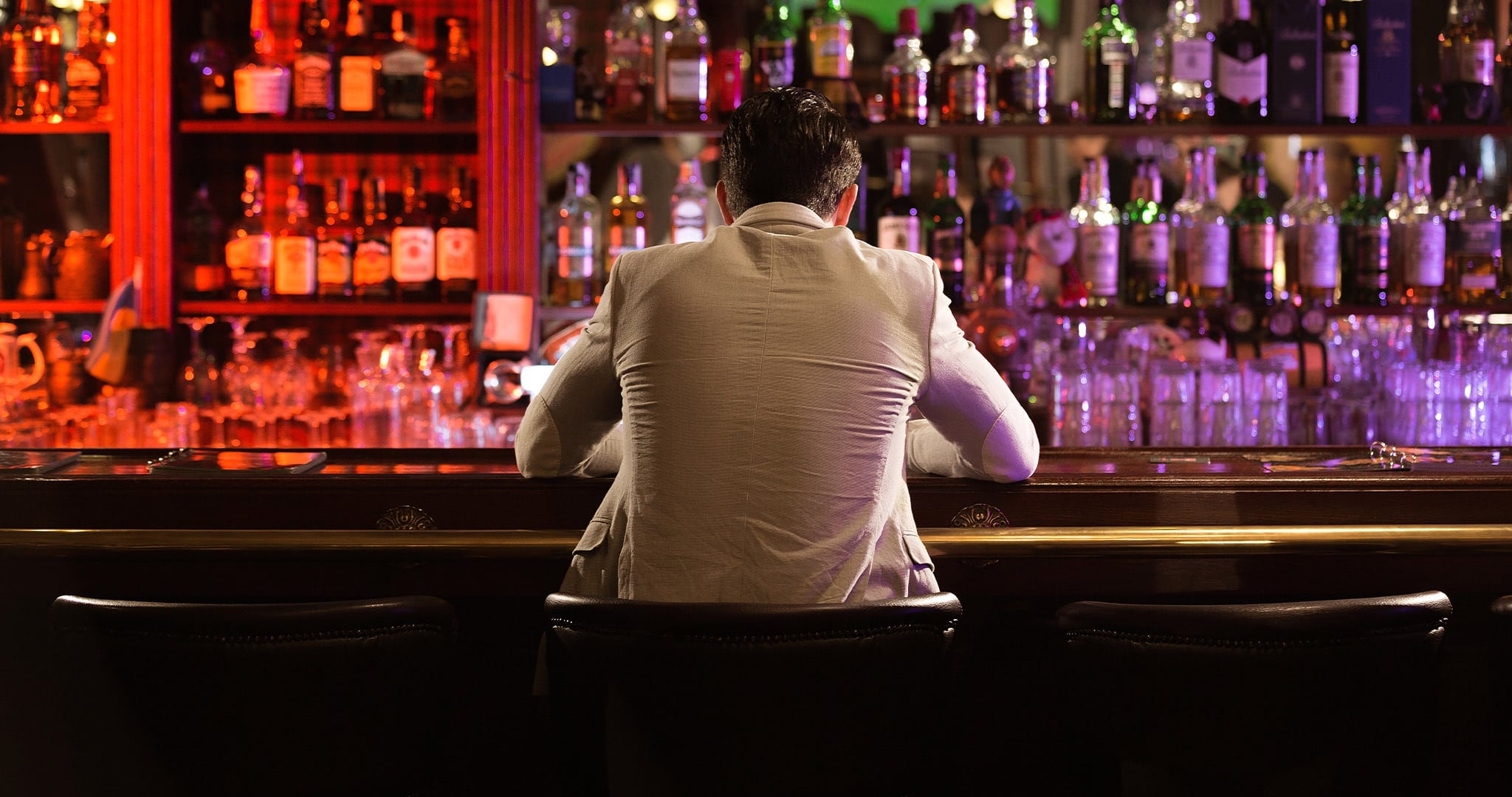
It’s the end of the buzz (as we knew it)—and the bar business is adapting.
In sobering news, the alcohol industry has lost more than $830 billion in market value over the past four years. Not to tariffs or interest rates. Not to regulation or prohibition. But to a generation that simply stopped drinking the way its elders did.
A Bloomberg index tracking 50 major beer, wine and spirits producers is down 46% from its 2021 peak. Meanwhile, according to a 2025 Gallup study, U.S. consumption has fallen to its lowest level since 1939—lower than postwar America and the Great Depression era. On paper, it reads like an obituary. Cue the panic.
But the numbers don’t tell the full story. Roughly half of adults under age 35 still say they drink—50% of Gen Z, compared with 56% in each of their older generations. So what gives?
The catch is how those polls measure behavior. You either drink—or you don’t. Someone who has one glass of wine a month—or even a year—shows up the same as someone closing out a bar tab every Friday and another who takes down three cocktails a night. They look identical in a survey. They do not, however, show up the same on a balance sheet.
Follow the money, and the narrative flips: Millennials, Gen X and Boomers still clock nearly dead-even on annual alcohol spending—about $25B each. At the other end of the bar, Gen Z is pulling way back (though, to be fair the youngest Zer is just 17). But fewer young drinkers doesn’t mean fewer drinkers, full stop. It means the center of gravity is shifting upward in age, income and very different definitions of a night out—forcing the bar business to adapt in real time.
While they have earned their reputation as the “drunkest generation” in terms of consumption behavior—never mind normalizing the craft cocktail craze, brewery culture, natural wine obsessions and destination drinking long before sober curiosity became de rigueur—they weren’t drinking alone. Gen X and Boomers are still sidled up to the bar right beside them—and increasingly, they’re the ones keeping the lights on. In dollars spent, those 46+ are now just as central to the industry’s bottom line.
That matters because older drinkers don’t just drink differently—they spend differently. With higher disposable incomes and deeply ingrained habits, they’re more likely to linger, trade up and prioritize experience over price point. Fewer late-night shots. More reservation-worthy cocktails, curated wine lists and destination dens.
You can see that shift playing out locally. At DTR cocktail bar Killjoy, owner/operator Josh Gagne says the crowd reliably skews 30–50—but it doesn’t stop there. As Raleigh’s population ages up and incomes rise, bargoers craving the same quality, creativity and atmosphere—just on their own terms—now extend well past 50, quietly phasing out the image of beer-soaked bars dotted with 20-somethings (save stretches of Glenwood South).
Together, those forces have quietly recalibrated the bar business around an older, more intentional consumer—one less driven by volume and more by value.
What’s in the Glass
Beyond the where, there’s the what. Bars aren’t just pouring alcohol anymore. Catering to a clientele looking to skip the hangover—and increasingly accommodating Gen Z’s lower-alcohol leanings—menus now stretch from craft mocktails to alternative-buzz THC and CBD bevs.
That shift has accelerated with a cultural gut check: A recent Surgeon General warning linking even light to moderate drinking to elevated cancer risk—a modern echo of the 1964 smoking report. The message landed—and curiosity followed.
“THC drinks are being refined and are an option a lot more people are choosing,” says Hibernian Hospitality Group mastermind Niall Hanley, whose spots sling local delta-8 and delta-9 THC Groovewagon cans. “Easier on the body, no hangover, fewer side effects—it’s a growing sector.”
Locally, operators have been leaning in fast—from breweries like Trophy and Incendiary releasing their own canned concoctions to bars like Whiskey Kitchen, Bowstring and Irregardless mixing up THC ’tails.
“Some people aren’t drinking—or they’re changing the way they’re drinking,” says Trophy co-owner Chris Powers. “We want to be accommodating to that. We’re beverage people. We’re connoisseurs. We like to try new things. It just makes a lot of sense for us to do our own.”
Where the Night Moved
The days of throwing up a shingle and slinging Bud Lights across the bar are largely over. Today’s drinkers are craving activity, connection and spectacle—the rise of eatertainment, sportstainment and palatable playgrounds serving as proof positive.
“As people look for more than just dinner and drinks, we’re embracing the eatertainment phenomenon [by] creating spaces as dynamic and connected as the guests who fill them,” says Amber Moshakos, president of LM Restaurants (think Vidrio, Birdie’s, Carolina Ale House).
Raleigh’s first foray into the category, Jaguar Bolera pairs duckpin bowling, karaoke and darts with cocktails and comfort food inside Raleigh Iron Works. Leveling up the Glenwood game scene, Hop Shots splashed on the scene with a day-to-night minigolf playground. And LM Restaurants’ new Smash Social Club rallies the party district, hitting with nearly 10K square feet of table tennis, shuffleboard and electric darts, all fueled by craft cocktails and brews.
“Guests want to engage, compete and connect—not just scroll or sit still,” maintains Moshakos. The payoff: longer stays, bigger groups and higher tabs baked directly into the experience.
Beyond activity, there’s also the pull of the aesthetic: dives like Stella’s dripping in ’90s-core nostalgia, cinematic spaces such as Capulet that feel closer to a film set than a barstool. In a digital world, the psychology matters. People want to feel like they’re going out—not just going drinking. And with elevation comes cost—a reality the older audience understands, sustains and can afford.
The New Last Call
So when new data shows drinking hitting a 90-year low, the narrative rushes toward an easy conclusion: America is sobering up. The party is over. The bar tab is closing.
The reality is much more complicated—and more interesting. Drinking isn’t disappearing—it’s redistributing: across generations, across formats, across spaces. The shift is less about abstinence and much more about who’s still keeping tabs open, what’s filling the glass—and where.
In other words, the math only doesn’t math when you’re counting heads instead of dollars. Call it the myth of the dry generation. Trace the dollars, the age curve and the experience economy, and an entirely different story emerges: Drinking is maturing, stratifying and relocating.
All told, the bar has been raised—literally. And despite the headlines, drinking isn’t dead—it just came of age.
OG dive proves the only thing in the water is loyalty.
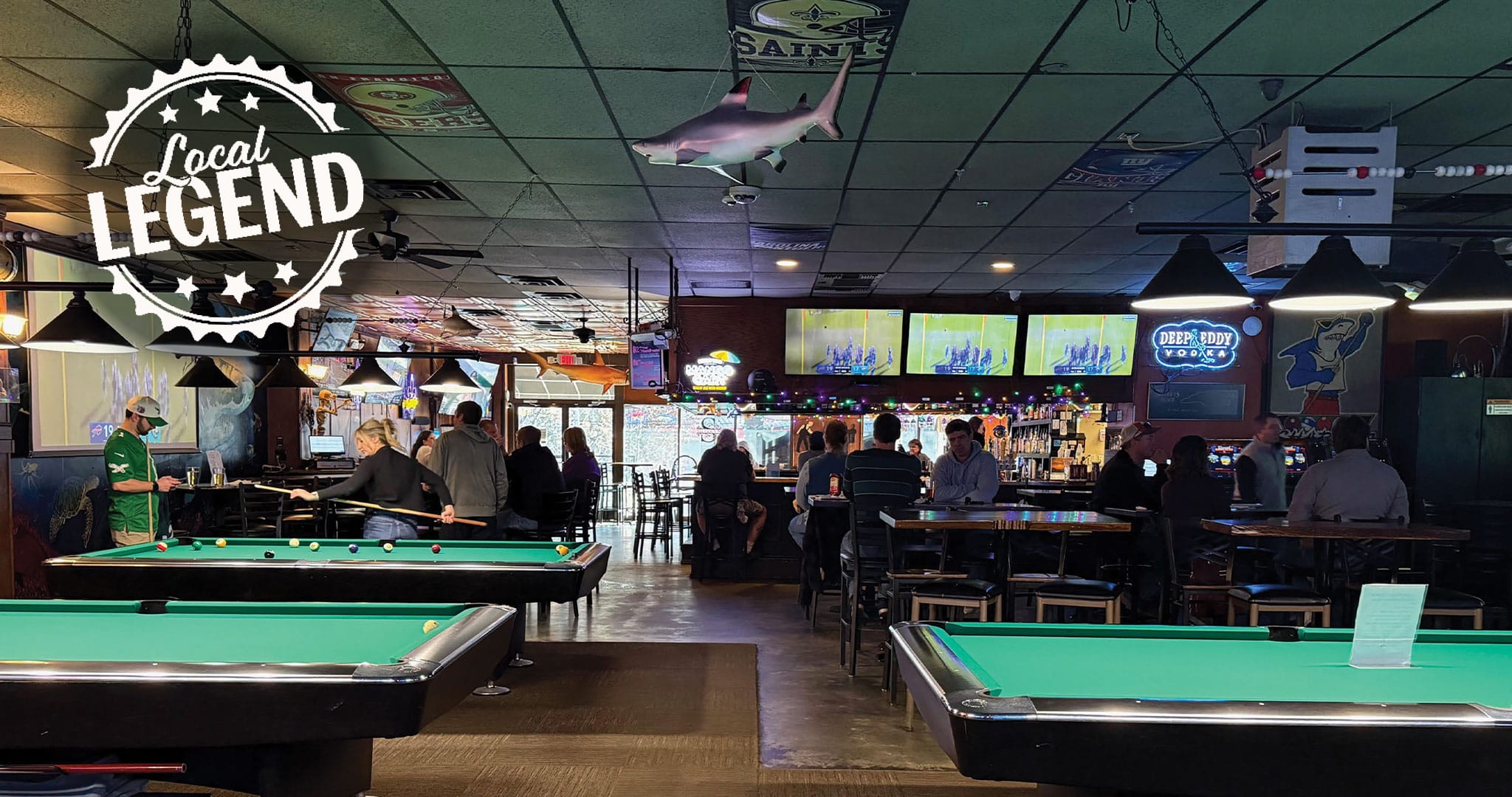
Any given Sunday sidled up at an unassuming bar in West Raleigh, you’ll find a loyal legion of regulars who’ve been holding court for nearly 40 years—from game days to pool and dart duels to trivia nights.
So, “Who Dat?” Sharky’s owners Randy and Simone Wilson have been calling the shots since 2012, when they took over from founder Jack Pinkstaff, delivering a spirited revamp that’s kept the now “saintly” dive vibe very much alive.
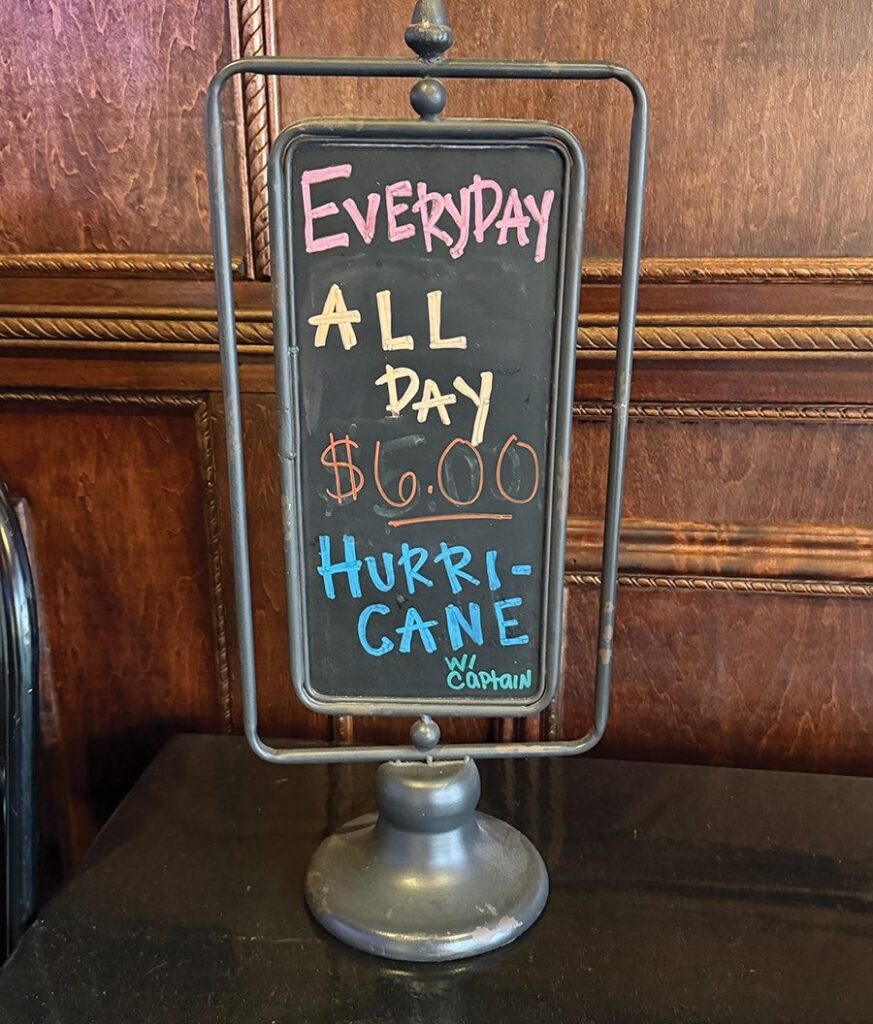
Born and bred in the Big Easy, Simone dishes a dose of Cajun flair via a menu that skews sports bar-meets-Nawlins—from gumbo to “quite possibly the best shrimp po’boy in the country (including New Orleans)” to house-smoked wings that sing.
Bartenders pour whatever you’re craving—from beers to bourbons—whether you’re bellied up at the bar or grabbing some liquid courage for billiards (or darts, cornhole, giant Jenga, etc.)… and without breaking the bank.
The patio (with game viewing) is a major draw; the bar food, bait; and the unassuming large-screen-loaded hang, a legend in its own right. “I don’t drink,” says one bargoer—“but Sharky’s is by far my favorite bar for the people-watching.” And, adds another, “Their food is f*cking delicious.”
But despite the cult-fave fare, Sharky’s is—for all intents and purposes—a true neighborhood dive. It’s the Crowley’s of Northwest: where you might go when you’re craving a bourbon at Blind Barbour but live above Crabtree… or when you want to shoot pool without the corporate-chain energy.
Because in a culture obsessed with new, novelty and cocktail couture—and in an otherwise bar-desert stretch—Sharky’s has stayed the course in its stripped-down, no-pretense MO and not just survived, but thrived: super chill, welcoming and living its mantra as “the coolest bar in the world.” And the stans are here for it—those four decades off Duraleigh proof-positive that real staying power rests in cold beer, consistency and a kind of community you can’t manufacture.
Inside the cultural pivot making singlehood a point of pride
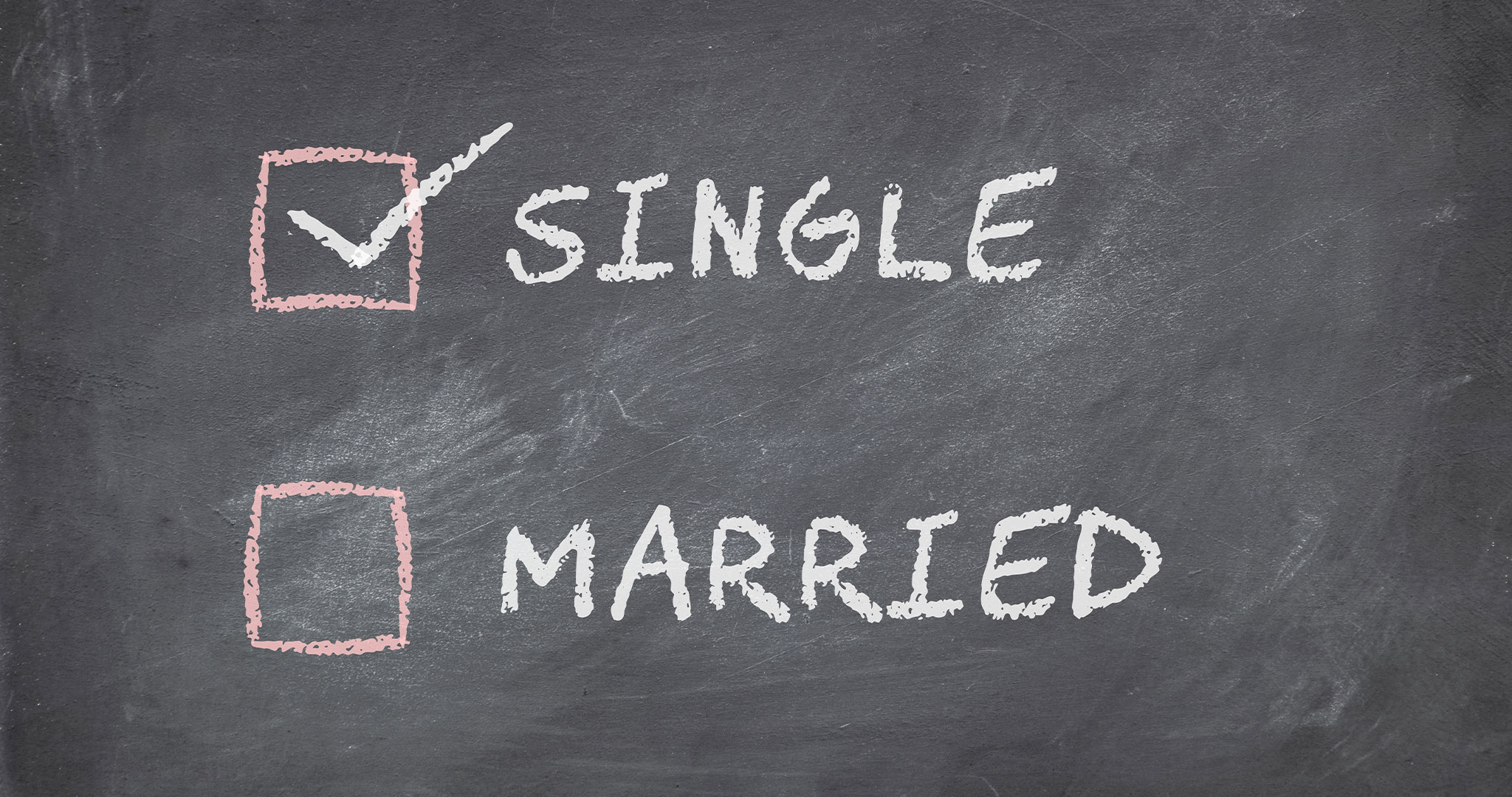
In the age of boyfriend gate—when having a boyfriend has officially jumped the shark—it’s never been cooler, calmer or more socially acceptable to be single. To be clear: The “boyfriend cringe” moment is about heterosexual norms—not all partnerships. Other kinds of relationships don’t carry the same cultural baggage the meme is poking at.
As British Vogueput it: “Being partnered is no longer considered an achievement, and, if anything, it becomes more of a flex to pronounce yourself single.” It’s the perfect cocktail of dating (and marriage) fatigue plus “I’m actually good alone.” Call it the relationship recession—The Economistliterally did.
Women—and the world—are realizing their relationship status is the least interesting thing about them. Boyfriends aren’t just out of style—they’ve been recast as “embarrassing” and benched until they’re worth the emotional bandwidth.
Brass tacks: Relationships have always been transactional. For generations, women needed men for financial stability while they were relegated to the home. But the last five decades blew that model wide open, as women secured their own credit cards, mortgages and careers, climbing the corporate ladder to “boss” status. Now, the cultural currency is finally catching up.
The baked-in imbalance in the OG script is impossible to ignore. “Beyoncé could work at Burger King and still marry Jay-Z; the opposite is not true,” says Scott Galloway, entrepreneur, professor and host of The Prof G Pod. Women don’t want to—nor should have to—dumb down to date up. Especially now that women outpace men in earnings and degrees in major metros—and are launching businesses at record rates.
Cue the collective “aha” moment. If the financial transaction is no longer necessary, women are finally asking: How does a relationship actually serve me? And that epiphany went viral—spreading from the think-piece trenches to social feeds—where memes, magazines and macroinfluencers all hammered home two truths. One, women are so much more than their relationship, and, two, a connection is only worth pursuing if it provides added emotional value. So, not all the single ladies are looking to put a ring on it.
The data mirrors the vibes. Surveys of single women consistently point to the imbalance of emotional labor as exhausting. A new Hinge study sharpens the picture: 81% of single women 35+ say they’d rather stay single for life than be with the wrong person (compared to just 39% of men). And a major study of midlife “silver splitters” (45–65) found nearly one-third of women are happier than ever post-divorce. Meanwhile, marriage rates continue to nosedive, falling to just ~6 per 1,000 people—the lowest in American history.
Looking ahead, analysts project that by 2030 roughly half of women ages 25–45 will be single by choice. With women out-earning, out-degreeing and out-autonomizing men in nearly every measurable way, the old “why aren’t you partnered?” is starting to feel like the wrong question—yet perhaps easier to answer than ever.
To wit, the decorum around singlehood—how it’s framed, judged and interrogated—is rapidly evolving. What was once treated as a personal failing is now a point of pride. Maybe Carrie Bradshaw was ahead of her time. “Maybe our girlfriends are our soulmates, and guys are just people to have fun with.” In other words, we’re Barbie, and they’re just Ken.
BTN: The Stat Story 28.6 Median age for first-married women (2025 Census) 30.4 Median age for first-married men (2025 Census) 49% New businesses started by women in 2024—a 69% jump from 2019 ~79% → ~47% U.S. married households historic peak 1949 vs. today’s low 81% Single women 35+ who prefer singlehood over the wrong partner (Hinge) 50%+ Single women who say they aren’t even looking (Pew/Match)
Do you want a high-toned budget banger—or are you more of a Dad Wine devotee? No matter how you prefer to pour, the lingo around vino—and the culture that shapes it—is changing at warp speed.
Just five years ago, Punch published a viral “new vocabulary of wine,” and since then, the bottle shift has accelerated so rapidly that it already needed a sequel. In just a half-decade’s time, everything from the way we shop to how much we imbibe (and how loudly the internet weighs in) has evolved. The upshot? Wine—and the words around it—is more accessible than ever.
“I’ll admit I still use the nerdy wine words when I’m in that crowd,” says Katie O’Kane, a sommelier with the Court of Master Sommeliers and co-owner of The Hippo Wine Bar & Shop and Gussie’s. “But even that circle has embraced the more fun terms.”
For O’Kane, the goal isn’t dumbing things down, it’s lowering the stakes—encouraging curiosity without worrying about sounding “right.”
“I find it helpful to be the first to demonstrate,” she says. “If I go first, they’re more likely to vocalize when they’re tasting [in real time]. I also like to connect it to a memory they might be able to relate to: ‘Did you ever go blueberry picking as a kid?’ That’s so much more than just blueberries. It’s the stems, the leaves, the crisp air, the dirt. Then I love to see what they come up with. There’s no wrong answer.”
That comfort level is the ideal—because we can’t all be somms. And that’s kind of the point. “That’s a line I use all the time,” quips O’Kane. “Guests will say ‘I don’t know XYZ,’ and we’ll say: That’s our job! It’s also OK to admit you don’t know everything as a somm. The world of wine is so big and constantly changing—how could you? True expertise is constant curiosity and being able to find the answers.”
Part of the challenge is that many common wine descriptors are wildly subjective, which makes it hard for people to describe wine naturally. Asking for something “dry” or “fruity” can mean different things to different people. Though, she adds, when words get fuzzy, body (light, medium, full) is often a good guide—and hand gestures, tone and personality can do a lot of the heavy lifting.
So whether you’re reaching for a “big red wine,” Dad Wine (same diff—pick your poison) or light-red lip smacker, the real learning happens in the doing. You can’t just read about wine—or “shitpost” about it. You have to taste it, talk about it and trust your own impressions.
“I’m so here for [this shift],” emphasizes O’Kane. “Wine can be so intimidating. Loosening our language has made it more approachable. It’s honestly one of the big reasons owning a wine bar/shop was so appealing to me—[figuring out] how we can make wine less scary and more fun.”
And, really, that’s the takeaway: Wine doesn’t need a perfect vocab to be understood. It just needs an open palate, a little curiosity—and the confidence to say what you taste, even if the word you’re looking for isn’t “correct,” just honest.
Wine Lingo Decoded
From wine shops to social feeds— the lingo on everyone’s lips
Baby fat: Early texture that fades with age Big red: Bold, full-bodied, high impact Budget banger: Punches above its price Clean: Fresh, crisp, uncluttered flavor Crisp(y): More vibe than structure Crushable: Easy drinking, low-effort sips Dense: Concentrated flavors, heavy body Flirty: Playful, light, easygoing Fruit bomb: Explosive ripe fruit flavors Funky: Earthy, wild, intentionally different (think the orange wine craze reemerging) Jammy: Ripe fruit, not sweet Juicy: Sweetness-adjacent, not scary Patio/porch pounder: Made for day drinking Tight: Needs a minute to open
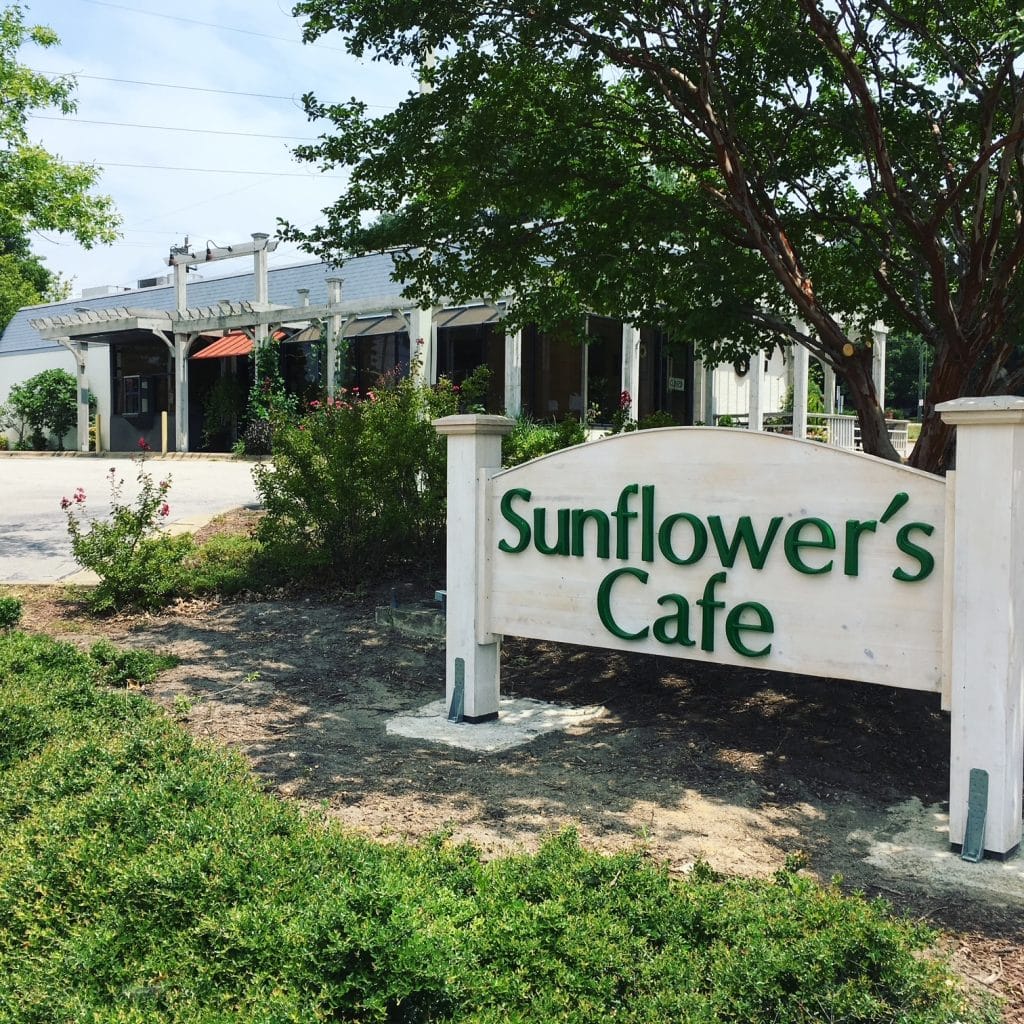
Don’t call it a comeback—they really were here for years. Raleigh’s about to blossom again as Sunflower’s Café makes its long-awaited return—this time to the burgeoning Rockway development on DTR’s southern edge.
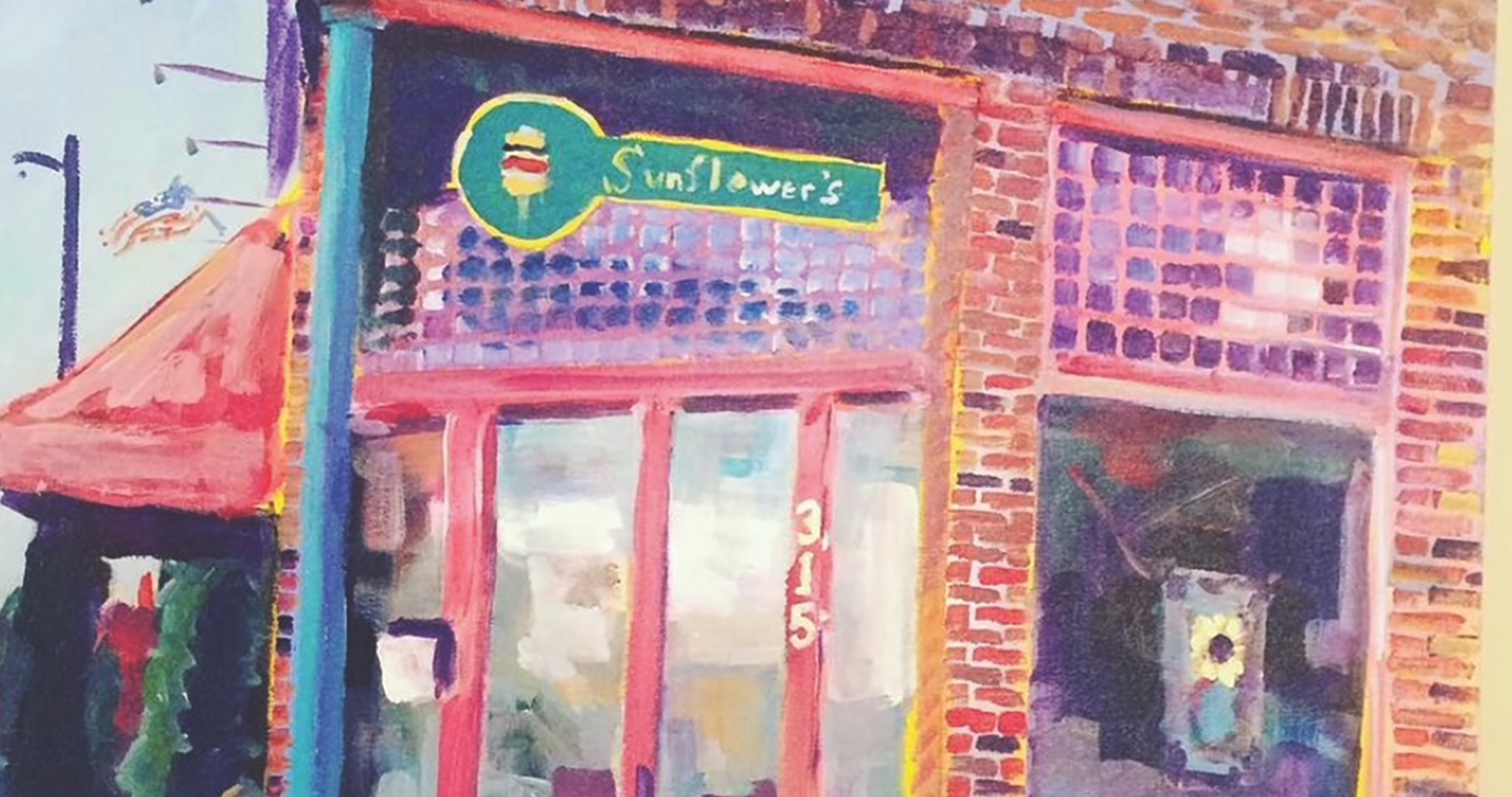
Before Downtown was packed with buzzy cocktail bars and chef-driven hot spots, Sunflower’s was theneighborhood anchor—a bright mom-and-pop sandwich shop known for its fresh salads, housemade desserts and cheerful yellow facade.
For 37 years, the cafe fed locals with steady warmth and simplicity before closing to much heartbreak in 2020, leaving a void for Raleighites craving an F&B scene that doesn’t sacrifice its roots in pursuit of the new.
Now, that sunflower is set to rebloom, slated to reopen in 2026 in Kane’s new work-stay-play community as the fourth announced tenant at The Row. Helmed by Quinn Ferebee—son of OG owners Deborah and Clay—the reimagined spot promises the same scratch goodness Raleigh remembers, paired with a mod twist: full bar, craft ’tails and late-night vibes where dining tables flip to pool tables.
“I’m excited to reintroduce an old Raleigh favorite to a new audience, as well as to those who enjoyed it for so many years in Downtown,” says Quinn. “I hope to honor my parents’ legacy and make it the best it can be.”
With its fresh start at The Row, Sunflower’s is poised to brighten the DTR landscape once again—proof that in Raleigh, even after the petals fall, the roots run deep.