Step aside, eatertainment—sportstainment is here to play. The blend of sports and entertainment is surging in popularity, with a host of athletic activity concepts taking root in Raleigh.
And these sporty spots are ingraining themselves in the city’s existing culture and nightlife. Take Smash, a swanky new pingpong bar by LM Restaurants anticipated to open in the now-shuttered Carolina Ale House location on Glenwood South this summer. Set to showcase an “unparalleled nightlife experience,” per LM Restaurants, the club will serve up cocktails, shareable bites and entrees with a side of friendly competition—ideal for those who love a more interactive night out.
While Smash will be the city’s premiere pingpong club, several competitive socializing concepts have already dipped a toe in the Raleigh market. Hop Shots Mini Golf changed the game after bowing on Glenwood South in 2024, giving Raleighites their first taste of competition during a night out or barhop. Also testing the waters across the city—and riding the coattails of the increasingly popular pickleball wave—are popular Pin Point, the largest and first combined indoor pickleball and golf concept in the Southeast, and soon-to-bow Swing, which will deliver an “all-you-can-play destination” (think tennis, pickleball, padel and pingpong), plus plates and pours.
Pin Point CEO Garrett Leatham credits this local sporty surge to the popularity of a healthy lifestyle paired with a push to get off the screen and socialize. “It forces people to put their phone down, come out of their shell and break down barriers with sports we all love,” maintains the Raleighite.
To wit, the golf and pickleball club just broke ground on its second space in North Myrtle Beach, and despite drastically different demographics, both Raleigh and North Myrtle are anticipated to stay swinging—but for different reasons. “North Myrtle will be more entertainment-based, with more families spending a fun night with their kids,” emphasizes Leatham. “Raleigh is more a mix of entertainment- and membership-based.”
While locals love a boozy playground, many are leveraging sportstainment concepts for a sweat over swigs. Where eatertainment sees sips and snacks with a side of casual gaming, sportstainment serves a full-blown competition at any time of day with an optional bev or bite to boot.
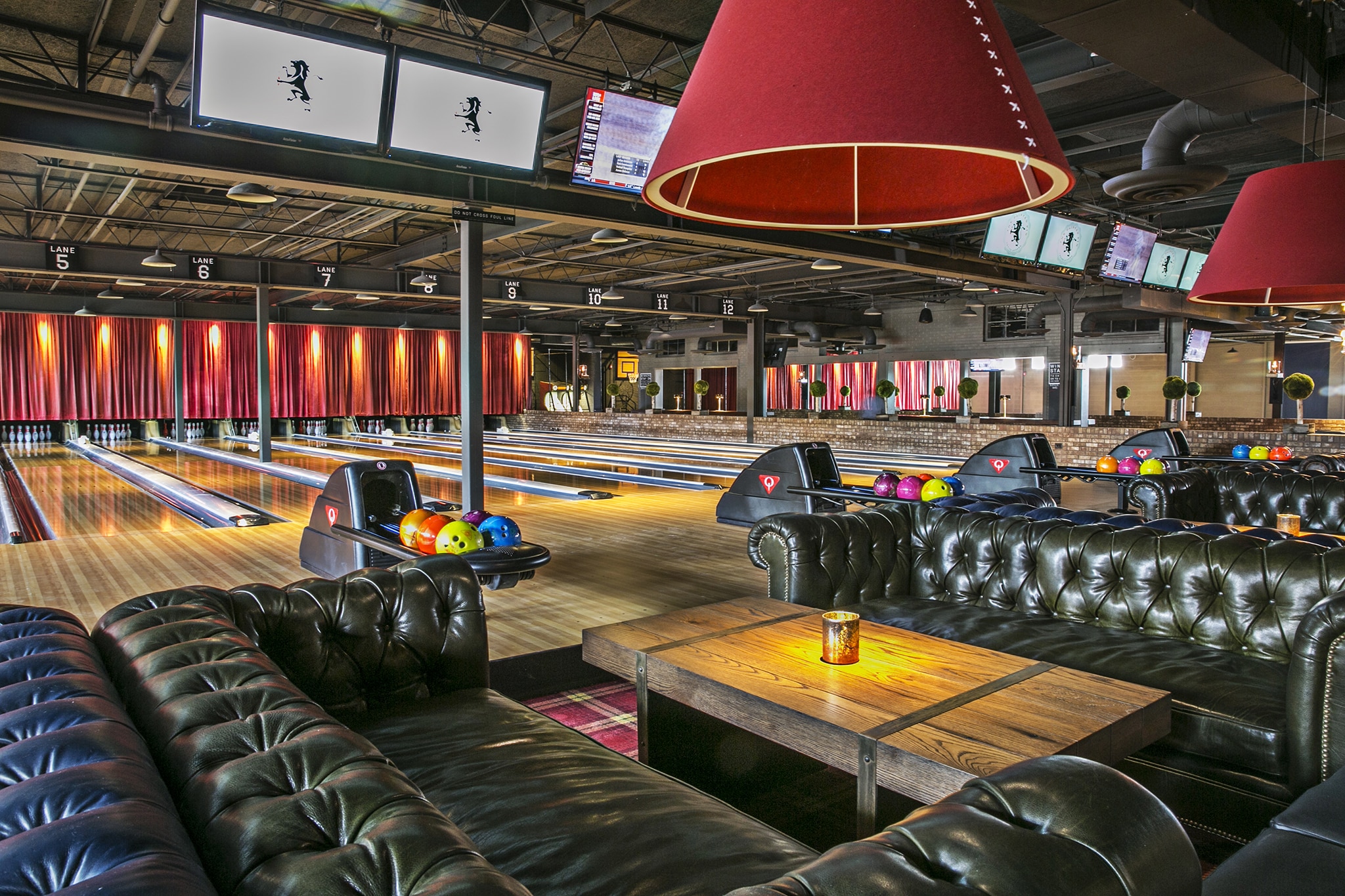
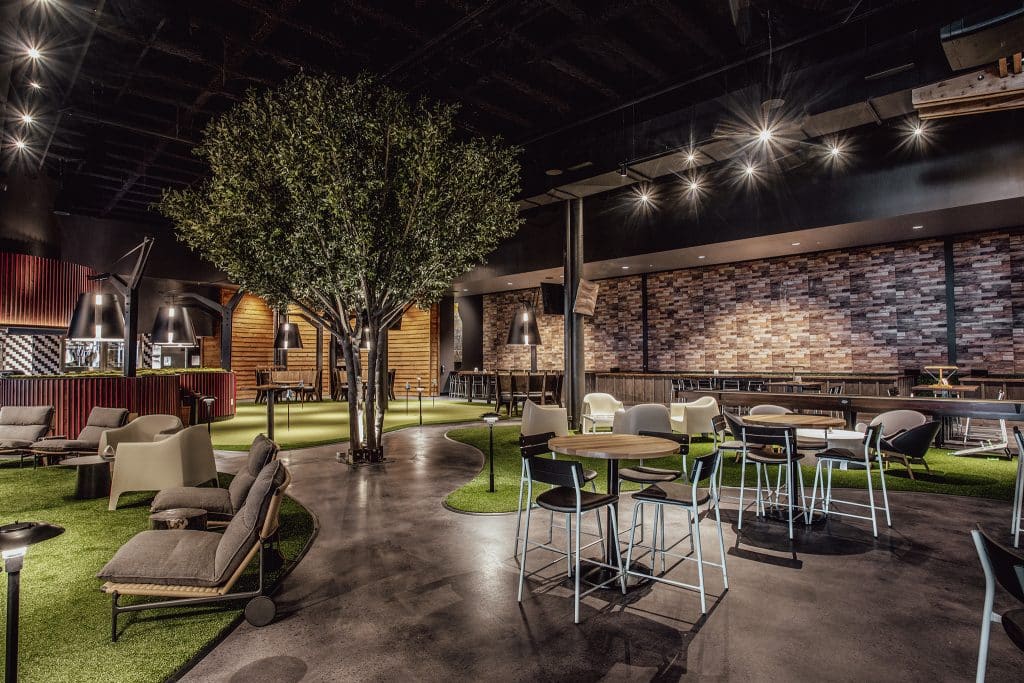
From top: From bowling to pickleball, ATL’s Painted Pin and Painted Pickle are proof that sportstainment is more than a trend—it’s a lifestyle.
And Raleigh isn’t the first to capitalize on the trend—cities like Atlanta jumped on the bandwagon long ago, with hot spots cropping up citywide. ATL-based Painted Hospitality President & CEO Justin Amick has launched four separate sportstainment joints boasting bowling, duckpin bowling, pickleball, and a “park” with pingpong and games. Apart from ATL’s ever-increasing passion for paddle sports, Amick emphasizes the importance of sportstainment concepts—or “compeateries” as he calls them—planting roots near an abundance of large corporations.
“There are so many large gathering opportunities… like corporate team-building events and adult birthday parties centered around pickleball—it’s a huge part of making that model work financially,” he says. “It really helps fill those off-peak hours of business and those early days where your courts need to be activated in full.”
Even with multiple sportstainment concepts incoming, this activation of competition can still be glimpsed at Raleigh bars that don’t build out courts or base a whole theme on it—think the punching machine at Teets, the board games at Stella’s and the oversize Jenga tower you hear clatter to the floor at almost every bar Downtown. The bottom line: Sitting still is out, and living, playing and socializing are so in.
We tapped top editors around the country for what’s hot right now—and what’s coming in 2024.
In almost every facet of life, what’s in fashion is cyclical (see: skinny brows, flare jeans, clear liquors…). But when it comes to our ever-evolving palates—flavors don’t just fall in and out of favor. What’s new and now seems to only sate our unending appetite for the next best thing for mere moments, leaving it hard to fathom what’s next. But, lucky for us, regions vary on their timing and fervor for the newest flavor… each trend-setting city teeming with critics—er, citizens—ready to deem the latest “it” factor or passing fad.
As we look ahead to the year to come, we know no one has a better vantage point into the looking glass than city mag editors. So, we tapped a handful of top brass around the country in cities we’re oft compared to or chasing to help us forecast what’s hot right now and what’s coming in 2024. And in my convos with these six foodie experts, one thing’s for certain—2024 is gonna be a vibe.
Retro classics: “One of Dallas’ hottest restaurants serves sole meunière, lamb Wellington, and lobster thermidor. We’re partying like it’s 1965.” Clubby Korean restaurants: “All-you-can-eat BBQ… and bottle service. Kimchi… and bouncers.” Beer-flavored beer: “After years of pushing various boundaries, Texas breweries are falling back in love with plain old light lagers, pilsners and pale ales.” Small business bonds: “Most unusual of all, a Dallas bakery recently issued small business bonds. Here’s an interview about it and the actual bond account.”
Photo by Carly Cooper
Atlanta —Carly Cooper, Writer & Editor Atlanta magazine
Headshot by Lia Picard
Influx of omakase: “Atlanta has seen an influx of omakase restaurants—from Omakase by Yun to Brush. Mujō and Hayakawa were even awarded one Michelin star for their offerings.” Vegan en vogue: “From plant-based burger enterprise Slutty Vegan to Latin-flavored La Semilla, vegan restaurants have burst onto the scene.” Modern Mexican: “Modern Mexican is taking Atlanta by storm with regional dishes like squash blossom quesadillas at Oaxaca, creative cocktails at Palo Santo, and seafood-forward fare at D Boca N Boca.”
Photo courtesy of Amar
Boston —Rachel Leah Blumenthal, Food Editor Boston magazine
Local seafood, global inspirations: “An increasing number of Greater Boston-area restaurants are showcasing global cuisines using our beautiful local products—like brilliant new Vietnamese cocktail bar The Eaves or new upscale Portuguese restaurant Amar. Ember-grilled Maine lobster with Azorean pineapple and preserved fennel, anyone?” Fine dining: “Special-occasion dining has taken a much more casual spin in recent years. Patrons—particularly young professionals—are excited to pay top dollar for incredible food in crowded, energetic restaurants with booming soundtracks; zero dress codes; service that’s friendly but far-removed from old-school fawning hospitality; and flavor-packed, hands-on small plates to be dug into with friends. Special-occasion dining has taken a much more casual spin in recent years. Take Lenox Sophia—one of the highest-ranking restaurants on our just-updated guide to Boston’s 50 best restaurants. You’ll pay upward of $100 per person for an elegant and expertly prepared prix fixe menu, but the vibe is casual, like you’re in chef-owner Shi Mei’s own home.” Dramatic cocktails: “We’re a little in danger of leaning too gimmicky on this front, but a lot of recent additions to Boston’s cocktail scene are carefully striking the right balance: Craft cocktails with fun, over-the-top presentations are having a big moment here right now. Secret passwords, plenty of things on fire, garnishes bigger than the drinking vessel, hair-related puns (see: Boston’s appropriately named Wig Shop)… sure!”
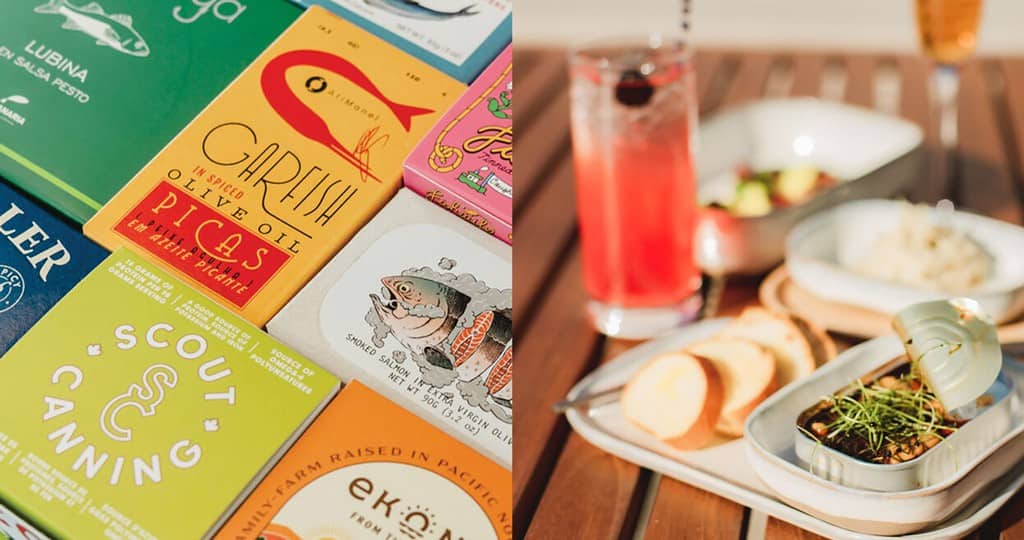
Tinned fish: “Move over, ceviche! Conservas have become the ‘it’ appetizer, with briny options popping up on menus— from hotel bars to hot restaurants.” Nonalcoholic scene has gotten huge: “There are NA drinks on every menu; tons of zero-proof brands based here; and Austin is home to the country’s first NA bar, Sans Bar.” Restaurant bathroom decor: “Featuring custom murals, neon signs and even disco balls, these eye-catching loos all but demand a selfie.” IG-worthy cocktails: Beyond ’Grammable ’tails, “speakeasies are everywhere, shrimp cocktail seems to be having a moment and burgers in general seem to be everywhere.”
Photo courtesy of Tuk Tuk
Chicago —Amy Cavanaugh, Dining Editor Chicago magazine
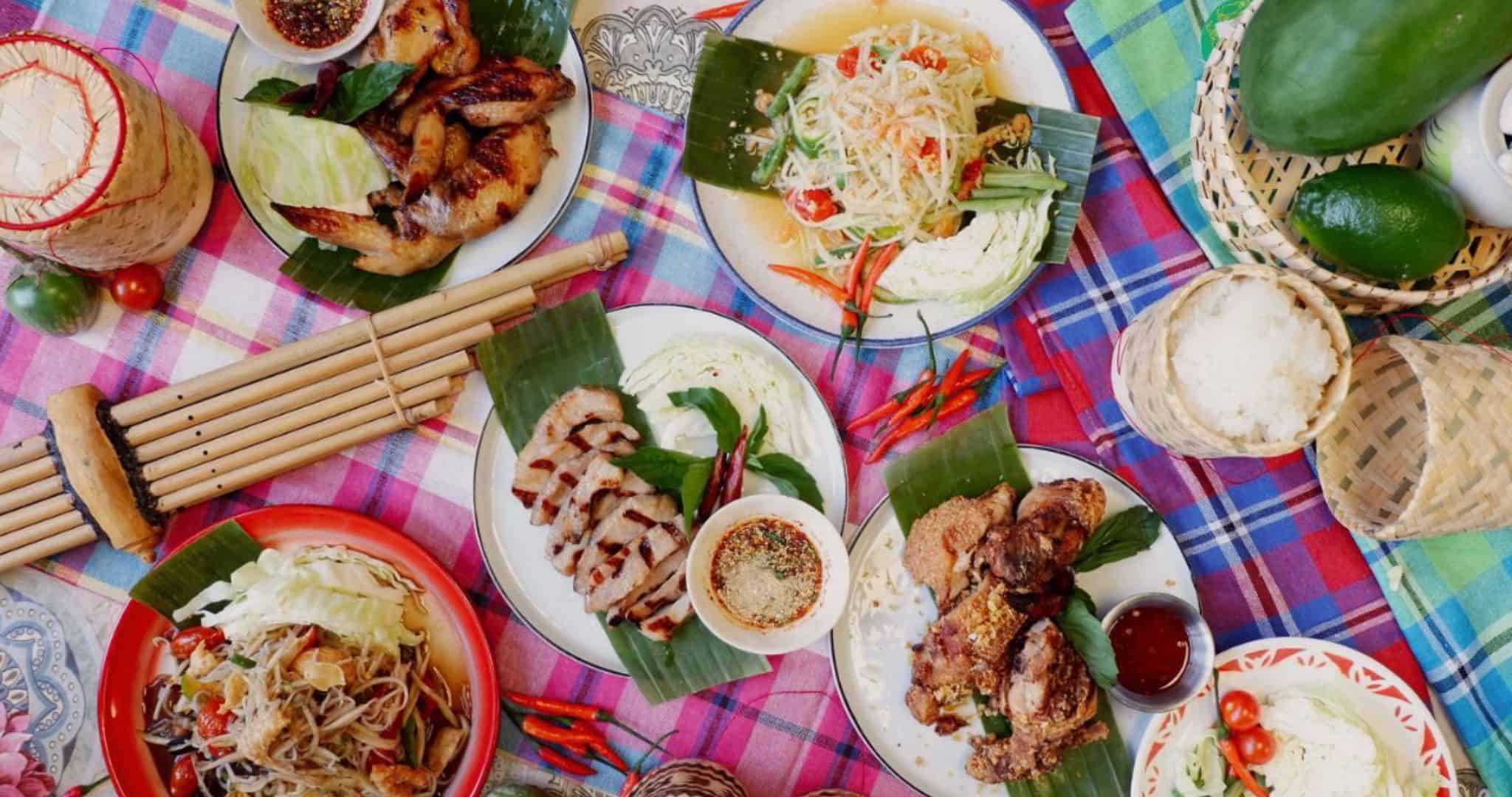
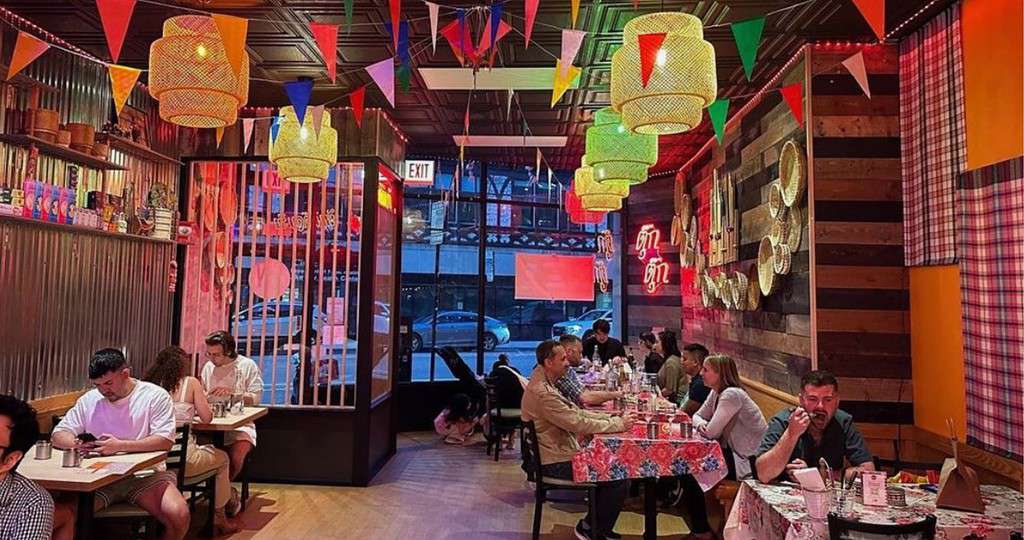
Hyper-regional fare: “We’re seeing new spots open focusing on hyper-regional cuisines, such as at Thattu, which serves the food of Kerala, and Tuk Tuk, which serves Isan fare.” Sober curious: “Low and no-alcohol drinks continue to grow in popularity, and we’ve especially been seeing nonalcoholic wines recently.” Affordable fine dining: “Chicago is known for its fine-dining scene, and the past couple of years more affordable tasting menus have sprung up. It’s a reaction to the pandemic and the issues that restaurants still face, and it makes luxe meals more approachable for diners.”
Photo courtesy of Gallery Armada
DC —Jessica Sidman, Food Editor Washingtonian
Maximalism is in: “The TikTok boom, increased prices and pent-up pandemic demand have all converged to make dining out feel more like an event. The result is over-the-top decor, plus dishes and drinks that come with a show.” Food halls gone fancy: “Food halls aren’t just glorified food courts anymore. They’re home to Michelin restaurants and high-end omakase menus, and they’re attracting talent from some of the city’s top restaurants. The Square and Love, Makoto—which both opened in 2023—are two prime examples.” French food wave: “Maybe because it’s a familiar cuisine in uncertain times. Maybe it’s just another example of a cyclical food trend. But the DC area has seen a lot of French restaurant openings over the past year—from the refined regional cooking at Petite Cerise to comforting bistro classics at Josephine.” Everything’s a vibe: “We’re seeing lots of restaurants that are more about the scene than what’s on the plate.” Service fees everywhere: “In 2022, DC residents voted to phase out the tipped wage system that allows restaurants to subsidize the base pay of servers and bartenders with gratuity from diners. To make up for increased labor costs, many restaurants have implemented mandatory service fees, which can range from 3 to 22%. That’s causing a lot of confusion among diners about tipping expectations.”