It’s the end of the buzz (as we knew it)—and the bar business is adapting.
In sobering news, the alcohol industry has lost more than $830 billion in market value over the past four years. Not to tariffs or interest rates. Not to regulation or prohibition. But to a generation that simply stopped drinking the way its elders did.
A Bloomberg index tracking 50 major beer, wine and spirits producers is down 46% from its 2021 peak. Meanwhile, according to a 2025 Gallup study, U.S. consumption has fallen to its lowest level since 1939—lower than postwar America and the Great Depression era. On paper, it reads like an obituary. Cue the panic.
But the numbers don’t tell the full story. Roughly half of adults under age 35 still say they drink—50% of Gen Z, compared with 56% in each of their older generations. So what gives?
The catch is how those polls measure behavior. You either drink—or you don’t. Someone who has one glass of wine a month—or even a year—shows up the same as someone closing out a bar tab every Friday and another who takes down three cocktails a night. They look identical in a survey. They do not, however, show up the same on a balance sheet.
Follow the money, and the narrative flips: Millennials, Gen X and Boomers still clock nearly dead-even on annual alcohol spending—about $25B each. At the other end of the bar, Gen Z is pulling way back (though, to be fair the youngest Zer is just 17). But fewer young drinkers doesn’t mean fewer drinkers, full stop. It means the center of gravity is shifting upward in age, income and very different definitions of a night out—forcing the bar business to adapt in real time.
While they have earned their reputation as the “drunkest generation” in terms of consumption behavior—never mind normalizing the craft cocktail craze, brewery culture, natural wine obsessions and destination drinking long before sober curiosity became de rigueur—they weren’t drinking alone. Gen X and Boomers are still sidled up to the bar right beside them—and increasingly, they’re the ones keeping the lights on. In dollars spent, those 46+ are now just as central to the industry’s bottom line.
That matters because older drinkers don’t just drink differently—they spend differently. With higher disposable incomes and deeply ingrained habits, they’re more likely to linger, trade up and prioritize experience over price point. Fewer late-night shots. More reservation-worthy cocktails, curated wine lists and destination dens.
You can see that shift playing out locally. At DTR cocktail bar Killjoy, owner/operator Josh Gagne says the crowd reliably skews 30–50—but it doesn’t stop there. As Raleigh’s population ages up and incomes rise, bargoers craving the same quality, creativity and atmosphere—just on their own terms—now extend well past 50, quietly phasing out the image of beer-soaked bars dotted with 20-somethings (save stretches of Glenwood South).
Together, those forces have quietly recalibrated the bar business around an older, more intentional consumer—one less driven by volume and more by value.
What’s in the Glass
Beyond the where, there’s the what. Bars aren’t just pouring alcohol anymore. Catering to a clientele looking to skip the hangover—and increasingly accommodating Gen Z’s lower-alcohol leanings—menus now stretch from craft mocktails to alternative-buzz THC and CBD bevs.
That shift has accelerated with a cultural gut check: A recent Surgeon General warning linking even light to moderate drinking to elevated cancer risk—a modern echo of the 1964 smoking report. The message landed—and curiosity followed.
“THC drinks are being refined and are an option a lot more people are choosing,” says Hibernian Hospitality Group mastermind Niall Hanley, whose spots sling local delta-8 and delta-9 THC Groovewagon cans. “Easier on the body, no hangover, fewer side effects—it’s a growing sector.”
Locally, operators have been leaning in fast—from breweries like Trophy and Incendiary releasing their own canned concoctions to bars like Whiskey Kitchen, Bowstring and Irregardless mixing up THC ’tails.
“Some people aren’t drinking—or they’re changing the way they’re drinking,” says Trophy co-owner Chris Powers. “We want to be accommodating to that. We’re beverage people. We’re connoisseurs. We like to try new things. It just makes a lot of sense for us to do our own.”
Where the Night Moved
The days of throwing up a shingle and slinging Bud Lights across the bar are largely over. Today’s drinkers are craving activity, connection and spectacle—the rise of eatertainment, sportstainment and palatable playgrounds serving as proof positive.
“As people look for more than just dinner and drinks, we’re embracing the eatertainment phenomenon [by] creating spaces as dynamic and connected as the guests who fill them,” says Amber Moshakos, president of LM Restaurants (think Vidrio, Birdie’s, Carolina Ale House).
Raleigh’s first foray into the category, Jaguar Bolera pairs duckpin bowling, karaoke and darts with cocktails and comfort food inside Raleigh Iron Works. Leveling up the Glenwood game scene, Hop Shots splashed on the scene with a day-to-night minigolf playground. And LM Restaurants’ new Smash Social Club rallies the party district, hitting with nearly 10K square feet of table tennis, shuffleboard and electric darts, all fueled by craft cocktails and brews.
“Guests want to engage, compete and connect—not just scroll or sit still,” maintains Moshakos. The payoff: longer stays, bigger groups and higher tabs baked directly into the experience.
Beyond activity, there’s also the pull of the aesthetic: dives like Stella’s dripping in ’90s-core nostalgia, cinematic spaces such as Capulet that feel closer to a film set than a barstool. In a digital world, the psychology matters. People want to feel like they’re going out—not just going drinking. And with elevation comes cost—a reality the older audience understands, sustains and can afford.
The New Last Call
So when new data shows drinking hitting a 90-year low, the narrative rushes toward an easy conclusion: America is sobering up. The party is over. The bar tab is closing.
The reality is much more complicated—and more interesting. Drinking isn’t disappearing—it’s redistributing: across generations, across formats, across spaces. The shift is less about abstinence and much more about who’s still keeping tabs open, what’s filling the glass—and where.
In other words, the math only doesn’t math when you’re counting heads instead of dollars. Call it the myth of the dry generation. Trace the dollars, the age curve and the experience economy, and an entirely different story emerges: Drinking is maturing, stratifying and relocating.
All told, the bar has been raised—literally. And despite the headlines, drinking isn’t dead—it just came of age.
Village District’s first full-fledged cocktail bar Mr. Henry—from the mind of local hospitality vet Matt Bettinger—is now open, pouring classics like cosmos, spritzes and a top-notch martini in a British pub-esque environment. Cheers to that, guv’nor!
Giorgios Bakatsias is on a roll—literally. His newest concept, Tomi Sushi, has landed at East End Market with elevated contemporary Japanese selects, from signature rolls and nigiri to traditional starters, protein-heavy entrees, and soups and salads.
In ~sweet~ news, Bittersweet and Johnson Street Yacht Club owners Kim Hammer and Lewis Norton’s Bitter Social is now open above Centro. Combining happy hour and social hour, the hot spot features cocktails and recurring events like Trashy Wine Club, DJ dance parties, smut poetry nights and more. It’s like Friends meets dive bar.
Bitter Social
Oh, how sweet it is (to be loved by Tifa)! Tifa Chocolate & Gelato is now open in North Hills. A sweets lover’s dream, the shop offers chocolate, gelato, cookies, coffee and tea, and other treats.
Pour it up! DTR’s first ABC storein ~40 years has bowed with over 2,000 bottles (including NC products) in the former Kimbrell’s Furniture location next door to Deco on Salisbury Street. Downtown spirits—officially lifted.
A taste of Cabo is coming to Brier Creek Commons early this month via the local Torres family’s Cabo Mexican Cuisine feat. a Baja California-inspired menu with the likes of tacos, ceviche, and mezcal + tequila drinks. No sunscreen necessary.
Pasta la vista! Smoky Hollow’s newest restaurant La Cucina Italiana is now slinging pasta, pizza, subs, salads and other Italian favorites alongside a full bar.
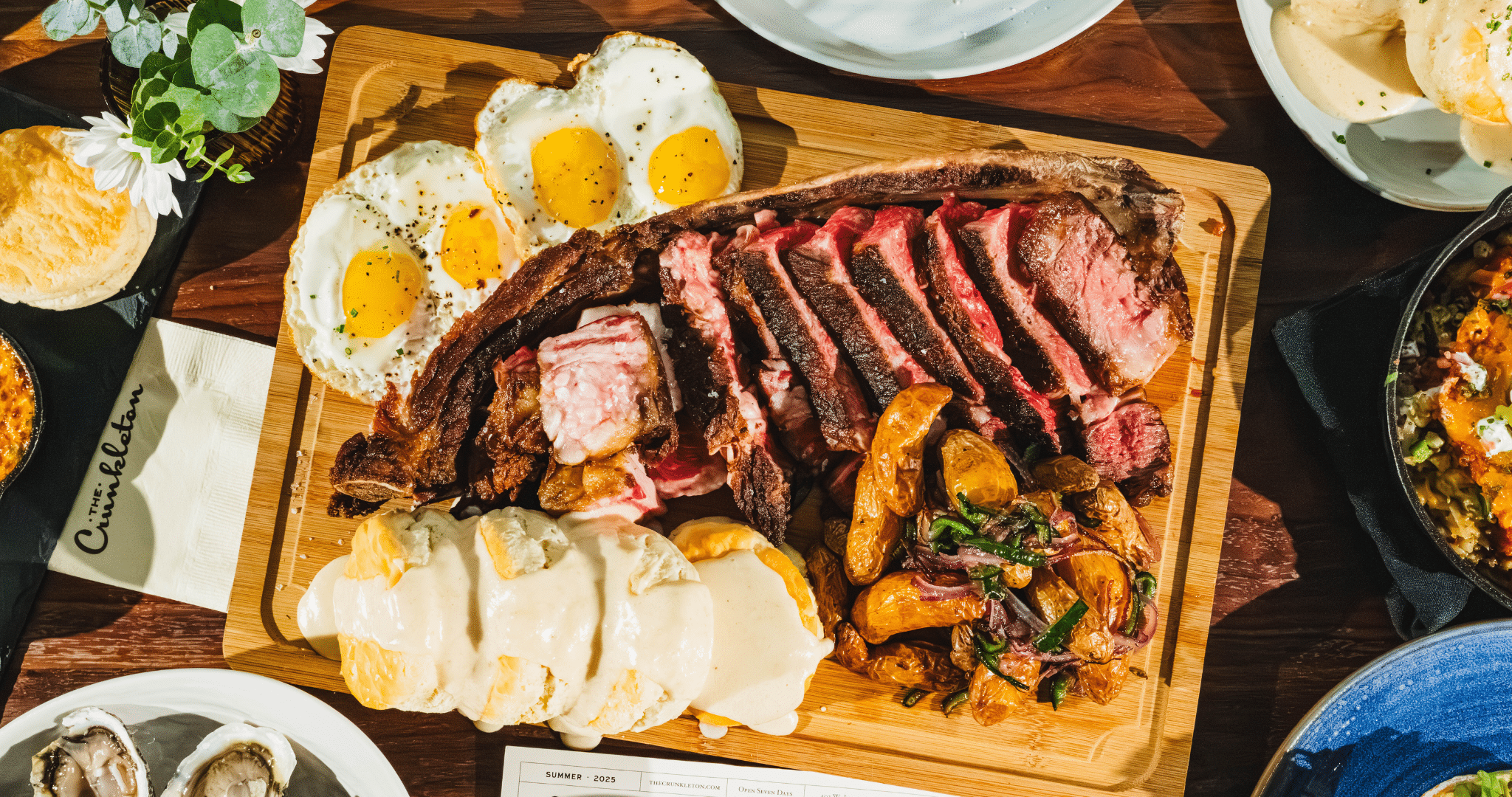
Set your alarms (snooze button optional) for not one, but three new brunch offerings around Raleigh: plant-based dishes at Fiction Kitchen, Mexican and Latin American fare at Mala Pata, and classic faves at The Crunkleton.
Pho real? Following Mofu Shoppe’s closing this summer, new Vietnamese restaurant Saigon Kitchen is expected to fill the space at City Market.
ISO NYC-style bagels right here in Raleigh? Check out V Pizza’s weekend pop-up From Queens With Love, feat. bagels mixed, mastered and kettle-boiled in NYC and finished in the Cary location’s wood-fired ovens.
Buzzy news in 3, 2, 1… 321 Coffee has moved into a larger roastery—its second roastery expansion in three years (!)—that will more than triple its current roasting capacity. Stay tuned for roastery tours and tasting experiences coming soon.
A farewell to inclusive venues The Wicked Witch and The Night Rider, both shuttering for good Nov. 2.
Fresh squeeze, who dis? Stirring up something new at North Hills, STIR has unveiled a revamped menu + bar program feat. in-house juices and dishes like bone-in ribeye, dover sole and shrimp scampi—NTM a signature housemade tonic syrup.
Have you herd? James Beard Award-nominated chef Preeti Waas is opening a second location of her boutique bodega Nanny Goat at the bottom floor of the GeerHouse apartment building in downtown Durham with a spotlight on grab-and-go prepared foods from local chefs.
Japanese and Italian cuisine combine at recently bowed Shinmai Kumo in Cary—from the same team behind Shinmai Shokudo—with unique menu items such as wasabi fries, chicken curry flatbread and tonkatsu tagliatelle. Talk about an international crossover episode.
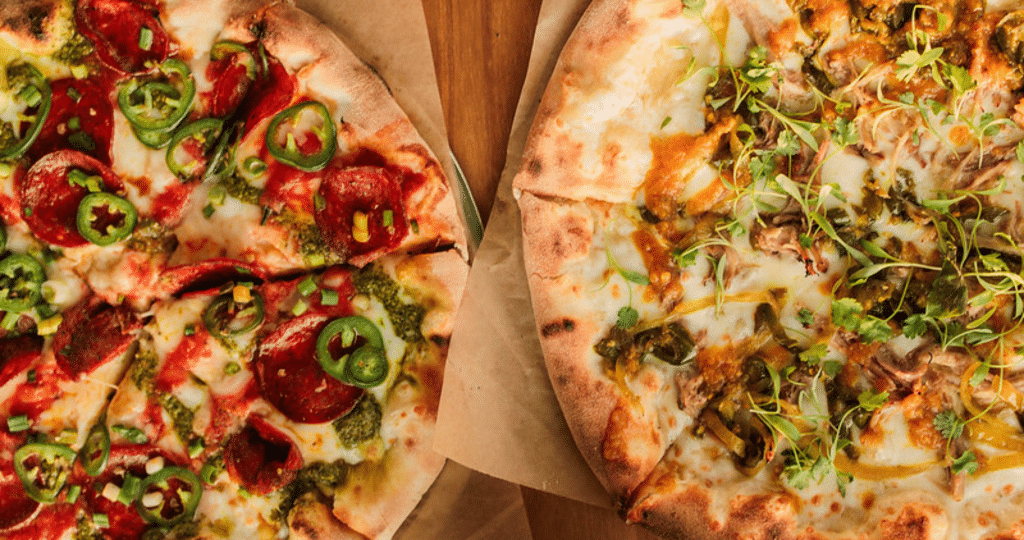
Slice, slice, baby! Popular Raleigh pizza joint Timber Pizza Co. is headed to Durham in December with a new 2,000-square-foot space at The Shops at Wye Junction offering its signature pies, local brews and a “pizza party-meets-summer camp” vibe.
Timber Pizza Co. | Photo courtesy of NiceDay
DTR nightclub Aura Lounge is back open with a reno’d exterior, plus new state-of-the-art DJ booth, lasers and CO2 cannons. Cue the confetti drop!
And we’ll all drift on, OK… The firstDrift coffee shop + kitchen (as opposed to its restaurant-style “cafes”) is coming to Hub RTP in early November.
West coast energy incoming at Oregon-founded coffee chain Dutch Bros, dropping its first NC location in Morrisville by the end of the year.
New name, same pour decisions. Fenton’s CRÚ Food & Wine Bar has entered a new era, rebranding to CRÚ Wine Bar and Bistro—plus launching a reimagined culinary and bev program featuring chef-driven dishes, an extensive wine list and a top-scale spirits selection.
Law enforcement is implementing policies to increase safety in Glenwood South.
A month ago in our September issue, we reported on Glenwood South crime and chaos to mixed reviews—including community backlash accusing us of sensationalizing the issue. But there’s no question the district is experiencing disorder.
David Millette, general manager of Smoky Hollow’s Midwood Smokehouse and future father, died Sept. 1 as the result of injuries suffered from a brutal assault in Glenwood South the Saturday prior at the intersection of Glenwood and Johnson streets. Ruled a homicide, Millette’s tragic death served to draw further attention to the recent crime-riddled district.
Extensive measures are now in the works to mitigate crime and increase safety in the area. Mayor Mary-Ann Baldwin shared with Raleigh Magazine plans for Raleigh Police Department to return to community policing—aka “walking the beat”—where officers make rounds on foot, both in Glenwood South and across Downtown. And to further increase street surveillance, RPD is buying bicycles to patrol problem areas.
Beyond modes of transit, on weekend nights, “the Raleigh Police Department has provided additional staffing in the Glenwood South area to support our patrol personnel,” says RPD Public Information Officer Lt. Jason Borneo. Now, 25 officers are fully dedicated to Glenwood South, while the street is blocked off to prevent through-traffic and street cruising. The road closure and high police presence encourage patrons to head home as soon as the bars close, preventing potential crime and excessive noise after 2am.
But with 91 current RPD openings, the increased police presence isn’t a long-term solution. “We’re a big city with a lot of people,” says Baldwin. “We have issues in every part of the city, and it’s not sustainable to continue to pull officers from other parts of the city to cover one area, so that’s why we are leaning into these unarmed security teams.” While the private security officers can’t make arrests, they can detain until police arrive.
Baldwin’s plans to bring in private security teams to surveil Downtown serves to put more eyes on the street in hopes of preventing crimes from escalating—or from happening at all. And this comes not a moment too soon as a shooting rattled Glenwood South at 1:42am, Saturday, Sept. 16. Three men were detained in connection to the shooting, two of whom were charged for concealed carry.
Ultimately, given Glenwood South’s station as Raleigh’s central hospitality district—responsible for $1.2+ billion in economic impact annually—leaders and citizens alike are united in a goal to restore stability to the palatable playground.
Crime by the Numbers:
In our September issue, we provided a snapshot of summer arrests and citations in Glenwood South from July 1–Aug. 6. Here, we worked with RPD for updated stats from Aug. 7–Sept. 4, as well as a year-over-year comparison for both timespans.
Get down with your bad self at these live music bars in Downtown Raleigh.
Tunes and booze? Name a better duo—we’ll wait.If barhopping for live music is your, well, jam (!), you’re gonna wanna bop Downtown each weekend to bop with a drink in hand. Get the party started in the afternoon—then sway your way into the night. Here, your guide to groovin’ and boozin’ in DTR.
Glenwood South has a slew of new concepts dropping.
Glenwood South is evolving … or devolving? (You be the judge.) Even before the district’s very first restaurant The Rockford shuttered in January, a tidal wave of new businesses was already swelling. See: the closure of other 20+YO business, C. Grace, and the block’s overhaul. The Rockford closing, though, was a defining moment in Glenwood South’s identity—as the strip either reinvents itself or loses its distinct character.
Riding that wave, Oak City Group’s Dan Lovenheim has leased The Rockford. We’re told the man behind Cornerstone, Alchemy, The Avenue, and Pearl & Peril plans to convert the upstairs space to an upscale extension of Pearl & Peril, with little renovation to the interiors and doing away with the food. Cue the debate.
Stretching his reach, Lovenheim is also reportedly opening a new concept at the Devolve space and is leading construction on the empty plot of land between Devolve and The Rockford, slated to take shape as a two-story bar with a rooftop. We also hear he has plans for a fourth new concept on the opposite side of Glenwood Avenue near the escape room.
Add Oak City Group’s holdings to concepts by Matt Kenner of Kenner Group—Dogwood Bar & Eatery, Milk Bar, Pine State Public House, Industry—and you now have almost half the bars on Glenwood South. Some would say the groups act like a panther waiting to pounce, seemingly snatching up every empty space on the street as it overturns.
“There’s some pros and cons to consolidated ownership,” says a city leader to whom we spoke on the subject. And you could say the same thing about Giorgios Bakatsias’ reach in North Hills, or Empire Eats’ Greg Hatem’s downtown. Some people say it’s great to keep business local, while others argue it would be nice to have fresh blood.
But, before you think the block’s bar scene is becoming cookie-cutter, Glenwood South king Niall Hanley of Hibernian Hospitality Group waves his scepter. The Hibernian Pub, Raleigh Beer Garden, Botanical Lounge trio and Ark Royal owner (the latter of which just reopened after a brief closure) exclusively revealed to Raleigh Magazine his plans to open Peggy’s Whiskey & Cocktails (run by local star mixologist Greg Ewan) in the lower corner of Hibernian Pub—formerly called the “green room”—this month.
Change, of course, is a natural part of city progress. Some crave it, while others loathe it. The rub, though, is what becomes of these spots once they close—and whose hands the future of the city rests in.
SPLIT DECISION Split, Glenwood South’s newest and only tequila-dedicated bar, located in the former C. Grace building, opened in March by Halcyon owner Adam Ajaj. The hip bar is divided—hence the name—into an upstairs and downstairs: the upstairs, a loungey bar specializing in tequila drinks; and the downstairs, a more energetic scene playing host to live music and DJs. Ajaj, a seasoned entrepreneur in the local hospitality sector who “back in the day” owned a handful of spots on Glenwood South (he’s since sold them all), also expanded the outdoor patio to wrap around the building. And keep your eyes peeled for another “local neighborhood bar” Ajaj plans to open across the street from Tin Roof in July.